Prague residents willing to get up early on Friday, August 28, will have a chance to witness a partial lunar eclipse, with almost the entire Moon passing into Earth’s shadow shortly before it sets. The eclipse will reach its maximum at 6:12 a.m. CEST. By then, only a narrow section along the Moon’s northern edge will remain illuminated. In Prague, the Moon is expected to set at approximately 6:17 a.m., leaving only a few minutes to observe the eclipse at its peak. The partial phase will begin at 4:33 a.m. As the event progresses, Earth’s shadow will gradually cover the lunar surface, reducing the bright portion of the Moon until only a thin illuminated crescent remains visible. Astronomers at the Silesian University in Opava say observers will need an unobstructed view towards the southwest, as the Moon will be low above the horizon throughout the most important part of the event. The eclipse follows another major astronomical event visible from the Czech Republic earlier this month, giving skywatchers a second opportunity to observe a rare celestial phenomenon within a short period. Unlike a solar eclipse, observing the Moon does not require protective eyewear. The eclipse can be seen with the...
Bolt has introduced self-service kiosks in the Czech Republic that allow customers to order a ride without a smartphone, mobile data or the Bolt app. The first kiosk is now operating at Westfield Chodov in Prague. A second will open at Westfield Černý Most on September 1. The company says it plans to consider other high-traffic locations in the future. The kiosks use TapBox technology and provide access to the same Bolt driver network, pricing and safety standards available through the app. Customers can place an order directly at the screen, making the service available to people who do not use smartphones or cannot access their phones at the time. Both shopping centres have also introduced dedicated parking spaces for Bolt drivers collecting passengers. Customers are directed to these designated areas rather than having to meet drivers at potentially unsafe stopping points such as bus stops. How Bolt kiosks work Ordering a ride takes several steps. Customers enter their destination, select a ride category and provide their phone number. The available categories are Standard, Comfort, Premium and XL. Payment is made by card. Once the booking is completed, the kiosk prints a confirmation and sends an SMS containing the vehicle...
A growing number of companies in the Czech Republic are experimenting with a four-day working week, with some reporting higher productivity and greater employee satisfaction. But politicians remain reluctant to make the arrangement a standard option across the country. Under the model, employees work four days instead of five while keeping their full salaries. Companies that have introduced the system say workers can maintain their output while having more time to rest. At Trinity Group, the arrangement has been in place for five years. Jan Hanulík, the company’s product and marketing director, said productivity had risen despite employees working one day less each week. “Although we have one working day less, productivity has increased,” Hanulík said, adding that the company’s results have roughly doubled since the system was introduced. A survey cited in the report found that around 70 percent of employees in the Czech Republic would welcome a four-day working week. Politicians remain cautious The idea has already been adopted in different forms elsewhere in Europe. In Belgium, for example, employees can request to work their weekly hours over four days rather than five. The system therefore does not necessarily mean fewer working hours. Czech politicians, however, argue that...
Foreign workers accounted for around 22% of all employees in the Czech Republic at the end of 2025, according to data from the Czech National Bank (ČNB). Their number has nearly tripled over the past decade, rising from about 323,000 in 2015 to 935,000 last year. The increase has significantly changed the makeup of the Czech labor market. Foreign workers represented roughly 8% of all employees in 2015. By the end of 2025, their share had reached 22%. Ukrainians made up the largest group of foreign employees, with approximately 358,000 working in Czechia at the end of last year. Slovaks were the second-largest group, numbering almost 230,000. The Czech labor market has also seen increasing numbers of workers from other countries outside the European Union, including the Philippines and India. Foreign workers are particularly important in several sectors, including manufacturing, construction, retail, transport and hospitality. Their presence is most pronounced in accommodation, food services and hospitality. Foreign nationals accounted for more than half of all employees in the sector at the end of 2025. The figures should, however, be interpreted with some caution when comparing individual industries. The CNB notes that employment agencies can distort the sectoral breakdown. Workers employed...
Tesco will launch a new express delivery service in Prague in September, working with Wolt to deliver orders within 40 minutes. The service, called Tesco Hned, will initially be available from selected Tesco stores in the Czech capital. The launch comes as speculation continues over a possible sale of Tesco’s Central European operations and the British retailer’s future in the Czech Republic. Tesco Hned is designed for customers who need groceries and other everyday products quickly rather than as part of a larger planned shop. Orders will include food, drinks, cosmetics, household products, pet supplies and other goods. The company says its standard online shopping service will continue to focus on larger orders, while the new option is aimed at customers who need a few items immediately. Tesco has already tested the service at six Prague stores. It plans to extend Tesco Hned to another 22 locations in the coming weeks. Delivery will be provided through Wolt, giving customers access to Tesco products through the courier company’s platform. Tesco faces questions over its future The new service comes at a difficult time for Tesco in Central Europe. According to the Financial Times, Tesco’s British owners are considering selling their operations...
Students looking for private accommodation in Czech university cities this year are facing higher rents, with prices for some types of housing up by as much as 14 percent compared with 2025. The increase comes as demand for student accommodation reaches its annual peak ahead of the winter semester. Data from several Czech property platforms show that the busiest period started earlier this year, meaning students who have not yet found accommodation may face a more limited and expensive selection in September. Those unable to secure a place in a student dormitory generally have three alternatives: renting a small apartment alone, taking a private room in a shared apartment, or renting a bed in shared accommodation. The most expensive option is usually a small one-bedroom apartment with a kitchenette, typically around 30 square meters. According to the REMAX network, monthly rents for these apartments range from more than CZK 7,000 in Ústí nad Labem to around CZK 14,000 in Prague. Prices have not increased evenly across the country. Brno recorded the sharpest rise, with rents for small apartments increasing by 12 percent year on year. Prague saw a 4 percent increase, while rents in Hradec Králové and Pardubice rose by...
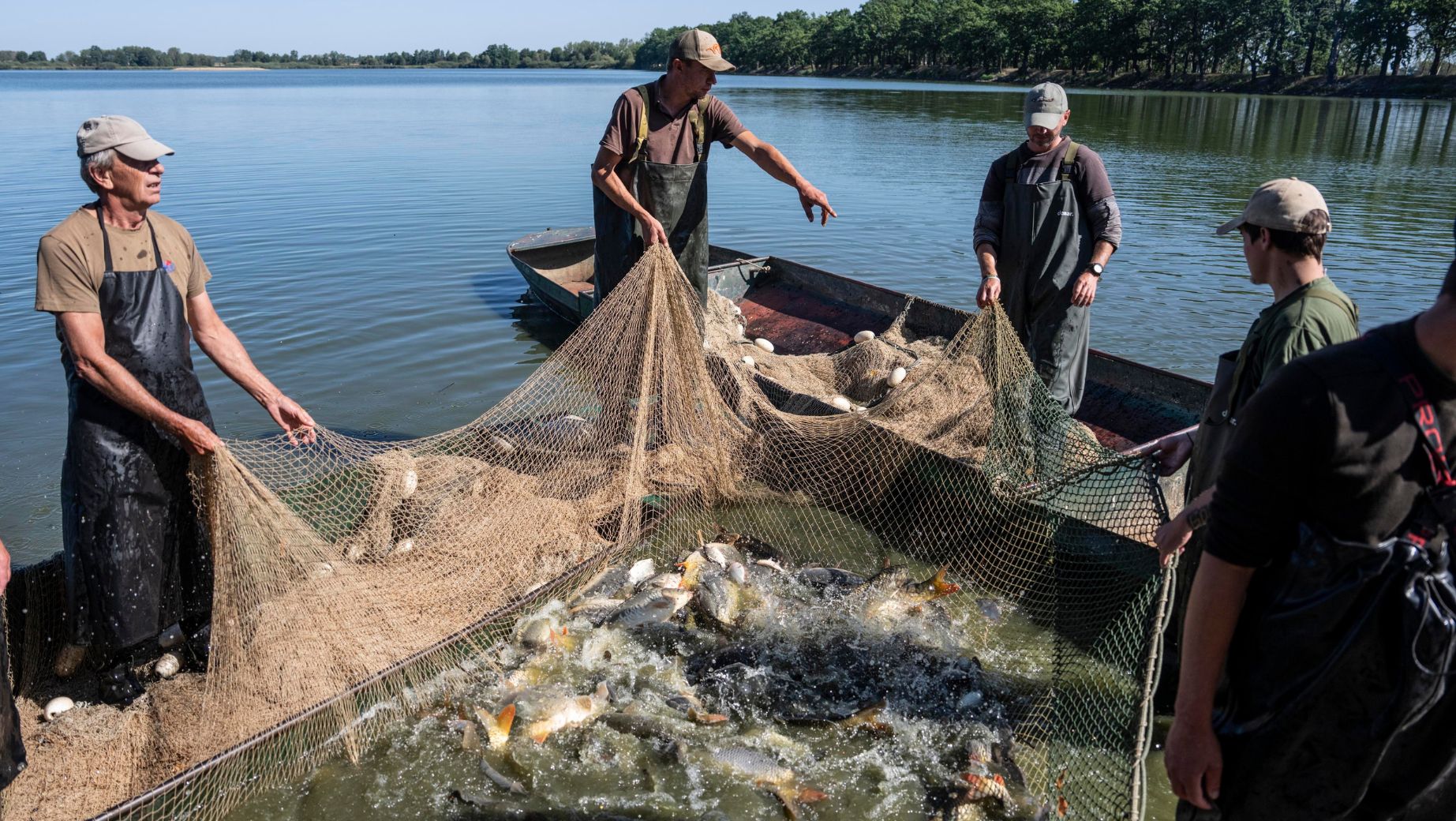
Fish farmers reduce or suspend supplementary feeding to lower oxygen consumption, reports say. Fish farmers in the Czech Republic have begun taking emergency measures as a prolonged drought, worsened by high temperatures across Europe, strains water supplies. Facing water shortages, fish farmers have reduced or suspended supplementary feeding to lower fish oxygen consumption, while ponds are being regularly aerated, according to the report. Several ponds have also been netted earlier than usual. In the Třeboň area, which delivers tons of carp for the Czech Christmas table, part of the 200-hectare Koclířov pond has been drained and the fish moved to holding tanks. More than a third of the water is missing from the region’s famous system of fish ponds due to the drought. The water level in Lake Svět, for example, has fallen by 98 centimetres. High temperatures are also causing water to evaporate more quickly. The Czech government is expected to address the 2027 budget, upcoming elections and measures to tackle worsening drought. Prime Minister Andrej Babiš has pledged an extra CZK 4 billion for drought-related measures. If approved, ministers will present plans for implementing them. Promote your business to thousands of expats in Prague Find out how.
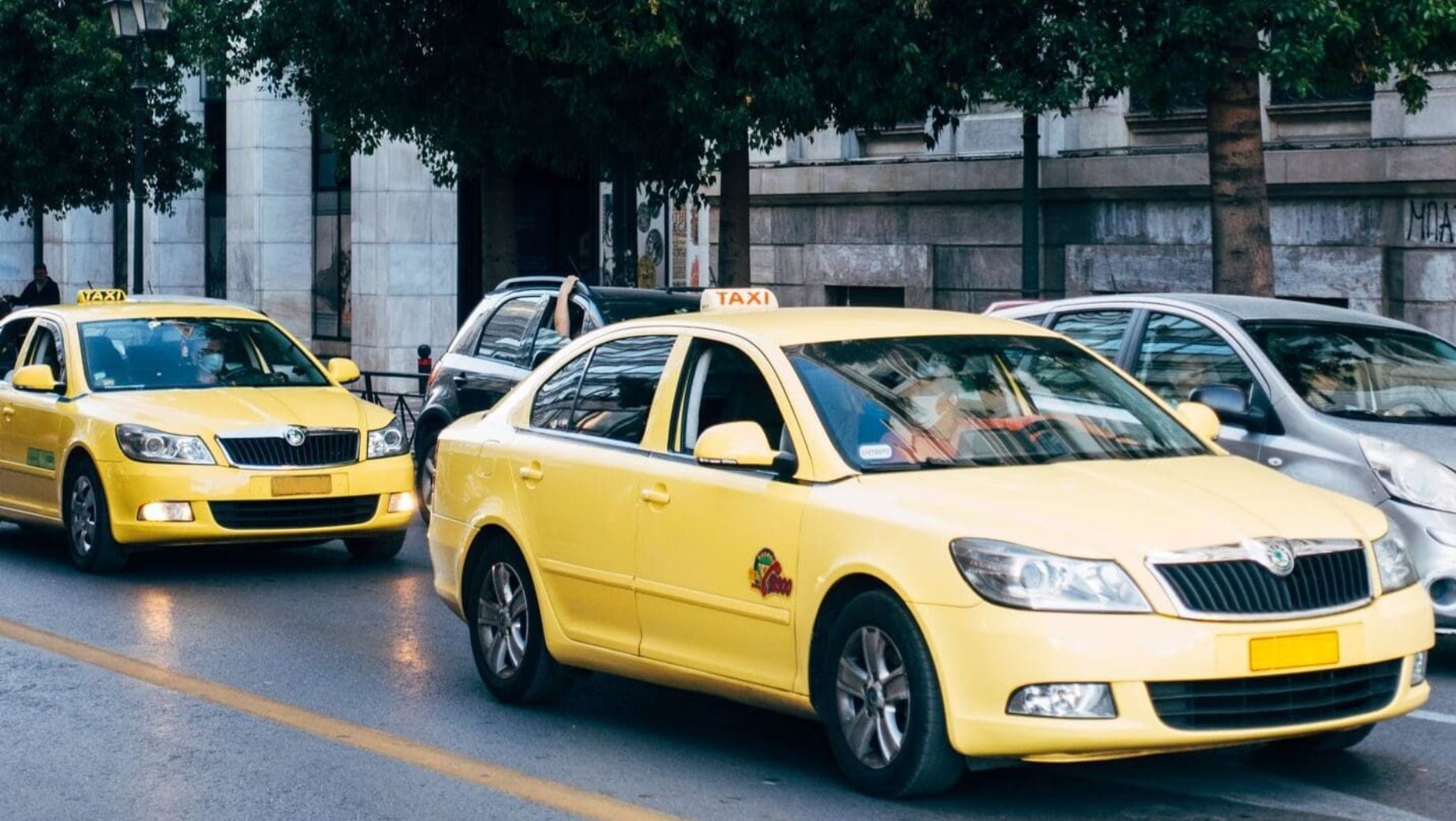
For passengers, a taxi ride can make the job look straightforward. Pick someone up, drive them across Prague, wait for the next booking and repeat. But the income of a full-time taxi driver depends on far more than the fare shown on the meter or app. Drivers working through platforms such as Uber and Bolt can generate more than CZK 60,000 in gross monthly revenue when working around 40 to 50 hours a week. What they actually keep, however, is considerably less. Gross income can exceed CZK 60,000 Official figures for Prague’s taxi sector put the average gross monthly pay at roughly CZK 38,000. Drivers who work full time through ride-hailing platforms can earn more, particularly when they concentrate on periods of high demand. According to Ondřej Krátký, founder of the Czech taxi platform Liftago, drivers can typically earn about CZK 250 to CZK 350 per hour. At the lower end of the market, however, some drivers make only around CZK 80 an hour, which is difficult to turn into a sustainable income in Prague. Official statistics may also underestimate the money generated by some drivers because not every journey is paid through an app. Cash payments remain part...
Czechia has placed ninth among 192 countries in the 2026 Rumavi Global Relocation Index, which assesses destinations based on factors including safety, healthcare, taxation, living costs and opportunities for people considering a move abroad. The country scored 69.9 points in the overall ranking, putting it just outside the top five but ahead of Malta and several larger European economies. Estonia took first place with 72.8 points, followed by Singapore, Malaysia, Portugal and Taiwan. Czechia performed particularly well in the ranking for families, where it placed third worldwide. The index also gave the country strong scores for safety, property rights and climate risk. Within Europe, Czechia ranked fourth overall. Estonia, Portugal and Lithuania were the only European countries placed higher in the general ranking. The results are based on the Rumavi Global Relocation Index 2026, a privately produced ranking designed for people considering relocation as well as investors. Rumavi evaluates 192 countries using 24 indicators grouped into four areas: finance and taxes, livability and health, safety and stability, and settling and opportunity. Czechia scores particularly well for families The index uses different weightings for different types of people considering a move. For families, safety, education, cost of living and healthcare carry...
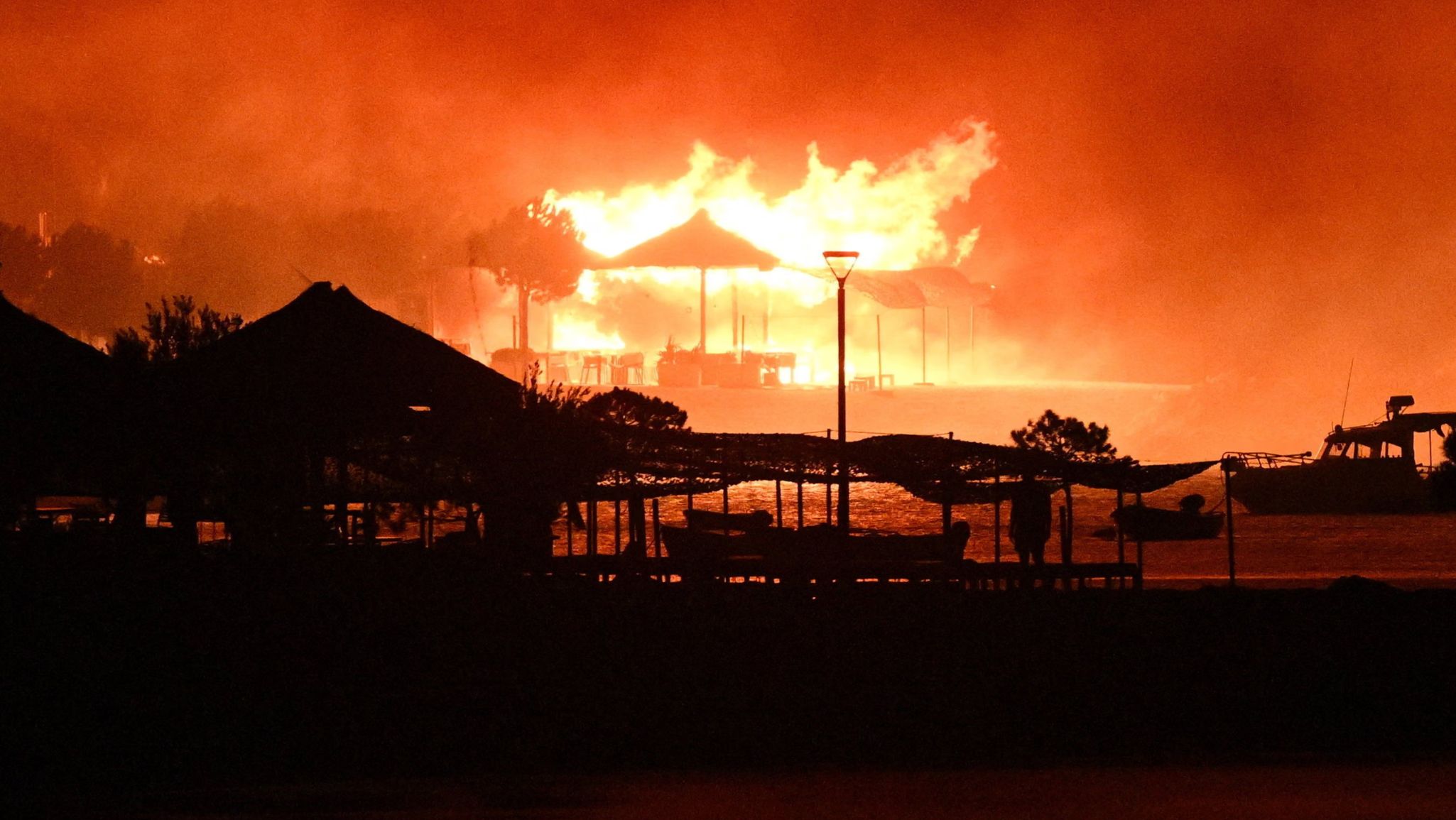
Some 300 Czech tourists are among the 1,000 evacuees with a Czech police officer sent to coordinate the emergency response. Croatian prime minister Andrej Plenković is in the town holding a coordination meeting with all emergency services this morning. Croatian president Zoran Milanović is also expected later today. “All those injured in last night’s fire are being provided with the necessary medical care,” Plenković said in an earlier update on X. No fatalities have been reported. The spokesman said there were also no reports of serious injuries among Czech citizens. Some tourists left the area on their own, while others are staying at evacuation centres in Omiš and Split. A Czech consul is on site and is in contact with local authorities and security forces. Fire spreads across up to 1,000 hectares Around 160 firefighters, supported by specialised firefighting aircraft, are battling the blaze. The fire has caused significant material damage, according to eyewitnesses, with dozens of cars and homes reportedly destroyed. Strong winds have helped the flames spread across an area estimated at between 900 and 1,000 hectares. Witnesses reported hearing gas cylinders exploding inside burning homes, while the streets were filled with the sirens of fire engines, ambulances...
Residents say they are cutting water use wherever possible, taking shorter showers, reducing garden watering and abandoning plans to fill swimming pool. Communities across the Czech Republic are struggling with worsening water shortages as wells dry up and small streams disappear after years of increasingly severe drought, according to local media on Thursday. In the village of Krsy in the Plzen Region, tankers are delivering drinking water daily to a reservoir above the village. Some private wells have already run dry, while others are close to empty. Residents said they are cutting water use wherever possible, taking shorter showers, reducing garden watering and abandoning plans to fill swimming pools. Authorities are urging households to connect to public water networks where available. The shortages are also putting pressure on tourist destinations. In Horni Becva, in the Beskydy Mountains, the population doubles during the summer holidays. The municipality’s two wells have been operating close to their limits, with firefighters called in to deliver water. Hotels with wellness facilities are among the largest users, prompting local officials to ask businesses to reduce consumption. Officials hope conditions will improve when the tourist season ends and autumn rains arrive. Promote your business to thousands of...
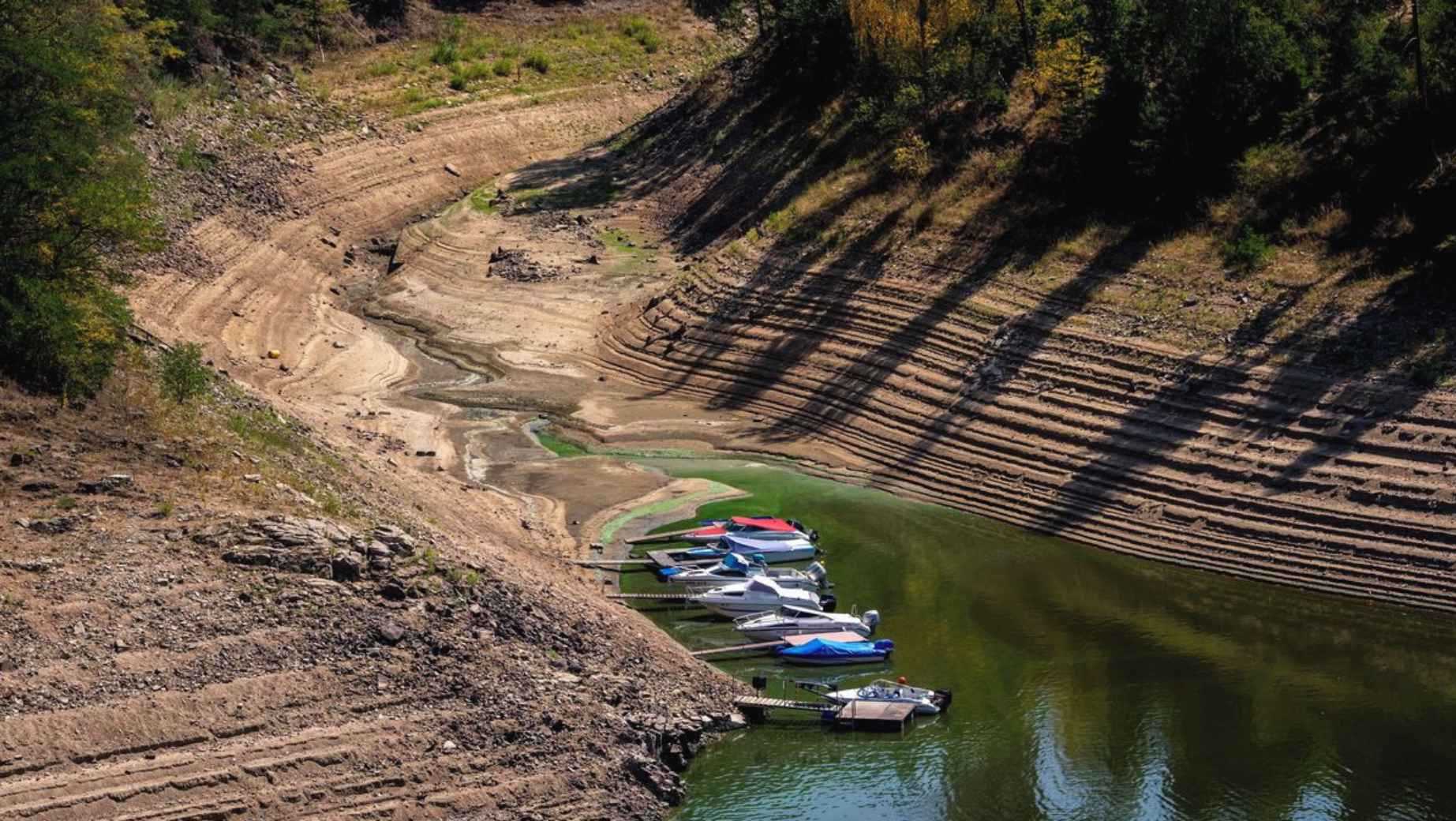
Rivers and streams across the Czech Republic are experiencing exceptionally low flows as a prolonged drought continues to worsen, with several waterways approaching or reaching their lowest levels since records began. According to the latest data from the Czech Hydrometeorological Institute, the vast majority of monitored rivers and streams are flowing well below their long-term averages. Some of the country’s smallest watercourses have dried up completely, while critical conditions are emerging on several major rivers. The Elbe is among the most affected. Its flow has fallen to one of the lowest levels ever recorded and is approaching the historic minimum for the entire period of regular observations. The Vltava is in a somewhat better position in some sections because the reservoir system is being regulated to help stabilize water levels. But even the Vltava has reached an unprecedented low in České Budějovice, where the river is recording its lowest measured flow. The effects of the drought are particularly visible at the Orlík Reservoir. As water levels have fallen sharply, the remains of a former hydroelectric power plant at Dubrava have emerged from beneath the reservoir. The plant was built in 1929 but was demolished and flooded in the 1960s when...
Don’t have an account? Register
Already have an account? Log In
How Would You Like to Promote Your Business? PR ArticleDisplay bannersVideo productionNewsletter adsJob ListingsInfluencer Marketing
Your Email
We will come back to you within 24 hours with our proporsal