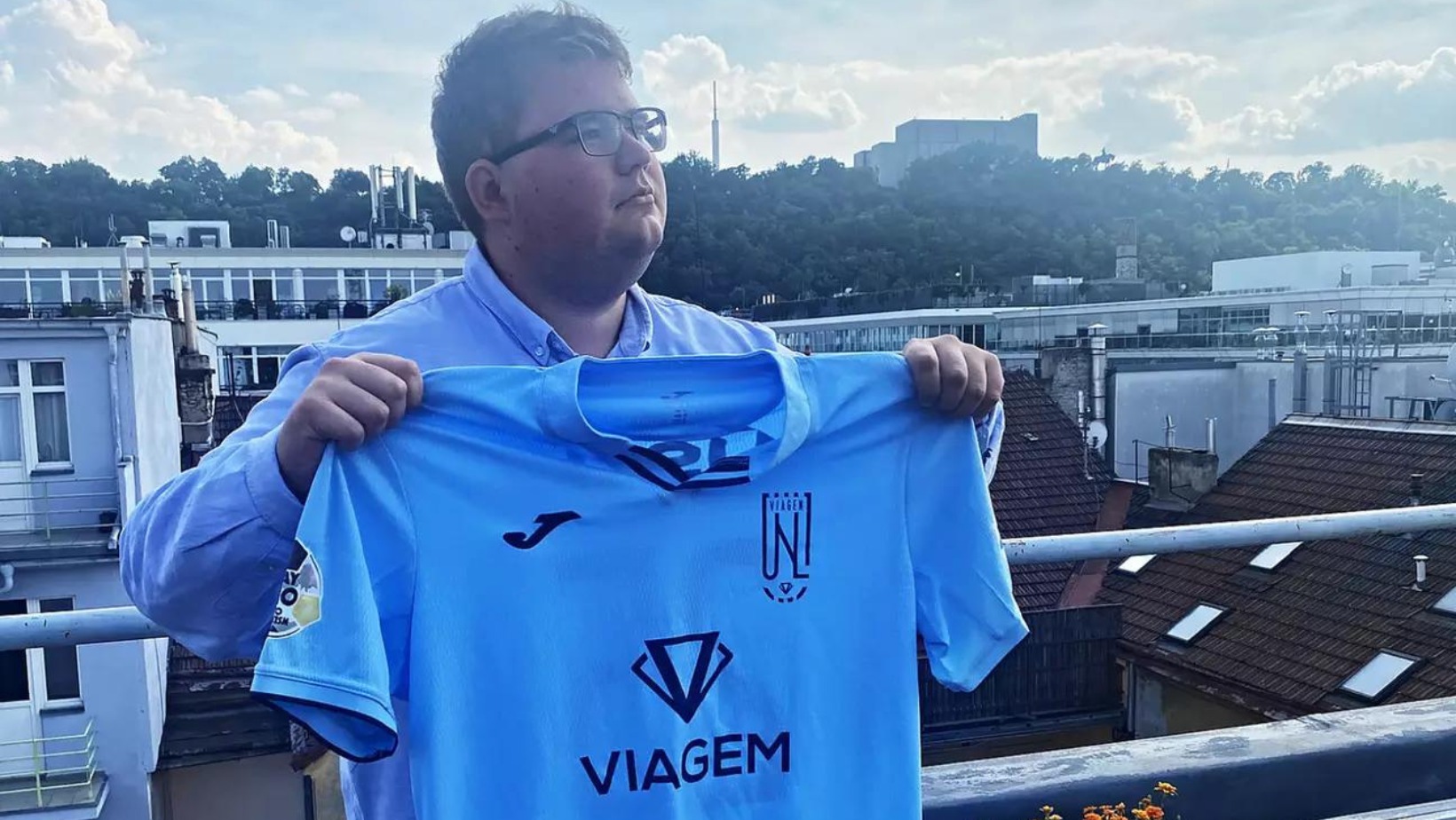
His only previous experience of football has been playing FIFA. FK Usti nad Labem, who play in the third tier of the Czech footballing pyramid, have signed Martin Podhajský to play for the club. Podhajský is a law student who works for Viagem, the real estate company of club president Pemysl Kuban. His only previous experience of football is playing FIFA but he’ll now have the chance to play in real life after officially registering with the Football Association of the Czech Republic. The plan is for the youngster to play 10 minutes however he will begin training with the team first before he makes his debut, which is expected to be in spring time. In order to sweeten the deal, Podhajsky’s father paid the club CZK 500,000 to convince Usti to sign him. He is expected to replace captain Jakub Mares and play ten minutes as a striker, with all funds going towards sponsorship. “He has never played football,” president Kuban revealed. “Only FIFA from what I know. However, you don’t just see CZK 500,000 rolling on the floor every day. If someone gives me this type of money, I’ll let anyone play. “He said himself that he would...
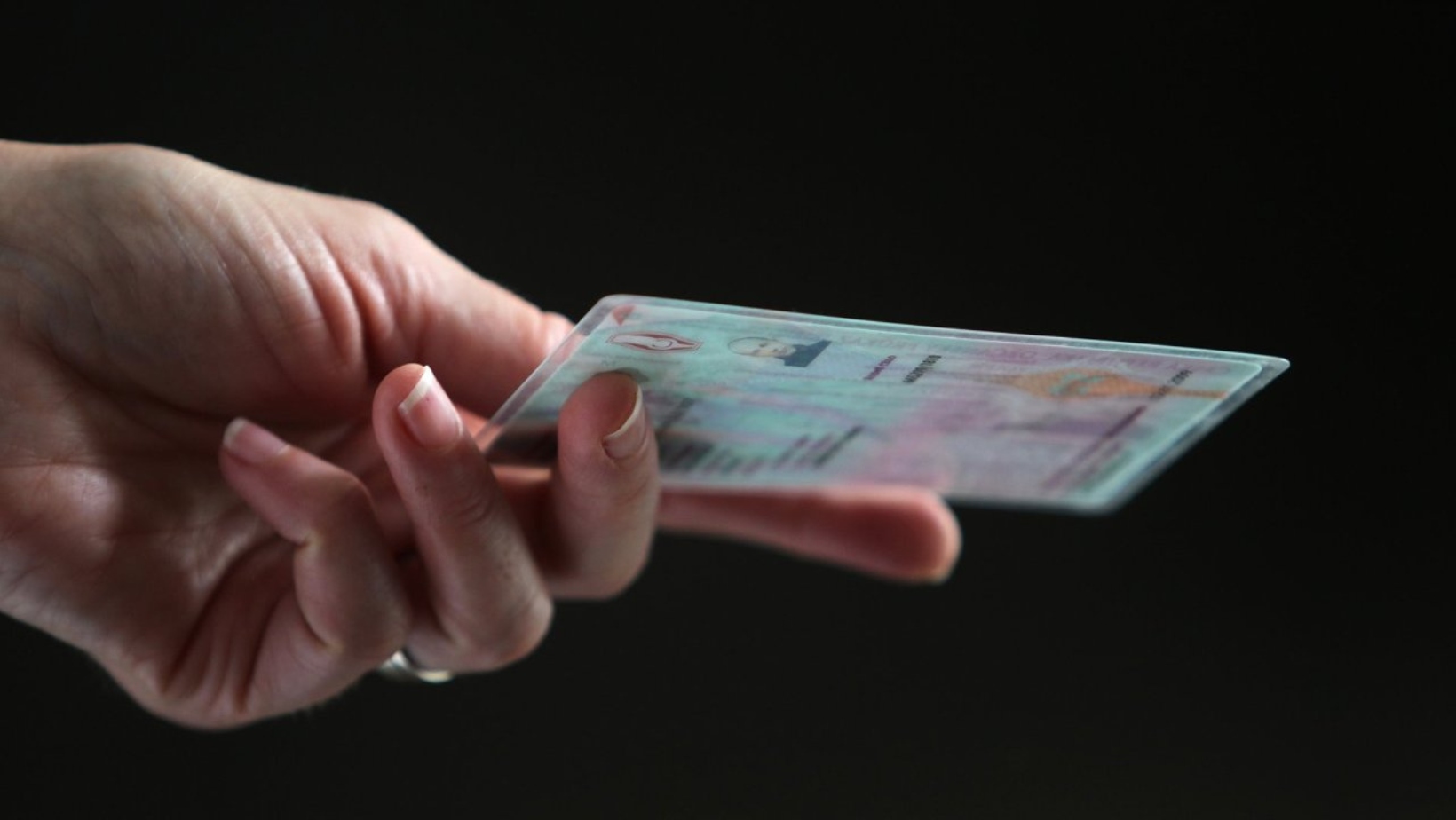
The Czech government has given its initial approval to a draft law concerning the use of digital identity verification, potentially replacing traditional paper documentation. Digital identification will not replace physical IDs, but people will no longer have to carry them. The digital document will require a mobile phone app, to be developed by the Digital and Information Agency. With this app, users can request various forms of identity verification, such as bank identity proof and other electronic identity validations. The app generates a unique code, which can be verified by relevant authorities, such as the police or the post office, using their respective reader apps. According to the bill’s details, the implementation of this project is estimated to cost the state administration approximately CZK 500 million upon launch, with expected annual operational expenses of CZK 50 million. The law assumes that the digital copy will have the same legal effect as the original document. It will not be possible to issue a digital copy without the existence of a physical document, and they will not contain any data beyond the physical document. Citizens can choose whether to prove their identity with a regular document or digitally. All government agencies will...
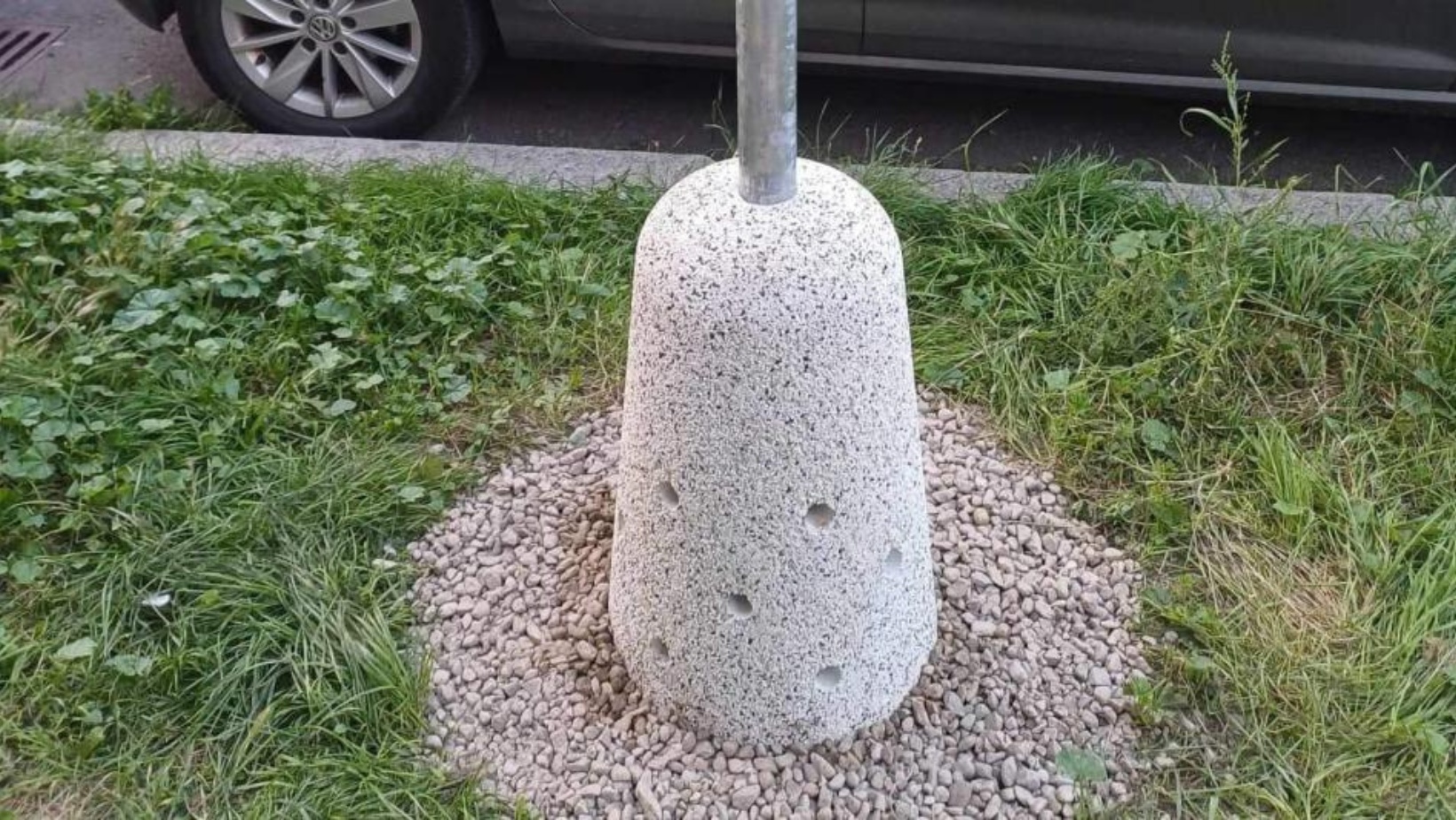
They were placed keeping the dogs’ territorial instincts in mind. Complaints about house facades regularly soiled with dog pee have been mounting in the city of Pilsen recently, which is why Municipal District 3 decided to do something about that problem. The solution came in the form of an unusual urban furniture item called a dog urinal (psí pisoár). The district authorities announced at the start of this week that they’ve purchased 24 such urinals and that they’ve begun installing them on various streets around the neighbourhood. The dog urinal appears to be a purely Czech invention integrating simple design with smart implications. They are made from concrete and feature holes that trap some of the dog pee inside the container. The reason for this is that the urinal will be resistant to weather changes, such as rain or snow, and preserve the urine scent. That scent will keep attracting dogs to the spot where they can do their business rather than elsewhere in the city. The latest trend in urban hygiene What’s more, the location of the dog urinals is not random at all. You will find them in green, grassy spaces and off the sidewalks. They are also...
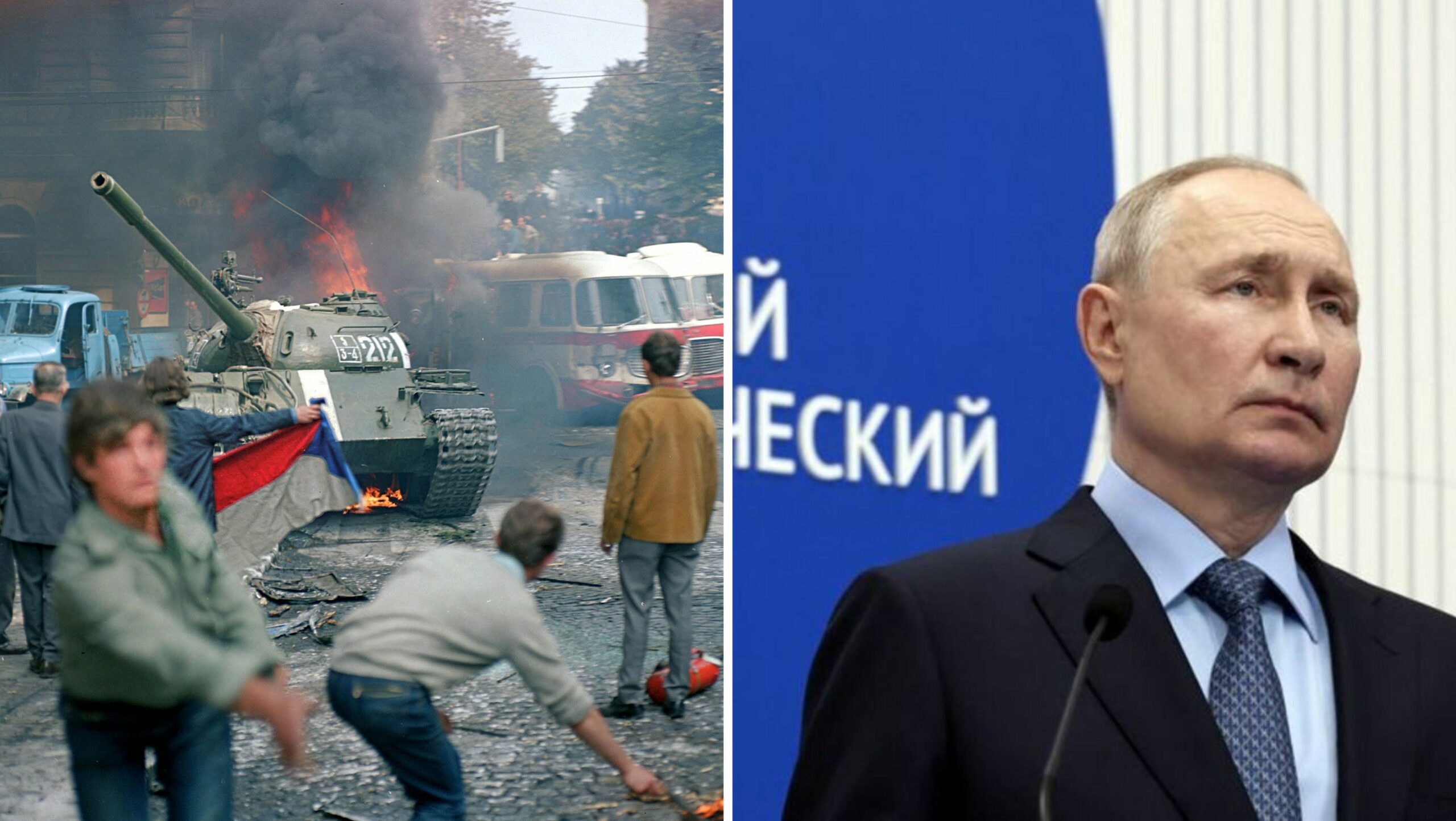
Russian President Vladimir Putin said on Tuesday that the Soviet Union’s decision to send tanks into Hungary and Czechoslovakia to crush mass protests during the Cold War was a mistake. “It was a mistake,” Putin said when asked about perceptions of Russia as a colonial power due to Moscow’s decision to send tanks into Budapest in 1956 and into Prague in 1968. “It is not right to do anything in foreign policy that harms the interests of other peoples,” said Putin, who in 2022 sent tens of thousands of troops into Ukraine, triggering the biggest land war in Europe since World War Two. Putin said the United States was making the same mistakes as the Soviet Union. He said Washington had “no friends, only interests”. The 1956 Hungarian Uprising was crushed by Soviet tanks and troops. At least 2,600 Hungarians and 600 Soviet troops were killed in the fighting. The 1968 Prague Spring was ended when Soviet-led Warsaw Pact forces invaded the Czechoslovak Socialist Republic. Around 137 Czechs and Slovaks died as a result of the invasion, according to Czech historians. The Kremlin chief, whose decision to send tens of thousands of troops into Ukraine in 2022 unleashed the biggest...
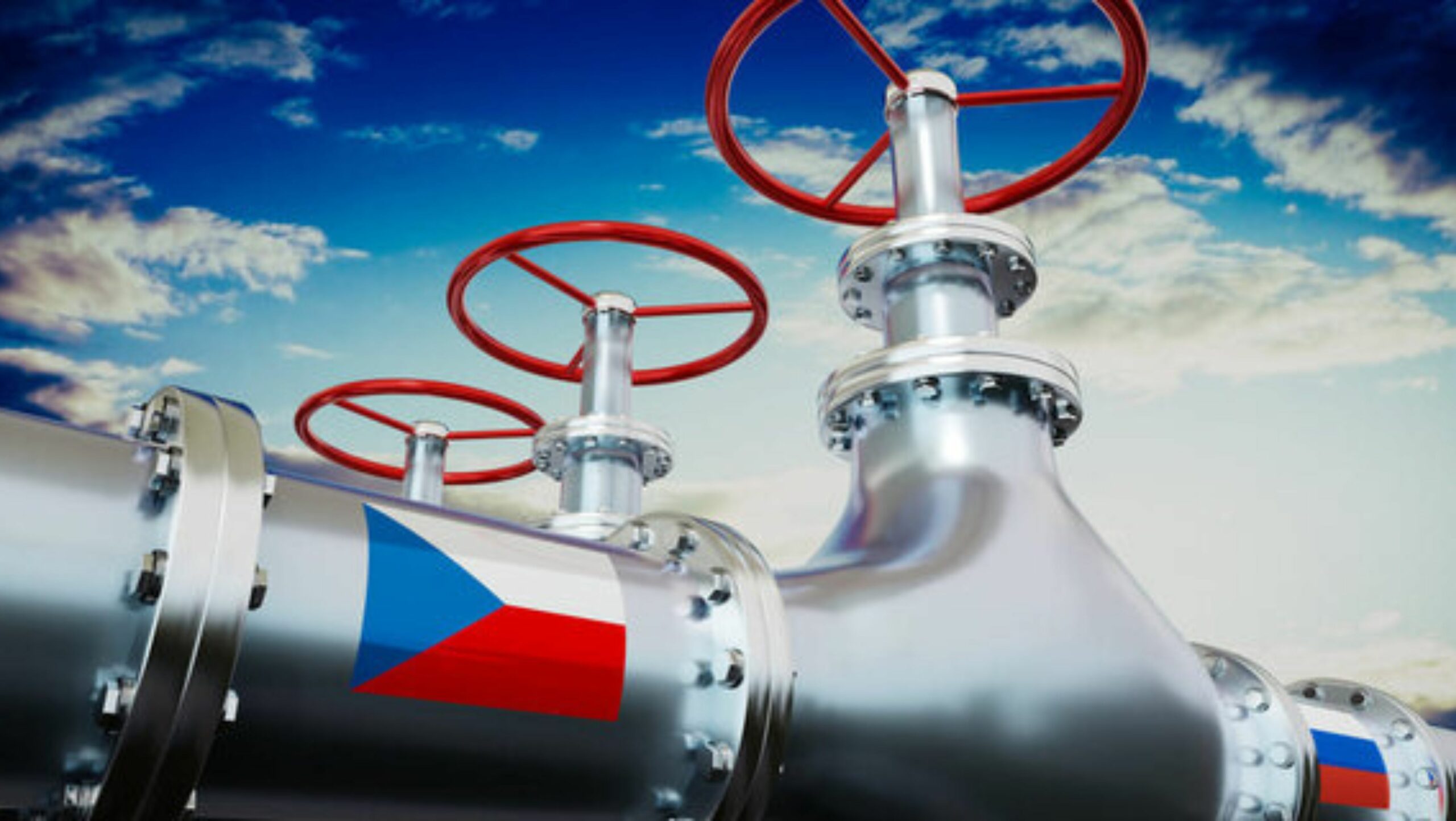
Russia’s share of total Czech oil imports grew in the first half of this year despite EU restrictions, an oil transit company said today. “The share of Russian oil imports via the Druzhba pipeline versus imports from other countries via the IKL pipeline reached about 65/35 per cent in the first half,” Barbora Putzova, spokeswoman for the state-owned Mero company, told AFP. In 2022, the share was 56 versus 44 per cent in favour of Druzhba, she added. Industry and trade ministry data have shown this year’s share of oil transported by Druzhba into the EU member state was the highest since at least 2016. The EU slapped a ban on most oil imports from Russia in May 2022, three months after Russia invaded Ukraine, but the Druzhba pipeline was exempted. Jiri Gavor, head of the Czech Association of Independent Energy Suppliers, said Poland’s PKN Orlen, which runs Czech refineries, was probably driven by economic reasons to stick to Russian oil. “I’d say PKN Orlen… benefits from the fact that oil transit via Druzhba is not banned here so far, it’s legal and it’s cheaper than oil from other sources,” he told AFP. In May, Mero said it had signed...
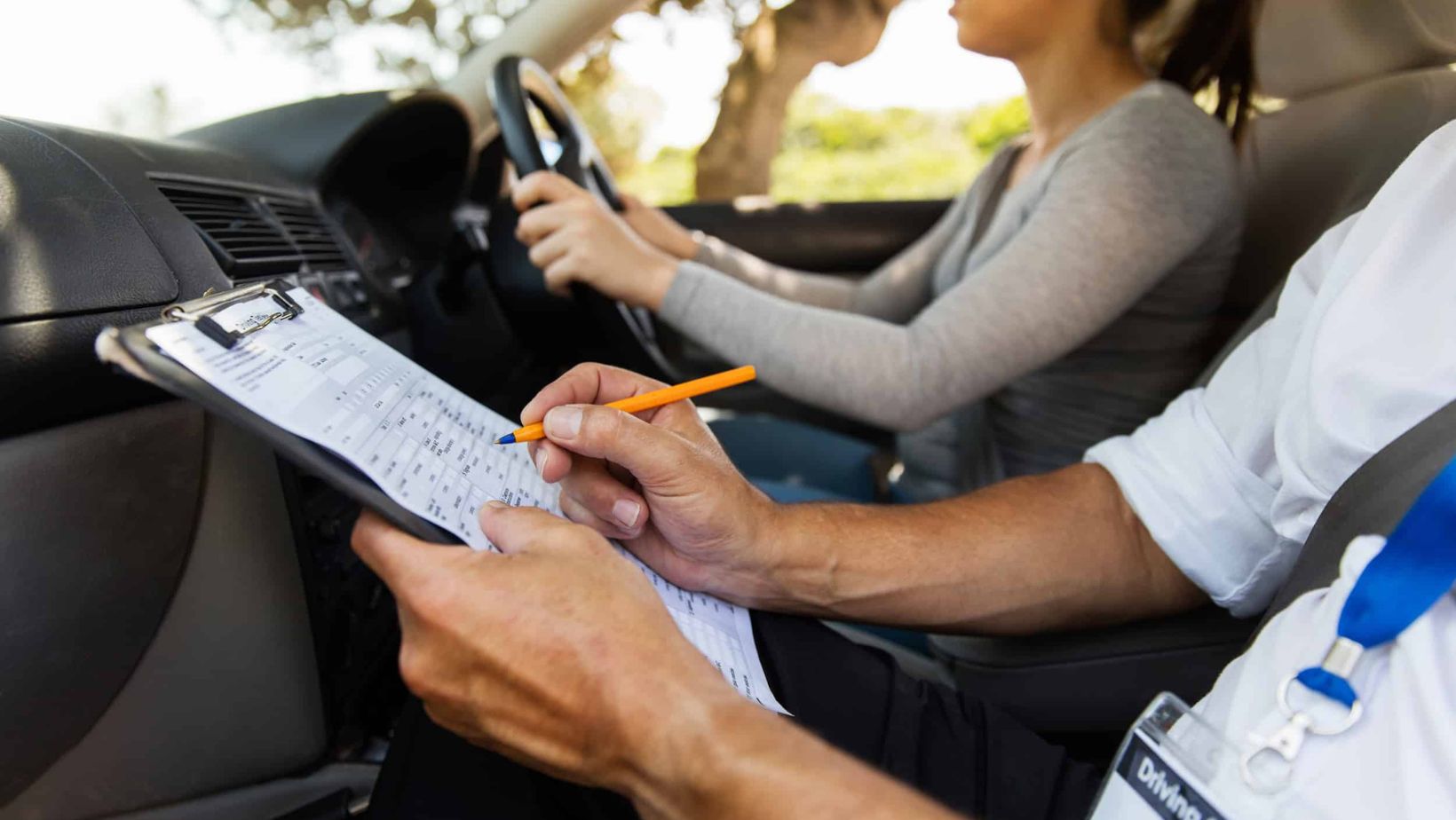
In 2024, aspiring Czech drivers will be able to commence their driving school courses at the age of 15 years and six months. Once they reach 17 years of age, they will be permitted to drive a car under the supervision of a mentor for a year. Transport Minister Martin Kupka (ODS) announced this development during a press conference, expressing his hope that these changes will lead to improvements in road safety. The Czech Republic currently experiences 50 road deaths per million inhabitants annually, and Kupka aspires to reduce this number to below 40. The amendment, scheduled to take effect next year, also includes modifications to the penalty points system for drivers, along with certain increases in fines. Kupka emphasized that these changes reflect the seriousness and risk levels associated with various driving offenses. Penalties will now be categorized into two, four, or six penalty points for different offenses. For instance, driving under the influence of alcohol will now result in six penalty points, down from the previous seven, but with an administrative fine increased to CZK 25,000, up from the existing CZK 20,000. Refusing an alcohol test, driving without a license, or driving while banned will all incur a...
Founded by 14-year-old Ondrej Filgas and his team, Rare Places has been operating in the Czech and Slovak markets since 2020, continuously bringing the best of the local architecture and design scene through its activities. Rare Places aims to map quality architecture and show it to the general public. The launch of the Rare Places pocket guide On March 23, 2023, the launch of the new Rare Places Pocket Guide took place at CAMP in Prague. The godfather of this guide was Jan Vondrák, the architect of the Mjölk studio, whose works contributed significantly to the guide’s content. In addition to the book launch, visitors could also take part in a discussion with the authors of the guide about the way this unique project, which combines modern architecture and travel, was created was described. The graphic side of the book was prepared by the renowned STUDIO KOSATKO, whose representative, Jan Košátko, significantly enriched the discussion. The highlight of the evening was a discussion on the topic of walking through architecture with the guide’s godfather Jan Vondrák and landscape architect Jakub Finger. Visitors learned interesting facts from behind the scenes of designing public buildings. Rare Places Pocket Guide A compact guide, Rare Places fits in the pocket of...
Every September European Heritage Days open up the doors to some of the most fascinating monuments, buildings, sites and premises, including those that are otherwise closed to the public. You can visit most of them free of charge. This year they will run from 9th to 17th September, with the grand opening to take place in Poděbrady, an ancient spa town on the banks of the Elbe. Seeking common European roots European Heritage Days commemorate the fact that European civilisation has a common history, and the wide variety of events, exhibitions and festivities on offer give you the chance to explore your European roots and find out how the nations of Europe differ from one another and also what they have in common. Many fascinating and unique architectural monuments, museums, galleries, libraries, technical heritage sites and other interesting spaces will be opening up their doors to visitors throughout the whole of Czechia. And during that week you can even get to visit a lot of them completely free of charge! This year’s theme is Living Heritage. Enjoy the spas in Poděbrady! Poděbrady in Central Bohemia, only around an hour’s drive from Prague, is a picturesque spa town packed with parks,...
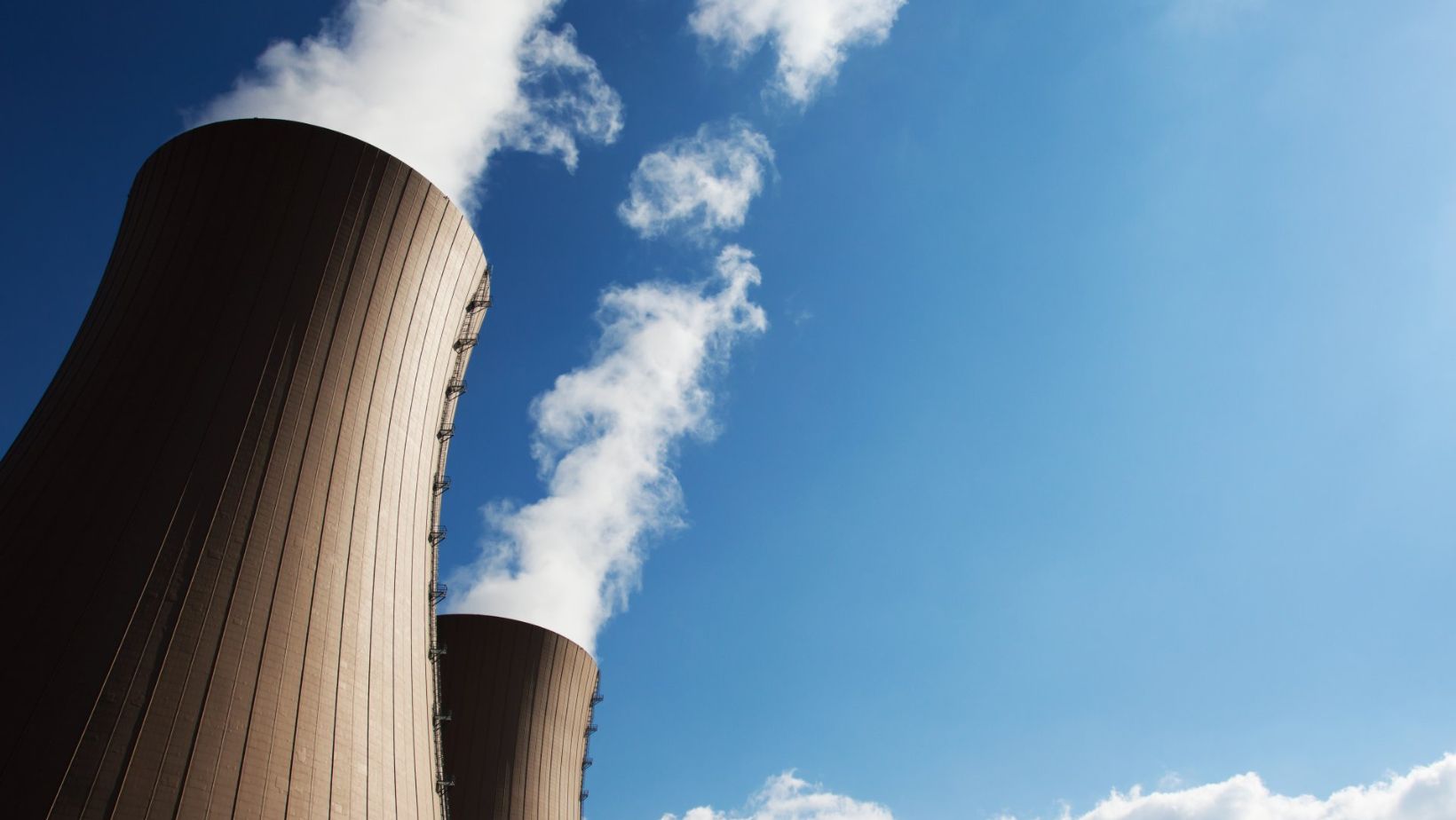
In a speech to open a conference discussing future strategy for the Czech Republic, Prime Minister Petr Fiala said the country would need as many as four new nuclear power units. He said it had been a problem to not have “broad and long-term society-wide agreement on the main priorities of the direction of our republic”, with strategic investments in things such as nuclear energy featuring among the “pillars” that the country’s future should be built upon. “Transportation, energy infrastructure, nuclear, lithium, chips and trends in information technology, these are, in my opinion, six specific areas that have a huge potential to change our country. That is why a large part of strategic investments must go there,” he said in his speech. He then went on to highlight nuclear as one of those projects which combined innovation and added value with the potential to give a big boost to the entire economy. “We don’t need to have long discussions about nuclear energy. It is our traditional sector. We have enough experts and the potential to prepare more, we have facilities at universities and research institutes. Nuclear must remain the clean energy source of choice in Europe. We are doing absolutely everything for this within the framework of our foreign policy. The Czech...
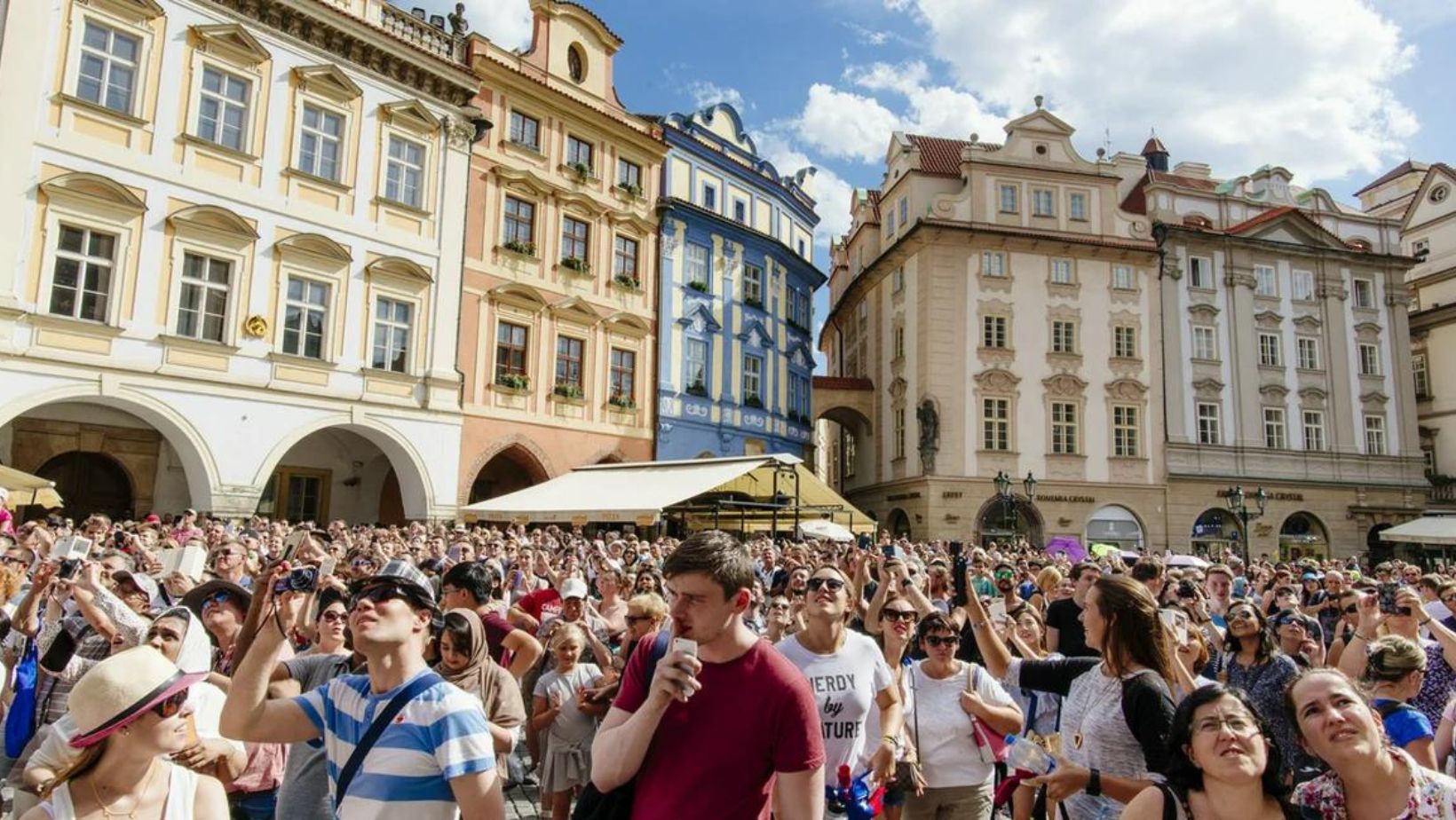
The Czech Republic welcomed over 5.7 million visitors during the second quarter of this year, including the period between April and June. According to VisitCzechia, a figure of 2.5 million foreign tourists visited, marking an increase of 32 per cent compared to last year. Most foreign tourists came from neighbouring countries, with Germany, Slovakia, and Poland leading the list, followed by the United States and the United Kingdom. As for the average length of stay for these tourists within the borders of the Czech Republic, it was 3.4 days. Meanwhile, among the preferred destinations, Prague emerged as the leading destination, followed by other countries such as South Moravia and South Bohemia. In the second quarter of 2023, 58,864 tourists from the Netherlands travelled to the Czech Republic. This figure represents a significant increase of 7,300 tourists compared to the same period a year ago. “The month of June proved particularly successful, as no less than 21,000 Dutch people visited the Czech capital. 68 per cent of all Dutch tourists have visited Prague. This can be explained on the one hand by the good flight connection from Amsterdam Schiphol (KLM and Easyjet) and Eindhoven (Transavia) to Prague,” the press release points...
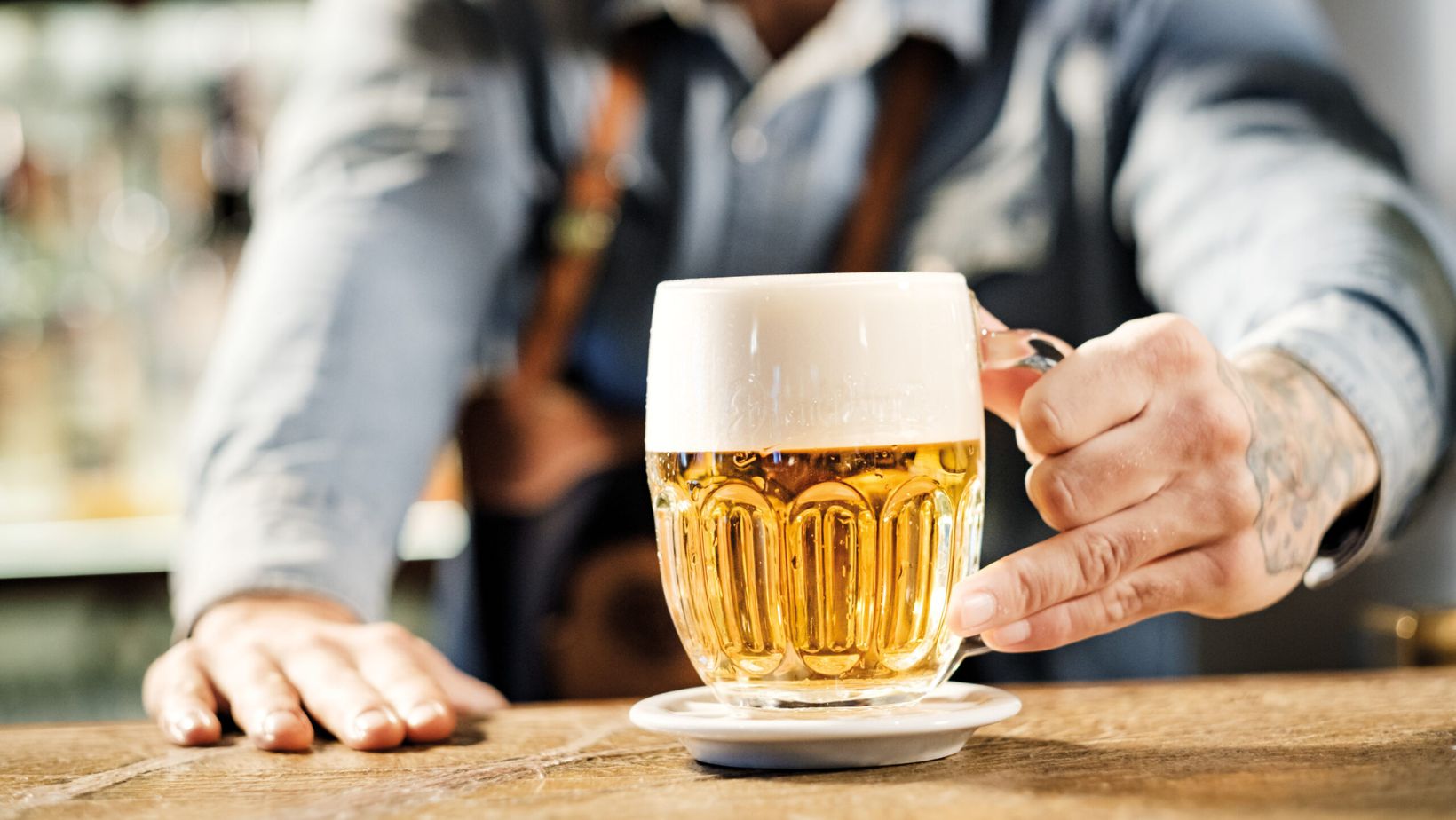
The average price of a half-litre of 12-degree beer in restaurants and pubs in Prague in July was CZK 64, compared to CZK 59 a year earlier, representing a rise of 9 percent, the national Association of Small and Medium Enterprises said. Across the nation, the mean beer price reached CZK 54 in July, a contrast to CZK 49.80 during the same period the previous year, indicating an increase of over eight percent. As part of its economic recovery strategy, the government intends to shift draught beer from the 10 percent VAT rate to the standard 21 percent rate. Consequently, if the average prices of July persist, the new year could usher in an approximate national average of CZK 59 per pint post-VAT increase on draught beer. Czech breweries wield significant influence over beer pricing, often making adjustments during the autumn. In the past year, Plzeňský Prazdroj, Staropramen, and Budějovický Budvar all raised draft beer prices, primarily attributing these changes to escalating energy costs. The director of the Association of Small and Medium Enterprises in Czechia Luboš Kastner, also raised concerns about the government’s decision not to impose excise duty on still wines. Due to these beer-related VAT shifts, which significantly affect...
Article submitted by Lucia Brozmannová, Patricia Cîrtog, Bálint Dömötör, Szuszan Stepanyan Hotels, restaurants and pubs in Central Europe’s most popular tourist destination are crying out for waiters, chefs, bartenders and kitchen staff in a labor crisis. Nearly one-third of the positions are vacant at the height of the tourist season in Prague. “Month to month, we are hiring everyone we can find”, Michael Sito, the manager of The Globe Bookstore and Cafe says. “Since Covid, there has been a huge shortage of employees in this sector. So we have been constantly hiring for the last two and a half years”. Nela is a 21-year-old waitress at one of the most frequented parts of the Czech capital. She is unskilled and only works part-time, still she is irreplaceable for JK Gastro House, a fancy restaurant and bar close to Wenceslas Square. “If I go home to Ostrava, the restaurant would shut down”, she says. Since she started working at the restaurant 18 months ago, almost the whole staff have been replaced. The situation is very similar at other restaurants. “A lot of people working here are students who don’t speak Czech and they work a part-time job”, Michael Sito says. “Every...
Don’t have an account? Register
Already have an account? Log In
How Would You Like to Promote Your Business? PR ArticleDisplay bannersVideo productionNewsletter adsJob ListingsInfluencer Marketing
Your Email
We will come back to you within 24 hours with our proporsal