Czech health insurance company VZP is warning the public about a surge of fraudulent emails promising refunds of insurance premiums. The scam, which has already tricked multiple victims, urges recipients to provide personal and banking details in exchange for sums around 11,580 crowns. Jan Svoboda, Director of VZP’s Security Department, said the scam emails are sophisticated and convincing. “We are registering an extreme wave of fraudulent emails bearing the VZP logo and a number of valid elements that can confuse recipients. The messages promise a refund of overpayment from health insurance, and dangerous emails could have arrived at up to hundreds of thousands of addresses,” he explained. The emails claim that the refund is ready for transfer, but require the recipient’s authorization within 14 days, adding a false sense of urgency. This combination of a precise amount and time pressure is designed to create trust and provoke immediate action. However, experts say the fraud can often be identified by checking the sender’s email address. Official VZP communications always come from addresses in the form [email protected] Fraudulent emails usually use random character strings or suspicious foreign domains. A recent case illustrates the risk. A woman from the Jičín region followed a...
The Czech government has approved a draft law aimed at modernizing the system for residence permits for foreigners, with a new digital platform expected to speed up applications and administrative procedures starting in 2029. The legislation, submitted to the Chamber of Deputies, introduces an electronic information system that will manage the issuance and revocation of residence permits. Officials say the reform should streamline communication between foreigners and authorities while improving the accuracy of records. According to the Ministry of the Interior, the law itself will not change the main conditions required to obtain residence permits. Instead, the goal is to simplify procedures and strengthen oversight through digital administration. If adopted, the new system would allow foreigners to create personal online accounts beginning in January 2029. Through these accounts they would communicate with state authorities, submit residence applications and receive official documents electronically. Officials say the digital platform should also help authorities manage the growing number of administrative cases related to foreign residents. The Interior Ministry reports that the number of applications submitted by foreigners is rising each year. In addition to new residence permits, authorities process more than 630,000 administrative cases annually, including address changes, registration numbers and travel document...
Facing a long-term shortage of workers across key sectors, the Czech Republic is increasingly looking thousands of kilometers away for solutions. Companies are now turning to the Philippines to fill positions in industry, logistics, construction and specialized technical fields. In recent years, Filipino workers have become a growing presence in Czech factories and workshops. Many arrive with experience as welders, CNC machine operators, or specialists in aviation and defense manufacturing — professions where Czech companies struggle to find enough qualified local staff. Recruitment agencies say the trend reflects both economic pressure and the limits of traditional labor migration routes. Why Employers Prefer Filipino Workers Czech employers point to several reasons for the growing demand. Many Filipinos speak fluent English, which helps them integrate into international workplaces. Cultural factors also play a role. The Philippines is a predominantly Christian country, and recruiters say this often eases adaptation in European environments. Equally important is professional experience. Many workers arrive with training in manufacturing or technical trades that match the needs of Czech industry. Government policy has also made the Philippines an attractive recruitment source. Under the Czech Republic’s “Skilled Worker” visa program, the country receives one of the largest quotas, allowing more...
Residents of the Czech Republic will enjoy a four-day Easter holiday this year, from April 3 to April 6. The long weekend includes Good Friday (April 3), Easter Saturday (April 4), Easter Sunday (April 5), and Easter Monday (April 6). Many Czechs use this time for family gatherings, short trips, or spring getaways. While shops generally maintain regular hours on Friday, Saturday, and Sunday, restrictions apply on Easter Monday. Under the Retail Trade Restrictions Act, all stores larger than 200 square meters must remain closed. Exceptions include pharmacies, gas stations, and retail outlets at airports and train stations. Some supermarket chains go further than the law requires. Penny, for example, voluntarily closes all stores not only on Easter Monday but also on Easter Sunday each year. Experts advise residents planning larger purchases to shop ahead of the holiday weekend to avoid last-minute crowds or inconvenience. Prague Easter Market Guide The Prague Easter Markets are open daily from 21 March to 12 April 2026, including over the Easter weekend. The main Easter markets are held at Old Town Square and Wenceslas Square. • Old Town Square Easter Market is the most enchanting, set against a backdrop of historic architecture. It features...
Czech lawmakers approved the 2026 budget, keeping defence at 1.7% of GDP despite NATO and President Petr Pavel’s calls to reach the targets outlined by the US following a push from the Trump administration to aim for 5% of total spending. Czech lawmakers approved the country’s 2026 budget Wednesday, allocating 1.7% of GDP to defence despite pressure from the US and President Petr Pavel to meet NATO targets. The lower house voted 104-87 to allocate almost 155 billion CZK for the Defence Ministry. The spending would inch above 2% only if funding for defence-related projects at other ministries is included. NATO members committed in 2014 to spend at least 2% of GDP on defence. At the 2025 Hague summit, under pressure from the Trump administration, the alliance agreed to invest 5% of GDP by 2035. This further breaks down to 3.5% on core defence requirements and 1.5% on defence- and security-related spending. Prime Minister Andrej Babiš said the state budget is strained and that there are other priorities, including healthcare. According to Babiš the country inherited a budget deficit from the previous government that prevents increased defence spending. Earlier this month Pavel, a retired army general, urged lawmakers to increase...
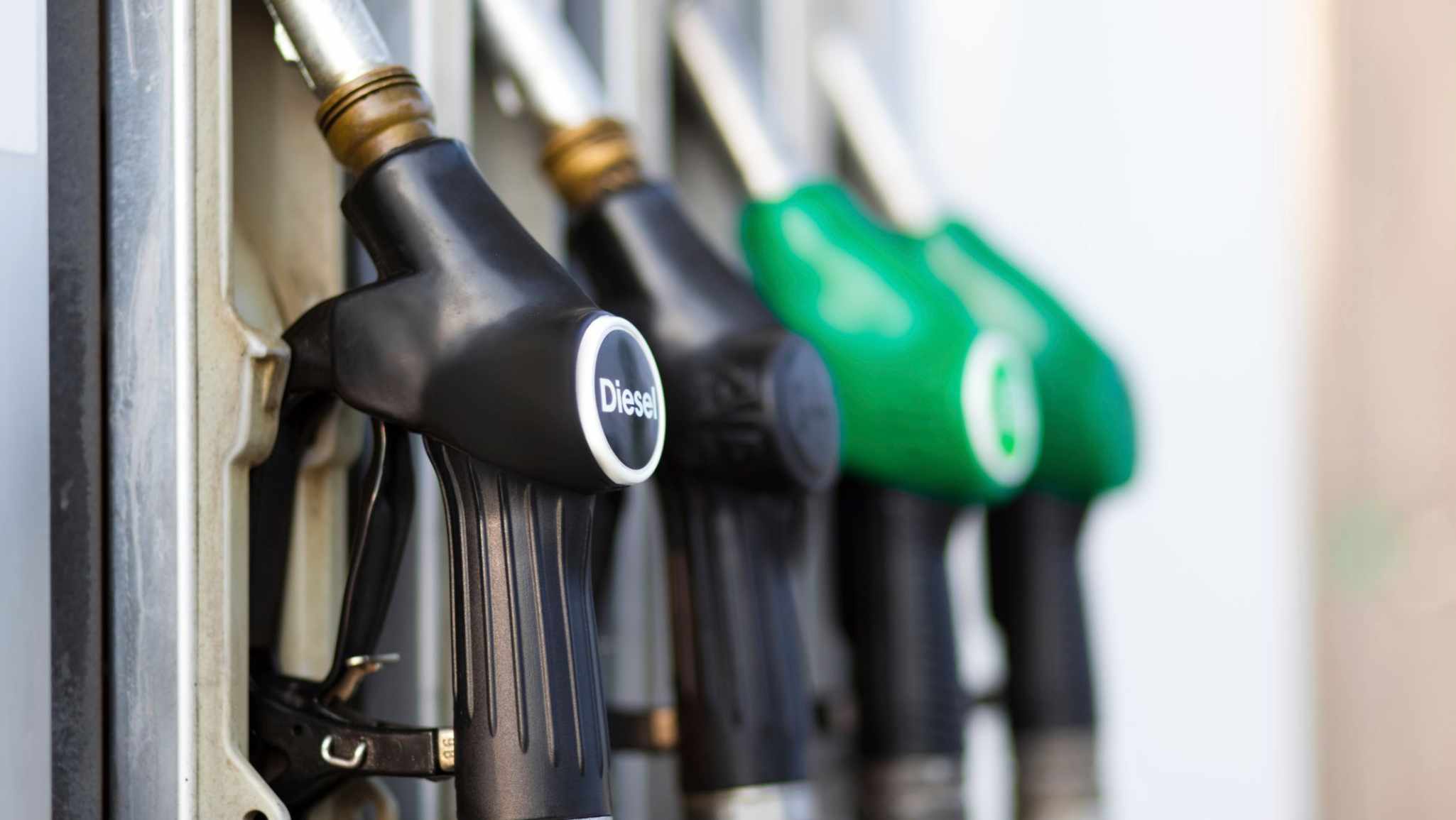
Fuel prices in the Czech Republic have jumped sharply in recent weeks, driven by global market tensions, supply disruptions, and rising demand from drivers. Diesel has surged by more than six crowns per liter since late February, approaching 40 crowns, while gasoline prices have increased by roughly three crowns. According to CCS data, a liter of diesel now costs an average of 39.20 crowns. Since the outbreak of the Middle East conflict at the end of February, diesel has risen about 6.10 crowns, while Natural 95 gasoline averages 36.36 crowns, up approximately 2.75 crowns over the same period. After a joint U.S. and Israeli strike on Iran, North Sea Brent crude briefly surged to $120 per barrel before falling back to around $90. Market nervousness persists, keeping Czech fuel prices unstable. In response to rising prices, the Ministry of Finance has started monitoring fuel sellers’ margins. Stations will regularly report pricing data to authorities. Finance Minister Alena Schillerová stated, “Rising purchase prices on the stock exchange cannot justify disproportionate margin increases.” The outlook remains unpredictable. Factors such as the planned shutdown of the Schwechat refinery in Austria may reduce fuel availability in Central Europe. Operators are focused on short-term procurement,...
Scientists in the Czech Republic have begun recruiting volunteers for a clinical trial examining whether psilocybin therapy could help treat depression in people living with multiple sclerosis. The research is part of the international PsyPal study, which explores the therapeutic potential of psychedelics for patients dealing with severe or long-term illnesses. Researchers from the National Institute of Mental Health (NUDZ) near Prague are leading the Czech part of the project. Multiple sclerosis affects an estimated 2.9 million people worldwide, with more than 20,000 patients in the Czech Republic. The chronic disease damages nerves in the brain and spinal cord, disrupting communication within the nervous system. While doctors still do not know its exact cause, genetic factors and environmental risks are believed to play a role. For many patients, the illness also brings psychological challenges. Depression and anxiety are common, especially in people with progressive neurological diseases. The PsyPal trial focuses on whether psilocybin, a naturally occurring psychedelic compound found in certain mushrooms, could ease depressive symptoms linked to multiple sclerosis. Previous studies have suggested the substance may help reduce psychological distress in patients with serious illnesses. Researchers at NUDZ have been studying psychedelics for nearly two decades. According to Páleníček,...
A large share of households in the Czech Republic would struggle to manage financially if their income suddenly stopped, according to a new survey by the polling agency Ipsos for ČPP Servis. Research conducted in February found that nearly six in ten Czechs would have to sharply reduce spending within three months of losing their income. For many, the situation would become difficult far sooner. About half of respondents said they would face serious financial strain within the first month without earnings. The findings underline how limited emergency reserves remain for much of the population. Only a quarter of people reported having savings sufficient to cover more than six months of expenses. At the other end of the scale, 12 percent said they have no financial reserves at all. The study also sheds light on how people store their money. Those who do manage to save tend to keep funds in accounts that are easy to access rather than in long-term investments. Nearly 40 percent said they hold most of their savings in savings accounts. Another 14 percent rely mainly on standard checking accounts, which traditionally offer minimal interest and often fail to keep pace with inflation. Investment products remain...
This article has been written by Finaram.cz, a Czech platform specializing in mortgages, home financing, and real estate advice. For many foreigners living and working in Czech Republic, buying property is a natural next step. But getting a mortgage as a non-citizen comes with additional requirements. Czech banks apply stricter criteria to foreign applicants and carefully assess income stability, residency status, and financial history. Here’s what you need to know in 2026. Bank or Non-Bank: What’s the Difference? Bank Mortgages Czech banks are the main source of mortgage financing and operate under strict regulations set by the Czech National Bank (ČNB). Advantages: Lower interest rates Strong consumer protection Disadvantages: Longer approval process Higher requirements for income and residency Banks pay particular attention to employment stability, income sources, and credit history — especially for foreign applicants. Non-Bank Options Some non-bank institutions (such as building savings banks – stavební spořitelna) may offer more flexibility and approve cases that traditional banks reject. However, this usually comes at a cost: Higher interest rates Additional fees Fewer legal protections What Affects Mortgage Approval? Citizenship and Residency EU citizens generally face fewer obstacles. For non-EU nationals, requirements are stricter — particularly without long-term residence or...
Behind the scenes of Prague’s cafés and restaurants, operations have grown increasingly complex. Reservations arrive from multiple platforms, kitchen workflows are layered across systems, and payments span a variety of cards and providers, creating a patchwork of tools that rarely integrates smoothly. At the same time, locals are dining out less frequently, and delivery apps are gaining popularity. For owners and managers, the challenge is no longer just attracting guests – it’s running a tighter operation to protect margins. One solution gaining traction among independent venues is Tebi, which consolidates reservations, orders, and payments into a single, intuitive platform. Early adopters feel a positive impact with Tebi Since opening the doors of S74 wine&café in late 2025, Michal and David have experienced this costly patchwork of software. Welcoming over 100 guests on busy evenings, the duo found managing multiple subscriptions was draining their focus. By switching to Tebi, they replaced three separate platforms with a single system, relying on a digital floorplan that provides a real-time overview of occupied tables, upcoming reservations, and pending orders. The switch reduced subscription costs by around 70% and saved time on staff training and administrative tasks. These savings allow them to focus on menu...
The wage gap between men and women in the Czech Republic remains one of the largest in the European Union, according to newly published data from the European statistical office Eurostat. The figures show that women in the Czech Republic earn on average 18.5 percent less than men, placing the country second worst in the EU for gender pay inequality. Only Estonia records a wider difference, where women earn 18.8 percent less than men. Across the European Union, the average pay gap stands at 11.1 percent, meaning the Czech figure is significantly higher than the bloc’s overall level. Some European countries report far smaller differences. In Belgium, the gap is just 0.7 percent, one of the lowest in the EU. Meanwhile, Poland records a difference of 4 percent, while the gap reaches 15.6 percent in Germany and 15.7 percent in Slovakia. The situation is unique in Luxembourg, where women earn slightly more than men. The country reports a negative pay gap of –0.8 percent, making it the only EU state where male salaries are on average lower. Private sector shows wider differences Pay inequality is generally higher in the private sector across the EU. Most countries use transparent salary tables...
The Czech Republic is preparing to sign its first formal cooperation agreement with an American state, choosing Texas as its partner. The memorandum will be signed next week during a visit to the United States by Industry and Trade Minister Karel Havlíček. The agreement will establish a structured partnership between the Czech Republic and Texas, the second-largest and second-most populous state in the United States. It will also mark the first time Prague has concluded this type of memorandum with an individual U.S. state. The signing is expected to take place in Austin, the Texas capital, during the South by Southwest (SXSW) festival, where Havlíček will meet Texas Governor Greg Abbott. The minister’s trip to the United States is scheduled for March 9–15 and will also include meetings in Washington. According to the Czech Foreign Ministry, the partnership reflects long-standing historical and cultural links between the two regions. Texas is home to the largest community of Americans who claim Czech ancestry. Czech migrants began settling there in the 19th century, leaving a lasting mark on local culture and traditions. These historical ties have been reinforced by military cooperation. Since 1993, the Czech Army has worked with the Texas National Guard...
Don’t have an account? Register
[swpm_registration_form level=”6″]
Already have an account? Log In
How Would You Like to Promote Your Business? PR ArticleDisplay bannersVideo productionNewsletter adsJob ListingsInfluencer Marketing
Your Email
We will come back to you within 24 hours with our proporsal