Former offices, commercial properties and industrial sites in Prague are being converted into apartments rather than demolished, giving developers another option in a city struggling to build enough new homes. The approach is sometimes described as “upcycling” — adapting ageing buildings for a new purpose while making use of structures and land that are already developed. One recent example is in Pankrác, near Vyšehrad, where an office building has been converted into the Mo-cha HOME residential complex. Developed by Cimex, the project opened this spring with 91 fully equipped apartments, most of them in the Czech 2+kk layout, consisting of a living room with a kitchenette and one separate bedroom. Existing buildings offer valuable locations Owners of older properties increasingly have to decide whether to renovate them, change their use or demolish them. Many were built for different needs and standards than those expected from buildings today. Their locations, however, can be a major advantage. Older properties are often close to public transport, shops and other services, making them attractive for residential conversion. Transforming an existing building can also be faster to prepare than developing a completely new project on a brownfield, although each property must be assessed individually. The...
A growing number of companies in the Czech Republic are experimenting with a four-day working week, with some reporting higher productivity and greater employee satisfaction. But politicians remain reluctant to make the arrangement a standard option across the country. Under the model, employees work four days instead of five while keeping their full salaries. Companies that have introduced the system say workers can maintain their output while having more time to rest. At Trinity Group, the arrangement has been in place for five years. Jan Hanulík, the company’s product and marketing director, said productivity had risen despite employees working one day less each week. “Although we have one working day less, productivity has increased,” Hanulík said, adding that the company’s results have roughly doubled since the system was introduced. A survey cited in the report found that around 70 percent of employees in the Czech Republic would welcome a four-day working week. Politicians remain cautious The idea has already been adopted in different forms elsewhere in Europe. In Belgium, for example, employees can request to work their weekly hours over four days rather than five. The system therefore does not necessarily mean fewer working hours. Czech politicians, however, argue that...
Foreign workers accounted for around 22% of all employees in the Czech Republic at the end of 2025, according to data from the Czech National Bank (ČNB). Their number has nearly tripled over the past decade, rising from about 323,000 in 2015 to 935,000 last year. The increase has significantly changed the makeup of the Czech labor market. Foreign workers represented roughly 8% of all employees in 2015. By the end of 2025, their share had reached 22%. Ukrainians made up the largest group of foreign employees, with approximately 358,000 working in Czechia at the end of last year. Slovaks were the second-largest group, numbering almost 230,000. The Czech labor market has also seen increasing numbers of workers from other countries outside the European Union, including the Philippines and India. Foreign workers are particularly important in several sectors, including manufacturing, construction, retail, transport and hospitality. Their presence is most pronounced in accommodation, food services and hospitality. Foreign nationals accounted for more than half of all employees in the sector at the end of 2025. The figures should, however, be interpreted with some caution when comparing individual industries. The CNB notes that employment agencies can distort the sectoral breakdown. Workers employed...
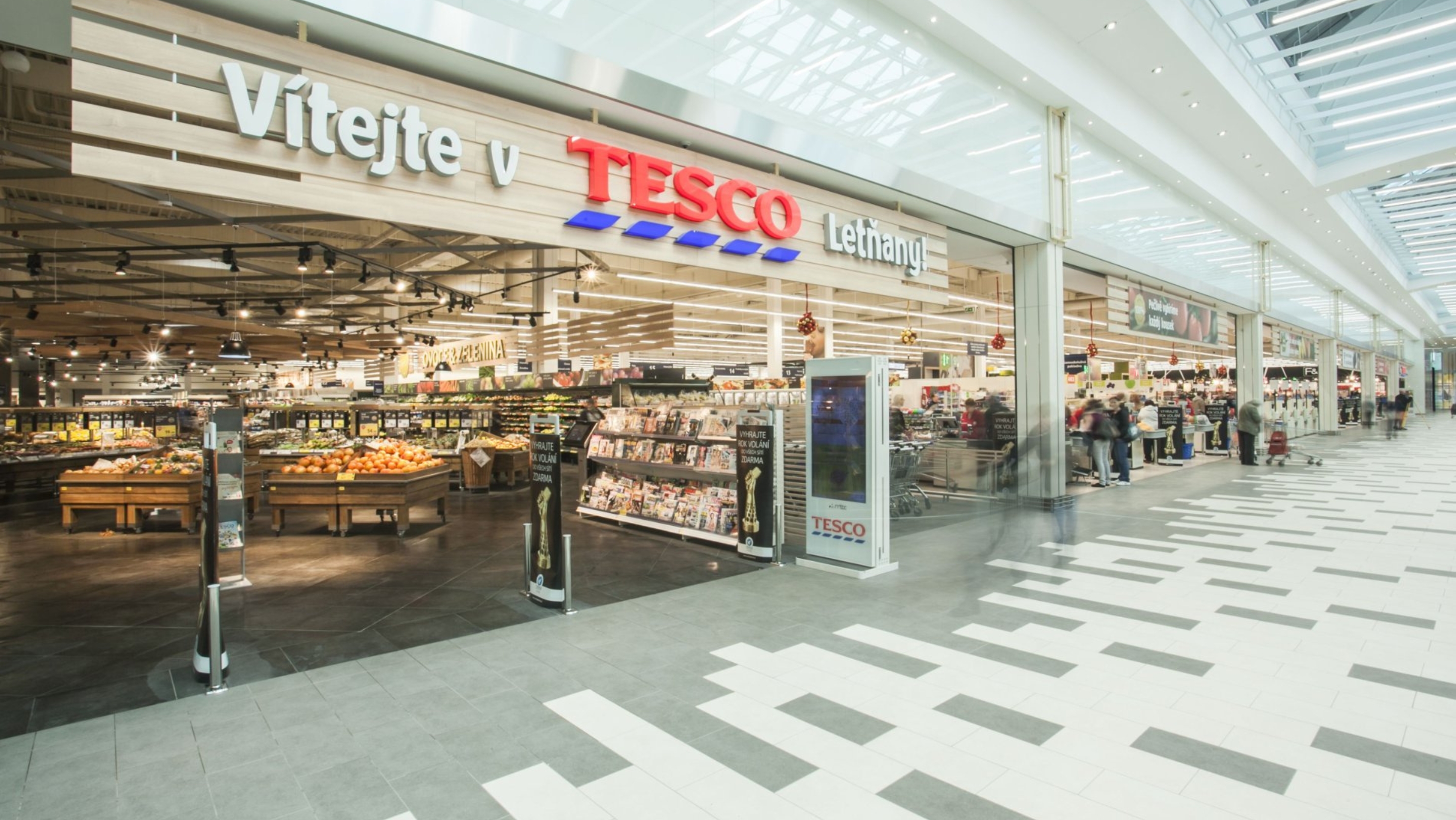
Tesco will launch a new express delivery service in Prague in September, working with Wolt to deliver orders within 40 minutes. The service, called Tesco Hned, will initially be available from selected Tesco stores in the Czech capital. The launch comes as speculation continues over a possible sale of Tesco’s Central European operations and the British retailer’s future in the Czech Republic. Tesco Hned is designed for customers who need groceries and other everyday products quickly rather than as part of a larger planned shop. Orders will include food, drinks, cosmetics, household products, pet supplies and other goods. The company says its standard online shopping service will continue to focus on larger orders, while the new option is aimed at customers who need a few items immediately. Tesco has already tested the service at six Prague stores. It plans to extend Tesco Hned to another 22 locations in the coming weeks. Delivery will be provided through Wolt, giving customers access to Tesco products through the courier company’s platform. Tesco faces questions over its future The new service comes at a difficult time for Tesco in Central Europe. According to the Financial Times, Tesco’s British owners are considering selling their operations...
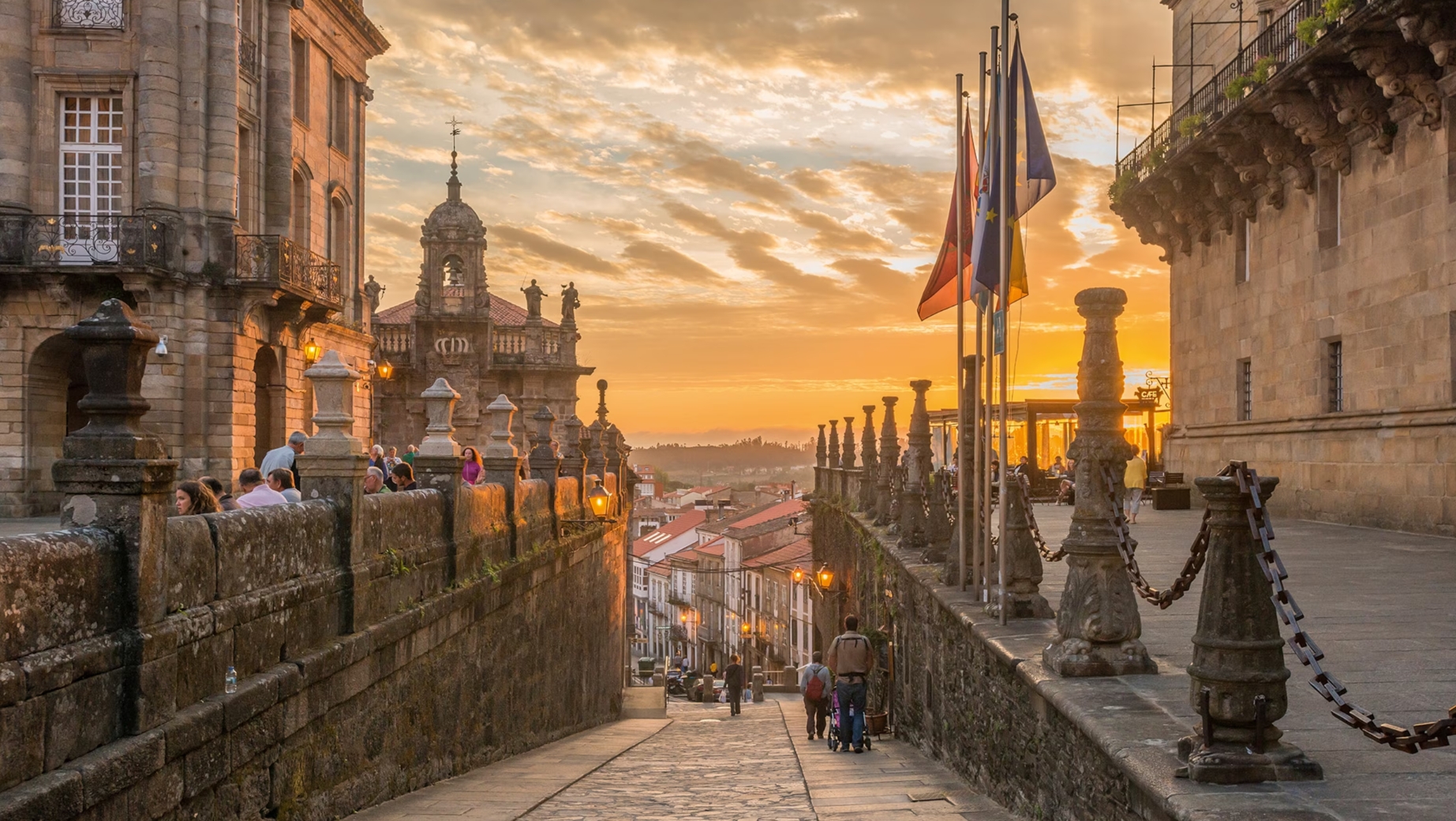
A new budget airline is set to launch direct flights between Prague and Santiago de Compostela in Spain, giving travellers from the Czech capital a new low-cost option for visiting Galicia and the famous Camino de Santiago. Fly2Galicia plans to begin operating flights from Santiago–Rosalía de Castro Airport to eight European destinations from December 1, 2026. Prague is among the international destinations, alongside Brussels, Munich, Venice and Milan. Tickets are already on sale, with fares from Prague to Santiago de Compostela starting at €51. The new route could be particularly attractive in 2027, when Santiago de Compostela will celebrate a Holy Year. The occasion is expected to bring increased numbers of pilgrims completing the Camino de Santiago, one of Europe’s best-known pilgrimage routes. There is, however, one detail to note: Fly2Galicia will not operate the initial flights itself. The airline says the routes will be operated by another European carrier, which has not yet been named. The new service comes as airlines continue to expand connections between Central Europe and Spain. Wizz Air has also announced new flights to Santiago from Rome and Warsaw starting this December. What to see in Santiago de Compostela For travellers arriving from Prague, Santiago’s...
Oscar-winning actor and musician Russell Crowe will bring his band, The Gentlemen Barbers, to Forum Karlín on May 23, 2027, for their first-ever Prague concert. Russell Crowe is best known for his roles in Gladiator, A Beautiful Mind and A Good Year, but long before Hollywood, music was a major part of his life. On May 23, 2027, the Oscar and Golden Globe winner will bring that side of his career to Prague for the first time, performing with his band The Gentlemen Barbers at Forum Karlín. You can get your ticket here. The concert will also mark the opening night of the band’s European tour. The Gentlemen Barbers have been developing their sound over the past four years, although many of the musicians have worked with Crowe for decades. The lineup includes drummer Dave Kelly and trumpeter Stewart Kirwan, both former members of Thirty Odd Foot of Grunts, as well as musicians who have collaborated with Crowe on later projects. The band also features pianist Stu Hunter, guitarist Chris Kamzelas and bassist James Hazelwood. Irish singer Lorraine O’Reilly, known for her powerful, raspy vocals, has performed with Crowe since they first met while recording a duet for the Bible...
Students looking for private accommodation in Czech university cities this year are facing higher rents, with prices for some types of housing up by as much as 14 percent compared with 2025. The increase comes as demand for student accommodation reaches its annual peak ahead of the winter semester. Data from several Czech property platforms show that the busiest period started earlier this year, meaning students who have not yet found accommodation may face a more limited and expensive selection in September. Those unable to secure a place in a student dormitory generally have three alternatives: renting a small apartment alone, taking a private room in a shared apartment, or renting a bed in shared accommodation. The most expensive option is usually a small one-bedroom apartment with a kitchenette, typically around 30 square meters. According to the REMAX network, monthly rents for these apartments range from more than CZK 7,000 in Ústí nad Labem to around CZK 14,000 in Prague. Prices have not increased evenly across the country. Brno recorded the sharpest rise, with rents for small apartments increasing by 12 percent year on year. Prague saw a 4 percent increase, while rents in Hradec Králové and Pardubice rose by...
On August 21, 1968, Soviet troops and their Warsaw Pact allies invaded Czechoslovakia to bring an end to that country’s brief period of political liberalization, called the Prague Spring. People still recall waking up on that fateful morning to find that Soviet-led Warsaw Pact tanks had rolled into the country, crushing all hope of implementing the democratic reforms of the Prague Spring. Shocked citizens took to the streets in protest of the invasion. About 500,000 troops were involved in the invasion and occupation, during which 137 Czechoslovaks died and some 500 were wounded. One of the key battles was for the control of Czech Radio, similar to the one that took place at the end of the Second World War. The invasion ended the political and economic reforms led by Alexander Dubcek and reasserted dominant Soviet and Communist authority in Czechoslovakia. It also helped establish the Brezhnev Doctrine, which Moscow said allowed the U.S.S.R. to intervene in any country where a communist government was under threat. Within the following year, resistance faded, Dubček was removed from office, his reforms were undone, and a more Soviet-controlled government was installed.
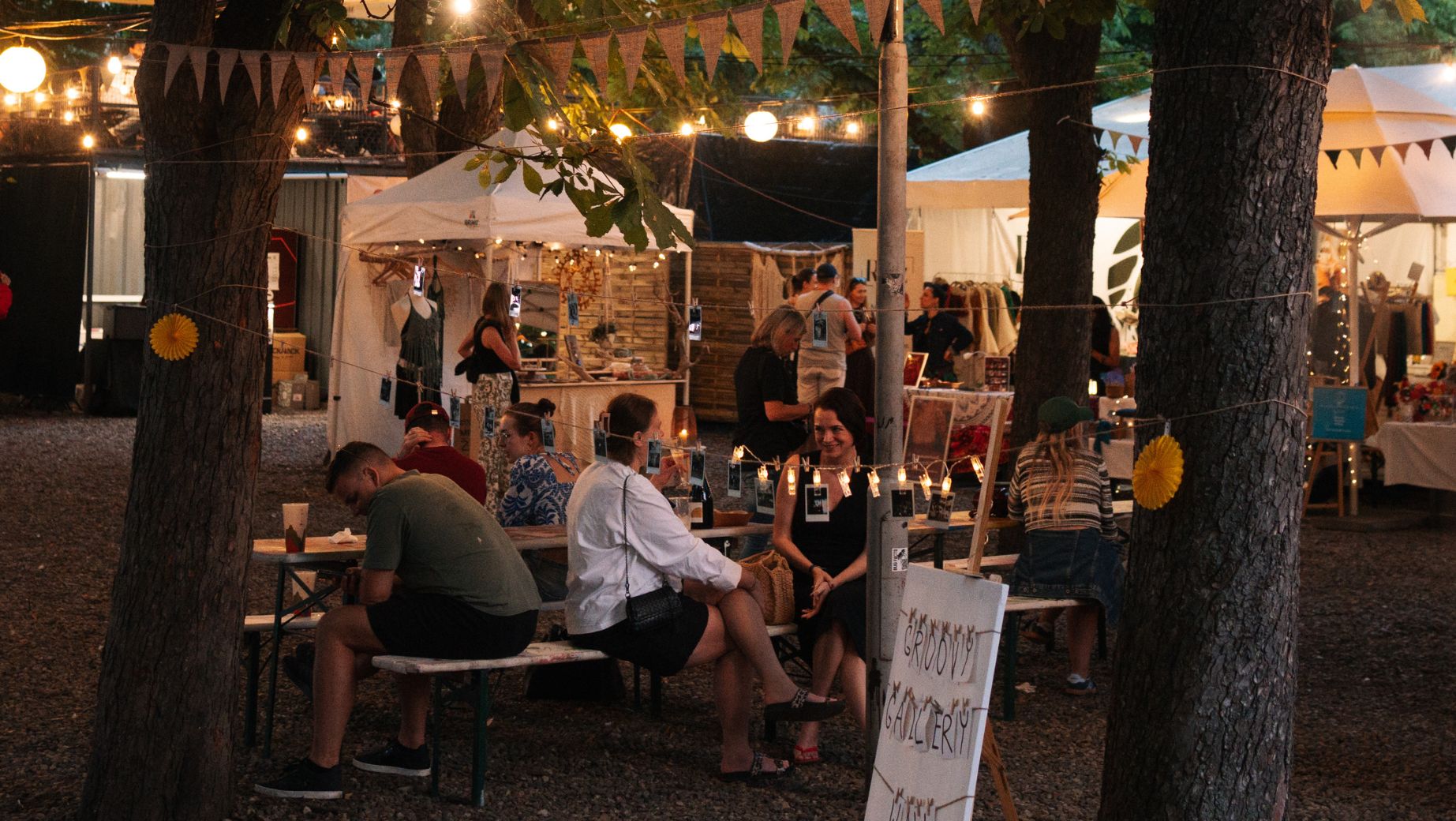
A new urban festival is aiming to become a regular fixture on Prague’s cultural calendar after attracting 1,200 visitors to its first edition in Riegrovy sady. Groovy Market Fest, held on August 1, brought together food, design, music and local brands in a format inspired by European city markets. According to the organizers, around 85% of visitors were tourists or foreign residents of Prague, highlighting the event’s appeal beyond the Czech-speaking audience. The festival will return to Riegrovy sady on September 5, with further editions planned for October, November and December. From Barcelona to Prague Groovy Market Fest was founded by Marek Novák and Veronika Kracíková, a couple with experience in Prague’s food scene and Barcelona’s street-food culture. Their interest in international gastronomy also led them to compete in Spain. In 2025, they won first place in the Cooking The Street competition, where their dish was judged by a professional panel that included chefs Beñat Ormaetxea and Jon Kepa Aurrecoetxea. After returning to Prague, they decided to develop their own event, drawing inspiration from markets such as Barcelona’s Palo Alto Market. The First Edition Food Garden focused on gastronomy, while Palm Street featured local products and handmade goods. The Design...
A new bus service running through Prague’s Blanka tunnel has begun operating, offering a direct connection between the northern part of the city and Dejvice. Bus line 145 connects Čimice and Kobylisy in Prague 8 with Hradčanská and Dejvická in Prague 6. The journey takes around 15 minutes, according to Prague’s public transport authority ROPID. The same trip by metro requires a change between lines C and A in the city centre and takes around 22 minutes. Including the time spent walking through stations and using escalators, the journey can take about half an hour. The first day of operation brought mostly positive results, with many buses arriving on time or even ahead of schedule. The real test will come during regular weekday traffic, when congestion around Prague is heavier. Where the new bus runs In the direction from Čimice to Dejvice, line 145 serves: Sídliště Čimice – Čimice – Libeňská – Řepínská – Podhajská pole – Čimický háj – Písečná – Služská – Kobylisy – Okrouhlická – Vychovatelna – Hradčanská – Vítězné náměstí – Dejvická The return route follows the same corridor in the opposite direction. The key feature of line 145 is its use of the Blanka tunnel,...
Leo Express is set to begin operating direct trains between Prague and Brno in December, marking the private carrier’s first direct connection between the two cities. The company has already been serving passengers in the South Moravian Region, but its trains have so far bypassed Brno. Over the past year, travellers from towns such as Hodonín and Břeclav have been able to use Leo Express services to reach Prague, travelling via Přerov and Olomouc. The new Prague–Brno service will change that, putting the carrier directly on one of the Czech Republic’s busiest rail routes. There is, however, one limitation for passengers travelling to Prague. Leo Express trains do not serve Prague Main Station. In Prague, passengers must use Praha-Libeň station, which may be less convenient for those travelling to the city centre. Leo Express was founded by businessman Leoš Novotný and has operated passenger trains in the Czech Republic since 2012. The company has gradually expanded its network in the Czech Republic and abroad, competing with established operators such as České dráhy and RegioJet. The Prague–Brno connection is expected to become another important part of the company’s Czech network from December. Promote your business to thousands of expats in...
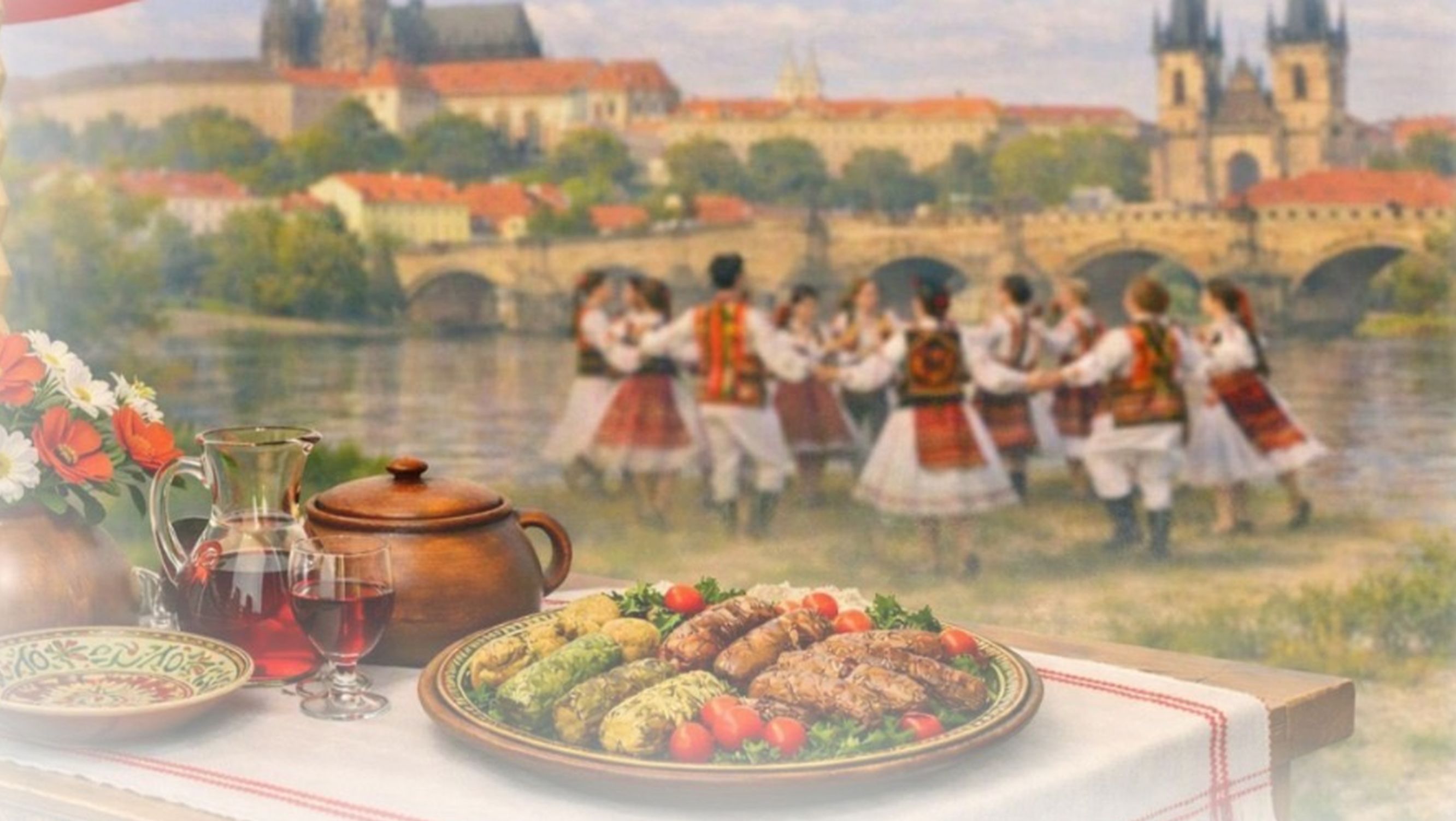
The Romanian community in Czechia will come together in Prague on September 6 for the 12th edition of the Romanian Celebration, an annual event highlighting Romanian culture, traditions and the community’s ties with Czech society. The main event will take place at the Ethnographic Section of the National Museum of the Czech Republic in Kinský Park, Prague 5. The program will bring together Romanian music, dance, food, literature and activities for children. Organized by the Association of Romanians in the Czech Republic (ARRC), the event is part of a wider cultural project running from March 1 to November 30, 2026. Visitors can expect traditional music and dance performances, educational activities for children, cultural exhibitions, book presentations and Romanian gastronomy. The event is aimed at members of the Romanian community, Romanian-speaking families, children and young people, as well as Czech residents interested in Romanian culture. According to ARRC, the project aims to preserve and promote Romanian cultural and linguistic identity among Romanians living in the Czech Republic while creating opportunities for greater interaction between the Romanian and Czech communities. “Through this project, we aim to offer the Romanian community, Romanian speakers, and lovers of the Romanian language a space for meeting,...
Don’t have an account? Register
Already have an account? Log In
How Would You Like to Promote Your Business? PR ArticleDisplay bannersVideo productionNewsletter adsJob ListingsInfluencer Marketing
Your Email
We will come back to you within 24 hours with our proporsal