Dutch DJ and producer Tiësto is returning to Prague on August 23, with a performance scheduled at DupleX Prague. One of the most recognizable names in electronic music, Tiësto has been a major figure in the international dance scene for more than two decades. His Prague appearance will bring him back to the city for another night at the popular rooftop club in the centre of Prague. The event is expected to feature a mix of Tiësto’s well-known tracks and newer material, alongside the production and atmosphere that have become a regular part of his live shows. Tiësto, whose real name is Tijs Verwest, began his career in the Dutch club scene before becoming internationally known through his work in trance music. Over the years, his sound has developed considerably, moving towards house, EDM and more mainstream dance music. He has since performed at some of the world’s largest festivals and venues and worked with a wide range of artists. His music has also reached audiences well beyond the traditional electronic music scene, helping establish him as one of the genre’s most commercially successful artists. Tickets are on sale through the official DupleX website. New album Tiësto is working on...
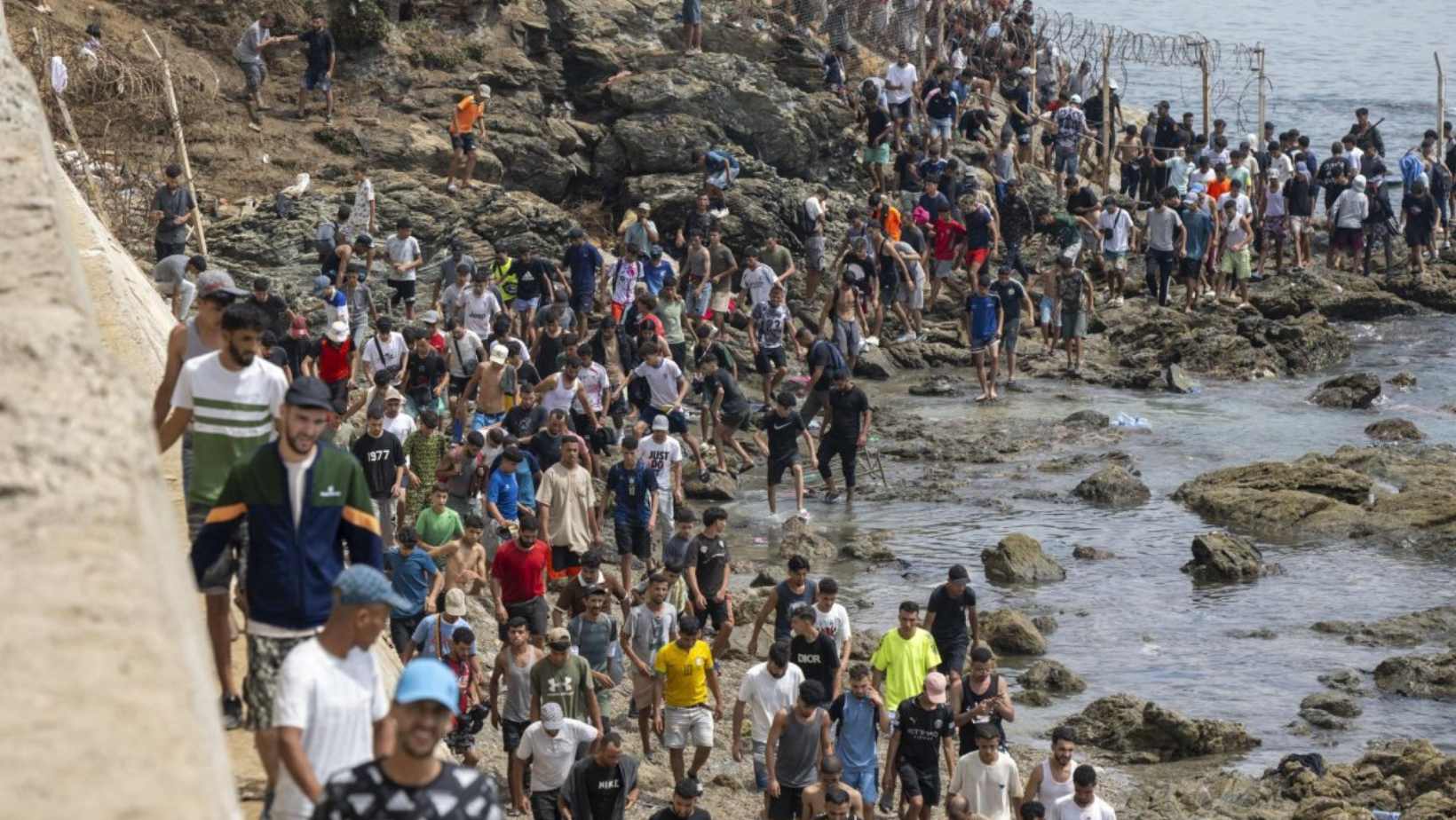
Czech Prime Minister Andrej Babiš called for temporarily excluding Spain from Schengen due to the migration crisis in Ceuta, where about 49,000 migrants entered uncontrollably from Morocco. Italy has already suspended Schengen rules in connection with Spain. Czech Prime Minister Andrej Babiš called for closing the Schengen zone to Spain after a sharp escalation of the migration crisis in the Spanish enclave of Ceuta. According to Babiš, the situation in Ceuta is “absolutely scandalous,” and the cause of the crisis was the overly lenient migration policy of the Spanish authorities. According to the publication, since Thursday, about 49,000 migrants have entered Ceuta uncontrollably from the territory of Morocco. At least 19 people have died trying to cross the maritime border. Foreign Minister Petr Macinka (Motorists) described the situation as a serious challenge for the entire Schengen Area but stopped short of calling for Spain’s exclusion, saying he wanted to hear Madrid’s position before drawing conclusions. What is the Schengen Agreement? The Schengen Area allows people to travel between 29 European countries without routine passport checks at internal borders. While border controls are normally abolished, member states can temporarily reinstate them if they believe there is a serious threat to public...
As another spell of extreme summer heat approaches the Czech Republic, Prague has published an online map showing where residents can cool down, find drinking water or spend time near water. Temperatures in the capital could reach 38°C, with the hottest conditions expected toward the end of the week. This map is designed to help people find relief across the city and includes public drinking fountains, misting systems, fountains, wells and locations suitable for swimming or relaxing beside the water. The project was prepared by the City of Prague in cooperation with the Prague Institute of Planning and Development (IPR Prague) and the municipal technology company Operátor ICT. The initiative is part of the city’s broader efforts to prepare for more frequent periods of extreme heat. Prague says it is increasingly focusing on measures that can reduce the effects of rising temperatures over the longer term, rather than relying only on temporary interventions. More trees, water and shade planned Prague is also looking to incorporate more greenery and water into public spaces as part of new development projects. The city is supporting measures including new fountains and other water features, green roofs, rainwater collection tanks, climbing plants, permeable surfaces and...
Earning an internationally recognized high school diploma and preparing for admission to top universities no longer requires moving abroad. Canadian International High School in Prague (CIHS) offers students in Grades 10-12 a fully English-language education based on the Canadian curriculum. Located in the heart of Prague, CIHS combines the strengths of Canada’s education system with the quality of life and accessibility of the Czech Republic. Students receive a globally recognized diploma while studying in a familiar European environment, avoiding the higher costs and challenges of relocating overseas. An International Diploma Recognized Worldwide Graduates earn the Ontario Secondary School Diploma (OSSD), Canada’s official high school credential, recognized in more than 20 countries. The diploma provides access to over 30,000 universities and colleges worldwide, including leading institutions across Canada, the United States, the United Kingdom, and Europe. Unlike the Czech education system, which typically spans 13 years, the Canadian program is completed in 12. As a result, students graduate a year earlier, begin university sooner, and gain an additional advantage as they build their academic and professional future. Learning the Canadian Way CIHS delivers its academic program in partnership with Toronto Imperial School, ensuring that students follow authentic Canadian educational standards. Courses...
Security will be tightened at this year’s Prague Pride festival following a deadly attack at a similar event in Berlin. Czech police are preparing additional measures to protect participants in the week-long festival, which begins Monday. The measures will also reflect changes to this year’s festival route and venue. Prague Pride is moving its main festival area from Letná Plain to Štvanice Island. The traditional Saturday parade will also follow a new route, starting in the lower section of Wenceslas Square, continuing through the historic center and ending at Štvanice. Organizers will begin the parade with a minute of silence on Wenceslas Square to remember the person killed in the Berlin attack. “Thousands of people standing in silence will be a reminder that we will definitely not remain silent about violence motivated by prejudice,” Prague Pride director Kamila Fröhlichová said. This year’s Prague Pride will feature more than 100 cultural, educational and social events. Dozens of associations, institutions, companies and individuals will organize programs at venues across the capital. While many events will focus on the lives and experiences of LGBTQ+ people, the festival will also address wider questions surrounding human rights and civil society. A full program is available...
People looking for relief from the heat in central Prague can use the air-conditioned ground floor of the Škoda Palace in Jungmannova Street on Thursday and Friday. The city has opened the space to the public as temperatures across the Czech Republic are expected to rise well above 30°C. The building will be accessible from 8 a.m. to 6 p.m. on both days. Visitors can sit on benches and chairs, refill their water bottles at drinking fountains and use the toilets. Drinks and snacks are also available for purchase. The measure comes as the Czech Hydrometeorological Institute has warned of very high temperatures in parts of the country. Forecasters are advising people to drink regularly, stay out of direct sunlight where possible and avoid strenuous physical activity, particularly during the afternoon. The Czech Republic is facing several days of intense heat, with Friday expected to be among the hottest day of the current spell. Temperatures above 35°C are possible in some areas. Individual Prague districts are taking similar steps. Prague 3, for example, plans to make air-conditioned areas in its town hall, information centre and Žižkostel available to the public when temperatures are forecast to exceed 35°C. Visitors will be...
Revolut is expanding its investment services in the Czech Republic, giving retail customers access to funds focused on private equity, private credit and infrastructure. The new products will become available in the Revolut app from July 31. The fintech has signed distribution agreements with four major asset managers — Apollo, Ares, Hamilton Lane and Partners Group — which collectively manage more than $2.8 trillion in assets. The move gives Czech retail investors access to parts of the private markets that have traditionally been aimed largely at institutional investors. Private market investments have often required substantial minimum commitments, frequently above €100,000, or around CZK 2.5 million. Revolut’s new offering is designed to lower that barrier and allow customers to add private assets to portfolios that may already include stocks, bonds and exchange-traded funds. Investments will be available directly through the Revolut app. The funds will be offered through the European Long-Term Investment Fund framework, known as ELTIF 2.0. How ELTIF 2.0 works The structure is intended to provide investors with greater flexibility than traditional private equity funds, where capital can remain committed for several years and withdrawals may not be possible during that period. The products offered through Revolut use an...
A tourist has reported an alleged taxi scam in Prague, claiming that a journey from Old Town Square to Prague Main Railway Station ended with an unexpectedly high fare and a disputed payment. The incident reportedly took place on July 25 at around 16:15. According to the complaint, the driver charged CZK 980 for the ride, an amount the passenger said was far higher than the expected price for such a short distance. The tourist claims that the driver refused to accept payment by card and requested cash instead. “I paid him 100 Euros for the fare. He just took the note, swapped it and lied to me saying what I gave was 100 in Czech currency, and demanded me to pay the remaining 50 euro taxi fare,” the tourist said in his complaint. “So I paid the initial 100 euro that was swapped, plus the 50 euro taxi fare.” According to the passenger, the total amount paid for the ride was therefore €150 (over 3,600 CZK). He said he was rushing to catch a train to Bratislava and was unable to resolve the dispute at the scene. The tourist also claimed that no receipt was provided after the payment....
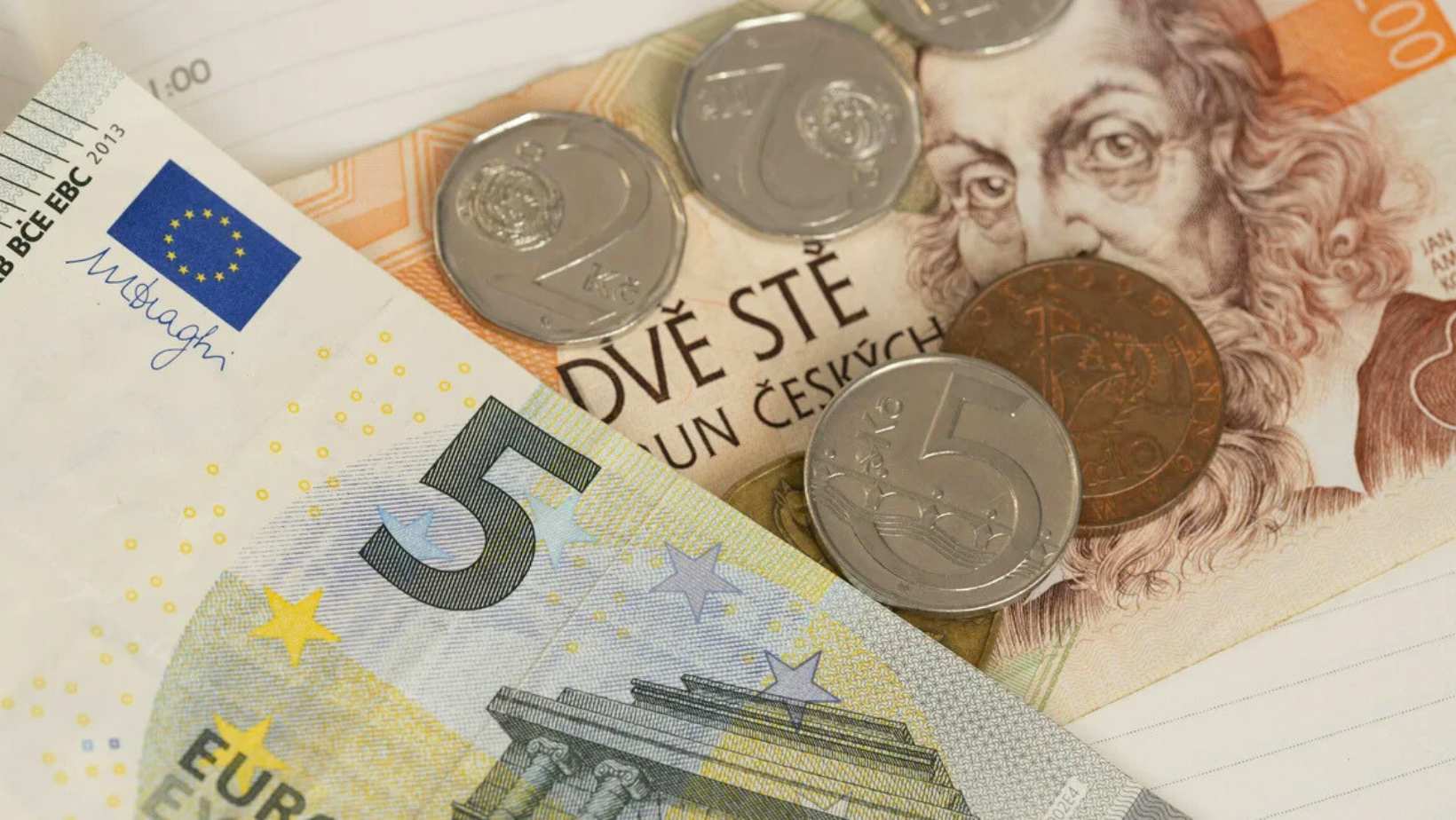
The Czech prime minister also said Brussels is likely to permit a larger budget deficit as Prague seeks funding for hospitals, highways, and other domestic investment. Czech Prime Minister Andrej Babiš has expressed alarm over the country’s rapidly increasing payments to the European Union, warning that the Czech Republic could become a net contributor to the bloc as early as 2029. Following talks with Finance Minister Alena Schillerová, Babiš said Czech payments into the EU budget had risen by 22 billion crowns (€911 million) this year alone. “I was shocked by how much we are paying into the European Union,” he said, as cited by Echo24. “If in one year we are told that we will pay 22 billion more, that is a lot.” Officials currently expect the Czech Republic to become a net contributor to the EU budget for the first time in its history in either 2029 or 2030. Babiš was also asked about next year’s state budget deficit. When asked whether it would exceed this year’s planned shortfall of 310 billion crowns (€12.8 billion), he replied, “Don’t test me. I don’t know what the deficit will be.” Schillerová said a reliable estimate would only be possible after...
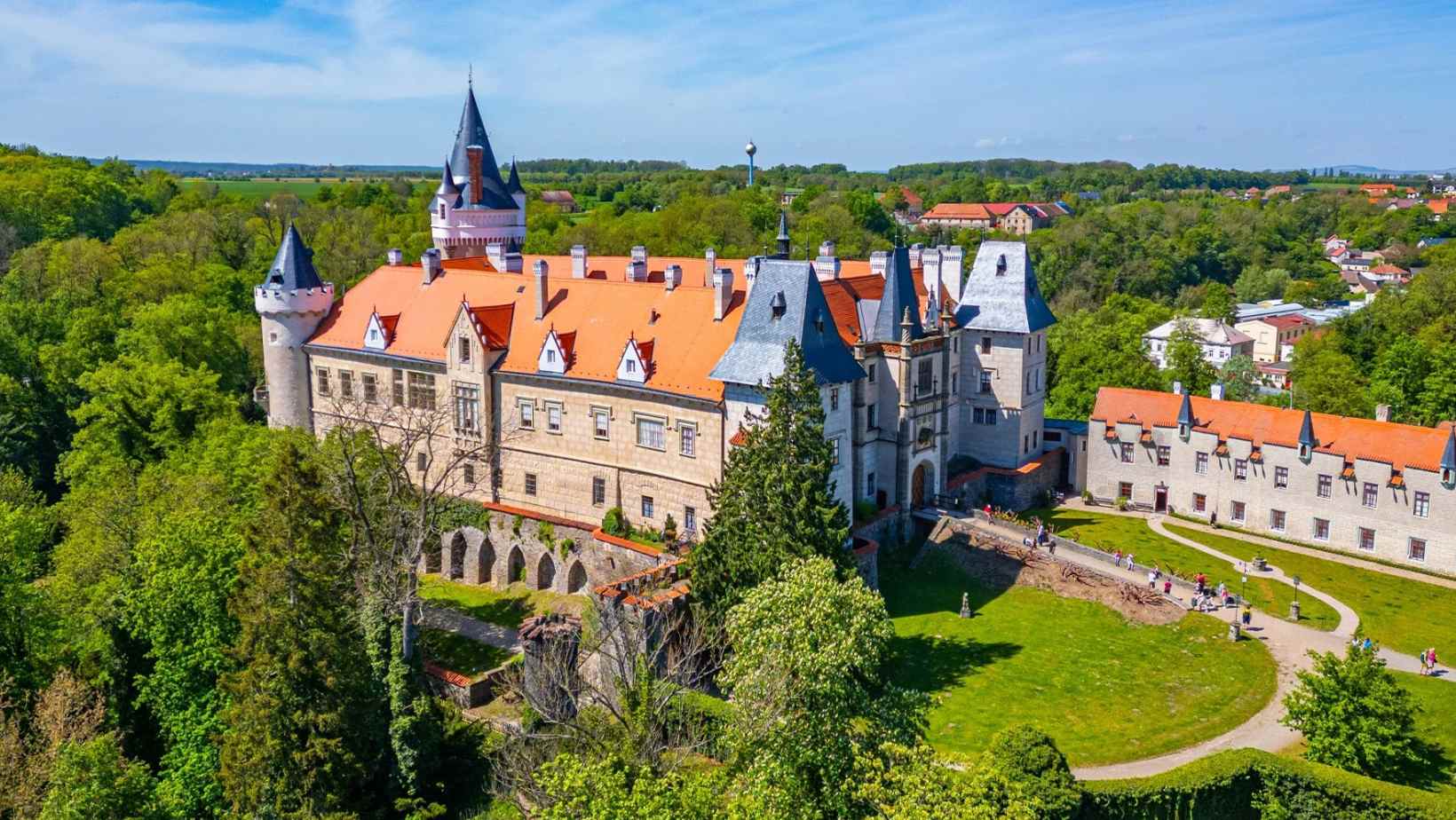
Visitors will be able to explore more than 100 state-managed castles, chateaus, monasteries, and other historic landmarks across Czechia free of charge on August 30 and September 27. The initiative follows a spring pilot program that granted free admission to selected state museums and galleries. According to the Ministry, strong public interest in that campaign encouraged officials to extend the concept to historic monuments managed by the National Heritage Institute (NPÚ). The free admission will apply to the standard sightseeing route at each participating site, along with selected additional visitor circuits where available. Tours will operate under normal conditions, meaning visitor numbers will remain limited and capacity restrictions will continue to apply. The National Heritage Institute is expected to publish a complete list of participating sites, opening hours, reservation requirements, and visitor information on its website in the coming days. The latest initiative builds on an earlier trial introduced this spring. Between April and June, visitors were granted free entry on selected Sundays to five of the country’s largest state museums: the National Museum in Prague, the Moravian Museum in Brno, the Silesian Museum in Opava, the National Technical Museum in Prague, and the Technical Museum in Brno. According to...
Six hundred years ago, an angry crowd stormed Prague’s New Town Hall and threw several royal councillors from its windows. The attack, known as the First Defenestration of Prague, took place on July 30, 1419, and is widely regarded as the event that ignited the Hussite Wars—a conflict that transformed medieval Bohemia and left a lasting mark on Czech history. Yet the violence that unfolded that summer day had been years in the making. Its roots lay in the teachings of Jan Hus, a Czech theologian, university lecturer, and religious reformer who became one of the most influential figures of the late Middle Ages. Hus openly criticized corruption within the Catholic Church, particularly the sale of indulgences and the growing power of the church hierarchy. Rather than viewing the Church as an institution led by the pope and bishops, he argued that the true Church was the community of faithful believers. Summoned before the Council of Constance in 1415 to defend his beliefs, Hus was arrested despite receiving a promise of safe conduct. After refusing to renounce his teachings, he was convicted of heresy and burned at the stake. His execution outraged many across Bohemia. While members of the nobility...
A Czech company has entered the Fortune Global 500 ranking for the first time in history. Energy and industrial group EP Group (EPG), controlled by Czech businessman Daniel Křetínský, placed 179th in the latest edition of the prestigious list of the world’s largest companies by revenue. The ranking, published annually by the U.S. business magazine Fortune, evaluates companies based on their total sales. EP Group reported revenues of $75.387 billion, equivalent to around CZK 1.6 trillion. To put the figure into perspective, the Czech state budget expects total revenues of CZK 2.118 trillion this year. EP Group’s portfolio includes stakes in major companies across Europe, including British postal operator Royal Mail, Slovak energy producer Slovenské elektrárne, German retail chain Metro and French energy giant TotalEnergies. With its debut in the ranking, EP Group has also placed Prague among the headquarters of the world’s largest corporations. The Czech capital is now one of 242 cities worldwide where at least one Fortune Global 500 company is based. Only 14 other countries in the Fortune Global 500 ranking have a single representative, including Saudi Arabia, Qatar, Poland, Austria and Thailand. EP Group is also among a very small number of newcomers. Only 13...
Don’t have an account? Register
Already have an account? Log In
How Would You Like to Promote Your Business? PR ArticleDisplay bannersVideo productionNewsletter adsJob ListingsInfluencer Marketing
Your Email
We will come back to you within 24 hours with our proporsal