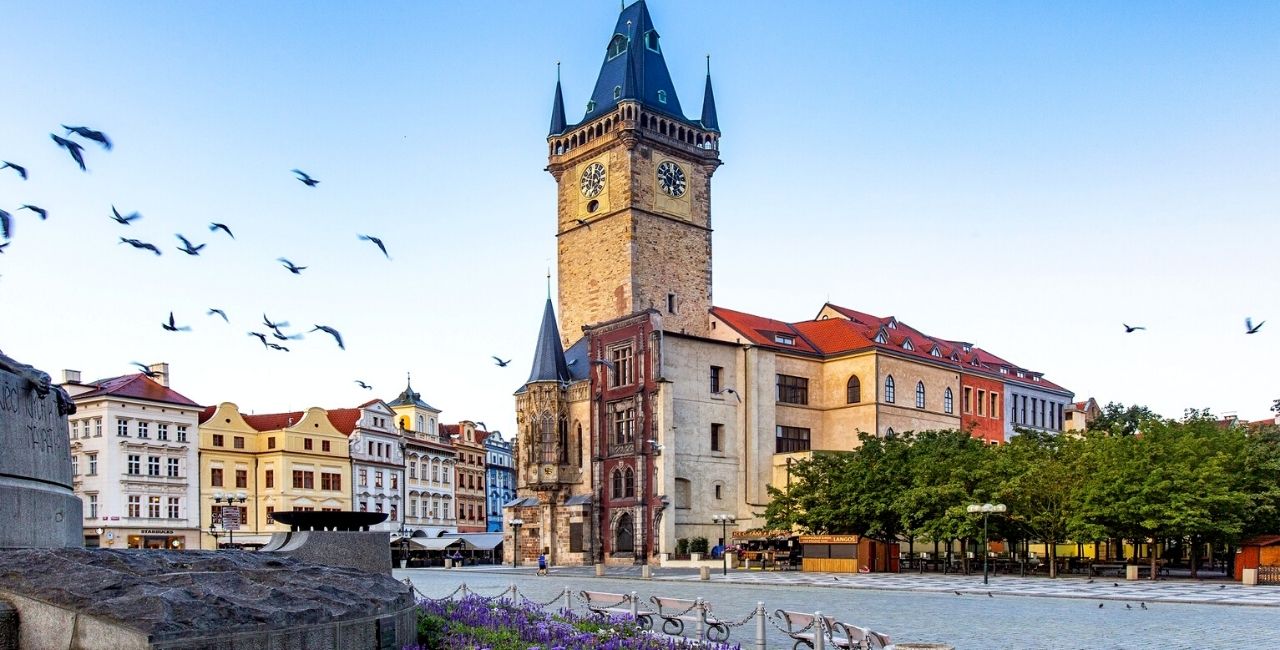
The most eagerly awaited event in the Czech running calendar has celebrated its winners today, with Kenyan Nobert Kigen becoming “The New King” of the Volkswagen Prague Marathon, with a time of 2:07:54, and the Ethiopian Bekelech Borecha triumphant among the women, in 2:2:56. Jiří Homoláč garnered a third Czech title, saying “Reaching the thirtieth kilometer, I started to feel a cramp in my foot, so I was afraid I would not finish, but I made it,” he rejoiced. Marcela Joglova was the best Czech woman. “The sunny weather was not conducive to fast times, but more importantly, it certainly contributed to a beautiful race and a great atmosphere,” RunCzech Organising Committee President Carlo Capalbo, whose race boasts the World Athletics Elite Label Race, stated. Over eight thousand competitors set off from the Old Town Square to overcome the 42,195 metres of the course leading past the beautiful Prague monuments and scenery. Due to the clear sky and sun, the already warm 15C at the start, soon went up to 23 °C. Ethiopian Bekelech Borecha was the first the women’s home. She covered the course in 2:22:56, improving her personal best by almost two minutes! “I worked very hard, I wanted an even...
In 2019, the Czech capital set a goal of planting a million new trees on its territory within eight years. Since the adoption of this plan, 370,000 new trees have been planted in Prague to date. These appear in emerging forest parks, city parks, orchards, and in the streets of the city. Trees play an irreplaceable role in adapting the city to climate change. “We also add trees to parks in the city centre, and plant them along brooks and ponds. City trees can also bear fruits, that is why we revitalize and set up orchards. Last year we planted a new and unique chestnut tree alley in Prague. Our goal is to add trees to the city streets. An integral part of our activities is the care of newly planted trees, which is essential especially in the first five years,” says the Deputy Mayor of Prague for the Environment Petr Hlubuček. In addition to new forests and forest parks, the city planted new trees in existing parks in the city centre, especially in two major green areas of Stromovka and Petřín in 2020. The aim of the Prague municipality is to plant trees even in the streets of the city. “Every tree in our city is very valuable...
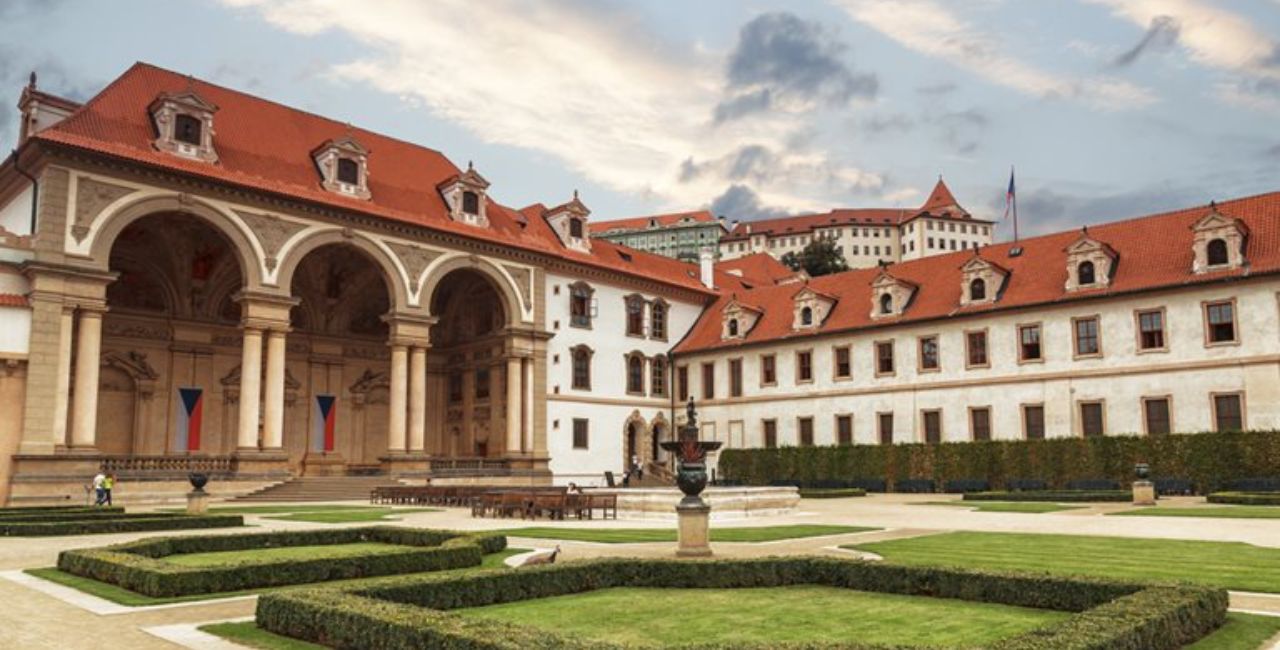
On May 8, the Czechs celebrate Victory Day, or Den vítězství as it is known in Czech, to commemorate the end of World War II in Europe. Several public facilities will open their doors to the general public for free: Hrzánský palác The Czech government invites you to visit the interiors of the Hrzánský palác. From 1894 to 1896 there lived the future first president of Czechoslovakia Tomas Garrigue Masaryk. Today the building serves presentation purposes – here the Czech Premier welcomes important guests. The palace will be open from 10:00 to 18:00. The tour will last about 40 minutes (the last one will start at 17:00). Address: Loretánská 177/9, Praha 1 Chamber of Deputies The Chamber of Deputies of the Czech Parliament (Poslanecká sněmovna) will also open its doors to visitors. During the hour-long visit, guests will be able to see the main meeting room, conference rooms of various committees and other facilities. Opening hours are from 09:00 to 16:00. Address: Thunovský palác, Sněmovní 4, Prague 1 Senate of the Czech Republic The Senate offers to inspect its main building – the Waldstein Palace (Valdštejnské náměstí 17/4, Malá Strana) and the Kolovratský palác (Nerudova 193/III, Malá Strana),...
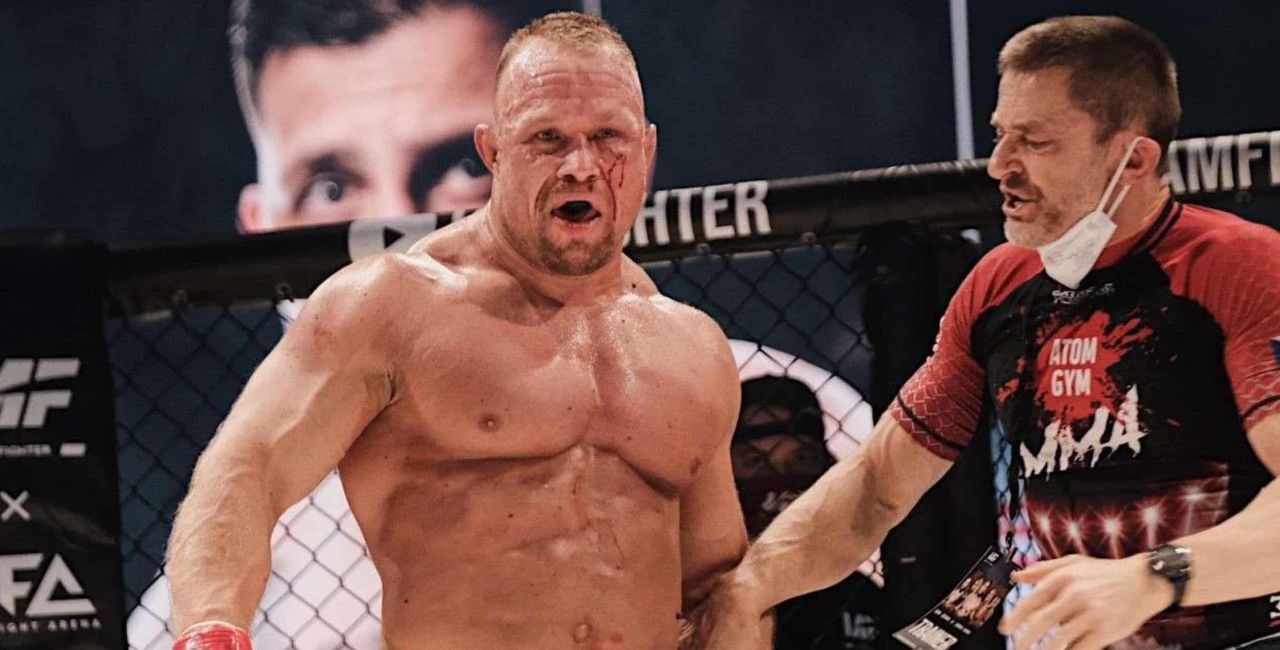
A Czech MMA fighter is being investigated by local law enforcement for praising Russia’s invasion of Ukraine while also yearning for the war to reach his homeland. Filip Grznár, 37, made his controversial statements in a video uploaded to Facebook. He celebrated the ongoing war in Ukraine before launching into an explanation of why war represents the purest form of “freedom.” “There is no right in a war. In a war, you can commit angry crime, which I like, it’s a dream,” Grznár said. “And only the strongest will survive. I just want there to be a war in the Czech Republic. I want a war. It’s the only freedom, because you know you can grab at any time and kill anyone at the same time. And that’s just good. I want a war in the Czech Republic and I will do everything for it.” Grznár’s comments quickly drew the attention of Czech police, who charged him with inciting crime. “ He is accused of an offense of incitement to a crime, for which he faces a maximum of two years if he is found guilty,” a source close to the investigation informed Práva. The MMA fighter and former bodybuilder later...
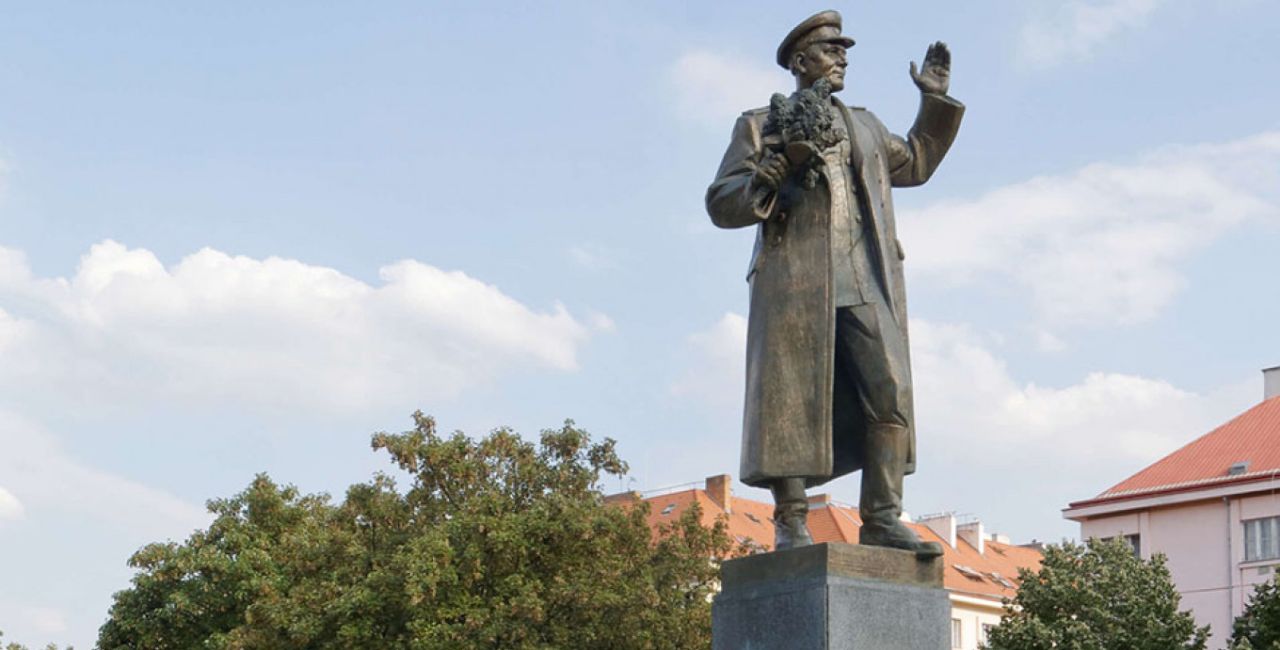
Soviet military commander Ivan Konev may be stripped of his honorary citizenship in Prague city, the Czech News Agency reported. This initiative was launched by the mayor of Prague Zdeněk Hřib. Next Monday, May 9, it will be considered by the city council. Konev, who led the Red Army’s liberation of Prague, became an honorary citizen of the city in June 1945. A street in the Žižkov district is named after him and there have been calls to rename it in recent years. “The act of conferring honorary citizenship should be considered in the context of the time and further historical development of Czechoslovakia. We have to remember that the troops under the command of Konev entered Prague after the agreement between Prague insurgents and the leadership of the German-fascist garrison leaving the city. Moreover, we cannot forget Konev’s decision to bomb Mlada Boleslav on May 9, 1945, the day after the end of the war, where 148 local residents, including children, were killed”, wrote Hřib in his initiative. In April 2020, the authorities of Prague 6 removed the monument of Marshal Ivan Konev from a public space. The statue was sent to the not-yet-existent Museum of Memory of the...
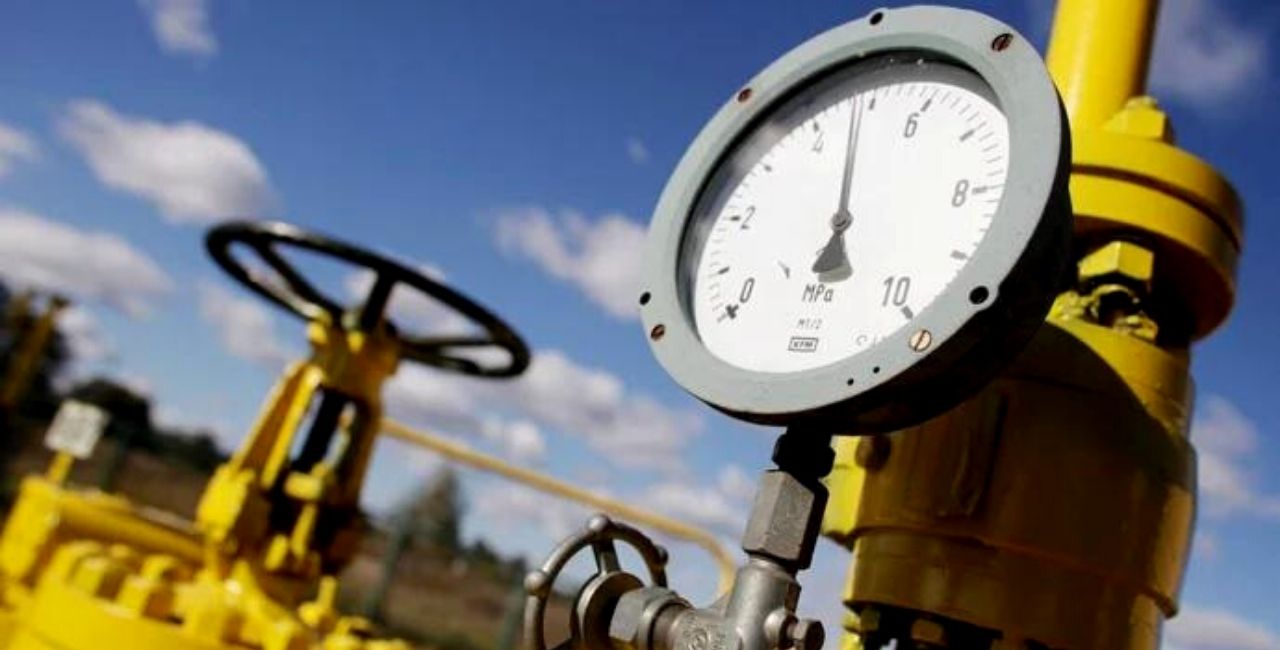
The Czech Republic is ready to raise its stake in a key pipeline and invest to increase its capacity and bring an end to the country’s partial dependence on Russian oil, Industry and Trade Minister Jozef Sikela said on Friday. The TAL pipeline carries oil from the Italian port of Trieste to Austria and Germany, from which another pipeline links it to the Czech Republic. Czech refineries, owned by PKN Orlen now take about half their crude oil through TAL, and the rest through the Druzhba pipeline from Russia. The Czech government holds a stake of 5% in TAL, which is also owned by major European and other oil companies. “We are ready to invest more than our proportionate part,” Sikela said in a briefing shown online. “We are also prepared to raise our stake, because one of the things we are seeking is to get almost all the extra capacity.” Negotiations were being held “non-stop”, he added. Partial dependence on Russian oil has prompted the Czech government to seek a temporary exemption from a European Union ban on such imports that is being discussed as part of sanctions on Russia for its invasion of Ukraine. The European Commission proposed...
The Classic Stage Company, Prague’s newest professional English-language theatre, is pleased to announce its next production, Tennessee Williams’ Academy-Award and Tony-Award winning play ‘Cat on a Hot Tin Roof,’ directed by John Malafronte. In ‘Cat on a Hot Tin Roof,’ Big Daddy Pollitt, the richest cotton planter in the Mississippi Delta, is about to celebrate his sixty-fifth birthday. His two sons have returned home for the occasion: Gooper and Brick, an ageing football hero who has turned to drink, along with his feisty wife Maggie. As the hot summer evening unfolds, the veneer of happy family life and Southern gentility gradually slips away as unpleasant truths emerge and greed, lies, jealousy, and suppressed sexuality threaten to reach a boiling point. Info: Where: Divadlo Na Pradle, Besední 3, Prague 1 When: Friday, May 13 – Saturday, May 14 – Friday, May 20 – Saturday, May 21 Tickets: 375 Kč / 300 students and seniors. Discount of 10% for groups of 10 or more Tickets available here For more information, write to [email protected] Cast and crew: Maggie – Fedorah Philippeaux Brick – Oleg Kim Big Daddy – Bob Boudreaux Big Mama – Mary Angiolillo Gooper – Jonathan Brewin Mae – Rozalie Andelova...
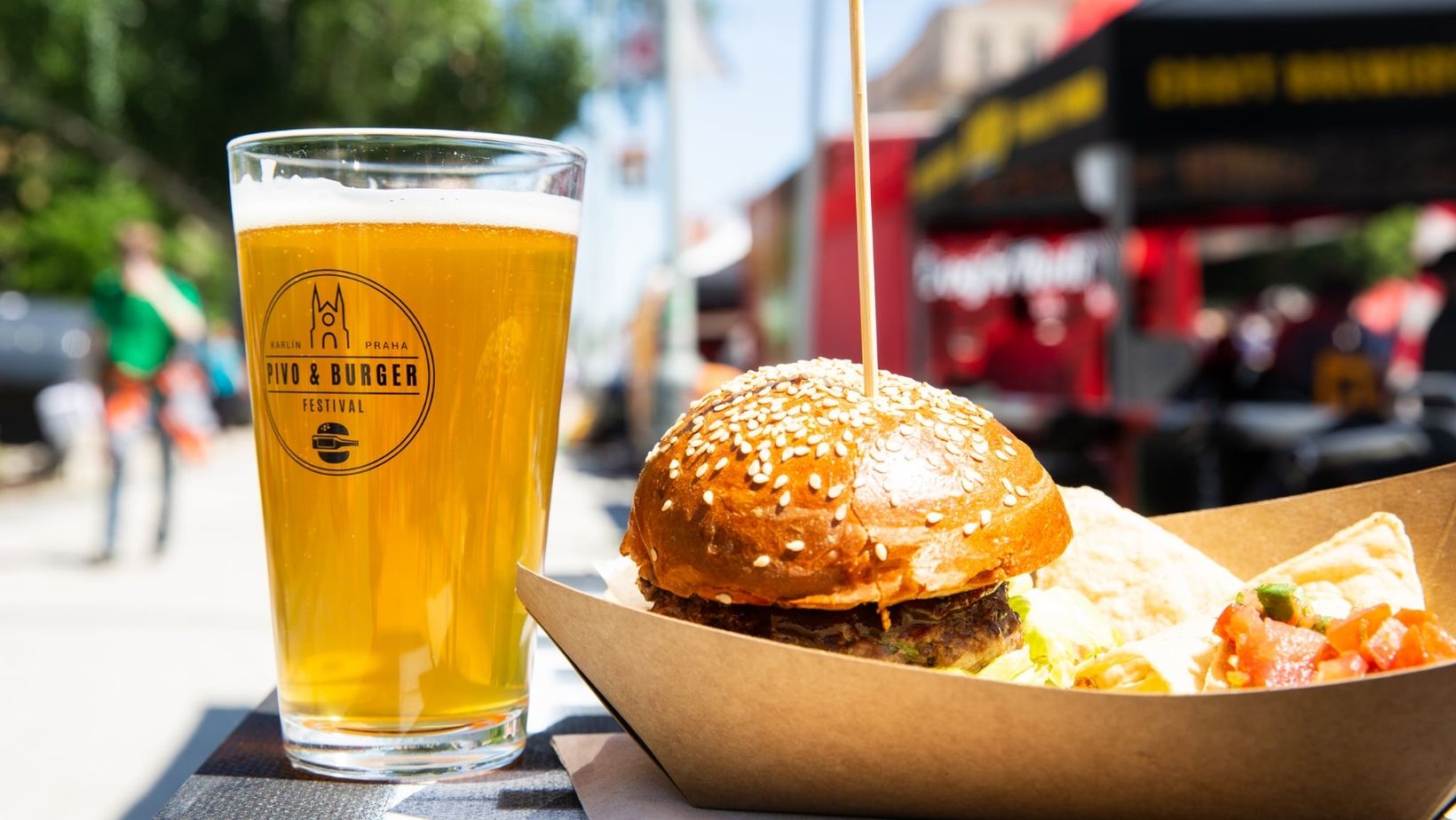
The seventh annual Beer and Burger (‘Pivo a Burger’) Festival will return to Karlínské náměstí on May 22, from 11 am. A total of 25 burger stands will be operating throughout the day, including many of the Czech favorite food trucks and burger joints. You can taste burgers from several Karlin restaurants but also some of Prague’s highest-rated burgers, like, Mozaika, Kaiser Franz, Hell Smoke, Take Eat Ez and many others. You can find the full list of participants here. Serving up beer during the fest will be 23 craft brewers from Prague and across the Czech Republic, including favorites like Matuška, Clock, Raven, Albrecht, and many more, with over 100 beers on offer. For the first time, organizers will present two foreign breweries: Hellstork from Slovakia and the Sisters from Holland. Admission to the event is free. However, to taste beers, it is necessary to buy a tasting glass for CZK 100. Visitors can also have a bowl of soup from Karlín Polévkárna or a glass of wine from the Kubík winery, churros and coffee from the FairBio roastery. Live music will be provided by SCHODISTE and IGLÚ and DJ Jakobeen. Another news of this edition will be the busker stage, where basically everyone can...
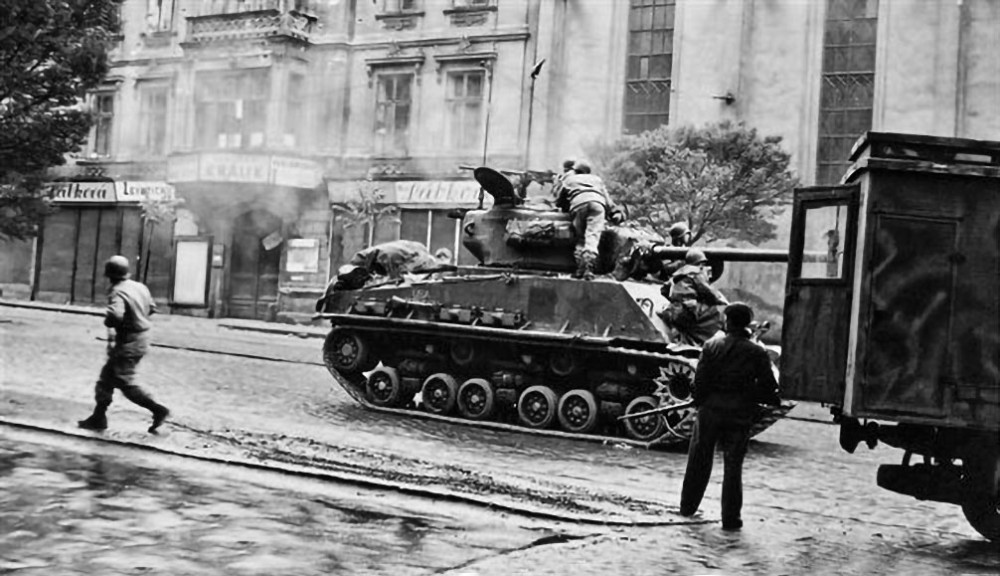
In May 1945, western Czechoslovakia was liberated by US forces under General Patton in World War II. Amid a week of commemoration in Pilsen, a new monument to the US forces now stands in nearby Konstantinovy Lazne. The town of Konstantinovy Lazne is a sleepy spa town in western Czech Republic. From appearances alone, the town doesn’t particularly stand out, but historically, Konstantinovy Lazne played a significant role in the liberation of Czechoslovakia in World War II. Seventy-seven years ago, American General George S. Patton’s Third Army rolled into Konstantinovy Lazne and set up command posts for several divisions. While many American troops were eager to head east and liberate the capital city of Prague, they were told to stay put in Konstantinovy Lazne. President Harry Truman and General Dwight Eisenhower were both keen to avoid conflict with Stalin, who saw eastern Europe as the spoils of war after sacrificing millions of Soviet lives to defeat the Nazis. General George Patton was ordered to halt his advance west of Prague. In the end, most of Czechoslovakia was occupied by the Red Army, sealing its fate as a Soviet satellite state. Being told to stay out of Prague was a source...
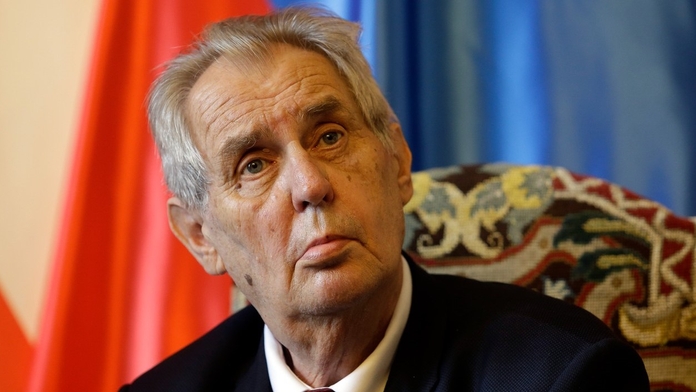
Czech President Miloš Zeman has called Romani refugees fleeing the war in Ukraine “economic migrants”, local advocacy group Romea reported. Talking on CNN Prima News, Zeman praised “the support of the Czech nation” towards the more than 300,000 Ukrainian refugees who came to the Czech Republic since the start of Russia’s invasion. Zeman also mentioned that Muslim refugees have been healthy young men, while those fleeing Ukraine are children and women. “The third difference is that, after all, the Ukrainians fall into our cultural circle, not just linguistically, but also because of their Christian roots and the like, while Muslim refugees live in a very different, Islamic culture,” he added. The Czech President said he expects that the war will end and many Ukrainians will return to their homeland. “Because they are not economic migrants, because they are really refugees from war who, under normal conditions, want to live in Ukraine,” the Czech President explained his prediction. “I would make one little exception here in terms of Romani Ukrainians, I am not sure whether they aren’t more economic migrants. However, they are a very minor exception, about two thousand people,” Zeman said on Terezie Tománková’s program on CNN Prima News. According to the...
If your day doesn’t start until you’re up to speed on the latest headlines, then let us introduce you to our new morning fix. Health Minister Vlastimil Valek will propose next week that the duty to wear respirators in health and social care facilities in Czechia be lifted at the latest on May 11 by a government resolution if the lower house does not pass the end of pandemic alert, he told reporters today. . Czech Justice Minister Pavel Blazek is to leave for the Hague within two weeks to debate details of joint steps in the prosecution of war crimes committed by Russian troops in Ukraine, he told reporters before the government meeting today. Blazek has arranged talks at the International Criminal Court (ICC) in the Hague in this respect. The operating profit of Škoda Auto fell by roughly a quarter to EUR 337 million in the first quarter of 2022, the car brand’s owner Volkswagen Group announced on Wednesday in its interim report. Škoda delivered 186,170 automobiles to customers during the first quarter of this year, around 25 percent less than in 2021. Almost 90% of Czechs support humanitarian help for Ukraine to defend against...
The Czech Republic will seek an exemption period to the European Union’s proposed embargo of Russian oil, gaining time for pipeline capacities to be increased, Prime Minister Petr Fiala said on Wednesday. “We are ready to support this decision (on sanctions including oil), given the Czech Republic will have some postponement until capacity is increased in oil pipelines which can deliver oil to the Czech Republic,” Fiala said. “We are trying to get that postponement for two, maybe three years.” The European Commission on Wednesday proposed a phased oil embargo on Russia, along with other tough measures to punish Moscow for its invasion of Ukraine. The measures include phasing out supplies of Russian crude oil within six months and refined products by the end of 2022. The Czech Republic has been seeking an increase to the capacity of the TAL pipeline – running from Italy via Austria to Germany – which is waiting for approval by Bavarian authorities. Fiala said he would debate the issue with German Chancellor Olaf Scholz during a visit to Berlin on Thursday. The Czech Republic joins others EU countries seeking a longer transition to introduce the ban. Slovakia, which gets nearly all its crude imports from Russia, wants a...
Don’t have an account? Register
Already have an account? Log In
How Would You Like to Promote Your Business? PR ArticleDisplay bannersVideo productionNewsletter adsJob ListingsInfluencer Marketing
Your Email
We will come back to you within 24 hours with our proporsal