Japan’s Netflix library contains more top-quality TV and film content than anywhere else in the world, according to a new study by Uswitch. The research calculated which countries have access to the best-reviewed and most awarded TV and film content by totalling the IMBD scores for every TV series and film in each country’s library. This was combined with the total number of award wins and award nominations and Uswitch then converted the overall total into a Netflix catalogue score out of a possible 100. Where To See the Best TV and Film on Netflix With an IMDB total of 27,284, more than 19,000 award wins and over 40,000 award nominations across its entire Netflix catalogue – Japan is awarded the maximum 100 Netflix catalogue points for its total score of 86,961, highest of all countries. The Czech Republic is second on the list with a Netflix catalogue score of 97.61. In third place is South Korea with a score of 94.02, the UK has a score of 93.78 which lands fourth place, and in fifth, it’s Switzerland with a score of 94.74. Interestingly, 50% of the top 30 list is made up of European countries, with the United States only just making an appearance in 29th place. Netflix first became available in Japan in 2015, and the top five IMDB rated TV series and films in Japan’s...
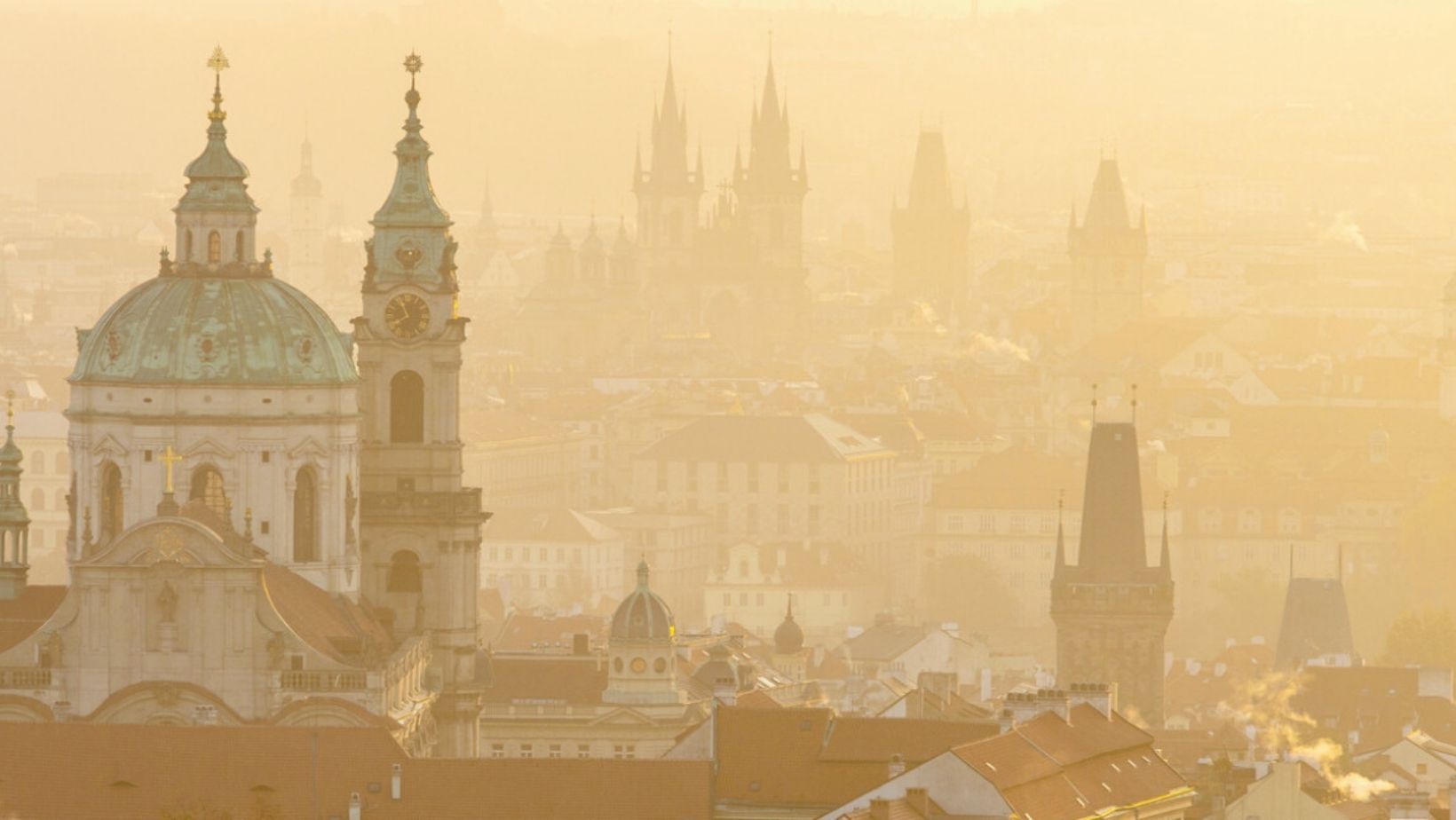
With an enormous number of cars in Prague, experts worry about the impact it will have not only on transport but also on the climate and human health. With the issue of health and safety is at the forefront of public debate, experts are now looking for solutions to reduce emissions and improve the current unsatisfactory situation where it exceeds the limits. A new study by Atmosphere magazine warns that the number of emissions in Prague exceeds the limits recommended by the WHO and the European Union. Miroslav Šuta, a doctor and expert from the Center for the Environment and Health, told Czech Radio Plus that the measurements took place in various places in Prague, and he considers the surroundings of the Blanka tunnel or the busy V Holešovičkách Street to be the most problematic places in the city. For Dr. Radim Šrám, Chairman of the Commission for the Environment of the Academy of Sciences of the Czech Republic, the danger persists even with concentrations below the applicable European limits or below the WHO recommended values. He points out that analysis from Spain and Scandinavia show that even lower concentrations can affect the development of the nervous system in children....
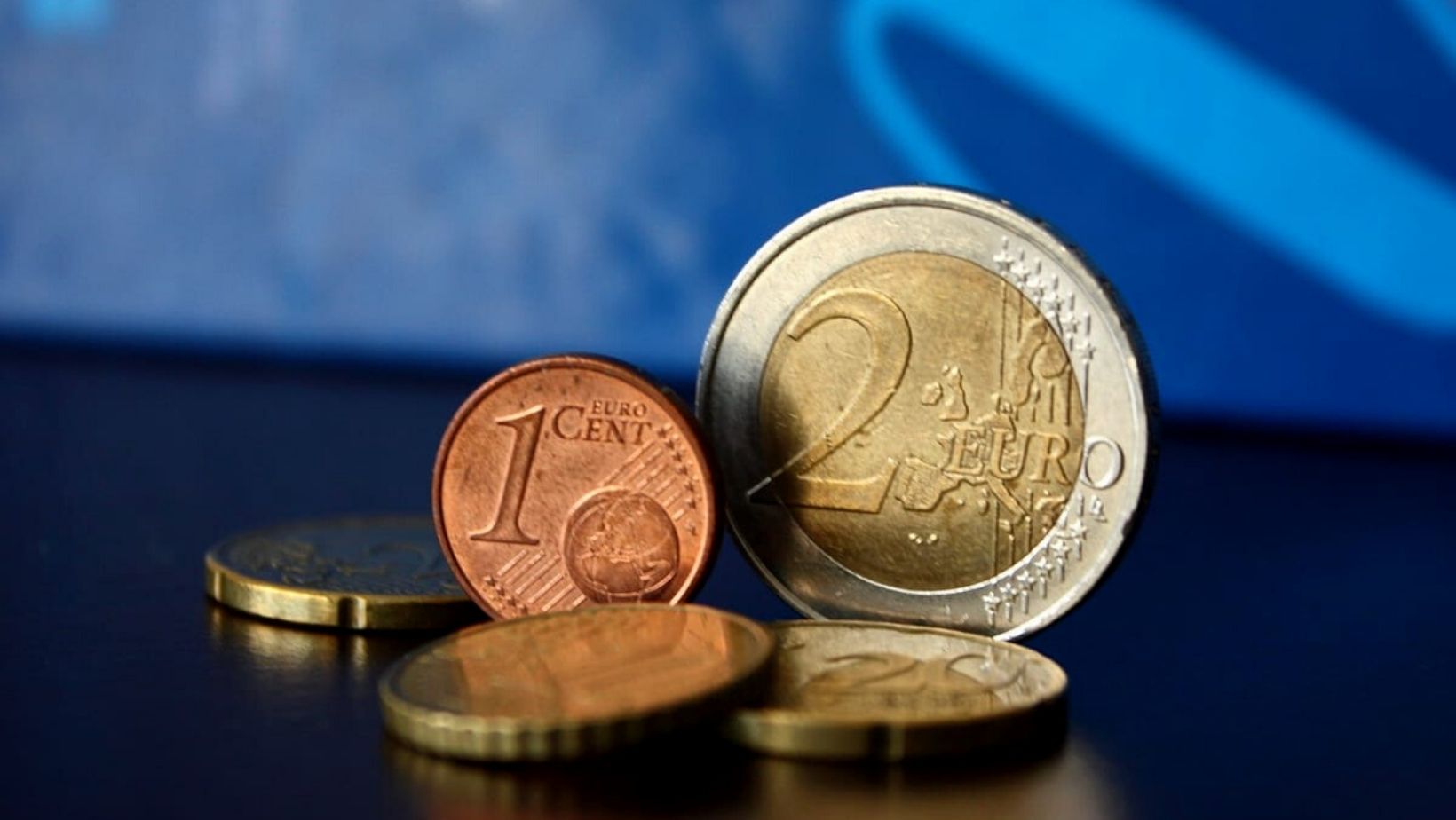
Czechs are sceptical on the issue of adopting the euro, meaning it is certainly not the main topic of this year’s elections. The latest survey by the Centre for Public Opinion Research of the Academy of Sciences showed that the introduction of the euro as currency instead of the crown is supported by less than a quarter (24%) of Czech citizens, with 69% opposing it. Most Czech political parties share the people’s scepticism about the Czech Republic’s entry into the eurozone- with only the coalition of Pirates and Mayors in favour of the adoption of the common European currency. Other Czech parties would rather consider withdrawing from the European Union altogether than taking on the euro. So, what are the opinions of the euro in the election programs of parties, movements, and coalitions? The government movement (ANO) do not want to adopt the euro currency at the expense of the Czech koruna, although they will support the Czech Republic’s stay in the EU. “We will not adopt the euro,” states their program. “As a sovereign country, the Czech Republic cannot give up our crown. On the moment of the adoption of the euro, we would lose, among other things, an...
Most shoppers in the Czech Republic prefer to buy Czech food in supermarkets, a new survey by Nielsen Admosphere has revealed. The study also found that 97% of respondents visit supermarkets for food at least sometimes, while 64% shop in small and brick-and-mortar stores, 31% at farmers’ markets, 26% at market stalls, 21% in specialized shops such as organic shops and 17% online. Country Of Origin Around 85% of the respondents highlighted the country of origin of products as an essential factor while choosing products. The research also revealed that 41% of respondents expressed interest in the country of origin for almost all products. In comparison, 44% cared about it only for selected products, and 15% did not care about it. The study also found that 70% of shoppers were willing to pay extra if they had the option to buy a product from their preferred country of origin. Products from the Czech Republic ranked first among Czech consumers in terms of product origin, followed by Germany and Slovakia. Poland emerged as the least popular producer country for Czechs, with only 4% of respondents saying they preferred Polish products. Inflation Elsewhere, CSO data has revealed that prices rose in almost all sections...
If your day doesn’t start until you’re up to speed on the latest headlines, then let us introduce you to our new morning fix. CZECH REPUBLIC The Czech Republic’s total foreign indebtedness rose to 164.17 billion euros at the end of June from revised 163.57 billion euros at the end of March, the central bank said on Monday. The Moravia-Silesia customs officers have revealed an international gang of pervitin (methamphetamine) producers and seven people, including one Pole, have been accused in the case. They face up to 18 years in prison if convicted. The police assume they made some 70,000 meth doses worth 14 million crowns. World-famous Czech-French photographer Josef Koudelka donated today some 2,000 pictures taken across his life-long career to the Czech Republic and the Prague Museum of Decorative Arts is going to get the largest share of the collection, 1,800 pieces. The administrative procedure has taken many years and the donation contracts are signed progressively. WORLD Canadians gave Prime Minister Justin Trudeau’s Liberal Party a victory in Monday’s parliamentary elections, but his gamble to win a majority of seats failed. Trudeau’s Liberals were leading or elected in 157 seats – exactly the same number they won in...
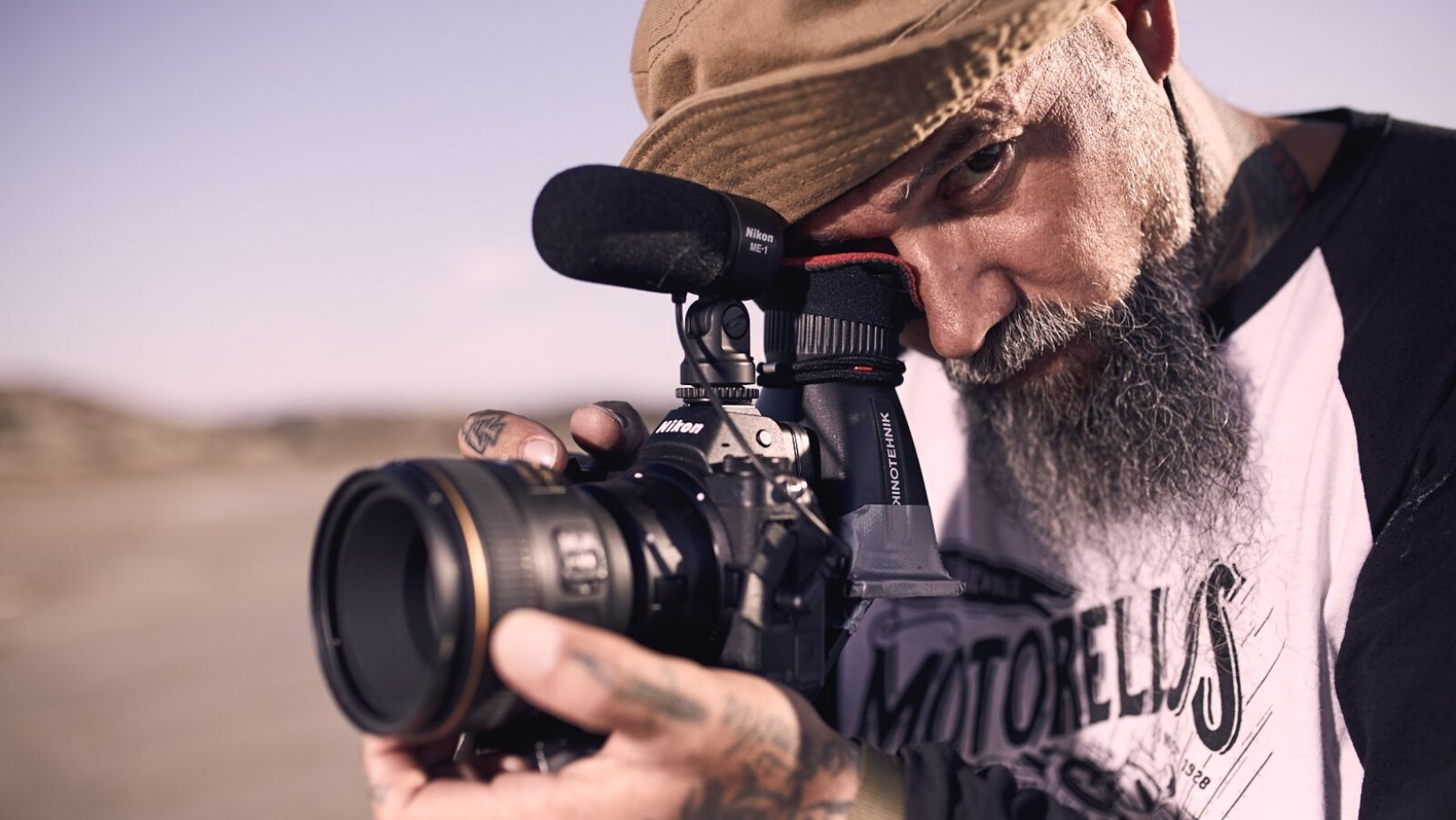
Pep Bonet (Mallorca, 1974) is a co-founder of NOOR images and a Nikon Europe ambassador. Pep is an award-winning filmmaker and photographer who has traveled extensively capturing profound moments that represent the unbalanced world in which we live. His longer-term projects focus on African issues, with his most well-known project being “Faith in Chaos”, a photo essay on the aftermath of the war in Sierra Leone. Pep’s ongoing work around the globe on HIV/Aids and identity has led to several photography books and many exhibitions worldwide. He is also known for a long-term reportage on the rock ‘n roll band Motörhead. Pep spent many years (2008-2015) on the road with Lemmy Kilmister, the legendary singer of the band, and created an exceptional visual document of the many hours spent on the road with Motörhead. Pep crafted himself into shooting documentaries. This resulted in several short and long documentary films, amongst which the award-winning ‘Into the Shadows’, a pursuit into the lives of hundreds of thousands of Africans living in the inner city of Johannesburg. Pep’s work has been recognized with many industry awards. Pep won the Kodak Young Photographer of the Year in 2003 at the festival Visa pour L’image....
Can you still not understand the Czech obsession with mushroom picking? Are you still quite confused about the complicated Czech-Russian past? Some Like it Czech will change that and serve you Czech culture a bit unconventionally – on a silver tray of a movie screen. Every month, we will conscientiously pick a flick that is in a certain way typical for Czech culture and adored by local audiences. Movies will be complemented with a quick stand-up show by a witty comedian to help you understand the context of the screened movie and to learn more about Czech culture and its history. A genuine experience guaranteed. Hell, you might even understand your Czech mate’s weird manners. Or not! Some like it Czech was founded by two enthusiastic students who love Czech movies and want to introduce it to an English-speaking audience a bit differently. “During my exchange stay in Barcelona, I realized how much I was missing my regular visits to the cinema. At the same time, I was taking a course called Spanish society through cinema and I learned a lot about Spain in a fun way. And I just thought to myself, why don’t I combine it? That was...
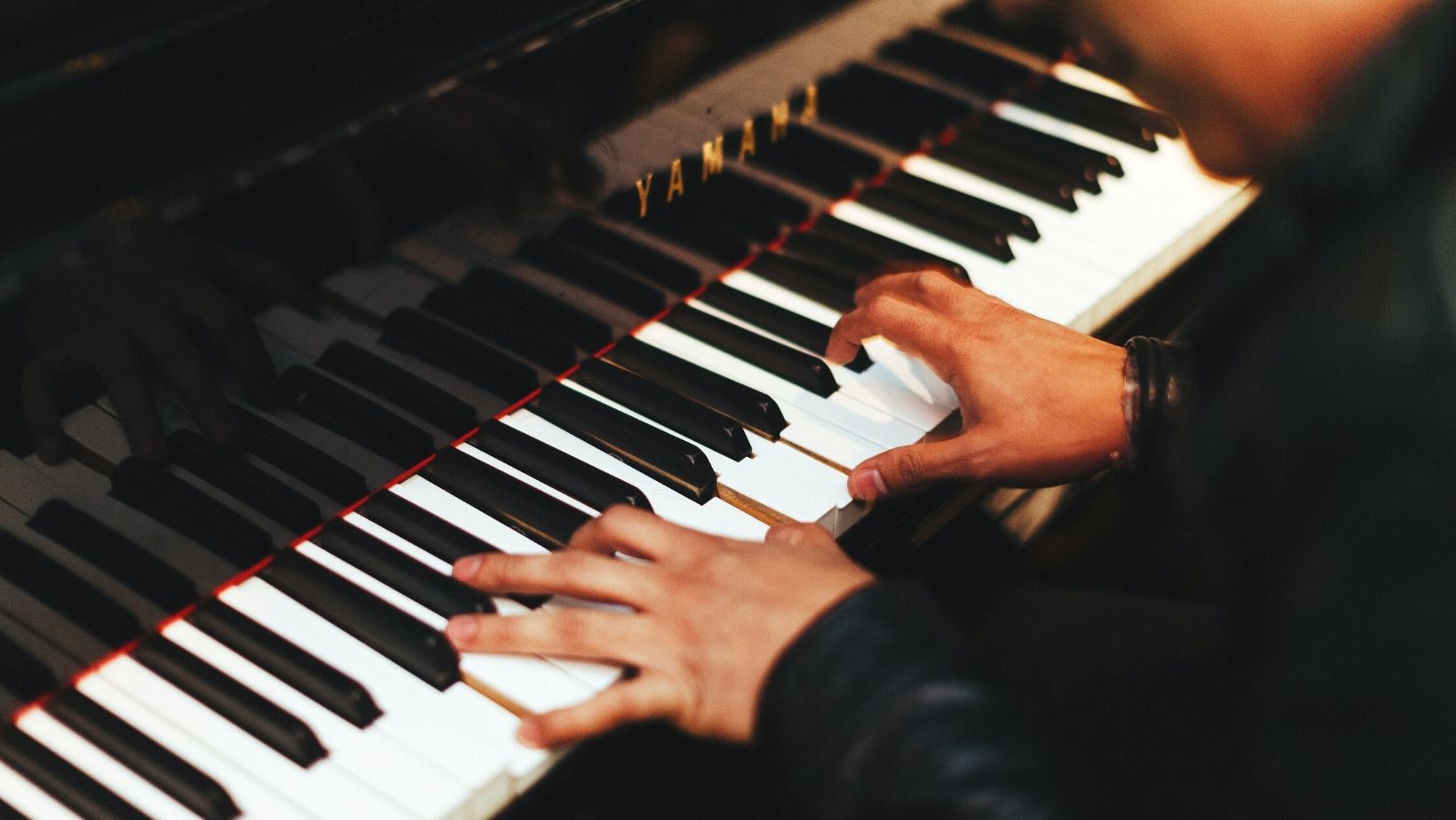
For just a few hundred crowns a month, you can borrow a piano for your home from the Czech Music Fund. The service is intended for those for whom the purchase of the instrument would be too expensive, for example for parents of piano players who had just begun practice. The fund also provides transport and tuning of instruments, it is possible to borrow the piano for your home, for school, for a celebration, a concert, or even for a cafe. The piano rental recently re-opened in Radlice (Prague 5) after some updates and reconstruction. The Czech Music Fund also has branches in Brno, Ostrava, and Lanškroun. The instruments are taken care of by professionals who provide all kinds of services. In the reopened Prague rental shop, you can test all pianos and choose the one that can stay in your home, school, or café for several years. There are 40 instruments available. Thanks to its long history, the Czech Music Fund has many assets at its disposal, which allow to renovate pianos and purchase new ones by buying from private sellers or orchestras. At a time when elementary art schools were closed due to government measures against the spread...
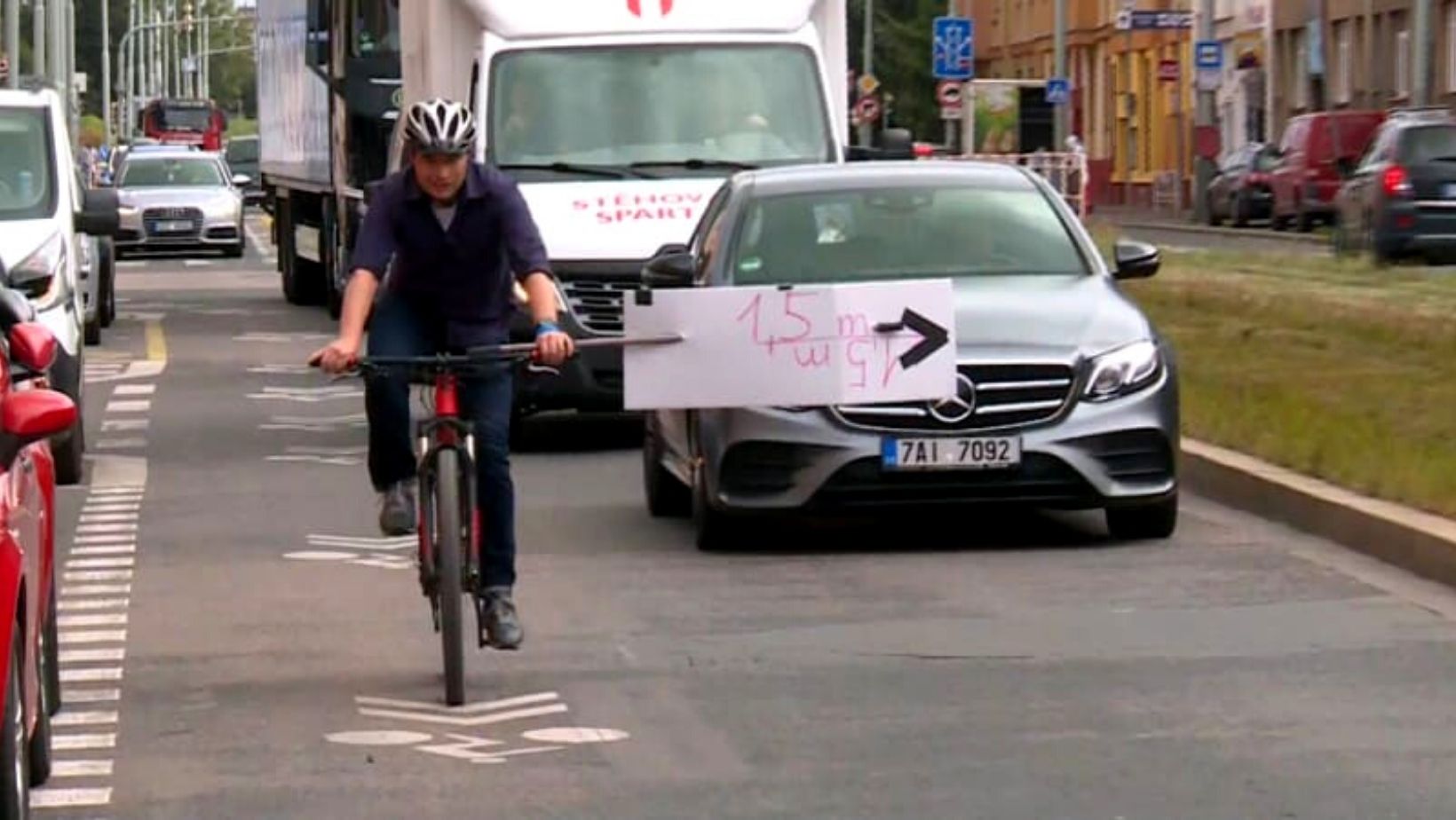
From July 2022, drivers will be required to overtake cyclists with an offset of at least 1.5 meters, otherwise they might be fined up to CZK 2,000. A CNN Prima News reporter decided to check just how feasible the new traffic rule is. For the experiment, the journalist attached a one-and-a-half meter length banner to his bicycle and drove onto a busy Prague street at morning rush hour. Almost immediately, a flurry of disgruntled beeps fell upon him, and the bus that went to overtake could not maintain the distance and hit the journalist, which led to his fall. Fortunately, he escaped injury with only a few bruises. The new bill was passed by the Chamber of Deputies last Thursday. The Senate, the upper house of parliament, pushed through a reduction of the maximum fine to one-fifth of the sum originally approved by the Chamber, and a postponement of the law’s validity by six months until next summer.
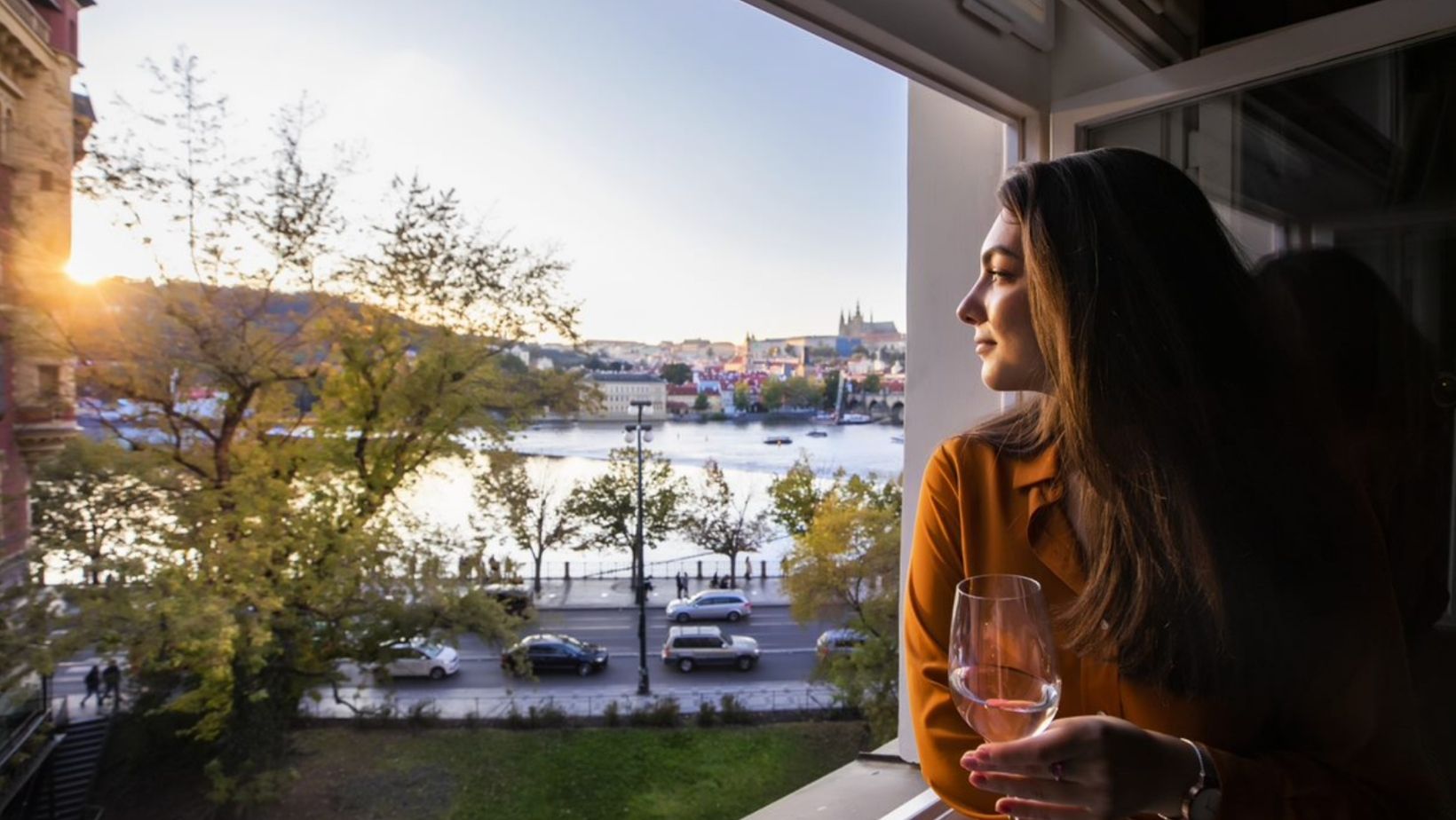
Smetana Hotel has a new name. The Ott Group, owner of the building, revealed that its new name is The Mozart Prague. “We are proud to have been given the opportunity to use the name of the famous Czech composer, Mr. Bedřich Smetana, but we decided to do something different. We still honour the musical legacy of classical music, but with the new name we pay tribute to an important figure of a former era who had the opportunity to stay and compose in the ambience of the palace that is the heart of our hotel,” says the hotel manager. The Mozart Prague 70 unique rooms and suites, two luxurious restaurants, two private courtyards, a wellness centre and meeting and event spaces, a wine cellar stocked with exclusive wines from their private winery in Provence. The hotel retains its majestic charm with ornate decor, crystal chandeliers and ceiling frescoes. Spacious and individually designed rooms and suites, many of which overlook the Vltava River and Prague Castle, are ideal for honeymooners and romantics, as well as groups of friends and families. History of the Building The hotel (originally Pachtuv Palace, built in 1628) is more than just a building. It...
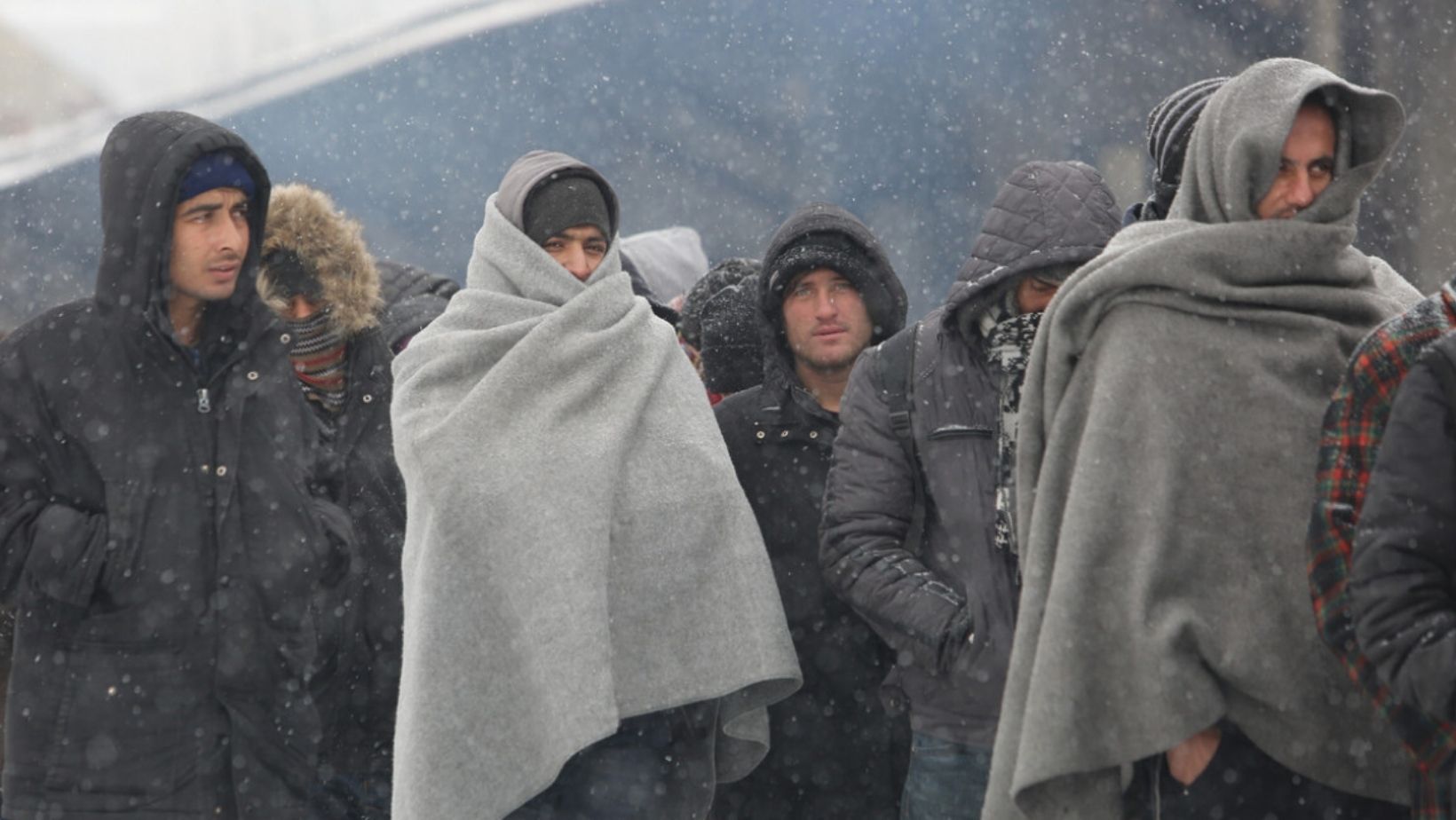
On 17 September, the Ministry of the Interior in the Czech Republic assured citizens that the country is prepared to protect its borders in the case of crisis. Since 2015, the ministry has reportedly invested CZK 380.5 million in modern technology and new equipment for the Foreign Police. As TheMayor.eu reports, the government saw the need for such investments following the 2015 migrant crisis that overwhelmed Europe. According to the Minister of the Interior Jan Hamáček, Czechia was unprepared at the time. For this reason, it has now focused on the acquisition of equipment that will guarantee the protection of the country’s borders. In a press release, the ministry revealed that its investments have resulted in a total of nearly 100 new vehicles and thousands of other equipment. More specifically, the police force can now make use of buses equipped with internal mobile laboratories that detect forged travel documents. Furthermore, it has acquired heartbeat sensors that make it possible to detect illegal migrants that may be hiding in vehicles. Beyond this, the ministry has invested in various other technologies such as drones and thermal cameras. Commenting on the need for these modern devices, Hamáček shared: “In 2015, we had almost no modern technology and our...
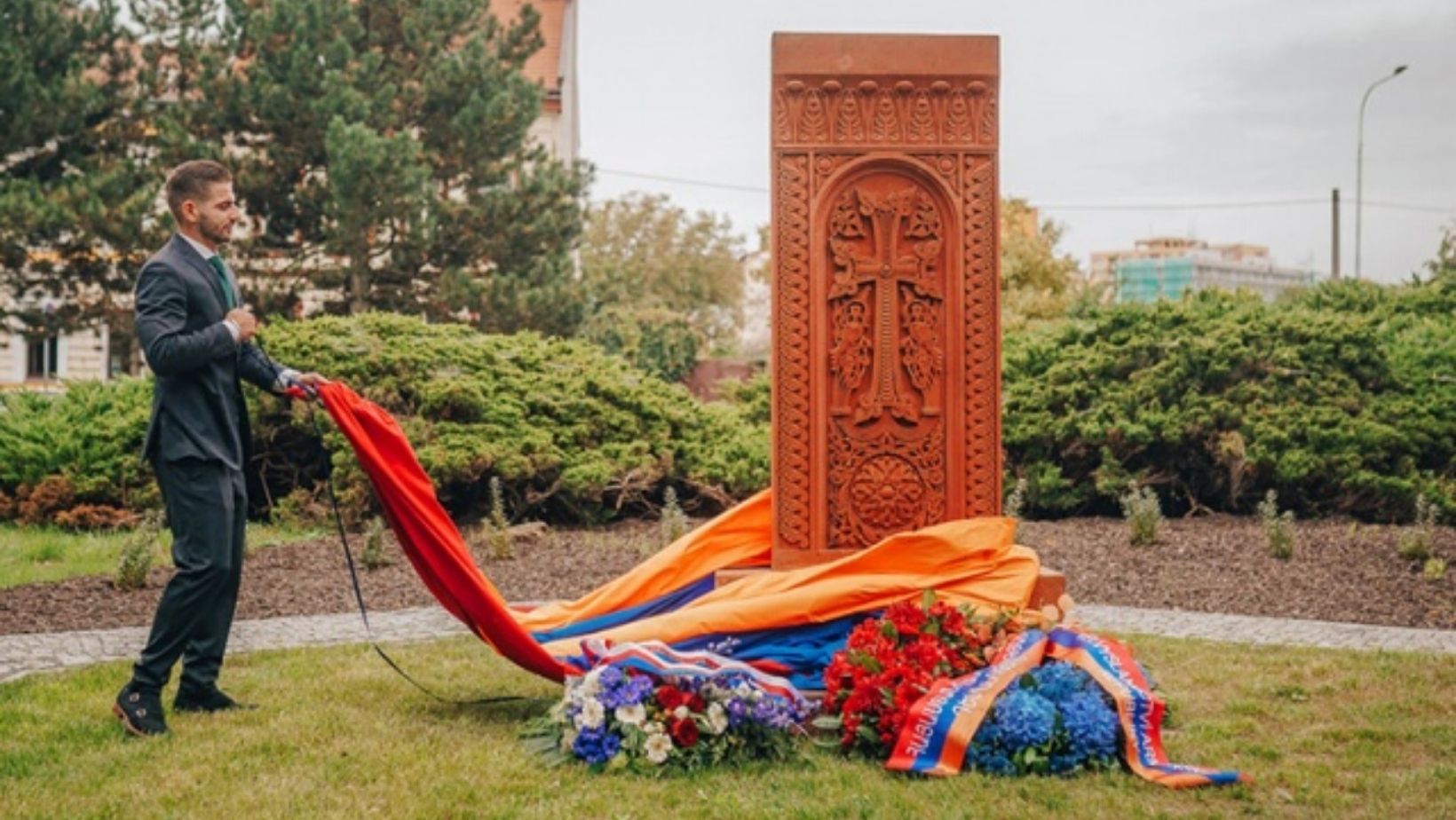
A new memorial dedicated to the victims of the Armenian genocide was unveiled in Kralupy nad Vltavou. It was made by an Armenian native Telman Nersisjan, who lives in Kralupy. According to the author, the khachkar (cross-stone) will also stand as a symbol of solidarity and cooperation between peoples. The official unveiling was also attended by Armenian Ambassador Ashot Hovakimijan and Cardinal Dominik Duka, who blessed the monument. The deputy mayor of Kralupy Libor Lesák noted that Armenians settled in their city in the 1990s, showed their best, received higher education here and provided worthy services to the city. According to him, Armenians deserve to have their monument in this city. Armenian Ambassador to the Czech Republic Ashot Hovakimyan noted that this year Armenians around the world marked the 106th anniversary of the Armenian Genocide, and in fact, the 6 million Armenian Diaspora are the descendants of Armenians scattered around the world as a result of that genocide. The Ambassador stressed that Armenians all over the world are fighting against the denial of the Armenian Genocide, which Turkey continues to deny, and thanked the countries that support the Armenian people in their struggle. In particular, Ambassador Hovakimyan expressed his gratitude to the...
Don’t have an account? Register
Already have an account? Log In
How Would You Like to Promote Your Business? PR ArticleDisplay bannersVideo productionNewsletter adsJob ListingsInfluencer Marketing
Your Email
We will come back to you within 24 hours with our proporsal