The Czech Republic moved higher last year in Transparency International’s global Corruption Perceptions Index, ranking 39th worldwide. That marks an improvement from 46th place the previous year, although the country still remains below the European Union average score. Transparency International evaluated perceived corruption in the public sector across 182 countries and territories. A score of 100 signals a very clean public sector, while zero reflects severe corruption. The global average slipped to 42 points last year, the first decline in more than ten years, with most countries scoring under 50. Czechia recorded 59 points out of 100, three points more than a year earlier. Analysts from Transparency International Czech Republic link the still-below-average EU performance partly to what they describe as incomplete implementation of anti-corruption measures during the previous government. Across Central Europe, Slovakia moved in the opposite direction. Its score fell to 48 points, dropping the country from 59th place to 61st. Poland ranked 52nd with 53 points, while Hungary placed 84th with 40 points, among the weakest results in the European Union. The Baltic states — Estonia, Latvia and Lithuania — all scored higher than the Czech Republic despite joining the EU in the same 2004 enlargement round....
Prague’s St. Matthew’s Fair (Matějská pouť) will run from February 21 to April 19 at the Výstaviště Exhibition Grounds, marking the start of the spring fair season in the Czech capital. Considered the first spring fair in Prague and the most visited fair in the Czech Republic, the event combines traditional fairground entertainment with modern attractions for both children and adults. The fair occupies a large part of the exhibition complex, from the upper entrance near the tram stops and Sea World down to the lower sections of the grounds. Visitors can expect more than 100 attractions, ranging from historic rides to contemporary amusement installations. Among them are centrifuges, haunted houses, shooting galleries, classic chain carousels, swings, bouncy castles, rocking boats, racetrack rides and the well-known house of laughter. Food stands remain a central part of the experience. Alongside fast-food stalls and sweets, visitors can buy gingerbread hearts, traditionally associated with the fair and commonly taken home as souvenirs. Long History Linked to St. Matthew’s Day The tradition of the fair dates back centuries. Records preserved in the National Library show that the event has been documented since 1595. Originally linked to the celebration of St. Matthew’s Day on February...
Archaeologists have made a remarkable discovery in the Bohemia region. A treasure trove of gold, jewellery, gems, silver coins, and amber has been found, with the site covering 62 acres in total. According to the latest reports, the area is said to have been a bustling trading hub during the La Tène period, which is when tribes started to spread throughout Europe. A Treasure Trove of Jewellery and Gems The discovery was made by the Museum of Eastern Bohemia, with Archaia Praha near Hradec Králové leading the excavation. When they began to uncover the ruins, they noticed significant finds, with over 13,000 bags of artifacts present. Within the bags were iron brooches, armlets, and metal bands. There was also high-quality jewellery made out of amber, a product highly prized during the era. As gems were also uncovered, archaeologists have said that the diversity of the find alone is exceptional, and that it gives a lot of insight into the craftsmanship, wealth, and cultural foundation of the tribe. The artefacts have since been cleaned, and if you want to see them in person, they are being catalogued at the Museum of Eastern Bohemia. There’s currently a small exhibition that showcases...
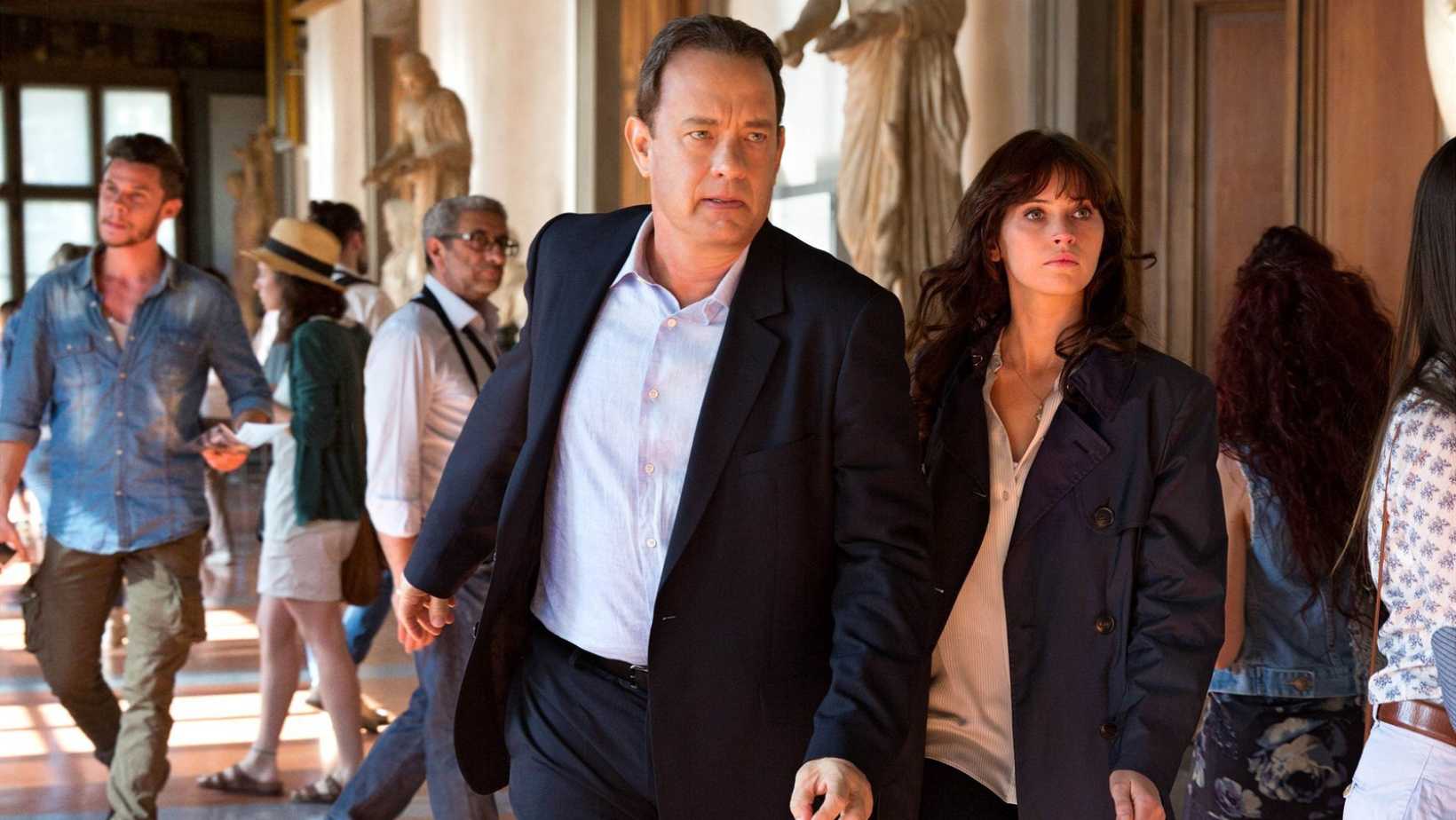
Prague’s film industry is heading into a packed year, with several international productions already working in the city and more preparing to arrive. Among the biggest upcoming projects is a Netflix series based on Dan Brown’s novel The Secret of All Secrets. The story places Harvard symbologist Robert Langdon in Prague, where he tracks a killer through streets near Old Town Square. According to production plans, scenes will also involve the historic Klementinum complex and the Folimanka area, where the plot reportedly includes a search for a hidden laboratory. Producers intend to present Prague as itself rather than using it as a stand-in for another city. The project remains tightly guarded. Casting details have not been made public, and the start of filming has not been officially confirmed. The book itself has drawn mixed reactions, particularly regarding its handling of Prague’s past. Still, industry insiders see the television adaptation as a major promotional opportunity. Industry figures see the series as a global showcase for Prague. Showrunner Carlton Cuse, known as one of the key creative forces behind the television series Lost, is leading the project. Other productions continue to fill Prague’s streets. Martin Scorsese has recently been seen in the...
The National Gallery Prague (NGP) will mark 230 years since its founding in 2026, but visitors should expect a slimmer program. Economic pressures have led the institution to scale back exhibitions and public events compared with previous seasons, even as it prepares several key anniversary projects. The anniversary traces back to February 5, 1796, when members of the Society of Patriotic Friends of Art opened a picture gallery in Prague. Enlightened aristocrats and intellectuals, including Franz Joseph of Šternberk-Manderscheid and Franz Antonín Kolowrat-Novohradský, sought to strengthen artistic standards and public cultural life in what was then a provincial Habsburg city. Anniversary exhibitions begin in February The first commemorative exhibition, “Opened for 230 Years,” opened in early February in the Veletržní Palace Korzo. It outlines key moments in the institution’s history and invites visitors to reflect on its development over more than two centuries. A broader anniversary project, “NGP 230,” is scheduled to open at the end of March. Around 70 works from all five gallery collections will be presented in themed sections within the exhibition “1796–1918: Art of a Long Century.” The same period will also feature presentations connected to the UMPRUM Generation Z Biennial. Autumn focus on royalty and...
The Cirkopolis contemporary circus festival opens in Prague on Sunday with Tout Rien by the Belgian company Cie Modo Grosso at Palác Akropolis. The biennial event brings together Czech artists with leading French and Belgian performers and runs across several Prague venues until February 14. Performances will take place across several Prague venues, including Palác Akropolis, ARŠE+, La Fabrika, Jatka78, DOX and CIRQUEON, a local hub for contemporary circus training and production. International Program Highlights The opening performance, “Tout Rien” by Belgian artist Alexis Rouvre, explores time and movement through object manipulation. Chains, nets and stones replace traditional juggling props. The work focuses on rhythm, balance and perception rather than spectacle. The production will also appear in Hradec Králové and Ostrava outside the Prague run. French performer Rémi Luchez brings “L’Homme Canon,” a minimalist duet created with Lola Calvet. The piece draws on the image of a human cannonball. The staging avoids technical effects. The focus stays on risk, trust and physical interaction between two performers. Another project, “In Difference,” comes from Jef Everaert and Marica Marinoni, both recognised by the European circus platform circusnext. The performance centres on the Cyr wheel, used here as a shared performance space. The work...
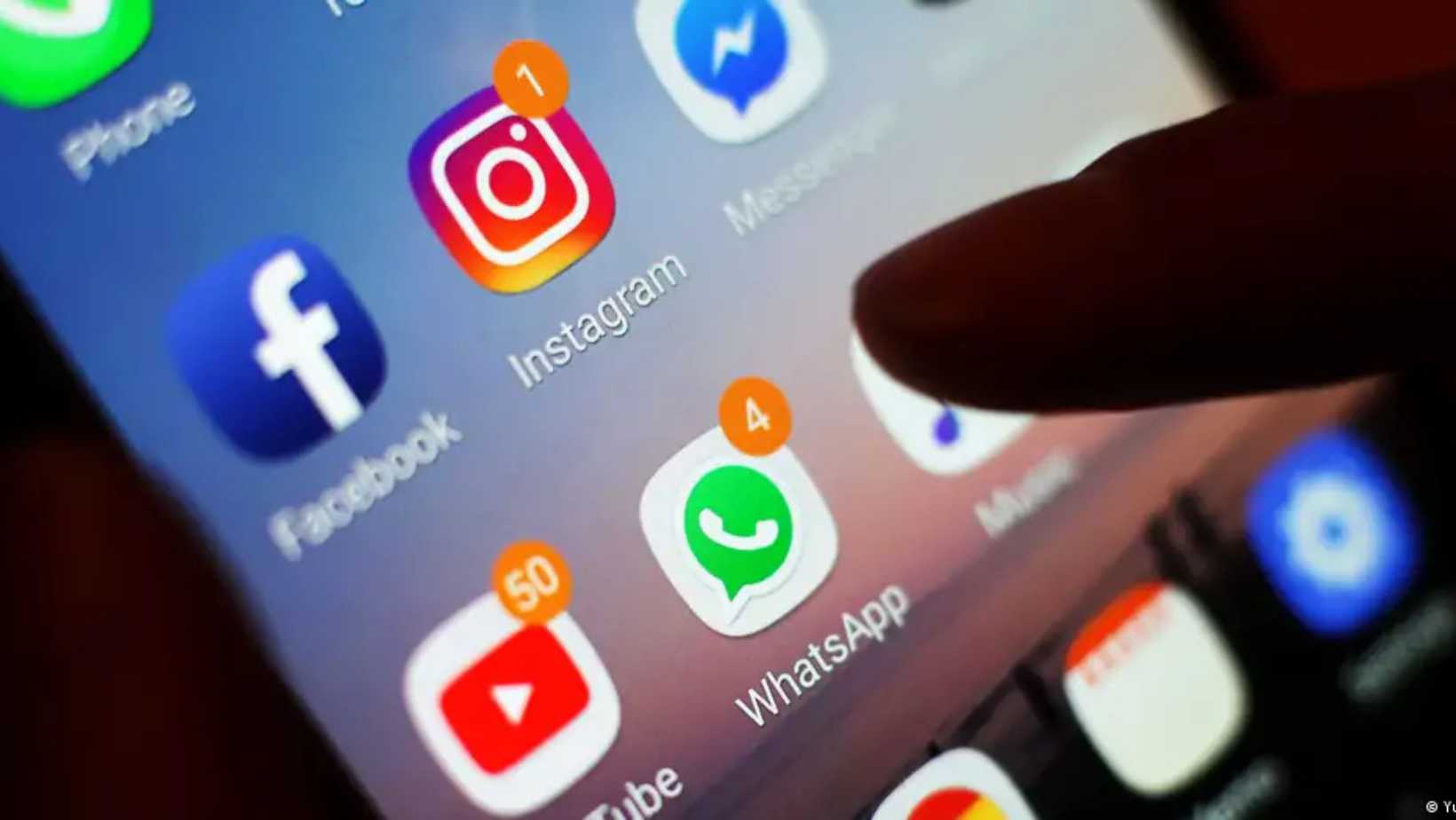
Several countries are tightening rules on children’s access to social media. Australia barred users under 16 late last year. France recently approved a law targeting children under 15. Similar steps are under discussion in Denmark, Slovenia, Greece, Turkey and Britain. The European Parliament has also urged stricter limits. UNICEF has warned that bans alone may not solve the problem and could create new risks if not combined with education and parental guidance. The Czech government may now follow this trend. Prime Minister Andrej Babiš said Sunday he supports restricting social media access for children under 15. He cited expert warnings about mental health risks and online harm. According to him, protecting minors must take priority. Industry and Trade Minister Karel Havlíček confirmed that discussions are underway. Experts, regulators and platform operators are involved. The government wants to avoid delays and could present a proposal later this year. Havlíček argues that excessive social media use is increasingly affecting children’s daily lives, including mental health and school performance. Not everyone is convinced. Alexandr Vondra, an MEP from the Civic Democrats, said the idea deserves debate but raised privacy concerns. Any restriction, he noted, must respect fundamental rights while remaining technically workable. Hours...
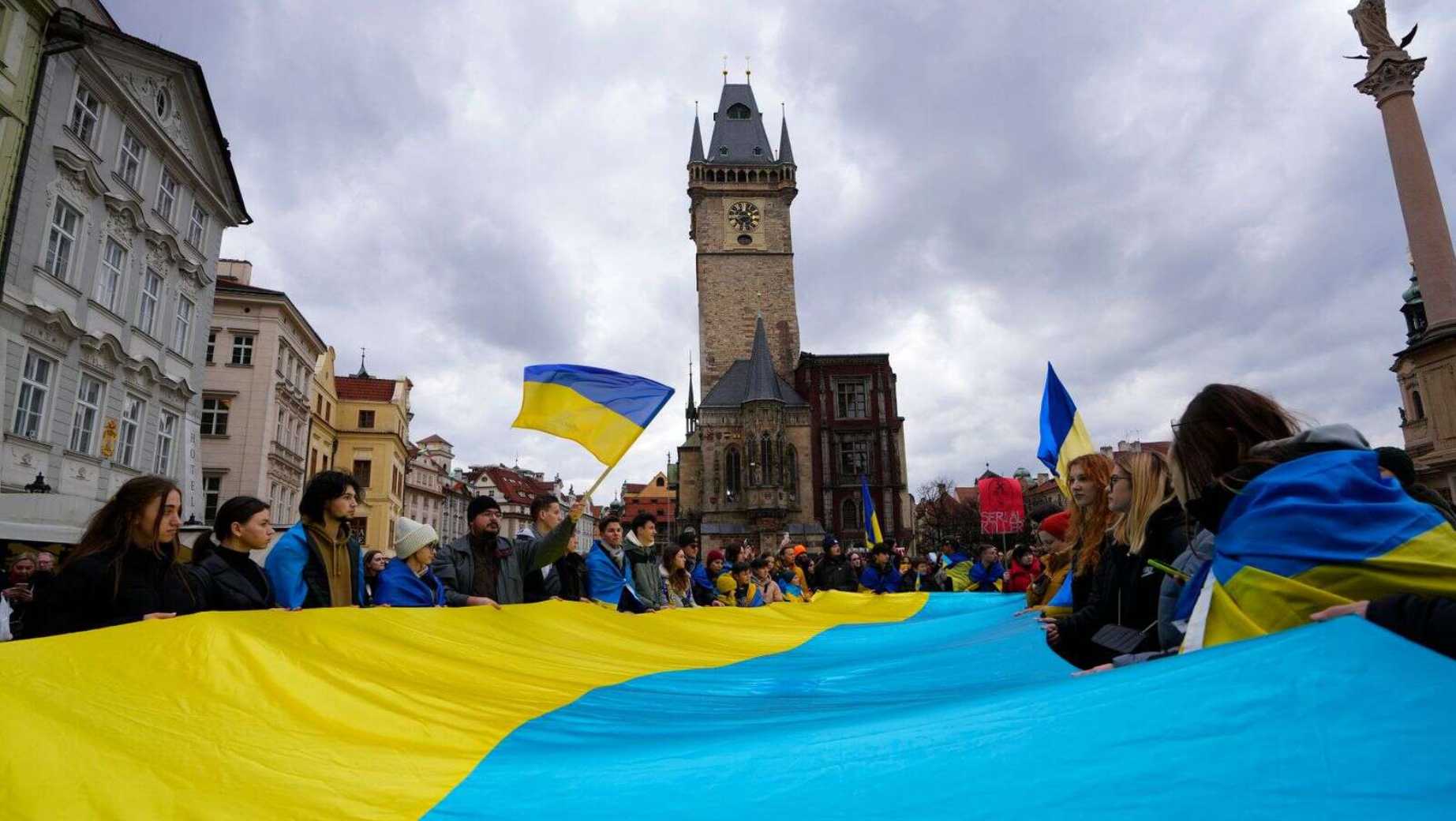
Prague will host a series of public events in late February marking four years since Russia launched its full-scale invasion of Ukraine. Concerts, rallies, marches, and cultural programs are planned across the city, with organizers framing the anniversary as a moment to show continued support for Ukraine and opposition to the war. The main gathering is scheduled for Tuesday, February 24, when a concert titled Noise for Ukraine will take place near the Russian embassy in the Bubeneč district. The event, organized by the United Islands festival, is set to begin at 5 p.m. and run for about 90 minutes. Confirmed performers include the band Zrní, actor and singer Šimon Bilina, singer and actress Jitka Čvančarová, rapper and poet Cermaque, and musician Kvietah. Organizers say the location near the Russian diplomatic mission is deliberate. According to festival representatives, remaining silent about the war risks signaling acceptance. Diplomatic missions from several countries — including Belgium, Denmark, Finland, Ireland, Latvia, the Netherlands, Sweden, and Canada — have expressed support for this year’s concert. Festival director Martin Štěrba said the aim is to honor those killed in the conflict and reaffirm democratic values in Europe. A public demonstration will follow the same day...
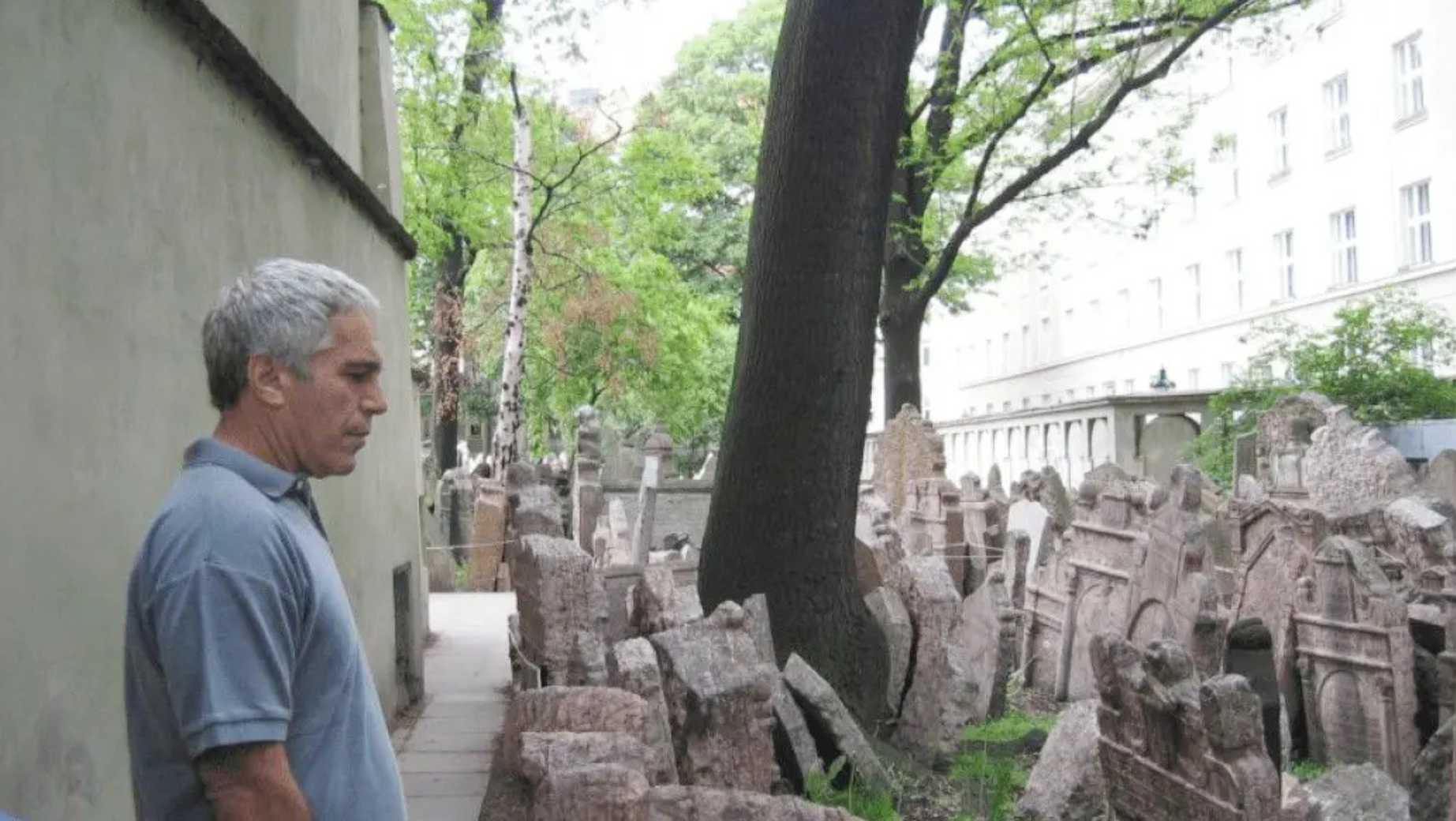
Newly published documents from the U.S. Department of Justice in the Jeffrey Epstein case contain references to the Czech Republic, raising questions for Prague politicians and authorities. Former Czech Foreign Minister and current MP Jan Lipavský (ODS) has publicly asked Prime Minister Andrej Babiš (ANO) whether Czech authorities are investigating potential connections and protecting possible victims. The DOJ’s massive document release, totaling more than three million pages, 180,000 photos, and 2,000 videos, details Epstein’s life and criminal activities. It includes emails, messages, calendar entries, statements, and other evidence collected during investigations into the convicted sex offender. According to Seznam Zprávy, iDNES.cz, and Novinky.cz, some materials indicate Epstein had direct contacts with Czech women and girls, and even stayed in Prague multiple times. Lipavský specifically asked Babiš whether the government is aware of Epstein’s visits, whether Czech victims might exist, and whether local security services will open an official investigation. He also questioned if the government plans to cooperate with international partners to ensure proper protection for potential victims. Epstein in Prague: Hotels, Photos, and Property Talks According to the documents, Epstein’s visits to Prague included stays at the Marriott Hotel and trips to notable sites such as the Old Jewish...
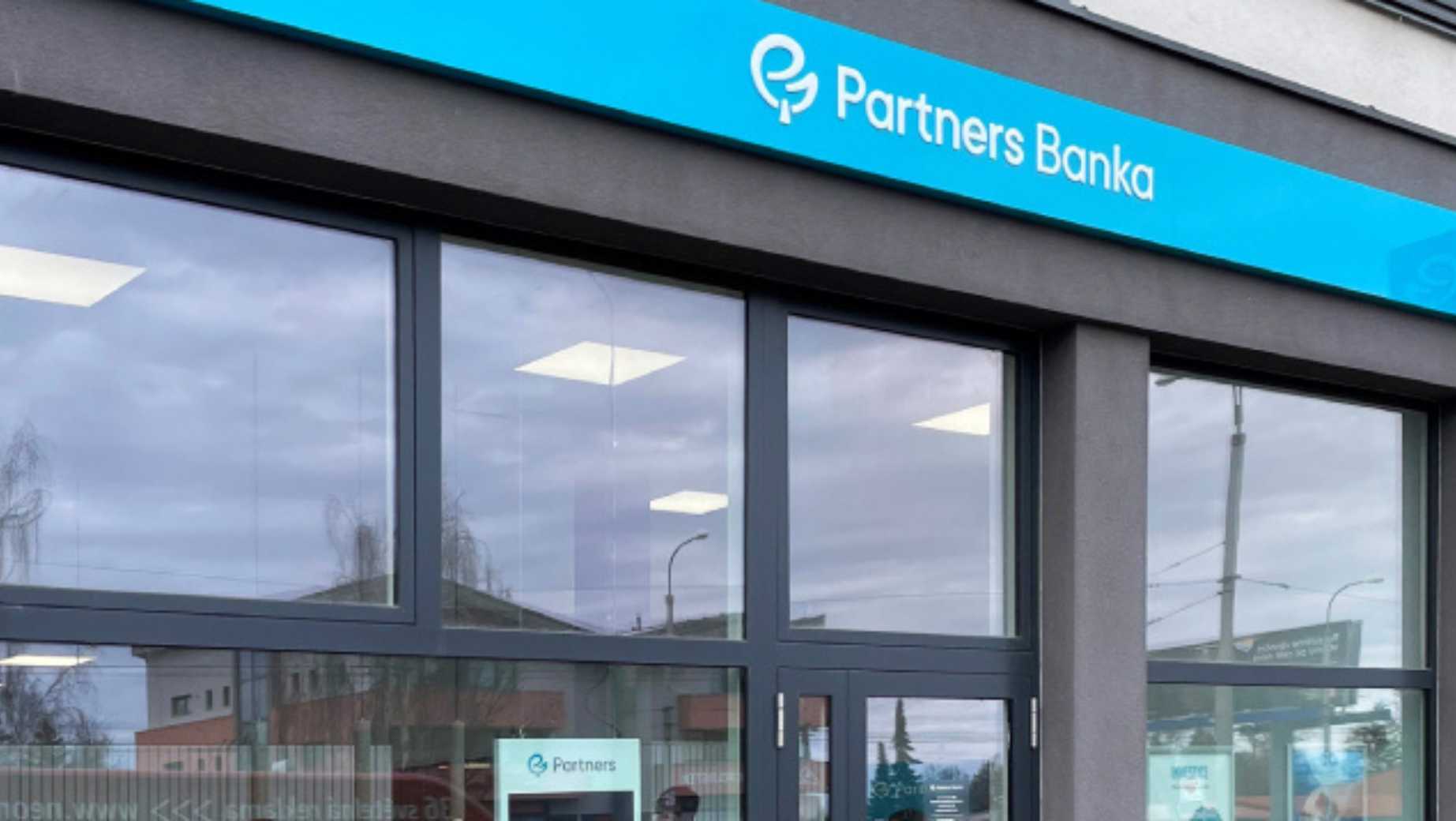
A Czech financial institution is stepping deeper into the foreign-exchange market, introducing a multi-currency account designed to compete with fintech platforms such as Revolut. Partners Banka now allows clients to hold and manage several currencies within a single account without extra fees. The bank says the goal is to simplify everyday international payments while keeping exchange costs predictable. Unlike some digital competitors, the service is integrated into a standard current account. Clients can activate or remove currencies as needed. Transactions show the exchange rate before confirmation, and conversions are processed immediately. The account currently supports 15 currencies, including the euro, U.S. dollar, and British pound. For card payments abroad, the bank applies the European Central Bank reference rate without markup for 31 currencies. That includes major currencies as well as regional ones such as the Polish zloty. How the Exchange Model Differs From Revolut The Czech bank relies on a fixed ECB reference rate updated daily and applied continuously. Revolut, by contrast, uses a live interbank rate that changes constantly. While Revolut usually offers that rate without markup during weekdays, extra charges may apply over weekends. Limits also differ. Partners Banka says it does not cap foreign-currency card payments at...
Globus has launched its own online grocery delivery service in Prague, marking a major step in the retailer’s push into e-commerce. Customers can now order around 30,000 products through the new Globusonline.cz platform, including fresh food and popular items from the chain’s in-house production. The service officially started on January 27, 2026, initially covering Prague. Expansion to parts of the Central Bohemian Region and Ostrava is planned for spring 2026, with further rollout expected later. According to Globus spokeswoman Aneta Turnovská, the move reflects changing shopping habits. Many customers simply lack time to visit large hypermarkets, while demand for online grocery shopping continues to grow. Fresh food, particularly meat prepared by Globus butchers, is expected to make up a large share of orders. The new platform replaces earlier online ordering options that allowed customers to reserve purchases for pickup in Ostrava and Prague-Zličín. The updated system now combines online ordering, personal pickup in Prague-Čakovice and full home delivery into one service. Integration with the Můj Globus mobile app is planned later this year. Unlike some international retailers that rely on centralized warehouses, Globus has opted for a system built around its existing hypermarkets. The company says this approach allows better...
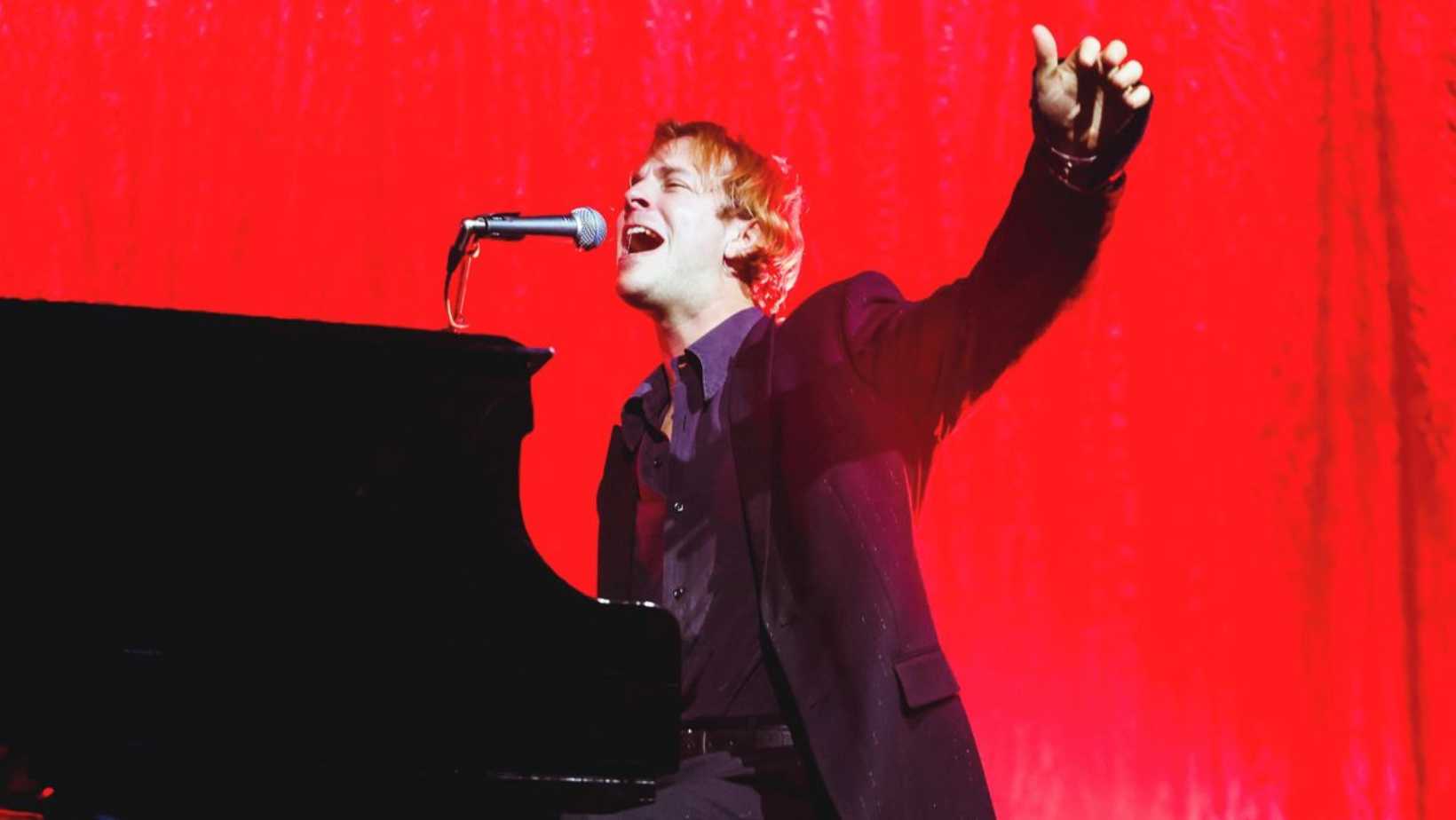
Organizers of Metronome Prague 2026 have confirmed the last performers for this year’s edition, finalizing a program that already includes Nick Cave & The Bad Seeds, Sting, Manic Street Preachers, Jade, Don West and The Flaming Lips. Newly announced names include Tom Odell, Lykke Li and Balu Brigada, alongside Prague rapper Anki. British singer-songwriter Tom Odell will headline Friday’s program. He previously appeared at the festival in 2018. Known for the global hit Another Love, he returned to Prague last year for a sold-out show and has also toured as support for Billie Eilish. The Saturday schedule opens with Balu Brigada, an indie pop band from New Zealand. The group gained wider exposure while touring with Twenty One Pilots. Their appearance at Metronome Prague will mark their first headline concert in the Czech capital. Swedish artist Lykke Li is also set to perform. It will be her first Prague show. She plans to present new material and has indicated that her upcoming album The Afterlife could be her final release after several years away from regular touring. The lineup also features Prague rapper Anki, whose album I Want to Feel Safe won the Vinyl Award, a Czech music critics’ prize....
Don’t have an account? Register
Already have an account? Log In
How Would You Like to Promote Your Business? PR ArticleDisplay bannersVideo productionNewsletter adsJob ListingsInfluencer Marketing
Your Email
We will come back to you within 24 hours with our proporsal