The Slavic Epic by Alfons Mucha could be temporarily displayed in the Savarin Palace, acquired in 2015 by Crestyl company. The canvas would move after a five-year loan to Moravský Krumlov and for a maximum of 25 years. The Slav Epic (Czech: Slovanská epopej) is a cycle of 20 large canvases painted by Czech Art Nouveau painter Alfons Mucha between 1910 and 1928. The cycle depicts the mythology and history of Czechs and other Slavic peoples. In 1928, after finishing his monumental work, Mucha bestowed the cycle upon the city of Prague on condition that the city builds a special pavilion for it. In 2012, all 20 works were moved and displayed together on the ground floor of the Veletržní Palace until 2016, in an exhibition organized by the National Gallery in Prague. In December, the District Court of Prague has ruled against the capital in a case regarding the cycle of paintings. The lawsuit was filed by the artist’s grandson John, who claimed that the city had violated the terms of a 1913 agreement between Mucha and his benefactor, the American philanthropist Charles R. Crane, which stipulated that the works would be gifted to Prague on the condition that the city build a pavilion to house them. “The Slavic Epic...
In 2019, households in the EU spent EUR 117 billion (equivalent to 0.8% of EU GDP) on ‘alcoholic beverages’. This represents 1.6% of their total consumption expenditure, the latest Eurostat survey says. The study does not include though alcoholic beverages paid for in restaurants and hotels. The share of total consumption expenditure spent on alcoholic beverages was the highest in the three Baltic States: Latvia (4.8%), Estonia (4.7%), and Lithuania (3.7%). The Czech Republic ranks fourth (3.4%). Czechs spent CZK 93.4 billion on alcoholic beverages in 2019, compared to CZK 89.2 billion in 2018 and CZK 78.7 billion in 2o17. By far, most of the alcohol purchased in Czech stores is consumed in the form of beer. According to Eurostat data, Czechs spent nearly CZK 180 billion in restaurants, pubs, and cafes last year. Their expenses in restaurants, pubs, and cafes are growing much faster than expenses for alcoholic beverages in shops. Interestingly, in Latvia and Lithuania, the amount spent on alcohol decreased in the last ten years. In 2009, for example, the numbers were 5.5 and 6.3 pc of the household expenditure in the case of these two countries. At the other end of the spectrum, the figure stood...
The Czech Republic has the most e-shops per capita in the whole of Europe with 45,000 e-shops in operation by the end of 2020. The COVID-19 pandemic has disrupted both the operation and development of retail real estate markets worldwide, as well as in the CEE-17 countries. The Government restrictions imposed on the operation of shops, service outlets, gastronomy, entertainment, and leisure, have led to the dynamic growth of e-commerce sales and to changes in consumer behavior. These have also contributed to a 20-45% (depending on the country) decline in footfall figures in shopping centres, when we compared data from the middle of 2020. After the Czech Republic as a whole came through the first wave of COVID-19 with flying colours, retailers were looking forward to catching up in the autumn and Christmas seasons. However, as the second wave hit hard in October, the government reinstated the state of emergency and adopted the strategy of minimizing social contact. Therefore, only the most essential stores were permitted to be open for a limited number of days per week and must ensure a certain person per square meter ratio, on top of the now common hygienic measures. Non-essential retail was largely shut...
The Czech Republic’s daily number of new coronavirus cases rose to 17,278, the highest since the pandemic reached the country in March, Health Ministry data showed on Wednesday. There have been 2,034 proven COVID-19 cases in Prague on Tuesday, which is the highest daily increase so far. There are 126,348 active cases currently, the highest since early November. The number of hospitalized patients is at 7,001. In recent days, the virus has spread the most in the Rychnov region, with 683 cases per 100,000 inhabitants in the past seven days. Hradec Králové and Opava also have over 600 coronavirus cases per 100,000 inhabitants, while Karlovy Vary, Pilsen and Vysočina have the lowest PES score. The PES score remains in the worst, fifth level. The Minister of Health Jan Blatný (ANO) announced that the country will remain on the fifth level for the whole next week. Originally, the government announced the strictest restrictions until January 10. The more contagious mutation of the COVID-19 coronavirus, which was first detected in the United Kingdom in December, has not yet been detected in the Czech Republic, Blatný added. On Tuesday, the Czech presented a detailed vaccination plan. Vaccination of people with relevant chronic diseases...
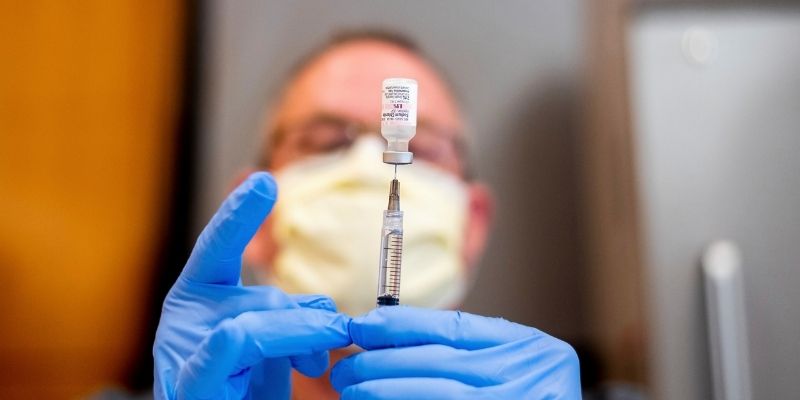
Shots voluntary, but restaurants and mass events may not let you in without one, says Industry and Trade Minister Karel Havlíček. After a COVID-19 vaccine is available, you may need to get inoculated to go to the restaurant, attend a sporting event, or a concert. Asked if the Czech Republic would introduce an immunity passport, Havlíček said a person’s COVID-19 vaccine status might be included in a phone app that would inform local doctors of a person’s status. “I think you’d probably find that restaurants and bars and cinemas and other venues, sports venues, will probably also use that system,” he said. “However, this system cannot be expected to roll out before the vaccine is widely available,” he added. “The sort of pressure will come to both ways: from service providers — who will say ‘look, demonstrate to us that you have been vaccinated’ — but also, we will make the technology as easy and accessible as possible.” “Immunity passports” were a concept floated early on in the pandemic to allow people who were presumed to be immune to COVID-19 to freely circulate in society. With the advent of a vaccine, the idea has further evolved to encompass immunity through...
The chart, compiled by OurWorldInData and based on John Hopkins University figures, shows that there were an average of 932 new cases per each million Czech residents every day in the week to Sunday. The rise in cases in recent weeks – despite the cancellation of a planned Christmas easing of the rules for millions – has seen the number of new daily infections across the country continue to reach record levels. Among the other countries with the highest average of increments, Lithuania was in second place with 841 infected per million inhabitants, followed by the United Kingdom with 773 infected per million inhabitants, Liechtenstein with 764, Panama with 740, and Slovenia with 706. The Health Ministry reported 12,860 new coronavirus cases on Monday. Laboratories performed 32,385 tests, 39.7 percent were positive. Since the beginning of the epidemic, nearly 86,400 people have been infected with the new type of coronavirus in Prague (82 percent have already recovered). A total of 1113 people died, 37 have so far since the beginning of the new year. There are currently 14,441 people hospitalized in Prague, according to the ministry’s website. Today, the national risk index of the anti-epidemic system PES increased by four...
Looking for a hair-raising experience? Then make your way to one of the 3 most haunted places in the Czech Republic (if you dare…)! Bor forest The mysterious Bor forest, also called Branišovský forest, is located southwest of Česke Budějovice. This forest hides many scary mysteries and stories told by the daredevils who have passed. Soldiers who have served in the area recall hearing strange melodies sung by a male voice. People have seen a male figure hovering a few centimeters above the ground with glowing red eyes wearing a black jacket and hat. Four hundred years ago, there was a settlement that lined the narrow road that connected the village to the outside world. The area was full of deep swamps where many people met their premature deaths. A few years ago, there stood a hanging tree. Over the course of several years, many people had taken their lives on the tree. Finally, villagers decided to burn down the cursed tree. To make matters worse, one night an unknown flying object crashed into the forest. The area was closed for a year and nobody couldn’t enter it – not even soldiers. Velhartice’s cemetery This story may be unknown...
According to a survey conducted by Broker Consulting, almost every second Czech agrees with the statement that the economic crisis is in full swing and will cause a sharp increase in unemployment. However, about 30 percent of the Czech population does not perceive the situation to be so critical. Last year, 38 percent of respondents did not know whether they expected the economic crisis to come. This year, only five percent remained undecided. “The results show that the topic of the economic crisis associated with the coronavirus pandemic is resonating with Czech society and few have remained immune to it. The facts are that inflation reached 2.7 percent in November and unemployment climbed to 3.8 percent, the highest value since 2016. Thus, the data shows a deteriorating economic situation,” Michal Cibulka, from Broker Consulting’s financial planning methodologies, commented on the results. For 2021, a pessimistic view slightly prevails, with 28 percent of the Czech population expecting their situation to deteriorate more or less. In contrast, 24 percent hope for at least a slight improvement. “The good news is that 40 percent of Czechs do not expect their situation to change any more next year. But the reality will depend on how...
Establishments forced to close due to anti-coronavirus measures should receive compensation from the state of 400 CZK per employee or a cooperating self-employed person per day. The Covid – Gastro program was approved by the government on Monday, said Minister of Industry and Trade Karel Havlíček (Social Democrats). In addition to restaurants, also retailers, hairdressers, and casinos will be eligible for support. Restaurateurs will also be able to ask for state support, for example, for the wife, who works in the business. It will be possible to combine this state support with other support programs (Antivirus + Covid Rent II). The state will provide support to entrepreneurs whose activities were limited or suspended between October 14 and January 10, and its amount will be recalculated according to the number of days when they had to close their facilities due to government restrictions. However, the Ministry of Industry and Trade (MIT) will not compensate for public holidays or those days when the restrictions have been temporarily relaxed. The Ministry has not yet published the date from which it will be possible to request compensation or details regarding the submission of applications. Subsidy program called Covid – Gastro is intended to help the...
The Czech Telecommunications Office (ČTÚ) will launch a price and quality index for mobile services in February. The index will compare calls, SMS, and data services. For fixed location services (ie fixed lines), the consumer will be able to to compare the prices for calling, internet, and television services. At the same time, the ČTÚ is also preparing a decree, the aim of which is to determine the scope, form and manner of transmitting information from operators for the purposes of operating this tool. In recent years, domestic prices of telecommunications services, especially mobile data, have been criticized by some government officials as being higher than elsewhere in Europe. According to a 2018 EU Commission analysis, the average EU customer spends around 33 Euro on 20 GB of data, while Czechs would have to pay almost 55 Euro for the same amount. A 2017 study by the organization telefonujici.cz found that mobile tariffs in the Czech Republic were on average 79% higher than the EU average. The arrival of a fourth nationwide operator was supposed to contribute to their reduction. In the end, the three Czech mobile operators (Vodafone, T-Mobile, and O2 Czech Republic) won frequencies in an auction linked...
Fertility problems are common; one in six heterosexual couples worldwide experiences some form of infertility problem at least once. The Czech Republic is a desirable destination for all methods of IVF (In vitro fertilisationtreatments. The average cost in Czech Republic for IVF is between €2,700 and €5,700, with donors’ eggs between €4,500 and €8,000. In comparison, the price of IVF in the UK can hit a maximum of €10,000 and €14,000 respectively. Czech IVF clinics are also amongst the best in Europe in terms of success rates. According to a 2014 report from the European Society of Human Reproduction and Embryology (ESHRE), the average birth rate for IVF using the patient’s own eggs was around 33 per cent for those under 35 years old, 25.4 per cent for patients aged 35-39 and 13.2 per cent for patients over 40. The average birth rate for IVF treatment with donor eggs was higher, at 46.8% for all age groups. As well as the traditional IVF, there’s also the option to pursue ‘social freezing’, a relatively new treatment designed to freeze eggs or sperm at the peak of your fertility. After collection, the gametes are cryopreserved until the owner is ready to start...
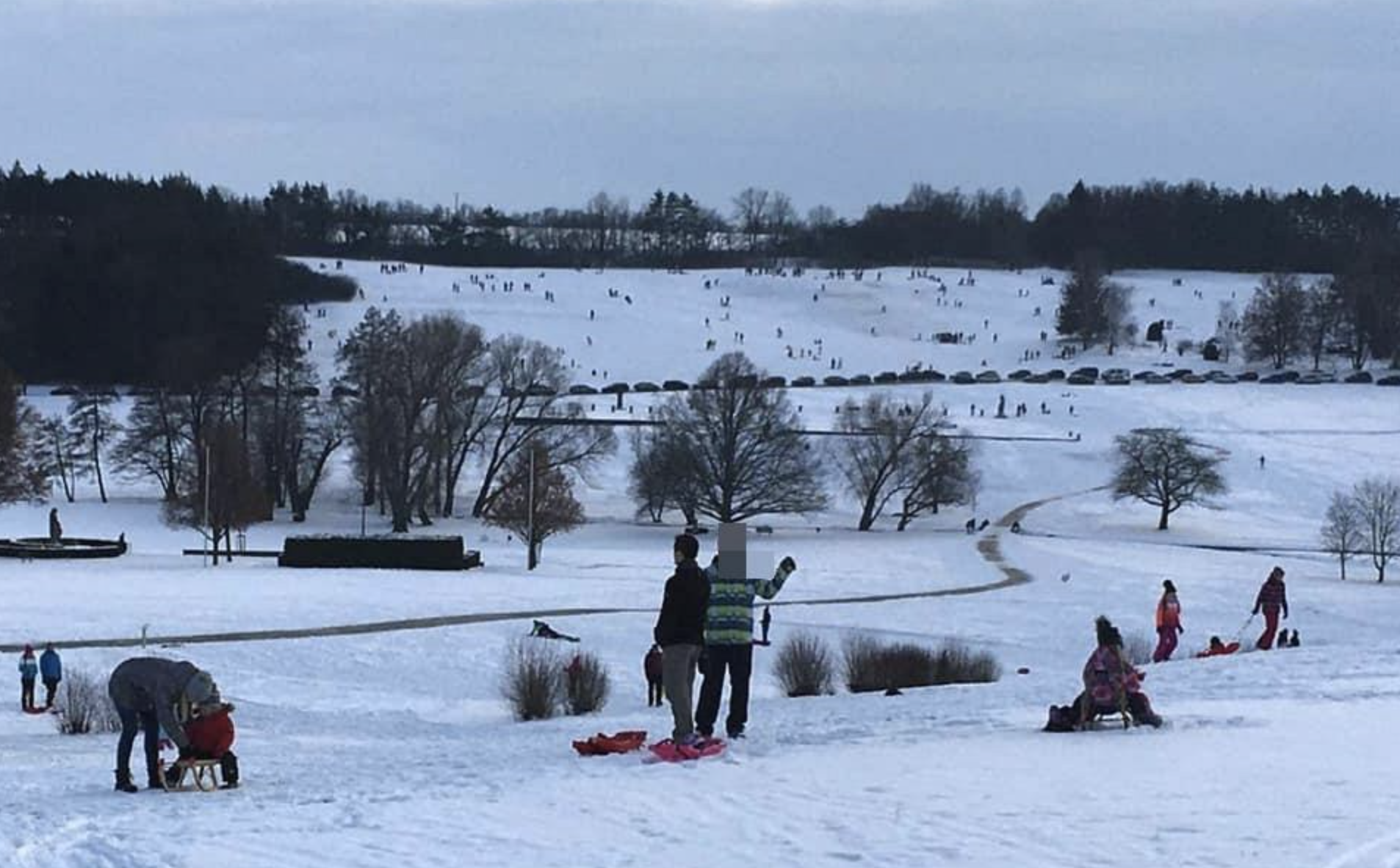
Snow is forecast in most of the country this week after winter weather warnings were extended, according to a regular forecast issued by the Czech Hydro-Meteorological Institution. On Tuesday, January 5, the meteorologists expect rains, cloudy weather, and snowfalls in the mountains. Daytime air temperatures will range between 0 and 5 degrees Celsius. However, things will get frostier across the county later in the week as temperatures continue to plummet. Wednesday, it will be cloudy again, with scattered rain or snow showers and day temperatures between -1 and 3 degrees Celsius. On Thursday, the sky will clear up a little. Daytime air temperatures will range between -1 and 3 degrees Celsius, while at night it is expected to go down to -4 degrees Celsius. Friday should be cloudy to overcast throughout the Czech Republic from the early afternoon on, with freezing rain or snow in parts of Moravia. Maximum daily temperatures of -2 to 2 degrees Celsius are expected. Sunday and Saturday are expected to be partly cloudy to overcast, with occasional snow showers. Daytime temperatures will range between -3 and + 2 degrees Celsius. Snow in the lowlands in January has been a rarity in recent years. The last...
Don’t have an account? Register
[swpm_registration_form level=”6″]
Already have an account? Log In
How Would You Like to Promote Your Business? PR ArticleDisplay bannersVideo productionNewsletter adsJob ListingsInfluencer Marketing
Your Email
We will come back to you within 24 hours with our proporsal