Written by Kristyna Jandova, in cooperation with Anglo American University The National Gallery of Prague should still be showcasing a retrospective of the modernist painter Mikuláš Medek, whose works were banned under Communism in the 1970s. The exhibition “Naked in the Thorns” opened in September with the most extensive showings of the artist’s works ever, and it is in three locations: the Waldstein Riding School, the Trade Fair Palace, and the Convent of St.Agnes of Bohemia. Unfortunately, due to Covid-19 restrictions, Czechs are again not allowed to see his most monumental artworks. The main exhibit in Waldstein Riding School highlights the artist’s personal development, which was strongly influenced by Cubism (Picasso), Surrealism (Salvador Dali and Joan Miro), and Abstract Expressionism, while personally impacted by the totalitarian regime that suppressed and restricted artists who were not Communist Party members. The exhibit also includes Surrealistic photographs by his wife Emilia Medková, and other notable Czech Surrealists such as Toyen, Libor Fara, and Karel Teige. Since Medek enjoyed a brief respite during the political liberalization of the 1960s, the exhibit seeks to celebrate his legacy as one of the country’s most prolific and important post-war artists who had his works banned after the...
The Czech biotechnology company Bioinova has completed new test kits for COVID-19 that can be used not only for nasopharyngeal but also for mouth or saliva sampling. The use of the tests has already been approved by the Czech State Institute for Drug Control. As a result, tests should be faster, cheaper, and more patient-friendly. “The test is called Bi-Cov. The name suggests that it offers two possible ways to use them, firstly for swabs from the nasopharynx but also the oral cavity,” explained Peter Bauer, director of Bioinova. Some laboratories, for example, in one of Prague’s hospitals, have already started using them. The test kit consists of a sampling brush and a small test-tube with a clear solution. After the swab, the sampling brush remains in the test-tube, and the kit then goes to the laboratory for a classic PCR test. Isolation of viral RNA begins immediately after the swab. When the laboratory employees open the test-tube, they can immediately proceed to the PCR test. The Bioinova company does not want to give any details on the contents of the solution, though. “That solution is our ‘gold’ which we have created. We will have it patented soon,” said Bauer....
As most residents and visitors can attest, Prague is a city brimming with old-world charm and fantastic imagery set against a gothic fairy-tale backdrop. The Czech capital has inspired many notable pieces of literature and continues to do so. What follows is a collection of literary works that attempt to capture the magic of a city that’s history is steeped in the occult, alchemy, and folklore. 1. The Metamorphosis 1915 by Franz Kafka Monuments honoring Fanz Kafka can be seen around Old Town Prague as well as an entire museum dedicated to the author. Kafka’s short story The Metamorphosis contains elements of the supernatural as traveling salesman Gregor Samsa wakes up one morning to discover himself morphed into a large insect or “monstrous vermin”. Both The Metamorphosis and The Trial are among his most famous stories which are both set in the city of Prague. 2. Melmoth 2018 by Sarah Perry Since the publication of Melmoth, Perry has emerged as one of the giants of the post-modern gothic genre. Melmoth portrays Prague’s gothic aesthetic while setting the backdrop for protagonist Helen Franklin who works in Prague as a translator. Helen soon learns about the legend of “Melmoth the Witness”, a...
Xvideos faces backlash as the site contains videos of sexual abuse against women and children. Xvideos, one of the largest adult content platforms on the internet, will be seriously dealt with by Czech police and authorities over the revelation that the platform enables and allows the streaming and sharing of pornographic videos depicting sexual abuse, and sexual exploitation of children and minors. It has been revealed that any user on the Xvideos’ server can upload content, with little to no restrictions. Consequently, this is the main reason why many videos on the site go unchecked before it’s too late. Additionally, the police suspect that the site provides illegal content, which could be directly sourced from these shared videos containing child pornography. It has been reported that the criminal police of the Czech Republic, along with the Supreme Public Prosecutor’s Office, are investigating Xvideos’ server. Petr Malý, a spokesman for the Chief Prosecutor, has stated that the case has been referred to the Criminal Police Service and Investigations for further action. This is a critical case for the Czech authorities to tackle, as the outcome has serious implications. The company that operates the Xvideos server, WGCZ Holding, has a turnover of...
Airlines and travel agencies have been hard-hit by the economic consequences brought upon by the pandemic. Data from the International Air Transport Association (IATA) reveals that the Czech Republic’s airline industry has been one of the most affected by the Covid-19 crisis and restrictions. There has been a 78% drop in passengers in the Czech Republic, according to their statistics, and this has caused a huge decline in profit and revenue of around USD 1.7 billion. Many airlines and travel agencies have suffered and reported large losses. For example, Czech Airlines, a member of the Smartwings Group, reported an estimated decline of 90% in the year 2020, compared to 2019. Kiwi.com announced that only half the number of people bought tickets to go abroad this year, again in comparison to 2019. Another travel agency, Invia.cz, a huge and domestic travel agency in the Czech Republic, reported a decline from a 6.6 billion revenue during 2019 to 1 billion in 2020. However, even with ongoing difficulties experienced by many of these companies, most are looking to make positive comebacks in the year 2021. Additionally, some reports have shown that Czechs still have an interest in going on holidays and traveling abroad....
Club Foot is a song by English indie rock band Kasabian, featured on their 2004 debut album, Kasabian. It was released on 17 May 2004 in the UK. The video of this song, directed by W.I.Z, is dedicated to Czech student Jan Palach who in 1969 set himself on fire in protest against renewed Soviet suppression of Czechoslovakia. The video also refers to the Soviet government’s intervention in the Hungarian Revolution of 1956 on a banner showing the text in Hungarian (Szabad Európa Rádió) which translates as “Radio Free Europe/Radio Liberty”. In the scene where they are recording the radio broadcast, the camera lingers over a picture of Jan Palach. East-Central Europe has three symbolic dates when it comes to freedom: 1956 for Hungary, 1968 for Czechoslovakia and 1989 for the system changes to democracy as well as the Romanian Revolution. The scene with the inspector girl who stands before the tank harks back to the young man who stood in front of the line of tanks in 1989 in Tiananmen Square, which itself has become an icon for resistance. In the middle of the video, we can also see a picture of Nicolae Ceaușescu, Romania’s feared dictator who was overthrown and executed during the Romanian Revolution. The song...
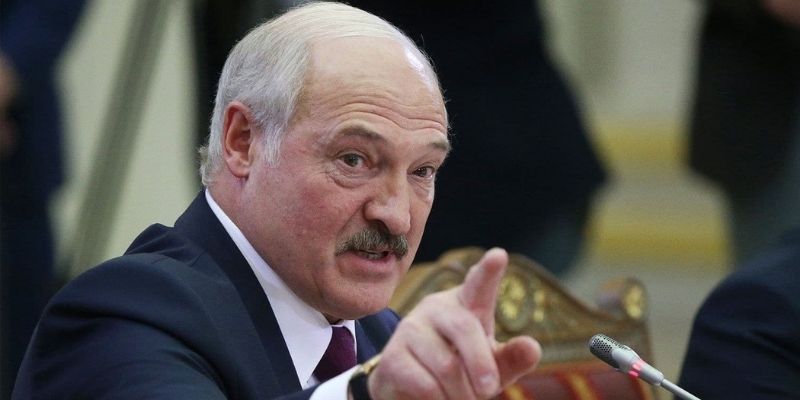
Volkswagen’s Škoda Auto will not sponsor this year’s ice hockey world championship if the event is held in Belarus, due to the host country’s recent state violence against peaceful protesters, the carmaker said on January 16. Belarus, which is due to host the tournament in May-June, is facing calls for it to be stripped of the event because of President Alexander Lukashenko’s crackdown on protesters opposing his re-election. “We’ve been a proud partner for 28 years. But we also respect & promote all human rights,” the carmaker said in a tweet. We’ve been a proud partner to the @IIHFHockey World Championship for 28 years. But we also respect & promote all human rights. Therefore, #SKODA will withdraw from sponsoring the 2021 IIHF Ice Hockey World Championship if #Belarus is confirmed to be co-hosting the event. pic.twitter.com/fC3ZMbY2cG — ŠKODA AUTO NEWS (@skodaautonews) January 16, 2021 “We’ve been a proud partner for 28 years. But we also respect & promote all human rights,” the carmaker said on Twitter. “Therefore, SKODA will withdraw from sponsoring the 2021 IIHF Ice Hockey World Championship if Belarus is confirmed to be co-hosting the event,” Skoda said. Denying Belarus the right to host the event would...
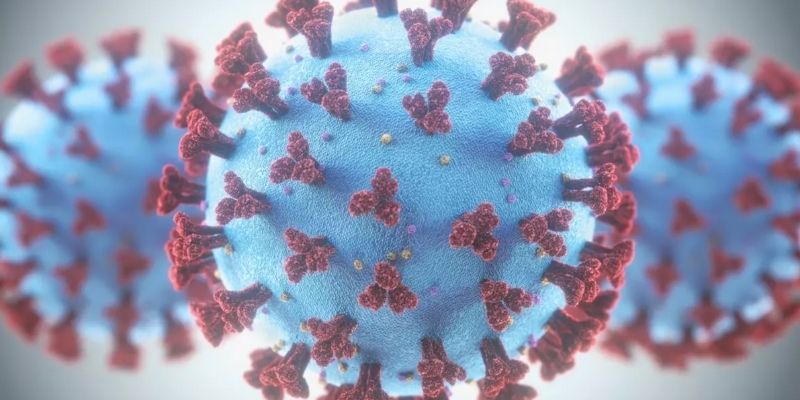
“There is a concrete suspicion of the British virus strain in the country,” Czech authorities said today in a statement. The National Reference Laboratory for Influenza (SZÚ) detected the new variant of the coronavirus during the analysis of PCR test results. “We need to be cautious and monitoring how the epidemic will continue to spread, the mutation is spreading faster,” commented Roman Prymula, epidemiologist and health adviser to the Prime Minister. “It is not necessary to tighten the anti-epidemic measures. However, there is a certain risk that more contagious mutations will place an even greater burden on hospitals and the health care system.” “In most European countries the British virus strain is already circulating,” adds Prymula. The ‘UK variant’ A new variant was reported by U.K. health officials to the World Health Organization on Dec. 14 that is now known formally as “VOC 202012/01” (which stands for “variant of concern, year 2020, month 12, variant 01″). The variant was first detected in a patient in Kent, southeast England, in September. It then quickly spread to London. Researchers who’ve measured and modeled the U.K. variant’s powers have found no reason to believe it makes people sicker once it invades their bodies. Nor...
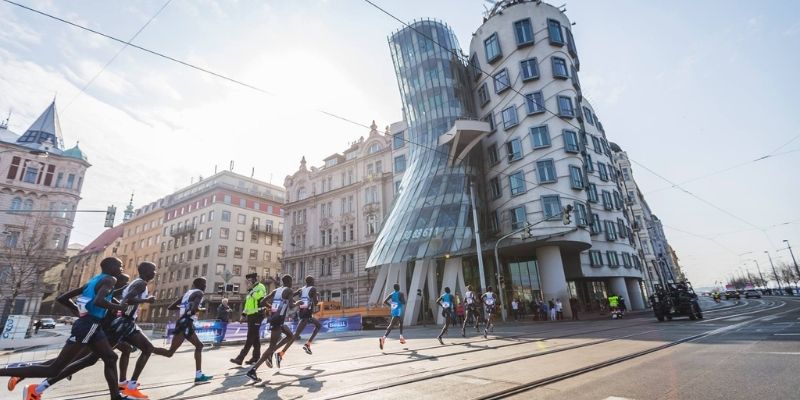
Due to the current epidemic situation, the Prague Half Marathon will not take place in the traditional term at the end of March, but on Sunday 5 September. The organizers published a press release on Friday, January 15. “We have traditionally started the season in the Czech Republic with the Sportisimo Prague Half Marathon in March. This year, because of lingering safety issues, we have decided to organize it for 5 September 2021,” says Carlo Capalbo, President of the RunCzech organizing committee. “As a reward for your patience, we have decided to turn that weekend into a Running Festival called “The Running Games”. In addition to the Half Marathon, we’ll also host a 5 km, and a 10 km race. More information will be provided in the next few months. But the excitement is already building, and we already know it will be magical,” he adds. Regarding the full marathon which should take place on May 2, the organizers asked for patience. “We are in contact with local and international authorities. We are negotiating with World Athletics, the Czech Athletic Association, the National Sports Agency, hygienic stations, the Ministry of Health, and many others. We are trying together to find...
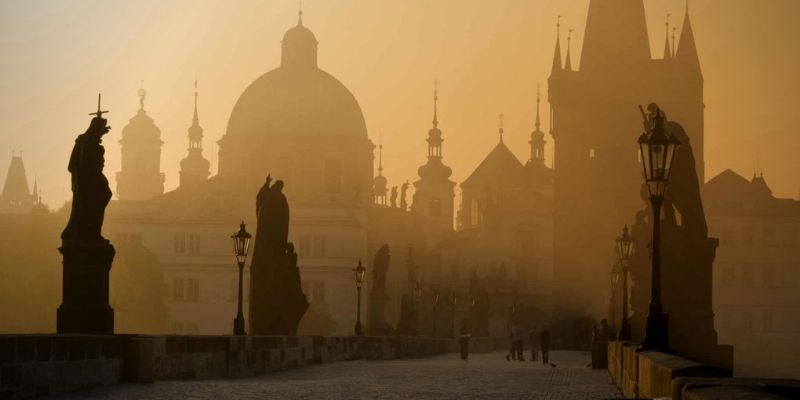
Prague has been treated to a proper snowfall, making the Czech capital look more beautiful than ever. And unsurprisingly people haven’t wasted any time in capturing the city in all its glory.
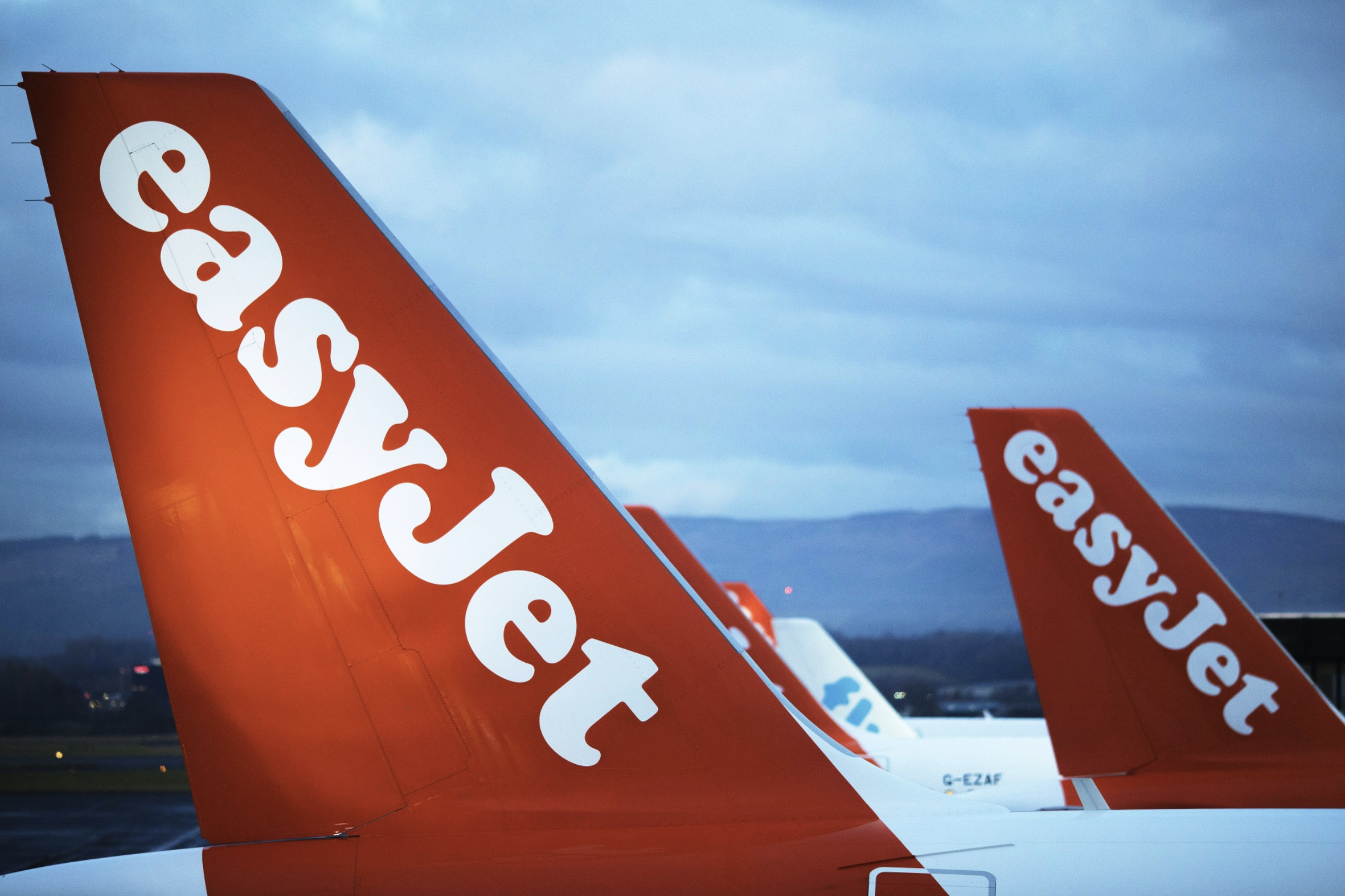
EasyJet has begun canceling holidays up until the last week in March amid the tightening of lockdowns around the world and international travel restrictions, the firm has said. The operator said on Friday that it was in the process of contacting customers who have holidays booked up to and including March 24 to let them know they will not be able to travel. It said this was due to ongoing restrictions as well as the ever-changing rules on international travel. Many of EasyJet’s short-haul European destinations have travel restrictions in place on passengers from the UK, including France, Belgium, Spain, Italy, Cyprus, and the Czech Republic. EasyJet said customers could choose to change their holiday online, or opt to receive a credit to their online account that would be valid for the next 12 months. Customers can also opt for a full refund, which is usually processed in about 12 days, the company said. Those booked from March 25 and beyond can change or defer their holiday online up to 28 days before they are due to travel without incurring any fees. Matt Callaghan, EasyJet holidays customer director, said: “We know this news will be disappointing. But we want to...
It would appear that an agreement in principle has been reached but key negotiations on certain elements continue. No official announcement has been made by either company. Colt, one of the oldest and most venerable names in US firearms manufacturing, may be on the verge of being acquired by Česká Zbrojovka, better known as CZ, which is known for its classic CZ 75 pistols. The details of a possible acquisition have yet to be made official. In November, CZ informed its investors via a letter of intent that the company was launching efforts to acquire “100% of the outstanding equity interest in Colt Holding LLC, a Delaware entity and indirect owner of the Colt Manufacturing Company LLC operating business.” The deal was anticipated to be “ready for execution by the end of 2020.” Last week, CZ issued a statement to its investors giving an update on the progress of the acquisition, saying that it has agreed with Colt on the extension of the exclusivity period to complete its due diligence until the end of January 2021. The Firearm Blog website reported that it would appear that an agreement in principle has been reached but key negotiations on certain elements continue....
Don’t have an account? Register
Already have an account? Log In
How Would You Like to Promote Your Business? PR ArticleDisplay bannersVideo productionNewsletter adsJob ListingsInfluencer Marketing
Your Email
We will come back to you within 24 hours with our proporsal