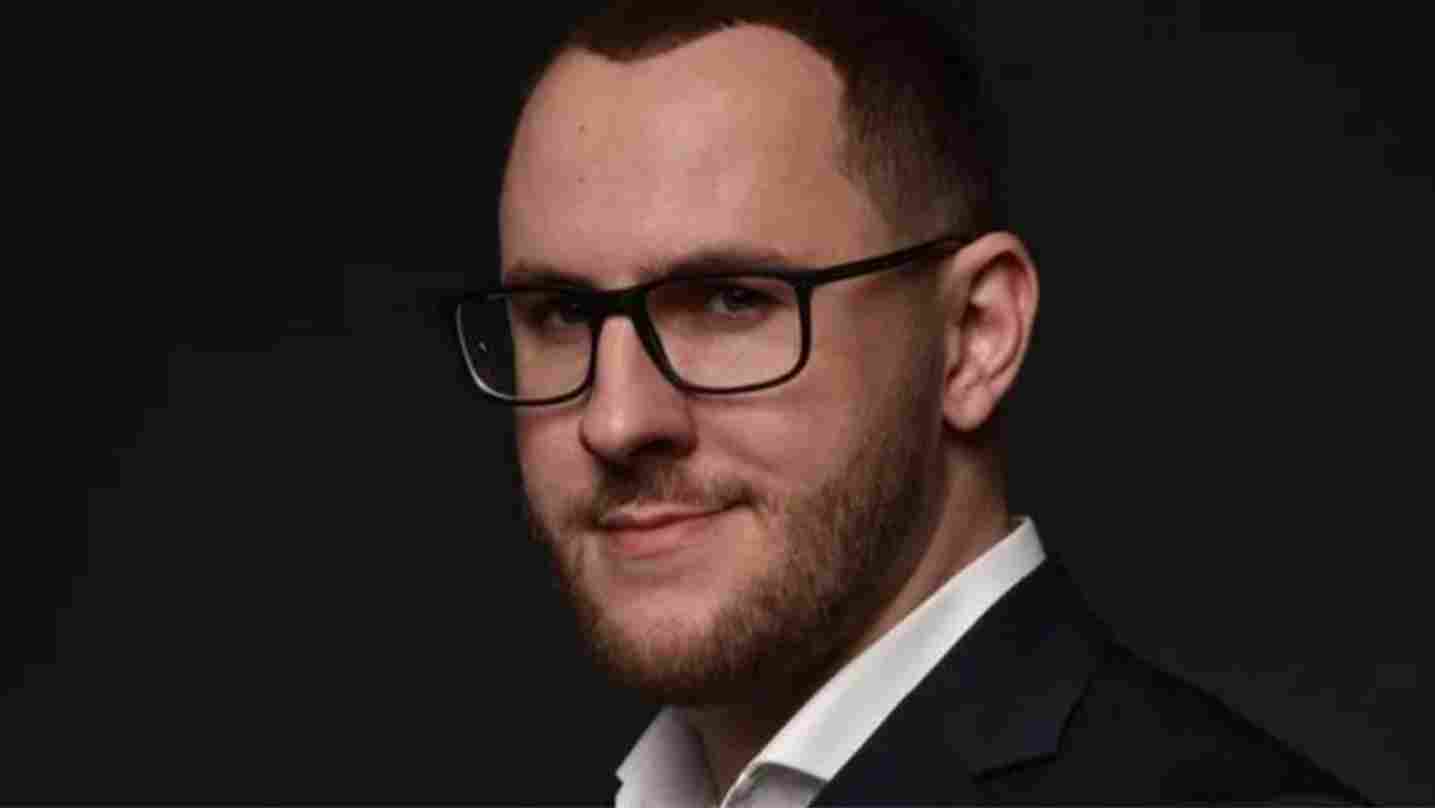
Slovakia has granted temporary asylum to Artem Marchevsky, a pro-Russian propagandist and former Ukrainian TV producer, Czech newspaper Denik N reported on April 30. The decision to grant asylum was made by the Slovak Interior Ministry, according to Marchevsky’s lawyer, Leonid Kushnarenko. Czechia previously denied asylum to the propagandist, imposing sanctions on him and freezing his assets in the country. Czech authorities suspect Marchevsky, along with former Ukrainian MP Viktor Medvedchuk, of leading a Russian influence network behind the website Voice of Europe, known for disseminating pro-Russian propaganda. Slovakia’s Interior Minister Matus Sutaj Estok declined to comment on the matter. On March 29, a joint investigation by the German newspaper Spiegel and Denik N reported that German Bundestag member Petr Bystron had received funds from a “Russian influence network.” The Voice of Europe regularly published calls from European politicians to cease support for Ukraine, and some authors of those calls were allegedly paid, as stated by Denik N. On March 28, Belgian Prime Minister Alexander De Croo said members of the European Parliament had received money from Moscow for spreading Russian propaganda. He elaborated on the “close cooperation” between Belgian and Czech special services in dismantling the Russian propaganda network....
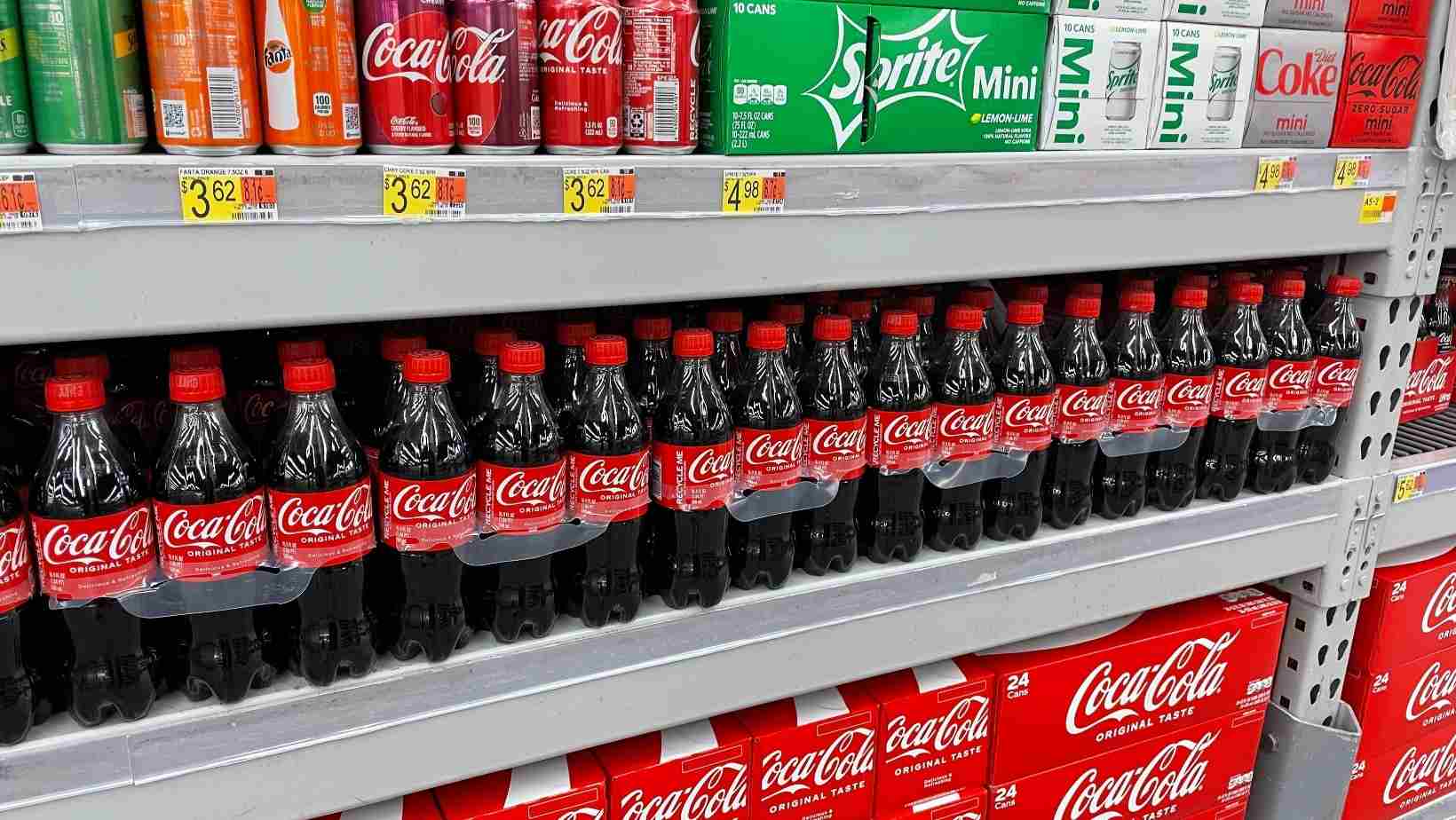
The Czech Republic is considering a new tax on sugary drinks in an attempt to combat rising obesity rates, particularly among children. Health Minister Vlastimil Válek believes a levy on sugary beverages will discourage consumption and improve public health. Government Divided on Sugar Tax The proposal has garnered support from most coalition parties, including the Mayors and Pirates. They argue that similar taxes in other European Union countries have proven effective in reducing sugar intake and generating revenue for public health initiatives. The National Economic Council (NERV) also backs the plan, suggesting a tax starting at 3.40 CZK per liter for drinks exceeding 50 grams of sugar per liter, with an additional 35 cents for every subsequent 10 grams. However, the opposition, particularly the ODS party, remains skeptical. They argue that the tax would unnecessarily complicate the tax system and unfairly burden consumers, especially after the recent VAT increase on beverages. A Tax on Vice or a Public Health Measure? Minister Válek emphasizes the need to regulate sugary drinks, highlighting their negative impact on children’s health. He believes the tax will incentivize manufacturers to reduce sugar content, ultimately leading to lower consumption. The debate centers on whether sugary drinks warrant...
Czechia will again propose restricting the movement of Russian diplomats in the Schengen area, Czech Foreign Minister Jan Lipavský (Pirates, Greens) said in response to the arrest of two Russian agents in Germany on suspicion of espionage and planning attacks. Last week, German federal prosecutors arrested two suspected Russian spies in Bavaria on suspicion of espionage and planning attacks on military targets to undermine support for Ukraine. German diplomacy suspects Russia is recruiting agents to carry out attacks on German soil. “Russian intelligence threat in Europe is a reality,” Lipavský wrote on X on Saturday. Responding to Germany summoning the Russian ambassador and telling him that Germany would not allow Russia to bring its terror to the country, Lipavský expressed full support for the German response and said he wanted to raise the issue of Russian agents at the EU Foreign Affairs Council (FAC) in Luxembourg on Monday. “We must develop new instruments to tackle the Russian spy threat. On Monday at FAC, I will reiterate my proposals to curb Russian spies moving across Schengen. It could be achieved rapidly,” said Lipavský, whose country also has extensive experience with Russian agents who allegedly caused the 2014 ammunition warehouses blast on...
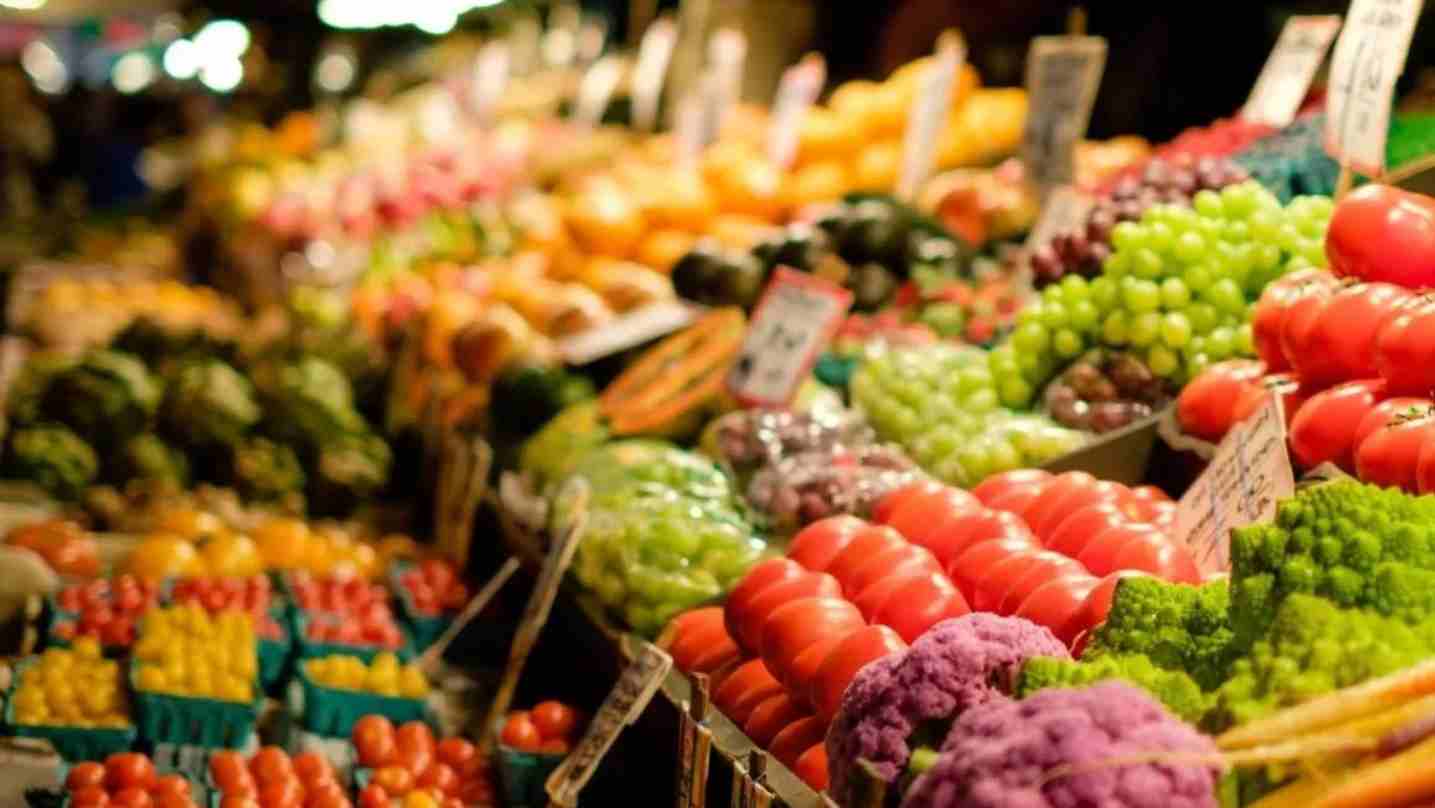
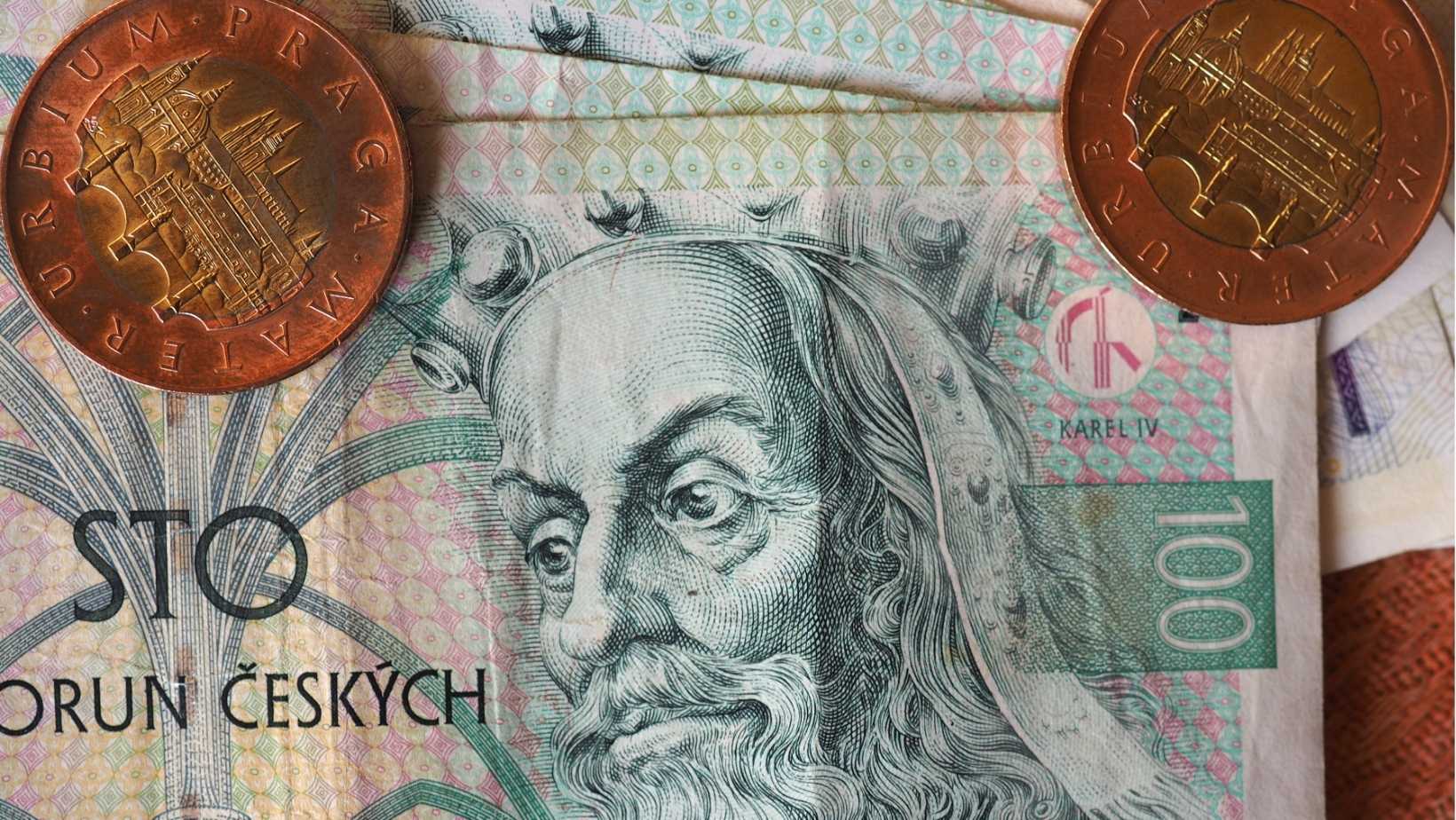
The Czech Statistical Office (CZSO) reported that most staple foods monitored in April increased in price compared to March. The price of apples climbed the most, rising 9.07% to 37.28 crowns per kilogram. Plain wheat flour also saw a significant increase of 7.04%, reaching 21.14 crowns per kilogram. Year-on-year data from the CZSO shows some items even became more expensive. For instance, potatoes, which cost 21.98 crowns per kilogram in April 2023, rose to 27.42 crowns this year, a hike of 24.75%. Out of the 13 items tracked by the CZSO, nine saw price increases in April compared to March. A cup of plain yogurt went up by exactly 3% to 10.66 crowns, while a kilogram of frozen edamame beans reached 180.95 crowns. Roast pork increased by 3.22% to 180.42 crowns per kilogram. Small price bumps of 1-2% were also seen for potatoes, light bottled beer, sugar, and butter. Interestingly, while edam cheese, yogurt, flour, and sugar were more expensive compared to March, their prices actually decreased year-on-year. On the other hand, eggs became cheaper month-on-month in April, dropping around 5% to 43.62 crowns per dozen. Their price also decreased significantly year-on-year, by more than a quarter. Sugar prices saw...
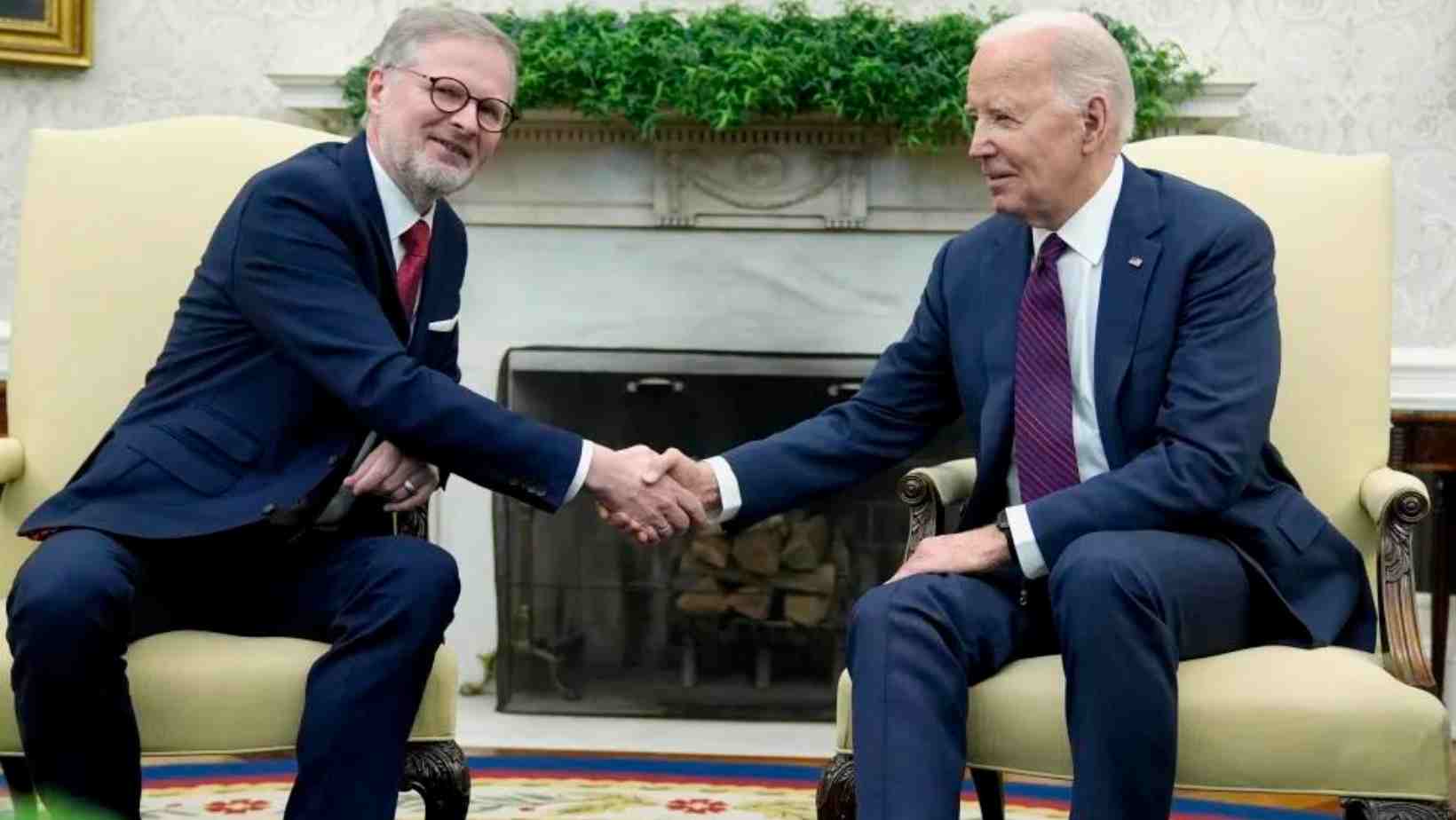
President Joe Biden urged the U.S. House to immediately take up Senate-passed supplemental funding for Ukraine and Israel on Monday as he hosted Czech Prime Minister Petr Fiala in the Oval Office. The visit came as Biden aimed to highlight the efforts other nations are making to support Ukraine. It followed the Czech government’s announcement that it is sending 1 million rounds of artillery ammunition to Ukraine, which Kyiv says is badly needed on the battlefield against Russia’s invasion. “As the Czech Republic remembers, Russia won’t stop at Ukraine,” Biden said. He appealed to Congress to pass the supplemental funding so the U.S. could do its part to help Ukraine. “They have to do it now,” Biden said. Fiala praised the U.S. president for his leadership in support of Ukraine, adding, “We are also doing our best.” He said, “In 1968 I saw Russian tanks in the streets of my town, and I don’t want to see this again.” Biden called the Czech Republican a “great ally” in NATO, as Fiala said his country’s decision to purchase F-35 fighter jets from the U.S. will “make our cooperation and security much stronger.” He also recalled the role of the United States...
Inflation in Czechia remained at 2% in March, the same year-on-year growth as in February, which is the lowest inflation rate since December 2018. It increased by 0.1% month on month, driven by higher prices in the transportation sector, including the government raising those for motorway vignettes. As of March 1, the price of annual motorway vignettes was raised after ten years from CZK1,500 to CZK2,300 to reflect inflation development and will be indexed from now onwards. The change was approved last year as part of austerity measures aimed at tackling the budget deficit. Despite the y/y stagnation, “the price development in individual divisions of the consumer basket was different,” commented Pavla Sediva of the Czech Statistical Office (CZSO). “Food and non-alcoholic beverages was the only division where prices were lower, approximately by 6% y/y,” she added. Prices of fuels and lubricants for personal transport equipment increased by 4.8% y/y, and the price of highway vignettes increased by 53.3%. In the food and non-alcoholic beverages sector prices of flour decreased by 27.8% y/y, prices of pork were down by 5.7%, yoghurts by 7.9%, fruit by 2.9% and vegetables by 4.9%. CZSO highlighted that “the biggest influence on the growth of...
The Czech parliament on Wednesday voted to toughen legislation on rape, with stricter definitions that classify all sexual abuse of children under 12 as rape or assault. The amendment, which has to be passed by the Senate and signed by the president to take effect, was approved by lawmakers across the chamber. Following the “no means no” principle, the bill changes the definition of rape from forced intercourse to intercourse without consent. It says disapproval can be expressed by a gesture or crying, and also protects victims unable to protest because of an illness, inebriation, sleep, or bondage. The bill also introduces the crime of sexual assault for acts that do not involve intercourse. In defending the new rules, lawmakers noted that 16 European countries had also recently changed the legal definition of rape. Some use the “yes means yes” concept, which insists on a declaration of consent, while others employ “no means no” like the Czech Republic. Other European countries including France, Italy, and Poland use the traditional definition of rape based on violence or threat. Would you like us to write about your business? Find out more
The Czech government is investing in nuclear energy as a means to decarbonization. The Czech government wants the new units to gradually go into service between 2029 and 2040, and fully phase out from Coal and Lignite by 2033. The goal is for oil and gas to be phased out by 2050, according to the ambitious National Energy and Climate Plan. The Czech Republic is traditionally a carbon energy exporter, yet its government is seemingly ready to cut ties. In a speech made in March at a nuclear energy summit in Brussels, Czech Prime Minister Petr Fiala said, “From the Czech perspective, nuclear is a cost-effective way to decarbonization. It brings grid stability and security of supply. It is the only way to reach our energy independence.” According to an exclusive IPSOS and Euronews poll, the Czech people are the least concerned EU electors, after the Poles, by climate change. 34% agree that climate is a priority, whilst 21% do not. Industry and Trade Minister Jozef Sikela said an assessment of the bids should be completed by the end of May. The Czech Republic already relies on six nuclear reactors to generate more than a third of its electricity. Besides...
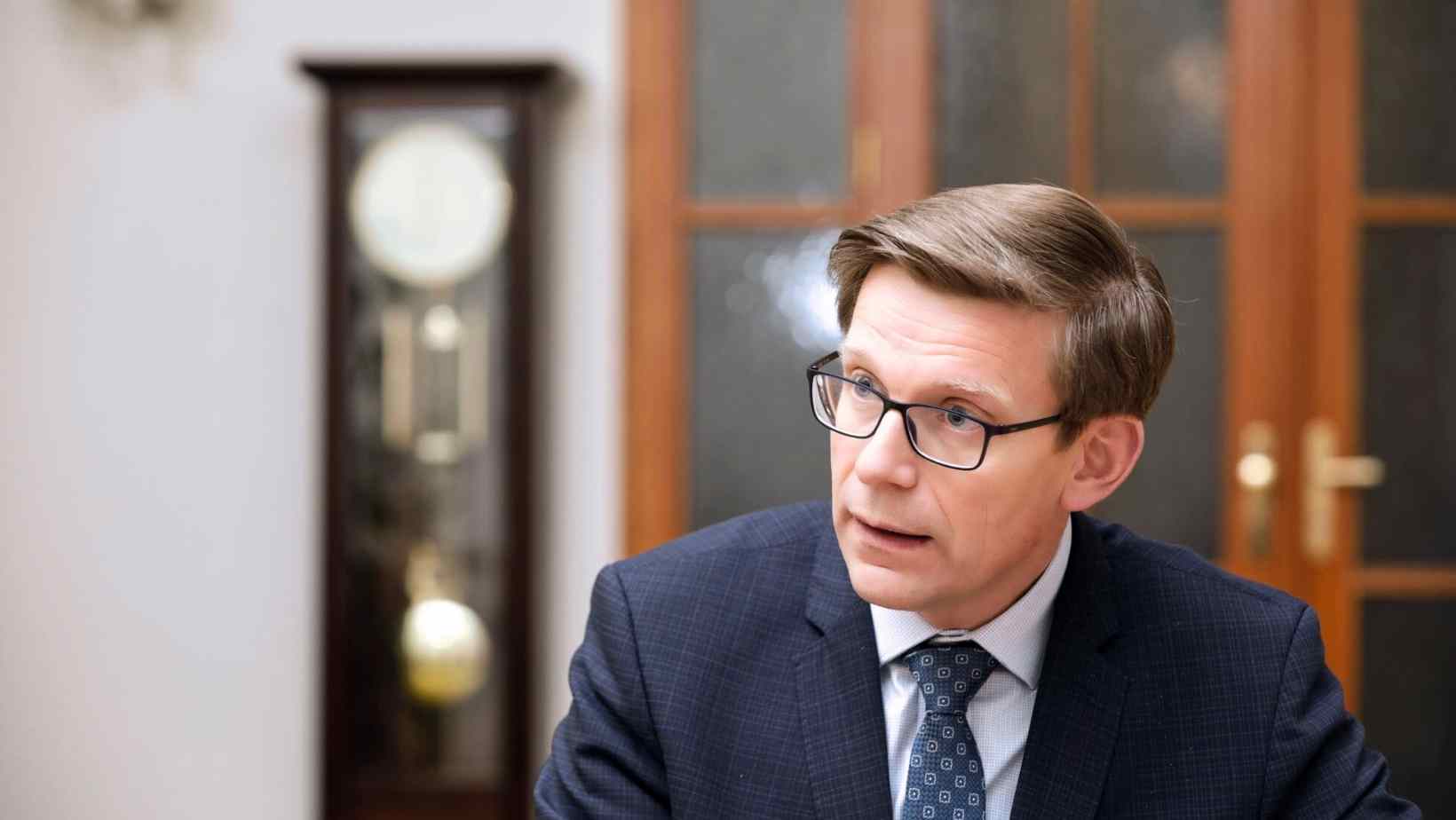
Russia has made “thousands” of attempts to interfere with European rail networks in a campaign to destabilize the EU and sabotage critical infrastructure, the Czech Republic’s transport minister has said. Martin Kupka told the Financial Times that Moscow was suspected of having made “thousands of attempts to weaken our systems” since Russian President Vladimir Putin ordered the full-scale invasion of Ukraine in February 2022. The hacking campaign included attacks on signalling systems and on the networks of the Czech national railway operator České dráhy, Kupka said. Past attacks have put ticketing systems out of service and raised concerns about successful interference with signals causing serious accidents. “It’s definitely a difficult point . . .[but] I’m really very satisfied because we are able to defend all systems [from] a successful attack,” Kupka said. Russian attempts to destabilise European energy infrastructure have been well documented but interference in transport networks has been less discussed. The EU Agency for Cybersecurity published its first report on threats to transport in March last year. It said there had been “attacks against railway companies with an increasing rate, primarily due to Russia’s invasion of Ukraine”. It noted major cyber attacks by “pro-Russia hacker groups” on railway companies in Latvia,...
The term “idiot,” originating from ancient Greece, referred to individuals focused solely on private life, showing no interest in politics or public matters, and thus considered ignorant. In modern democratic countries, the presence of “idiots” — those indifferent to public life and politics yet occasionally exercising their civic rights in elections — poses a unique challenge. This phenomenon has sparked debates about the wisdom of letting uninformed individuals influence future decisions through voting. A notable instance of attempting to tackle this issue occurred in Bulgaria in 2016, where electoral law amendments introduced a rule disenfranchising citizens who fail to vote in two consecutive elections of the same type. These individuals are removed from voter rolls but can regain their voting rights by applying for re-enlistment, a measure aimed at encouraging civic engagement and, implicitly, weeding out the uninterested or uninformed. However, this solution doesn’t address the core issue of uninformed voters participating in elections. A proposal by Jan Kubalcík, leader of the Czech Conservative Party, suggests an innovative approach: requiring citizens to pass a basic knowledge test before voting. This test, comprising ten questions randomly selected by a computer from a thousand, aims to exclude those lacking fundamental understanding of...
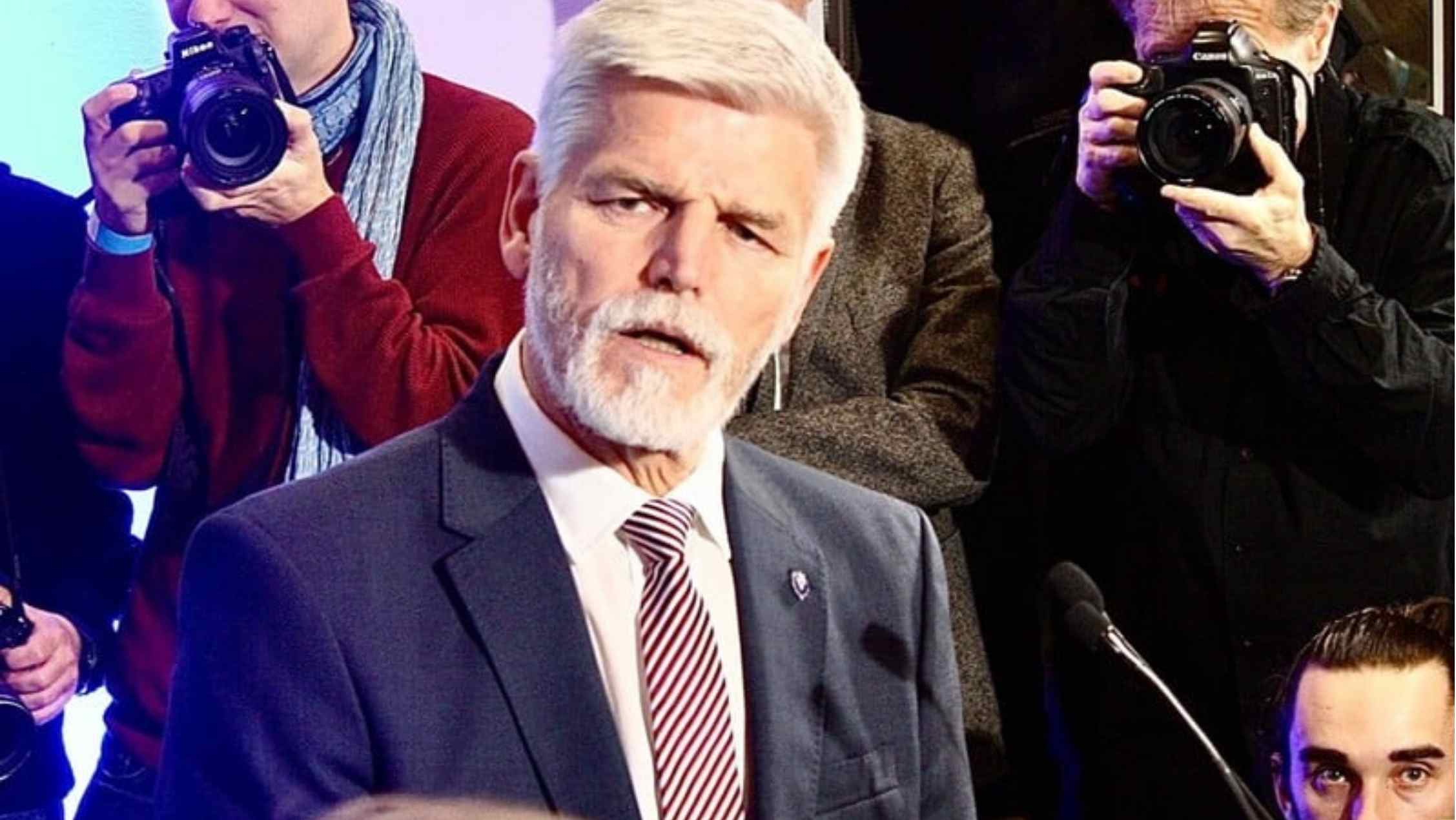
President Petr Pavel met with the leadership of the Czech counterintelligence agency, headed by its director Michal Koudelka, on Tuesday. The current security situation is the worst since World War II, the head of the Czech Counter Intelligence Service (BIS) Michal Koudelka said following a meeting with President Pavel on Tuesday. He said Russian expansionism and the possible return of Islamic terrorism to Europe are major threats to European democracies. “We cannot underestimate the risk, although we do not have any concrete information about a direct security threat to the Czech Republic,” Koudelka said. The focus of the meeting was the security landscape and potential threats, particularly from Russia and China, whose actions have long concerned the BIS. Moje návštěva v sídle BIS znamená především obnovení standardních vztahů mezi prezidentem a bezpečnostními službami, jak je to běžné i v jiných demokratických zemích. V následujících měsících postupně navštívím všechny služby. S ředitelem Koudelkou i s vedením BIS jsme jednali o… pic.twitter.com/vvFy4BfgJQ — Petr Pavel (@prezidentpavel) March 26, 2024 Koudelka highlighted the looming threat of a resurgence of Islamic terrorism in Europe. He also mentioned the challenge of illegal migration to Europe, although the BIS lacks specific intelligence on current threats. President...
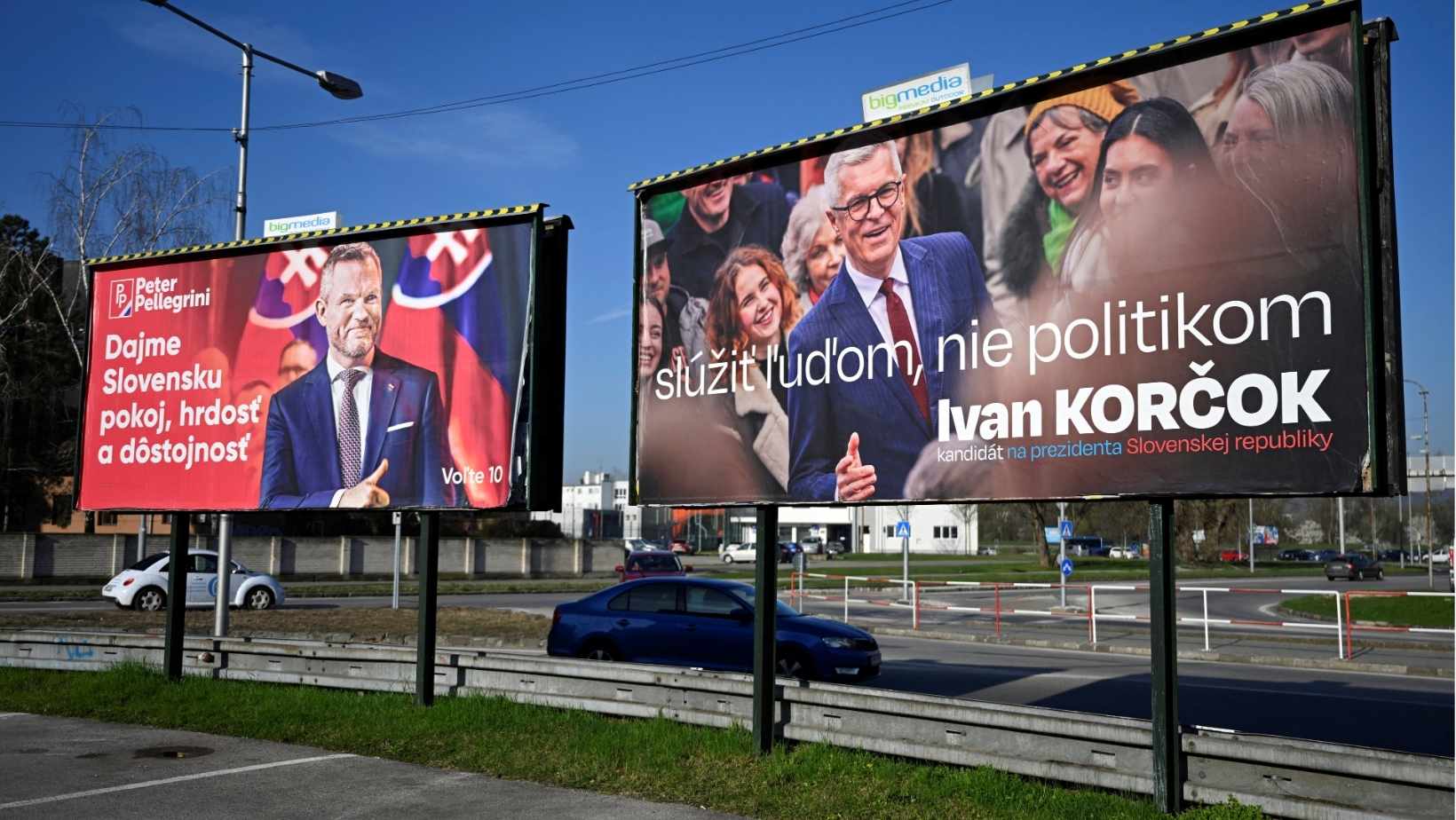
Slovaks headed to the ballots Saturday to elect a successor to Zuzana Čaputová, the country’s first female president and a staunch backer of Slovakia’s neighbor Ukraine in its fight against Russia’s two-year invasion. She is not seeking a second term. Peter Pellegrini, a close ally of Slovakia’s populist Prime Minister Robert Fico, is considered a favorite in the race for the post of president. He leads a field of nine candidates in the first round of the presidential election to become the country´s sixth head of state since Slovakia gained independence in 1993 after Czechoslovakia split in two. Polls will close at 9 pm and results are expected on Sunday. If no candidate gets a majority, which is expected, the top two finishers will go through to a runoff on April 6. Pellegrini, 48, who favors a strong role for the state, heads the left-wing Hlas (Voice) party that finished third in the Sept. 30 parliamentary election. His party joined a ruling coalition with Fico’s leftist Smer (Direction) party and the ultranationalist Slovak National Party. The new government immediately halted arms delivery to Ukraine. Former Foreign Minister Ivan Korcok, 59, a pro-Western career diplomat is his main rival. “From my...
Don’t have an account? Register
Already have an account? Log In
How Would You Like to Promote Your Business? PR ArticleDisplay bannersVideo productionNewsletter adsJob ListingsInfluencer Marketing
Your Email
We will come back to you within 24 hours with our proporsal