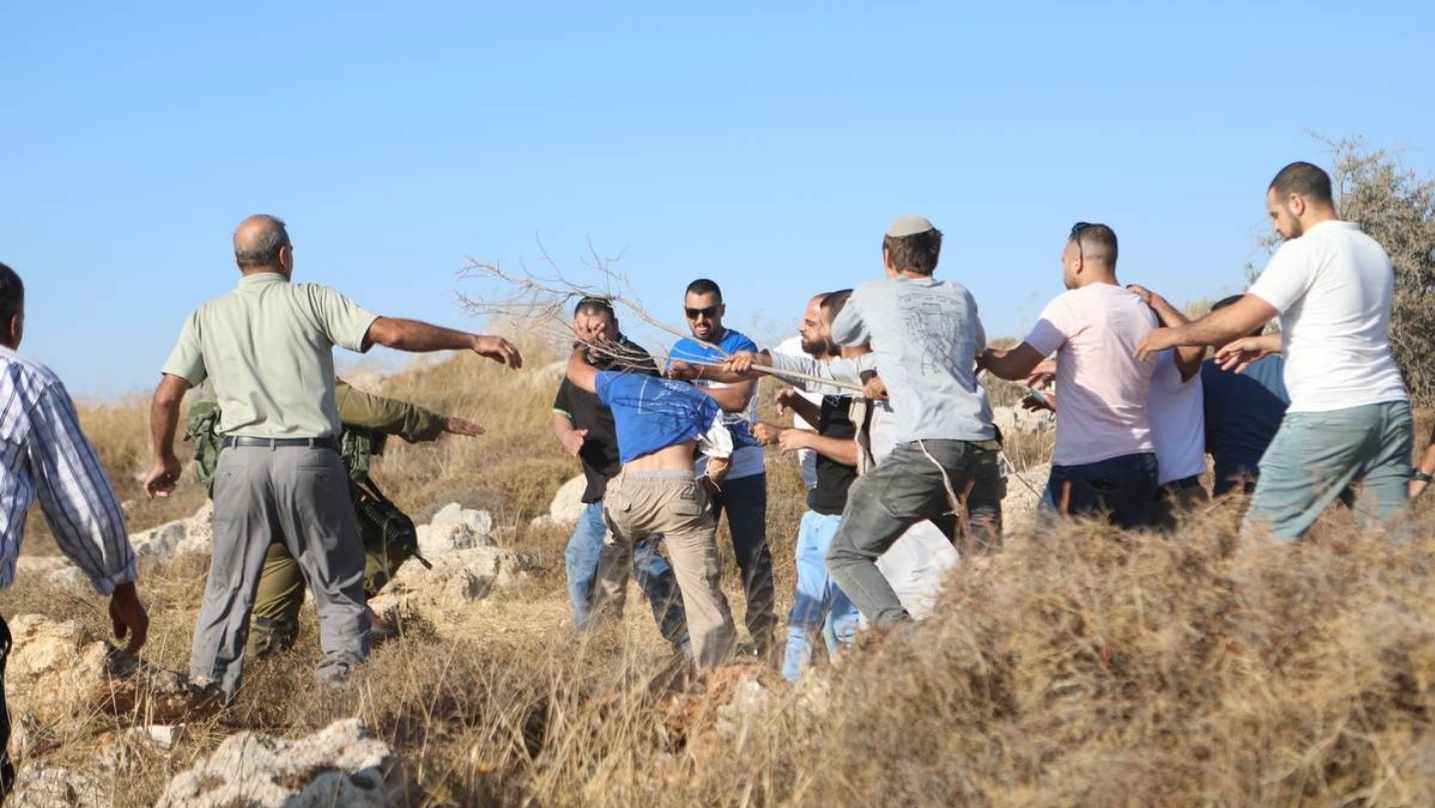
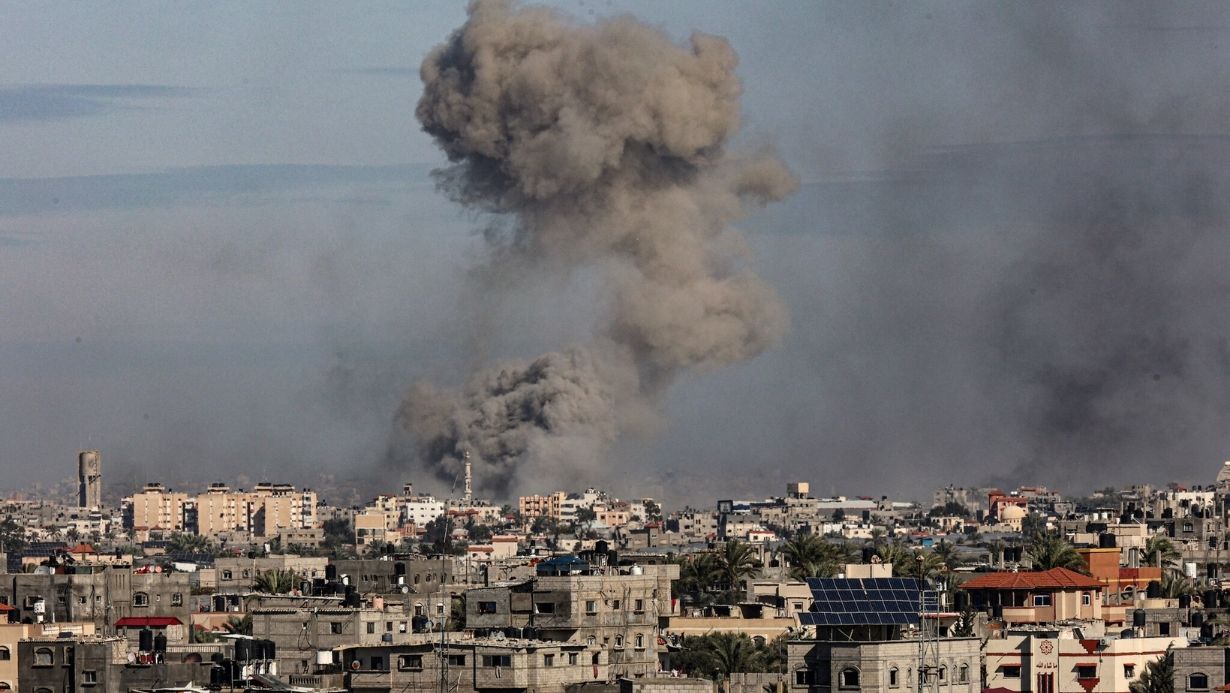
An EU effort to impose sanctions on Israeli settlers attacking Palestinians in the West Bank has stalled due to objections from Hungary and the Czech Republic, diplomats say. The two staunch allies of Israel made clear in an EU committee on Thursday they were not ready to let the proposal go forward for now, said four diplomats, speaking on condition of anonymity about internal EU deliberations. Some said a compromise may be found later to let the measures proceed, possibly after more EU sanctions on Hamas, the Palestinian militant group responsible for the Oct. 7 attack on Israel that triggered the current Middle East crisis. While much international attention has focused on that cross-border assault from Gaza and Israel’s subsequent war there, European officials have also expressed increasing concern about rising violence against Palestinians in the West Bank. The United States and Britain have expressed similar concerns and have already imposed sanctions on several settlers they say are responsible for violence. EU foreign policy chief Josep Borrell said in December he would propose similar measures. But EU sanctions require unanimity among member states and the bloc has yet to find agreement – a reflection of broader divisions on the Middle...
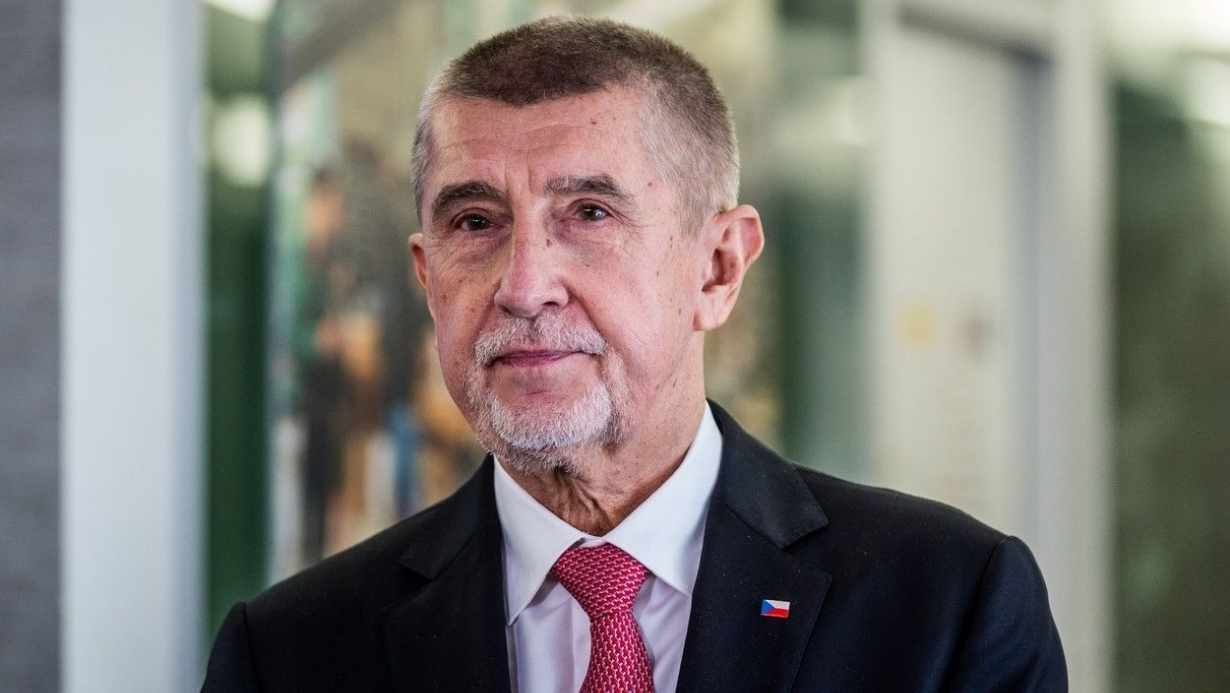
Former Czech Prime Minister Andrej Babiš lost his final appeal in Slovakia Wednesday in a case concerning allegations that he collaborated with communist-era secret police in what was then Czechoslovakia. Babiš, who was born in Slovakia, was suing the Institute for National Memory, which holds parts of his secret police files following the division of Czechoslovakia into the Czech Republic and Slovakia in 1993. In a decision on February 1 but only published Wednesday, Slovakia’s Constitutional Court, the highest court in the land, upheld the rulings by lower courts dismissing the case. Some of the files were destroyed, but the institute said those that still exist contain evidence that Babis was an agent under the code name “Bures” from 1982. Babiš has vehemently denied that. The regional court in the capital, Bratislava, originally rejected the lawsuit in 2018, but the Constitutional Court ordered a retrial, saying the institute could not be sued and the respondent should be the Slovak Interior Ministry. The regional court dismissed the case again in 2022, followed by a similar ruling from the Supreme Court in September last year. Babiš challenged that with a complaint filed with the Constitutional Court whose verdict completed the case. Babiš...
European Affairs Minister Martin Dvořák (STAN) won’t appoint a commissioner for euro adoption, Prime Minister Petr Fiala of the Civic Democrats said on Tuesday evening after a special meeting of coalition government leaders. Fiala stated that legislative issues related to the Czech Republic’s potential entry into the mechanism or the eurozone would be evaluated by the Legislative Council of the Government by October. The previous day Mr. Dvořák had announced that he was naming economist Petr Zahradník in that position. Other coalition parties criticized the minister for this move, as the government hadn’t agreed on filling the position of the national coordinator for euro introduction since 2017. Government leaders the Civic Democrats are the only grouping in the five-party coalition opposed to the adoption of the single European currency at present. “We have specific tasks, deadlines, and responsibilities. I was surprised that after 20 years, there are still no analyses of the euro adoption’s impact on the legal or constitutional order. Thanks to today’s government meeting results, this gap will be addressed,” Dvořák stated to ČTK. He also mentioned on the social network X that Zahradník is an excellent expert, regardless of whether his role is called a commissioner or...
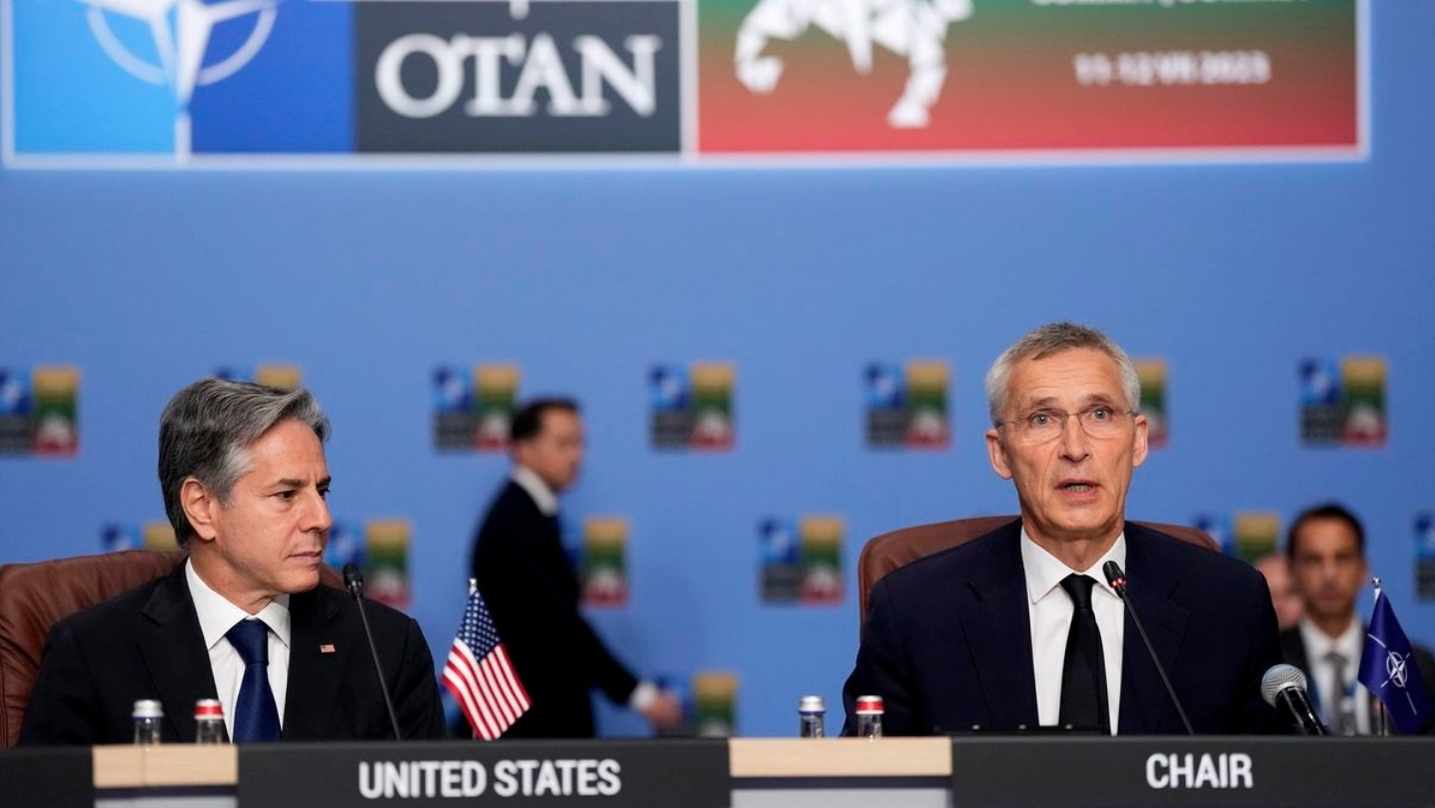
US Secretary of State Antony Blinken is expected to attend an informal meeting of NATO foreign ministers in Prague in May, Seznam Zprávy reported. The news site said the size of the event was reflected in the CZK 100 million budget that had been set aside for it. The gathering will be the biggest NATO event in Prague since a summit in 2002 and comes as Czechia marks 25 years of membership and the alliance marks 75 years of existence. The foreign, defense, and interior ministries are set to contribute financially to the event. “We are operating with a budget of CZK 100 million, although the final amount is yet to be determined,” stated Foreign Ministry spokeswoman Mariana Wernerová to Seznam Zprávy. The Czech Foreign Ministry highlighted the nation’s commitment to NATO’s political cohesion, emphasizing the meeting’s symbolic importance in today’s global security context. “The decision to join the Euro-Atlantic structures and the subsequent anchoring of the Czech Republic in NATO represents one of the most historically important steps in the Czech Republic’s independent history. Its significance is truly appreciated today,” the ministry noted. The meetings will take place at the Czernin Palace, the Foreign Ministry’s seat, and at Prague...
Czech Minister for European Affairs, Martin Dvořák (STAN), has appointed economist Petr Zahradník as the national commissioner for joining the European Exchange Rate Mechanism (ERM II) and adopting the euro. Renewing the position of the national coordinator for the euro has been under discussion within various government parties, spurred by President Petr Pavel’s New Year’s speech regarding the potential adoption of the common European currency. While the ruling parties – STAN, KDU-ČSL, TOP 09, and Pirates – are supportive, the Civic Democrats hold a negative stance. Zahradník, a specialized economist and analyst focusing on the European Union, has been appointed to encourage a public debate on the benefits and risks of adopting the euro, according to Dvořák’s press release. The new commissioner’s primary responsibilities include engaging in expert discussions on meeting the Maastricht criteria, monitoring and analyzing economic aspects of eurozone entry, and providing expert support to Dvořák. The minister’s press office states that the position is established for an indefinite period without additional financial costs, as Petr Zahradník already serves as an adviser to the minister. Dvořák expressed optimism, stating, “I believe that thanks to the new commissioner, we will be able to address main objections from the professional...
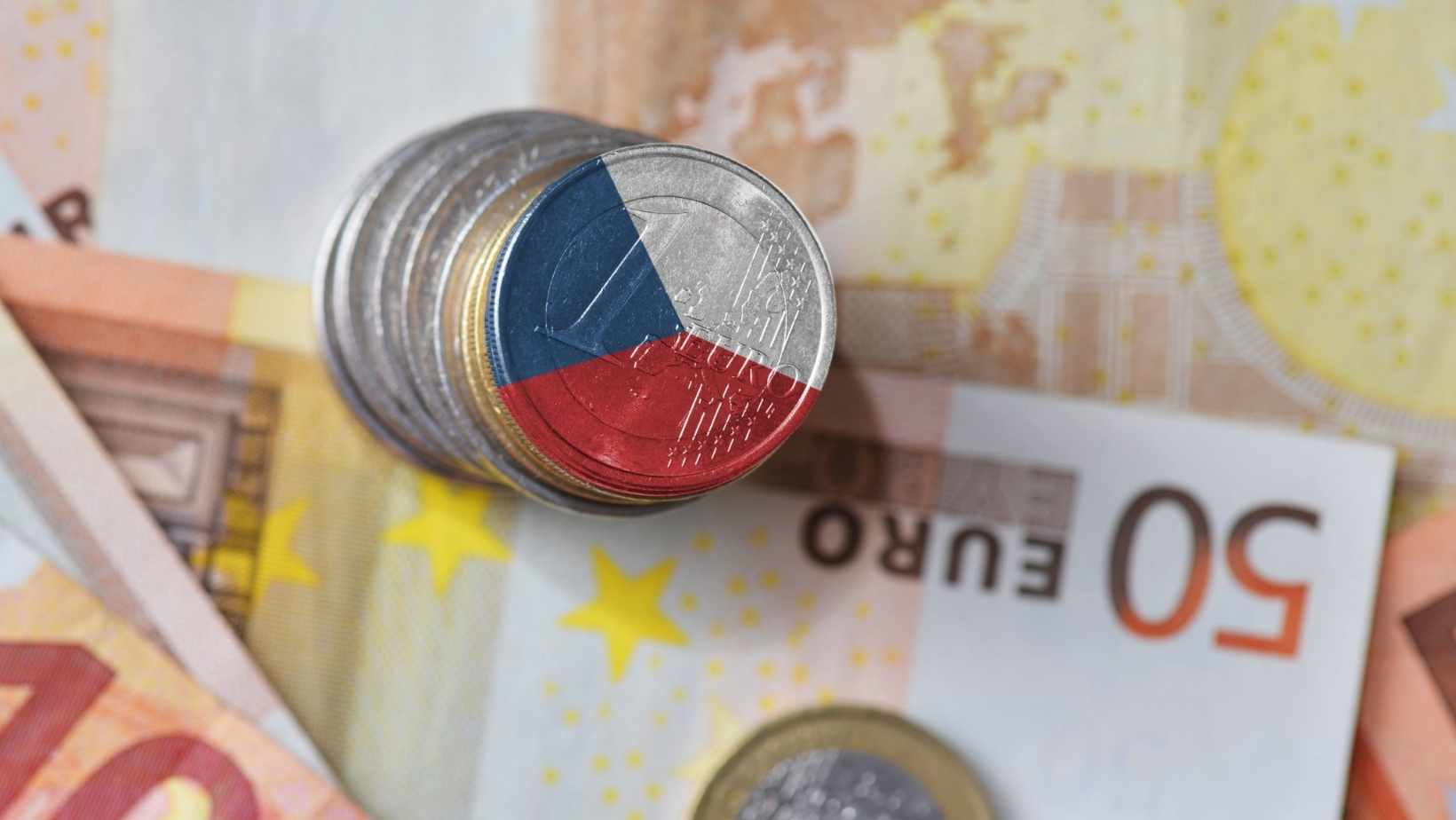
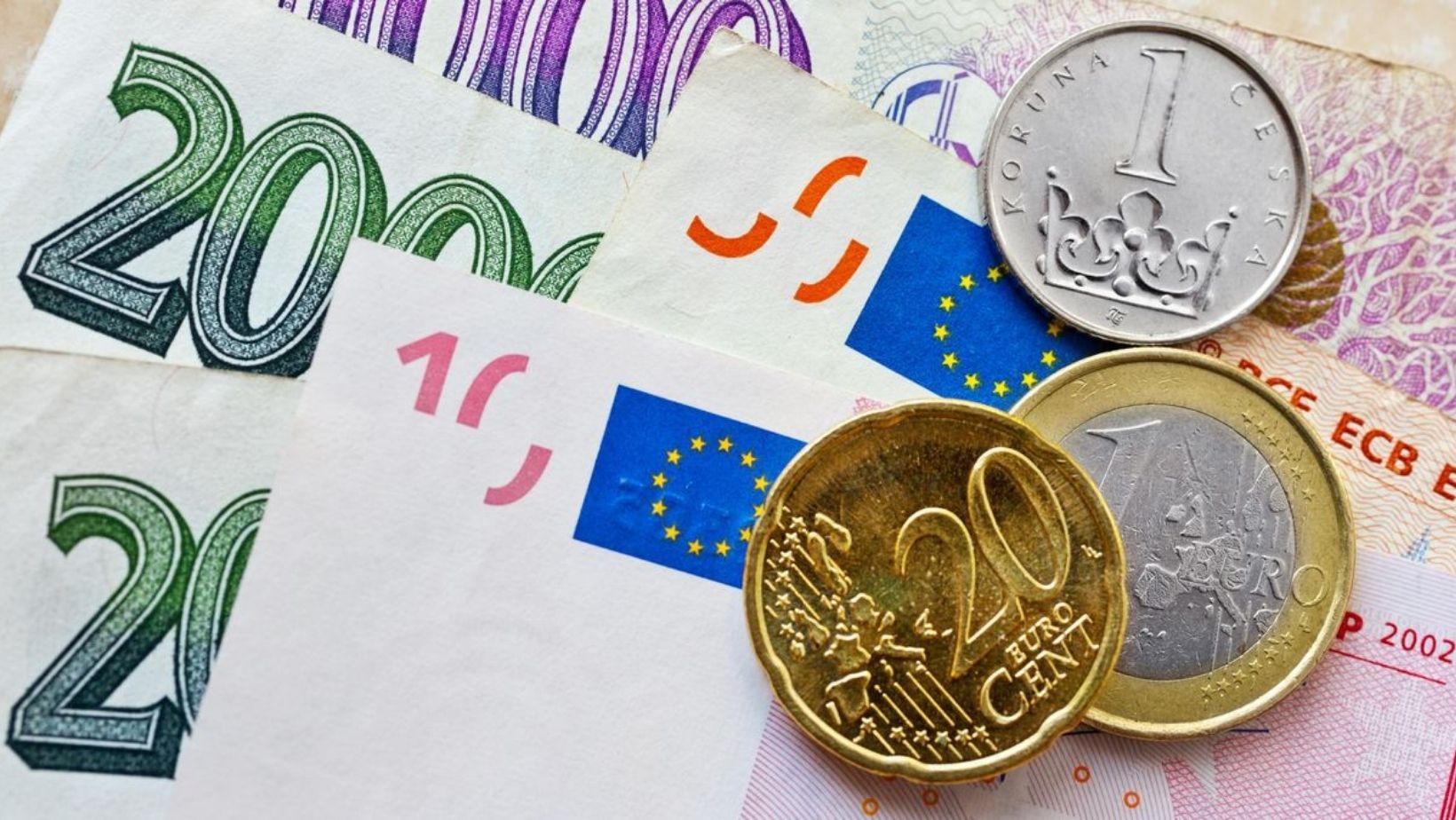
At the close of trading on Friday, February 2, the Czech koruna weakened against the euro by 14 halers, reaching 24.97 crowns per euro, marking the lowest level since May 2022. Senior Czech central banker Jan Frait said he was prepared to back at least a 50-basis-point cut next week and may favour an even larger move, raising the prospect of the bank discussing bolder monetary easing than market predictions. Analysts highlight that the koruna’s decline is attributed to the overall instability in global financial markets and the news of a Czech economic recession. This downward trend commenced at the end of November last year, accumulating a loss of 71 halers over two months. It’s worth noting that the Czech crown reached its peak strength against the euro in July 2008, with an exchange rate of 22.86 crowns per euro. Its lowest point was in April 1999 when one euro was equivalent to 38.46 crowns.
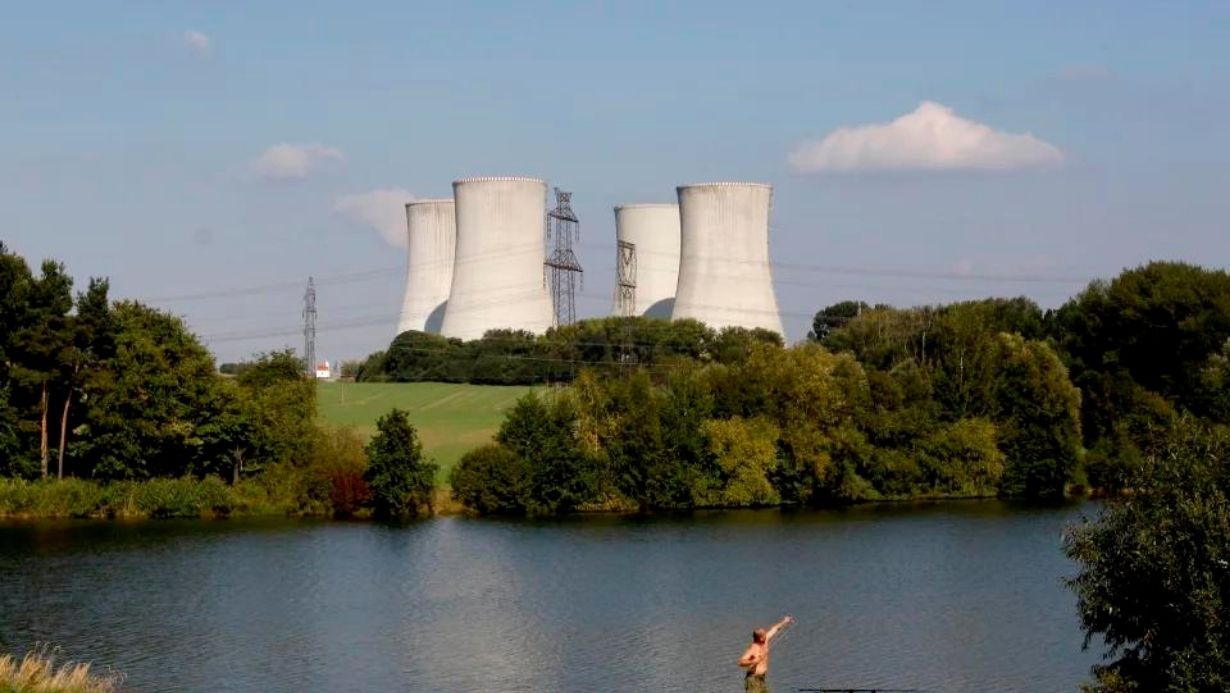
The Czech government said Wednesday it plans to build up to four nuclear reactors instead of one as the country tries to become more energy-independent and wean itself off fossil fuels. Prime Minister Petr Fiala said the decision to seek more reactors could reduce the price per reactor by up to 25%. The timing and locations are not yet decided. Three companies including U.S. firm Westinghouse, France’s EDF and Korea’s KHNP originally submitted bids to build one reactor at the Dukovany nuclear power station. It should become operational by 2036. As part of their bids, the companies had also submitted unbinding offers to build three more nuclear reactors. In a surprise move, the government announced that Westinghouse’s bid didn’t meet the conditions of the tender, and only EDF and KHNP have been asked to submit new, expanded bids in April. Industry and Trade Minister Jozef Sikela said an assessment of the bids should be completed by the end of May. The Czech Republic already relies on six nuclear reactors to generate more than a third of its electricity. Besides four in Dukovany, state-controlled power company CEZ operates two 1,000-megawatt reactors at the Temelin plant. Unlike its western neighbors Austria and...
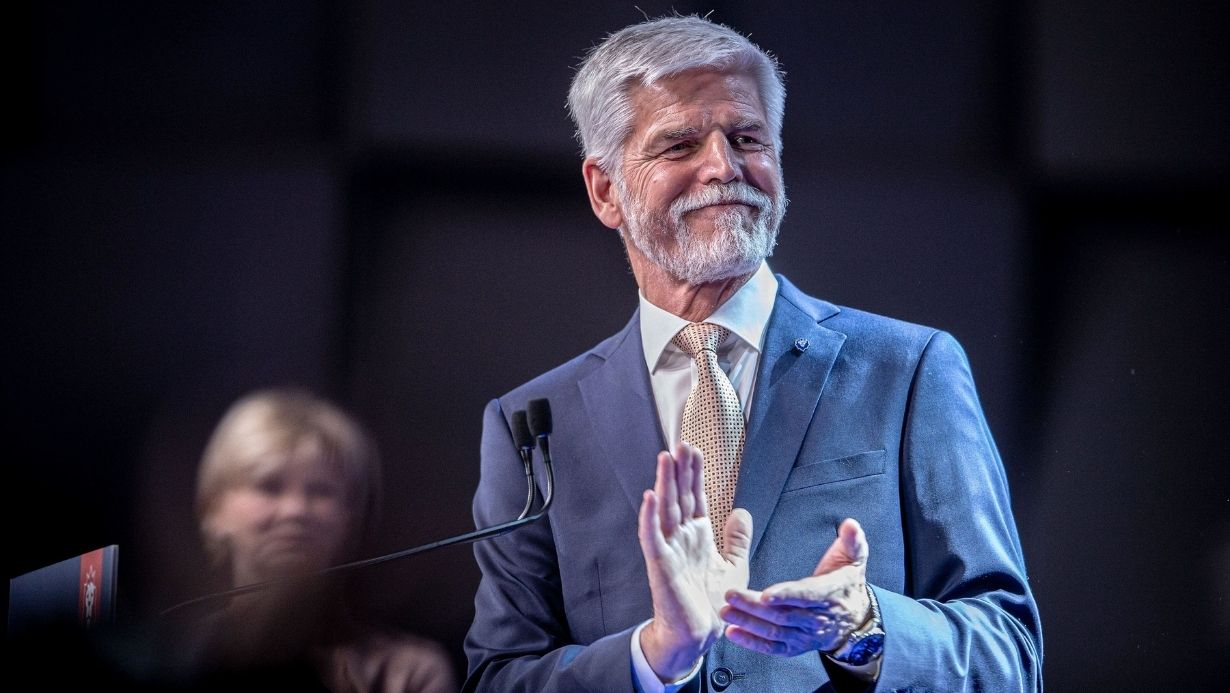
European nations must seriously consider the potential risks of Donald Trump winning the U.S. election and crafting an agreement with Vladimir Putin, which could be disadvantageous for both Ukraine and Europe, Czech President Petr Pavel said on Jan. 30. “It’s not about undermining transatlantic ties, it’s not about questioning the United States as an ally, but we have to realistically recognize that Donald Trump sees many things differently,” Pavel said. Ukraine, unlike Russia, currently has limited capabilities on the battlefield, he said. Therefore, the allies recommend limiting offensive actions and strengthening the defense. For this purpose, Kyiv needs not only purely defensive weapons but also weapons that can disrupt the supply routes of the Russian army, such as artillery, longer-range cruise missiles, and F-16 aircraft, stated Pavel. Trump repeatedly claimed that he would swiftly end Russia’s war against Ukraine within 24 hours if re-elected as president. Additionally, he expressed willingness to “allow” Russia to take over parts of Ukraine, arguing that Washington is providing Ukraine with excessive weaponry. Incumbent U.S. President Joe Biden officially announced in April 2023 his candidacy for a second term in the 2024 elections. Republican leader Donald Trump declared his candidacy for the 2024 White House...
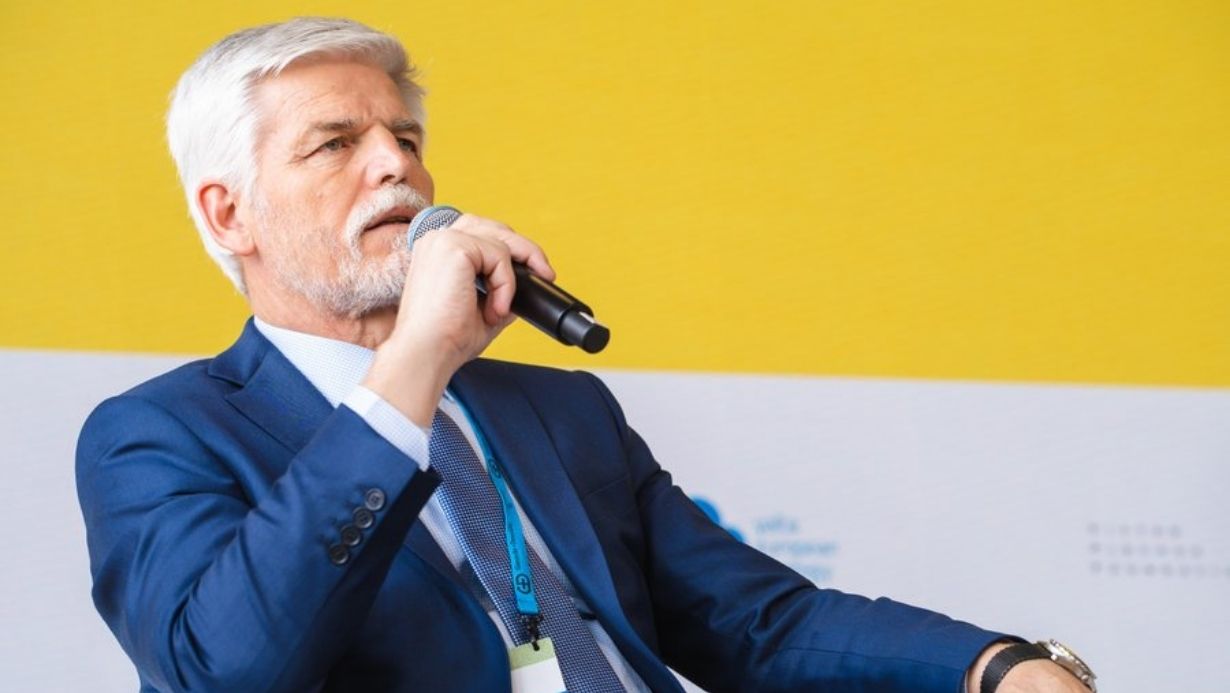
In an interview with Czech Radio on Monday, President Petr Pavel underscored the advantages of the Czech Republic adopting the euro, emphasizing its advantages for the country’s export economy and the opportunity to actively shape the future of the eurozone. Pavel initiated discussions on euro adoption in the country during his New Year’s speech, calling for strategic steps to facilitate the transition. While Finance Minister Zbynek Stanjura (ODS) currently dismisses the need for immediate consideration, Pavel argues that the Czech Republic’s strong export orientation aligns it closely with eurozone countries. He suggests that actively participating in eurozone decisions, rather than passively accepting them, would be more beneficial for the nation. President Pavel also highlighted the Czech Republic’s efforts to meet the Maastricht criteria this year, a prerequisite for joining the eurozone. He proposed the establishment of a euro adoption officer within the government to demystify the euro debate, emphasizing the need for informed decision-making and long-term public education. Pavel urged a careful examination of other countries’ experiences with euro adoption, dismissing fears of potential drawbacks and encouraging a more objective understanding of the fundamental political decision ahead. Who’s in favour, who’s against The Mayors and Independents and the Pirate Party,...
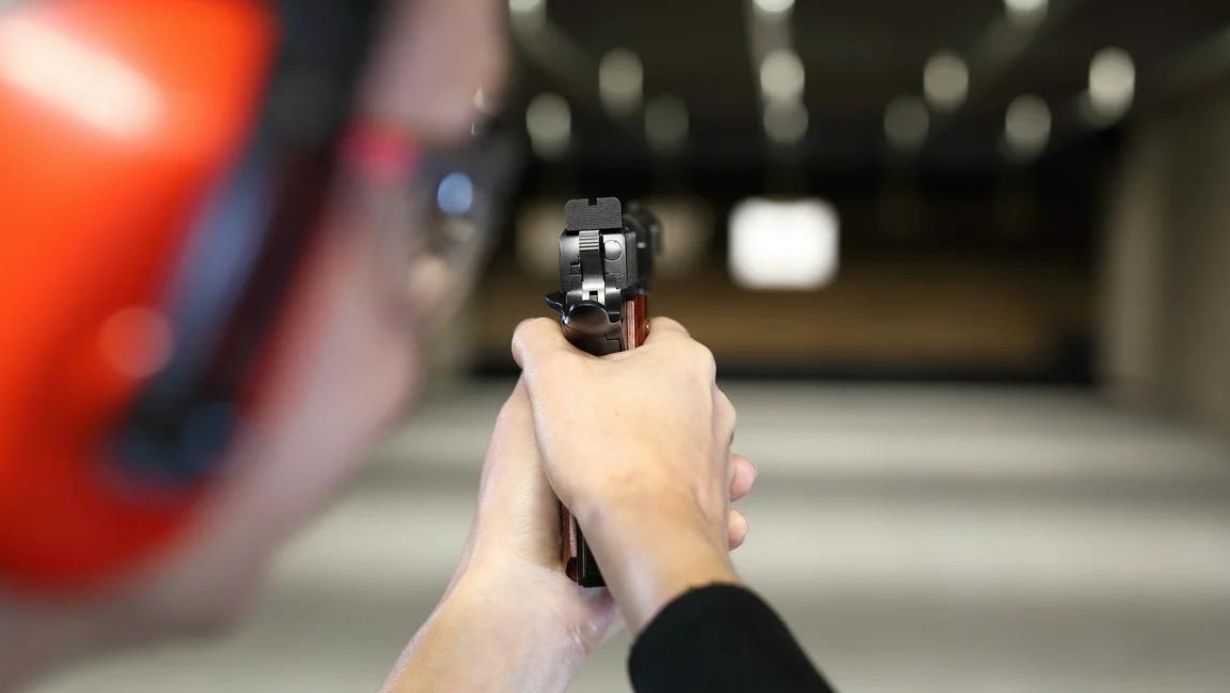
The Czech Parliament’s lower house on Friday approved an amendment to the country’s gun law that tightens requirements for owning a weapon more than a month after the worst mass killing in the nation’s history. The legislation now goes before the Senate and if approved there must then be signed by President Petr Pavel before becoming law. On Dec. 22, a lone shooter killed 14 people and wounded dozens before killing himself at a Charles University building in downtown Prague. The assailant was a 24-year-old student who had a proclivity for firearms, with a license to own eight guns, including two long guns. Authorities said he had no criminal record and therefore did not attract the attention of authorities. Parliamentary debate on the legislation had already begun before that shooting. Interior Minister Vit Rakusan has said it was hard to speculate whether the new rules would have prevented it if they had been in effect before it took place. In the 200-seat lower house, lawmakers approved the changes in a 151-0 vote. If approved by the Senate, where the ruling coalition government has a majority, and signed by President Petr Pavel, it would then be possible for authorities to seize...
The Czech Republic asks the EU to consider restrictions on the movement of Russian diplomats across the Schengen area. Minister of Foreign Affairs Jan Lipavsky offered to include the restriction in the next package of EU sanctions targeting Russia. “Czechia proposes to establish the restriction of the movement of Russian diplomatic mission staff and their family members only to the territory of the state where they are accredited. It is not right for Russian diplomats to take advantage of Schengen area. We will do our utmost to ensure that our proposal is included in the 13th sanctions package,” Lipavsky stated. He added that Ukraine’s security is “linked” to Czechia’s security and providing military and financial support to Ukraine in its defense against Russian aggression is “a must”. The Czech Republic has proposed that Russian diplomats be issued visas and residence permits that only allow travel within their host country and not the rest of the Schengen area. Prague also proposed only accepting biometric passports, which are more difficult to forge. The ministers also endorsed the decision made by the European Commission to launch legislation screening in Ukraine and Moldova and prepare the framework for negotiations regarding the states’ accession to...
European lawmakers on Thursday adopted a resolution calling for a permanent cease-fire in Israel’s war against Hamas, on the condition that the Palestinian militant group in Gaza be dismantled and that all hostages it holds be released. The conflict has divided European Union countries and political groups at the legislature, and reaching a consensus on the wording of the resolution was not an easy task. The original text underlined the need for a permanent cease-fire. It was adopted after an amendment tabled by conservative lawmakers was passed, insisting that Hamas needed to be dismantled for a cease-fire to happen and calling for the immediate and unconditional release of all remaining hostages. “Sustainable peace cannot exist as long as Hamas and other terrorist groups hijack the Palestinian cause and threaten the existence of Israel, the only democracy in the region,” Antonio López-Istúriz, an EPP lawmaker, said at the plenary. Responding to the resolution, a representative of the Israeli mission to the EU told Euronews that it shows the Parliament “has an understanding of the cause of the war and the means to end it.” “We are pleased that the resolution states clearly that a ceasefire is provided upon the unconditional release of...
Don’t have an account? Register
Already have an account? Log In
How Would You Like to Promote Your Business? PR ArticleDisplay bannersVideo productionNewsletter adsJob ListingsInfluencer Marketing
Your Email
We will come back to you within 24 hours with our proporsal