Czechia has the highest inflation rate in the entire European Union according to the latest report from the EU’s statistical office Eurostat. Prices in the Czech Republic climbed by 8 percent year-on-year, while the average EU inflation rate fell by 0.5 percent in November to 3.1 percent, the lowest it has been in around two years. In the Eurozone countries, inflation fell by 0.5 percent in November to 2.4 percent. However, the Czech Republic stands out with the highest inflation rate in the EU, witnessing an 8 percent year-on-year surge. In contrast, Belgium is already grappling with deflation, experiencing a 0.8 percent decrease in prices year-on-year. Within the euro area countries, November also witnessed a 2.4 percent inflation rate, confirming Eurostat’s initial estimate. Notably, EU-wide inflation is not factored into this estimate. Comparatively, a year ago, the inflation rate in the euro area was 10.1 percent, rising to 11.1 percent across the entire Union. The Czech Republic’s inflation surpasses that of other countries, such as Hungary, which historically held the highest inflation in the EU. Hungary now records a 7.7 percent inflation rate. In Poland, the inflation rate remained stable at 6.3 percent in October, while Slovakia experienced a decrease to 6.9 percent. In...
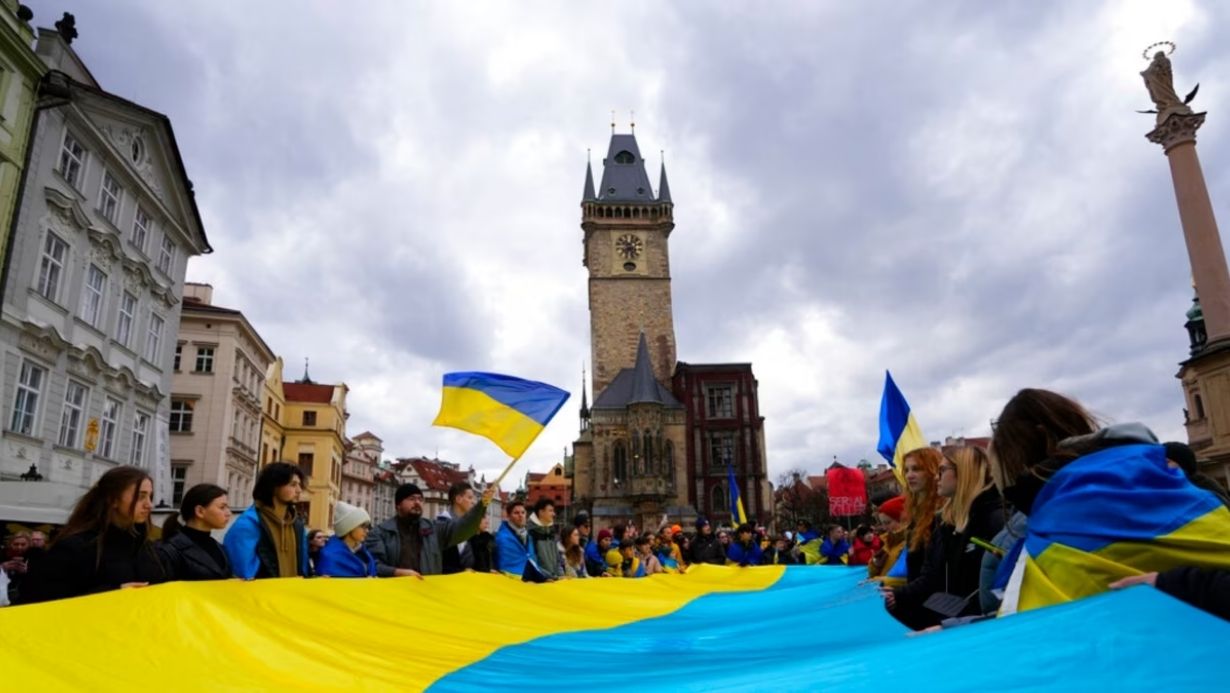
The European Union decided Thursday to open accession negotiations with Ukraine, a momentous moment and stunning reversal for a country at war that had struggled to find the backing for its membership aspirations and long faced obstinate opposition from Hungarian Prime Minister Viktor Orban. European Council President Charles Michel, who was chairing a Brussels summit of the EU’s 27 leaders where the decision was made, called it “a clear signal of hope for their people and our continent.” Although the process between opening negotiations and Ukraine finally becoming a member could take many years, Ukrainian President Volodymyr Zelenskyy welcomed the agreement as “a victory for Ukraine. A victory for all of Europe.” “History is made by those who don’t get tired of fighting for freedom,” Zelenskyy said. Belgian Prime Minister Alexander De Croo said it also was a black eye for Russian President Vladimir Putin: “It is a very clear message to Moscow. Us Europeans, we don’t let go of Ukraine,” he said. Orban said his opposition remained steadfast, but, with a unanimous decision required, he decided to let his right to oppose lapse because the 26 others were arguing so strongly in favor. Under EU rules, an abstention does not prevent...
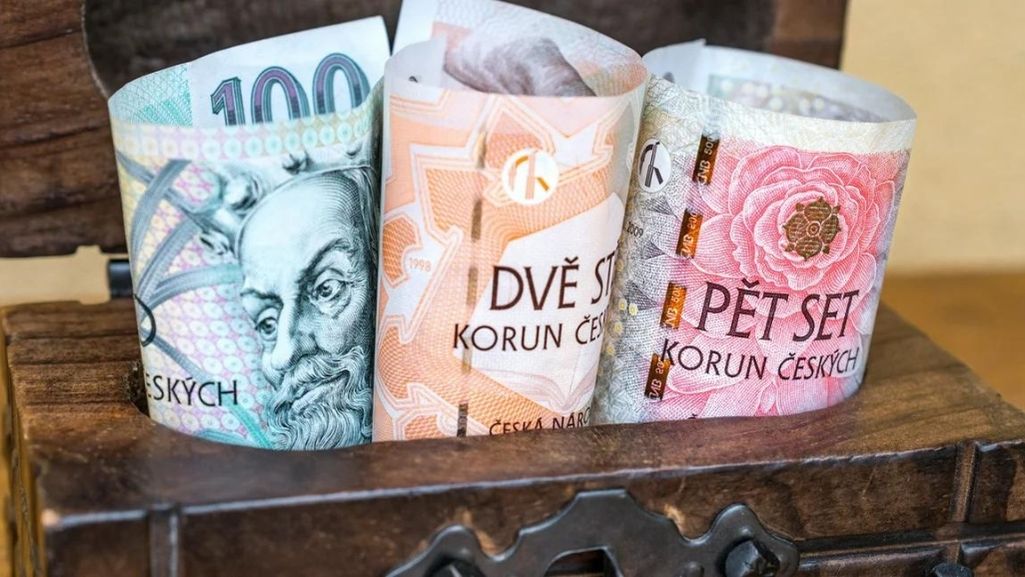
The Czech government approved a 1,600 crown or 9.2% increase in the monthly gross minimum wage to 18,900 crowns from January, Labour and Social Affairs Minister Marian Jurecka said on Wednesday. The increase is aimed to partially catch up with inflation which soared over the past two years. The extent of wage growth at a time of economic contraction and low unemployment has been a key factor for the central bank in its monetary policy deliberations. The minimum wage is only earned by about 118,000 Czechs among the roughly 5.2 million working population, but it serves as a benchmark for guaranteed wages in some professions, and a general indicator. Unions had demanded a 2,200 crown increase while employers had said a 1,000 rise was acceptable. Experts: minimum gross decent wage should be CZK 40,912 The minimum gross decent wage for a full-time job in Czechia that would cover the needs of an adult with a child, as well as leisure time and small savings, should be CZK 40,912. I n Prague, it should be CZK 42,776 due to the higher cost of living. The estimate was presented by a team of experts from the independent and informal Platform for a...
Customers of Pražská Teplárenská, a heating company controlled by the Veolia group, have recently received letters indicating that heating prices will increase by six percent in the new year. According to the company, they strive to keep heating prices at a lower level; however, they must consider the development of fuel costs, emission permit prices, increasing operating and maintenance costs, and the high inflation rate. One reader, surprised by the justification, pointed out that this year, the price of gas, which Pražská Teplárenská uses during peak times, has significantly decreased. He complained that over the past two years, the cost of heating in Prague has risen by half. Pavel Maďar from Pražská Teplárenská told Novinky that the production of heat for Prague depends only slightly on gas, accounting for about 2.5 percent of total supplies. The reduction in the price of gas has only a partial impact on the overall price formation of Pražská Teplárenská, which was reflected in a slight decrease in the variable component of the price for 2024. However, a significant increase in other costs has led to an average price increase of six percent. In contrast, the company Teplo pro Prahu will maintain this year’s price...
The Czech Republic’s unemployment rate held steady in November, figures from the labor office showed Friday. The unemployment rate came in at 3.5 percent in November, the same as in the previous month. Meanwhile, economists had expected the rate to rise to 3.6 percent. In the corresponding month last year, the jobless rate was also 3.5 percent. There were 263,226 unemployed people in November, up from 260,641 a month ago. The labor office reported that by the end of November, job offices had registered a total of 278,708 vacancies, indicating 1,788 less vacancies than in the preceding month. Minimum wage to increase to CZK 18,900 The minimum wage is expected to increase by CZK 1,600 to CZK 18, 900 from January, Labour Minister Marian Jurečka said at a press conference last Wednesday. Within a few years, it should stabilize at 45 percent of the average wage. According to the minister, the minimum wage should start rising from 2025 according to a formula, which is to be regulated by the Labour Code. Four of the eight levels of guaranteed wages should also increase next year. The proposal will be discussed by the government next week.
Czech retail sales decreased by 1.4% year on year and increased by 0.6% month on month in October, in the softest monthly drop in a year and a half. The drop in sales eased compared to the 4% y/y drop in September and the 2.8% y/y drop in August. “Compared to October 2022, sales of food and non-food goods decreased, whereas sales of automotive fuel increased,” commented Jana Gotvaldova of the Czech Statistical Office (CZSO). “All assortment types of stores except for those with cosmetic and toilet recorded a decrease in sales,” she added. Retail sales of clothing, footwear and leather goods in specialised stores decreased by 6.1% y/y, while sales of information and communication equipment decreased by 3.1%. Sales of other household equipment decreased by 2.9%, and food sales decreased by 2.4%. Sales of cosmetic and toilet articles increased by 5.9% y/y. Retail sales via internet and mail grew by 5.3%. Sales and repair of motor vehicles rose by 0.3% m/m and by 5.9% y/y. Analysts surveyed by the Czech Press Agency (CTK) say the dampened consumer situation in the country is slowly signalling an uptick, although an increase in retail sales is not expected until next year with lower inflation and growth of real...
In a bid to adapt to the evolving work landscape, the Czech government has introduced a new initiative to compensate home office workers. Starting in January next year, employers are recommended to provide an additional CZK 4.50 per hour for remote work to cover associated expenses. This translates to an extra CZK 720 for a standard 160-hour work month, as stated by the Ministry of Labor and Social Affairs. The suggested amount reflects the potential costs incurred by employees while working from home, encompassing electricity and gas consumption, water fees, heating, and waste disposal. The calculation is based on the average hourly consumption of an adult in a typical household. The proposal, currently undergoing review, is not anticipated to undergo significant changes as it aligns with legal stipulations. The Ministry is in the process of determining the allowance in accordance with revisions to the labor code, which outlines the definition of these compensations. Importantly, these allowances are distinct from the salary and remain untaxed. While the suggested compensation is not obligatory, employers have the flexibility to offer a higher sum or choose not to provide any compensation at all. The exact amount is subject to negotiation between the employer and...
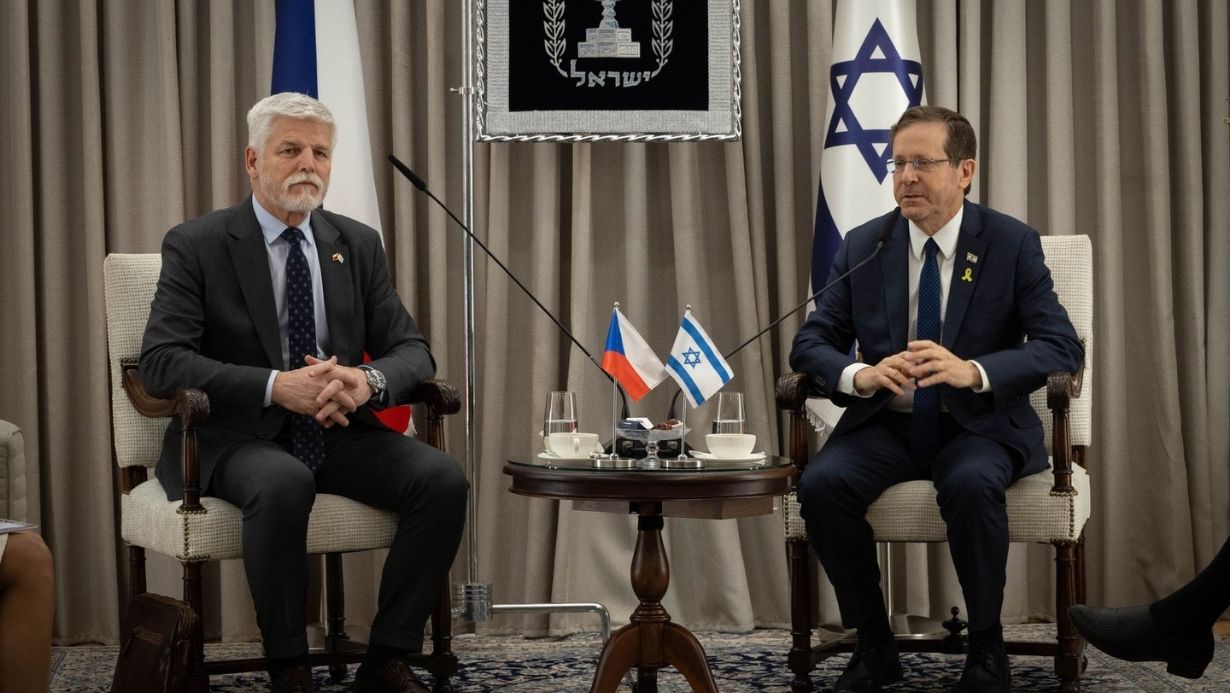
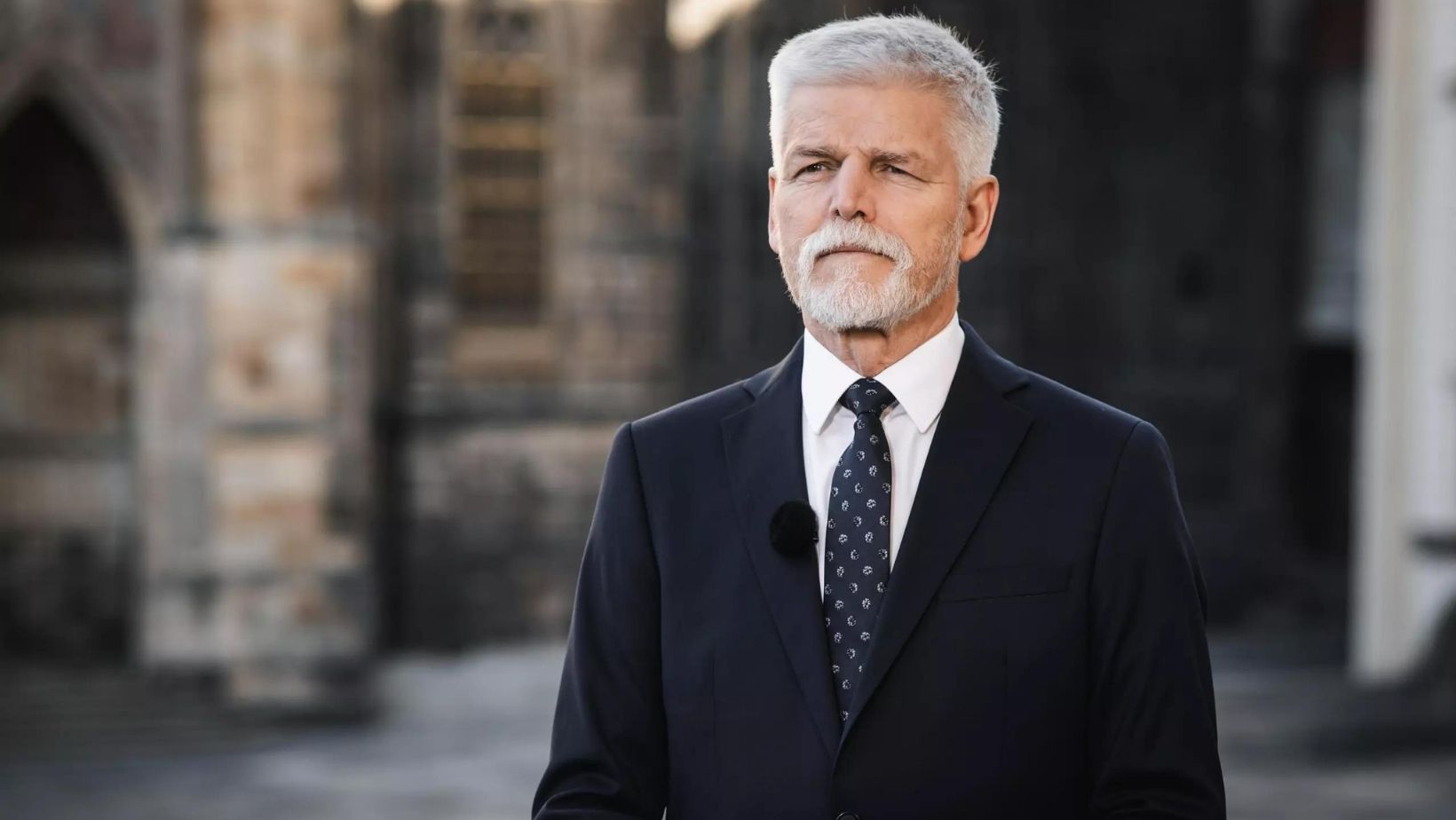
Czech President Petr Pavel is among the 28 most influential people who will co-determine the character of Europe in 2024.
U.S. financial services firm Moody’s has upgraded the Czech Republic’s economic rating outlook from negative to stable, citing reduced risk linked to Russian gas supplies. The country’s shift to alternative gas sources and lowered gas demand by households and businesses contributed to this change. In August, the Czech Republic agreed to buy the main Czech gas storage company RWE Gas Storage CZ to bolster energy security, and in May signed a deal to boost capacity along the Transalpine Pipeline and cut off dependence on Russia from 2025. “The Czech Republic has become independent from Russian gas thanks to an effective substitution of Russian gas and structurally lower demand,” Moody’s said in its statement. About 98% of the Czech Republic’s gas supply was imported through pipelines from Russia prior to the Russia-Ukraine war, according to the ratings agency. On Friday, Czech Prime Minister Petr Fiala said he supported Slovakia’s request to continue exports of fuel produced from Russian oil to the Czech Republic beyond a Dec. 5 deadline. According to Moody’s, fiscal consolidation (policy to reduce debt) of around 2 percent of GDP over two years stabilizes the country’s debt burden. Furthermore, proposed pension reforms aiming to restrain costs from an...
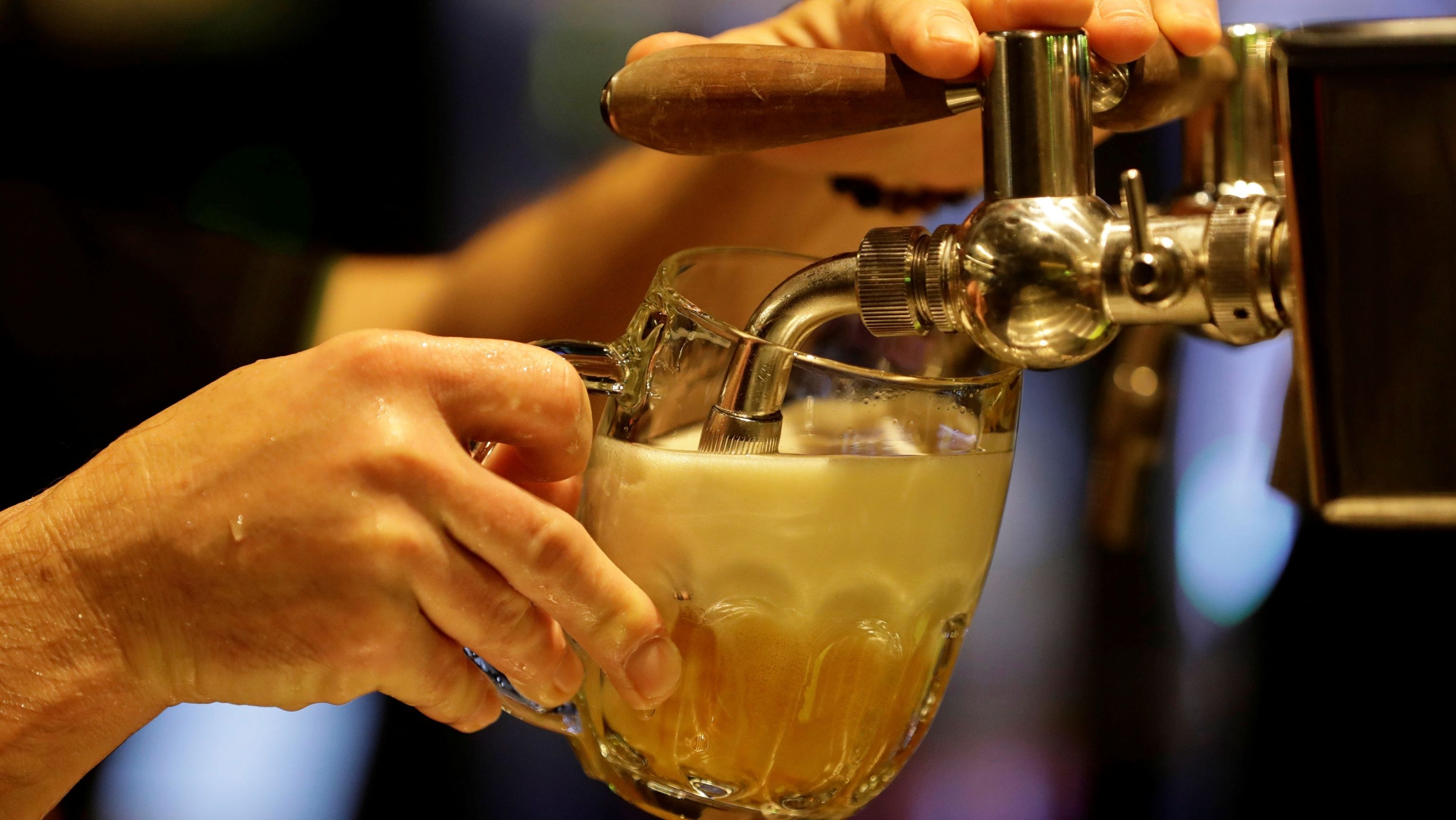
The measures will see Czechs pay more taxes on alcohol and medicine, while businesses will also pay higher corporate taxes. Czech President Petr Pavel has signed into law an economic package of dozens of measures introducing budget cuts and increased taxes designed to keep the ballooning budget deficit under control. Pavel’s signature was the last step before the government proposal — which was approved by parliament — turned into law, meaning Czechs will pay more taxes on medicine and alcohol, in the country renowned for its beer. Value-added tax will have two rates, 12% and 21%, instead of the current three — 10%, 15% and 21%. Medicines will move from the 10% rate to 12%, while people will pay 21% VAT on their beloved beer in bars. Businesses will also pay higher taxes: corporation tax will go up by two points to 21% while property tax for individuals will be also hiked by 1.8 times, as well as the tax on alcohol, tobacco and betting. Prime Minister Petr Fiala previously said the austerity measures were necessary because the debt was rising at a “threatening” pace. Pavel has said the current situation is unsustainable. According to the government, the measures should...
The Czech government has proposed a document that, among other ideas, includes making visa issuance for Russian diplomats more stringent as part of negotiations on the 12th package of EU sanctions against Russia. The package is currently being debated by the Schengen countries and has yet to be approved by the respective governments. According to Czech officials, Russian diplomats should be able to obtain visas and residence permits that allow them movement only within one Schengen country instead of the whole area. The same points out that the measure is aimed at countering espionage. Over 70 Russian nationals were expelled from Czechia last year as an act of solidarity with Ukraine, which has been fully invaded by Russian troops ordered by Russian President Vladimir Putin. In addition to restricting Russians to only one Schengen country, Czechia also believes that the EU should accept only biometric passports in hopes of harder-to-forge documentation and in an effort to limit links to fake identities. One of the issues that Prague mentioned was related to Russian officials who were obtaining Austrian visas to work for UN agencies in Vienna and then travelling elsewhere in the Schengen Area. By the middle of the month, the...
Czech President Petr Pavel during the meeting with the commanders of Czech Armed Forces warned the public that the supply of weapons needed for the success of Ukraine is being obstructed and does not meet expectations. Source: Pavel’s speech cited by a Czech information agency ČTK, as reported by European Pravda. “This is not the best starting point to survive a hard winter and achieve success against an opponent who used all his time, learned his lessons, increased military production, enhanced military production plans and is able to achieve the same quantity or even more of military equipment and ammunition than we are able to send from the West.” Pavel remarked that the Ukrainian counteroffensive is not developing in the way Ukrainians had expected: among other things, the Western support was not sufficient and quick enough, and the time spent on preparations allowed Russia to prepare for the offensive by the Ukrainian forces “very well”. Pavel added that the supply of armament needed for Ukraine to achieve success is still being obstructed and does not reach the necessary level. And the Ukrainian soldiers are not only understandably tired but also more and more disappointed with the Western support. The Czech...
Don’t have an account? Register
Already have an account? Log In
How Would You Like to Promote Your Business? PR ArticleDisplay bannersVideo productionNewsletter adsJob ListingsInfluencer Marketing
Your Email
We will come back to you within 24 hours with our proporsal