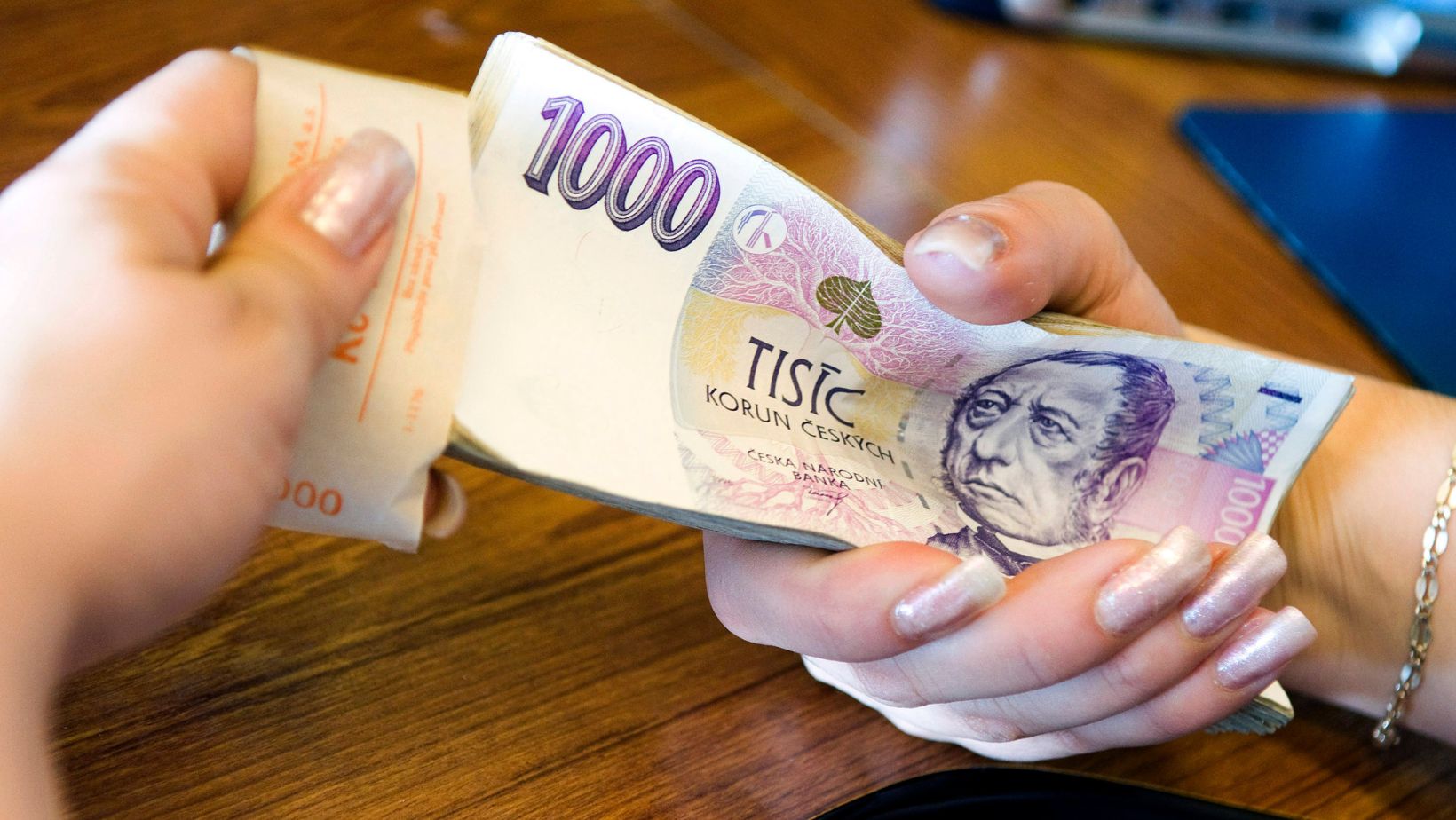
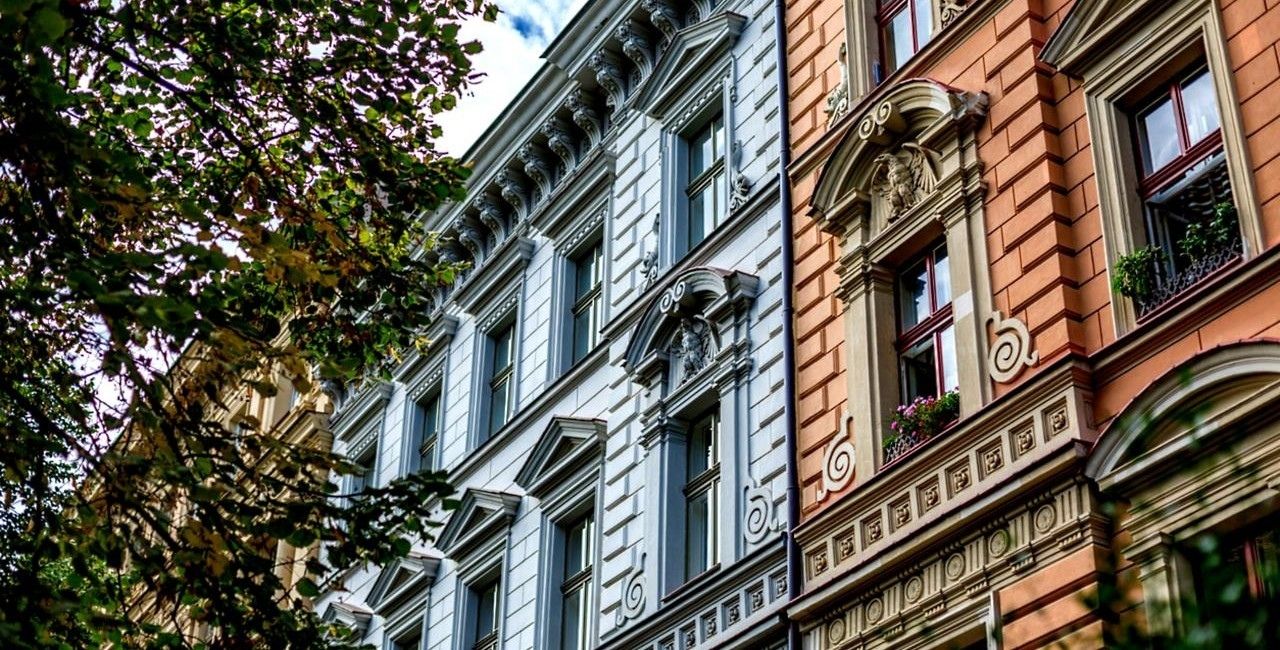
Deloitte, a financial consulting firm, has reported a 1.2% decrease in apartment prices during the first quarter of this year compared to the previous quarter. The average price per square meter stood at 92,200 CZK. This decline can be attributed to reduced demand resulting from inflation, higher mortgage rates, and increased real estate costs due to high energy expenses and ongoing construction projects. Despite the decrease, apartment prices remain 70% higher than pre-pandemic levels. Among the regions analyzed, the most significant drop in average apartment prices was observed in Liberec, where prices decreased by 15.6% compared to the last quarter of 2022. Ostrava and Pardubice experienced price reductions of 12.6% and 11.2%, respectively. Conversely, Usti nad Labem saw an average price increase of 4.4%, while Zlin observed a rise of nearly 5%. In Prague, overall prices remained relatively stable, with a slight increase of 0.2%. However, price fluctuations varied across different areas of the capital. Prague 8 witnessed a 5.5% increase in prices, followed by a 3.8% increase in Prague 3, and a 2.8% increase in Prague 9. On the other hand, the city center experienced significant price declines, with a substantial drop of 18% in Prague 1 and 12%...
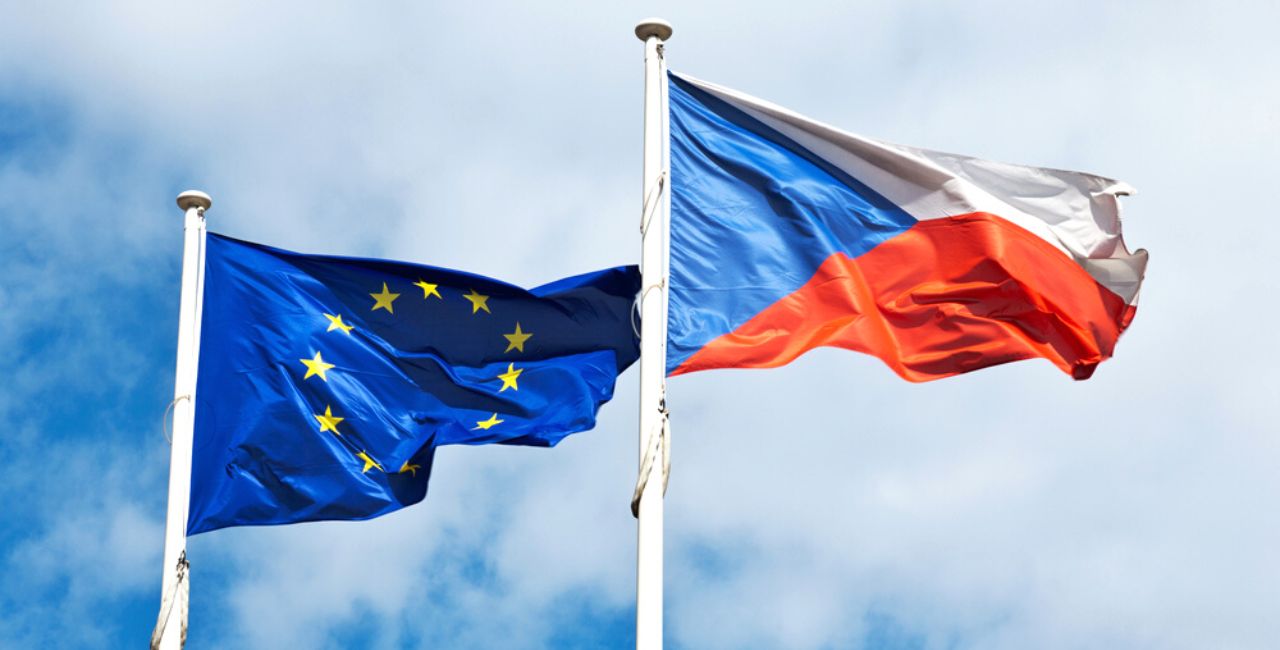
According to a new survey conducted by the Center for Public Opinion Research (CVVM), Czech citizens’ trust in various international organizations has experienced a decline. The poll revealed a drop in confidence in the European Union (EU) from 58% to 46% compared to the previous year, alongside significant decreases in trust for the North Atlantic Treaty Organization (NATO) and the United Nations (UN), down to 56% and 52% respectively. The survey, carried out by CVVM between late March and late May of this year, highlighted the interconnected nature of trust in these organizations. Individuals who expressed trust in one of these bodies were more likely to trust the other two as well, although the link between trust in the EU and the UN appeared slightly weaker compared to the connection between NATO and the EU. This year’s survey revealed a prevailing sense of distrust in the EU, with half of the respondents expressing negative sentiments towards the organization. Another 4% of participants indicated that they were unsure. Additionally, 36% expressed mistrust in NATO, while 37% lacked trust in the UN. These figures represented an 11-percentage-point decrease from the previous year, which saw 67% of Czechs placing their trust in NATO...
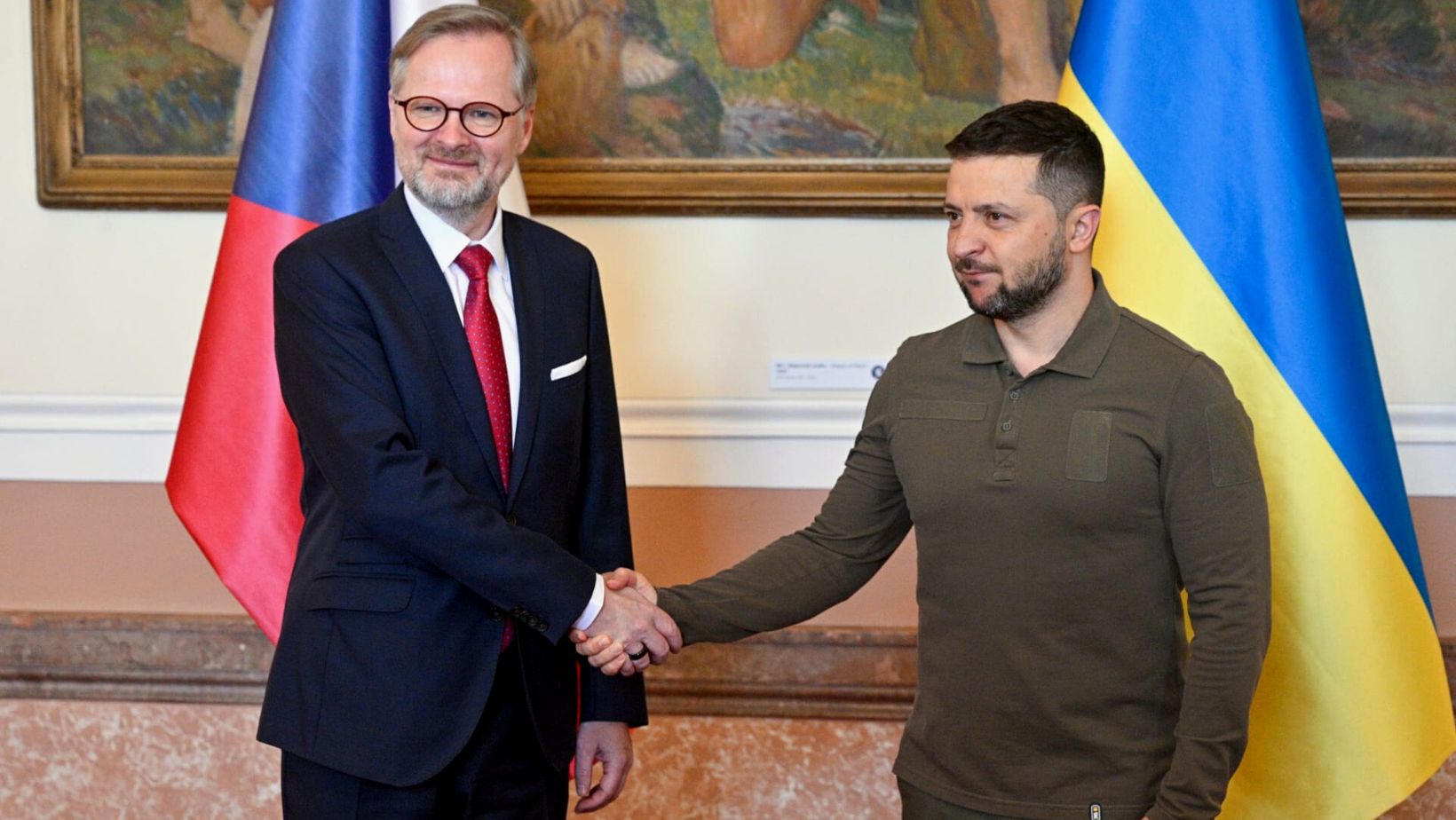
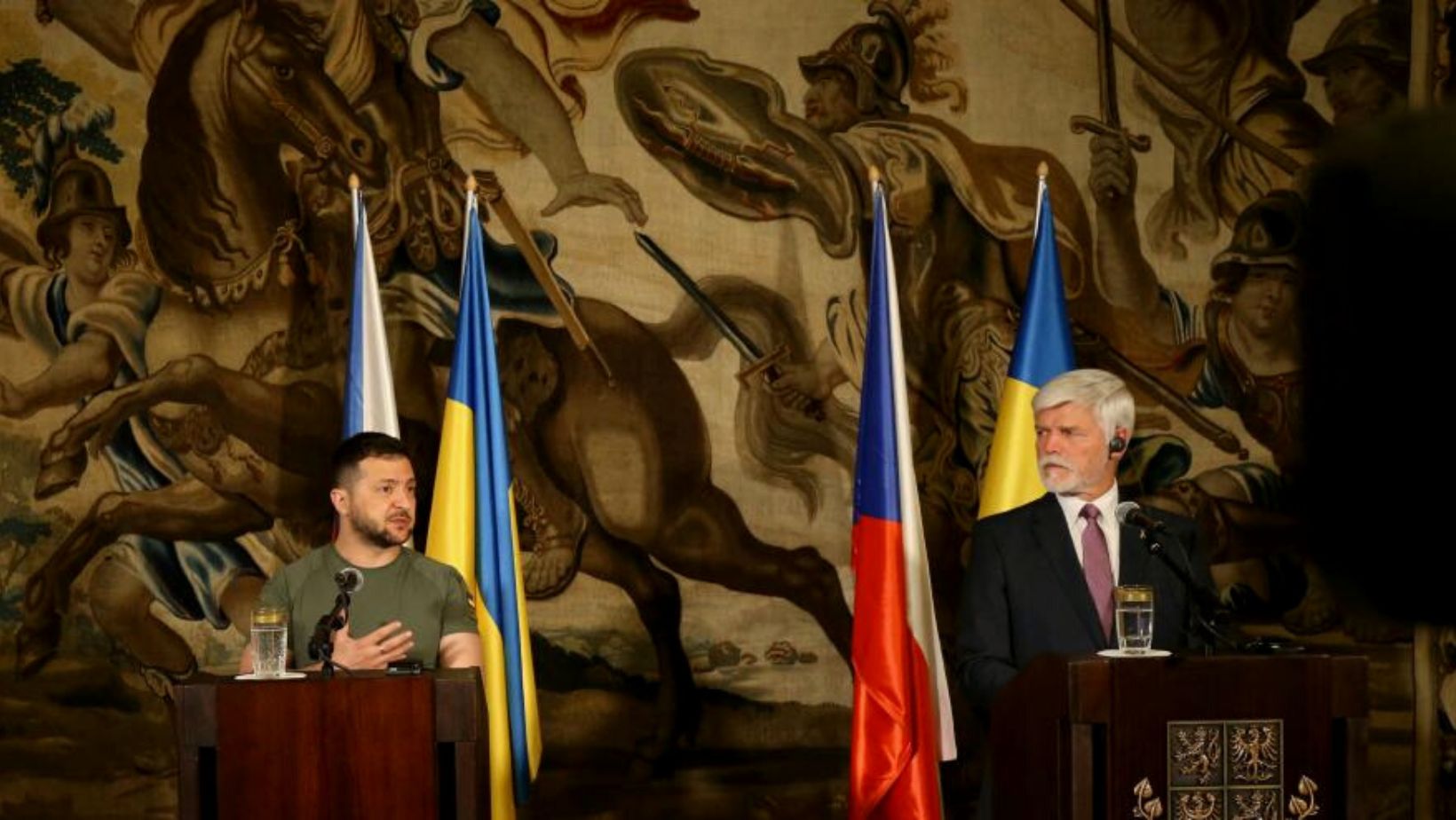
Prime Minister Petr Fiala tweeted on July 7 that Czechia would send Ukraine additional attack helicopters and “hundreds of thousands” rounds of large-caliber ammunition “in the coming months.” Czechia will also help Ukraine to train its pilots, including on F-16 fighter jets, said Fiala. The country will deliver flight simulators to enable Ukraine to conduct the training on its soil, not just in Western countries. The announcement comes a day after President Volodymyr Zelensky arrived in Prague to meet with Czech President Petr Pavel, PM Fiala, and other top officials. Their talks have reportedly focused on defense assistance to Ukraine, the unfolding situation at the Zaporizhzhia Nuclear Power Plant, the Ukrainian peace formula, and the upcoming NATO summit, among other topics. Before Czechia, Zelensky visited Bulgaria, and his next stop will be Istanbul, Turkey. Ahead of the Vilnius summit, Kyiv is actively seeking additional support for Ukraine’s NATO membership bid. Ukraine hopes to receive a “clear signal” from allies regarding its membership prospects at the event, set to take place on July 11-12. According to PM Fiala, Czechia has supplied Ukraine with 676 pieces of heavy equipment and over 4 million ammunition rounds since the beginning of Russia’s full-scale invasion. For 2023, Prague has reportedly committed...
The Czech Republic witnessed a decrease in consumer price inflation in June, marking a significant milestone as inflation fell below 10% for the first time since January 2022. According to analysts from ČTK, this decline can be attributed to a comparison with last year’s figures and the influence of a strong koruna, along with reduced demand. In May, inflation was recorded at 11.1%. The Czech Statistical Office (CZSO) is scheduled to release the inflation data for June later this week. Experts from Raiffeisenbank estimate that the annual inflation rate for June will be approximately 9.7%. They point out that falling fuel prices have played a significant role in the disinflationary process, as they have dropped by more than 20% compared to the previous year. This decline is primarily due to the high base effect from last year, when fuel prices reached record highs during the summer. The analysts also anticipate a decrease in regulated prices, influenced by lower electricity and gas prices in the market, as well as government regulations. However, food prices continue to contribute to sustained high inflation. Vít Hradil, Chief Economist at Cyrrus, suggests a possible slight increase in the food sector compared to May, and with...
Ukrainian President Volodymyr Zelenskiy made his way to Prague last night to engage in discussions with President Petr Pavel. During their meeting, Zelenskiy expressed his gratitude to Pavel for the Czech Republic’s assistance to Ukraine. Additionally, he highlighted the detrimental effects of Russian propaganda, which he believes is also impacting the Czech Republic. Zelenskiy commended the Czech Republic for its visible efforts in supporting the freedom of the Ukrainian people. He emphasized that it would be ideal for Ukraine to receive an invitation to join NATO, asserting that the current moment is opportune for unity, despite the challenges of aligning all alliance members on the same stance. He expressed his appreciation for the warm welcome in the Czech Republic, acknowledging their involvement in Ukraine’s defense, politics, and various other endeavors. He recognized the Czech Republic’s significance in terms of military aid, arms supplies, support for sanctions against Russia, and backing Ukraine’s accession to the EU and NATO. Furthermore, Zelenskiy lauded the Czech Republic’s acceptance of hundreds of thousands of refugees and shared his aspiration for a future where all people can feel secure and Ukrainians can return to their homeland. Regarding the upcoming NATO summit in Vilnius, he viewed an...
Czech authorities are investigating activities of a Russian cultural centre operated by the sanctioned Moscow state agency, Rossotrudnichestvo, which is still operating in the Czech Republic, according to Czech Television. The Russian cultural centre, also known as the Russian House, is located in Prague and is well known for having a booklet with anti-Ukrainian themes translated into Czech. However, while the building only opens a few times a month for scheduled events and is otherwise closed to the public, the centre is active on websites and social media. It recently shared a speech by Russian President Vladimir Putin where he spoke about how Russia is today fighting its toughest battle for its future and is repelling the aggression of neo-Nazis and their masters. According to Czech Television, the Czech authorities, including the secret services, monitor the centre’s activities. They are also investigating possibly adding the centre to the national sanctions list. The list has only three names so far; Patriarch Kirill, oligarch Vladimir Yevtushenko and his son Felix Yevtushenko. It is estimated around a dozen people work around the centre, all with diplomatic status’ but they are unwilling to talk about its activities to the public. While some European countries...
The Czech Chamber of Deputies made a significant step towards legalizing same-sex marriage by approving an amendment to the Civil Code in its initial reading. Despite facing opposition, the draft amendment successfully withstood proposals to reject it and undergo further revision, paving the way for further evaluation. The draft will now be submitted to the members of the Constitutional Law Committee for consideration. It will have four months to review the draft instead of the usual two. In addition to the proposed amendment to the Civil Code, another group of lawmakers presented a proposal to amend the Charter of Fundamental Rights and Freedoms, a component of the Czech constitution, in order to define marriage as the union between a man and a woman. This proposal also passed its first reading. During the vote, out of the 141 attending MPs, 58 favored rejecting the same-sex marriage proposal, while 68 voted against it. Similarly, 60 MPs out of the 139 present voted to dismiss the constitutional amendment, while 64 voted against it. Both proposals will now advance to a second reading. If the amendment to the Civil Code is implemented, same-sex couples will gain the same marriage rights as opposite-sex couples, including...
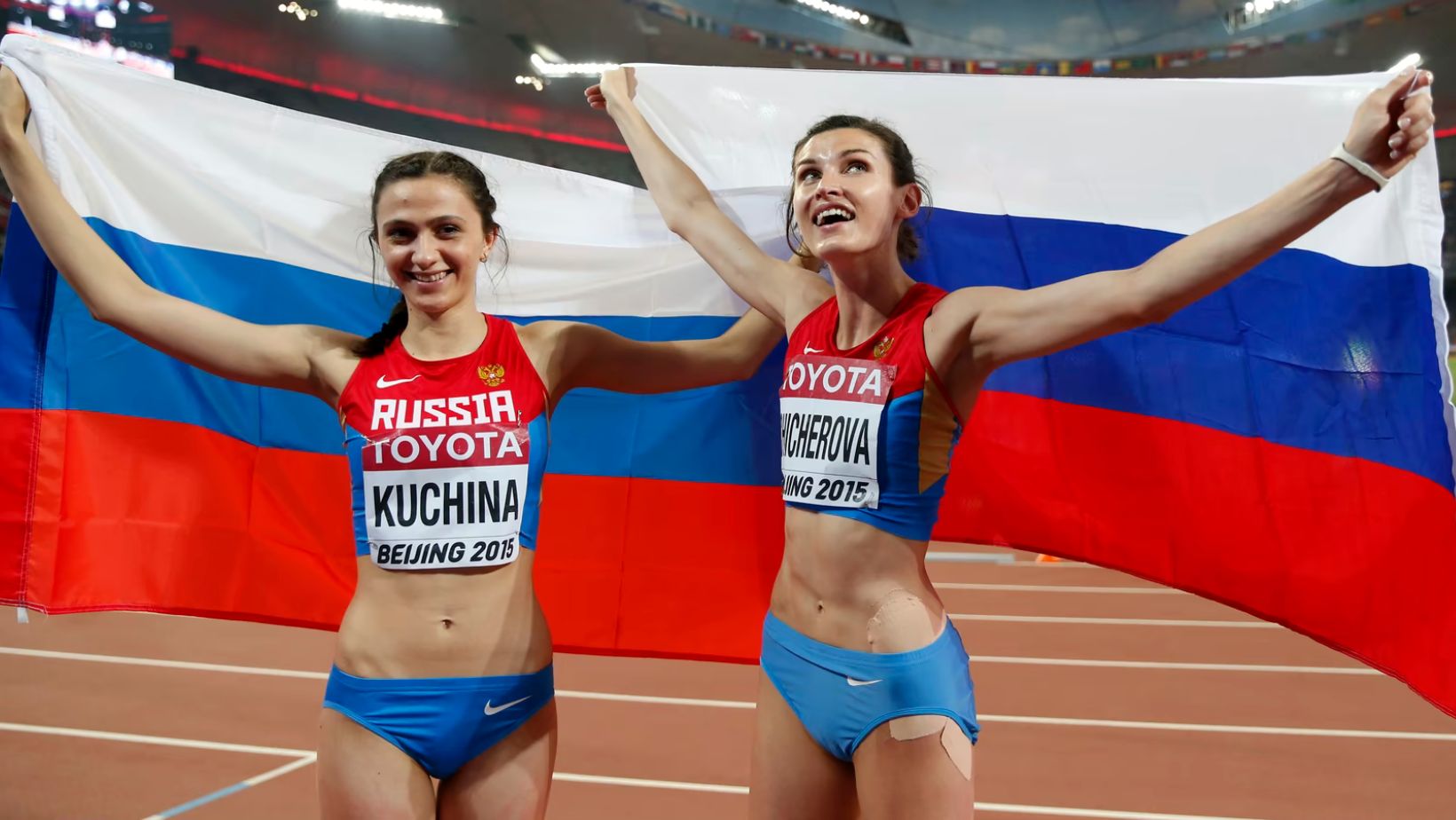
The Czech government said late on Wednesday it had banned all athletes representing Russia from taking part in local competitions as the Russian invasion of Ukraine continued. The government said it banned “the participation of individual athletes and sports teams representing the Russian Federation in sports competitions and games organised on Czech soil”. At the same time, athletes and teams representing the Czech Republic must not take part in competitions held in Russia, it added in a statement. The decision was taken at the request of Czech sports associations. Previously, Czech ice hockey players playing in the Russian-based Kontinental Hockey League could not play for the Czech national team, for instance. But the current ban applies to all sports and all athletes competing under the Russian and Czech flags, respectively. There was no information as to whether the move also concerns Belarusian athletes. The Czech Olympic Committee said earlier this year it was against Russian and Belarusian athletes competing at the 2024 Olympic Games in Paris under a neutral flag. An EU and NATO member of 10.8 million people, the Czech Republic has provided Ukraine with substantial military and humanitarian aid since the Russian invasion started in February 2022.
The Czech Republic and six other EU countries have called for a faster process of EU enlargement into the Western Balkans. The declaration was adopted at the foreign ministers’ meeting in Austria on Friday, according to the APA Austrian news agency. The statement was jointly signed by Austrian Foreign Minister Alexander Schallenberg, his Czech counterpart Jan Lipavsky, and the foreign ministers of Slovakia, Slovenia, Croatia, Greece, and Italy. Schallenberg referred to the initiative as ‘Friends of the Western Balkans’. In a call for action directed towards the other member states of the EU27 and the European Commission, the signatories of the Gottweig Declaration are advocating for “gradual and accelerated integration with concrete steps for 2024 and beyond”. “We feel that the EU enlargement process has sometimes been too slow, complex, and bureaucratic,” said the group. The ministers assert that the process has yielded few tangible results so far, particularly for the people of these countries, especially the youth, leading to “disillusionment and alienation towards the EU”. The ministers also cautioned that Russia’s aggression against Ukraine poses a threat to both the EU and the Western Balkan countries. Furthermore, the recent violent events in northern Kosovo have demonstrated that unresolved tensions...
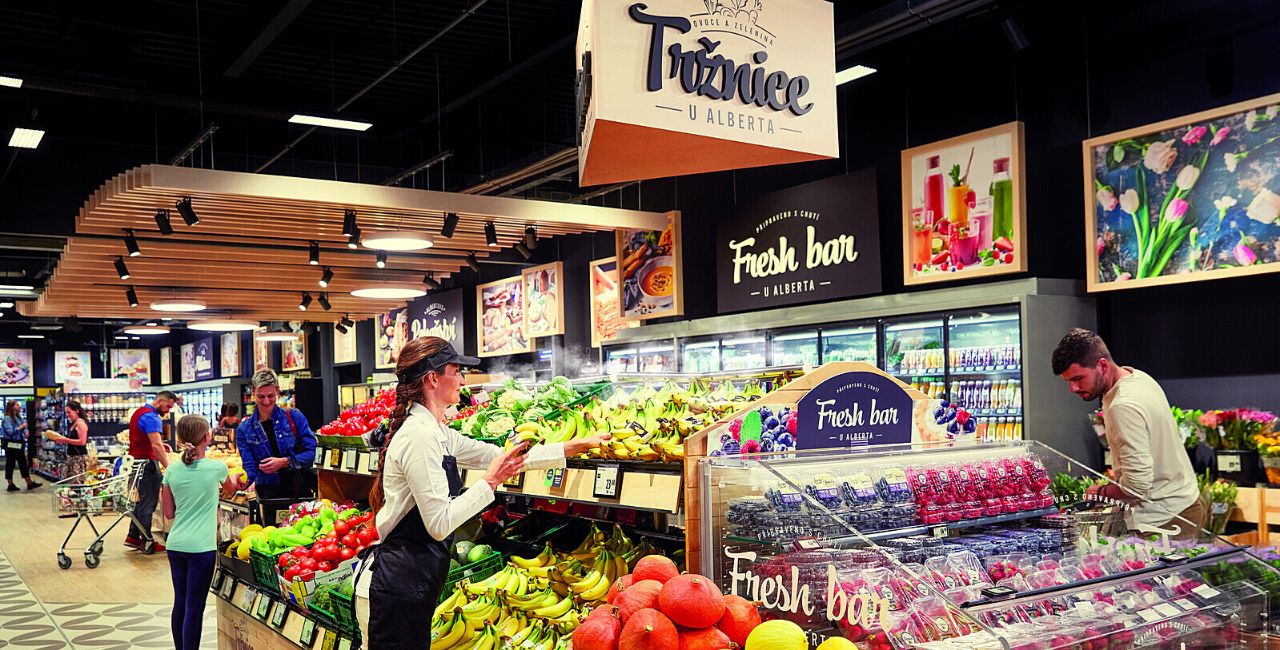
The long-criticized Czech Agriculture Minister Zdeněk Nekula is set to be dismissed from his post later on Wednesday after a less than satisfactory performance in recent months, which was not helped by rising food prices. Government officials called an extraordinary press conference in the Chamber of Deputies for 2:30 p.m. where they are expected to announce that Nekula will be replaced by former KDU-ČSL party chairman, Marek Výborný. The move has been in the pipeline for several weeks, according to sources cited by the Echo 24 news outlet. Nekula has faced public criticism, and members of his own party have expressed concern over what they consider to be insufficient efforts by the agriculture minister in lowering food prices. Nekula sought to assert his position in a press conference on Tuesday in which he explained that food prices were 14.5 percent higher year-over-year in May, compared to almost 25 percent back in January. He did concede, however, that this doesn’t tell the whole story, revealing that staple food items continue to rise at considerable speed. “Some foods have even become more expensive compared to April,” he told the press, citing meat, dairy products, and vegetables as examples. Other critics took issue...
Wages across the Czech Republic have decreased by 6.7 percent in real terms over the past 12 months, according to data published on Monday by the Czech Statistical Office (ČSÚ). Despite the average gross salary increasing by 8.6 percent year-over-year in the first quarter of 2023, spiraling inflation in recent times has resulted in a decline in purchasing power for Czech citizens. Inflation has slowed more than expected over the past two months. The country recorded an annual inflation rate of 12.7 percent in April, down from 15 percent in March, while analysts had forecast a rate of 13.3 percent for April. However, food prices are still increasing at an annual rate of 17.3 percent, restaurant and hotel prices are 17.5 percent higher than last year, and housing and utility costs are up 17.6 percent; meanwhile, clothing and footwear prices are up 13.1 percent, while the cost of recreational activities has seen a jump of 12.9 percent. Real wage growth depends on consumer price growth. In the first quarter of this year, this reached 16.4 percent, the second-highest value this century in Czechia. The median wage rose in the first quarter compared to the same period of last year by...
The number of people in Czechia who cannot pay their rent is increasing, with cases tripling year-over-year in some areas of the country. A worsening economic situation and inefficient processes in relation to the rental market have led to a concerning rise in non-payments. Tenants often find it difficult to find alternative housing, resulting in an accumulation of debt, while landlords often experienced legal difficulties in evicting non-paying tenants, costing them significant time and financial resources. According to data from the Ideal Tenants service, the number of defaulters rose by 11 percent year-over-year in the last quarter of 2022 before rising by 34 percent year-on-year in January. “In the statistics we present, we consider a tenant as a defaulter when he owes more than one month and at least 500 crowns, in order to filter out possible small arrears that could have arisen through oversight,” spokesman Tomáš Skolek told Echo24. Both landlords and experts at the Ministry of Labor believe that legislative reform is required to enable the market to work more effectively. They claim that by reducing the default period required before a landlord can evict a non-paying tenant, landlords would be more inclined to offer longer-term contracts to tenants,...
Don’t have an account? Register
Already have an account? Log In
How Would You Like to Promote Your Business? PR ArticleDisplay bannersVideo productionNewsletter adsJob ListingsInfluencer Marketing
Your Email
We will come back to you within 24 hours with our proporsal