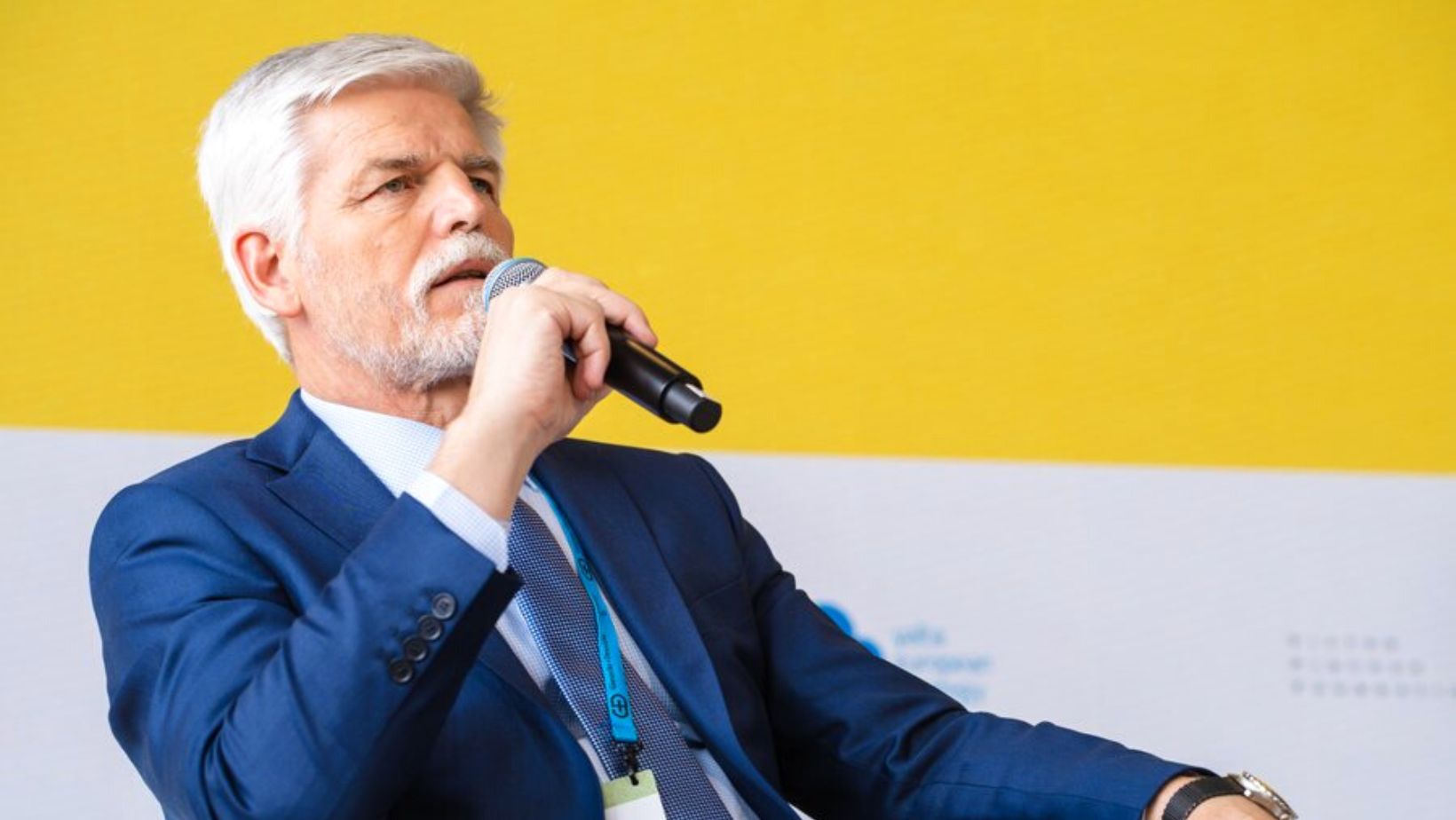
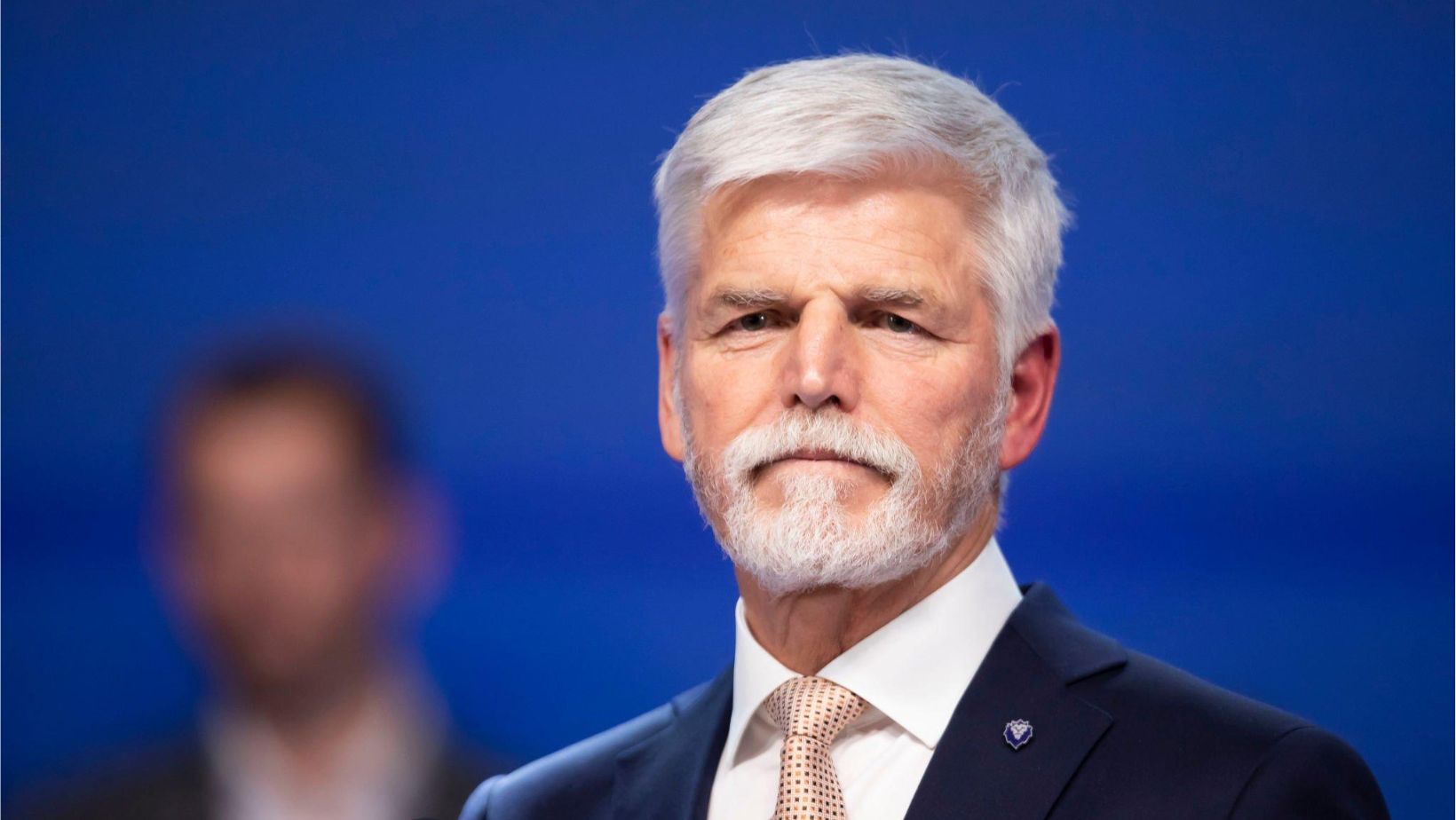
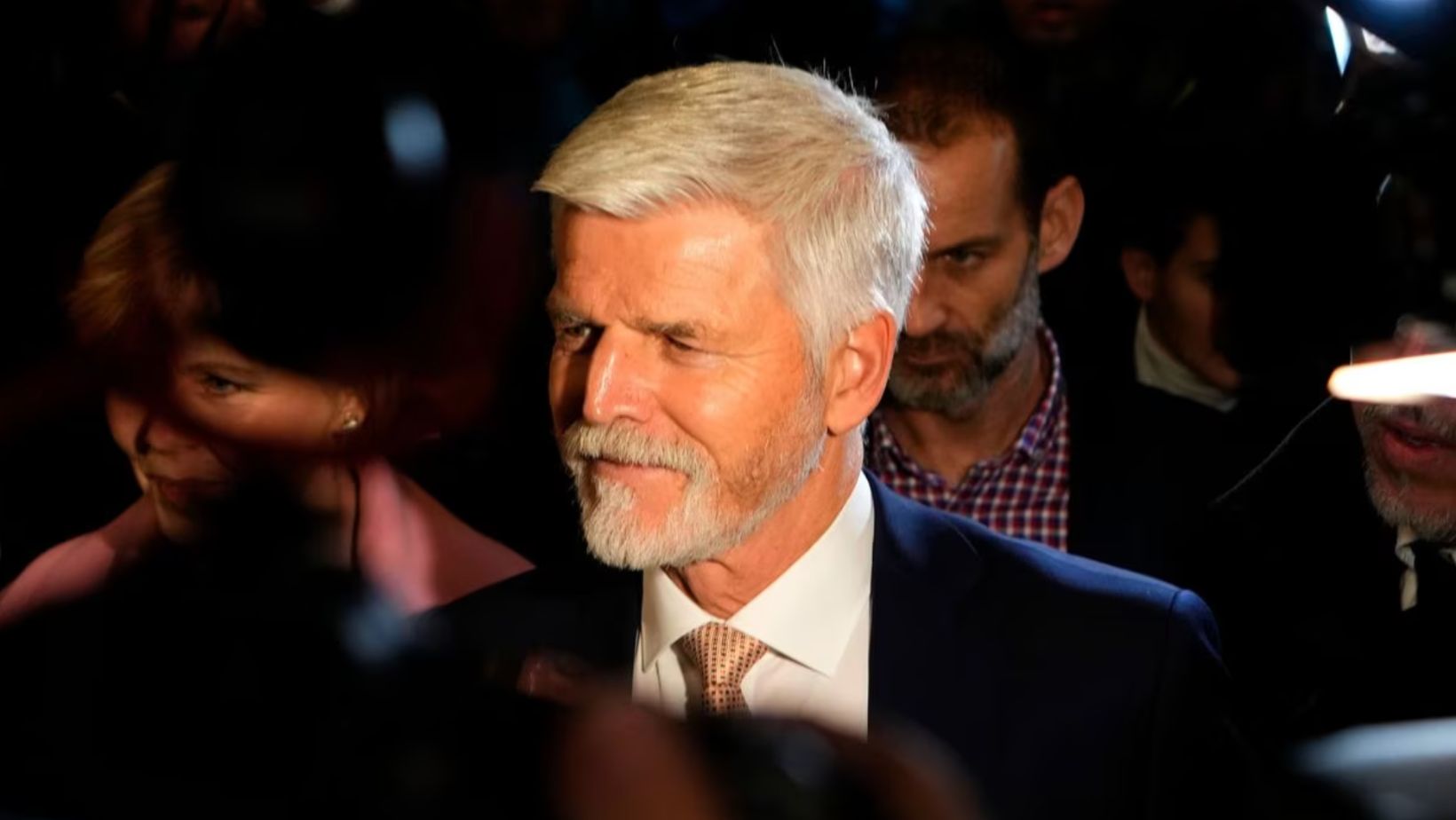
The winner of the first round of the presidential election, General Petr Pavel, is expecting “allegations” and “lies” from his opponent, former Prime Minister Andrej Babiš, before the second round. Babiš congratulated Pavel on his victory, but immediately went on the attack against his opponent. “I don’t understand why he’s running,” he said, stressing Pavel’s past as a soldier and a Communist Party member. Babiš referred to him as a “communist intelligence agent”, which Pavel described as “whining”, adding that Babiš is “losing his head”. “I congratulate him for making it all the way to the NATO military committee as a communist intelligence officer – trained in Russia – who welcomed the invasion of Russian troops. Hats off to him,” said Babiš, who was also a member of the Communist Party of Czechoslovakia and is on trial for registering as an StB agent. Among other assertions, Babiš said that currently, the only president in Europe who had been a “Communist agent” was Russia’s Putin. Pavel subsequently told the Czech Press Agency that if Babiš’s campaign before the second round looks like his press conference, then “a lot of lies can be expected”. “I didn’t manage to watch the press conference...
Billionaire former premier Andrej Babis and retired NATO general Petr Pavel topped the first round of the Czech presidential election on Saturday. Babis scored 35 percent and Pavel 35.39, while economist Danuse Nerudova came third with 13.92 percent, according to results published by the Czech Statistical Office. Babis and Pavel will face each other in a runoff in two weeks if the results hold, since no candidate achieved a majority of votes in the first round. Turnout in the first round during the last presidential elections in 2018 was 62 percent. A court in Prague acquitted Babis, 68, on Monday of fraud charges in a $2 million case involving European Union subsidies. The prosecution can still appeal. Babis had pleaded not guilty and repeatedly said the charges against him were politically motivated. Despite a number of scandals, his popular support remains strong, particularly among older voters. Zeman was the first president elected by popular vote. His second and final five-year term expires in March. Lawmakers elected the previous two presidents, Vaclav Havel and Vaclav Klaus. Voting in the Czech presidential election at the Czech Embassy in Ukraine’s capital, Kyiv, had to be interrupted for an hour because of a Russian...
A two-day Czech presidential election began on Friday, with one contender believing the vote has already been affected by a cyberattack. Opinion polls suggest a tight race between billionaire and populist ex-prime minister Andrej Babis, former army general Petr Pavel and economics professor Danuse Nerudova. Pavel said his campaign websites were difficult to access. “Russian hackers apparently don’t want voters to access my websites on this key day,” the 61-year-old former NATO general complained on Twitter. The polling stations opened at 2 p.m. and close at the same time on Saturday for 8.3 million eligible voters. If none of the eight candidates receive an absolute majority, as is expected, a run-off second round follows in two weeks. The Czech president’s powers include appointing constitutional judges and having the right to send laws back to parliament once. In a final televised debate on Thursday, the favorites exchanged blows. Babis, prime minister between 2017 and 2021, tried to portray Pavel and Nerudova as politically inexperienced. He was meanwhile accused of presiding over “chaos” during the coronavirus crisis of 2020 and 2021. The campaign was otherwise dominated by personality but issues such as high inflation and the Ukraine war were also top themes....
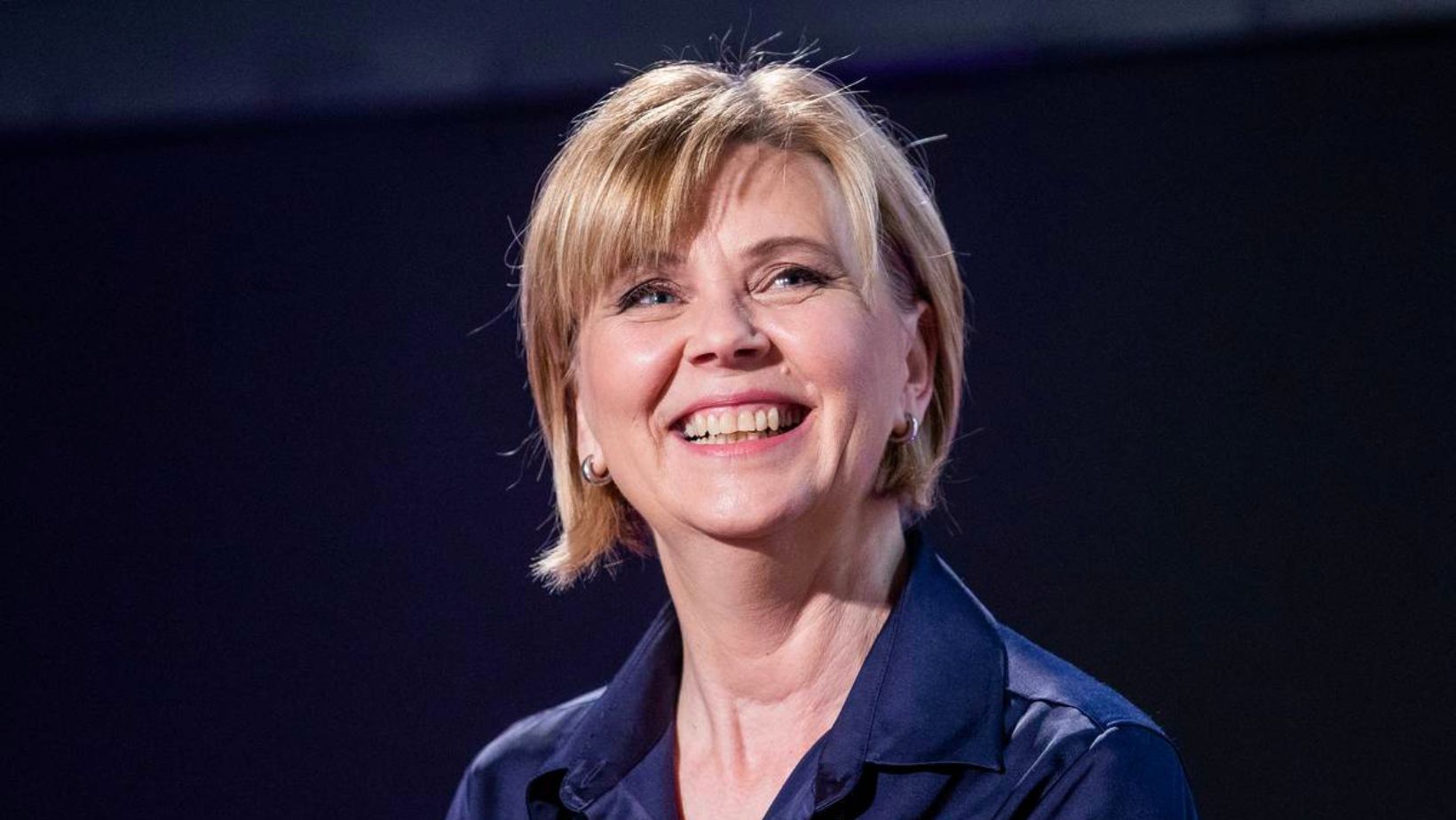
Voters in the Czech Republic are heading to the polls this Friday and Saturday to choose their next president. The winner will become head of state in a country battling record inflation and bulging public finance deficits because of the war in Ukraine. Eight contenders are in the running, but three challengers appear to be in serious contention for victory. Among the favourites is former Prime Minister Andrej Babiš, 68, a billionaire populist who was recently acquitted in a fraud trial. He has been plagued by his communist past as an alleged secret police agent and has also had to defend questions about his business dealings. Retired army chief Petr Pavel, and former University head Danuše Nerudová are also in the running. Pavel is campaigning on a bid to “restore order” in the EU member and offer “experienced and calm leadership”. His military career included leading the NATO Military Committee from 2015-2018. Nerudová is a career academic who rose to become the rector of Mendel University in her hometown of Brno, and has vowed to “leave the ego behind” and “communicate with all groups of people”. They’ll be hoping to galvanise the centrist voters who ousted Babiš at the last general election in 2021....
Rising energy prices, construction costs and rents, the crisis of restaurants, pressure for ESG compliance and changes in the Prague high street: these are the main trends that will affect the Czech real estate market in 2023. Substantial changes will occur both in the field of industrial and office real estate, as well as in the residential housing. According to Colliers, a leader in the provision of diversified professional services in the field of commercial real estate and investment management, the real estate market in the Czech Republic will be influenced by following 10 main trends this year: 1. Construction and financing costs will remain high It is unlikely that construction materials prices will decrease dramatically in the short term, and we assume that newly developed projects will have more difficulty proceeding without a business plan or profit revision, partially depending on the sector. A similar situation exists with the cost of financing. This can limit construction activity, especially among smaller developers where financing banks are more cautious and request greater levels of security. 2. Pressure for inflation caps and the savings struggle As Czech and Eurozone inflation spiked during 2022, many tenants reviewed their contracts and opted to add...
December inflation brought a downward surprise and is good news for the central bank. However, the main issue at the moment is the January re-pricing and the impact of government measures on the CPI. The January number should bring inflation back to higher levels, but lower than the central bank expects Mixed picture but overall lower than expected The overall level of consumer prices remained the same in December as in November (0.0% month-on-month). On an annual basis, consumer prices rose by 15.8% in December, 0.4pp lower than in November. The average inflation rate for the full year 2022 was 15.1%. Price developments varied across the different sections of the consumer basket. The fall in fuel prices was offset by price increases, particularly in housing, energy and food. However, growth in these items was lower than we expected. Re-pricing is the main risk for January December brought a significant signal that inflation is coming under control. However, the true test of where inflation really is will not come until January. For the next figure, we see two main issues: energy prices and new year repricing. From January, the government’s measure will switch from a saving tariff to an energy price...
Former Prime Minister Andrej Babis leads a field of eight candidates hoping to succeed Milos Zeman in the largely ceremonial but prestigious post of the Czech president. Babis recently acquitted in a fraud trial, boosting his chances of winning in the first round of the presidential election in voting on Friday and Saturday. If no candidate achieves a majority, the top two finishers will face each other in a runoff in two weeks’ time. The second and final five-year term of controversy-courting Zeman expires on March 8. Zeman divided the nation with his pro-Russia stance — until the Russian invasion of Ukraine on Feb 24 — and support for closer ties with China. Zeman was the first president elected by popular vote. The previous two presidents, Vaclav Havel and Vaclav Klaus, were elected by lawmakers. WHAT’S AT STAKE Under the Czech constitution, the president has the power to pick the prime minister, and to appoint members of the Central Bank board. The president also selects Constitutional Court judges with the approval of Parliament’s upper house. Otherwise, the president has little executive power and the country is run by the government chosen and led by the prime minister, currently the conservative...
The mayors of Warsaw, Prague, Budapest and Bratislava are visiting Kyiv, Polish television channel Polsat News said. The trip to Kyiv has been kept completely secret until now for security reasons, but the statement just issued reveals that the planned program will see the V4 mayors meet not only the mayor of Kyiv, but also senior Ukrainian officials, the mayor of Bucha and senior EU diplomats. “The purpose of the visit is to review how the V4 capitals can provide infrastructural and humanitarian assistance to the city of Kyiv, which is suffering from Russian aggression,” the office of the Budapest mayor said in a statement. According to a recent post by Karácsony, Budapest’s mayor, they travelled by train to the war-torn Ukrainian capital. The journey lasted 17 hours, he added. Here is a photo of them. “Before the war, 3.8m people lived in Kiev, while the current population stands at 3.6m (including 200,000 migrants from other regions of Ukraine). However, it is only possible to keep the city alive and functioning if critical infrastructure works. That’s why Kyiv wants to draw inspiration from the cities of the Visegrad Four, for example in transforming buildings into less energy-intensive ones. And we...
Unemployment in Prague remained at 3 percent in December, the same as in November. Nearly 27,800 people were unemployed in the capital at the end of last year, about 140 more than in November. The number of vacant positions on offer rose by about 900 month-on-month to 76,000. Unemployment in the capital was 2.8 per cent in December last year, according to the Labour Office. Across the Czech Republic, unemployment rose to 3.7 percent, having stagnated at 3.5 percent the previous three months. More than 271,800 people were registered with labor offices in December, 14,600 more than a month earlier. Jobs fell by about 3,300 compared to November, with employers offering over 288,600. Three regions had lower unemployment than Prague, with the unemployment rate in Pardubice, Zlín and Plzeň regions at 2.9 percent. South Bohemia region was at three percent, the same as in Prague. On the other hand, the highest unemployment rate was recorded in the Ústí nad Labem Region, where 5.5 percent of people were unemployed. At the end of last year, the office registered 27,766 people seeking employment in the capital. Euro zone unemployment rate unchanged in Nov as expected The euro zone’s unemployment rate was unchanged...
The Czech Republic is set to elect its next president by the end of January 2023 in only the third direct presidential election in the country’s history. Although the powers of the president are limited compared to those of the prime minister, the elections are still significant. Not only do they mark the end of the decade-long presidency of Miloš Zeman, but they also bring the possibility of welcoming the country’s first female president to Prague Castle. With the deeply polarising figure of Andrej Babiš in the race, however, most voters will be forced to settle on a candidate who is acceptable at best. After Russia’s invasion of Ukraine, the need for a new president has become ever more pressing. Despite his condemnation of Putin’s aggression, Miloš Zeman and his inner circle have long had a suspiciously positive relationship with the Russian state and Vladimir Putin himself. Zeman’s economic advisor, Martin Nejedlý, was the founder of Lukoil Aviation Czech, a now-liquidated subsidiary of the second-largest Russian oil company Lukoil. His love for the Russian president was put on display when, in 2018, he revealed his mobile phone case with Putin’s face on it. Both Zeman and Nejedlý also travelled to Moscow in 2015...
The Czech Republic will go to the polls on 13 January in the first round of presidential elections, with a second round run-off due two weeks later. The result will say a lot about Czechs’ vision for their future, as well as their relationship with a troubled past. Three candidates stand out as favourites, and each embodies different notions of Czech identity. Polls show former prime minister Andrej Babiš, retired army chief Petr Pavel, and former university head Danuše Nerudová closely-tied for the first round, predicted to get around 25 percent of the vote each. Many Czechs see Babiš, the best-known of the candidates, as uniquely unfit to take up office in Prague Castle. Babiš has spent recent months on trial, accused of assisting in EU subsidy fraud before entering politics. A verdict is imminent, and some, including Czech prime minister Petr Fiala, claim the ANO party leader is only running for president because winning would grant him immunity. Yet such interpretations don’t do justice to the loyalty to Babiš felt in parts of the country, especially in rural areas. As he drives across the Czech Republic in a camper van to meet voters, Babiš supporters see him as an everyman figure...
Czech presidential candidate Danuse Nerudova, who was sitting on top of the opinion polls last month, now appears to be trailing the two other favourites – retired army general Petr Pavel and opposition leader Andrej Babis – as the campaign enters the final stretch. The race between the three is still very close but the economist has now dropped to third place, according to the latest poll by the Median agency, ahead of the first round of voting on January 13. Both Nerudova and Pavel have been endorsed by the centre-right government as among its preferred candidates. She is the only woman among the nine candidates and would be the country’s first female president if elected, and she has therefore drawn comparisons with the liberal president of neighbouring Slovakia, Zuzana Caputova. The Czech presidency is a largely ceremonial post but the president has input into foreign policy and makes key appointments such as the central bank governor. Last month the former Mendel University rector was hit by media reports of plagiarism at the university during her tenure. Nerudova has also been criticised for avoiding media questions on the plagiarism affair, which involved international students at the university. Instead, Nerudova published what Czech Radio commentator and online outlet A2larm editor Apolena Rychlikova described as...
Subscribe for our daily news
Don’t have an account? Register
Already have an account? Log In
How Would You Like to Promote Your Business? PR ArticleDisplay bannersVideo productionNewsletter adsJob ListingsInfluencer Marketing
Your Email
We will come back to you within 24 hours with our proporsal