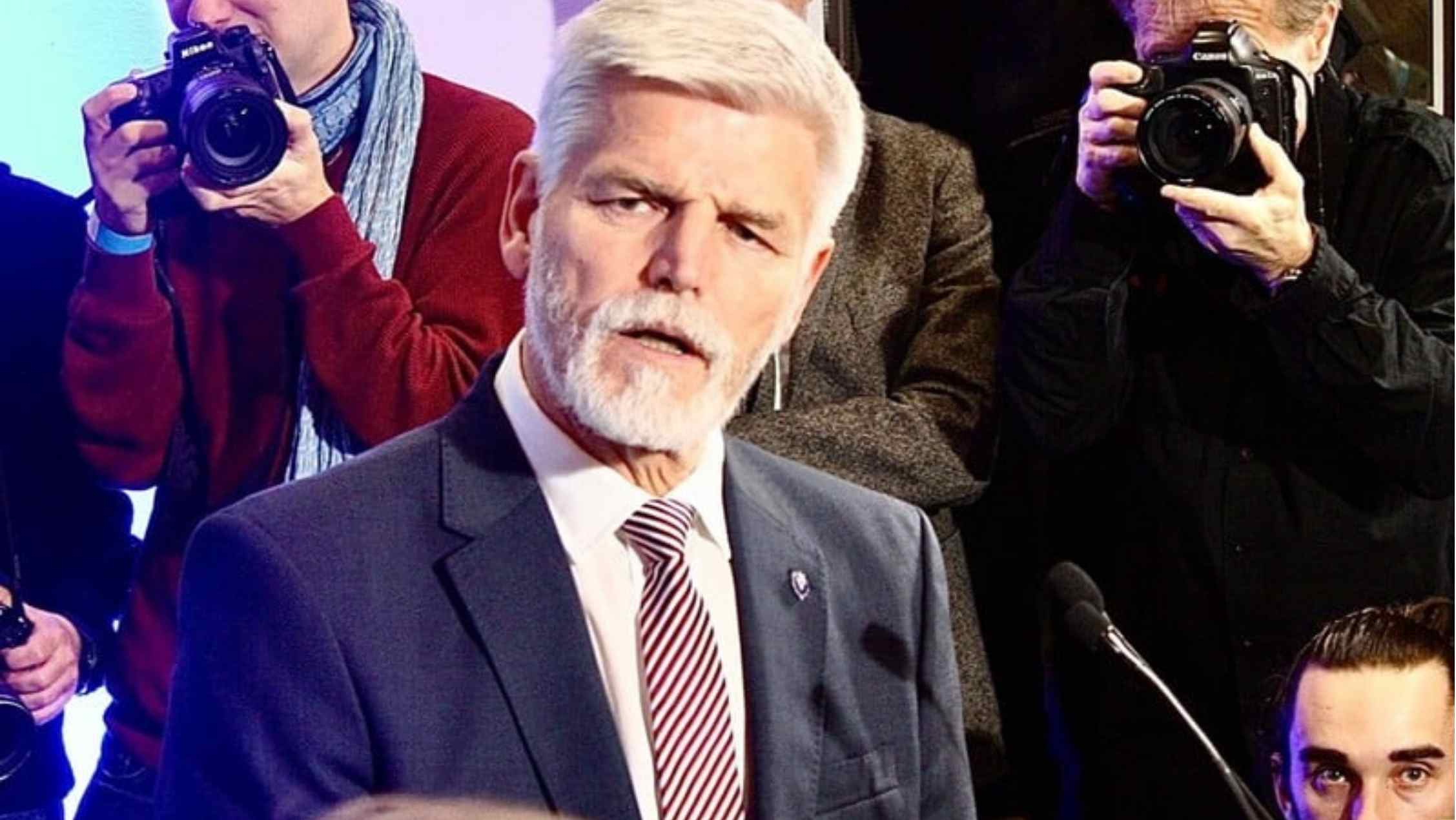
The Chinese foreign ministry said on Monday it was in touch with Prague over President-elect Petr Pavel’s call with Taiwan’s President Tsai Ing-Wen. Pavel spoke with Tsai on Monday, a highly unusual move given the lack of formal ties and a diplomatic coup for Taipei that is likely to anger China. The two leaders stressed their countries’ shared values of freedom, democracy and human rights during their 15-minute call, their offices said, and Pavel said he hoped to meet Tsai in the future. China claims the self-ruled island of Taiwan as a province and most countries’ leaders avoid high-level public interactions with Taiwan and its president, not wishing to provoke China, the world’s second-largest economy. In Beijing’s first response to what could become a full-blown diplomatic row with Prague, the Chinese foreign ministry said Pavel had previously said during his election campaign that the One-China Principle should be respected. “The Chinese side…is currently seeking verification with the Czech side, (we) hope the Czech side strictly upholds the One-China Principle,” the foreign ministry said. Beijing views Taiwan as being part of “one China” and demands other countries recognise its sovereignty claims, which Taiwan’s democratically-elected government rejects. The Czech Republic, like most...
The newly-elected Czech president, Petr Pavel said he would be a president for all citizens and would work hard to deliver on his promises. The future president, who will be sworn in on March 9, will be meeting with political leaders in the coming days as he prepares to take office. Pavel’s experience in military diplomacy would be a clear asset as he held a very different presidency than his predecessor. “We know that his contacts at NATO, as well as with peers from NATO member states… are very strong, and foreign policy will be his domain,” said Pavel Havlicek, a scientist at the Association for International Affairs in Prague. “I think he will be a proficient president if we realise the war in Ukraine is one of the key problems Europe is facing,” added Havlicek. He also called for more aid to Ukraine, which was invaded by Russia in February last year. “He is very much in favour of Ukraine, he has repeatedly voiced his support, and he’s very critical towards Russia,” said Jiri Pehe, a political analyst at New York University Prague. “His stance will entail strong support to Ukraine without any conditions,” Pehe said. Pavel had already...
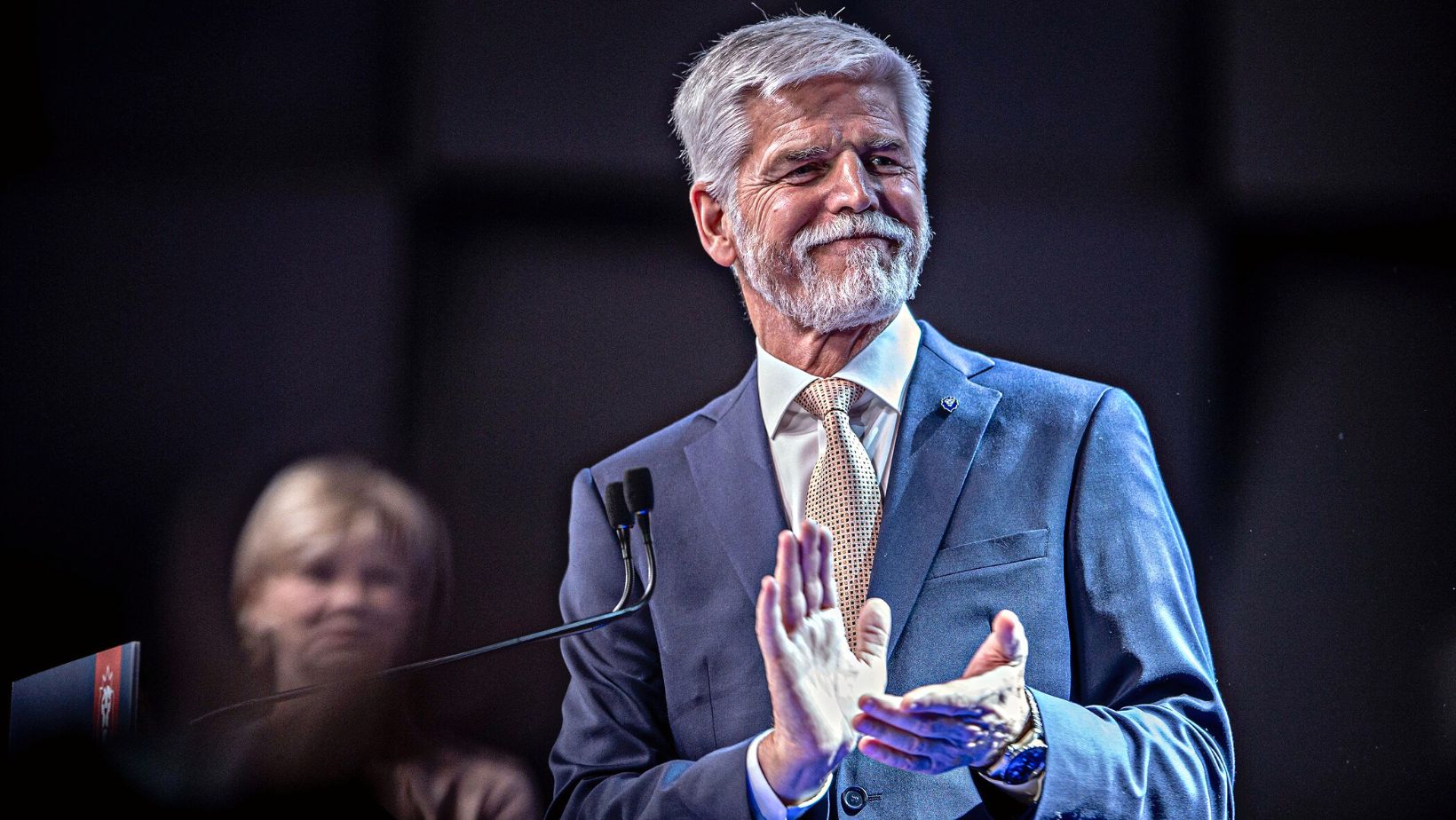
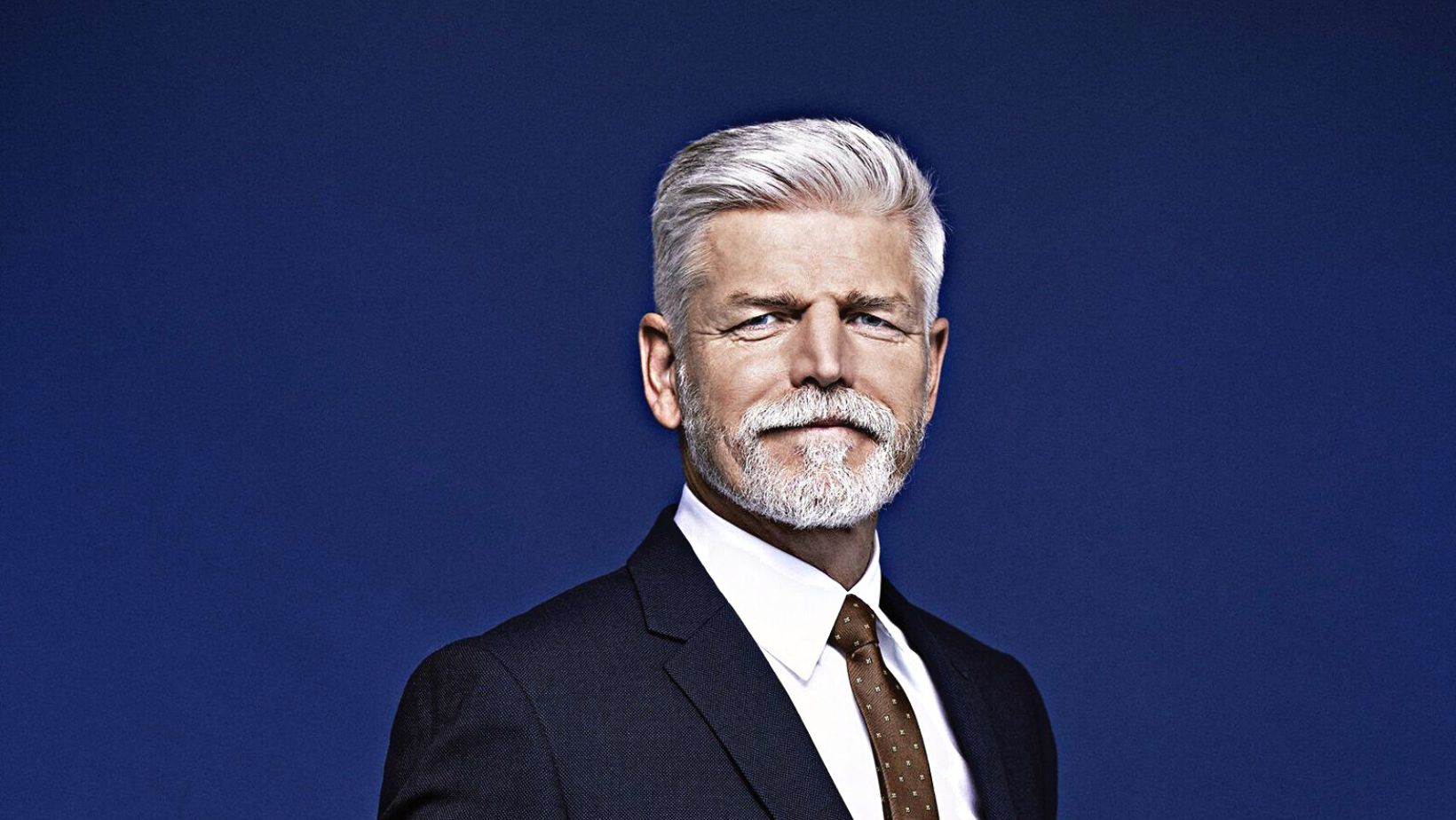
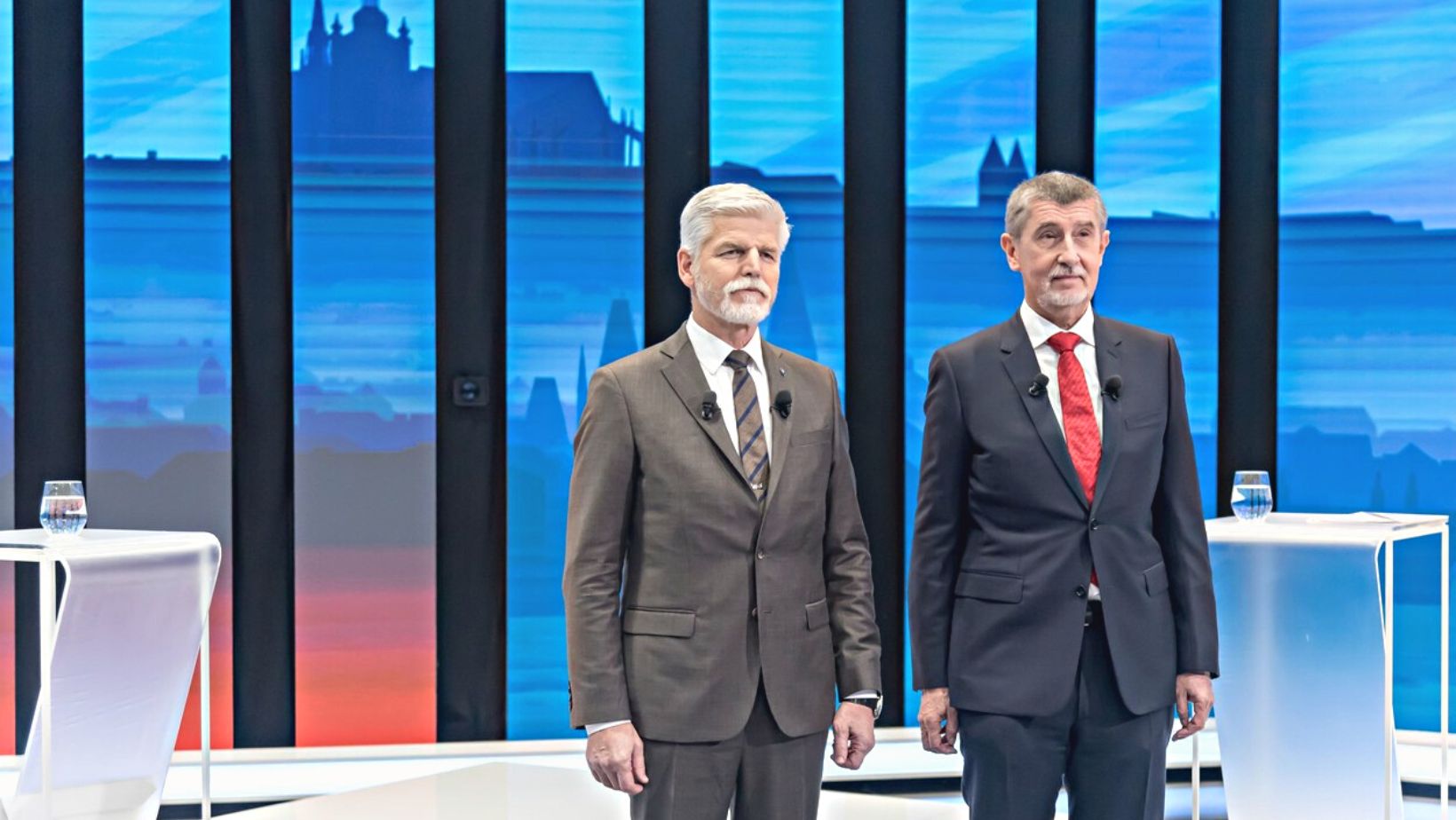
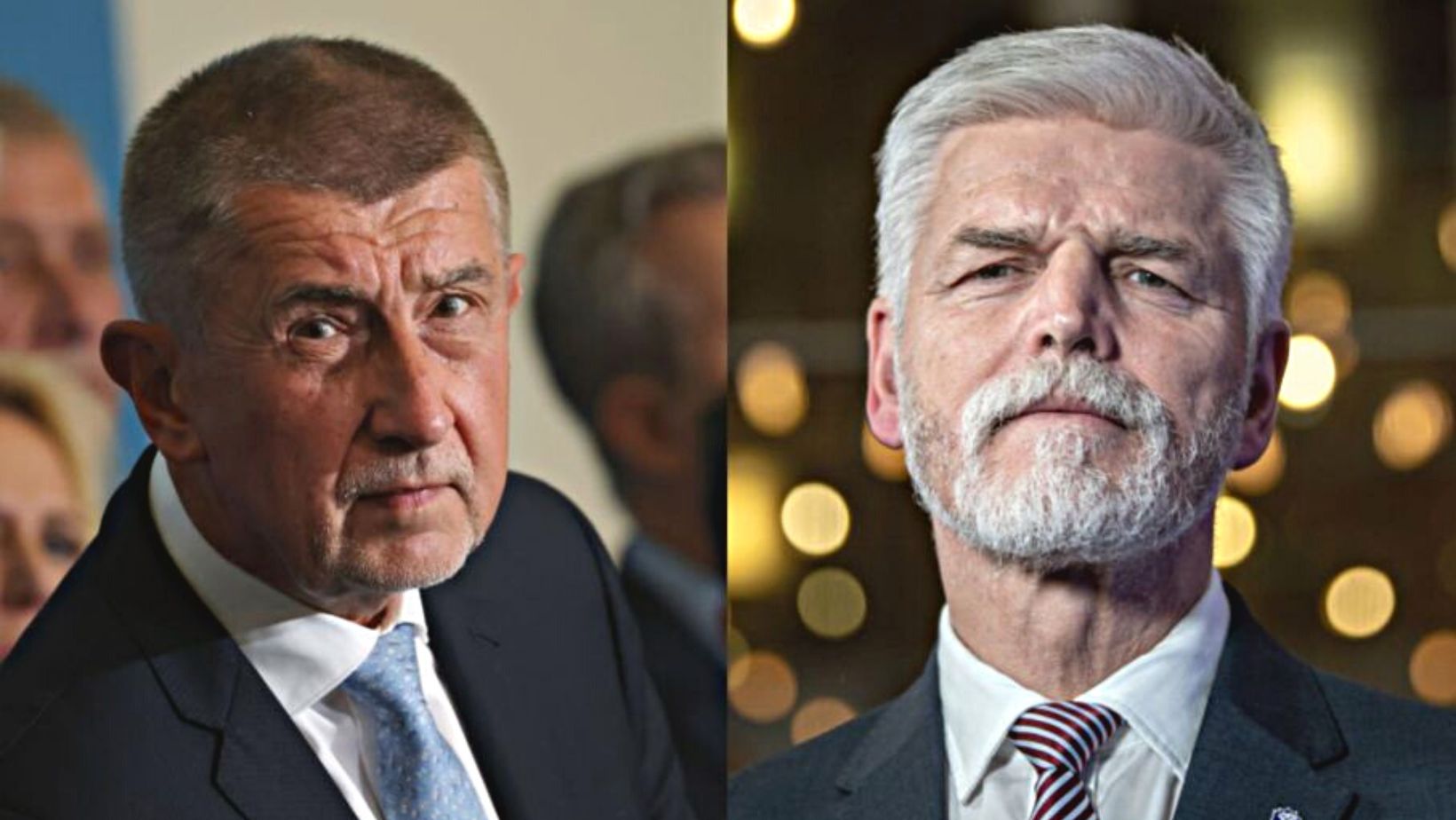
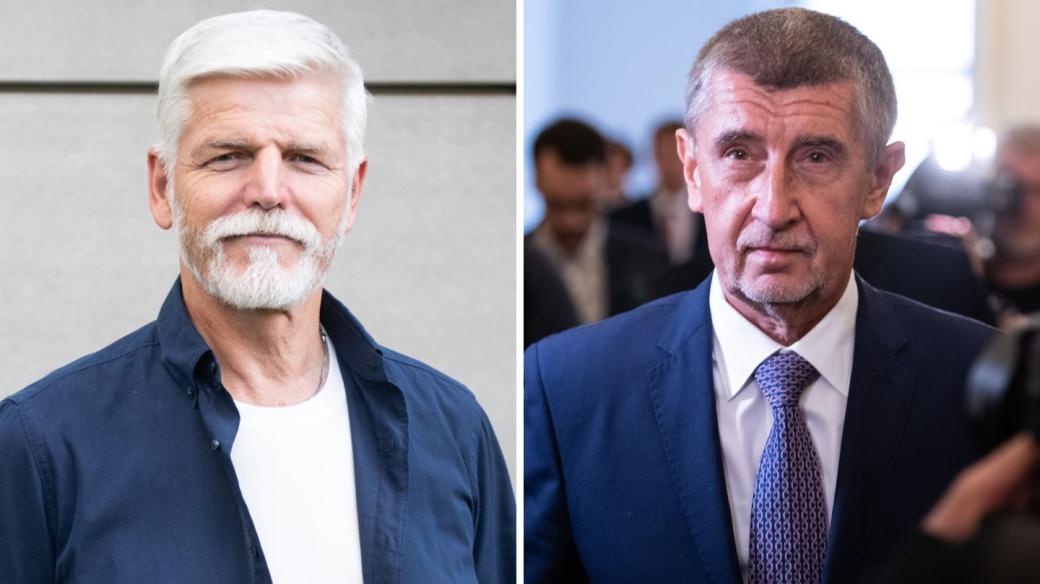
Retired army general, Petr Pavel, has been elected the next president of the Czech Republic. Mr. Pavel won the runoff against former prime minister Andrej Babiš, by the biggest margin ever in the history of Czech presidential elections. With over to 90 percent of the votes counted Petr Pavel got over 57 percent of the vote, his contestant received 42.9 percent. The retired NATO general said on Friday, as he cast his vote, that he wanted to be “a dignified president” for the country. Pavel and Andrej Babiš, a former prime minister, advanced to a second round of voting because none of the eight initial candidates received an absolute majority in the first round two weeks ago. The polls had favored Pavel, an independent candidate who came a narrow first in the opening round. Three other candidates pledged their support for Pavel ahead of the voting that started Friday. Pavel, 61, a former chairman of NATO’s military committee, is a political newcomer. He has fully endorsed the country’s military and humanitarian support for Ukraine in its fight against Russia. In the first round of the presidential elections, Pavel and Babiš received 35.4 and 34.99 percent of the vote respectively. Miloš...
Czechs will go to the polls on Friday to elect a successor to President Miloš Zeman, whose second term in office ends on March 8. The second-round runoff between former Prime Minister Andrej Babis and retired Nato general Petr Pavel is portrayed as a contest between populist oligarchy and liberal democracy. In the Czech Republic, the role of president is a mostly ceremonial but still highly influential post. The polls favour Pavel, an independent candidate who came a narrow first in the first round with 35.40 per cent. Babis followed at 34.99 per cent. Three other candidates have pledged their support for Pavel ahead of the two-day ballot. The winner will succeed controversy-courting Milos Zeman whose second and final term expires in March. Czechs assessed Zeman’s ten year performance in the country’s top post with an average of 4 on a five-point scale, the equivalent of a “D” in the Western school grading system, according to the results of a survey conducted by NMS Market Research. He was the first president elected by popular vote. Lawmakers elected the previous two presidents, Vaclav Havel and Vaclav Klaus. Pavel’s platform includes keeping the Czech Republic strongly anchored in the European Union and...
Retired army general, Petr Pavel, has been elected the next president of Czechia. Pavel won the runoff against former prime minister Andrej Babiš, by the biggest margin ever in the history of Czech presidential elections. With close to 90 percent of the votes counted Petr Pavel got over 57 percent of the vote, his contestant received 42.9 percent. When mortar fire exploded around him in a 1990s peace mission in the Balkans, Petr Pavel showed the calm, cool nature that would later endear him to voters in the campaign for the Czech presidency. Czech presidents do not carry much day-to-day executive power but have a say in foreign policy, appoint prime ministers and central bank leaders, and are powerful opinion makers. The peace mission in Croatia was an early indicator of the determination that took Pavel from enlisting in a Warsaw Pact army to a high position in NATO. In January 1993, his unit evacuated a group of French soldiers trapped in fighting, a mission which earned him the French Military Cross. “We got into several tense situations and he always managed them with deliberation and calm,” retired Czech general Ales Opata, who served in Croatia and after with Pavel,...
Czech presidential candidate Andrej Babis caused an uproar when he questioned his country’s possible assistance to its closest NATO allies in a live broadcast debate on Sunday, ahead of the country’s second round of presidential elections. The moderator of the debate broadcast by Czech Television asked Babis whether he would send Czech troops into an open conflict if Russia attacked Poland or the Baltic countries. “Of course not. I think we need to talk about peace,” Babis, a former prime minister, replied. The Czech president is the official commander-in-chief of the country’s armed forces, and the country is a member of NATO. Babis’ statement was immediately criticized by top Czech politicians, including Vice Prime Minister Marian Jurecka. “I apologize to all the citizens of Poland and other allies; the commitment that comes from our membership of NATO is and will remain in place, despite what Andrej Babis said today in the debate,” Jurecka wrote on Twitter. After the debate, Babis tried to correct his words. “In the Czech TV duel, I did not want to answer a hypothetical question about invading Poland or the Baltics. I am convinced that it won’t happen, and I don’t want to admit it at...
Retired general Petr Pavel held a 15 percentage point lead over billionaire ex-premier Andrej Babiš heading into the January 27-28 Czech presidential run-off vote, a Czech Television poll showed on Sunday. The two are squaring off in a second round vote starting next Friday after Pavel narrowly won over Babiš in the first round of the election last weekend, although neither scored a majority of votes. The poll showed Pavel leading with 53 percent compared to 38 percent for Babiš with 9 percent undecided. The expected turnout could hit 84 percent in the poll next weekend, the highest ever in a Czech presidential vote, the survey found. “Let’s hold on, let’s not get discouraged, let’s spread what they can’t: decency, humility and hope,” Petr Pavel wrote on social media adding a photo of the poll results. Both Pavel, a former general who held a senior NATO military job, and combative opposition leader Babiš, who served as prime minister from 2017-2021, would likely be more pro-Western than retiring incumbent Miloš Zeman. Pavel, 61, is strongly pro-Western and supports further military aid for Ukraine as well as the adoption of the euro. Nejnovější průzkum potvrdil dvě věci: 1. Cesta k vítězství světa...
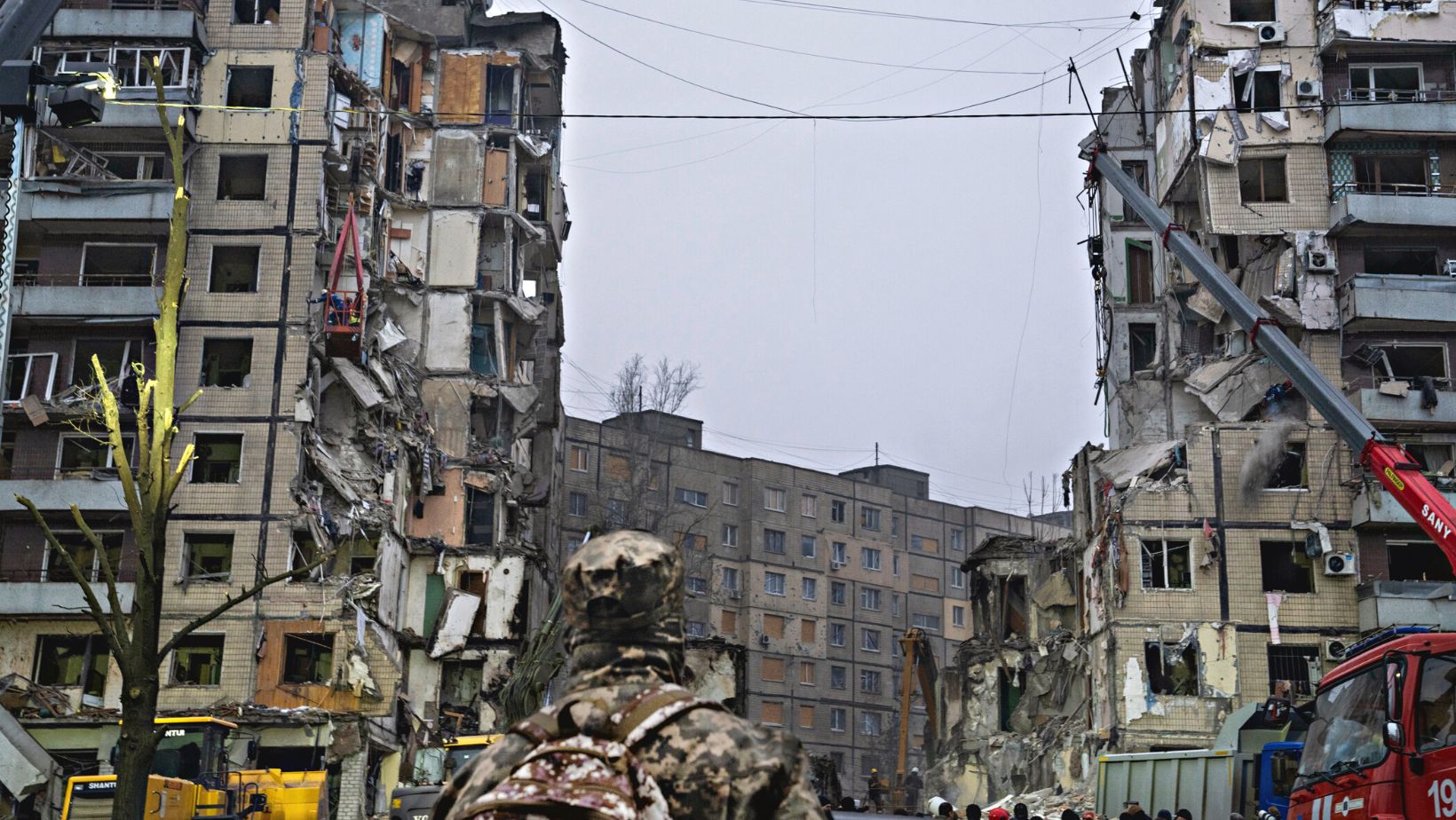
The EU sent Ukraine the first €3 billion from the €18 billion loan package, but some EU member states already see that this amount will not be sufficient, admitted Czech Finance Minister Zbyněk Stanjura (ODS, ECR) on Tuesday. The €18 billion aid package for Ukraine was approved in December 2022 after tough negotiations. According to the regulation approved, the EU can provide Ukraine with a monthly financial loan. However, the agreed amount will probably not be enough, Stanjura said. “When you see today and every day the brutal attacks by the Russian army, the more and more damage they are doing to Ukraine’s infrastructure, but also to residential areas, I assume that the need for this money will be even higher than we thought in November or December,” Stanjura said after Tuesday’s meeting between EU finance ministers. For the Czech government, support for Ukraine is a top priority. The Czech Republic negotiated the aid package for Ukraine during its Council of the EU Presidency in the second half of 2022. The only country actively blocking the support was Hungary. For the EU to be able to afford assistance to Ukraine, it was necessary to borrow the money and provide guarantees....
The winner of the first round of the presidential election, General Petr Pavel, is expecting “allegations” and “lies” from his opponent, former Prime Minister Andrej Babiš, before the second round. Babiš congratulated Pavel on his victory, but immediately went on the attack against his opponent. “I don’t understand why he’s running,” he said, stressing Pavel’s past as a soldier and a Communist Party member. Babiš referred to him as a “communist intelligence agent”, which Pavel described as “whining”, adding that Babiš is “losing his head”. “I congratulate him for making it all the way to the NATO military committee as a communist intelligence officer – trained in Russia – who welcomed the invasion of Russian troops. Hats off to him,” said Babiš, who was also a member of the Communist Party of Czechoslovakia and is on trial for registering as an StB agent. Among other assertions, Babiš said that currently, the only president in Europe who had been a “Communist agent” was Russia’s Putin. Pavel subsequently told the Czech Press Agency that if Babiš’s campaign before the second round looks like his press conference, then “a lot of lies can be expected”. “I didn’t manage to watch the press conference...
Billionaire former premier Andrej Babis and retired NATO general Petr Pavel topped the first round of the Czech presidential election on Saturday. Babis scored 35 percent and Pavel 35.39, while economist Danuse Nerudova came third with 13.92 percent, according to results published by the Czech Statistical Office. Babis and Pavel will face each other in a runoff in two weeks if the results hold, since no candidate achieved a majority of votes in the first round. Turnout in the first round during the last presidential elections in 2018 was 62 percent. A court in Prague acquitted Babis, 68, on Monday of fraud charges in a $2 million case involving European Union subsidies. The prosecution can still appeal. Babis had pleaded not guilty and repeatedly said the charges against him were politically motivated. Despite a number of scandals, his popular support remains strong, particularly among older voters. Zeman was the first president elected by popular vote. His second and final five-year term expires in March. Lawmakers elected the previous two presidents, Vaclav Havel and Vaclav Klaus. Voting in the Czech presidential election at the Czech Embassy in Ukraine’s capital, Kyiv, had to be interrupted for an hour because of a Russian...
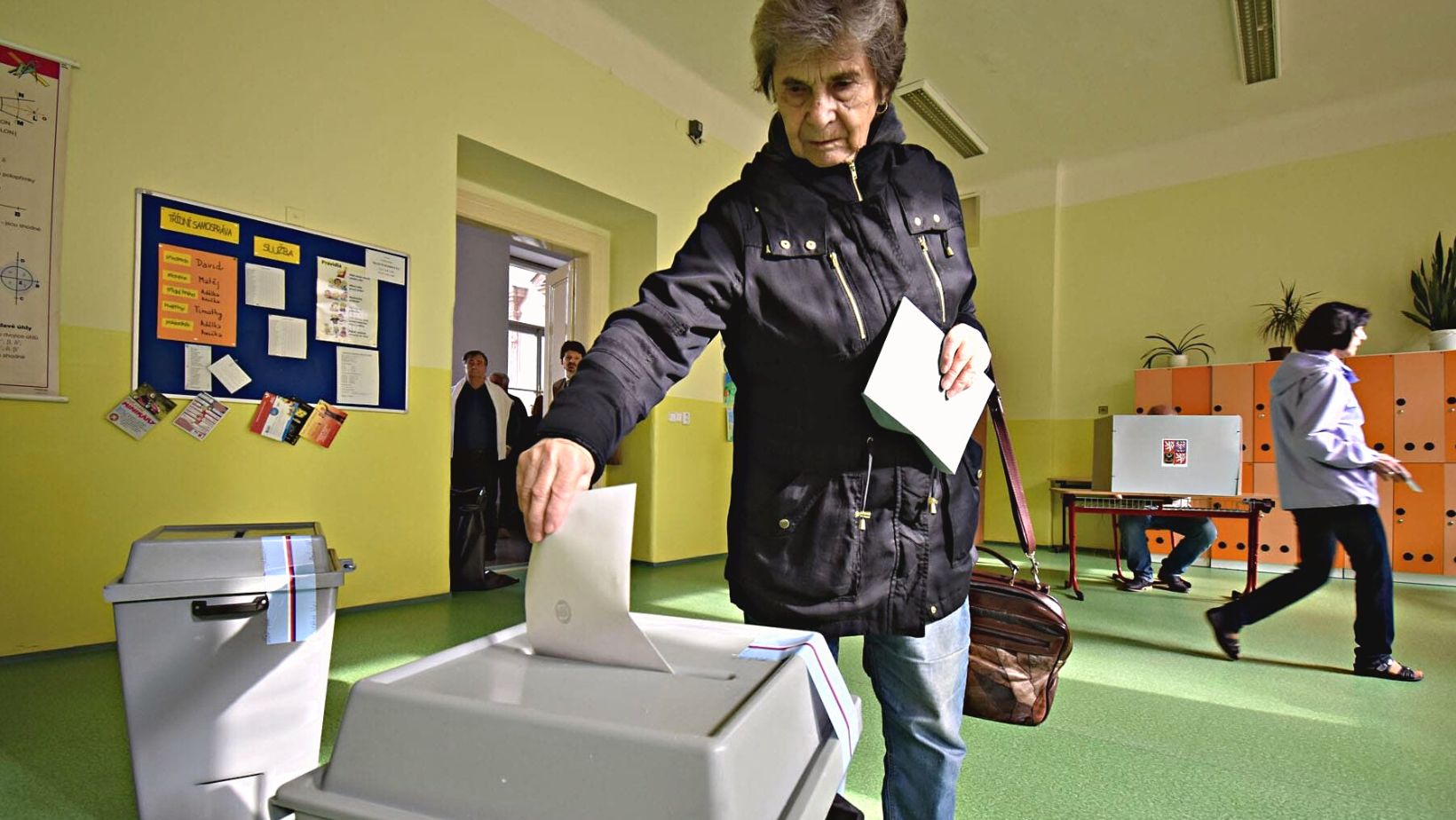
A two-day Czech presidential election began on Friday, with one contender believing the vote has already been affected by a cyberattack. Opinion polls suggest a tight race between billionaire and populist ex-prime minister Andrej Babis, former army general Petr Pavel and economics professor Danuse Nerudova. Pavel said his campaign websites were difficult to access. “Russian hackers apparently don’t want voters to access my websites on this key day,” the 61-year-old former NATO general complained on Twitter. The polling stations opened at 2 p.m. and close at the same time on Saturday for 8.3 million eligible voters. If none of the eight candidates receive an absolute majority, as is expected, a run-off second round follows in two weeks. The Czech president’s powers include appointing constitutional judges and having the right to send laws back to parliament once. In a final televised debate on Thursday, the favorites exchanged blows. Babis, prime minister between 2017 and 2021, tried to portray Pavel and Nerudova as politically inexperienced. He was meanwhile accused of presiding over “chaos” during the coronavirus crisis of 2020 and 2021. The campaign was otherwise dominated by personality but issues such as high inflation and the Ukraine war were also top themes....
Voters in the Czech Republic are heading to the polls this Friday and Saturday to choose their next president. The winner will become head of state in a country battling record inflation and bulging public finance deficits because of the war in Ukraine. Eight contenders are in the running, but three challengers appear to be in serious contention for victory. Among the favourites is former Prime Minister Andrej Babiš, 68, a billionaire populist who was recently acquitted in a fraud trial. He has been plagued by his communist past as an alleged secret police agent and has also had to defend questions about his business dealings. Retired army chief Petr Pavel, and former University head Danuše Nerudová are also in the running. Pavel is campaigning on a bid to “restore order” in the EU member and offer “experienced and calm leadership”. His military career included leading the NATO Military Committee from 2015-2018. Nerudová is a career academic who rose to become the rector of Mendel University in her hometown of Brno, and has vowed to “leave the ego behind” and “communicate with all groups of people”. They’ll be hoping to galvanise the centrist voters who ousted Babiš at the last general election in 2021....
Don’t have an account? Register
Already have an account? Log In
How Would You Like to Promote Your Business? PR ArticleDisplay bannersVideo productionNewsletter adsJob ListingsInfluencer Marketing
Your Email
We will come back to you within 24 hours with our proporsal