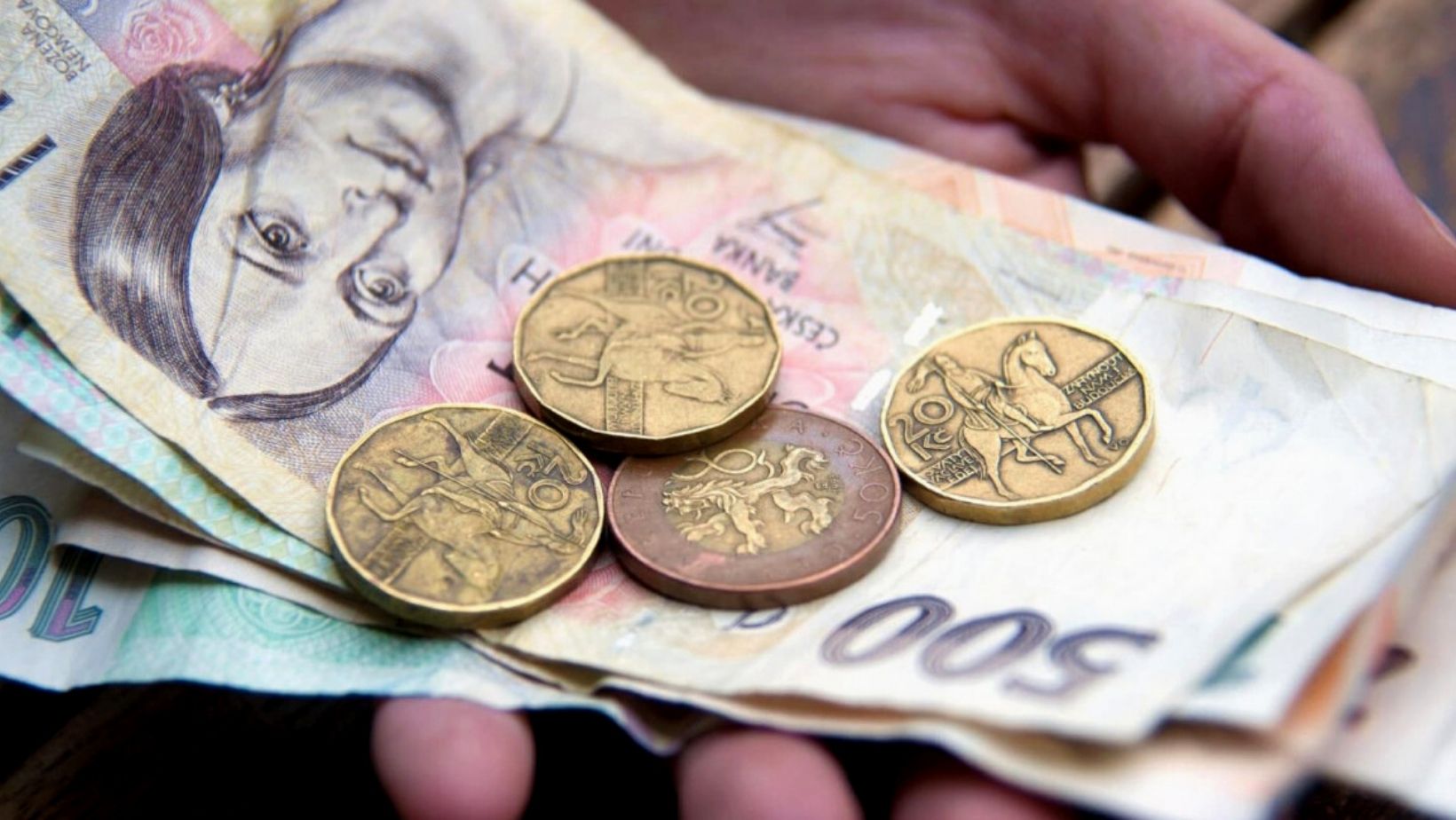
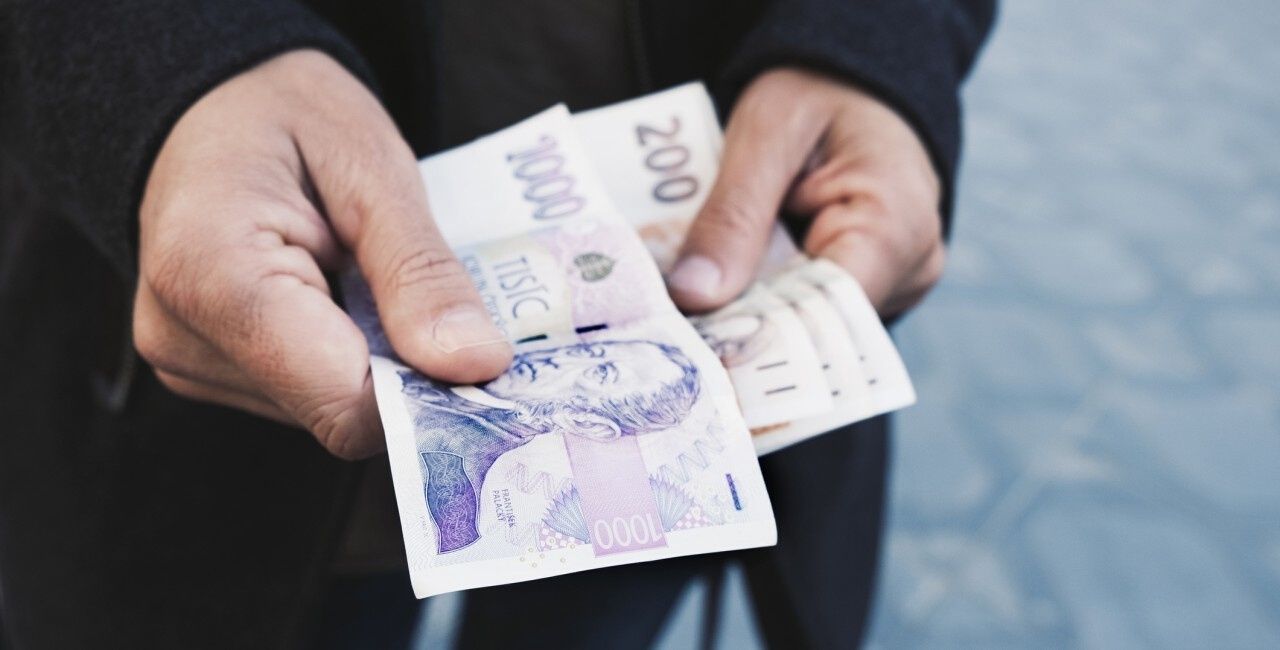
The cost of living crisis is only getting worse in the Czech Republic. Only the Baltics are a little worse off with regards to the rate of inflation. The cost of living crisis in the Czech Republic is rising rapidly with the growth of inflation to almost 13 percent almost certainly not yet over. Due to the recovery from the pandemic and the Russian invasion, most economies are suffering, but Czechia is an exception. Almost nowhere are prices rising as fast as in this country — only the Baltics are a little worse off. There are several reasons for this. “High inflation in the Czech Republic consists of several parts,” Unicredit Bank’s chief economist Pavel Sobíšek explained. “One is the lowest unemployment rate in Europe, combined with wasteful fiscal policies that have pushed inflation up before the pandemic. “The common characteristic of the countries of Eastern Europe is a larger share of energy and food in the market basket compared to wealthier countries, which leads to higher inflation,” he added. According to economist Radim Dohnal from the Capitalinked company, the cause is wage inflation in recent years due to low unemployment and energy prices in recent months, which is related to the low share of renewable energy sources...
Annual inflation in the Czech Republic reached 12.7 percent in March, up from 11.1 percent in February, according to data released by the Czech Statistics Office. Consumer price growth was thus the highest since May 1998, when it reached 13 percent. Fuel prices in March climbed by 50 percent year on year. Consumer goods are up by 1.7 percent compared to the previous month. Inflation is expected to rise further and may hit 15 percent in mid-2022. The outlook for the immediate future is not too encouraging, according to Vít Hradil, the chief economist at Cyrrus. “Oil and especially natural gas, due to the ongoing conflict in Ukraine, remain at high prices, which will be credited into the accounts of an increasing number of Czech households as their periods of fixation run out,” he explains. “We are counting on food and other energy increases to bring inflation between 14-15% by the middle of this year, and the downward trend will be very gradual,” adds Jan Bureš, chief economist at Patria Finance. Prices of electricity rose by 24.7 percent year-on-year, natural gas by 37.7 percent, products, and services for ordinary maintenance and repairs of buildings by 16.4 percent. Czechs had to...
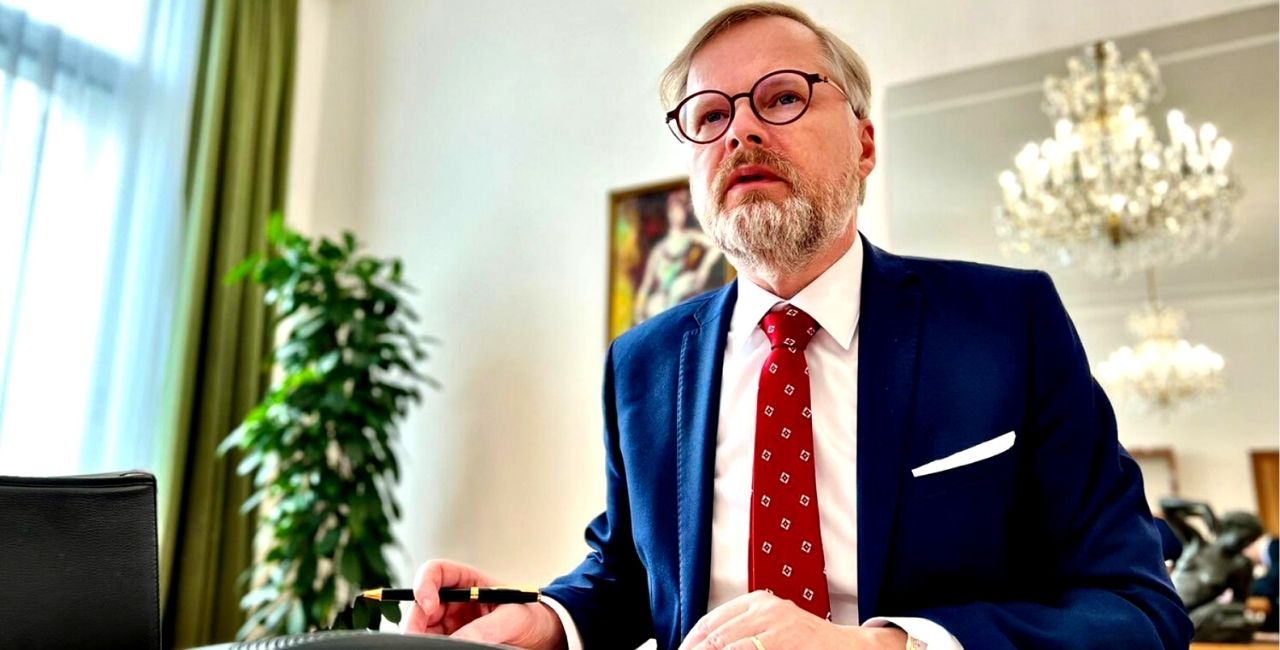
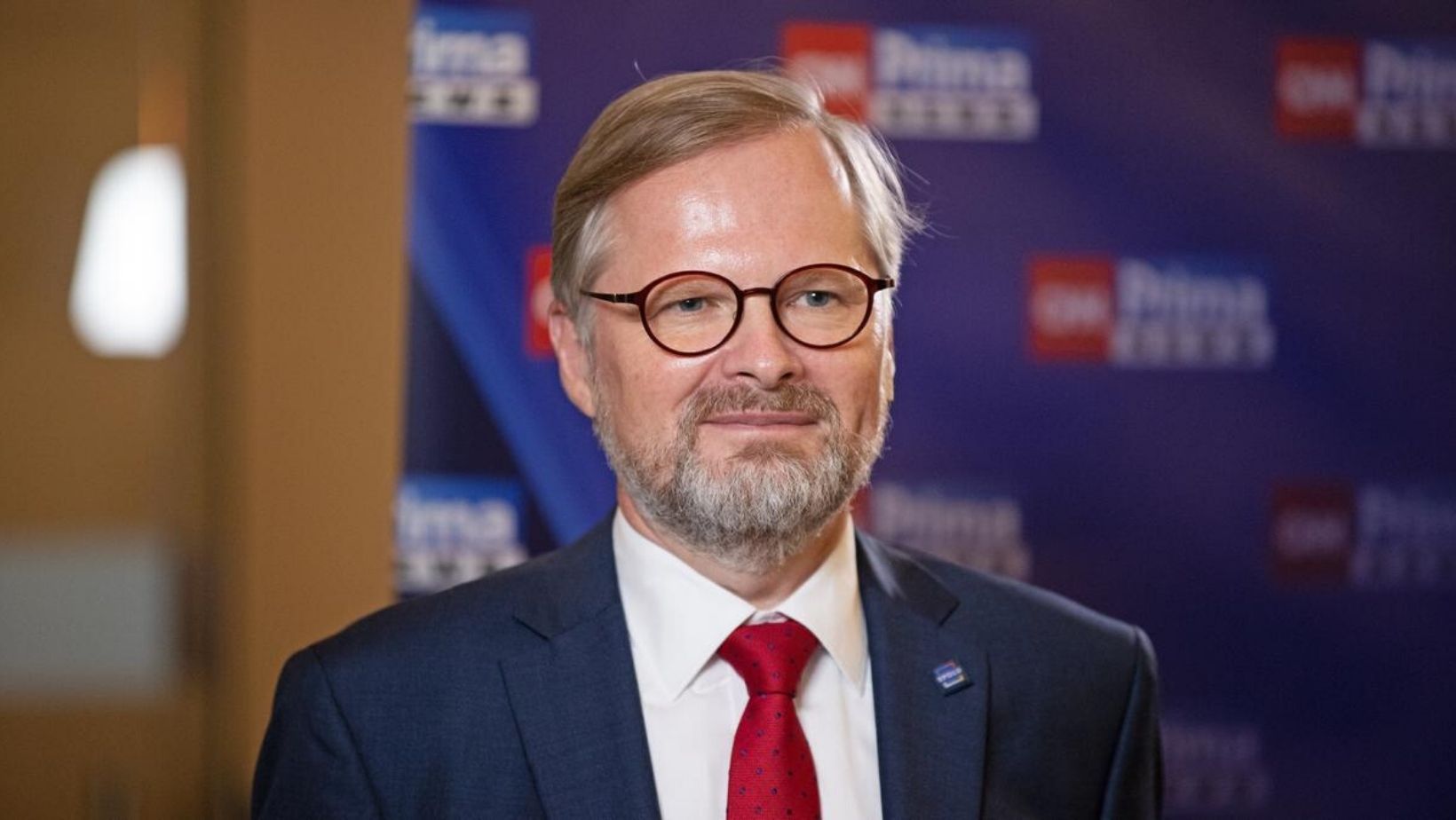
The Czech Republic should cut its dependence on Russian energy resources within five years, Prime Minister Petr Fiala said on Saturday, terming the current situation one of the country’s “greatest security risks”. The Czech Republic meets its gas needs almost entirely through shipments directly or indirectly from Russia and gets roughly half its crude imports from the same source. Fiala told his Civic Democratic Party convention that the country’s energy sector has to change “completely”. “Our dependence on fossil fuels from Russia, neglected for years, is one of the greatest security risks to our country. It should be our goal to escape this Russian energy noose completely in the next five years,” Fiala said. He added that his government should prepare this “five-year project” in the coming weeks. The European Union has pledged to quit Russian fuels by 2027, and will unveil a detailed plan to do so in May. The 27-member bloc approved new sanctions against Russia this week, including a ban on coal imports starting in August, as it aims to punish Russia for its aggression against Ukraine. Moscow calls its offensive a “special military operation” to demilitarise its neighbour. Ukraine and Western supporters call that a pretext...
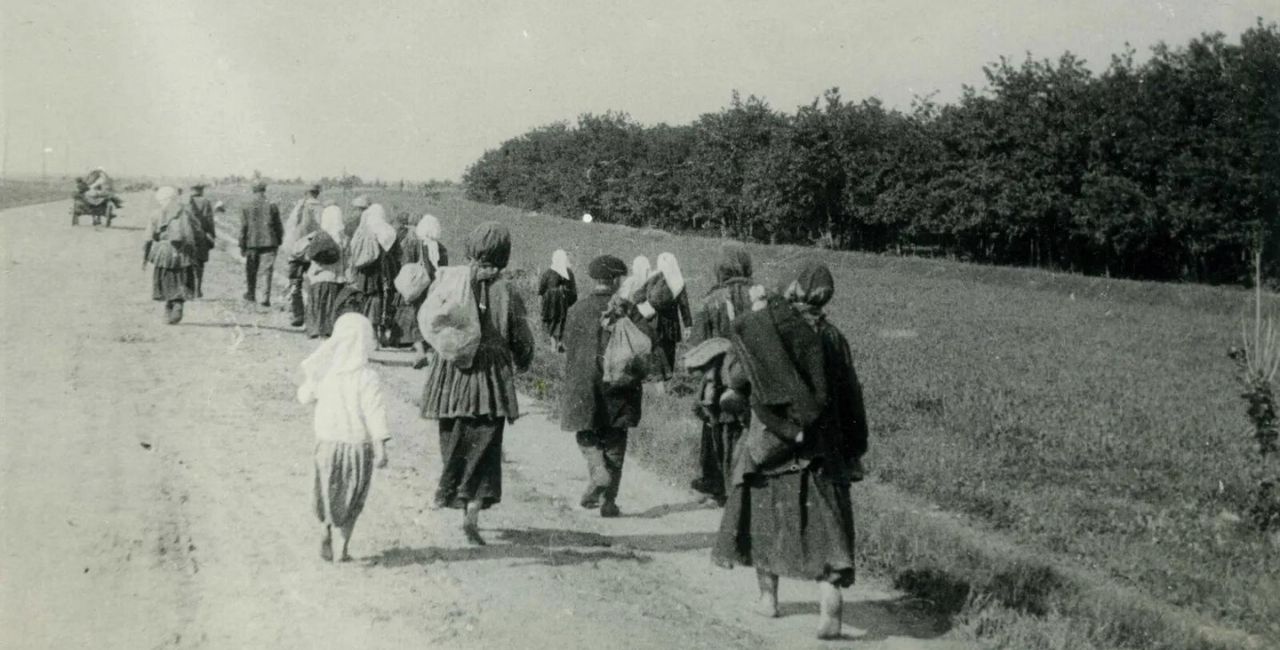
The Chamber of Deputies has officially recognized the man-made famine in Ukraine in 1932 and 1933 as genocide against the Ukrainian nation. The resolution states that in the context of the current Russian war on Ukraine the Czech lower house expresses its determination to contribute to the promotion of international principles, including identifying the perpetrators of such crimes. What is the Holodomor and what caused it? The Holodomor translates roughly to “death by hunger” in Ukrainian. It is how Ukrainians refer to the mass starvation deaths of millions in Ukraine from 1932 to 1933 under Soviet dictator Joseph Stalin. It was part of a larger famine that swept the Soviet Union as Stalin collectivized the agricultural economy by taking over small farms and prohibiting independent farmers from selling their crops. But specific policy decisions targeting Ukraine intensified the famine there, leading Ukraine and many nations to recognize the Holodomor as a genocide. It’s held that Stalin allowed Ukrainians to starve in order to quash Ukrainian resistance to the reorganization of its farms. According to the research results of the Ptukha Institute of demography and social studies, 3 million 530 thousand people died from Holodomor in 1933. In 1932, 250 thousand died from starvation, and in 1934 – about 160...
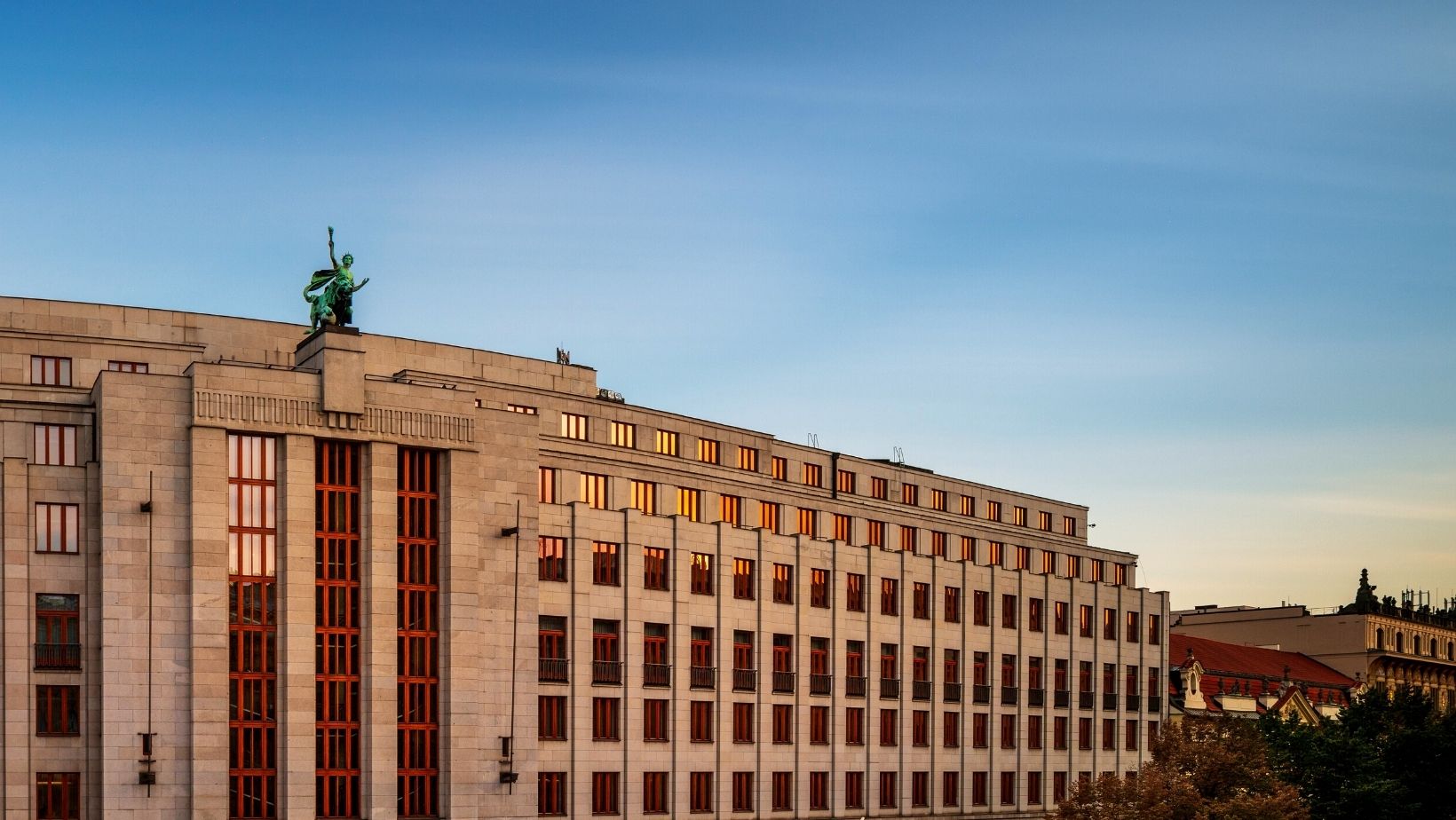
The Czech Republic’s central bank has again raised its key interest rate in an effort to tackle soaring inflation. Thursday’s hike of half a point to 5% was the seventh straight increase since June, and had been expected by analysts The bank, which considers high consumer prices a major threat, also had indicated it would raise the rate. It is now at its highest level since 2001. The bank expects inflation might increase further in the course of 2022 due to Russia’s invasion of Ukraine. Fed by high energy prices, inflation jumped to 11.1% in February. That’s well above the bank’s 2% target. The bank’s decision comes after the Statistics Office announced that the country´s economy grew by 3.3% last year – more than expected – after contracting by 5.8% the previous year due to the coronavirus pandemic. 2021 economic growth at 3.3 percent The Czech economy grew by 3.3 percent year-on-year in 2021 and by 3.6 percent in the fourth quarter, according to the refined estimate by the Czech Statistics Office published on Thursday. It represents the best result since 2017, when GDP grew by 5.4 per cent year-on-year. However, the growth was not sufficient to counter the extent...
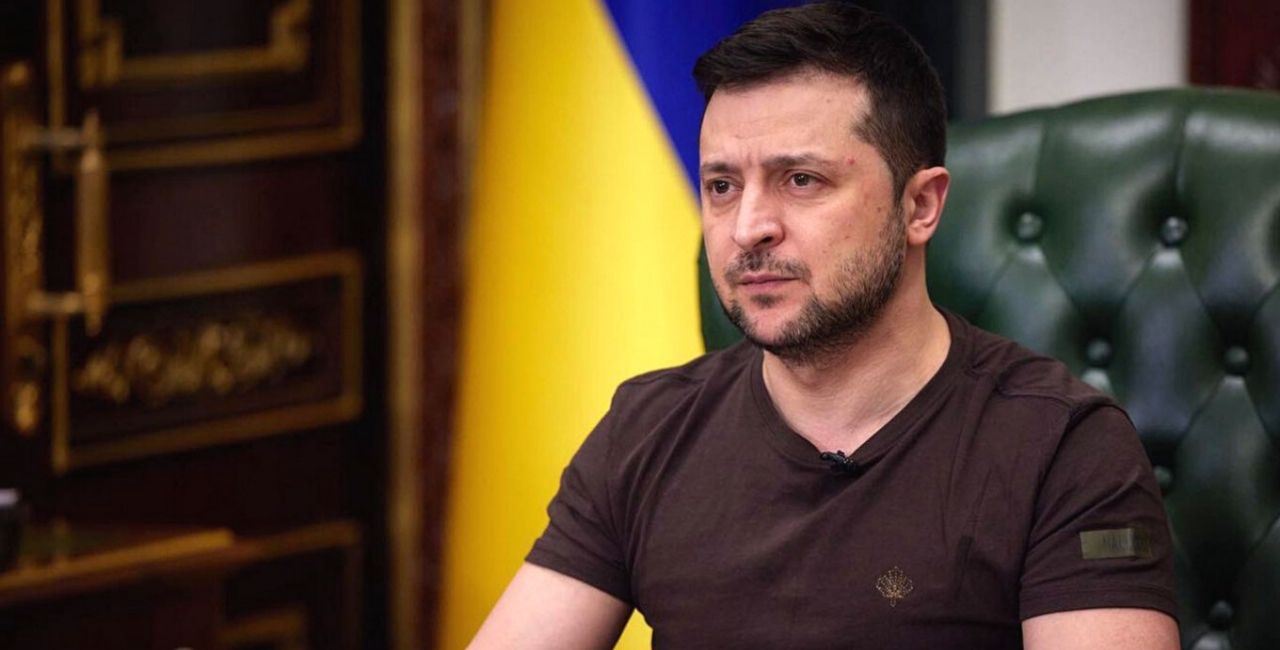
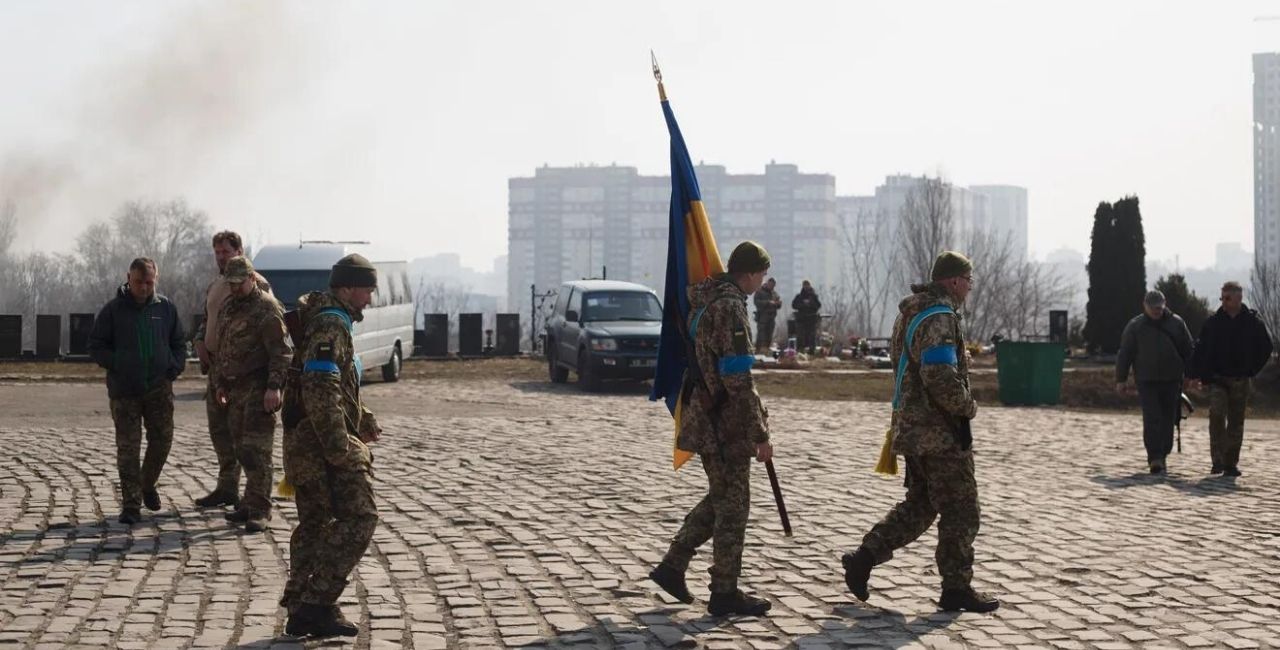
The President of Ukraine, Volodimir Zelensky, thanked the Prime Minister of the Czech Republic, Petr Fiala, on Tuesday for his support in the framework of the Russian invasion. Through his account on the social network Twitter, Zelensky highlighted to Fiala the security and humanitarian assistance provided to Ukraine, which he described as “significant”. Petr Fiala was one of three EU heads of government to visit besieged Kyiv personally earlier in March. Similarly, he has highlighted the “exceptional treatment” of Ukrainians who have found “temporary” reception in the Czech Republic. “We really appreciate it,” he added. He has also briefed Romanian President Klaus Iohannis on the ongoing fight against the Russian invasion and on war crimes allegedly committed by Russian forces against civilians. In addition, they have discussed the possibility of expanding the support that Romania has provided to the Ukrainians. Zelensky has also had a phone conversation with South Korean President-elect Yoon Suk Yeol. The Ukrainian president has thanked South Korea for its support for Kyiv and wished him “success” in his mandate. Likewise, he has been “convinced” that there will be a “more fruitful cooperation” between Kyiv and Seoul. Here you can find the whole speech. The Czech Republic...
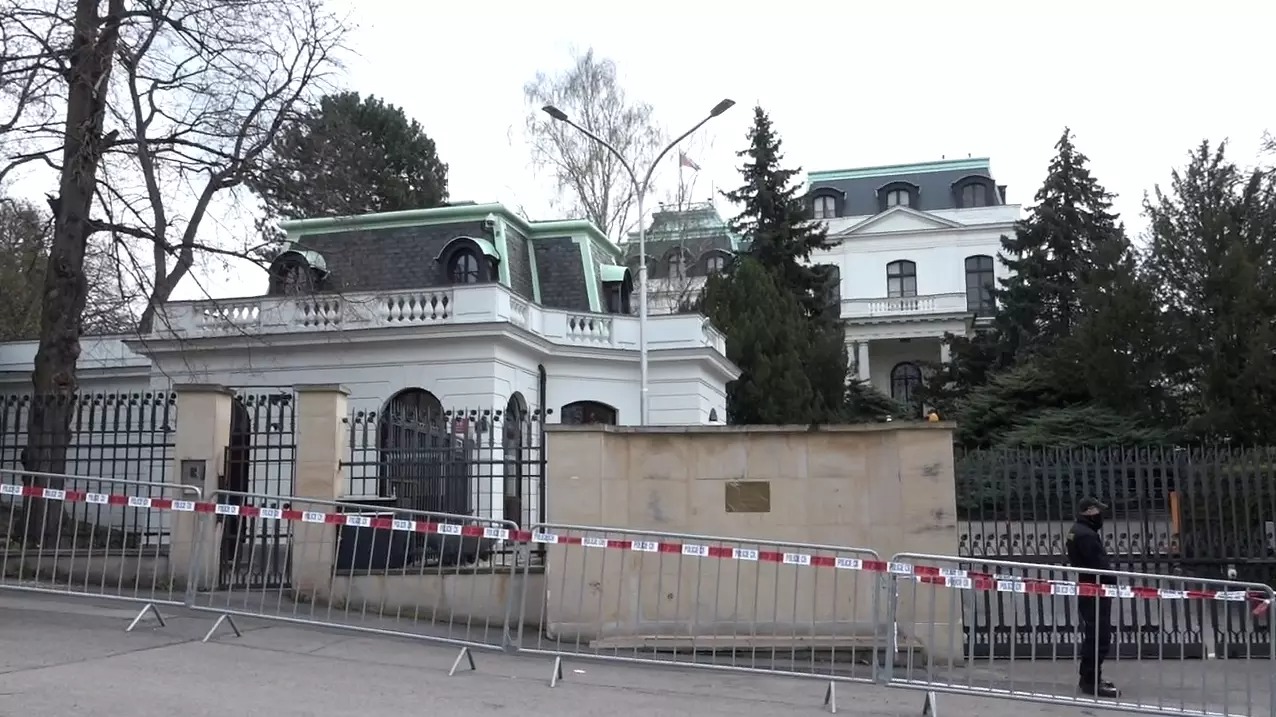
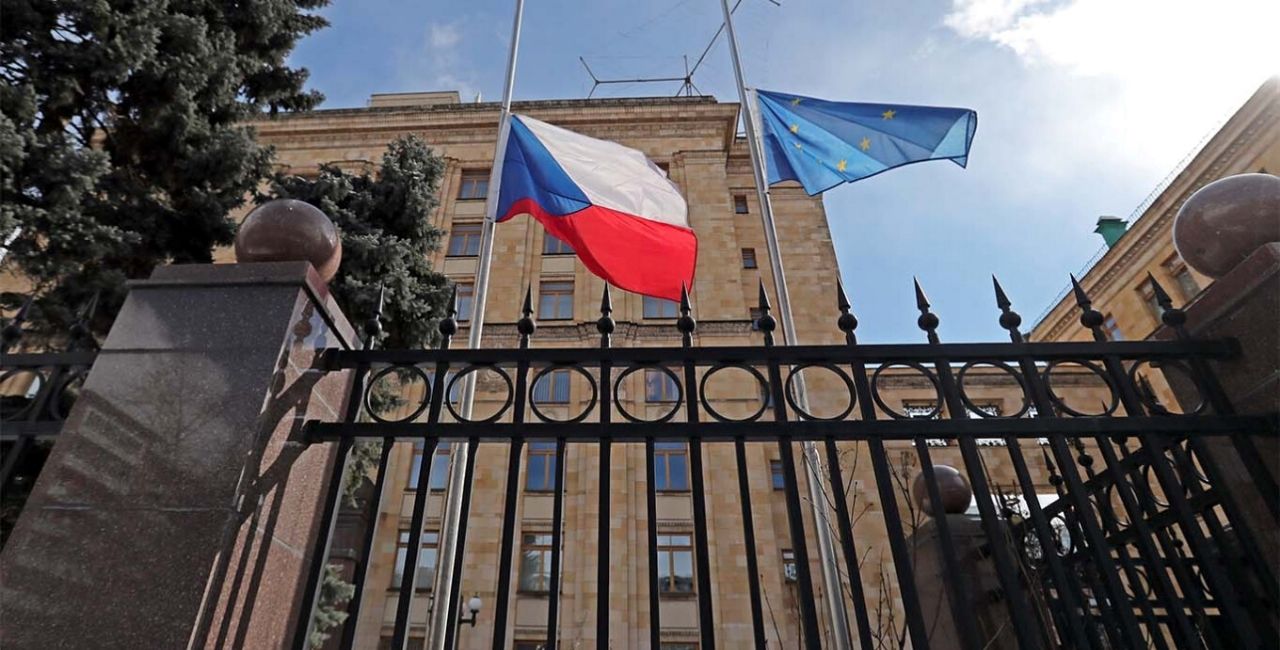
The Czech Republic expelled one member of the diplomatic staff at Russia’s embassy in Prague, the Ministry of Foreign Affairs said on Tuesday. “(The person) was requested to leave the Czech Republic within 72 hours. Together with our Allies, we are reducing the Russian intelligence presence in the EU,” the ministry said on its Twitter account. Earlier on Tuesday, Belgium announced the expulsion of 21 Russian diplomats, and the Netherlands expelled 17 Russian intelligence agents who were accredited as diplomats. The 21 Russians working at Moscow’s embassy in Brussels were all accredited as diplomats but were working on spying and influencing operations, a ministry spokesperson said. Moreover, Ireland asked four senior officials at the Russian Embassy to leave the country.
The Czech National Bank is set to raise its main rate by 50 basis points to 5.00% on March 31, a Reuters poll showed on Tuesday, which would be the highest since 2001 as policymakers battle an inflation surge exacerbated by the Ukraine war. The central bank has raised its two-week repo rate by 425 basis points since June, tightening aggressively to tackle inflation that hit a 24-year high of 11.1% in February. Price pressures are still building, spurred on by rising energy costs following the Ukraine conflict. A Reuters poll showed most analysts expected the central bank to deliver one more big interest rate increase when it meets on Thursday, and only a few predicted borrowing costs would rise again later this year. Nine out of the 12 analysts polled predicted an increase of 50 basis points this week and two expected a rise of 25 basis points. One expected no change. Of the six respondents giving an outlook beyond March, three forecast the main rate would peak at 5.50% this year. In a January poll, only one forecast rates would rise above 5%. The central bank will announce its decision at 2:30 p.m. on Thursday, followed by a...
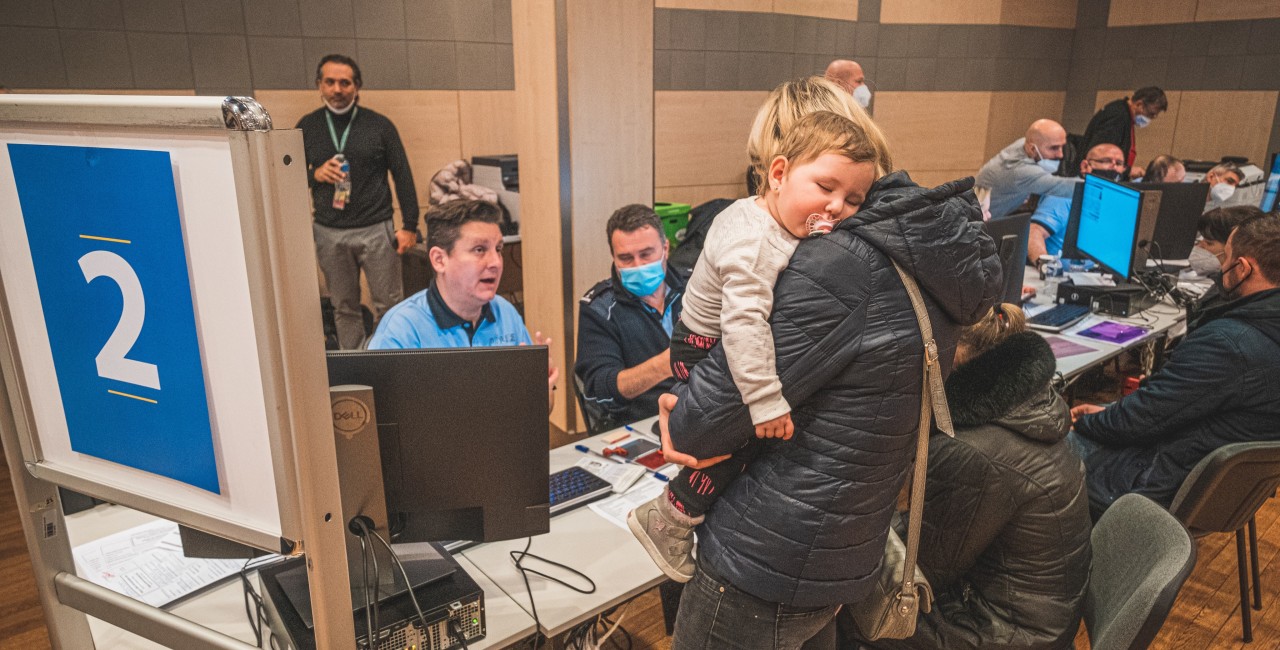
Czech Prime Minister Petr Fiala said on Tuesday he had tested positive for COVID-19 and would isolate for seven days. “I want to return to my work program as soon as possible, at least from home,” Fiala said on his Twitter account. The news comes as the government’s proposal for extending the state of emergency in the country is set to be debated in the Chamber of Deputies, in order to ensure the successful management of the massive Ukrainian refugee influx. “It is unlikely that the Ukrainian refugee wave will slow down in the next two months,” said Interior Minister Vít Rakušan. The government says if the legal instrument is not extended a system under which Ukrainian refugees can get accommodation via regional assistance centres would cease to function. Emergency purchases of essentials would also be impossible, says a government paper. 8,812 new cases of Covid-19 were recorded in the Czech Republic on Monday, which was a fall of 15 percent on the same day last week. There was a similar week-on-week percentage fall in the number of tests conducted. There were 1,857 people in hospital with the coronavirus on Monday.
Czech Foreign Ministry summoned the Russian Ambassador Alexandr Zmejevskij to Prague to protest against the unacceptable behaviour of authorities in Moscow. According to the Ministry, Czech diplomats are facing severe harassment. “The staff of our embassy in Moscow have been the target of gross harassment by the Russian authorities,” Czech Foreign Ministry spokeswoman Lenka Do said on Saturday (26 March). The Foreign Ministry is convinced that Russia’s behaviour breaches international law. “We will not give details for security reasons, but we appeal to the Russian side to respect the Vienna Convention on Diplomatic Relations,” she added. Zmejevskij has been the Russian ambassador to Prague since 2016. Before that, he served as President Vladimir Putin’s advisor on international cooperation in the fight against terrorism and transnational organised crime. In the past, he has made several critical statements about the Czech Republic. Prime Minister Petr Fiala told Czech Television that Russia’s treatment of Czech diplomats is unacceptable. Prague has so far applied strict sanctions against Russia, which goes beyond the common European response. For example, the Czech Republic is no longer issuing visas for Russian citizens, except for humanitarian cases. “We have reduced diplomatic contacts to a bare minimum, and we will...
The Czech Republic, Poland, and Slovenia have prepared a list of measures the EU should carry out to end the war in Ukraine, including granting Russian deserters asylum. The EU, US and other Western democracies have already imposed harsh sanctions on Russia, but Poland, the Czech Republic and Slovenia would like to go even further. “If we want to restore peace, Putin needs to know where the red line is — the line he cannot cross,” Morawiecki said. “The fact that Russia has a nuclear arsenal cannot be an excuse for passivity,” he added. “We must be cognizant of this threat, but it cannot hold us back,” Morawiecki said, adding that “otherwise, Putin will only go further.” According to the prime minister, the plan prepared by Warsaw, Prague and Ljubljana is both viable and necessary. First, we must cut off all Russian banks from the SWIFT international payment system. Otherwise, the Russian economy will adapt to the new conditions within a few weeks. Second, we must put in place a common asylum policy for Russian soldiers who refuse to serve the criminal regime in Moscow. Third, we must completely stop Russian propaganda in Europe. Freedom of speech does not mean...
“As Czech Republic, we understand that we are one of the priority countries. Those people seek refuge where it is linguistically and culturally close to them,” states Czech Labor Minister Marian Jurečka. Czechs who offer to accommodate refugees in their own homes or vacant apartments will receive a contribution of 3,000 crowns per person per month to cover costs, the Czech government announced on Wednesday. Discussing the help available for refugees in an interview with the SeznamZprávy news outlet, Czech Labor Minister Marian Jurečka explained that the government expects part reimbursement of the cost from the European Commission through the EU budget. “The ceiling amount of 12,000 crowns can already cover the basic costs,” Jurečka said about the maximum amount someone can claim from the state for housing refugees. “Those people will also have access to the labor market and will be able to pay some of their future income, but we leave it to the agreement between them and those who sheltered them,” said the minister. “Mandatory quotas have not been discussed in Brussels in three weeks. We do not consider this mechanism. As the Czech Republic, we understand that we are one of the priority countries,” Jurečka explained....
Don’t have an account? Register
Already have an account? Log In
How Would You Like to Promote Your Business? PR ArticleDisplay bannersVideo productionNewsletter adsJob ListingsInfluencer Marketing
Your Email
We will come back to you within 24 hours with our proporsal