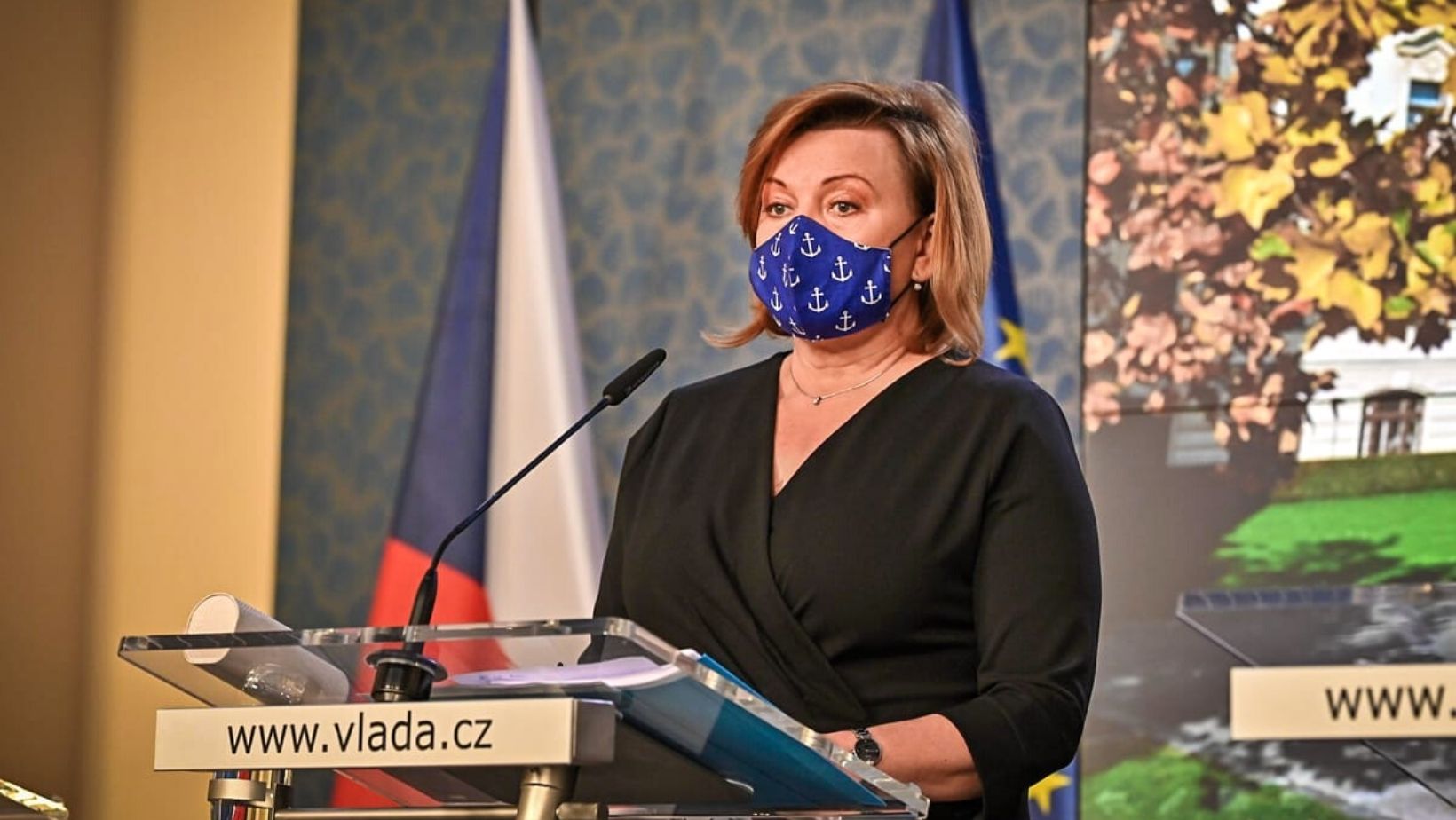
On Monday, the Czech government authorized Minister of Finance Alena Schillerová to waive the Value Added Tax (VAT) on energy for November and December because of the rising energy prices. Schillerová announced the decision at a press conference after a government meeting on the issue, adding that it will cost the state budget 1 billion CZK a month. The VAT rate on energy is now 21 percent. With this step, the government is responding to rising electricity and gas prices, which are affecting all of Europe. The typical Czech household, which pays 1,000 CZK a month for electricity, will save about 350 CZK on their bill for November and December, said Schillerová. The tax waiver is made possible by a provision in the Czech tax code that allows the Minister of Finance to collectively waive the payment of tax in the event of extraordinary events, especially natural disasters. According to the minister, this step should be followed by an amendment to the VAT Act effective from Jan. 1, which will extend zero VAT for a necessary period of time. The government should discuss the situation at a special meeting on Wednesday. According to Schillerová, waiving the VAT is an unusual act,...
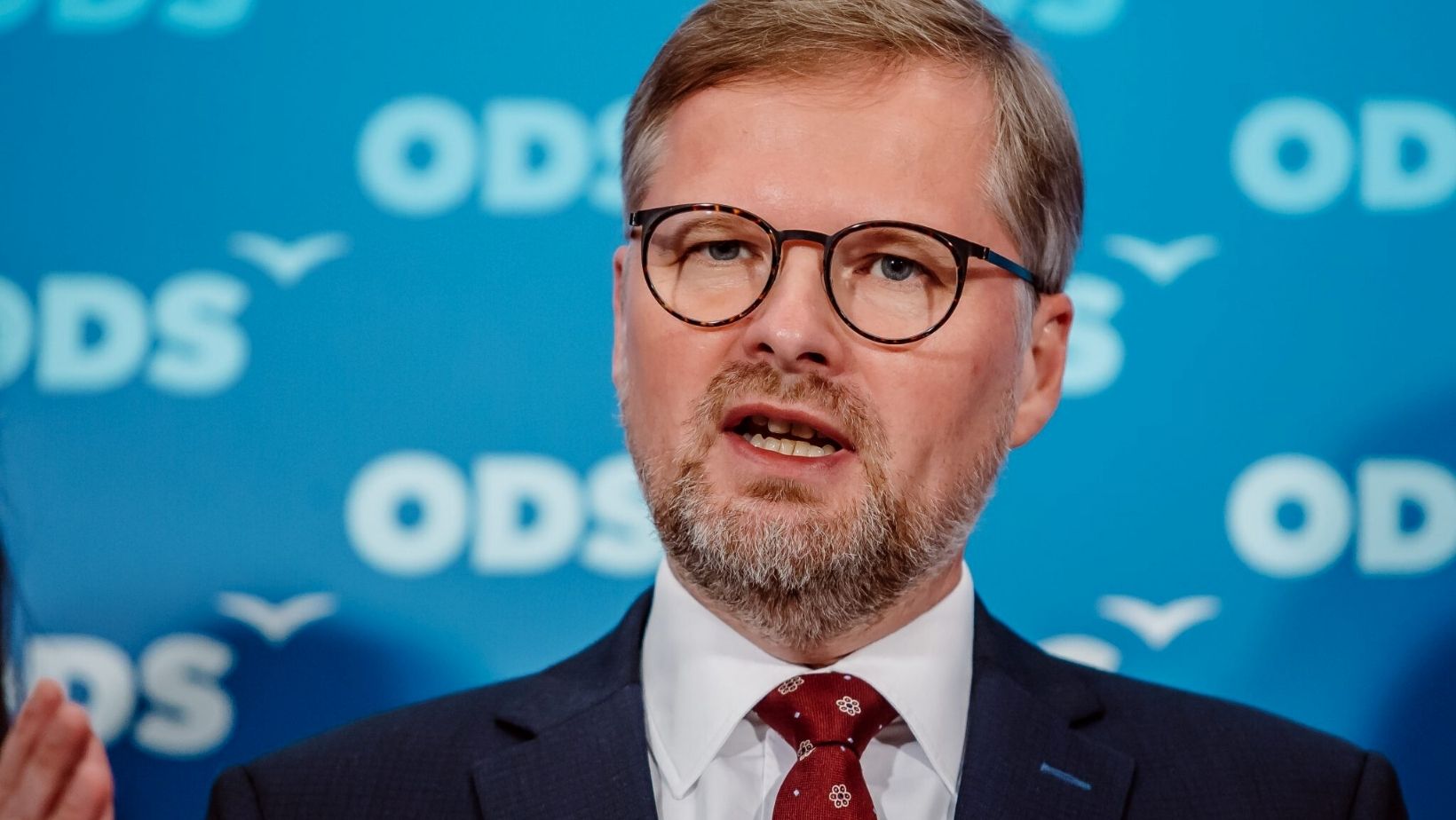
Czech opposition parties seeking to form a new government will aim to rework the 2022 budget to cut the planned deficit to below 300 billion CZK, a top party leader said on Sunday. Petr Fiala, leader of the centre-right coalition Together which defeated Prime Minister Andrej Babis’s ruling ANO party in an Oct. 8-9 election and plans to form a new government with the Pirate/Mayors group, told a Czech Television debate show that they would reject the current administration’s budget plans. That means the budget is unlikely to be approved before year-end, causing the country to revert to a provisional plan that limits discretionary spending. Fiala said a provisional budget for up to two months would not cause a problem. Babis’s government has proposed a 376.6 billion CZK deficit in 2022, similar to the record gap seen in 2020 after the start of the coronavirus pandemic and the expected gap seen in 2021 as spending stays high. “A deficit like this is not possible,” Fiala said. “We have to count on a provisional budget, but of course it is in everybody’s interest to have the amended budget accepted at the soonest.” He said changes could be done in weeks. When...
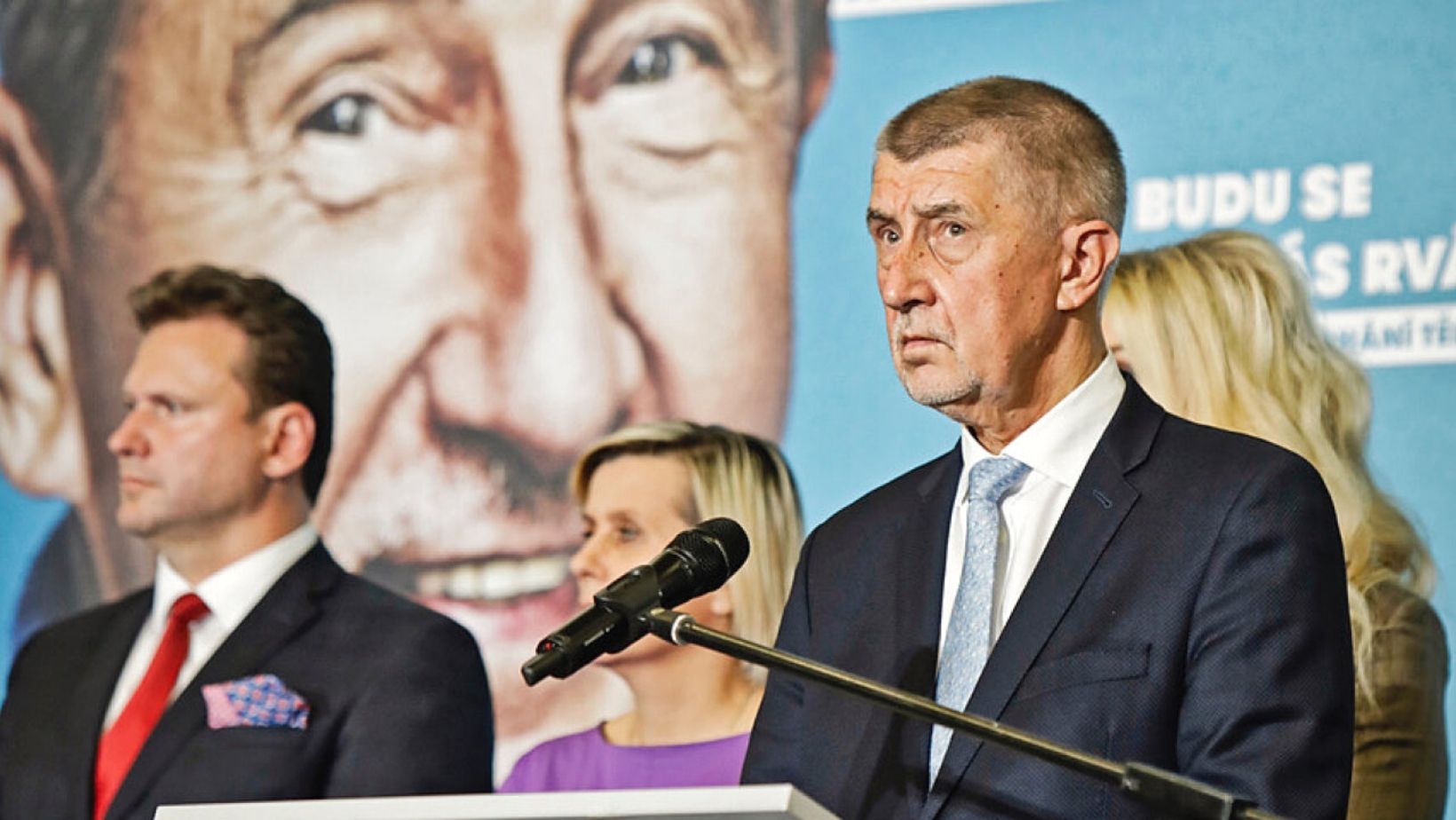
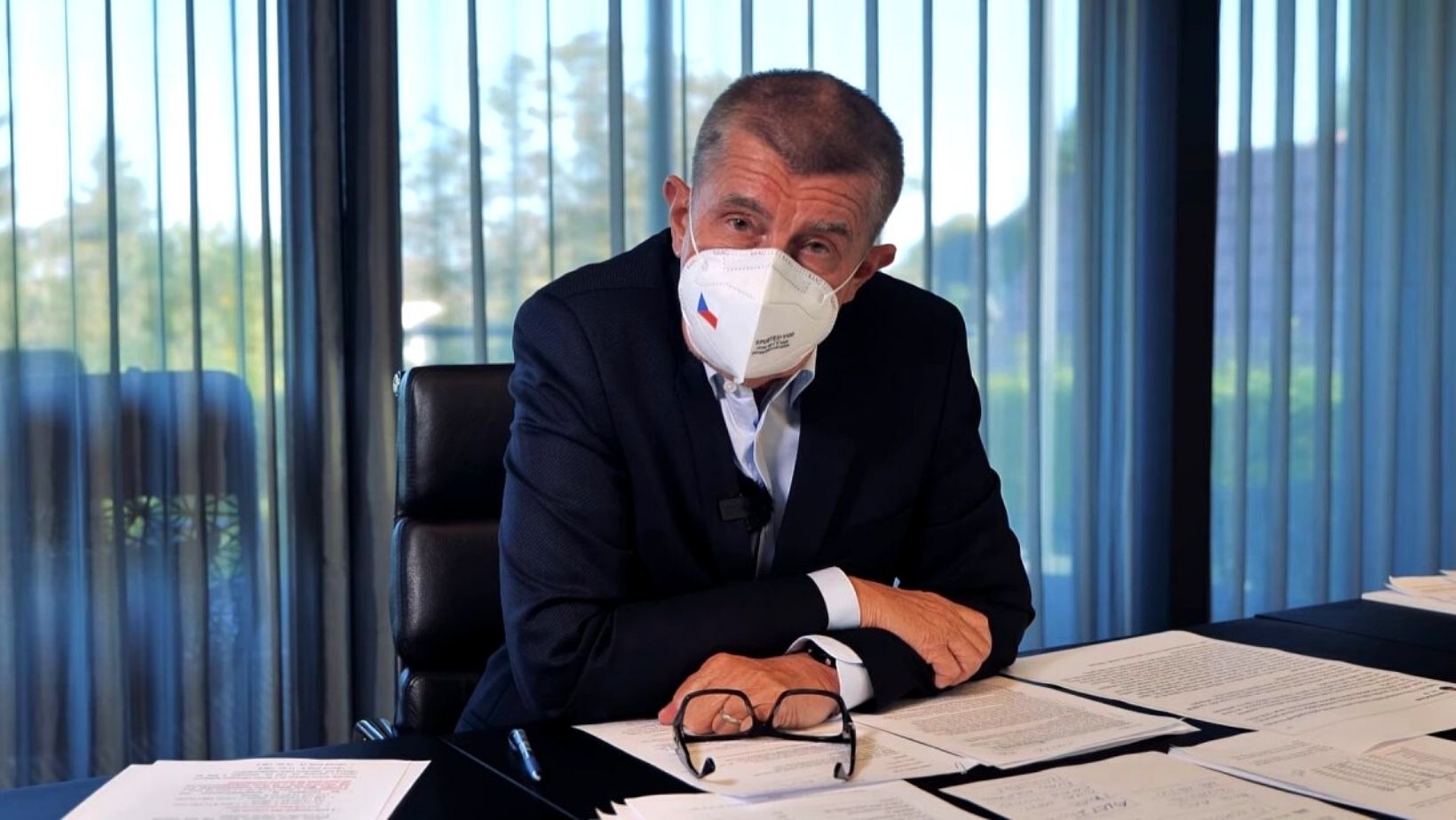
Czech Prime Minister Andrej Babis said he wouldn’t accept an offer to try to create a new government after his centrist ANO political movement narrowly lost in the parliamentary election last week and was ready to end up in opposition. Babis announced his decision in an interview for the Frekvence 1 radio station on Friday. “We´ll hand it over to the new coalition and we´ll be in opposition,” the populist billionaire said. Babis´ decision opens the way for two coalitions of five parties that have won a majority in the vote to rule. A liberal-conservative, three-party coalition named Together captured 27.8% of the vote on Saturday, beating Babis´ ANO party, which won 27.1%. A center-left liberal coalition received 15.6% to finish third. The two coalitions have pledged to govern jointly. They´re closer to the European Union mainstream than Euroskeptic Babis. Together won 71 of the 200 seats in the lower house of parliament and the center-left alliance won 37 seats, which would give their government a comfortable, 108-seat majority. Babis´ ANO won 72 seats, six fewer than it did in the 2017 election. President Milos Zeman who is currently hospitalized previously said he would first give a mandate to the...
The Czech economy will grow by 3.8 percent this year and speed up to 4.5 percent next year, according to the International Monetary Fund (IMF) in its autumn outlook. It thus worsened its estimate from the spring forecast, when it expected the Czech gross domestic product (GDP) to increase to 4.2 percent this year. The Monetary Fund sees next year more optimistically in the case of both the Czech Republic and Slovakia. In the spring, it predicted the Czech Republic to grow by 4.3 percent and Slovakia by 4.4 percent. Now, in the case of Slovakia, it is expecting an economic increase of 5.2 percent next year. In its forecast at the end of August, the Czech Ministry of Finance improved its estimate of economic development for this year and 2022. The economy is expected to grow by 3.2 percent this year and by 4.2 percent next year. In its forecast from early August, the Czech National Bank expects economic growth of 3.5 percent and next year of 4.1 percent.
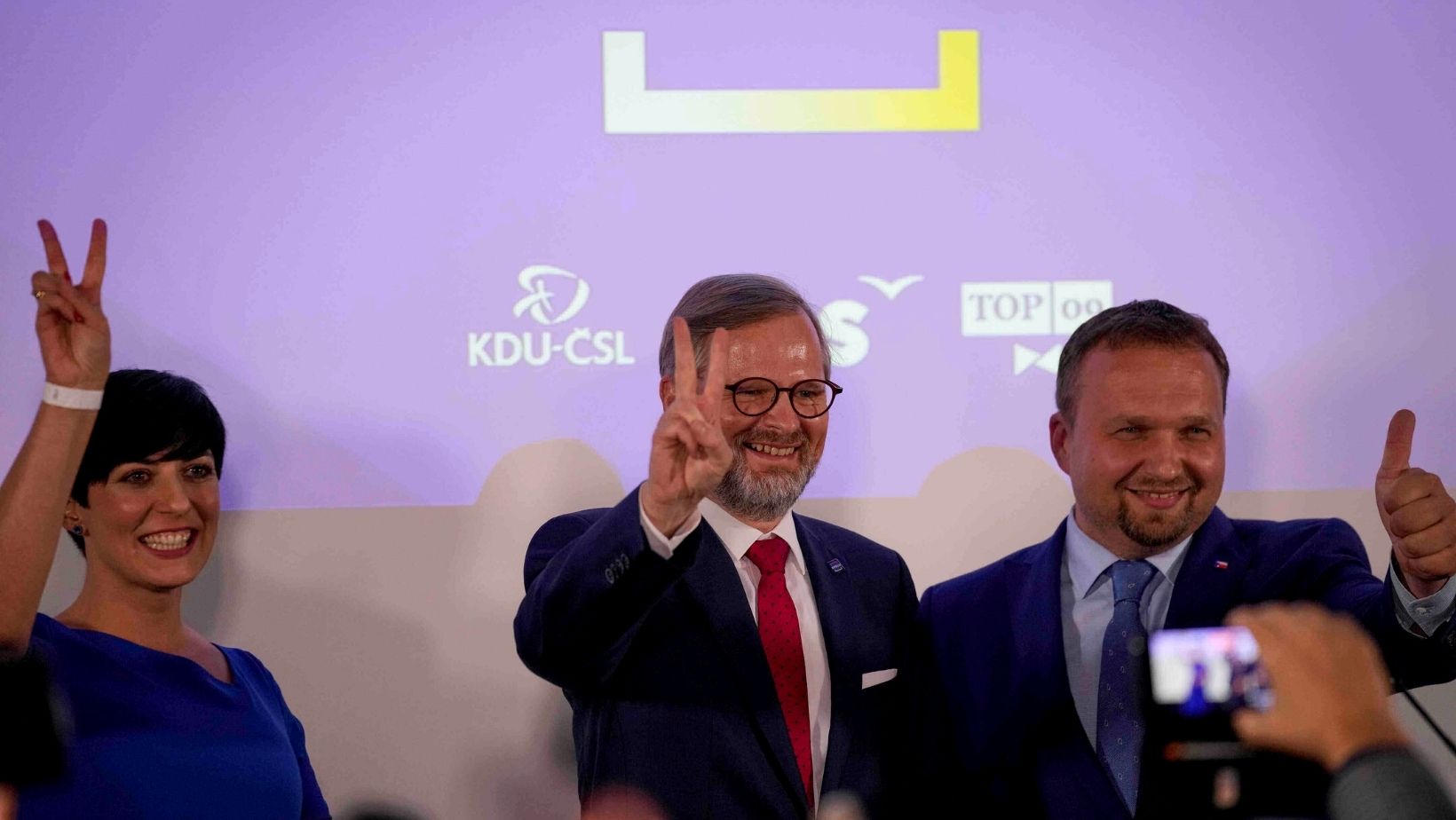
Czech President Milos Zeman will meet with the leader of the opposition coalition Together, Petr Fiala, at his request at a time to be determined later, the president’s spokesman said on Twitter on Wednesday. Zeman was taken to hospital and placed in an intensive care unit on Sunday, a day after Together and another coalition group defeated Prime Minister Andrej Babis’s ruling ANO party and its allies in a parliamentary election and pledged to form a cabinet. Zeman, an ally of Babis, has not yet said who he would tap to try to form a government talks first. Election in numbers With 27.8% the SPOLU (Togеther) coalition, consisting of the Civic Democratic Party (ODS), Christian Democrats (KDU-ČSL), and Liberal Democratic Party (TOP 09), received the most votes; the next largest vote share — 27.1% — went to Babiš’s movement ANO (Yes), which received 29.6% in 2017; next came the coalition of the Pirati (Pirate party) and STAN (The Mayors and Independents) at 15.6%; SPD Movement (Freedom and Direct Democracy, a right-wing Eurosceptical party) at 9.6% (10.6% in 2017). The parties that were unable to enter the Chamber of Deputies were the ČSSD (social democrats), which got 4.7% of votes (7.3%...
The Czech Republic finds itself after Saturday’s election in the unusual position of having a combined opposition majority and a prime minister who has yet to give up attempts at forming a new cabinet. And President Milos Zeman is in intensive care due to complications caused by an undisclosed chronic illness, unable to oversee talks to form a new government. Here’s what could happen next. FIRST STEPS By convention, the president should talk to all parties and ask one of them to negotiate with partners and propose a government. But with Zeman in hospital, the parties plan to talk among themselves. The first parliamentary session will be held within a month of the election and must elect the new parliamentary speaker, a crucial test of control in the chamber. After that, the outgoing government resigns and the president appoints a new prime minister and cabinet, but there is no deadline for this process. ZEMAN APPOINTS BABIS Zeman could give his ally, Prime Minister Andrej Babis, the first chance to form a government on the basis that Babis’s centrist ANO party won the biggest single share of seats. Zeman had in the past said the biggest party would have the first...
Prime Minister Andrej Babiš (ANO) said he would definitely stay in the Parliament, even if his party ended up in opposition. Before the election, however, he claimed the stated opposite: “If I will not retain power after next weekend’s elections, I’m ready to quit politics”, said Babiš to radio station Frekvence 1. “I will not give up. I have bad news for you, I will stay in that Parliament. And if we end up in opposition, I’ll be there. And we will follow all those promises of Mr. Fiala. I devoted ten years of my life to my party, I did it for the sake of this country,” he said on Facebook on Sunday. Babiš now plans to address the ODS for negotiations. “We will see if they want to cooperate or not.” However, the Pirates and Mayors, together with the SPOLU coalition, agreed on a memorandum on Saturday in which they pledged to attempt to form a government and asked President Zeman to name SPOLU leader Petr Fiala prime minister. Spolu consists of the Civic Democratic Party (ODS), KDU-ČSL, and TOP 09. FORMING GOVT MAY TAKE MONTHS Under the constitution, the president can appoint anyone as prime minister and instruct them to...
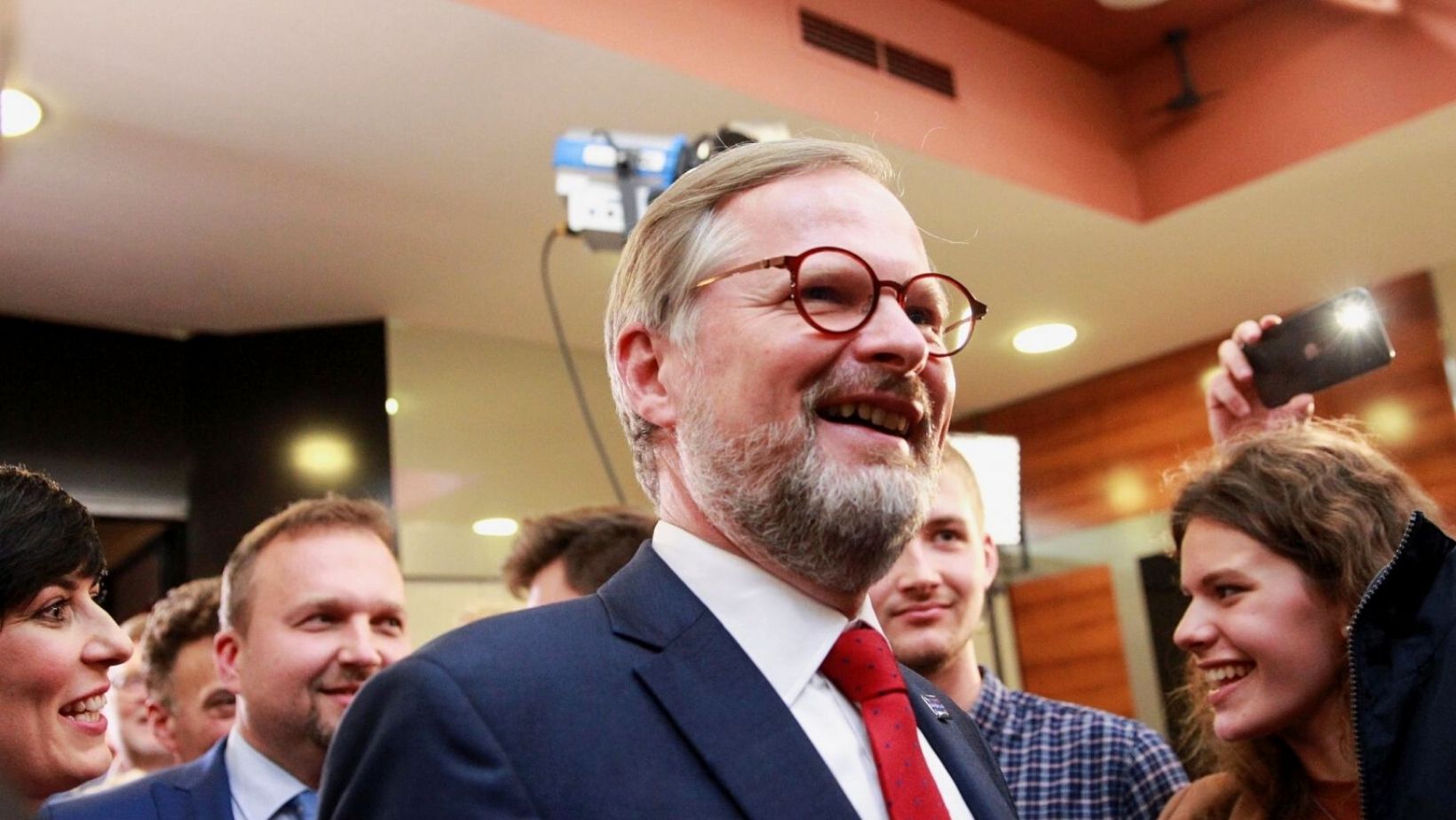
Prime minister Andrej Babiš appears to have lost his grip on power after his populist party failed to win a majority in Saturday’s nail-bitingly close election. The results mean opposition coalitions could now join forces to grab power after a dramatic day at the ballot box. With 100% of the votes counted, the center-right alliance Spolu (Together) won the most votes with 27.79% of the ballots, followed by Babiš’s ANO party with 27.12%, and the centrist PirStan coalition on 15.62%, according to a tally of votes on the statistical office’s website. While Babiš’s party ANO won the most votes of any single party, it does not have any clear path to a majority after Saturday’s vote. “We are the change. You are the change,” Spolu coalition leader Petr Fiala said Saturday, claiming victory before a cheering crowd. The leader of the PirStan coalition, Ivan Bartoš, said talks with Spolu “on the possibilities of forming a new government” would likely begin on Saturday. “The dominance of Andrej Babiš is over, and the democratic parties have shown that the era of chaos will probably be behind us,” Bartoš said. The memorandum was a challenge to President Miloš Zeman who has said prior...
With nearly all votes counted, the opposition coalition appears to have secured a slim majority, overtaking Prime Minister Andrej Babis’ ANO party. Czech Television predicts two opposition coalitions will win 108 of 200 seats. Opposition leader says they will start talks on forming a government. Both groups have said they will not work with Babis. The Czech centre-right and liberal opposition groups were set to gain a majority in the lower house holding a narrow lead during Saturday’s parliamentary election. With 99.6% of voting districts reporting results, premier Andrej Babis and his ANO party have fallen behind, holding 27.27% of the vote in the two-day election to determine 200 seats in the lower house of parliament. Meanwhile, the Pirates/Mayors coalition leader Ivan Bartos said they will begin talks of forming the next government. However, Czech President Miloš Zeman is still widely expected to task Babiš with forming a new government because he leads the individual party with the most votes. Zeman has said he believes election coalitions are “a scam.” With both the Communists and the Social Democrats out of parliament, it seems unlikely that Babiš will be able to find enough support to remain in power and a period of political...
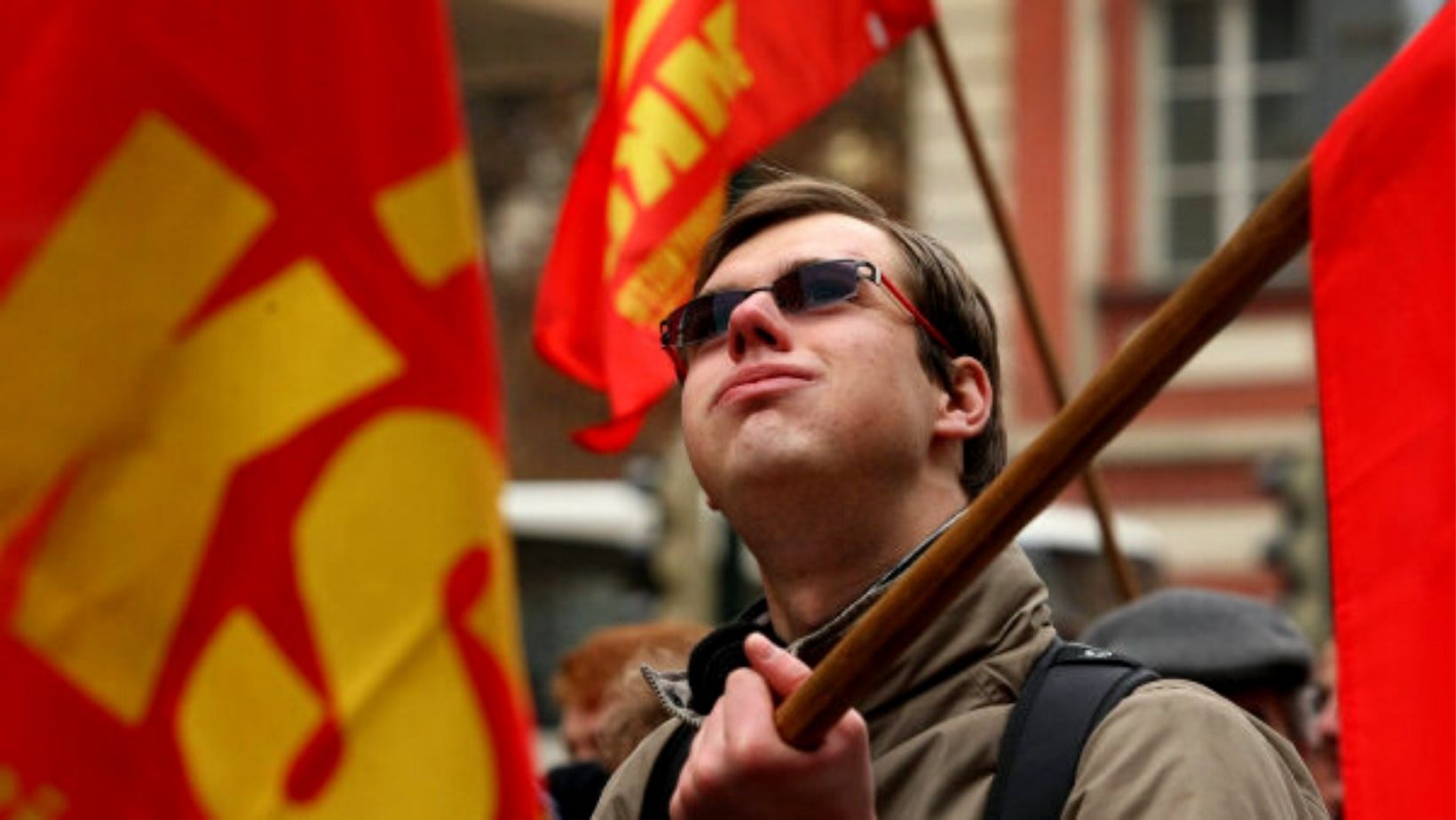
A video clip tagged “farewellcomrades” has gone viral ahead of this week’s Czech elections as the Communist Party faces a parliamentary wipe-out, 32 years after being toppled in the 1989 Velvet Revolution. The clip features a queue for food reminiscent of the long lines seen during the former Communist command economy in then Czechoslovakia between 1948 and 1989. More than three decades since the Czechs overthrew the regime, the party now risks crashing out of parliament for the first time since World War II. “Their voter base is dying out or deserting them for other parties,” said Otto Eibl, an analyst at Masaryk University in the second Czech city of Brno. “And they’re obviously not able to revamp themselves in a way that would ensure their survival,” he told AFP. The Communist Party currently has 15 seats in the 200-seat Czech lower house of parliament, down from 33 in 2013-2017. Opinion polls ahead of the parliamentary election show that it risks failing to muster the five percent voter support required for any political party to enter parliament despite its efforts to woo young voters born after Communist rule. It is also fighting with something of an image problem for its...
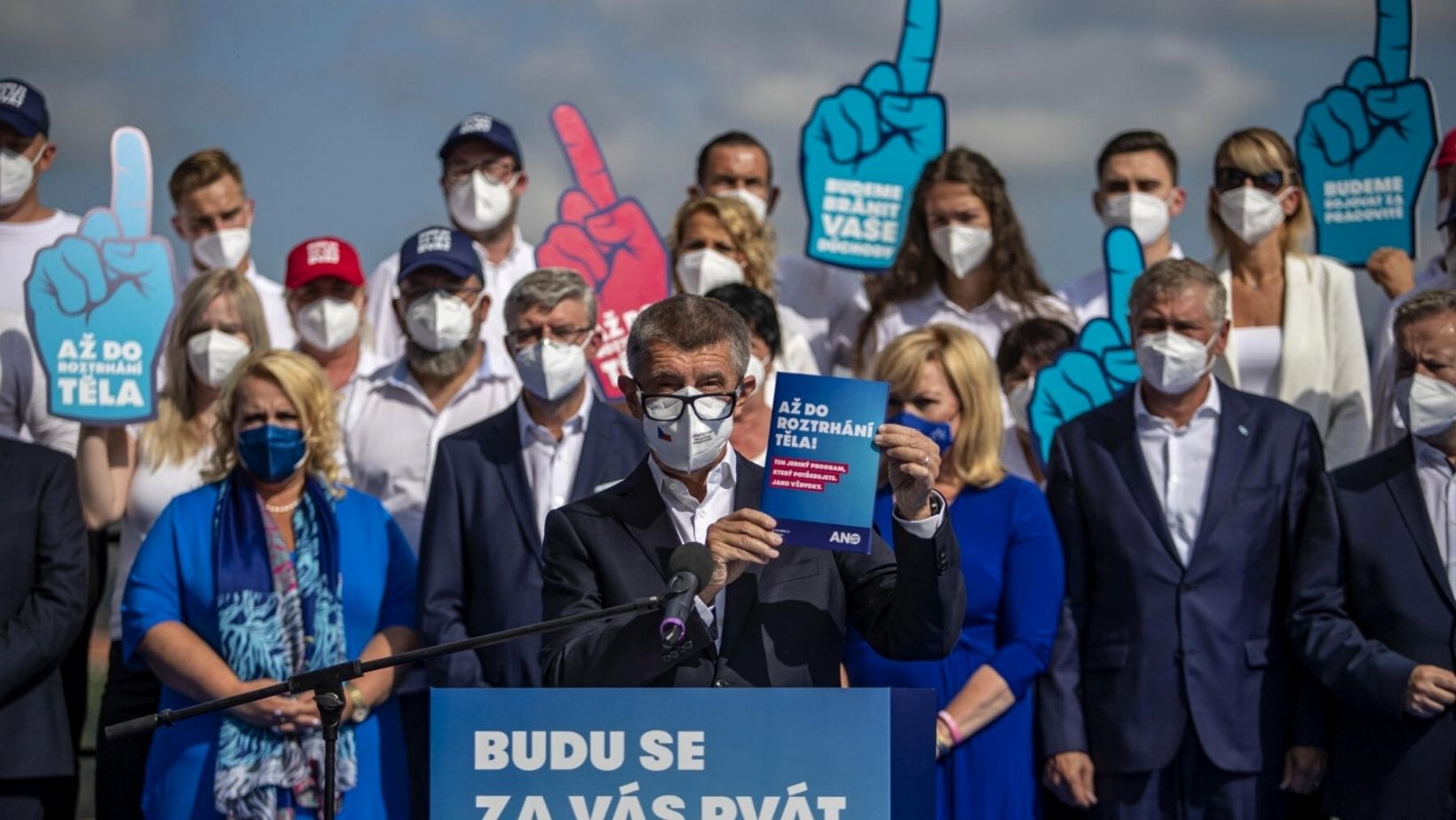
Czechs are voting in a parliamentary election as polls show PM Andrej Babiš has a good chance of keeping his job, despite a new scandal over his financial dealings. Two days of balloting are being held to fill 200 seats in the lower house of parliament, the main legislative body in the Czech Republic. Babiš, 67, has had a turbulent term in office, featuring numerous scandals. Police have recommended that he should be indicted over alleged fraud involving EU subsidies, and a recently published EU report concluded that Babis has a conflict of interest over subsidies from the bloc involving his former business empire. However, all polls favor his centrist ANO movement to come first with at least 25% of the vote. But it is not clear if Babis will have a big enough margin of victory to be able to form a new coalition government. The latest scandal links Babis to offshore accounts. Findings by the International Consortium of Investigative Journalists, dubbed the “Pandora Papers”, alleged that Babiš put 22 million dollars into shell companies to buy 16 properties in southern France. The Pandora Papers presented details of how many of the world’s richest and most powerful people allegedly...
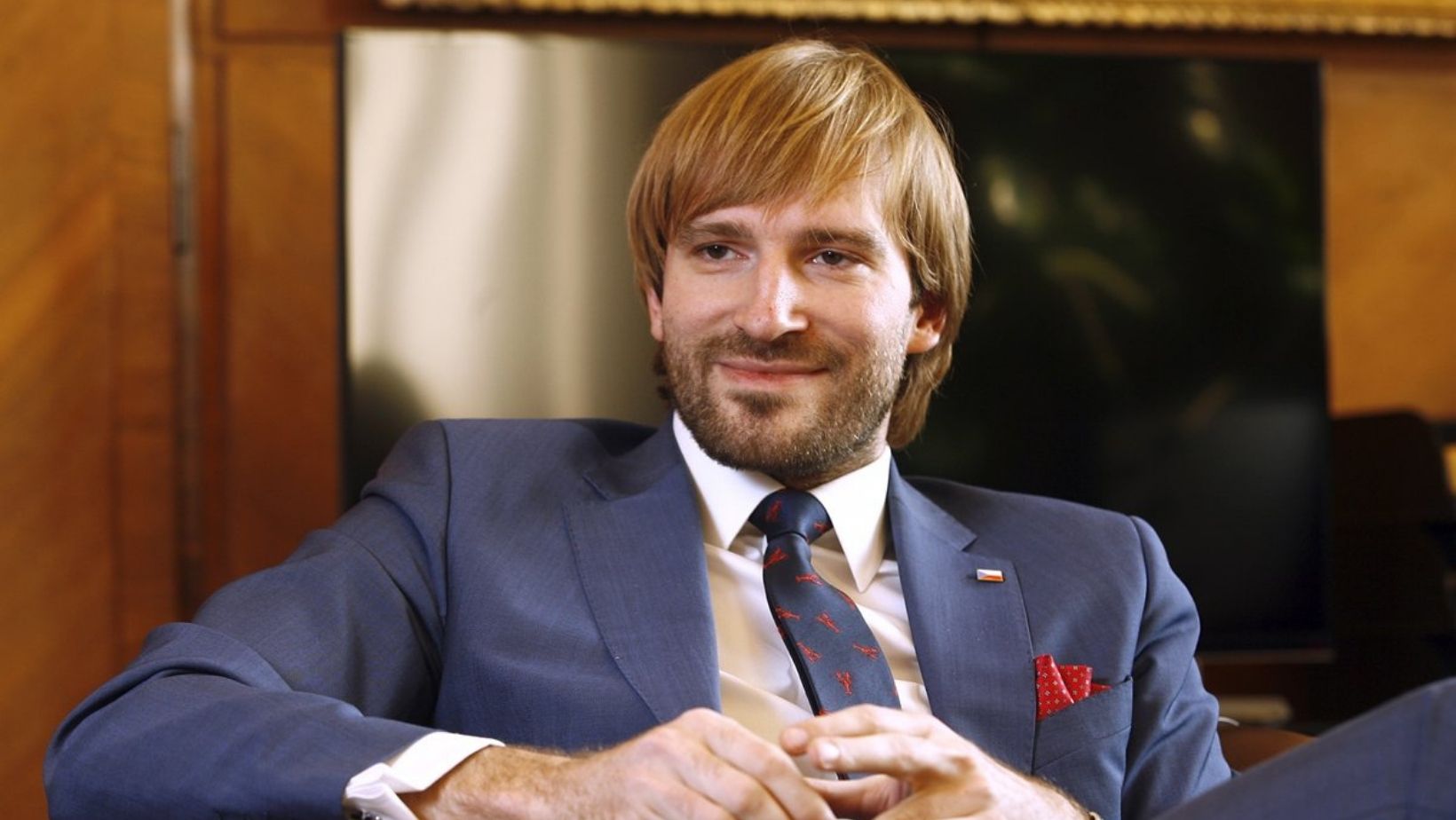
Czech Health Minister Adam Vojtěch has been nominated as the country’s ambassador to Finland as of November 1, the news site server SeznamZpravy reports. Vojtěch had already been approved for the same position once before, in February of this year, several months after resigning from the post of health minister. The news was announced by Prime Minister Andrej Babiš in an interview for Rádio Impuls. It is therefore expected that Miloš Zeman will support the proposal. “Even if ANO succeeds in the upcoming elections and forms a government, Adam Vojtěch will no longer be the Minister of Health. The original agreement is still valid, Vojtěch would move to Finland as the new ambassador,” confirmed Babiš. Vojtěch replaced Petr Arenberger as Health Minister resigned on May 25, 2021, following media revelations that he had failed to declare properties and income when he took over the post on April 7. Arenberger became the fourth Czech health minister to lose his post during the pandemic. 34-year-old Vojtěch is a graduate of the Faculty of Law of Charles University in Prague and also studied media studies at the university’s Faculty of Social Sciences. After a year as a lawyer, he became Babiš’s secretary at...
Don’t have an account? Register
Already have an account? Log In
How Would You Like to Promote Your Business? PR ArticleDisplay bannersVideo productionNewsletter adsJob ListingsInfluencer Marketing
Your Email
We will come back to you within 24 hours with our proporsal