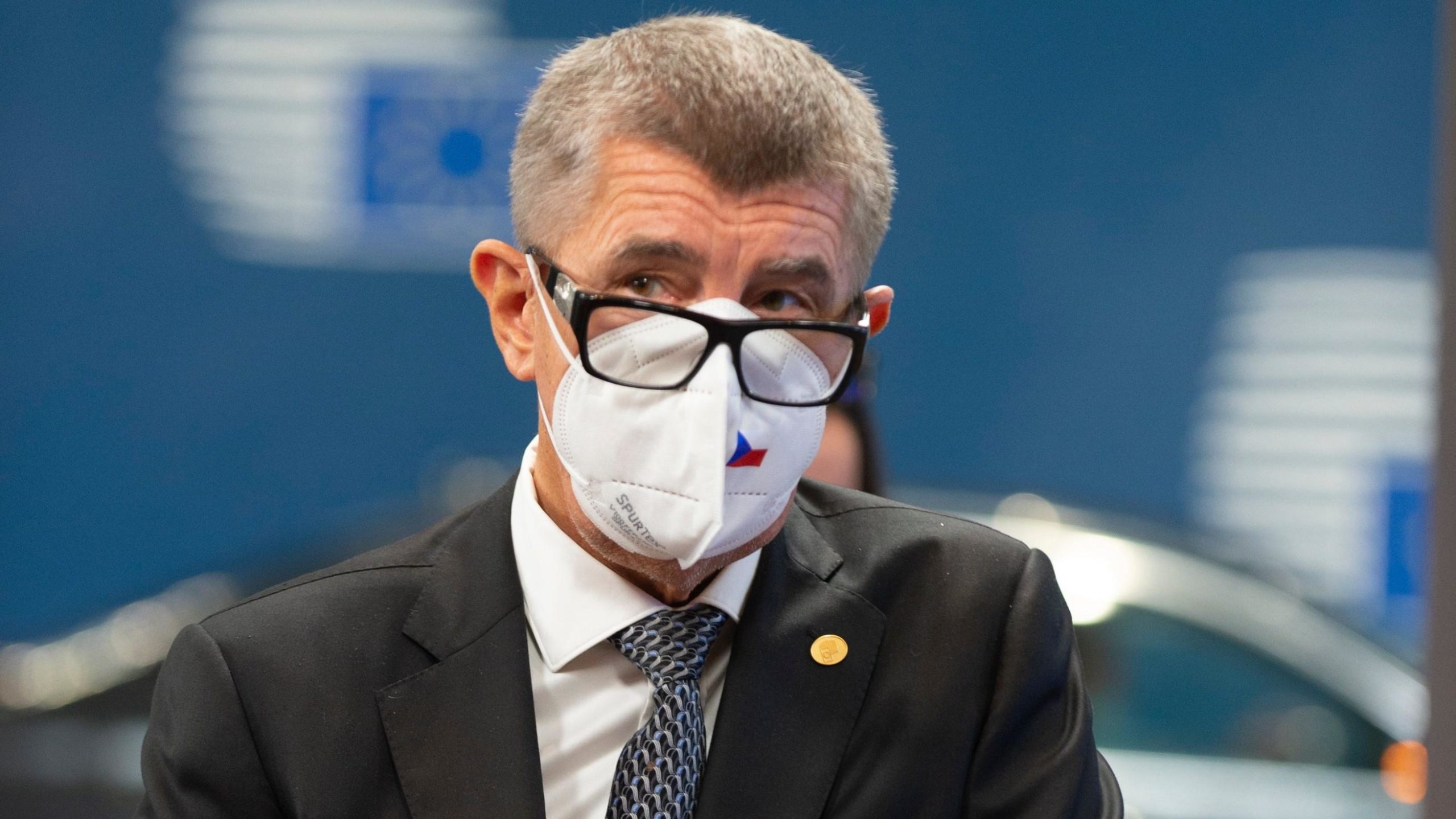
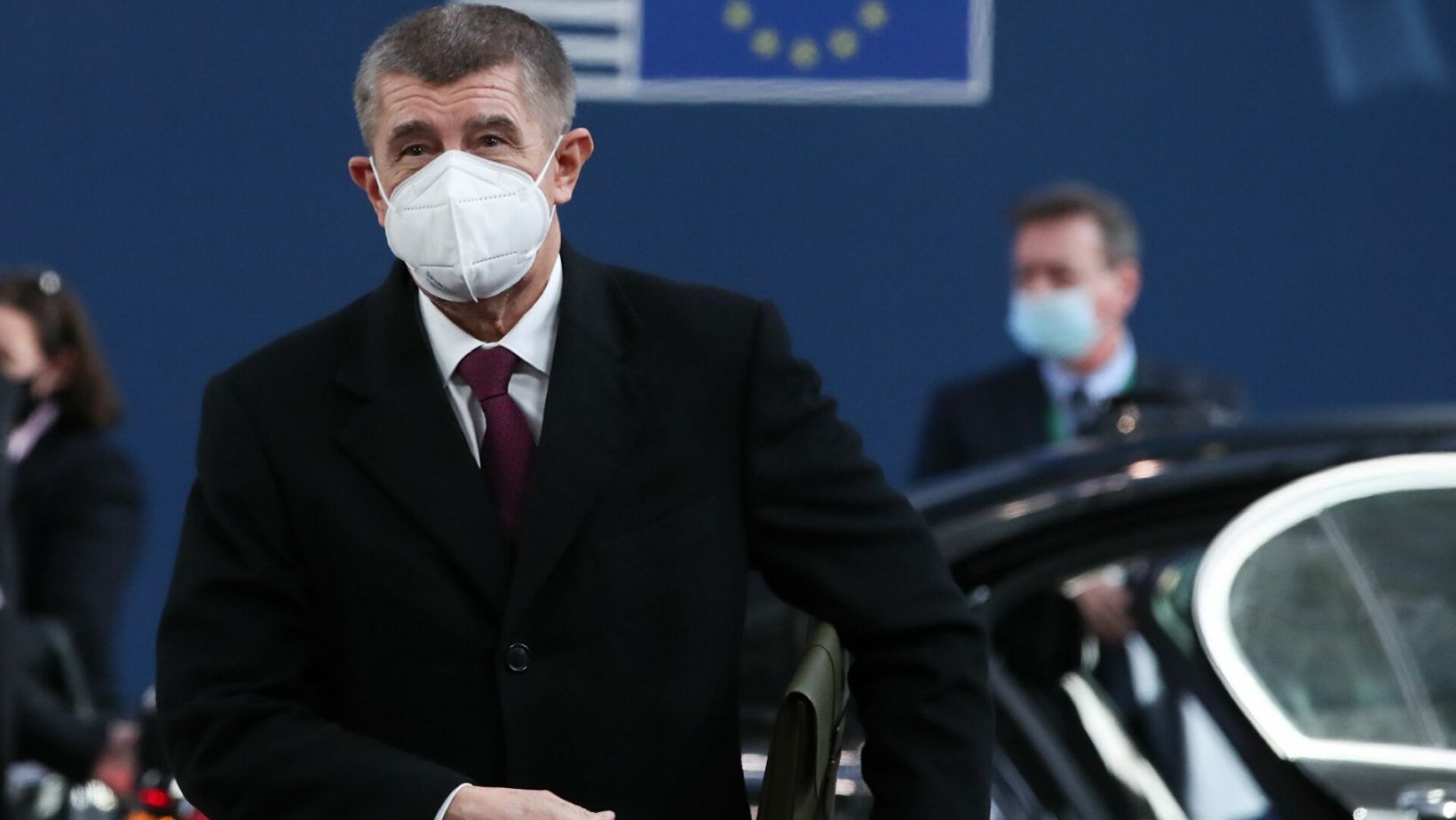
The European Commission on Monday approved a 1.9 billion euro (CZK 50 billion) Czech scheme to support companies affected by the COVID-19 pandemic. The Czech program will ensure liquidity support for businesses that have seen their revenues shrink due to lockdowns and other measures to curb the pandemic, EU Commissioner Margrethe Vestager, who is in charge of competition issues in the EU’s executive, said. Under the scheme, companies can get grants, guarantees or loans if they have experienced a minimum decline in turnover in the range of 25% to 50% since February 2020 compared to the time before the pandemic. Executive Vice-President Margrethe Vestager, in charge of competition policy, said: “Many EU companies have seen their revenues and activities significantly decline because of the restrictive measures put in place to limit the spread of the coronavirus. This €1.9 billion Czech scheme will ensure liquidity support to companies affected by the coronavirus outbreak. We continue working in close cooperation with Member States to find workable solutions to mitigate the economic impact of the coronavirus outbreak, in line with EU rules.” In the particular case of companies active in the cultural sector, the eligible ones are those that have been prevented or restricted...
Czech industrial output showed a bit of momentum in March, growing 3.2% month-on-month and marking its biggest year-on-year jump since 2007, a year after factory shutdowns at the outset of the COVID-19 pandemic sent production crashing. The monthly rise was higher than some analysts expected and comes despite central European factories, geared heavily to the car industry, grappling with a global shortage of semiconductors and delayed supply deliveries. On a year-on-year basis, Czech output soared 14.9%, higher than expected and following a 2.6% decline in February. The gain was mainly a reflection of a low comparative base, as many factories idled production one year ago. The stoppages have not been repeated during stronger waves of the pandemic since. Komercni Banka’s Senior Economist Michal Brozka said in a note that the monthly rise showed industry could still expand even amid component delivery problems. The bank expects the Czech industry to gain around 9% this year but that March data gave hope growth could be over 10%, with the component supply disruptions being the main drag, Brozka said. In separate data, the Czech trade balance in March also showed a year-on-year jump to a surplus of CZK 18.5 billion, rising largely on...
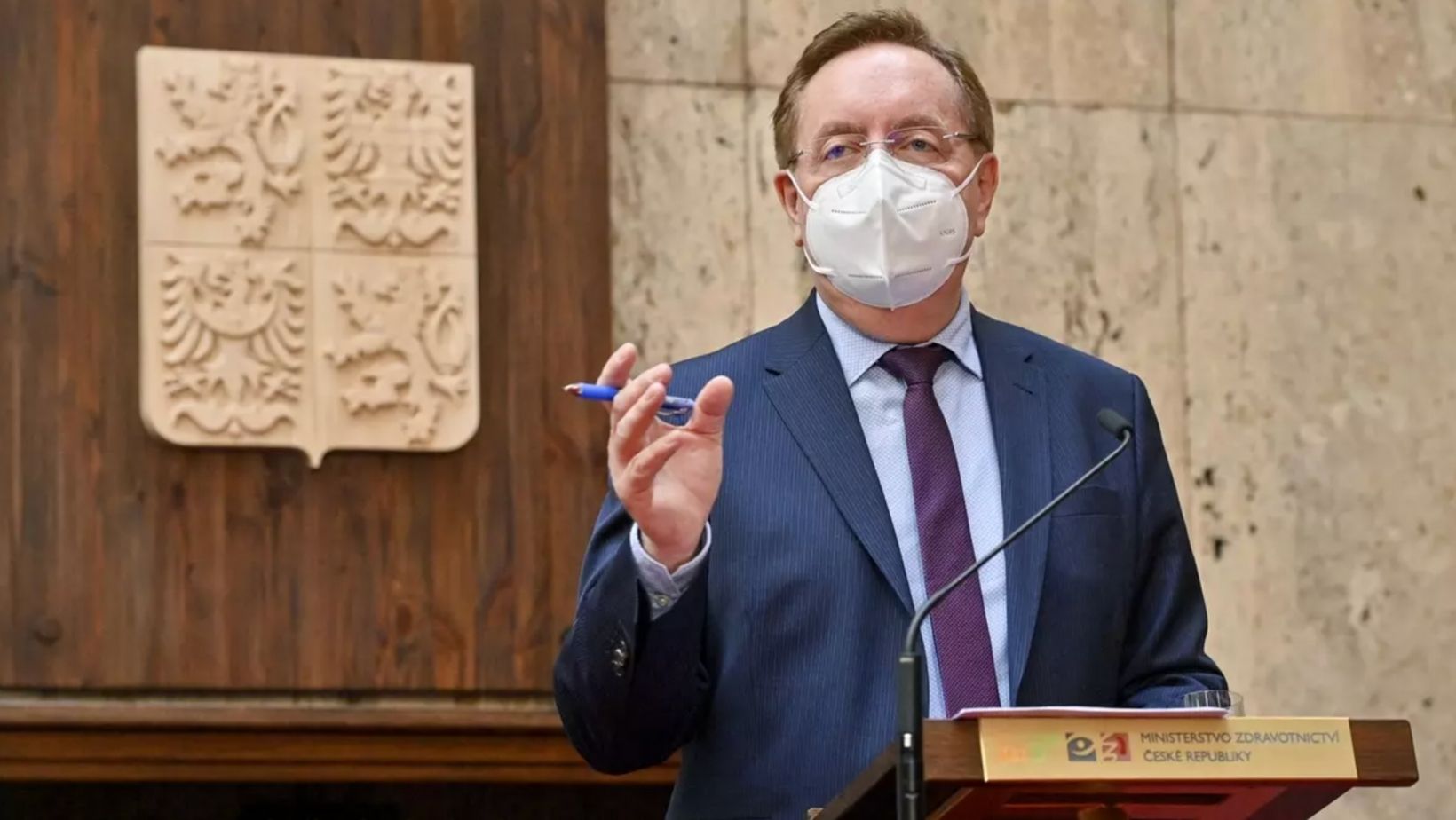
Czech Minister of Health Petr Arenberger is being accused of hiding millions in revenue on his tax returns. The accusations come from TV Seznam who claims that he made millions of crowns for clinical studies of new drugs and illegally conducted these activities on a trade license and claimed it was for the purpose of cosmetic services. Arenberger has worked as the director of the Královské Vinohrady Hospital as well as running clinical trials for pharmaceutical drugs for over a decade. As part of his trade license and as a public figure, he is required to disclose his income from business dealings to the public. Arenberger has denied that his tax returns lack millions in revenue and says the clinical trials his private practice ran were extremely costly. “Clinical trials are being carried out in my surgery, which would not be profitable in relation to the Royal Vinohrady University Hospital, because a very small number of subjects are always included in these clinical trials,” said Arenberger. He went on to explain to ČTK the high costs associated with his clinical studies. “This activity has not only revenues but also quite high costs. Within these projects, co-workers, study coordinators, and many...
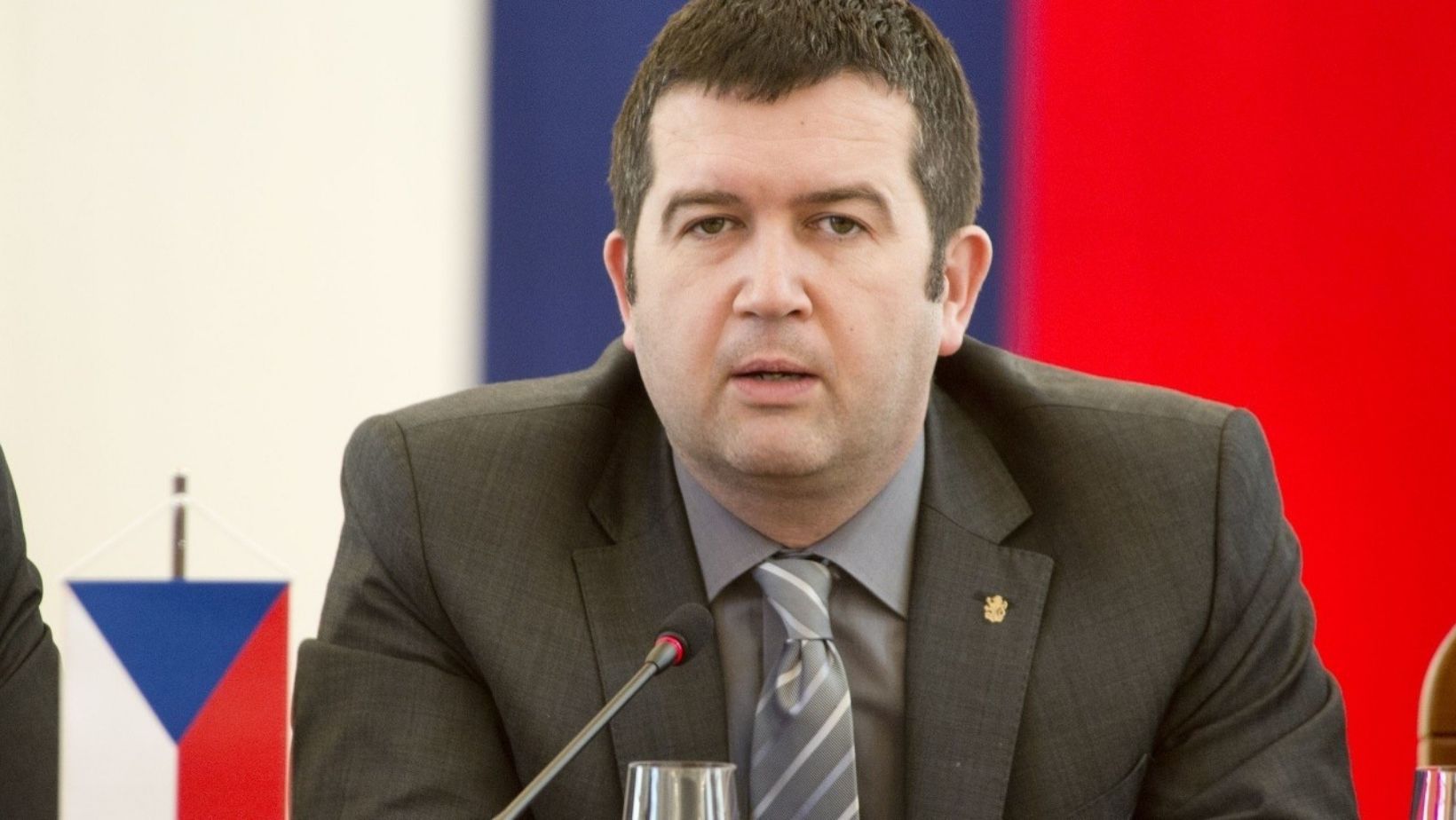
The publisher of SeznamZpravy.cz claimed that Deputy PM Jan Hamáček was planning to pay a visit to Moscow on April 19 to brush the 2014 Vrbětice ammo depot explosion scandal under the carpet in exchange for obtaining a shipment of Russia’s Sputnik V COVID-19 vaccine. Hamáček will seek a defamation lawsuit and demand CZK 10 million in compensation after Seznam Zpravy portal published an article about the official which he believes tarnishes his reputation, he told an urgent briefing in Prague on Wednesday. On Tuesday, Seznam Zpravy claimed that Hamacek was planning to pay a visit to Moscow on April 19 to brush the 2014 Vrbětice ammo depot explosion scandal under the carpet in exchange for obtaining a shipment of Russia’s Sputnik V COVID-19 vaccine and Moscow’s agreement to conduct a meeting of the Russian and US presidents in Prague. “I will file a complaint [with the police] about the crime committed by the authors [of the article]. I will demand to investigate whether crimes of defamation, spreading false information to incite panic and cause damage to rights of a third party did take place. Simultaneously, I will file an administrative lawsuit against the [Seznam Zpravy] publisher who bears responsibility...
According to Eurobarometer, a survey conducted by the European Commission, the share of Czech citizens who trust the national government plunged from 40 to 19 percent in year-on-year terms, which constitutes the lowest rate in the entire Union. The survey, which was published in May, also illustrates that Czech confidence in the European Union rose from 39 to 48 percent year-on-year, the highest level since 2013. Czechs do not favour the parliament, either. The share of people who trust that legislative body dipped from 25 to 15 percent. Conversely, confidence in international organizations, such as the UN, increased dramatically, reaching 57 percent compared with 45 percent trust last year. The average confidence in national governments and parliaments of all the EU countries is approximately 36 percent. Public trust in the Union averaged at 49 percent, which is similar to the level of trust Czechs maintain. That being said, the Czech Republic remains one of the countries with the least confidence in the EU. Trust in a Union is the highest in Portugal with 78 percent and the lowest in Finland with 37 percent. Distrust of the Czech government is also reflected in the respondents’ views on the level of democracy...
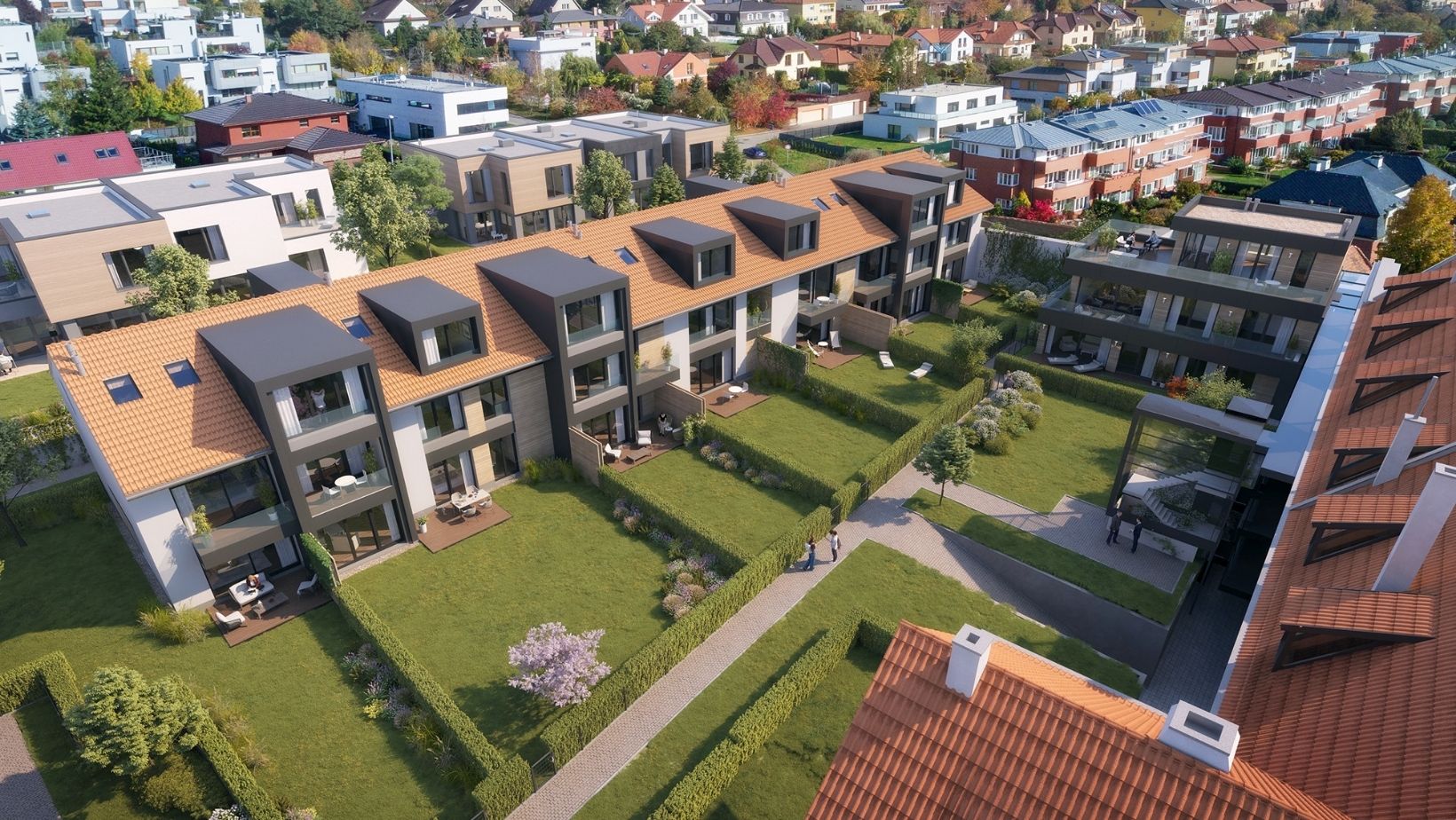
The Prague Institute of Planning and Development (IPR Prague) has released a new plan for future housing development in the city. The Housing Development Strategy, which replaces a document from 2004, concentrates on building affordable and quality housing, increasing the number of municipal apartments, and cooperation between the city and significant players in the housing field. Most new housing construction will take place on unused brownfield sites and on suitable municipal land. The new document takes greater account of the current needs of the developing city, and seeks to ensure that Prague no longer has some of the lowest levels of affordable housing of Europe’s capital cities. The new housing strategy includes five priority areas: the construction of affordable and quality housing, development of the municipal housing fund, sustainable housing for specific groups of the population, attractive housing throughout Prague, and cooperation between the city and key players. Petr Hlaváček, Prague’s Deputy Mayor for Spatial Development and the Land Use Plan, says: “It is in the interests of Prague itself that we create a sufficient number of affordable new apartments. At the same time, we must concentrate on raising the quality and attractiveness of housing and improving its sustainability. This will also improve...
Moscow on Wednesday (28 April) expelled seven European diplomats after their countries ordered Russian diplomats to leave in solidarity with the Czech Republic, which is engulfed in a diplomatic row with Russia. The Russian Foreign Ministry summoned their ambassadors to order three diplomats from Slovakia, two from Lithuania, one from Estonia and one more from Latvia to leave Moscow in a week. “Four diplomats from Estonia, Latvia, and Lithuania have been declared “persona non grata” and must leave the country within seven days.” Moscow’s action continues the diplomatic warfare between Russia and several EU nations that began earlier this month when the Czech Republic expelled scores of Russian diplomats over the alleged involvement of Russian spies in a massive ammunition depot explosion in 2014. Last week, Lithuania expelled two Russian diplomats and Estonia and Latvia each ordered one Russian Embassy worker out in solidarity with Prague. Estonia, Latvia and Lithuania, all former Soviet republics, broke away from the Soviet Union three decades ago and joined NATO and the European Union in 2004. They are among the Kremlin’s harshest critics. Slovakia expelled three Russian diplomats last week in a sign of solidarity with the Czechs. Moscow responded Wednesday by ordering three...
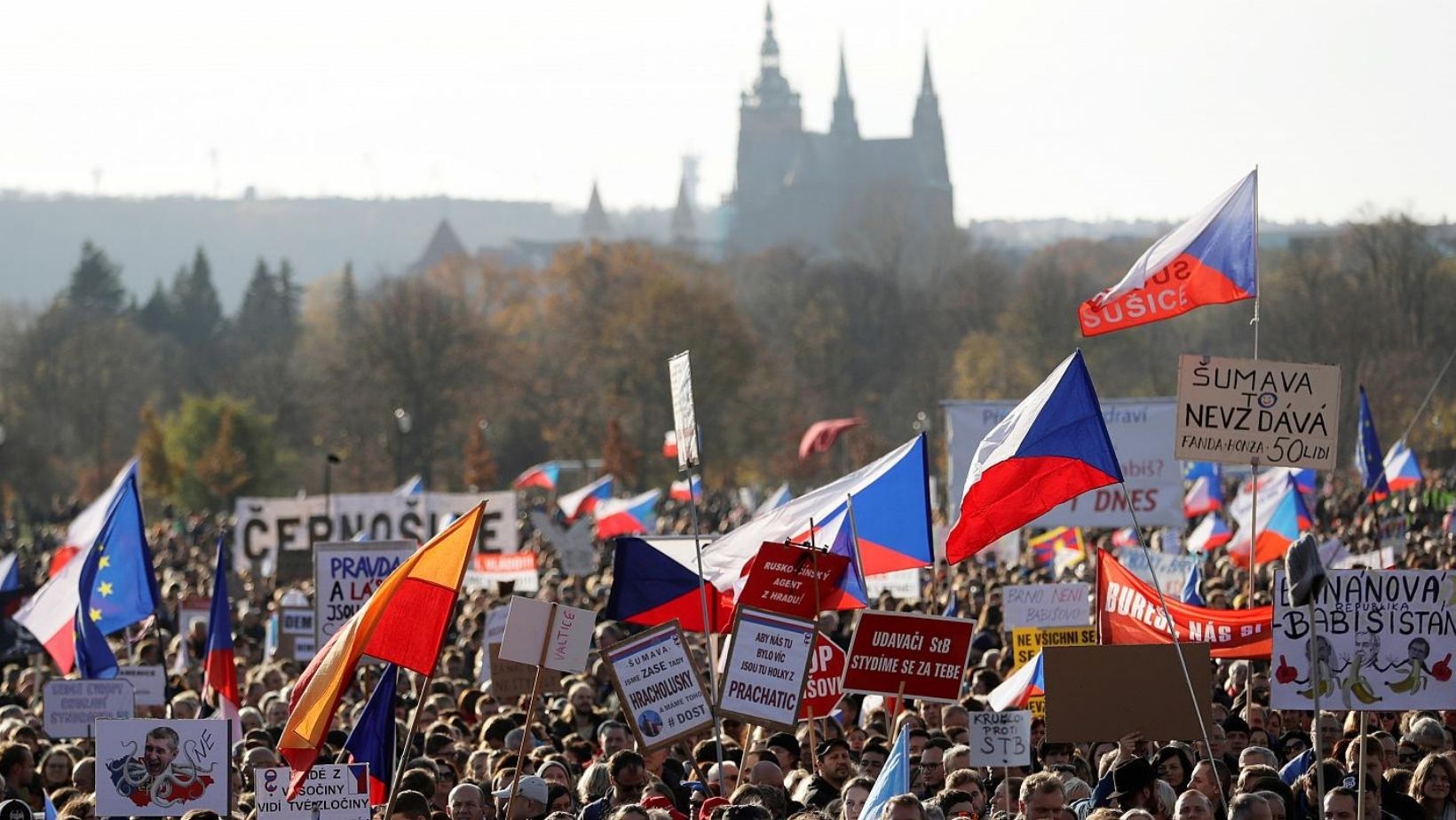
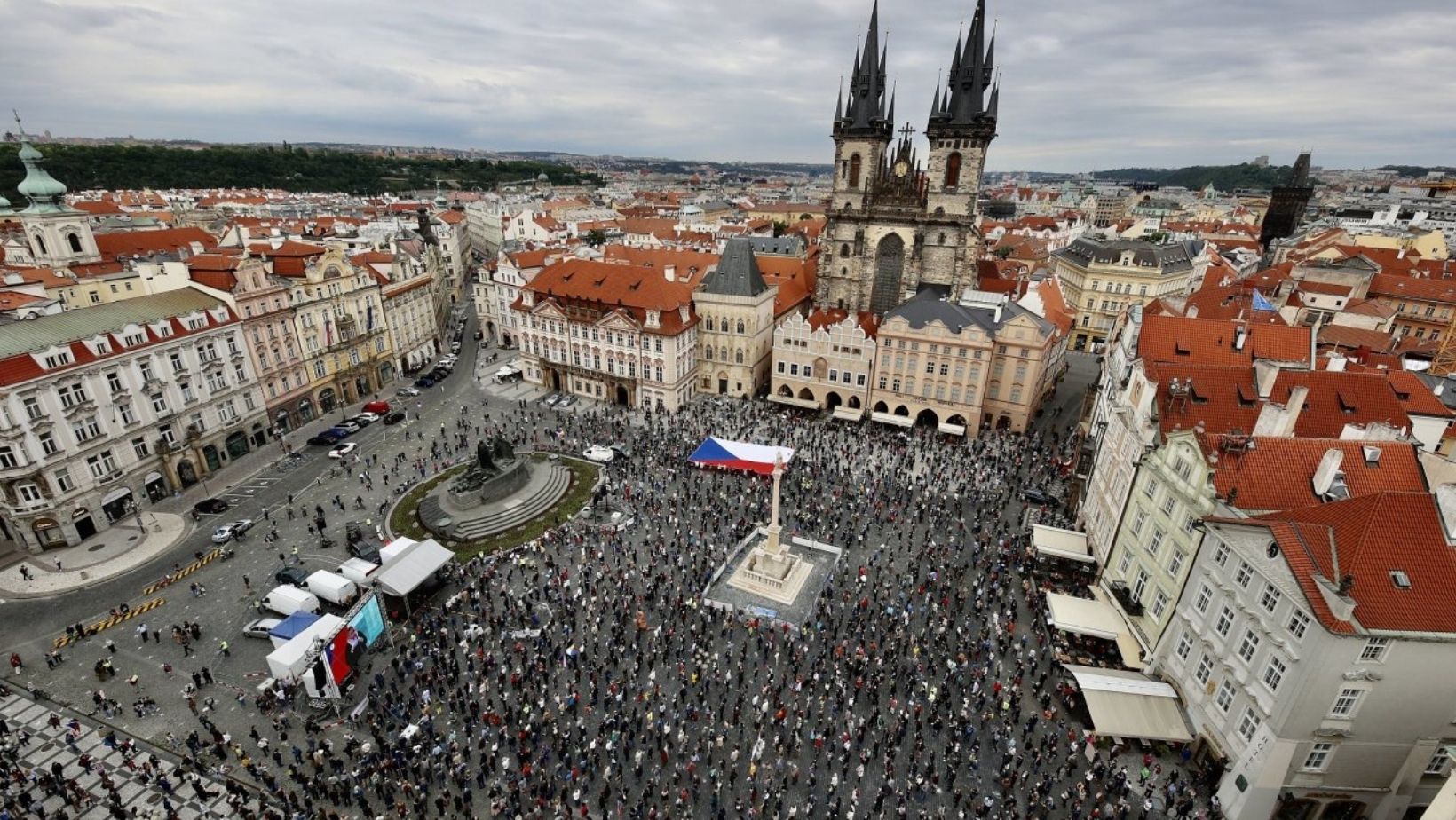
Million Moments for Democracy, a civic organization of pro-democratic nature, has announced a demonstration against the inclination of President Miloš Zeman and other Czech politicians towards Russia. Planned on Thursday, demonstrations will be held in Prague and dozens of other cities, including Plzeň, Hradec Králové, Ústí nad Labem and Brno. “Instead of supporting his own country, the president repeats the same fairy tales as pro-Russian disinformation sites and Russian propaganda. His continued presence in the office is a security threat to our republic,” said Benjamin Roll, chairman of the organization. “We will meet on Wenceslas Square and in other cities across the Czech Republic and demand the end of President Zeman. This is the only chance for our country to get out of the current marasmus state in time. We call on all citizens of the Czech Republic to join the protest in their municipalities,” was stated in a Tuesday press release of Million Moments. President Miloš Zeman was criticized by the opposition for a speech on Sunday, in which he said that two investigative versions were being worked on in the case of the explosion of an ammunition depot in Vrbětice in 2014. First Deputy Prime Minister Jan Hamáček...
Based on an audit of companies from the Agrofert holding, the Czech Republic does not have to return any money to the European Union. A spokesman for the European Commission told reporters on Monday that the Czech authorities had not asked for reimbursement of any subsidies that had been subjected to the audit. On Friday, the Commission published a final audit report, which found that Prime Minister Andrej Babiš has a conflict of interest and that the Agrofert holding is not entitled to any subsidies from Feb. 9, 2017, when the amendment to the Czech Conflict of Interest Act came into force. According to the audit, the Czech Republic would have to return all EU subsidies, which Agrofert has been striving for since then. “The Czech authorities have not declared any expenditure for any of the operations covered by the report. That is why no financial correction is necessary,“ said Commission spokesman Balázs Ujvari yesterday. According to him, the Commission will continue to address only some of the audit recommendations with the Czech Republic, which have not yet been taken into account by the Czech authorities. Babiš rejected the conclusions of the audit claiming they were biased and manipulated, and the Czech...
The audit report published today by the European Commission confirmed that Czech Prime Minister Andrej Babiš is in a conflict of interest. According to the report, Babiš still controls trust funds in which he transferred Agrofert Holding. The report thus confirms previously published findings by Czech authorities. Babiš controls the Agrofert conglomerate — which includes a wide range of companies in the agri-food sector — despite having transferred his assets into two trust funds in 2017 after a Czech transparency law was passed. Subsidies received by companies since February 9, 2017, are, therefore, unjustified. “Mr. Babiš controls both trust funds and, through these trust funds, also controls the Agrofert group,” the report states, adding that the prime minister has a direct economic interest in the success of Agrofert. Preliminary findings of the EU audit found that the Czech Republic should return up to 450 million Kc worth of EU funds unlawfully received by Agrofert or companies linked to the conglomerate. Under the Czech conflict of interest act, subsidies or sweeteners are forbidden for commercial enterprises in which a public official holds a stake of 25 percent or more. Companies in the Agrofert group, the core of Babis’s assets estimated at...
Year-on-year sales prices for new apartments in Prague have increased by an average of 5.5 percent to CZK 112,233 per square meter compared with 2.2 percent appreciation last year, housing developers report. Data from construction companies also showed that the number of apartments sold has skyrocketed by about three-fifths to 2100, the most in the last ten years. At the same time, the number of apartments offered has dipped by more than a one-tenth to 4200, the least in the last three years. By category, developers sold mostly two-room apartments, namely 44 percent. They were followed by one-bedroom apartments (23%), three-bedroom apartments (22%) and four-bedroom apartments (11%). Of the individual districts of the city, developers sold the most apartments in Prague 5 (23%), Prague 9 (18%) and Prague 4 (16%). In contrast, in Prague 1 and 2, only three percent of all the apartments were sold. Housing developers claim prices will continue to rise provided that local governments approve new projects at the same pace as they do now. “Currently, the market is experiencing record-high demand for new housing. The highest in ten years, actually. However, the situation is still complicated due to the lack of new residential housing construction,...
The Czech Republic on Thursday ordered more Russian diplomats to leave the country, further escalating a fierce tug-of-war between the two nations over the alleged involvement of Russian spies in a massive ammunition depot explosion in 2014. Foreign Minister Jakub Kulhanek said Russia won’t be allowed to have more diplomats in Prague than the Czechs currently have at their embassy in Moscow. All others have to leave by the end of May, he said. The announcement came after Russia expelled 20 Czech diplomats on Sunday in retaliation for the Czech government´s expulsion of 18 Russian diplomats it identified as spies from the GRU and the SVR, Russia´s military and foreign intelligence services. The Czech government protested what they called Russia´s “inappropriate reaction,” saying it paralyzed the Czech Embassy in Moscow. Kulhanek had given the Russian government a Thursday noon deadline to allow the return of the 20 Czech diplomats. He warned that if the demand was not met, he would reduce the staff of the Russian Embassy in Prague to equal the number of staff members remaining at the Czech Embassy. The minister said Russia did not give an official response. The Russian Foreign Ministry summoned the Czech ambassador to...
Don’t have an account? Register
Already have an account? Log In
How Would You Like to Promote Your Business? PR ArticleDisplay bannersVideo productionNewsletter adsJob ListingsInfluencer Marketing
Your Email
We will come back to you within 24 hours with our proporsal