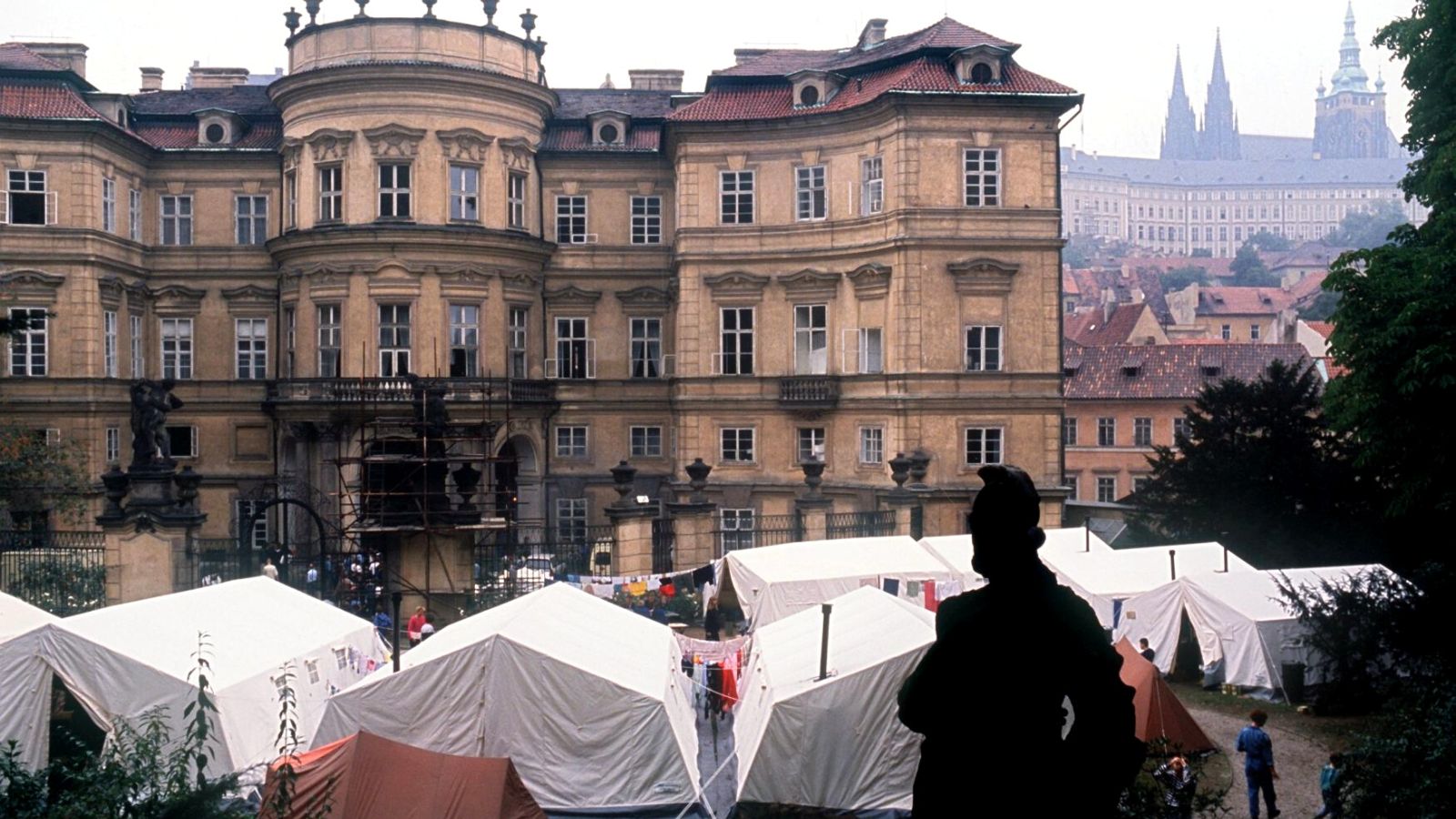
The Cold War that ensued after World War II partitioned Europe into East and West, with an Iron Curtain cutting right through Germany. The division of East and West Germany culminated in the building of the Berlin Wall in 1961. Many East German refugees died during attempts to cross directly into West Germany, and as a result, people began to look to third countries to reach the West. On August 23, 1989, the West German embassy, in the exquisite Baroque Lobkowicz Palace just below Prague Castle, was forced to close down for its day-to-day business. By then hundreds of East Germans were trying to get in, many climbing over the fence into the manicured embassy gardens. The surrounding streets were soon packed with their abandoned Trabants and Wartburgs. For several weeks, around 4,000 people lived in its garden and adjacent streets in makeshift conditions. In the following days, Red Cross was brought in and tents were set up as the number of people in the embassy garden grew. Deliverance from this bleak situation came on 30 September, when, after several rounds of talks with representatives of the GDR, the USSR and Czechoslovakia, Hans-Dietrich Genscher, the West German foreign minister, delivered...
Experience Americká Differently on Saturday, September 10, at Prague’s Vinohrady district on Americká and Záhřebská streets, which will be transformed into a festival full of music, dance, theatre, workshops, activities for children and great food from 10.30 to 21.30. Entrance to the event is free and there will be something for everyone. This is the twelfth year of the event and this time it will offer Czech and foreign bands on four stages, the traditional La Calle Mexicana festival, theatre performances, workshops for children, Latin dance workshops, lots of food, drink and fun for all generations. The main organiser of the event, Omri Goz, invites you to enjoy a varied accompanying program: “Music will be provided by bands such as Cumbia Cooperativa and SeVesel. One of the electronic stages will be sponsored by Radio 1 from Vinohrady.” Throughout the day you will be able to taste delicacies right on the street. As well as in previous years, you can explore the flavours of Mexican and Latin American cuisine, visit local businesses, enjoy trendy street food, craft beer, fine wines and summer mixed drinks. At the MINT Market, you’ll find designer pieces from local designers as well as original products from...
Prague will celebrate Oktoberfest twice this autumn, with four-day events planned in both Vysočany and Holešovice next month. Vysočan Oktoberfest will go first from the 14th to the 17th of September at Permanent Pragovka beer garden in Prague 9, followed by the Holešovice festival from September 21st to 24th at Food Truck Point in Prague 7. The third edition of the annual festival will feature six traditional Bavarian beers on tap such as Hofbräu Dunkel, Paulaner, and Löwenbrau as well as several Festbiers including from Germany’s oldest brewery: Weihenstephaner. Typical bavarian food will also be served, with pretzels, radishes, Bavarian sausages, and burgers on offer. Visitors are encouraged – but not required – to come in traditional Bavarian fancy dress. You will also be able to taste Festbiers, for example from the oldest German brewery Weihenstephaner. “There will be typical Bavarian delicacies such as pretzels, radishes, and spread Obatzda or Bavarian sausages. In addition, of course, our traditional large and hearty Burgers. So smeckt Bayern!,” says one of the organizers. “Stylishly dressed welcome. Look in your wardrobes and wear something Bavarian. We open every day at three, we close at 10 pm,” he adds. Permanent Pragovka in Vysočany is the largest...
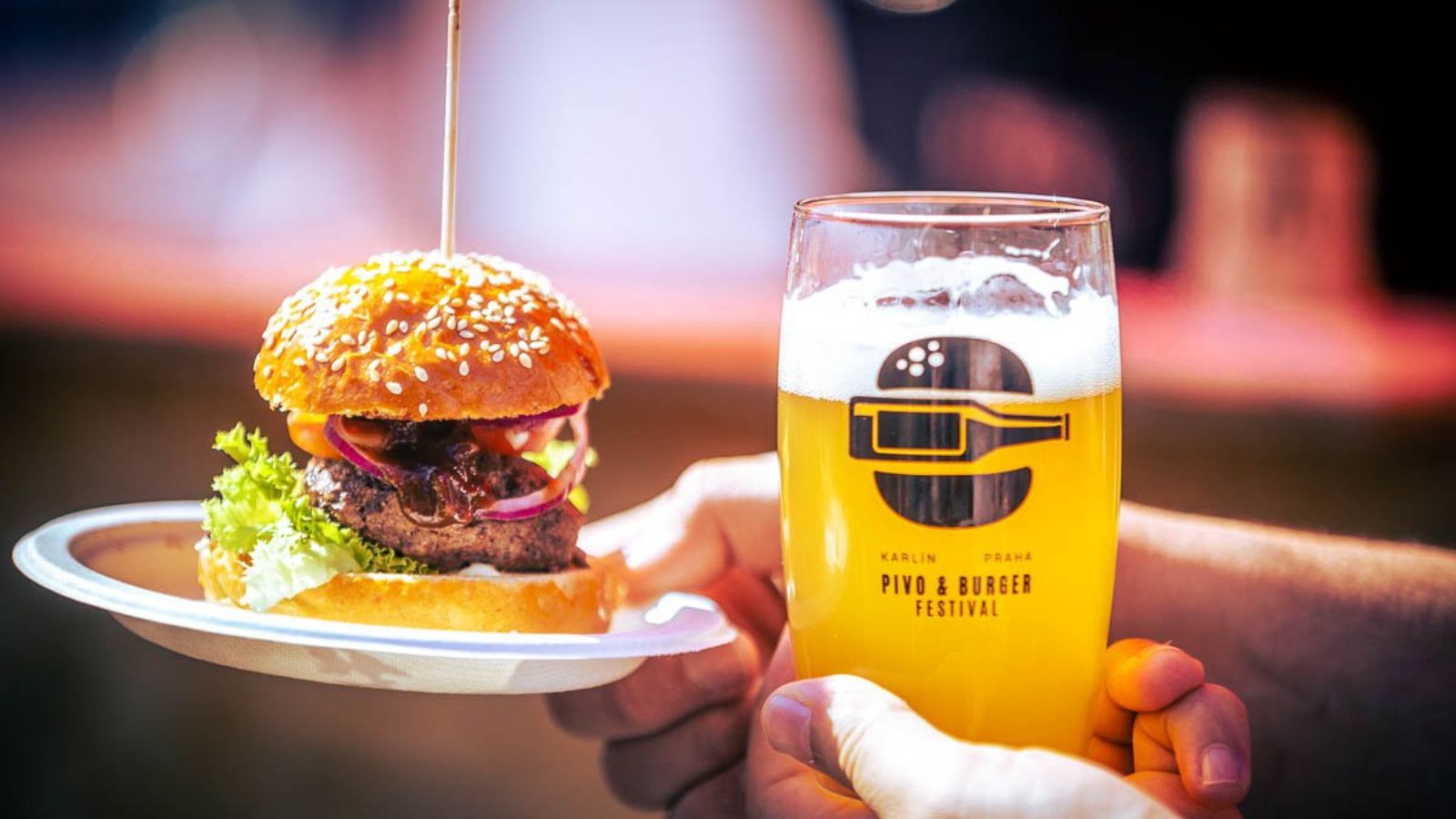
The seventh annual Beer and Burger (‘Pivo a Burger’) Festival will return to Karlínské náměstí on September 11, from 11 am. A total of 25 burger stands will be operating throughout the day, including many of the Czech favorite food trucks and burger joints. You can taste burgers from several Karlin restaurants but also some of Prague’s highest-rated burgers, like, Kaiser Franz, Hell Smoke, Take Eat Ez, Diego Pivni Bar, Zelva, and many others. You can find the full list of participants here. The best domestic breweries will also offer bottom-fermented beers: 23 craft brewers from Prague and across the Czech Republic, including favorites like Matuška, Clock, Raven, Albrecht, and many more, with over 100 beers on offer. Admission to the event is free. However, to taste beers, it is necessary to buy a tasting glass for CZK 100. Visitors can also have a bowl of soup from Karlín Polévkárna or a glass of wine from the Kubík winery, churros and coffee from the FairBio roastery. Live music will be provided by SCHODISTE and IGLÚ and DJ Jakobeen. Another news of this edition will be the busker stage, where basically everyone can play.
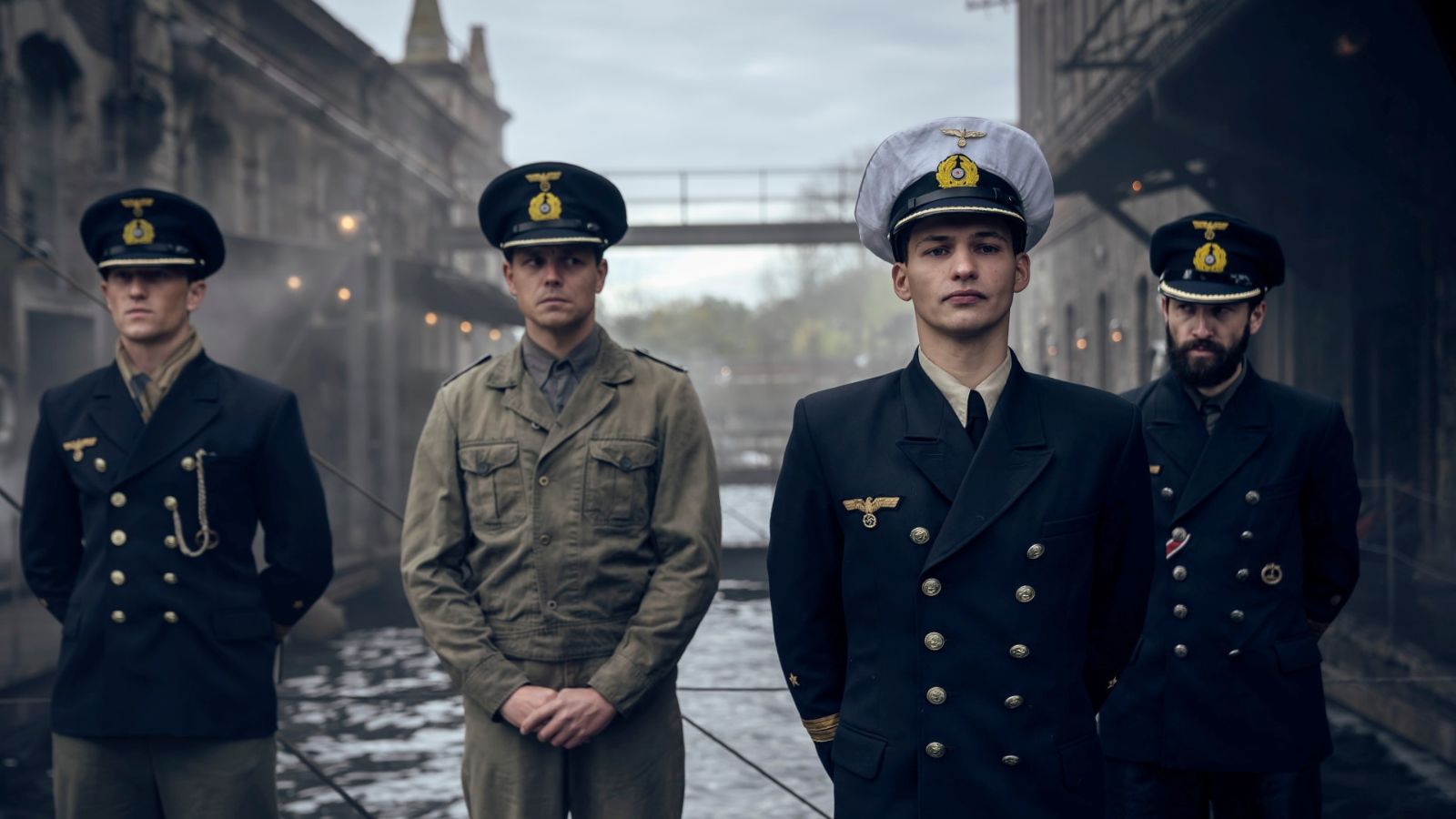
The fourth season of Sky series Das Boot directed by Dennis Gansel is currently shooting in Czech Republic’s capital with Stillking Films providing services. At the beginning of August 2022, the Czech Government approved CZK 570 milion for film incentives, which will add to the CZK 800 milion decided in the original draft budget. Additional support is expected in 2023 and 2024. Das Boot is one of the longest international productions shooting in the Czech Republic. All the previous seasons of the series have been shot in Prague since 2017. The shooting has largely taken place at the Barrandov Studio, where the submarine set was dismantled and rebuilt for production on each season. This week the filming also took place near Old Town Square. Shooting in the Czech Republic started in June 2022. The premiere is set for 2023 on Sky One. The series is a sequel to the feature film Das Boot (1981), whose director Wolfgang Petersen died on 12 August 2022. Das Boot is based on the real-life experiences of war correspondent Lothar-Günther Buchheim, who fictionalized his experience on a German U-boat for the 1975 book of the same name. Across its first three seasons, Das Boot has featured international stars such as Vicky...
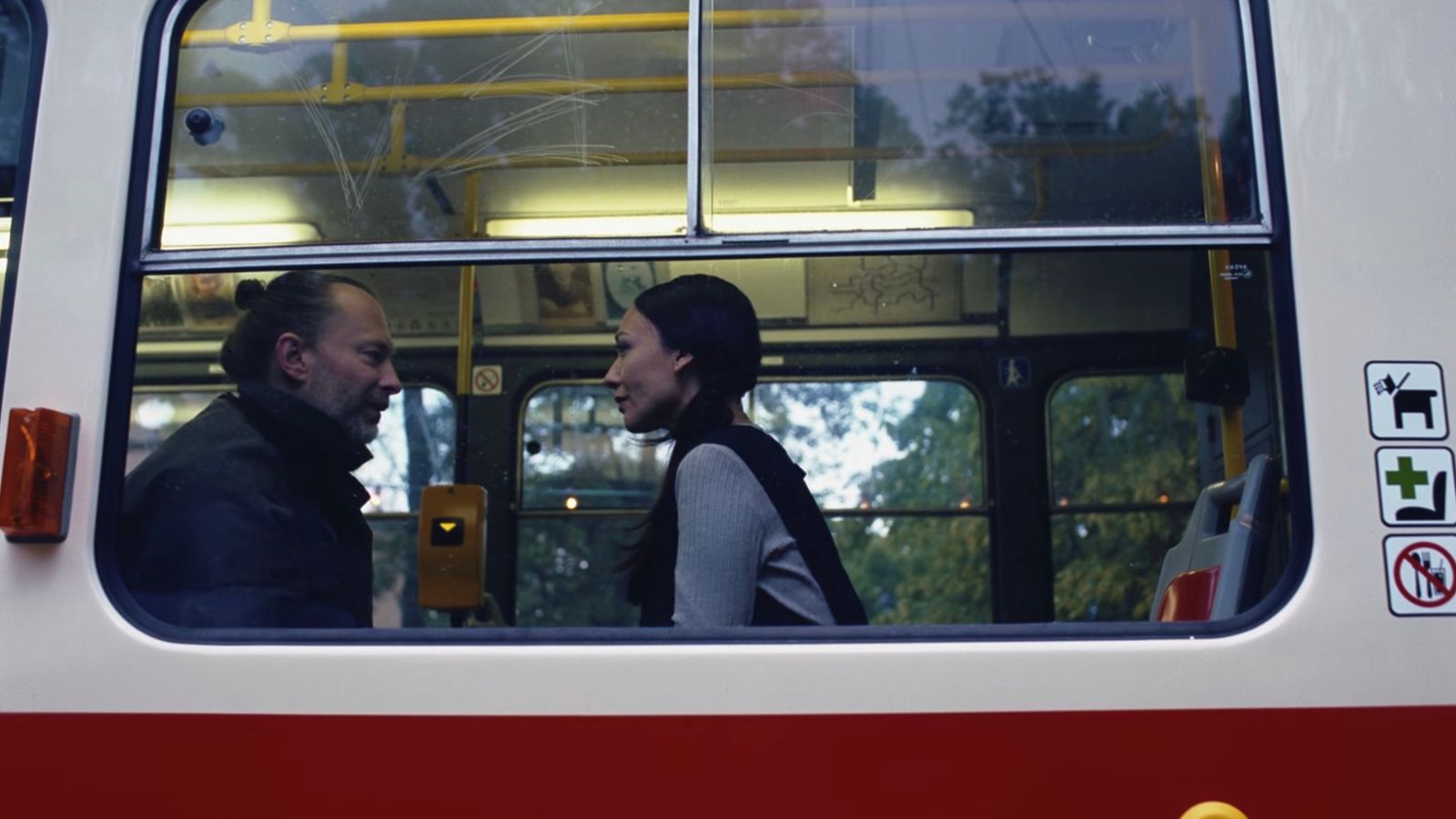
Prague is one of the most beautiful cities on the planet. And music video directors know how photogenic it can be. Therefore, it is no surprise that a number of music videos for the songs of the biggest pop music stars have been filmed in Prague’s streets, as well as in other notorious locations. The Charles Bridge was recently named the sixth most beautiful monument in the world, and the beauty of our metropolis could be admired by viewers of the streaming giant Netflix’s recently released most expensive film Grey Man, as well as the Oscar-winning Amadeus (although it featured Vienna). Rihanna – Don’t Stop The Music Don’t be fooled by the American-looking taxi pulling up to the curb at the beginning of the clip. And take a good look at the tram that’s following it. It’s even easy to see what location it is. Namely the intersection of Bělehradská Street and Tylovo náměstí above I. P. Pavlova, which is also the location of the club where this clip of Rihanna was filmed in 2009. Of course, we are talking about the club Radost FX, its interior has always been so distinctive that it is still safely recognizable from...
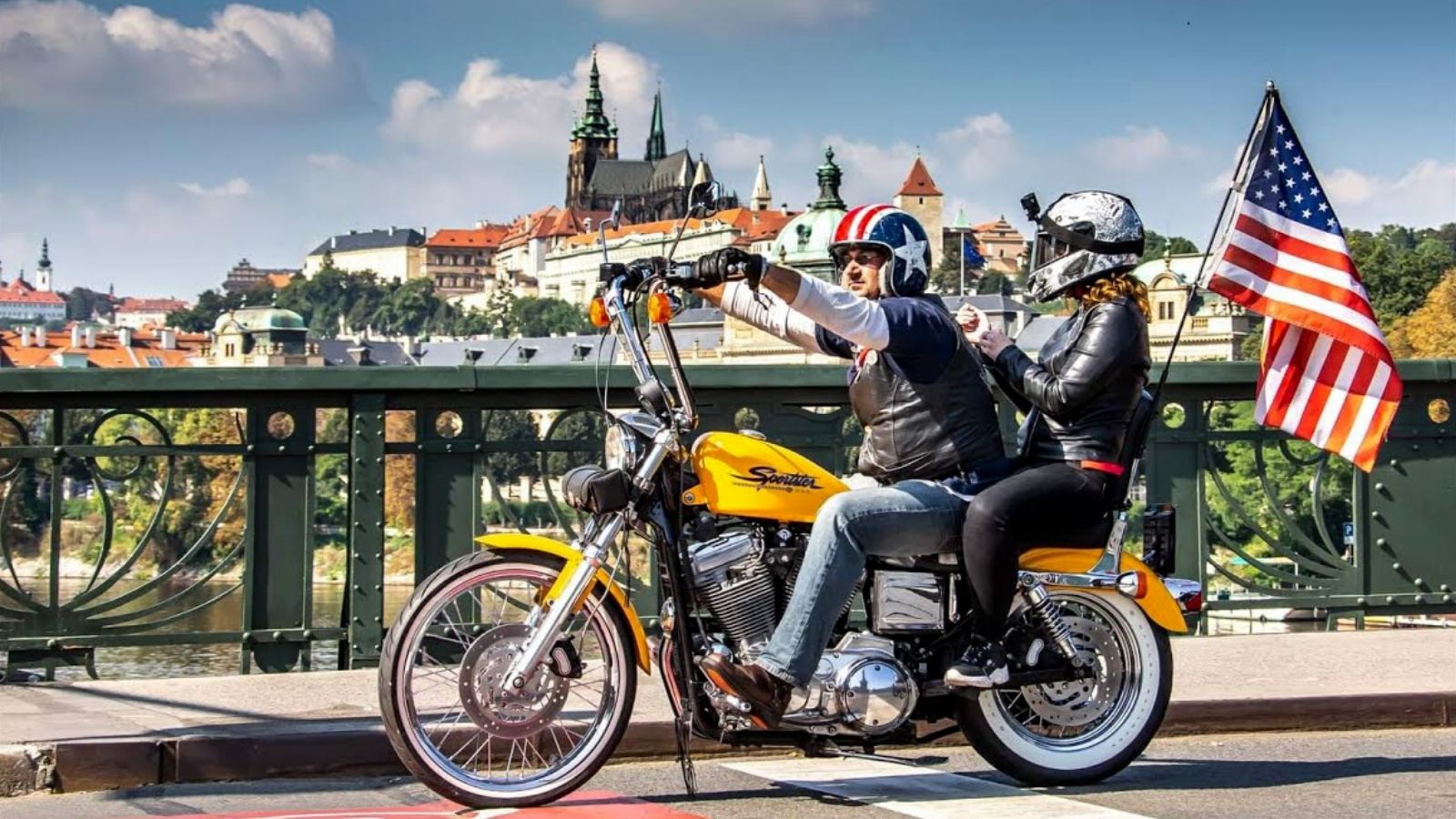
From September 2-4, Prague’s Harley Days—the premier motorcycle festival in the Czech capital—will return, celebrating its 10th anniversary. Featuring music, American food, Czech beer, stand-up comedy, along with all the traditional attractions of Harley Days—bikes, parades, competitions and workshops—there is surely something to be found for anyone. Even people totally unfamiliar with biker culture can engage with the events and learn something about the traditionally American subculture that has, as of late, been flourishing across Europe. For those unadorned with the appropriate leather jacket, too, there will be plenty of pop-up shops offering jackets and chaps, along with t-shirts and hats at a range of price points. In order to celebrate its 10th anniversary, Harley Days has decided to look back: reprising the best, most exciting, highlights from each of the past 10 years. “If someone had asked me 10 years ago where I see myself in 2022, I probably would have had easy time answering, at the 10th annual Prague Harley Days. 10 years have passed, and we and Prague Harley Days are still here, we have fun, and have planned and figured out how to make the event even better for this year” Said Jaroslav Vavřina, the organizer...
Just a few steps from the Prašná Brána in the heart of Prague’s Old Town on a street traditionally filled with bakeries is Kolacherie, a new bakery offering classic kolache with a modern twist. The owner, Oscar, never expected to open a bakery in Prague. But following pandemic-induced rent reductions on prime real estate in the center of the city—as well as an increasing movement towards centering authentically-Czech, aesthetically-conscious businesses in the historic district, Oscar saw an opportunity. The bakery and café—small, but cozy with a muted green interior that seamlessly blends into the centuries-old building—draws in tourists and locals alike. More importantly, it draws them back over and over again, relishing the pastries that are handmade every morning from high-quality ingredients and slow-risen dough. The kolache on offer is, broadly speaking, nothing new: it’s classic and employs the traditional recipe and methods that have been practiced by Czech grandmothers for generations. What is new is the savory kolache that Oscar has debuted after a trip to the United States. The smaller, square kolache sport ham and cheese, apple-brie, or a spicier jalapeño pastry. While savory kolache are seldom found in Prague these days, the concept has a long history...
The capital city has more inhabitants than the official census indicates. According to the analysis by the Institute of Planning and Development (IPR), there are about 300,000 more people instead of the official 1.3 million. The institute arrived at the number of residents based on anonymous data from mobile phone operators. During the day, hundreds of thousands more people will arrive for work, IPR director Ondřej Boháč told the Czech Press Agency. According to the Czech Statistical Office, however, the census methodology is different and its spokesman Jan Cieslar said the office is not familiar with the way the IPR reached its conclusions. “It turns out that there are about 1.6 million permanent residents of Prague, and if we include the residents of the Central Bohemian Region who commute to Prague daily for work, that is even 1.8 million people. However, only 1.3 million people have permanent residence here,” said IPR Director Ondřej Boháč. Boháč said the increase in population means greater financial demands on the city, which among other things, must provide public transportation, parking, apartments, doctors and daycare centers. “So even though infrastructure costs are logically rising, Prague is still losing out on tax revenue,” Boháč said. Available...
Prague Public Transit Company (DPP) has published the results of an architectural competition for the design of the Depo Zličín metro station building for line B. It will be designed by the Czech studio Petr Stolín Architekt, and construction should start in 2026. Depo Zličín will extend line B from the original Zličín terminus and become the 62nd station of the Prague metro. According to the company, it will be above-ground and will be used primarily by drivers, passengers from suburban lines, and later also by residents of new apartment developments in the area. The construction of a parking garage is also planned. “For the first time in the nearly fifty-year history of the Prague metro, a solution for the station was sought in an international architectural competition. Next to the station, we will also build a new P+R parking garage for at least 600 cars. In the western part of Prague, an important interchange between automobile traffic and public transport will thus be created, which will relieve the center of unnecessary traffic. Thanks to this, passengers from the very edge of the city can get to the center by metro within about 30 minutes from parking,” said Adam Scheinherr (Praha Sobě), deputy...
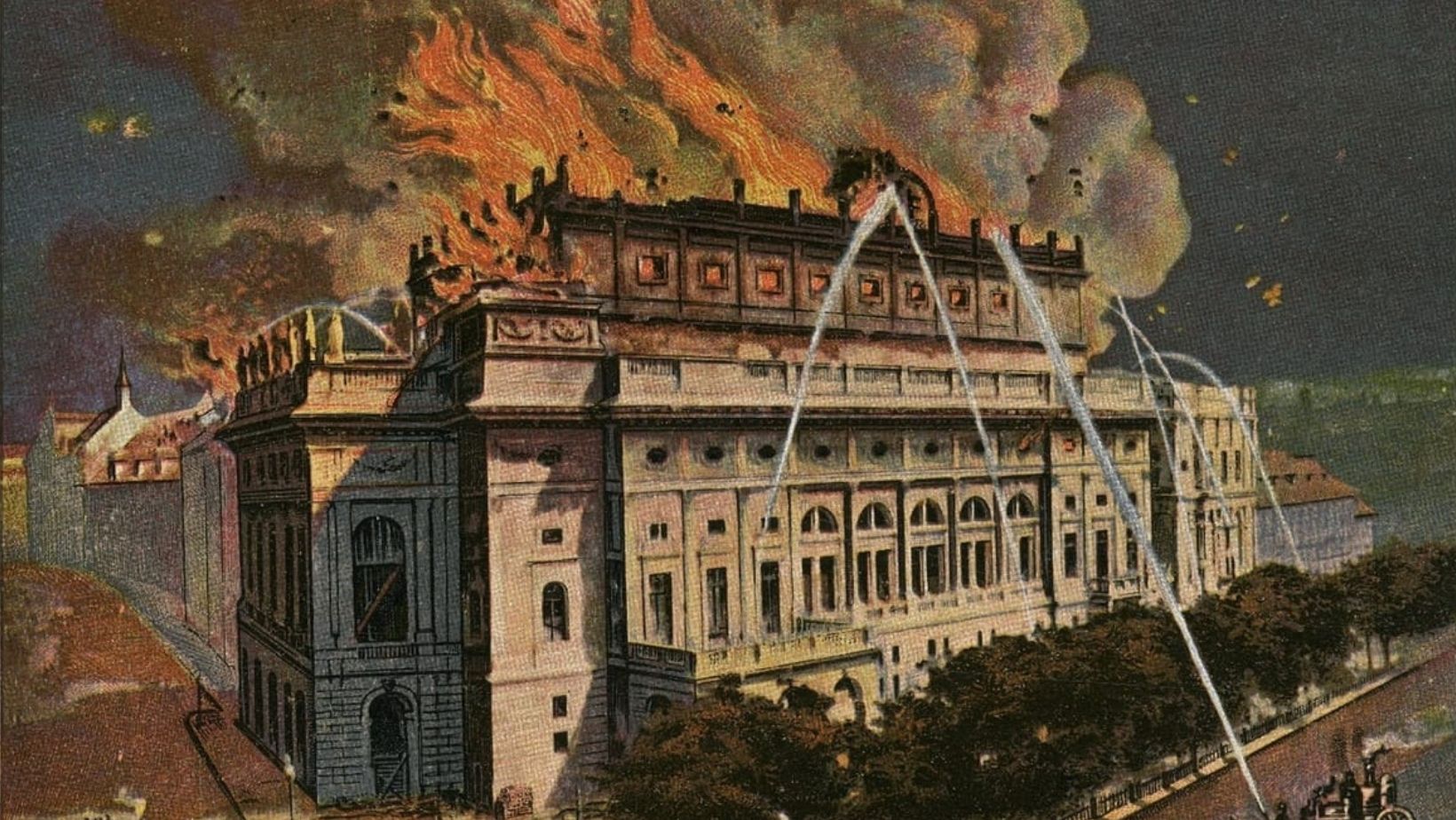
The National Theatre in Prague, built almost entirely using money raised through public collections, was a world rarity. For some thirty years, people gathered funds “coin by coin”. The fire that destroyed much of it in 1881 was, therefore, all the more devastating. Because of insufficient funds for its construction, money was collected from all social classes. The foundation stone was placed in 1868, the historical date remembered as the beginning of this amazing edifice. Years passed and finally in 1881, the neo-Renaissance construction was opened for a first performance that took place in the honor of Crown Prince Rudolf. On 12th August 1881, when the last details were being retouched, a fire broke out and destroyed much of the new building, destroying the roof, stage and auditorium, including the decorations for the upcoming premiere of Smetana’s Libuše. The vestibule, foyer, loggia and a number of rooms, such as the archive, cloakroom and theatre office, were preserved. The event was considered a national catastrophe, but the Czechs didn’t stand aside. They started a new campaign for the reconstruction of the National Theatre. Rich and poor contributed and the result was the amazing one million florins gathered in 47 days. In...
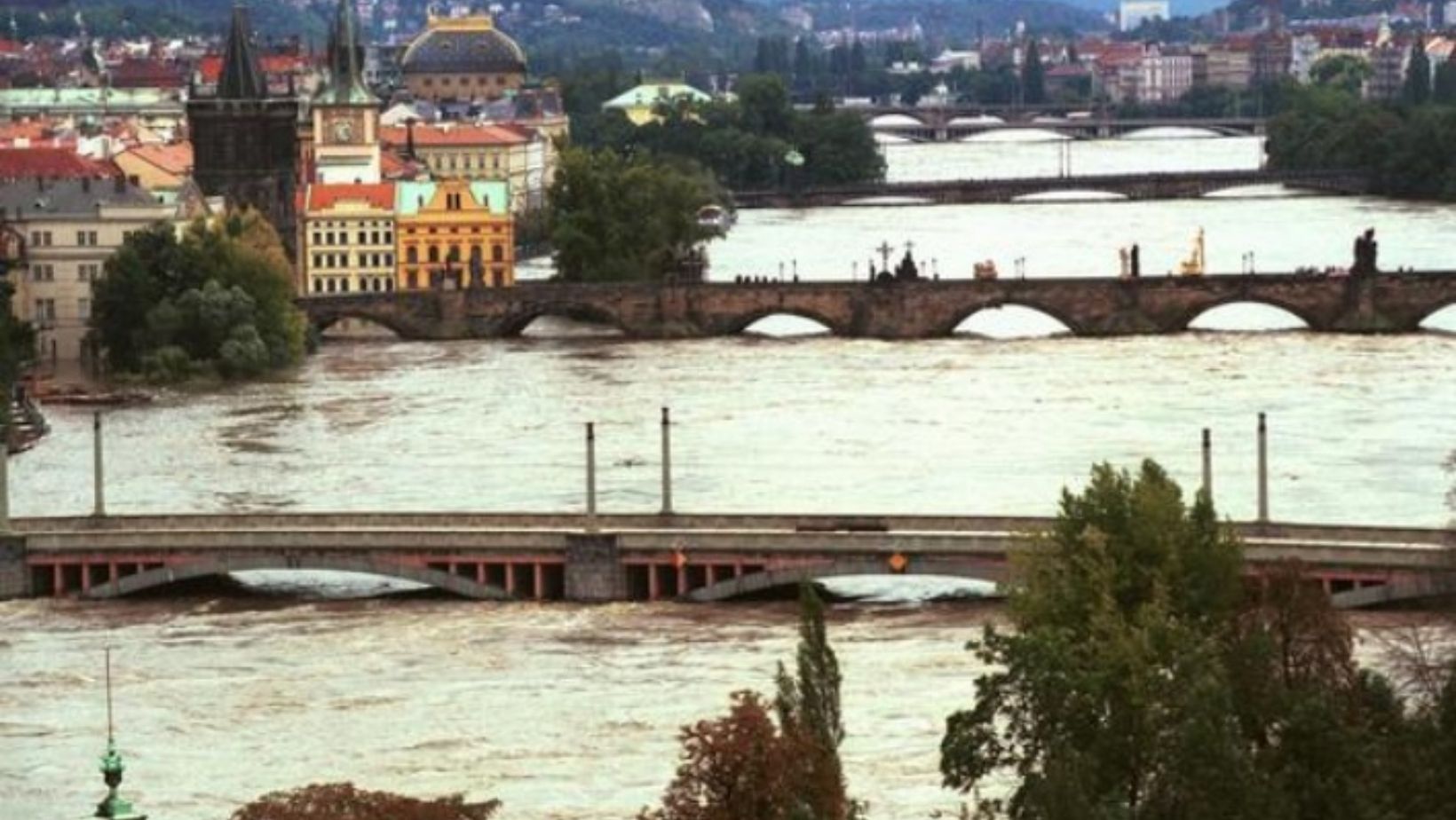
In 2002, a flood struck Prague – as well as much of Europe – with equally harmful consequences. The Charles Bridge weathered it well, thanks to far more modern flood-protection measures. The rest of Prague suffered some rather extreme damage. On the morning of August 12th, Prague flood warnings were announced. Television showed public buildings and hospitals along the river Vltava being sand-bagged and towns north of Melnik were already becoming islands as the historic flood plains became saturated. The area around Karlin was full of buses and vans evacuating to safer areas for all who wanted to go. Many news outlets were showing interviews with residents refusing to move saying that in all their lives they had never seen a flood that was being predicted. Workers were busy filling sandbags and placing them in strategic locations. Prague’s metro was closed, but they left it too late – the metro stations also flooded, and in some areas, the floodwaters came up to the level of the street entrances to the stations. Hospitals had ambulances on standby to transport patients, and the Prague Zoo moved many animals to higher ground. The Charles Bridge was closed, as were the other bridges. Then-President...
Don’t have an account? Register
[swpm_registration_form level=”6″]
Already have an account? Log In
How Would You Like to Promote Your Business? PR ArticleDisplay bannersVideo productionNewsletter adsJob ListingsInfluencer Marketing
Your Email
We will come back to you within 24 hours with our proporsal