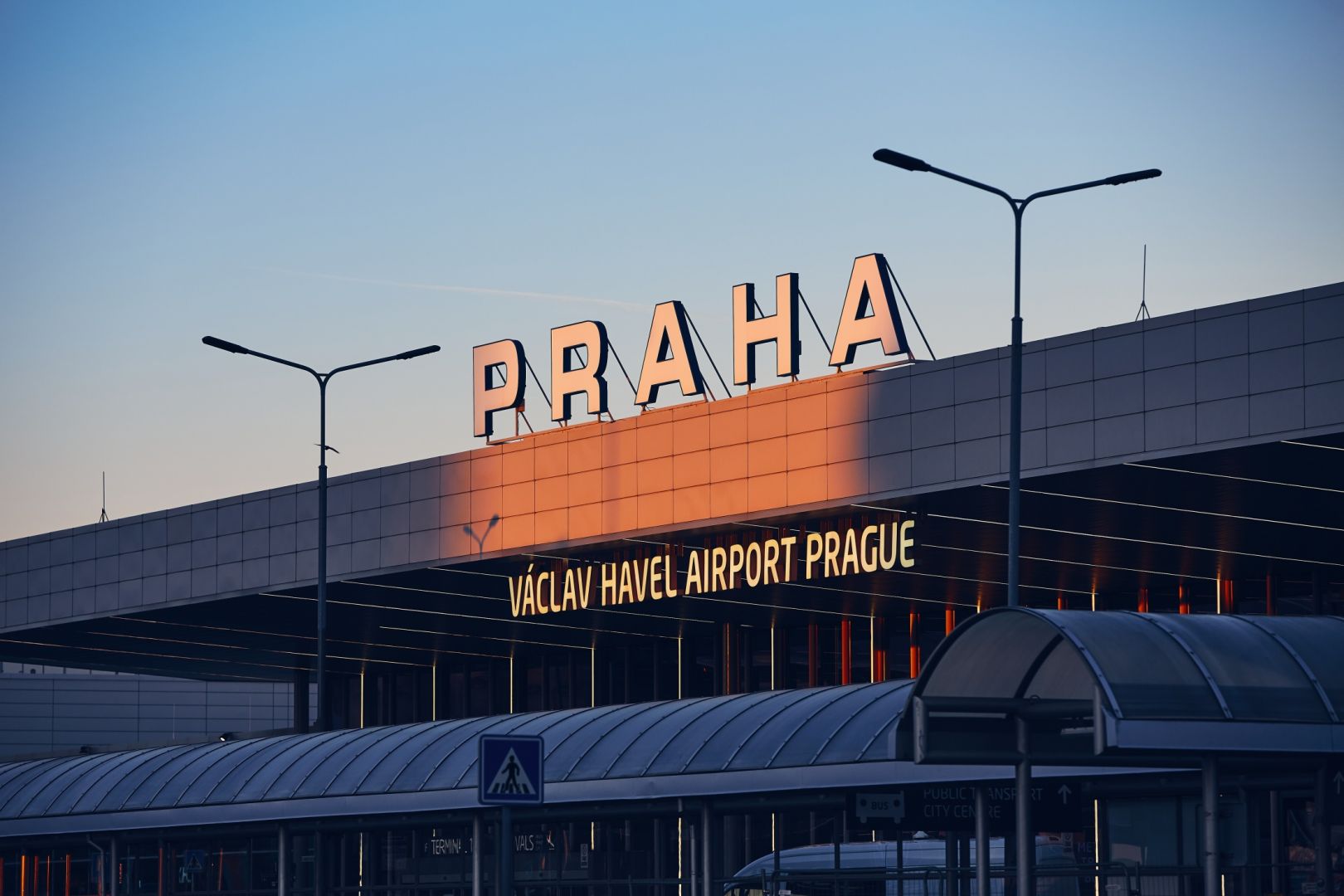
The Prague Public Transit Company (DPP) has announced a tender for the supply of 20 arge-capacity trolleybuses that will run between Nadraži Veleslavin metro station and Vaclav Havel Airport. “They will be 25 meters in length, which will greatly improve passenger comfort, make transportation easier by avoiding the adding of more bus connections while reducing exhaust emissions to zero,” adds Scheinherr. The trolleybus route should be operational in 2023. According to Deputy Mayor for Transport Adam Scheinherr, the construction of the line will begin in Autumn 2022. The city expects to order 20 double-articulated 25 m trolleybuses with off-wire capability at a cost of 600 million CZK. A further 300 million CZK is to be spent on infrastructure works. In the longer term, part of the trolleybus route could be converted into a tram line. The planned western extension of tram routes 20 and 26 is not expected to be completed before 2028. Trolleybuses should be charged not only at the end stops, but also halfway between Veleslavin and Terminal 3. In addition, Prague wants to take advantage of the synergies within the tram power network when constructing the electrified line. Although electric buses should not only be a temporary...
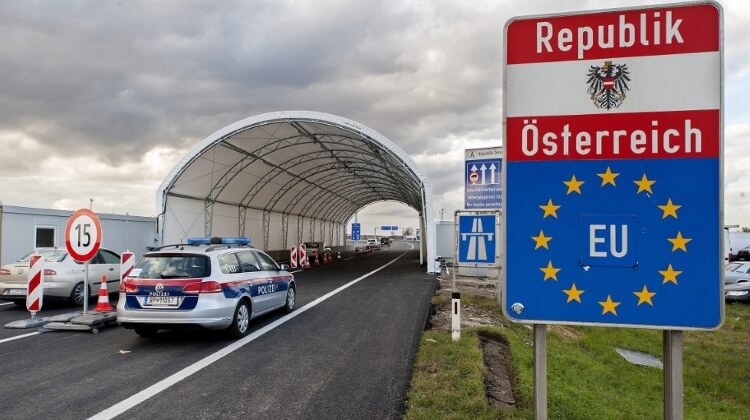
From Saturday, Austria will require a negative COVID-19 test upon arrivals from the Czech Republic, said the Minister of Foreign Affairs Petříček. Medical professionals, seasonal workers, and diplomats will be exempted from the above-mentioned decision. On Thursday morning, 4,453 new infections were recorded across Austria – the first time since the start of the pandemic when more than 4,000 cases have been recorded in a 24-hour period. A total of 29 deaths were recorded across the country from Wednesday to Thursday. When comparing Austria’s federal states, confirmed cases were in Lower Austria (1,074), followed by Vienna (821), Upper Austria (796), Tyrol (584), Styria (355), Salzburg (262), Vorarlberg (261), and Carinthia (166) and Burgenland (119). Chancellor Sebastian Kurz, Vice-Chancellor Werner Kogler, and Health Minister Rudolf Anschober along with a number of health experts are meeting on Thursday afternoon to discuss implementing new measures to curb the spread of the virus. Austrian media reports that one option being considered is a ‘lockdown light’ similar to that adopted in Germany, which would involve the closure of bars, restaurants, gyms, and entertainment venues for a set period of time. #UpozorneniNaCesty: ?? Rakousko zavádí povinnost negativních testů ne starších než 72 hodin pro cesty z celé ČR....
As a result of the crisis measures issued by the government, it is not possible to travel to the Czech Republic for the purpose of tourism or visiting friends.
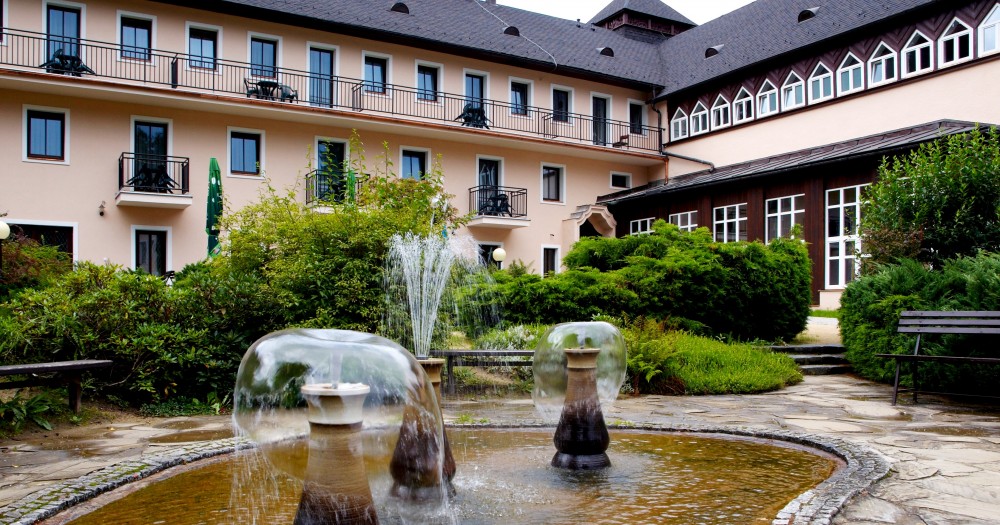
The Velké Losiny spa (near the city of Olomouc) was first mentioned in 1562 when the owner of the estate, Jan Younger of Žerotín, allegedly had a new house built next to the already existing wooden spa building. The spa buildings are today situated within a park, which, created in 1861, contains rare trees, rhododendrons, and azaleas. In the 19th century, the spa underwent great renovations thanks to the Liechtenstein family. Throughout history, the spa served many purposes – for example, during WWI it was used as an infirmary. The water in the local sulphur springs has a temperature of 36 – 37 °C and is slightly radioactive, but despite that it’s very beneficial for people’s health thanks to the high concentration of sulphur. There are six hot springs in total. By the way, one of them is named “Žerotín” to honour the Žerotín dynasty and another one is named “Marie Terezie” after Empress Maria Theresa. 36oC. That’s the temperature of the local thermal springs here. Thanks to this naturally heated water guests can treat neurological conditions and issues with the muscular-skeletal and respiratory systems. The thermal water is also used in health-restoring baths and for filling indoor and outdoor pools. Velké Losiny is not...
The Czech Republic is to be added to Italy list of high-risk countries.
The Covid pandemic and the resulting worldwide lockdowns and travel restrictions hit Prague’s touristy industry hard. Many businesses have been forced to close. Anyone strolling the eerily quiet streets in the city center will be unsurprised to learn that tourism in Prague has dropped by 80%, according to the Czech Statistical Office (ČSÚ). Despite the restrictions, many countries stay on the low-risk or ‘green’ list for the Czech Republic, meaning the city is still welcoming tourists searching for a holiday in the midst of the pandemic. If you want to escape the city on the edge of lockdown, the Czech Republic has many beautiful spaces to offer that are largely unknown to tourists. Whether you’re looking for an autumnal getaway or planning ahead for the spring, we’ve put together a list of getaway destinations to explore without crossing borders: Czech Canada Nature Reserve Situated in the south of the Czech Republic this beautiful woodland sits on the border intersection of three countries: Bohemia, Moravia and Austria. The reserve got its name from its climate, which is more extreme than the rest of the country with it’s higher precipitation and lower temperatures. You can expect high snowfall in the winter...
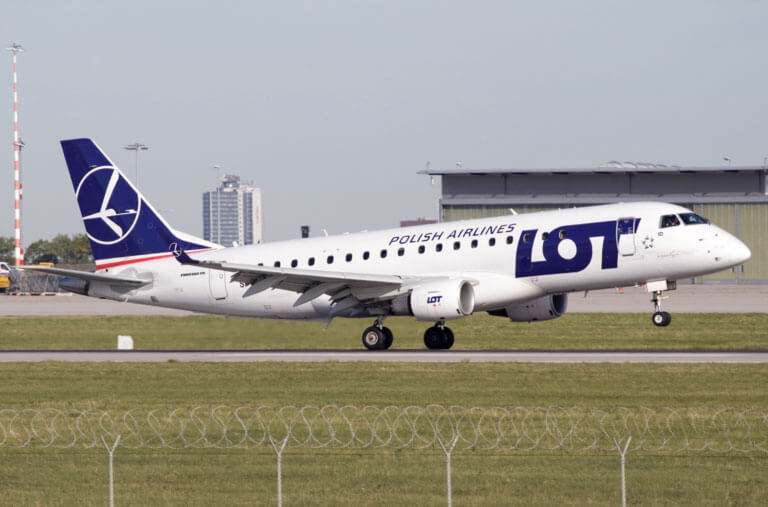
Czech Airlines announced that it will resume flights between the Czech Republic and Russian Federation on October 4, on the Prague – Moscow – Prague route, with two weekly flights, on Wednesdays and Sundays. Ticket sales have already begun, while the airline notes that the entry of foreign citizens into Russia is still limited. Russia also has not yet officially resumed flights with the Czech Republic. To enter that country, the same restrictions apply as for most other European states. Today the foreigner can get to the EU only for the purpose of medical treatment, to see the relatives, to study for an extended period of time, or if they have a residence permit. In turn, a new decree of Russia’s watchdog, Rospotrebnadzor, was put in effect in Russia on September 24, mandating that all citizens of the Russian Federation arriving from abroad must self-isolate until the results of a PCR test for COVID-19 are received. Also in September, Russia’s Federal Air Transport Agency announced the resumption of flights with the UAE, Egypt, and the Maldives. Russia suspended all international air traffic on March 27, except for flights for the evacuation, cargo, postal, medical and humanitarian purposes. Flights to select destinations...
Germany will probably classify the entire Czech Republic on its “red list” of high-risk countries due to a surge in the number of coronavirus cases, Foreign Minister Tomáš Petříček told Czech journalists today in Brussels. According to him, the Czech Republic is negotiating exceptions for cross-border workers. Germany already considers Prague and the Central Bohemian Region to be risky areas. Read: Europe Tightens Coronavirus Restrictions “Given the epidemiological situation and the fact that the number of new cases is significantly higher in our country than in neighboring Germany, we assume that this decision can actually be taken tomorrow (Wednesday, September 23),” said Petříček. “It does not mean that German citizens can not travel to the Czech Republic, but the federal government and the individual German Länder will probably recommend avoiding our country as much as possible,” added Petříček. Read: Czech Health Minister Vojtěch Resigns Some other countries, including Switzerland, and Denmark, have placed entry restrictions on Czech travellers or those coming from its capital Prague. The Czech Republic recorded 1,476 new coronavirus cases on Monday, the Health Ministry said. Among a total 50,764 cases reported since March, 25,425 have recovered and there were 522 deaths reported in connection with the...
Slovakia will rank the Czech Republic among high-risk countries from this Friday (September 18) due to the spread of coronavirus, the Slovak Central Crisis Staff decided today. The State Secretary of the Slovak Ministry of Foreign Affairs, Martin Klus, informed about it on Twitter. When traveling from the Czech Republic to Slovakia, people will, with some exceptions, have to submit a negative coronavirus test result (not older than 72 hours) or quarantine for five days and then undergo the test. Exceptions are valid for commuters living within 30 kilometers of the border. Read: Prague Reintroduces Public Transport Protection Measures According to the European Center for Disease Prevention and Control, the Czech Republic had an average of 38 new infections per 100,000 inhabitants per day in the last two weeks. On Wednesday, Germany has joined Belgium in placing Prague on its “red list” of risky travel destinations. Citizens traveling back from Prague need to submit a negative Covid-19 test result – or go into quarantine. Read: China Issues Travel Advisory for Czech Republic The Czech Republic reported 792 new coronavirus cases on Sunday, a drop after five consecutive days of more than 1,000 cases each.
Switzerland has included the Czech Republic in the list of countries at risk due to the spread of coronavirus. From Monday, people will have to quarantine for ten days after arriving from the Czech Republic. Friday’s information from the Swiss health authorities was confirmed by Irena Valentová, Deputy Ambassador of the Czech Republic to Bern. The mandatory 10-day quarantine will not apply to transit through Switzerland within 24 hours, nor to transfers to connecting flights at airport terminals. The Swiss Health Authority points out on its website that the mandatory quarantine cannot be replaced by a negative COVID-19 test. Read: Denmark Adds Czech Republic on List of Risk Countries According to Jan Papež, vice-president of the Czech Association of Travel Agencies, the inclusion of the Czech Republic in the Swiss list of high-risk countries “is a problem mainly due to the sale of ski tours to the popular Alpine country. We assume that this decision will be limited for a short time because the situation is still evolving,” said Papež. In addition to the Czech Republic, travellers from nine areas of France (Centre-Val de Loire, Hauts-de-France, Île de France, Normandy, Nouvelle-Aquitaine, Occitanie, Pays de la Loire, and Provence-Alpes-Côte d’Azur) will...
The Danish government has decided to put the Czech Republic on its list of “high-risk” countries, as of 24:00 CEST today. The Czech Republic has been reclassified from the yellow to orange category. Only those who can duly justify their trip from the Czech Republic will be admitted to Danish territory. The Danish authorities allow travels for work, job interviews, transport, or delivery of goods. Students can also come to Denmark for university and high school studies or for an internship, the Czech authorities informed on Twitter. Read: Biggest One-Day Rise in Coronavirus Cases in the Czech Republic: 1,382 Entry is also granted to family members with a direct family connection, such as a parent, child, or sibling, and to unmarried partners of people living in Denmark. According to the European Center for Disease Prevention and Control, the Czech Republic had an average of 38 new infections per 100,000 inhabitants per day in the last two weeks. The Danish authorities rank a “risk-country” when it reaches 30 infected persons per 100,000 inhabitants. Read: Prague Reintroduces Public Transport Protection Measures On Wednesday, Germany has joined Belgium in placing Prague on its “red list” of risky travel destinations. Citizens traveling back from...
Hungary has decided to exempt tourists visiting from three neighboring states from a lockdown of its borders that took effect on Tuesday
Don’t have an account? Register
[swpm_registration_form level=”6″]
Already have an account? Log In
How Would You Like to Promote Your Business? PR ArticleDisplay bannersVideo productionNewsletter adsJob ListingsInfluencer Marketing
Your Email
We will come back to you within 24 hours with our proporsal