Sinatra Tribute Pairs Frank Sinatra Classics With 1930s Dining at Prague's Mánes
Partner article


Prague Morning
 Follow us on Google Discover
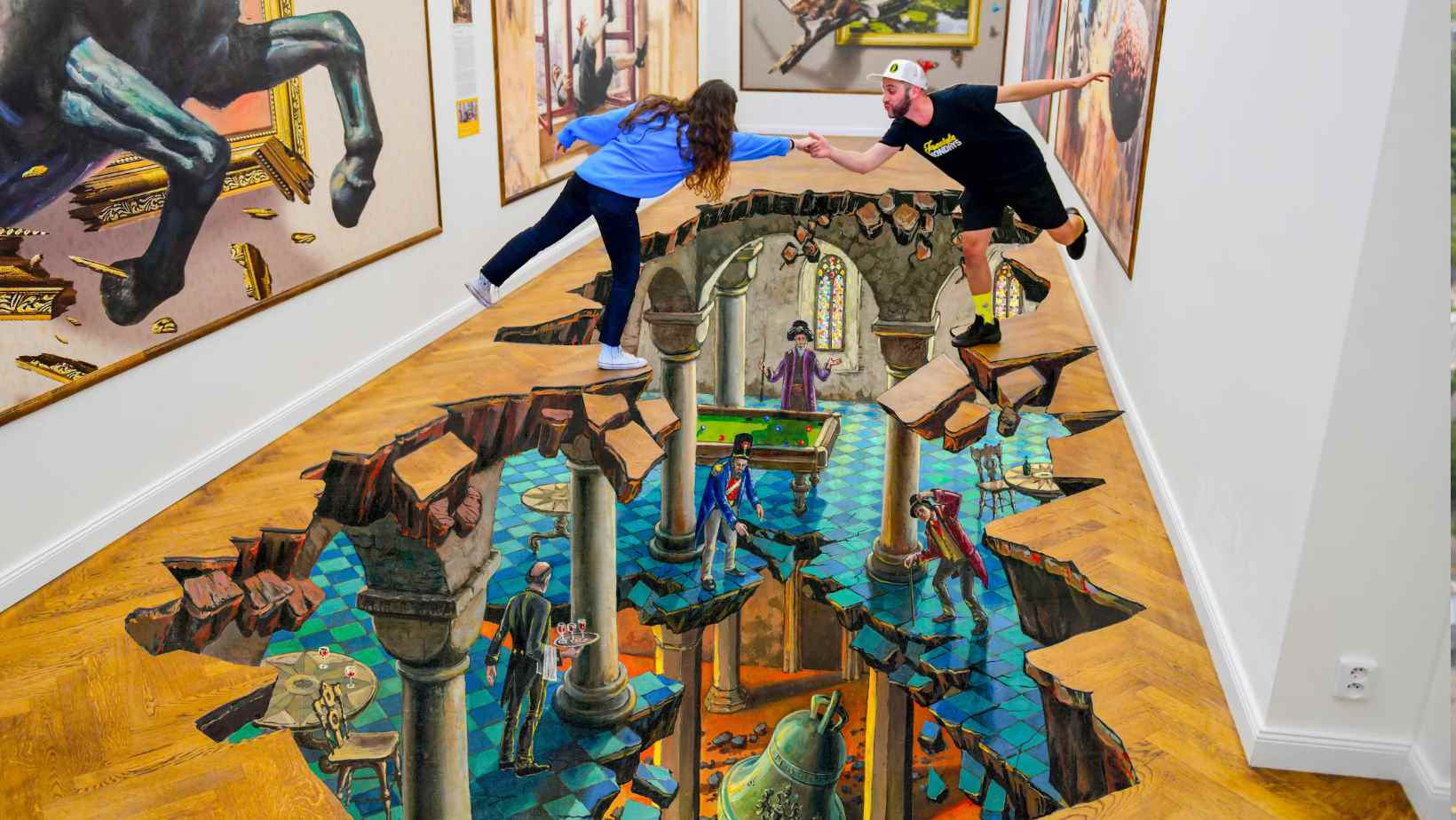
Just off Old Town Square, past the cafes and the crowds waiting for the Astronomical Clock, sits a museum that started almost by accident.
Today, IAM Prague has welcomed well over 1 million visitors from around the world and has held TripAdvisor’s Travelers’ Choice Award for five straight years.
The museum wasn’t originally supposed to be a… museum. Co-founder Jakub Bechyně and his partner Patrik Proško had been running a traveling illusion exhibit that moved between shopping malls, renting space for a month at a time before packing up and relocating. It worked, but it wasn’t permanent.
Then, in 2017, the owner of a building on Old Town Square approached them with an idea: turn part of it into a museum. The catch was the timeline. They wanted it open in two months.
Rather than build something from scratch, the team pulled from what they already had on the shelf, opening with one floor and sixteen exhibits in 2018. The collection has grown to more than 60 pieces since.
View this post on Instagram
The museum moved to its current location in 2022 after the original building was sold. The new space, ideally located between Old Town Square and Wenceslas Square, needed walls removed and floors rebuilt to accommodate the art. The costs were substantial, but it turned out to be a good problem to have as the location dramatically increased the exhibition’s visibility to passersby on one of Prague’s busiest tourist thoroughfares.
IAM Prague doesn’t chase famous names. It chases techniques. The team looks for a specific kind of illusion craft, one with real artistic quality, a genuine optical trick, and ideally a story behind it worth telling.
That approach led them to reverse-perspective specialist Patrick Hughes, and to artists whose work they discovered secondhand and eventually acquired outright rather than simply displaying on loan. In several cases, the museum ended up owning the pieces after renting them for years and deciding they belonged permanently in the collection.
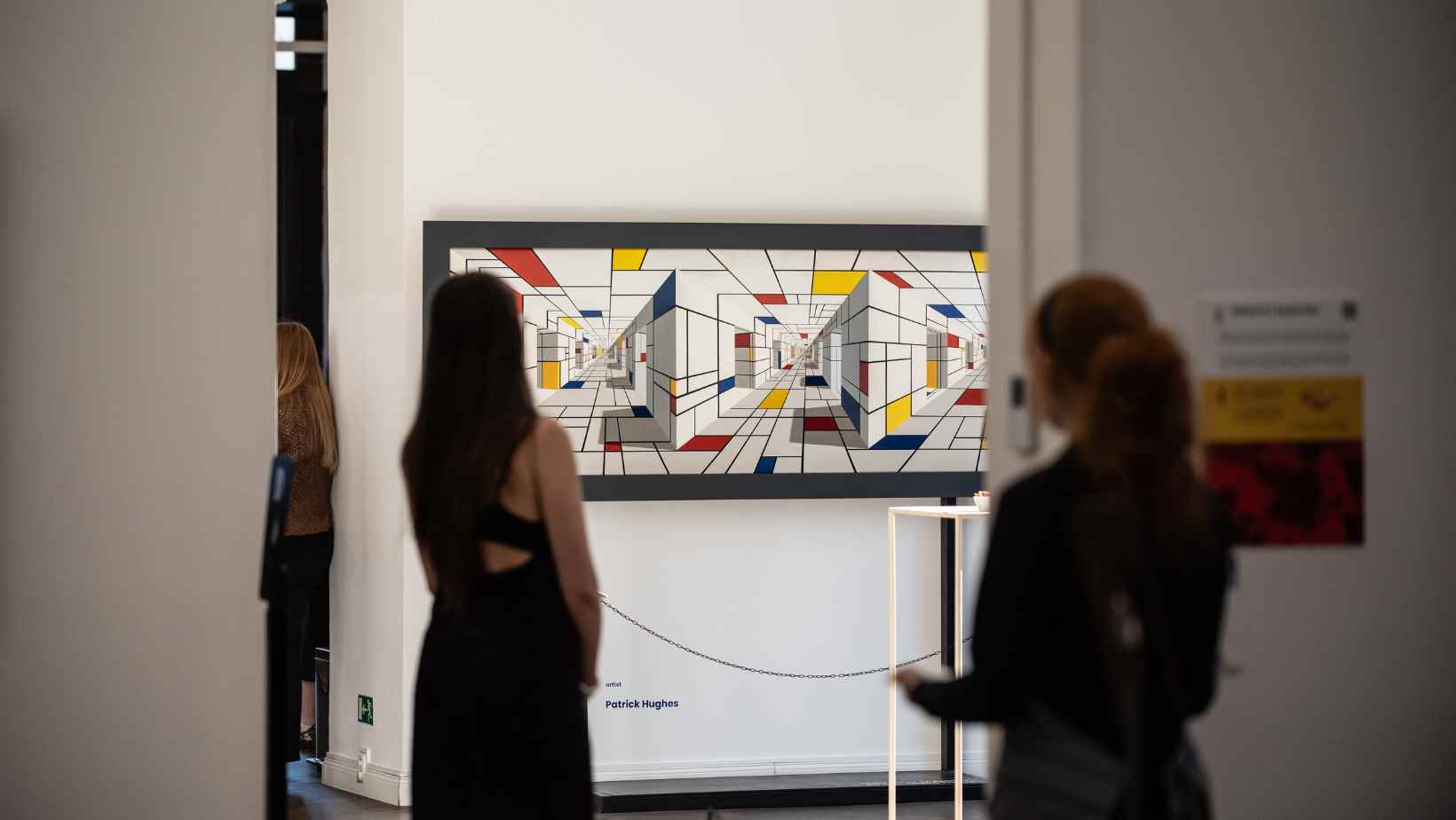
About 80 percent of the exhibition has changed since opening. Early pieces built quickly to fill the space have gradually been replaced as the museum brought in stronger, more polished work from local and international artists.
The exhibition’s evolution continues, with four new pieces from international artists like Jonty Hurwitz and Andrej Boleslavsky, ranging from traditional mirror anamorphoses to digital art, recently unveiled in June.
Much of what makes IAM Prague distinct is how it uses illusion as a delivery method for history. A glass-art piece featuring four endangered animals turns out to double as an environmental message.
A defenestration scene lets visitors reenact one of Prague’s most repeated historical events, tied to the 1618 uprising that helped trigger the Thirty Years’ War. Even the museum’s own opening date, a century after Czechoslovak independence in 1918, was picked on purpose.
One exhibit nods to Karel Čapek, the Czech writer who coined the word “robot,” a term that entered global use even though it comes from a Slavic word for forced labor.
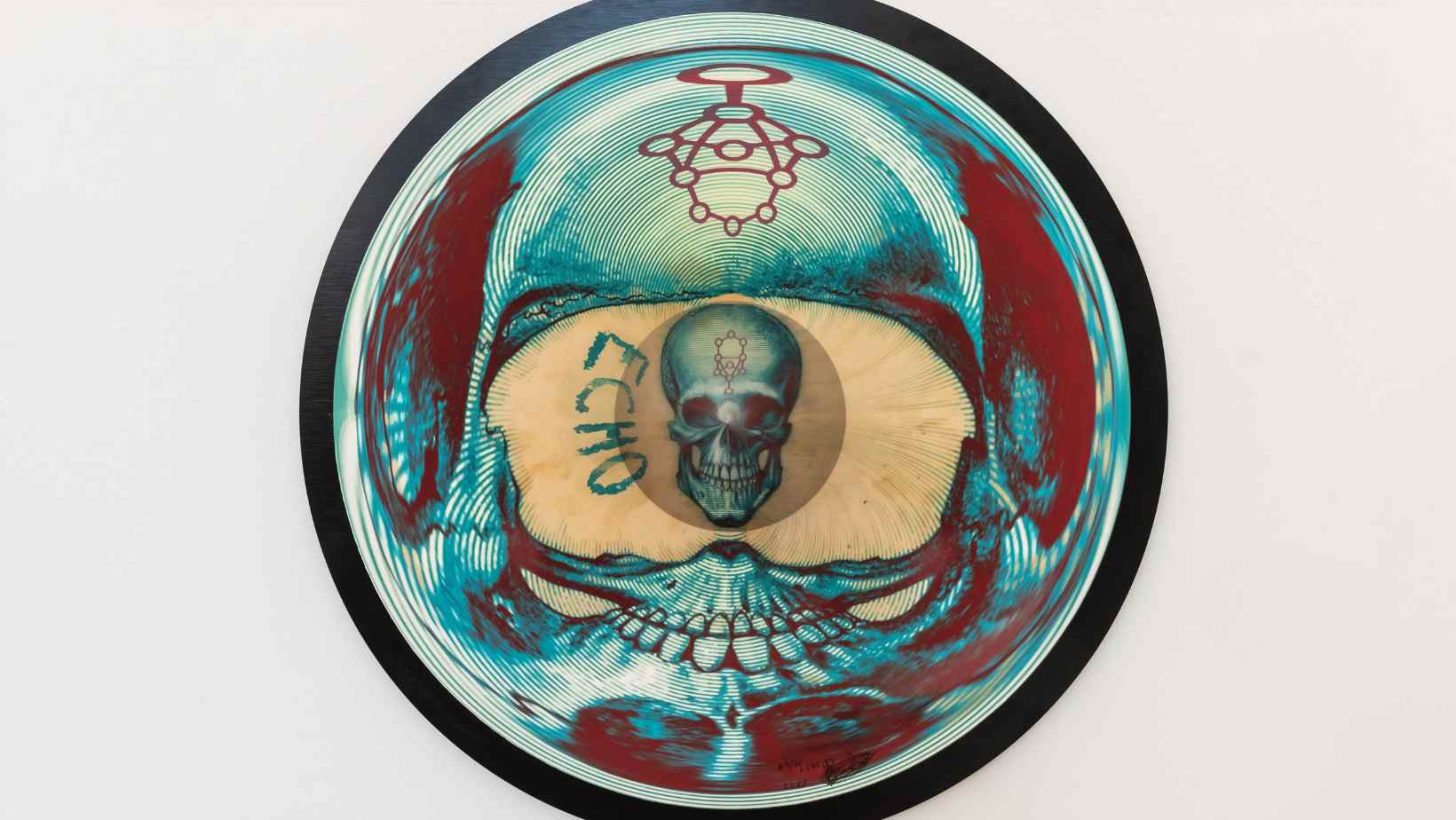
Another traces the story of Tomáš Baťa, the industrialist who pioneered mass shoe manufacturing and built factories across multiple continents, including a Pakistani city that still carries his name today.
Though much has been made on artificial intelligence’s impact on the world of art, the team’s biggest current concern isn’t AI-generated art replacing the exhibition’s themselves. It’s the shift in how travelers plan their trips.
For years, visibility depended on traditional guidebooks, online travel agencies, physical advertising, and street presence. Increasingly, travelers are relying on AI chat tools to create itineraries, shifting the importance of more “traditional” visibility mechanisms, which is forcing venues like Illusion Art Museum Prague to adapt.
Despite the changing landscape, the plan going forward leans further into digital and kinetic art, including new motion-based installations recently brought in from Berlin by artists like Florian Goerlitz.
For a museum that started as a temporary mall exhibit, the goal has stayed consistent since day one: make people stop, look twice, and leave with a story they didn’t expect to learn.
Would you like your story featured here? Get in touch with our team at [email protected]



Already have an account? Log In