Sinatra Tribute Pairs Frank Sinatra Classics With 1930s Dining at Prague's Mánes
Partner article


Prague Morning
 Follow us on Google Discover
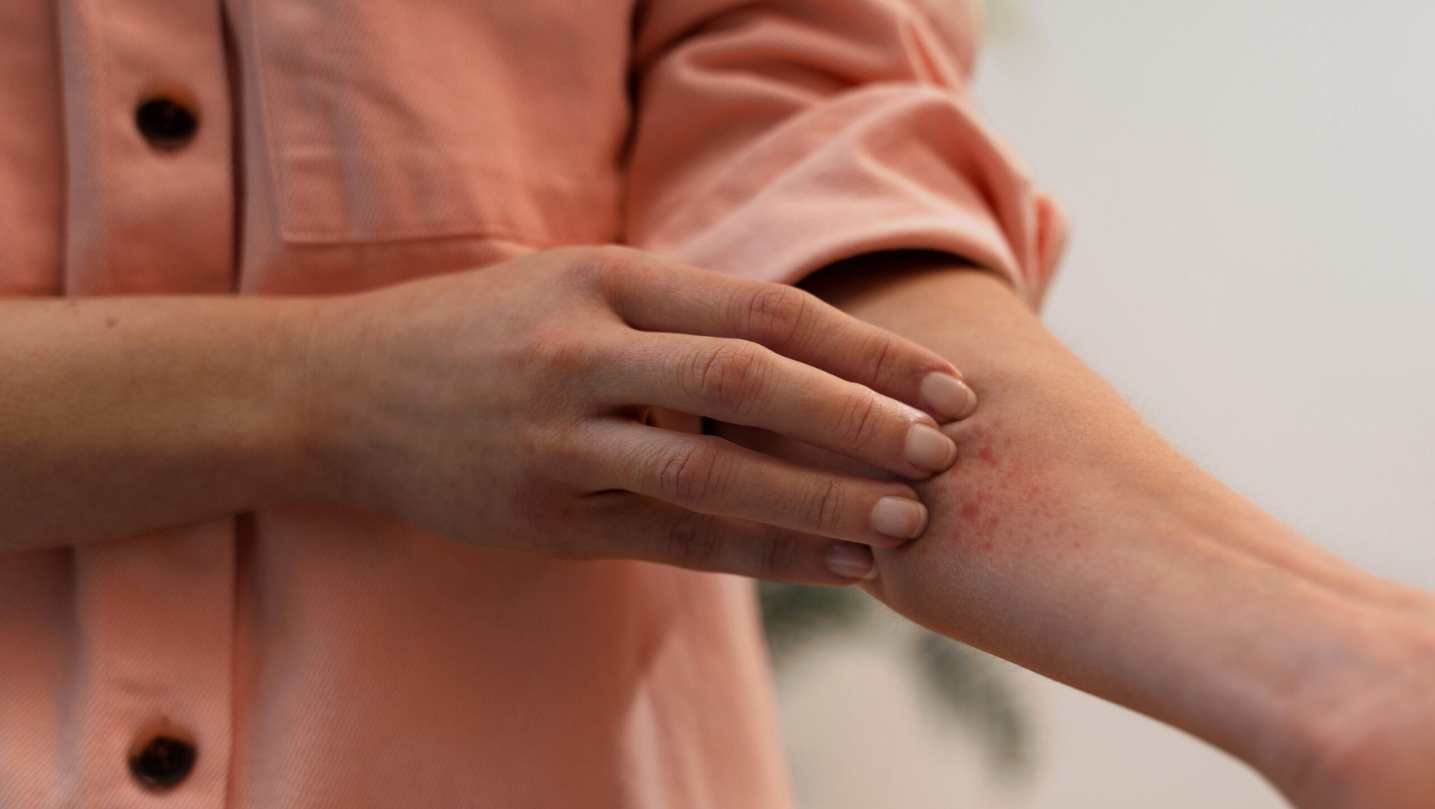

Prague has recorded a sharp rise in scabies infections this year, with public health officials urging residents to recognize the symptoms early.
According to the Prague Public Health Authority, 459 people were diagnosed with scabies during the first six months of the year. That compares with 300 cases during the same period last year, marking a notable increase in infections across the Czech capital.
Despite the higher numbers, health officials stress that Prague continues to have one of the country’s lowest infection rates relative to its population.
One of the biggest misconceptions surrounding scabies is that it is linked to poor personal hygiene. Doctors say this is false. The condition has affected people around the world for centuries and periodically becomes more widespread, regardless of living standards or social background.
“The current increase reflects the high mobility of modern society rather than individual hygiene,” said Dr. Martina Marešová, head of the anti-epidemic department at the Prague Public Health Authority, in an official statement.
As case numbers rise, many Prague residents have questioned whether trams, buses and the metro pose a risk.
According to health experts, the likelihood of becoming infected during a typical journey is very low. The microscopic mite responsible for scabies is usually transmitted through prolonged skin-to-skin contact or by sharing contaminated textiles such as bedding, towels or clothing. Brief contact with handrails or seats is generally not enough to spread the disease.
Scabies spreads most easily in places where people live in close quarters for extended periods. Dormitories, social care facilities and long-term care homes are among the environments where outbreaks are more likely.
Travel can also increase the risk. People occasionally return from holidays carrying the parasite after staying in accommodation with inadequate hygiene standards, whether in the Czech Republic or abroad.
The most common symptom is intense itching, which typically becomes much worse at night or after the body warms up under blankets.
People may also develop a rash consisting of small red bumps or thin burrow-like lines where the mites tunnel beneath the skin. These usually appear between the fingers, around the wrists, under the arms and around the waist. In children, the rash may also affect the palms of the hands and the soles of the feet.
Persistent scratching can damage the skin and increase the risk of a secondary bacterial infection.
Health officials recommend using only your own towels, bedding and clothing, particularly when travelling or staying in shared accommodation. Choosing places with good hygiene standards can also reduce the likelihood of infection.
People should avoid prolonged close physical contact with anyone showing symptoms and seek medical advice as soon as persistent nighttime itching or a characteristic rash appears. Early diagnosis and treatment help prevent further transmission.
Would you like your story featured here? Get in touch with our team at [email protected]





Already have an account? Log In