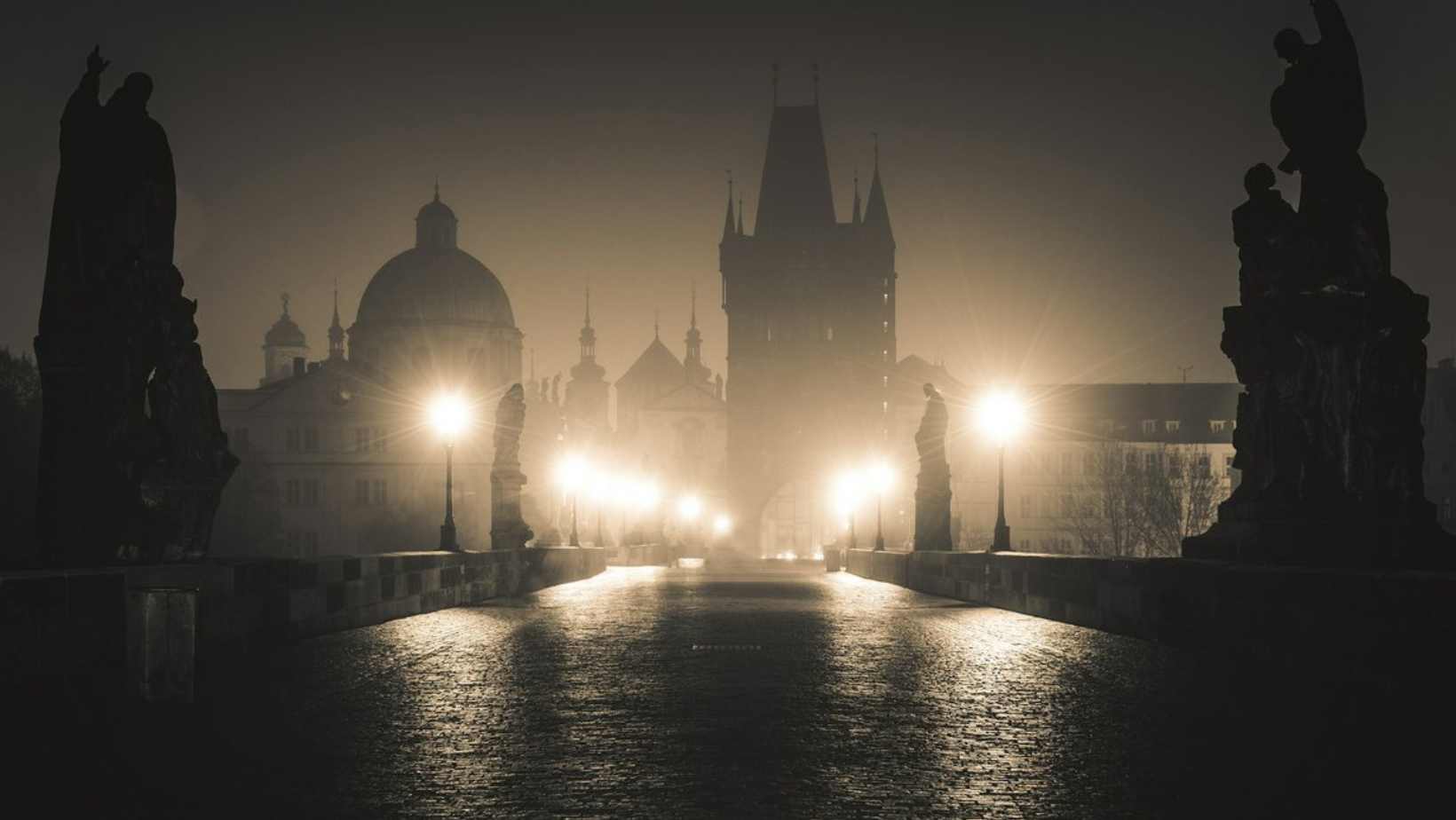
Czechs will join millions of people around the globe in turning off their lights for 60 minutes on March 28 starting at 8:30 pm local time in a symbolic show of support for the Earth Hour campaign against climate change. Earth Hour will dim some of Prague’s best-known landmarks including Prague Castle, Charles Bridge, Old Town Square or the Žižkov TV tower. Other fifty businesses and administrative buildings will turn off their lights in the capital. In addition, the illumination of some famous landmarks will be turned off Prague and other cities around the Czech Republic first marked Earth Hour in 2012. One hundred thirty cities and towns are expected to join the campaign this year. Everyone recognizes the importance of environmental protection in everyday life in order to ensure a brighter future. In this way, we may leave a healthy Earth to future generations. Earth Hour began in Sydney in 2007 as a symbolic lights-out event organized by WWF and allies and has now grown to become one of the world’s largest environmental grassroots initiatives. Every year on the final Saturday in March, millions of people in over 180 nations and territories participate in Earth Hour by turning off...
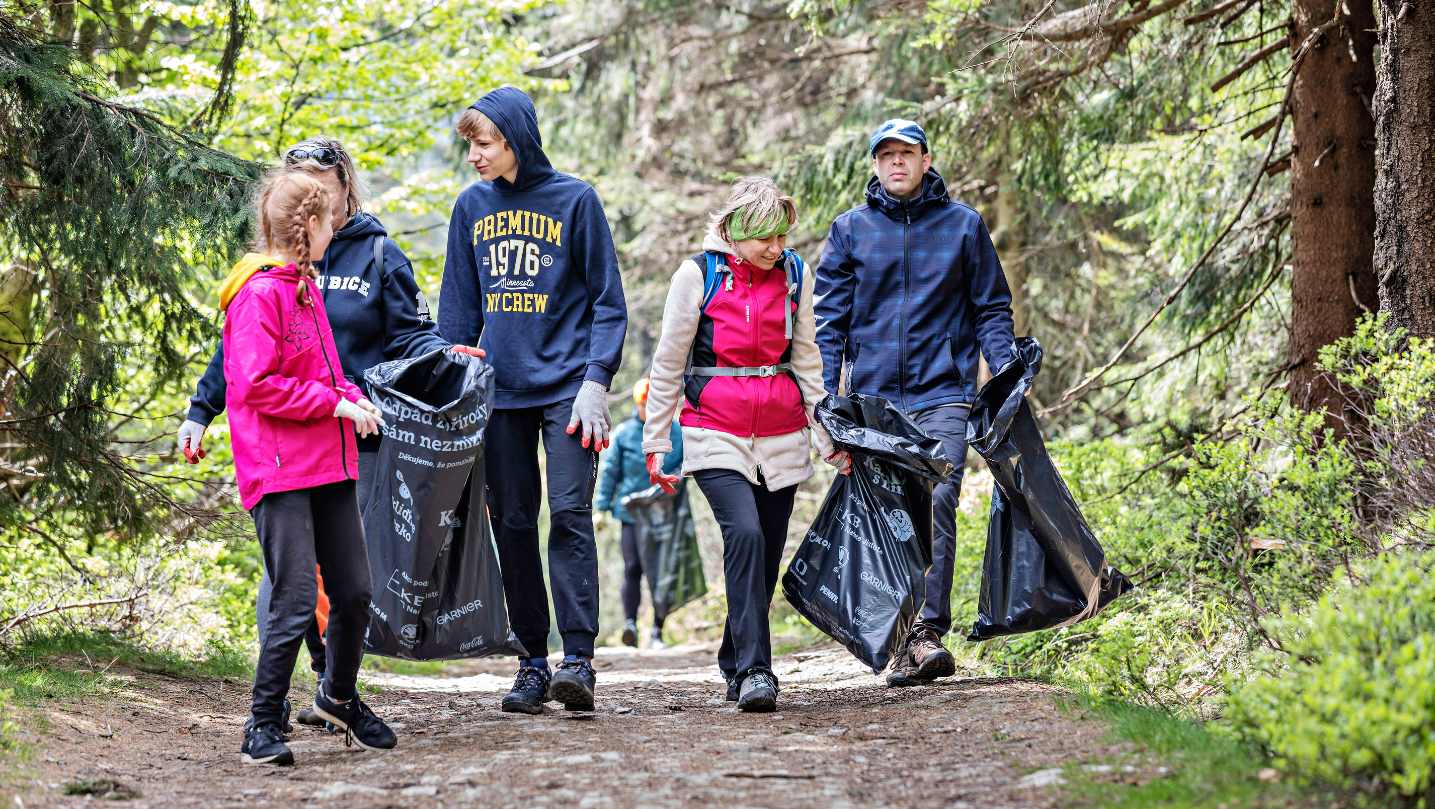
This year’s World Cleanup Day takes place on Saturday, 20 September, following the addition to the UN Calendar of International Days. The event brings together citizens, governments, and organizations to confront the global waste crisis, promoting a vision of a sustainable, waste-free world. “We are excited to join this global initiative again this year,” says Miroslav Kubásek from Ukliďme Česko, representing the event organizers. “With its inclusion in the UN calendar, World Cleanup Day will now be held on the fixed date of September 20th. However, participants can still register their cleanups for the following weekend or later in the autumn. Thanks to our partners, we have provided organizers and volunteers with durable bags and gloves for waste collection, just as we did in the spring.” The Global World Cleanup Movement will be paying special attention to textile waste and textile reuse this year, according to a news release. According to World Cleanup data, approximately 92 million tonnes of textile waste are generated in the world every year. If nothing changes, this number is expected to reach 134 million tons by 2030. “If you’re interested in organizing your own cleanup event on September 20th or later in the fall, simply register...
Air pollution in Prague is worse than what the European Union (EU) allows and far beyond what the World Health Organization (WHO) recommends. According to data from the Czech Hydrometeorological Institute (ČHMÚ), several locations in the capital have alarmingly high nitrogen dioxide (NO₂) levels. Surprisingly, Prague performed worse in air quality measurements than Ostrava, a city traditionally associated with heavy industry. While Ostrava met the EU’s NO₂ limits, Prague failed in most of the measured locations. Out of 17 traffic-heavy areas, only six complied with the EU’s air pollution standards. Which Areas in Prague Have the Worst Air? The EU’s legal limit for nitrogen dioxide stands at 40 micrograms per cubic meter (µg/m³) of air. However, many places in Prague exceeded this limit by nearly 50%. The WHO’s guidelines are even stricter, recommending no more than 10 µg/m³—a level that Prague’s air quality falls far short of. Some of the worst-affected locations include: Ječná Street – 58.0 µg/m³ Plzeňská Street – 57.2 µg/m³ Radlická and Klicperova – 50.7 µg/m³ Ječná and Štěpánská intersection – 50.0 µg/m³ Smetana Embankment near Novotný Bridge – 52.3 µg/m³ Other problematic locations include intersections at V Botanice (47.8 µg/m³), Želivského and Biskupcova (46.6 µg/m³), Spořilov...
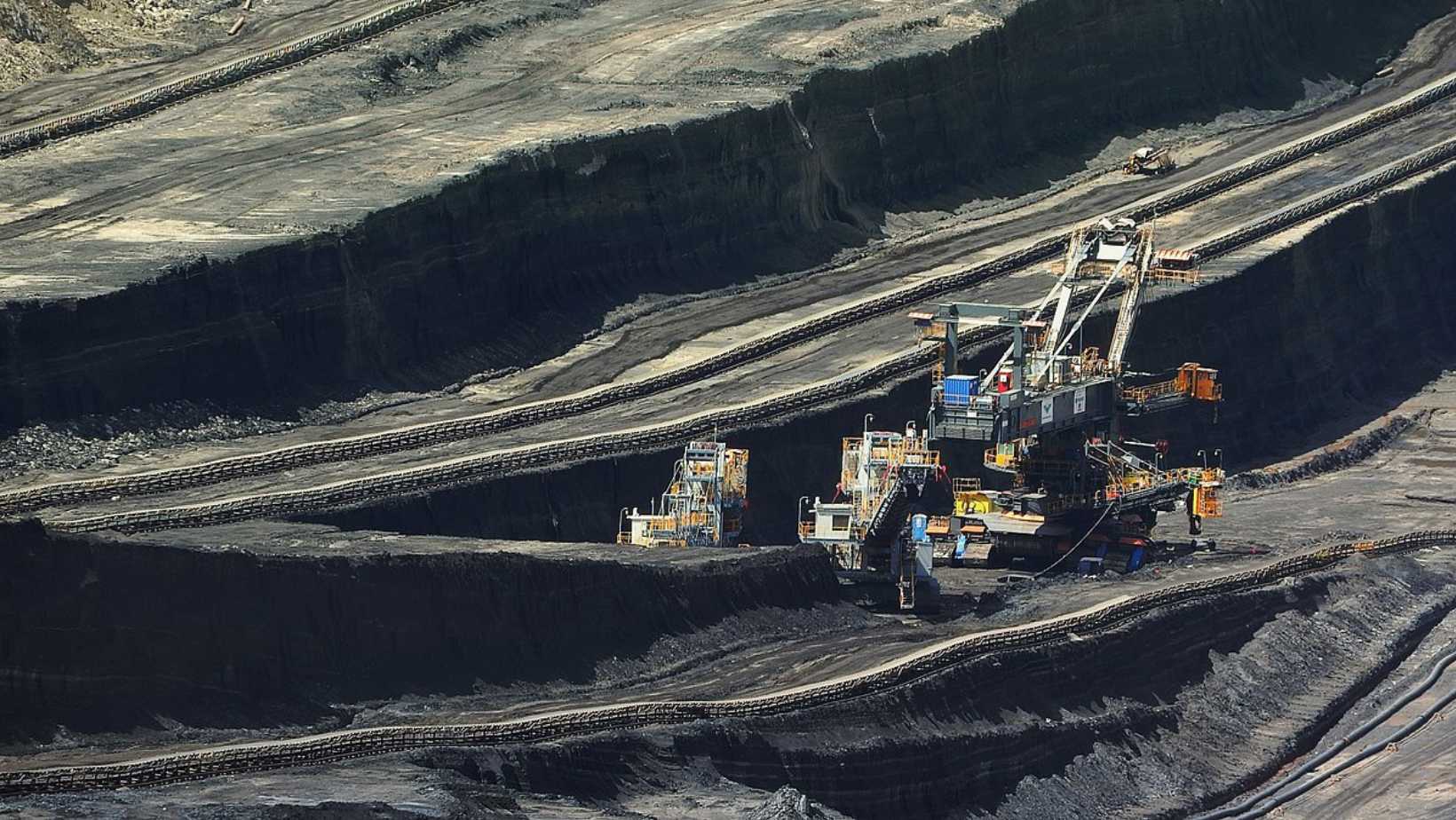
The Czech government has committed to phasing out coal-fired power generation by 2033, a step in line with Europe’s broader push for cleaner energy. Some of the country’s oldest coal-fired power plants are already making the transition, with the Opatovice lignite power plant aiming to end coal use by 2030 at the latest. However, the chosen alternative—natural gas—has sparked debate. Although natural gas produces fewer emissions than coal, it remains a fossil fuel. Critics argue that relying on gas only prolongs dependency on carbon-based energy sources, contradicting the goal of reducing greenhouse gas emissions. The European Union aims for climate neutrality by 2050, with a milestone of cutting emissions by at least 55% by 2030 compared to 1990 levels. The EU’s “Fit for 55” policy drives this transition, mainly through emissions trading, making coal power increasingly unprofitable. Funds generated from emissions trading are channeled into the EU’s Modernisation Fund, which supports lower-income member states in shifting towards cleaner energy. Since 2021, the fund has distributed €15.5 billion, with Czechia, Romania, and Poland receiving the largest shares. In December, the fund allocated another €130 million for Czechia’s coal phase-out, with much of the money going toward natural gas projects and waste-to-energy...
As one of the world’s largest and greenest cities according to the HUGSI index, Prague is stepping up its responsibility to live up to its reputation. An entire fleet of electric buses is now connecting the Metro C Budějovická station with the Brumlovka bus stop in Kačerov, Prague 4. Czechia has struggled recently with meeting the WHO guidelines for air quality and pollution levels, so ushering in new efforts to go green in the country’s busiest city, can spark a difference that may go a long way in the future. Since 2016, two SOR electric buses have been in operation on this bus line, labeled under ‘BB1’ and ‘BB2,’ providing emission-free transport to one of Prague’s most active business districts. Now, a third bus has been in operation since September of this year, making the shuttle service between the two stops 100% electric. It is estimated that 4,500 passengers use the transport in Brumlovka each day. “94% of passengers are satisfied with the shuttle service, mainly due to its cleanliness, sufficient capacity, and connection intervals. Compared to the time before the introduction of electric buses, we have seen an increase in satisfaction by almost 20 percentage points,” said Martina Draper,...
How far away is the airport? What are the hotel options? How much will a drink set you back? All things you might consider when we’re booking our next getaway. But here’s one factor that you might not think about: air pollution. Sure, for a quick trip your destination’s air quality might seem a bit irrelevant – you’re only going for a few days, right? Well, research shows that exposure to high levels of pollution, even just for short periods of time, can have a detrimental effect on our health, particularly our lungs and hearts. A new study has done some research into air pollution levels across popular cities in Europe, and the results might surprise you. Drawing on the World Health Organisation’s air quality guidelines, analysis was done to discover the levels of fine particulate matter: the pollutant which poses the highest risk to our health. The maximum level considered safe is a long-term average of no more than 5 μg/m3 (that’s micrograms per cubic metre). With levels almost four times the safe amount, at 19.7 μg/m3, it’s Milan that is the most polluted city in Europe. In fact, the top five cities all have a long-term average which is at least double the WHO’s recommendation. Athens ranks...
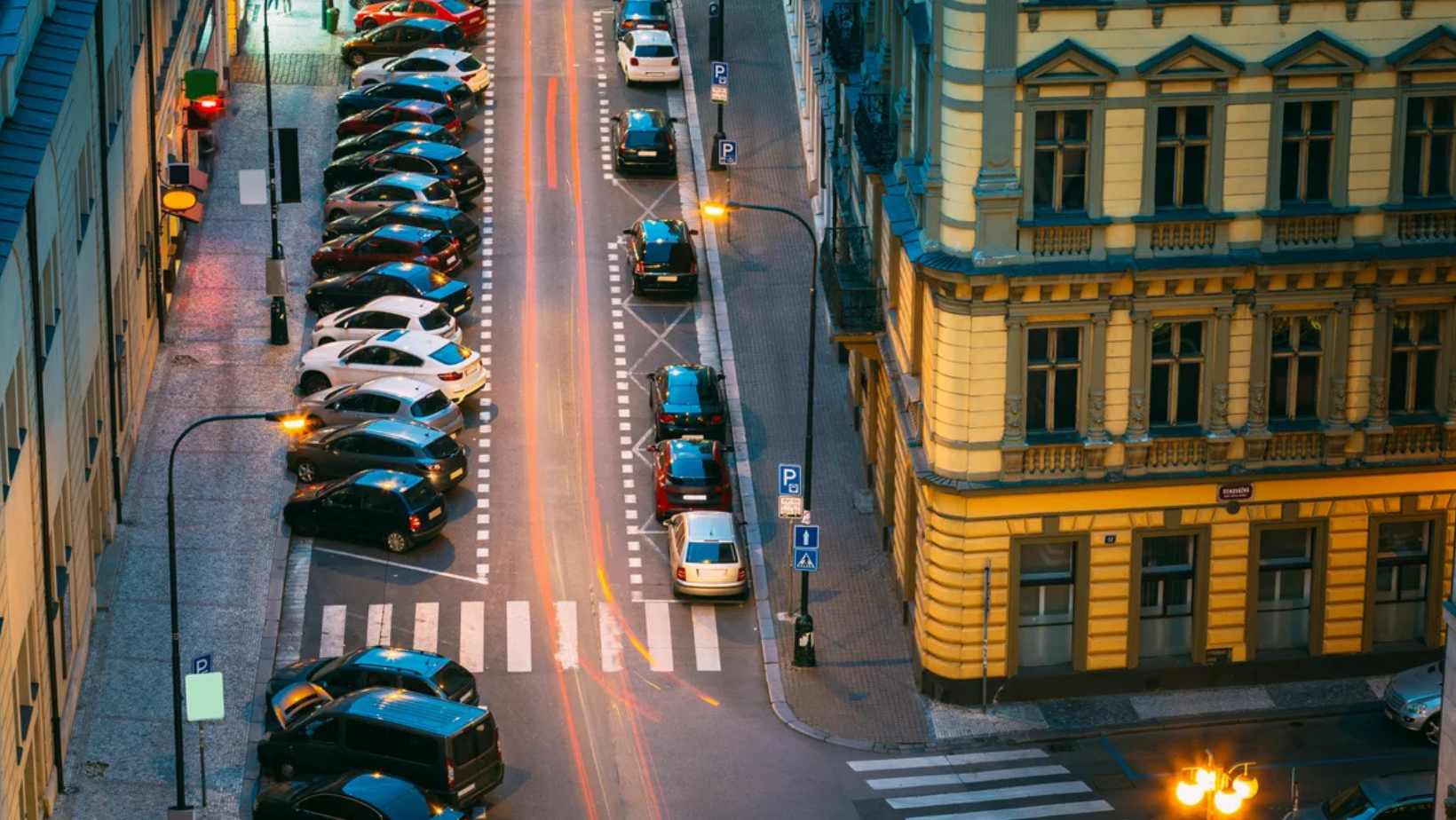
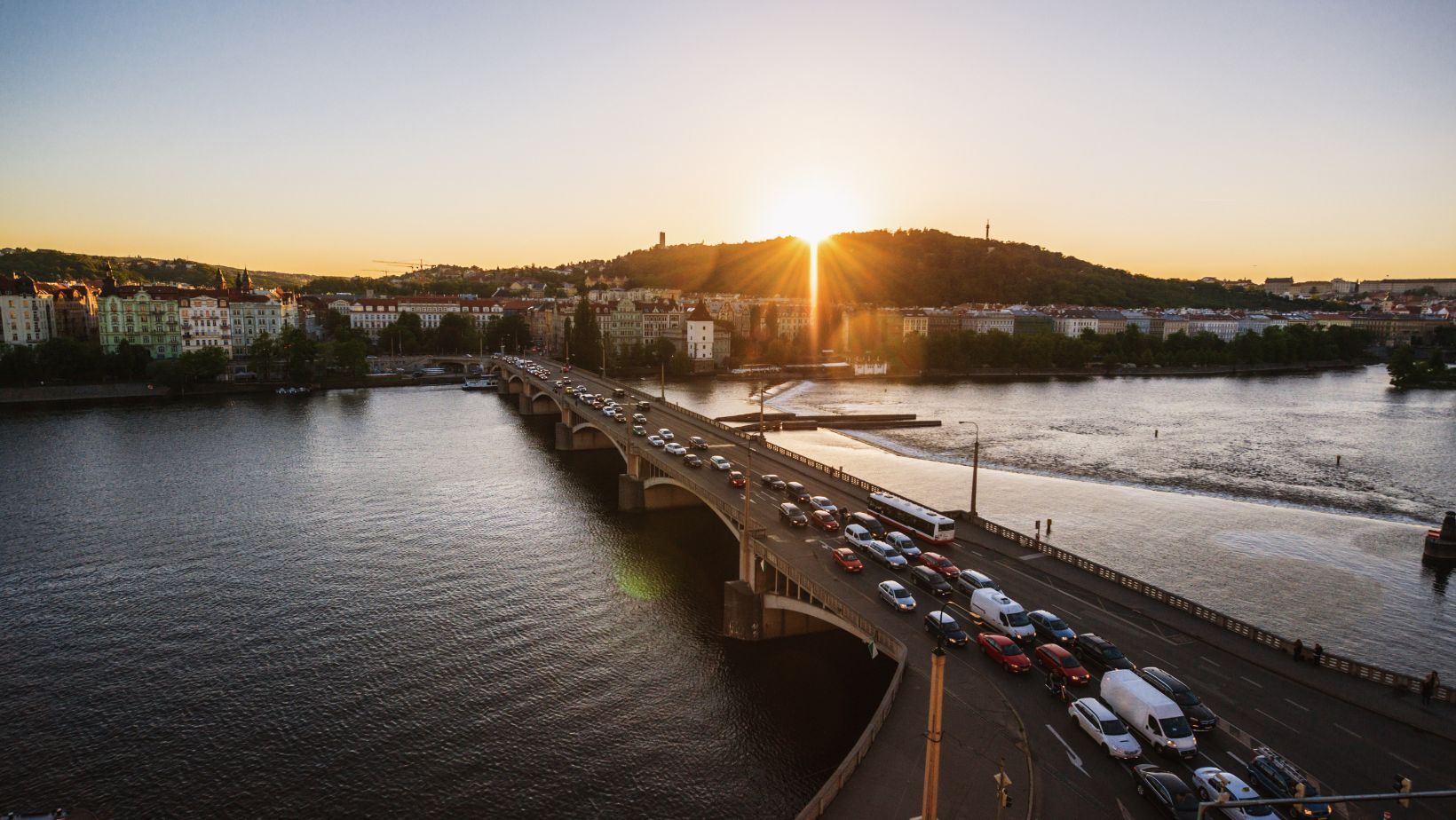
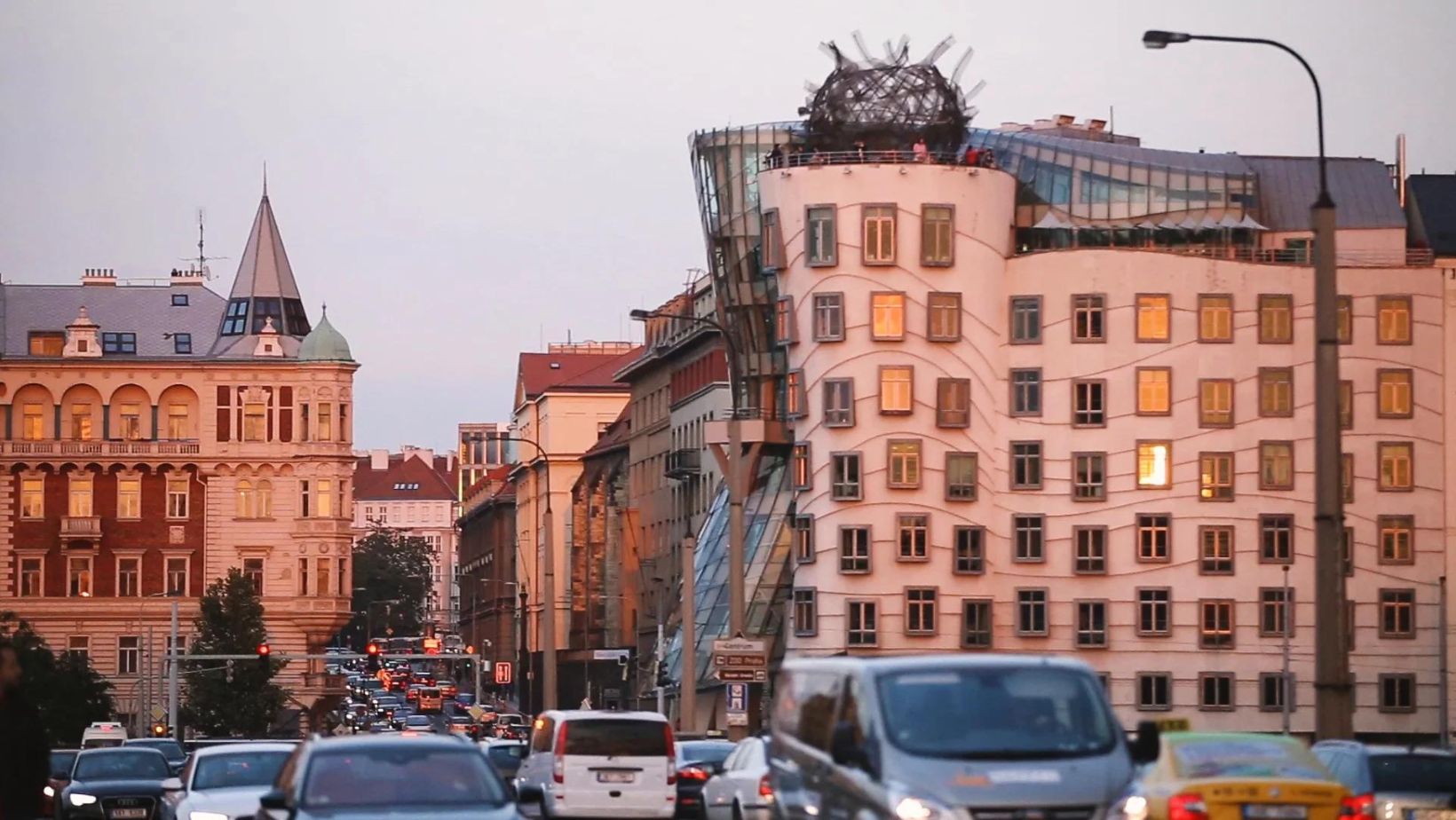
The number of vehicles in Prague has surged to 1.26 million, marking an annual increase of nearly 41,000, according to the Technical Administration of Communications (TSK). Throughout the city, vehicles covered a distance of 22.8 million kilometers, which was about 140,000 kilometers less than the previous year. Among the registered vehicles in Prague, passenger cars account for one million, with over 208,000 being added since 2016 alone. The most substantial growth occurred between 1990 and 2000, doubling during that time. Traffic patterns have undergone shifts in the past two years. In 2020, traffic decreased by eight percent compared to the previous year. In 2021, it rebounded to nearly match the pre-peak year of 2019, and it maintained a similar level in the subsequent year. While the downtown traffic intensity remained consistent year-on-year, some vehicles decreased within the outer cordon. Despite undergoing repairs and traffic restrictions during the summer, the Barrandov Bridge remained the busiest road last year, with approximately 139,000 vehicles crossing daily, which was around three thousand fewer compared to the previous year. The Jižní spojka section in Chodovská – V koryty followed as the second busiest, serving 129,000 vehicles, while the Jižní spojka between 5. května and Vídeňská...
In 2022, the Czech Republic planted almost 40,000 hectares of new forests, marking the second-highest count since 1964. This figure fell only 709 hectares short of the record established in 2020. Out of the total 225,928 saplings utilized for this afforestation effort, two-thirds were deciduous trees. Among the various regions, Vysočina took the lead in reforestation activities. Providing insight, Josef Kahuda, a statistician employed at the Czech Statistical Office, pointed out that the average sapling usage per hectare stood at 5,705. For deciduous trees, this number rose to 7,248, while for conifers, it was slightly lower at 4,205. Predominantly, the trees chosen for planting were beech and oak, accounting for 28% and 23% respectively. Notably, spruce saw a modest increase in its portion of all saplings, climbing from 19.7% in 2020 to 19.9%. Despite these statistics, spruce remained the most prevalent tree type, occupying nearly one-third of all newly reforested lands. Conifers emerged as the dominant presence among the freshly established wooded areas. The evolving climate poses a significant risk to forest soils. The strategy of tree planting is not the solitary means of fostering forests; natural regeneration, where new growth emerges from wind-borne or fallen seeds from parent trees,...
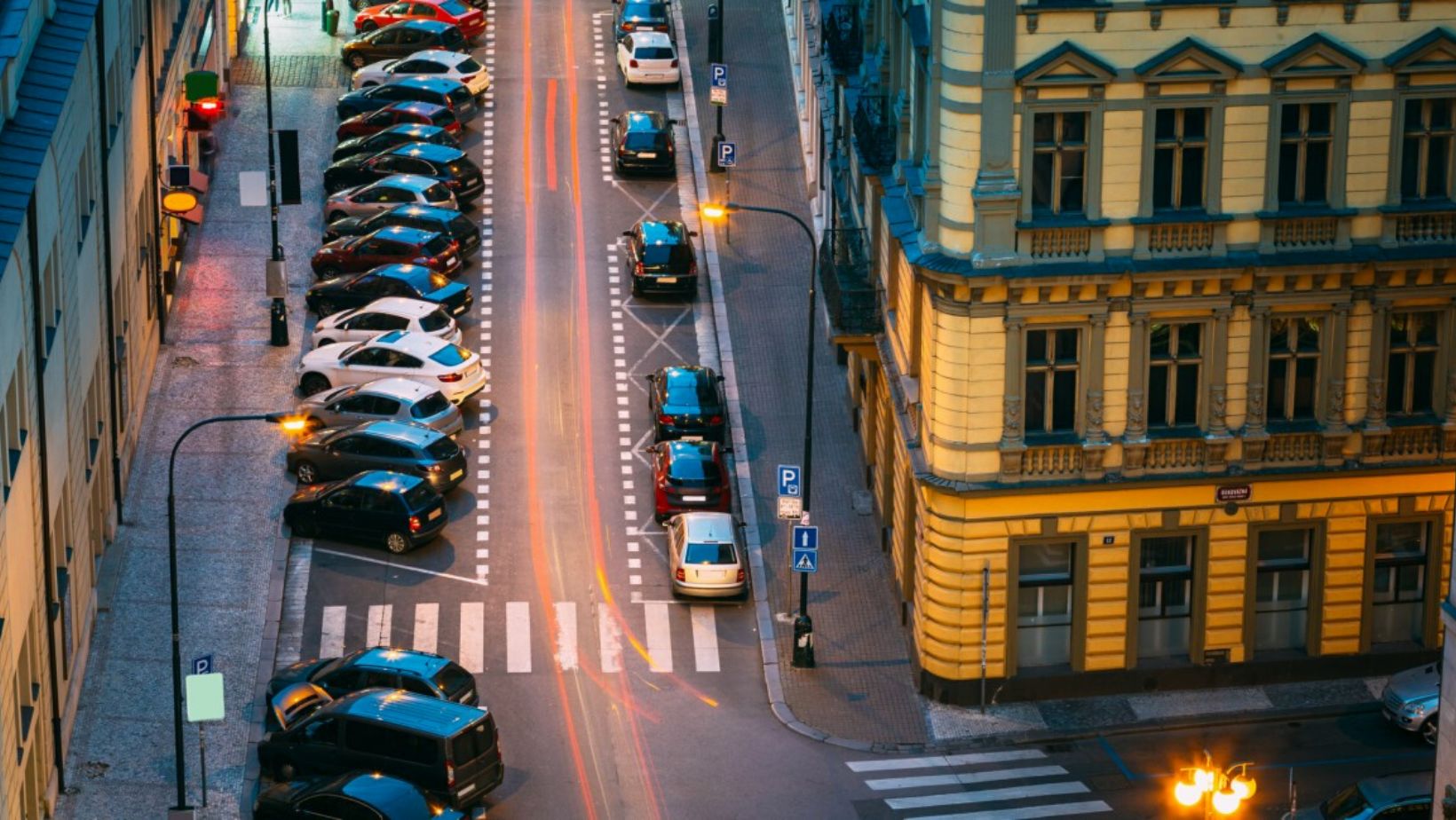
The former Prague mayor and current Prague deputy mayor for transport Zdeněk Hřib (Piráti) is planning drastic changes for Prague’s car traffic. According to Hřib, citizens should prepare themselves for the fact that in Prague they will no longer be able to get to where they are going by car. “We are starting to tell people that it is perfectly normal not to stop your car right in front of the door of the building you are heading to,” Hřib says, outlining that Prague is planning to introduce charging for entering some streets. Hřib presented a reform of the parking system as part of the transport changes in the capital, which he said will lead to “traffic calming in the center” and will mean, among other things, that if a visitor arrives in the center of Prague by car, they will not park unless the locals buy “a credit for parking in the blue zone” in advance. “You can now park in blue zones for a more expensive parking fee even if you are not a resident. Going forward, this will no longer be an option, people can use underground car parks where capacity is not filled. This is part...
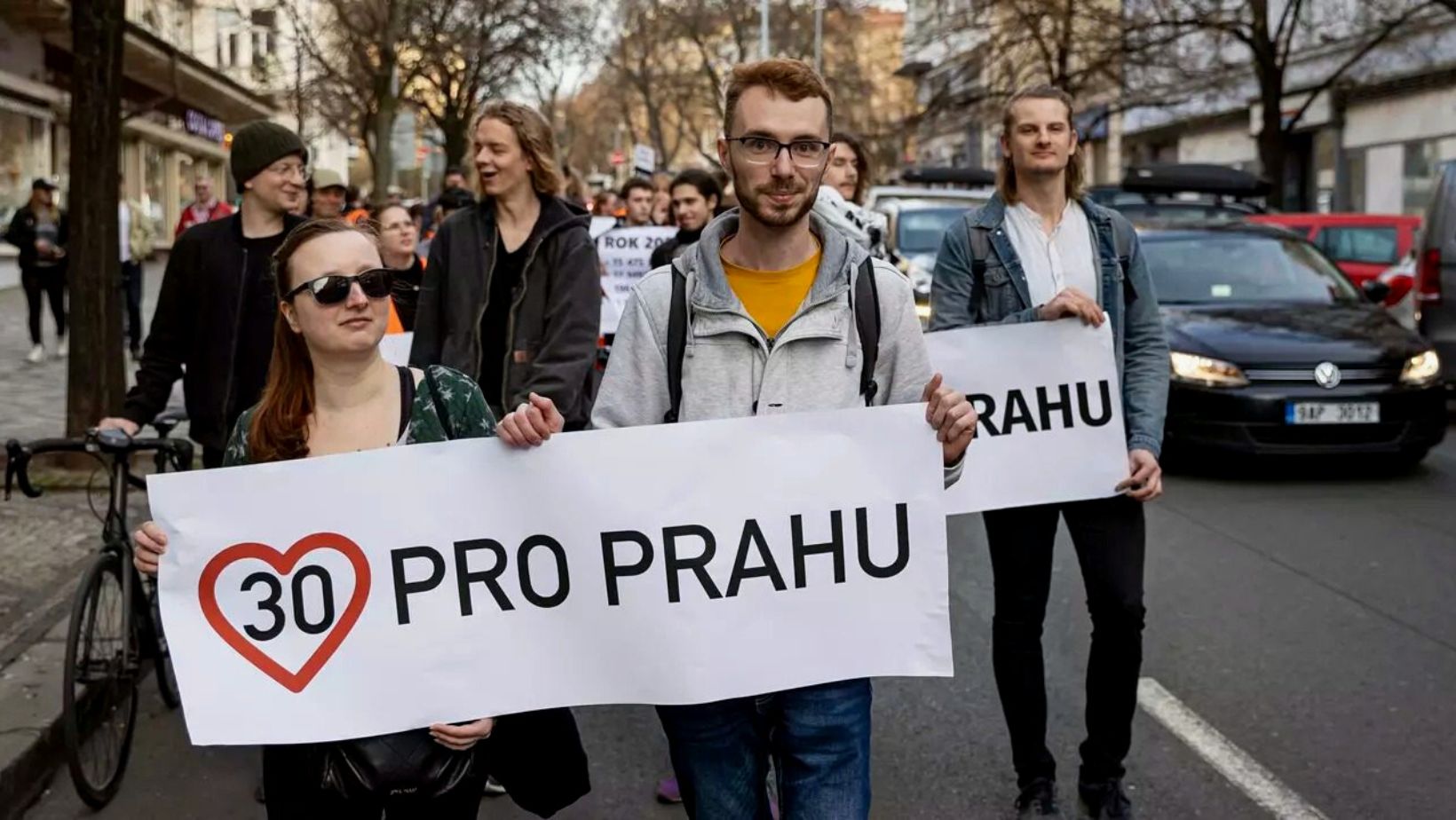
If you live in Prague, you may have found yourself stuck in traffic in recent weeks due to a series of ongoing protests campaigning for a 30 km/h speed limit in the city. The protesters say it would have numerous benefits for health, safety, and the environment, but the idea is facing opposition from motorists. The first European city to adopt the City 30 model was Graz, in Austria, which imposed a city-wide speed limit of 30 km/h in 1992. Today, the limit is still enforced on about 80% of the city’s road network. Brussels adopted the City 30 model in 2021. Paris, Grenoble, and Edinburgh also adopted the City 30 model, while other cities are considering the possibility, like Luxembourg and Milan. Despite pressure from climate activists, the Czech capital has no plans to introduce a 30 km/h limit. Districts can limit speeds to 30 km/h on a local level near schools, sports grounds, and other places with higher concentrations of pedestrians, but an across-the-board 30 km/h limit is only under discussion for now. According to a survey carried out for Czech Radio, most Czechs do not want to reduce the speed limit in big cities. Prague Mayor Bohuslav...
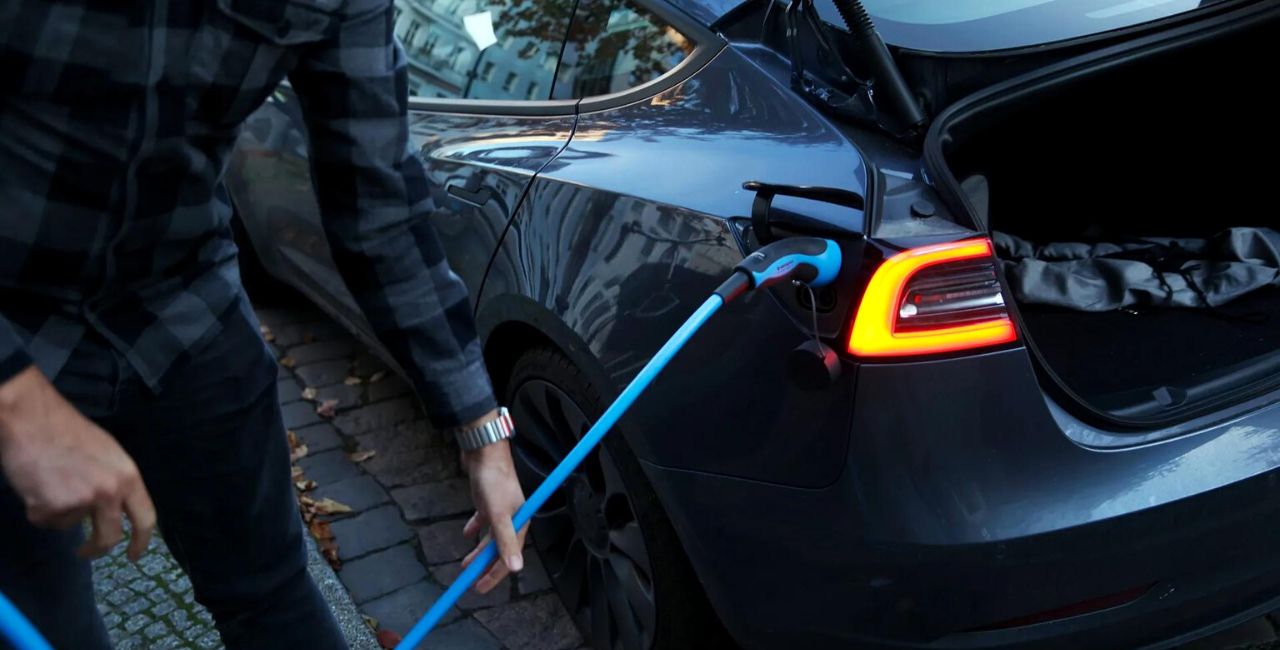
Prague City is set to embark on a project to establish a network of electric vehicle (EV) charging stations, with the aim of supporting the increasing number of EVs in the city. To finance this initiative, Prague intends to utilize European funds and subsidies. To kickstart this endeavor, Prague has allocated up to 500 million CZK, with the expectation that European funds will cover up to 85% of the total investment costs. The proposed approach involves constructing the charging infrastructure under a concession agreement that allows operation in public spaces. This project aligns with Prague’s larger strategy to encourage electric mobility by offering accessible and high-quality charging facilities. The city intends to initiate the installation of the first charging stations in the upcoming year. Prague envisions a future where electric vehicles become the standard mode of transportation. By 2030, it is estimated that up to 180,000 electric vehicles could be traversing the city’s streets. To facilitate this transition, Prague is fully committed to providing the necessary charging infrastructure. The construction of EV charging stations forms part of the city’s broader drive to promote sustainable transportation and reduce carbon emissions. The ultimate objective is to create a cleaner and more livable...
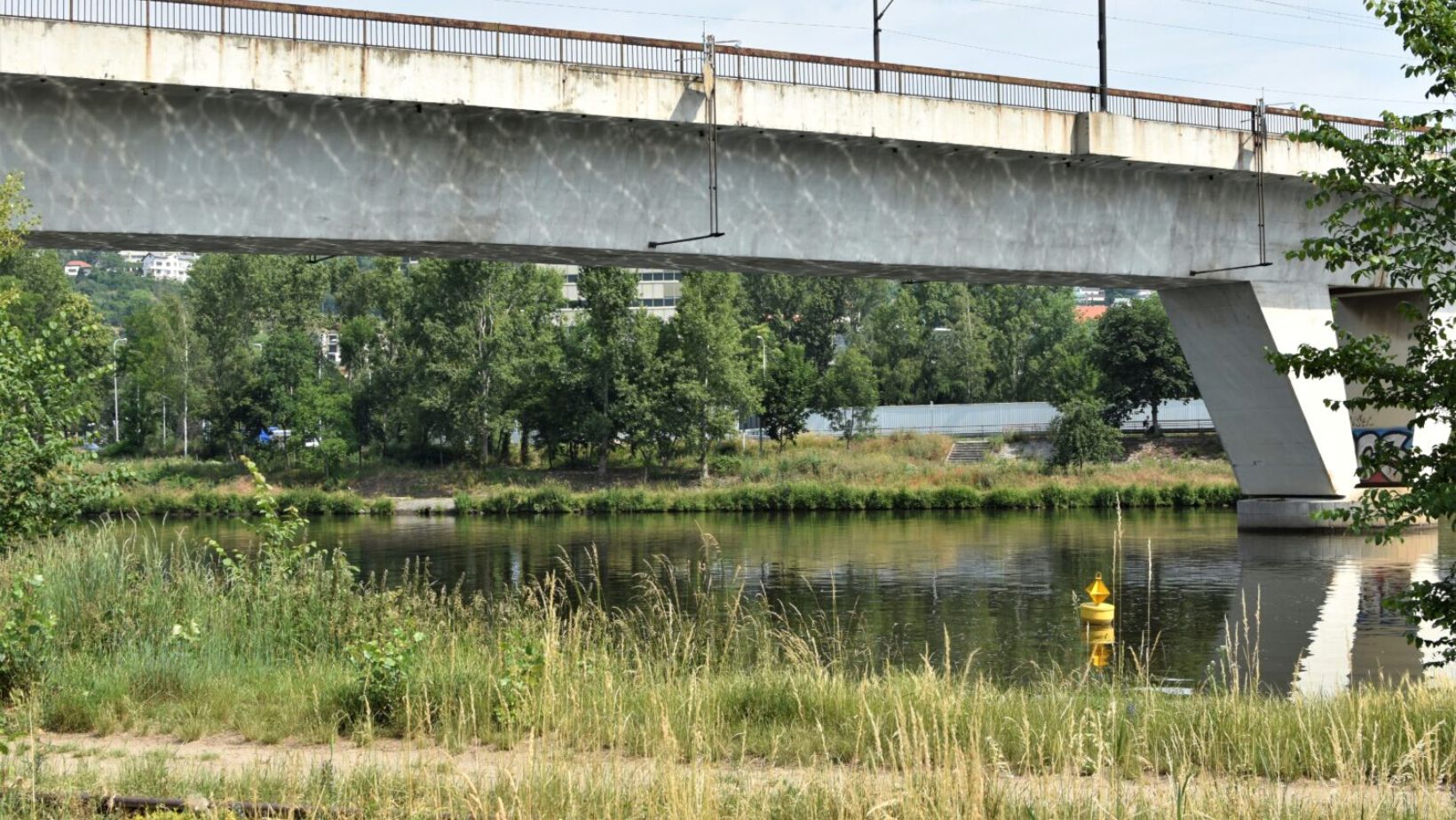
The U Vody park, which will be located between the Holešovice harbor and the Barikádníků bridge, will include seating, fitness machines, and an outdoor fountain, according to representatives of the city district. The construction of the park will cost the town hall approximately CZK 46.5 million and should be completed in the first half of next year. According to the mayor of Prague 7, Jan Čižinský (Praha Sobě), people associate the place more with the towing car park that used to be there in the past than with a place to spend time in a pleasant way. “We have cleaned up the whole area and replaced the unsightly concrete surfaces with grass,” he said. He added that once the improvements are completed, the residents of Holešovice will no longer have to make trips to Letná or Štvanice in search of greenery. For example, the park will have seating areas with a view of the river, paths with access to the water, and a so-called sensory walkway where people will be able to walk barefoot on different types of surfaces. “Based on suggestions from citizens, the project has focused on renewed and completely new entrances to the water and water features...
Don’t have an account? Register
[swpm_registration_form level=”6″]
Already have an account? Log In
How Would You Like to Promote Your Business? PR ArticleDisplay bannersVideo productionNewsletter adsJob ListingsInfluencer Marketing
Your Email
We will come back to you within 24 hours with our proporsal