At Manifesto Market, the aroma of Sichuan peppercorns and chili oil stands out among the usual mix of street food and drinks. It comes from Lá Bù Lá Street, the more casual sibling of the restaurant Lá Bù Lá, both founded by Wen, a Chongqing native who wants to introduce Prague diners to the real flavors of her hometown. Wen arrived in Prague in 2019 after being accepted into a Master’s program at the Prague University of Economics and Business. But studying was only part of the reason she moved. At 22, she wanted a new beginning and the chance to discover a different version of herself. “There was something about Prague that attracted me immediately,” she says. “The architecture, the pace of life, the atmosphere of the city — it all felt very charming. I wanted to see what kind of person I could become here.” That decision eventually led her into the restaurant business, with four concepts launched over the years — two that closed and two that continue today. View this post on Instagram A post shared by Lá Bù Lá Street (@labula_street) Beyond the Stereotypes For Wen, opening a Chinese restaurant in Prague was...
There are places in Prague where it is easy to forget you are still in the middle of a busy city. The garden of Restaurant Červený Jelen, right in the centre, is once again one of them. In the evening light, it offers a calm summer setting with music, the smell of food from the grill, well-made drinks, and an atmosphere that feels closer to a relaxed seaside bar than a capital city courtyard. Jelení léto continues throughout the summer until 2 September, offering an after-work escape for anyone who wants to slow down for a while, meet friends, or spend an easy summer evening in a different rhythm than the rest of the city. The events take place every Wednesday from 6 pm, with selected Sunday editions also included in the programme. The special Sunday evenings are scheduled for 19 July and 23 August, both starting at 4 pm. Each week has its own programme and mood. Music is part of the concept throughout the season, with DJs and occasional live sets in cooperation with Hitrádio City. Alongside the music, the programme is built around themed evenings focused on drinks. The line-up includes Bacardi (19 July), Peach Spritz evenings...
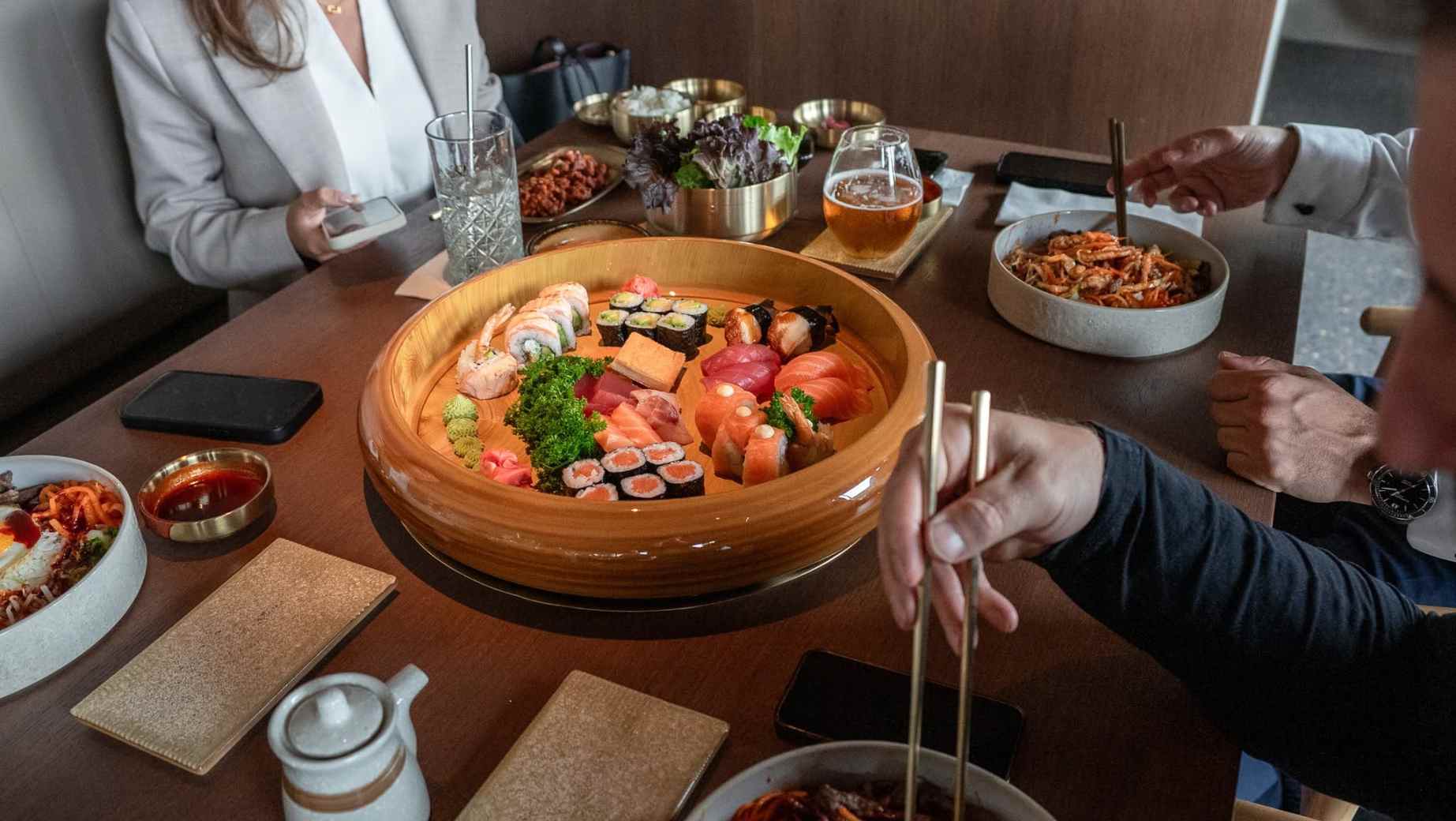
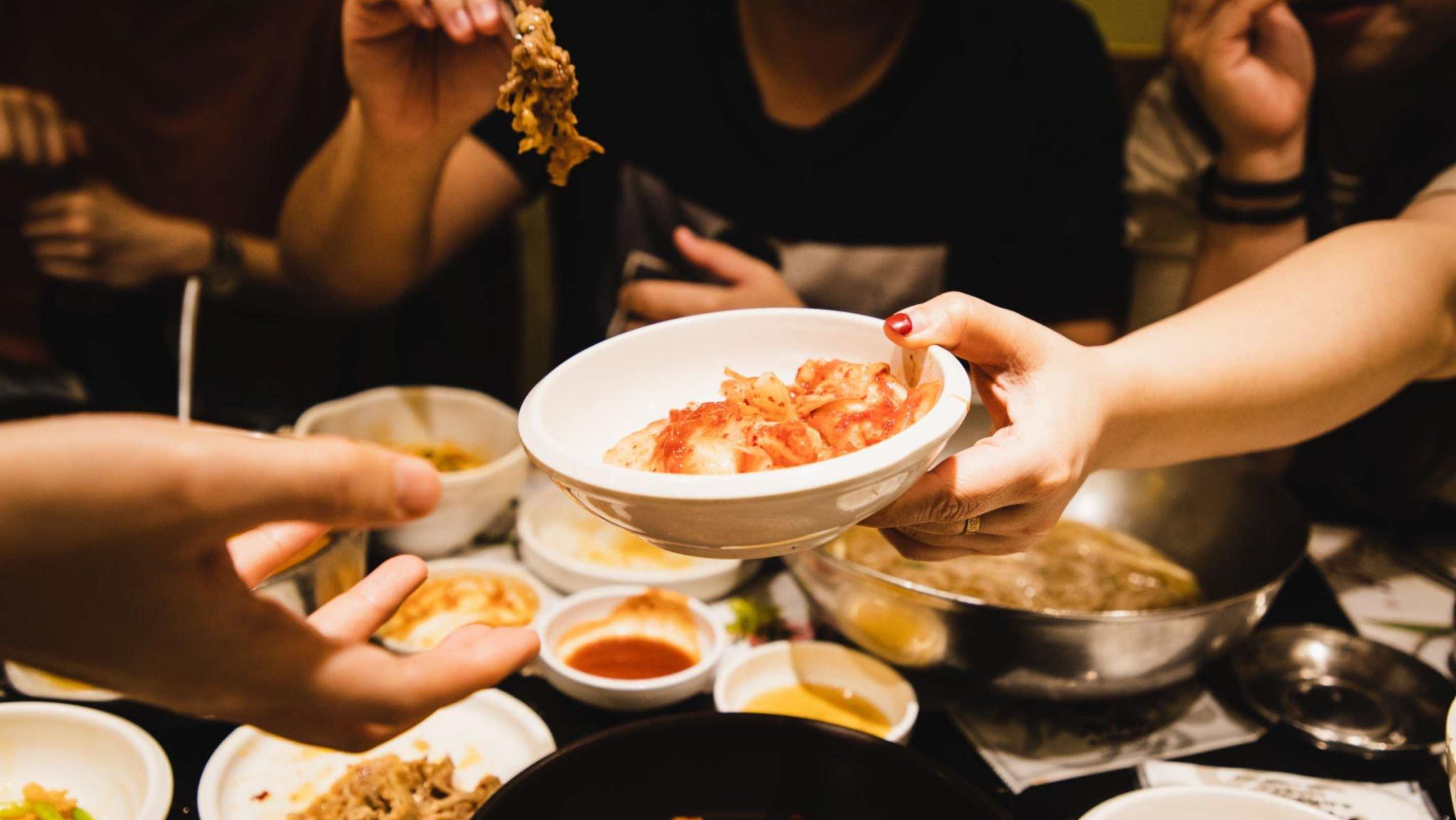
Prague’s Asian dining scene has expanded quickly in recent years. Korean food in particular has moved from niche to mainstream, helped by the popularity of fermented dishes like kimchi and a growing appetite for meals that are more interactive than passive. Han.sik is located inside the Masaryčka building, designed by Zaha Hadid Architects, is one of the newer openings pushing that shift further. The restaurant sits on the first floor, away from the busiest walkways. It is not immediately obvious on a first visit, and many people hesitate before finding the entrance. Once inside, the atmosphere changes completely. The space, designed by NEUHÄUSL HUNAL, is built around wood, open surfaces and restraint. There is an open kitchen and a sushi counter, but nothing feels decorative for its own sake. The focus remains on the tables and the food. Han.sik is, above all, a Korean barbecue restaurant. Each table has a built-in grill with integrated ventilation, removing the need for overhead chimneys. The room feels open and uncluttered, with attention kept firmly on the dining experience. The meal begins with the meat selection: Black Angus beef, Iberico pork and A5 wagyu sit among the highlights. Guests cook everything themselves at the...
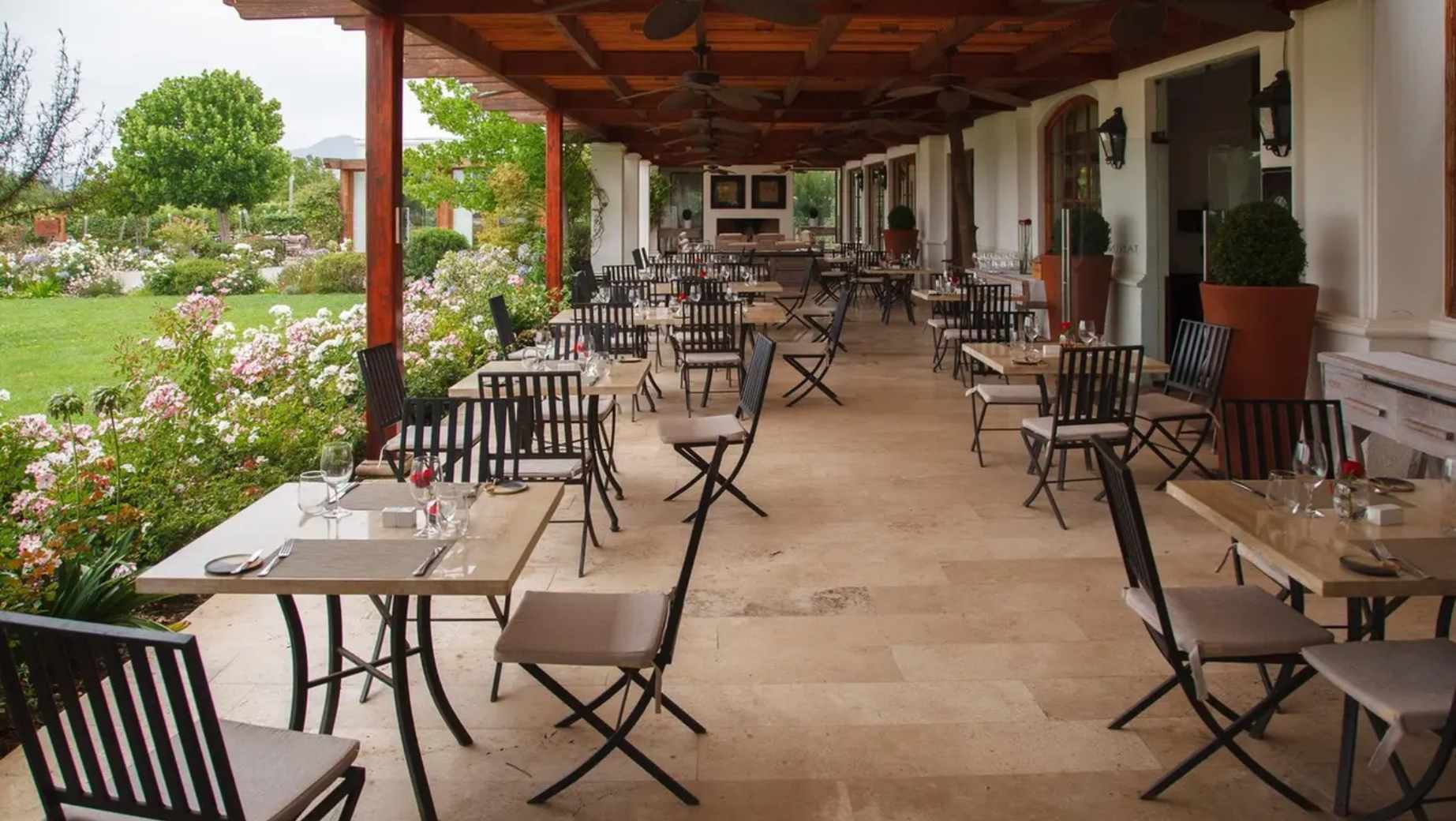
Escape the crowds without leaving the city. These three Prague restaurants with gardens offer the peace, greenery, and honest Czech cuisine you’d expect in a quiet village — not the capital. While Prague boasts hundreds of places to eat, very few offer the rustic charm of a countryside inn. These spots combine great food, outdoor seating, and relaxed atmosphere, making them ideal for summer lunches or long evening dinners under the trees. 1. Na Květnici: Classic Czech Fare Under Chestnut Trees Behind the Nusle Town Hall, in a former Sokol community building, you’ll find Na Květnici — a well-known local spot with the feel of an old-school Czech pub. Its spacious garden can seat up to 450 people under the shade of mature chestnut trees, but it still manages to feel calm and personal. Staff serve tank Pilsner and honest Czech meals, including roast meats, dumplings, and grilled dishes prepared outdoors. Locals come here regularly, but the place also draws people from other parts of Prague, especially in the summer. The restaurant organizes barbecues, concerts, and events for children, and even brews its own beer, Květ, which is light and refreshing. It’s one of the few places in the city...
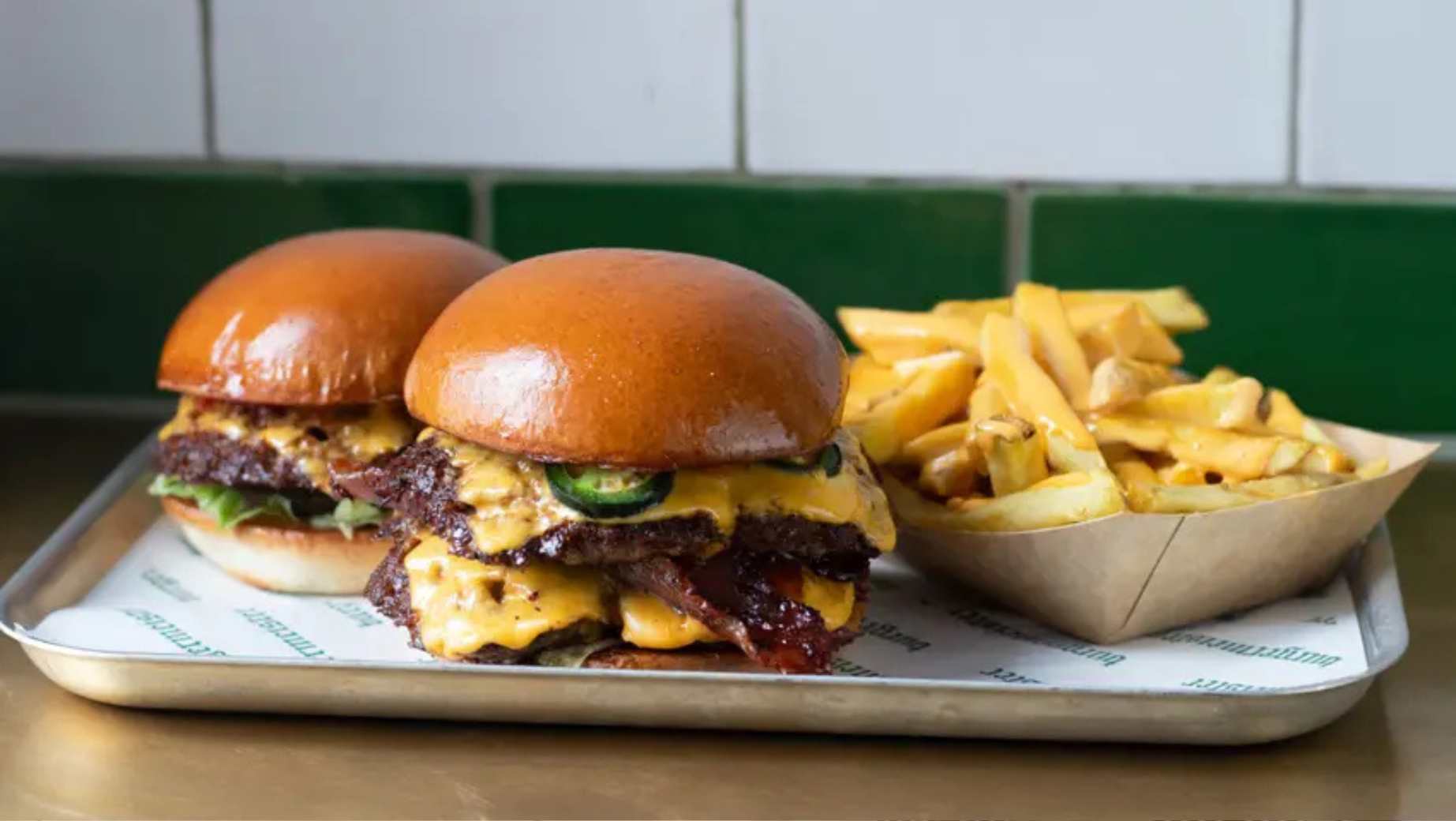
Following its success across Germany and Poland, the Berlin-based burger chain plans to enter the Czech market, with its first location expected to open in Prague either later this autumn or in early 2027. The story of Burgermeister is often described as a textbook Berlin success story. What began as a small stand in a disused public toilet booth under the U-Bahn tracks at Schlesisches Tor has grown into a franchise widely regarded as serving some of the city’s best burgers. Today, the company operates more than 30 locations and continues to expand. After growing across Berlin and Germany, Burgermeister recently entered Poland, opening in Szczecin and later in Łódź, with additional Polish cities planned. The next step is the Czech Republic, where the first Prague branch is expected as part of the company’s broader European expansion. The company’s long-term plan envisions up to 20 locations across the country. View this post on Instagram A post shared by Burgermeister (@burgermeister.official) Beyond Poland and Czechia, Burgermeister is also eyeing further international expansion, including the UK, Spain, and Scandinavia. Despite this growth, the concept remains unchanged, with production continuing centrally and no adjustments made to local preferences. “Every burger should...
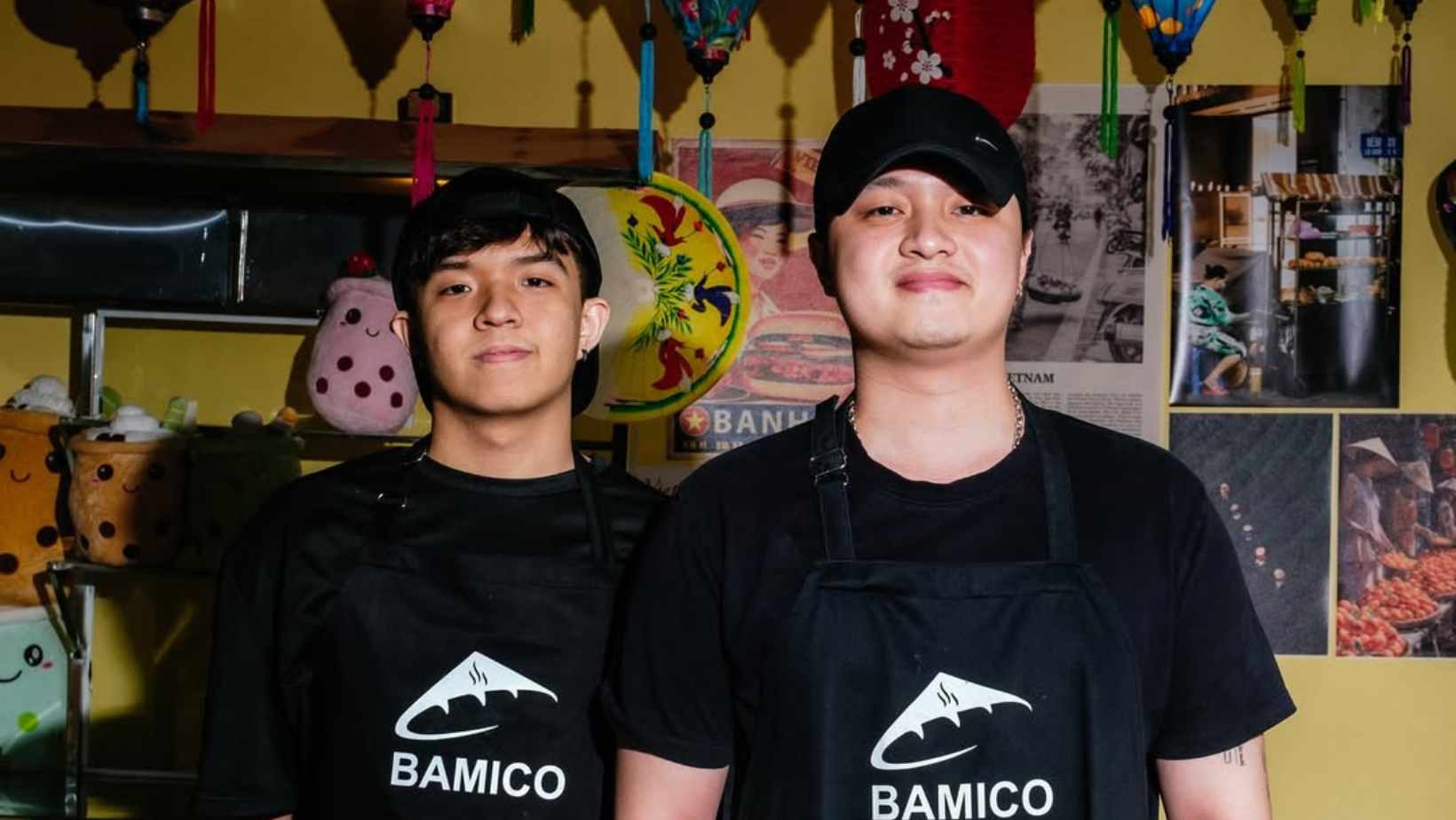
A taste of Vietnamese childhood and family tradition finds a new home in Prague. For the brothers behind Bamico, opening a Vietnamese sandwich shop was never simply about food. It was about identity and bringing a piece of home to the city they love. “We are two brothers, and the idea for Bamico was born out of pure exhaustion and nostalgia,” they explain. Growing up in the Czech Republic, they watched their parents dedicate their lives to entrepreneurship, often sacrificing family time in pursuit of building a better future. “We watched our parents work 16-hour days with almost no weekends,” they explain. “Bamico was born out of respect for their work ethic, but also from a desire to build something of our own.” Years later, after spending time abroad, the brothers found themselves experiencing a different kind of challenge. “When we lived abroad, we experienced a deep sense of isolation and homesickness,” they recall. Missing the flavors and atmosphere of their childhood, they began searching for a way to reconnect with their roots. The result was Bamico. At the center of Bamico’s concept is bánh mì, Vietnam’s iconic sandwich and one of the country’s most beloved street foods. For the...
Most restaurant guides try to answer the same question: which restaurant is the best? A new Prague-based project called Voutie is taking a different approach. Instead of ranking restaurants as a whole, it focuses on something much more specific: individual dishes. The idea began with a simple conversation at home. One evening, the founder’s wife was craving sushi and asked a familiar question: where can you get really good sushi in Prague? “It made me realize how often I was asking the same thing myself,” the founder says. Whether it is sushi, pizza, kebab, burgers or lasagne, many people are not necessarily looking for the city’s best restaurant overall. They just want to know where to find the best version of the food they feel like eating that day. The concept is straightforward. Each registered user receives one vote per category and can assign it to the restaurant they believe serves the best version of that particular dish. If they later discover a place they like more, they can move their vote. One of the best things about Voutie is that every place on the platform is there because it is someone’s favourite for a specific dish. The goal is...
From quirky flavours like parmesan and lavender to classic favourites such as chocolate and strawberry, Prague offers a rich variety of ice creams to satisfy every palate. Here are the best places to enjoy ice cream across the city. 1. Angelato (Újezd, Břevnov, Dejvice) Angelato is a family-owned ice cream shop celebrated for its artisanal gelato made fresh daily without artificial additives. This spot is perfect for adventurous eaters, featuring unusual flavours like parmesan, pumpkin, rhubarb, avocado, and nettle. With locations in Újezd, Břevnov, and Dejvice, Angelato is a must for anyone curious about unique taste experiences. Visualizza questo post su Instagram Un post condiviso da Angelato (@angelato_official) 2. Crème de la Crème (Multiple Locations) Known for its commitment to purity, Crème de la Crème produces ice creams free from chemicals, artificial colours, and preservatives. Most flavours are gluten-free except for Oreo and Tiramisu. Drawing from traditional Italian techniques, each flavour follows its own distinctive recipe. The flagship location at the National Theatre also hosts the Crème de la Crème Ice Cream Museum, featuring over 200 historical items including vintage ice cream machines and bar setups. Visualizza questo post su Instagram Un post condiviso da...
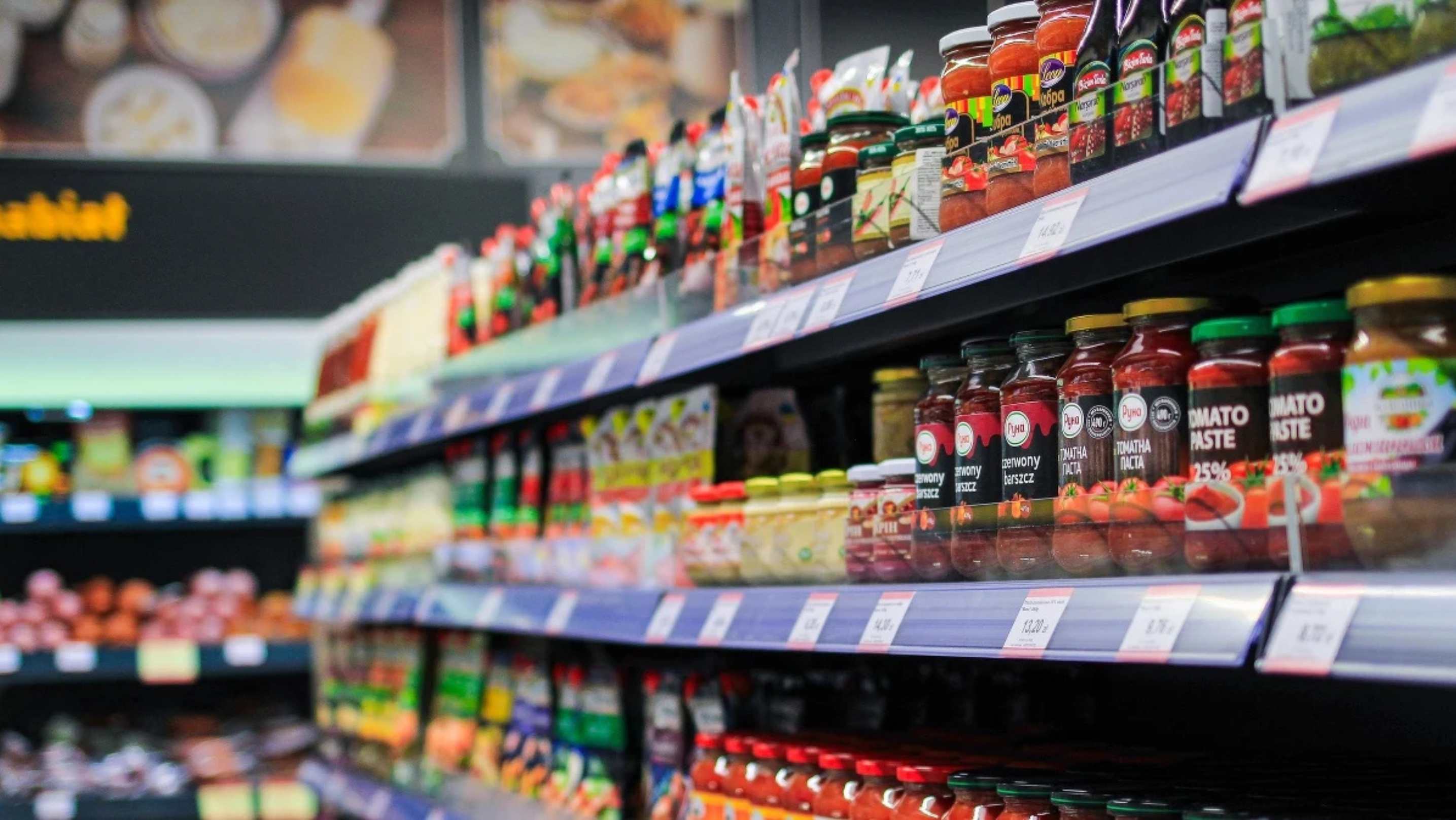
The Ukrainian grocery chain Best Market is set to enter the Czech market next week, opening its first store in Prague as part of its continued expansion across Central Europe. The retailer will officially launch its first Czech branch on June 6 at Budějovická Street in Prague 4. The opening day will include product tastings, competitions, activities for children, and appearances by invited guests. The first 100 shoppers will receive a gift from the company. Best Market specializes in food products from Ukraine and other Eastern European countries, a segment that has attracted growing interest among both foreign residents and Czech consumers looking to explore different regional cuisines. Customers visiting the Prague store will find a broad selection of products, including meat and cold cuts, fish specialties, dairy products, pastries, sweets, canned goods, pickled vegetables, and a variety of alcoholic and non-alcoholic beverages. Traditional Ukrainian products such as cooked sausage, cured bacon, smoked fish, pickled vegetables, and popular confectionery items are expected to be among the store’s key offerings. The company’s expansion into Czechia follows several years of growth in neighboring Poland. Best Market opened its first store in Kraków in 2019 and has since developed a network of around...
An American fast-food brand known more for sugar glaze than burgers is preparing to enter the Czech market. According to Hospodářské noviny, donut chain Krispy Kreme is seriously considering opening its first location in Prague. The company, founded in North Carolina in 1937, has grown into one of the world’s best-known donut brands, operating around 1,500 stores globally. While its strongest presence remains in the United States, the chain has also expanded across Europe and the Middle East, including markets such as Britain, France, Switzerland and Turkey. Jan Kotrbáček, partner at consulting firm Cushman & Wakefield, told the newspaper that the company is actively studying the Czech market and exploring expansion opportunities. The launch could reportedly happen later this year or in early 2027. Many of its larger stores allow visitors to watch the production process through glass walls, while the company’s well-known “Hot Now” sign signals when fresh donuts are being made. Its most famous outlet sits in New York’s Times Square, where the brand has become closely linked with American pop culture and tourism. The chain’s signature product remains the Original Glazed donut, a recipe that has changed little over the decades despite the company introducing seasonal flavors...
Prices in Czech restaurants, pubs and cafés have climbed sharply since 2019, the last full year before the pandemic. According to data from the cash register system provider Dotykačka, which is widely used across the country’s hospitality sector, the average increase has reached 56 percent. That means items that cost 100 CZK in 2019 now typically cost around 156 CZK. Some categories, however, have risen even faster. Dotykačka analysed price development in four common menu items and drinks: beer, schnitzel, coffee and Caesar salad. The results show uneven growth across the sector, with drinks and main dishes increasing more than salads. Caesar salad recorded the smallest rise, up 47 percent compared with 2019. All other monitored items exceeded the average growth rate. Beer prices rose by around 60 percent over the period. For several years, increases followed the general trend in the hospitality sector, but a sharper jump came in 2024 after VAT changes on draft beer, which increased from 10 to 21 percent as part of broader fiscal consolidation measures. Brewers and industry representatives are now calling for a reversal of the tax increase. “We are asking the government to consider brewing as a strategic sector with not only...
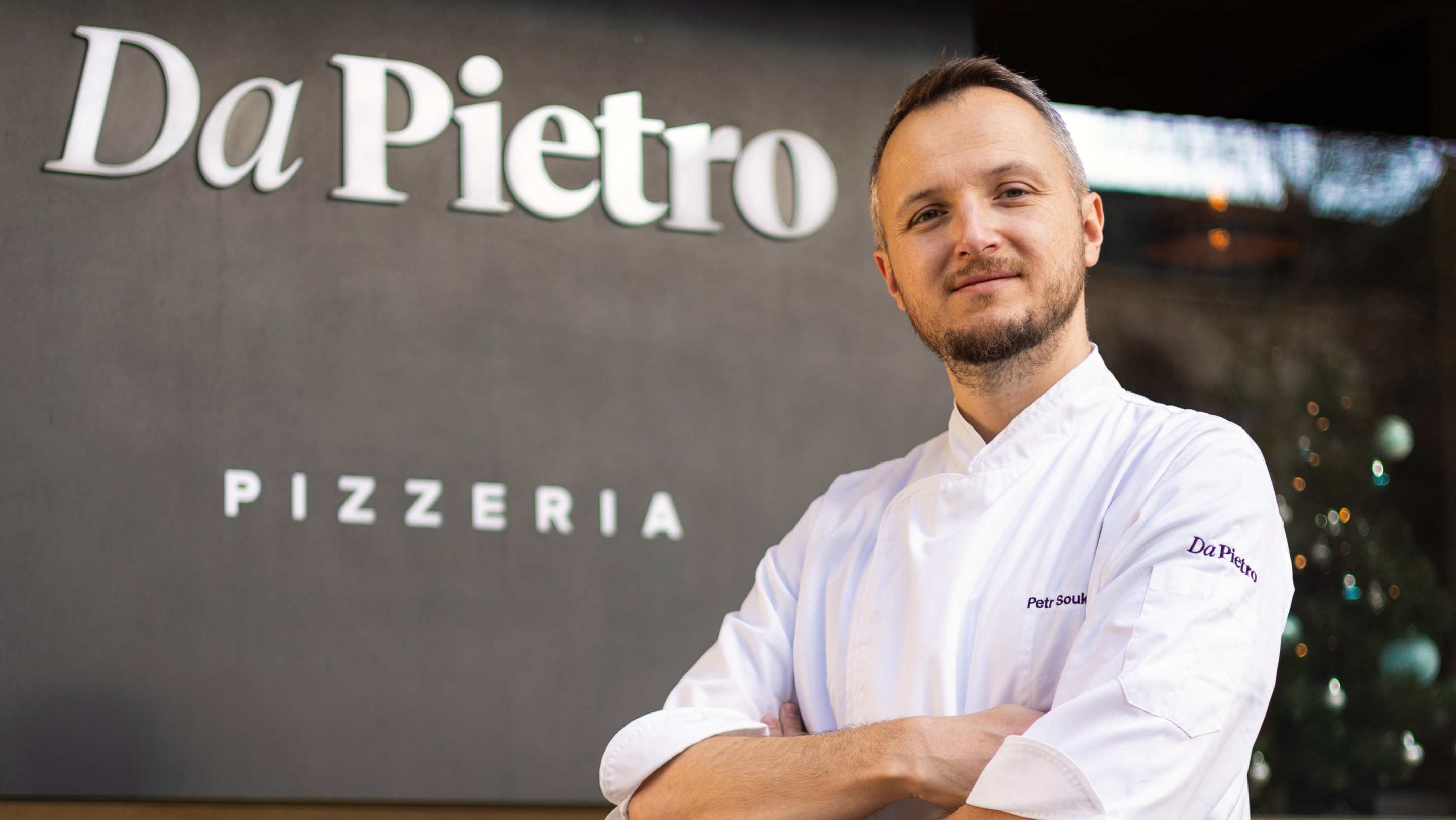
Everyone seems to have an opinion about Da Pietro — and many describe it as serving some of the best pizza in the Czech Republic. For years, food lovers regularly traveled to Pilsen just to try it. Since the restaurant opened its Prague branch on Bělehradská Street in Vinohrady, tables have been difficult to secure almost every evening. We recently met with owner Petr Soukal to talk about his journey and what lies ahead for him and his business. In fact, Petr is building a small on-site mozzarella production facility so the cheese can be made fresh daily, an extension of an in-house salami operation already running on Italian methods. “We would like to show our customers the authentic products, from small producers, small farmers, not like from the big brands,” Soukal said. “Every ingredient is important to us. We don’t like to make compromises.” A Decade-Long Journey The Da Pietro story began in December 2013, when Soukal opened a small Italian food shop in Pilsen. “I loved Italy and was thinking about what I was going to do,” Soukal recalls. “I wanted something of my own, so I decided to import ingredients from Italy.” After two years, Soukal began...
Don’t have an account? Register
Already have an account? Log In
How Would You Like to Promote Your Business? PR ArticleDisplay bannersVideo productionNewsletter adsJob ListingsInfluencer Marketing
Your Email
We will come back to you within 24 hours with our proporsal