Behind the scenes of Prague’s cafés and restaurants, operations have grown increasingly complex. Reservations arrive from multiple platforms, kitchen workflows are layered across systems, and payments span a variety of cards and providers, creating a patchwork of tools that rarely integrates smoothly. At the same time, locals are dining out less frequently, and delivery apps are gaining popularity. For owners and managers, the challenge is no longer just attracting guests – it’s running a tighter operation to protect margins. One solution gaining traction among independent venues is Tebi, which consolidates reservations, orders, and payments into a single, intuitive platform. Early adopters feel a positive impact with Tebi Since opening the doors of S74 wine&café in late 2025, Michal and David have experienced this costly patchwork of software. Welcoming over 100 guests on busy evenings, the duo found managing multiple subscriptions was draining their focus. By switching to Tebi, they replaced three separate platforms with a single system, relying on a digital floorplan that provides a real-time overview of occupied tables, upcoming reservations, and pending orders. The switch reduced subscription costs by around 70% and saved time on staff training and administrative tasks. These savings allow them to focus on menu...
The wage gap between men and women in the Czech Republic remains one of the largest in the European Union, according to newly published data from the European statistical office Eurostat. The figures show that women in the Czech Republic earn on average 18.5 percent less than men, placing the country second worst in the EU for gender pay inequality. Only Estonia records a wider difference, where women earn 18.8 percent less than men. Across the European Union, the average pay gap stands at 11.1 percent, meaning the Czech figure is significantly higher than the bloc’s overall level. Some European countries report far smaller differences. In Belgium, the gap is just 0.7 percent, one of the lowest in the EU. Meanwhile, Poland records a difference of 4 percent, while the gap reaches 15.6 percent in Germany and 15.7 percent in Slovakia. The situation is unique in Luxembourg, where women earn slightly more than men. The country reports a negative pay gap of –0.8 percent, making it the only EU state where male salaries are on average lower. Private sector shows wider differences Pay inequality is generally higher in the private sector across the EU. Most countries use transparent salary tables...
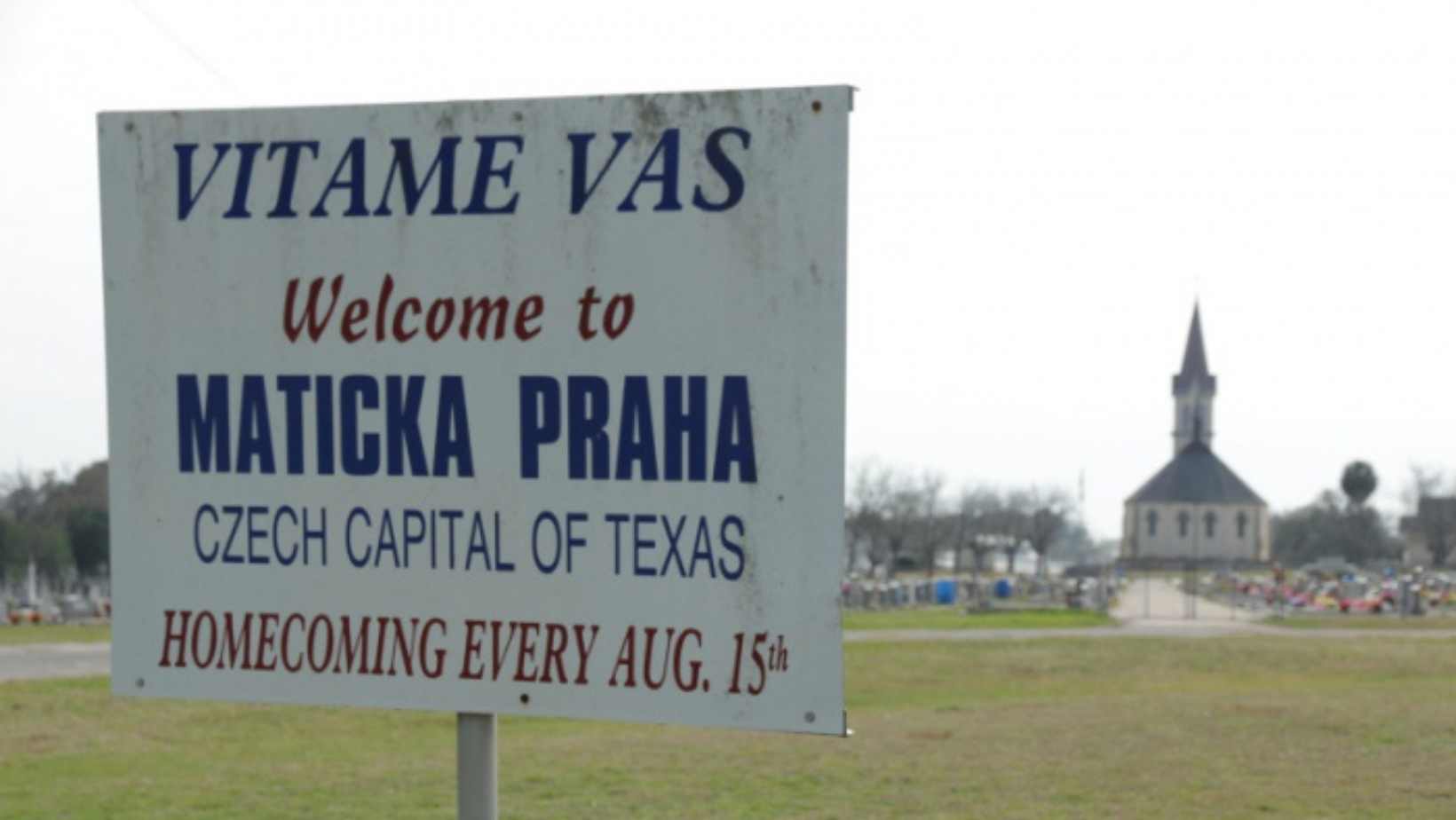
The Czech Republic is preparing to sign its first formal cooperation agreement with an American state, choosing Texas as its partner. The memorandum will be signed next week during a visit to the United States by Industry and Trade Minister Karel Havlíček. The agreement will establish a structured partnership between the Czech Republic and Texas, the second-largest and second-most populous state in the United States. It will also mark the first time Prague has concluded this type of memorandum with an individual U.S. state. The signing is expected to take place in Austin, the Texas capital, during the South by Southwest (SXSW) festival, where Havlíček will meet Texas Governor Greg Abbott. The minister’s trip to the United States is scheduled for March 9–15 and will also include meetings in Washington. According to the Czech Foreign Ministry, the partnership reflects long-standing historical and cultural links between the two regions. Texas is home to the largest community of Americans who claim Czech ancestry. Czech migrants began settling there in the 19th century, leaving a lasting mark on local culture and traditions. These historical ties have been reinforced by military cooperation. Since 1993, the Czech Army has worked with the Texas National Guard...
The Easter season in Czechia is once again bringing a wide range of traditional markets, castle festivals and folk events across the country. In the capital, the Easter atmosphere will return to Prague’s historic squares. Easter markets will open at Old Town Square and Wenceslas Square between 21 March and 12 April. Stalls will sell painted eggs, wooden rattles, ribbons and traditional Easter whips, while stage programmes will feature folk songs and dances reflecting Czech spring traditions. Easter markets are also planned in other Czech cities. In Plzeň, the Easter market at Republic Square will run from 25 March to 5 April. Visitors can browse stands offering painted eggs, handmade whips decorated with colourful ribbons, sausages, stuffing, cheeses and local mead. In Brno, the Easter Festival at Svobody Square will run from 27 March to 5 April. Around forty stands will sell wicker baskets, pottery, jewellery, Easter decorations and traditional painted eggs. The programme will also include performances by Moravian folklore groups, combining dance and live music. The southern Bohemian town of Český Krumlov will host its Easter market at Svornosti Square from 2 to 6 April. Local farmers and artisans will offer seasonal products, wooden crafts, fur sheep toys,...
Hollywood briefly turns its attention to the Czech Republic as Martin Scorsese and Leonardo DiCaprio start filming their eighth project together near Kolín. Filming began at Ratboř Castle, where the crew reportedly occupied the football field opposite the historic building. The access road and the surrounding area were covered with artificial snow to create the winter atmosphere required for the story. Public attention intensified after photos appeared on the Instagram account of Francesca Scorsese, who accompanied her father during a visit to Strahov Monastery. The cast for the movie What Happens at Night will also include Jennifer Lawrence, along with Patricia Clarkson, Jared Harris and Mads Mikkelsen. The story of What Happens at Night is expected to follow an American couple attempting to adopt a child while repairing their strained relationship. If the film follows the source material, the setting will be an isolated, snow-covered European city. Prague is unlikely to appear as itself. Instead, its historical architecture will serve as a neutral, dreamlike backdrop for the narrative. Most of the interior scenes are expected to be constructed inside Barrandov Studios, where the production team plans to build a hotel environment that forms the main stage of the story. Exterior...
Hundreds of Czech citizens stranded in the Middle East may soon have a way back home, but the evacuation will not be free. The Czech government has arranged additional flights from the region, offering seats for 15,000 CZK as air travel across several countries remains disrupted. The situation developed after escalating tensions involving the United States, Israel and Iran forced several airports in the region to suspend operations. On Saturday, major hubs such as Dubai in the United Arab Emirates and Doha in Qatar halted flights, leaving thousands of travelers without clear options to return to Europe. Since the weekend, the Czech government’s crisis staff has been coordinating a response. Prime Minister Andrej Babiš and Foreign Minister Petr Macinka have been discussing ways to help Czech citizens leave affected countries. Several government aircraft have already transported citizens back to Prague. Since Tuesday evening, flights have arrived from Amman, Muscat, and from Israel via Sharm el-Sheikh in Egypt, where a military CASA aircraft collected passengers before flying them to the Czech Republic. Officials say more flights are being prepared. A larger evacuation flight has been arranged through the private airline Smartwings. The aircraft carries 189 passengers and departed from Queen Alia...
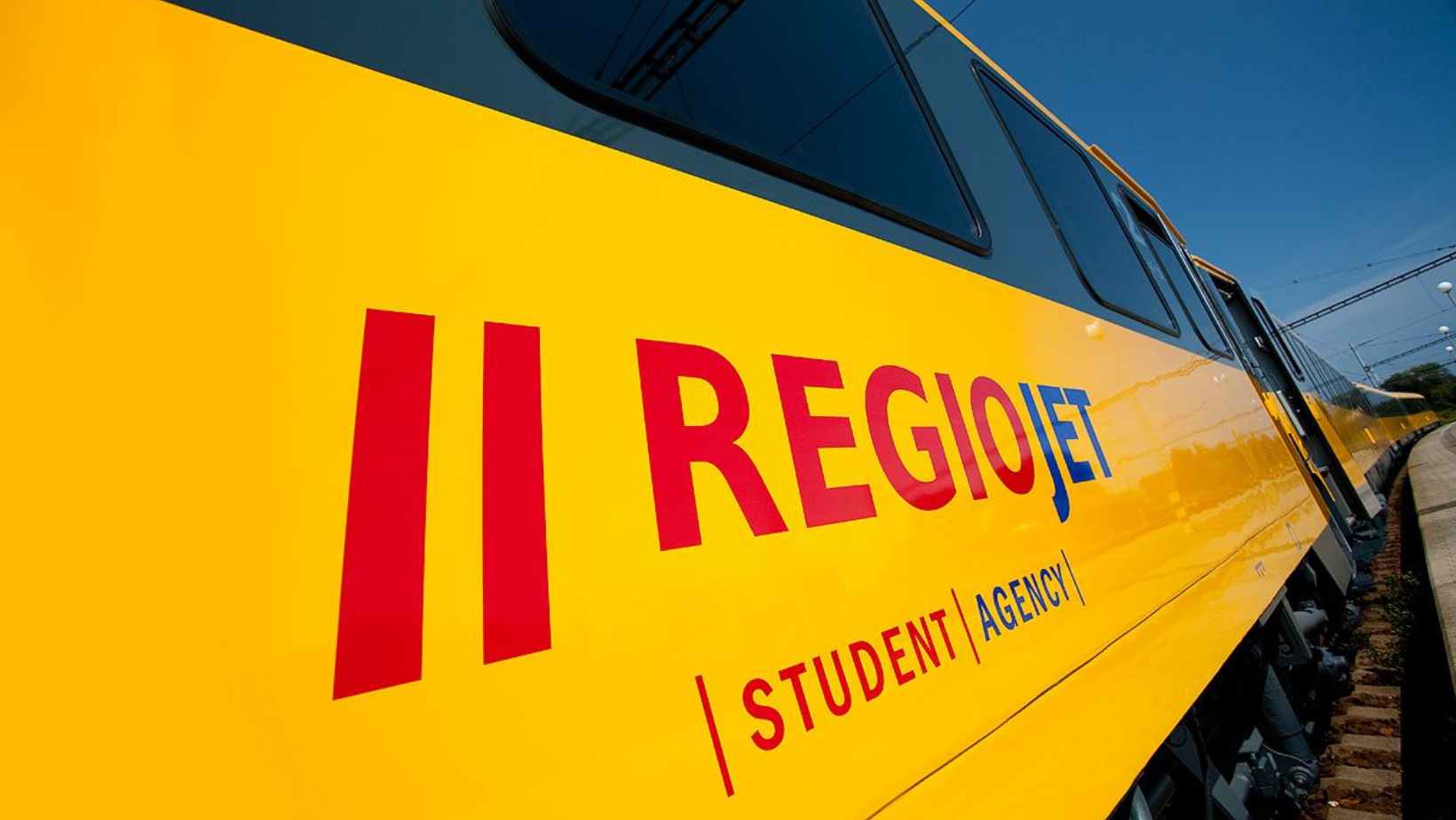
High-speed trains will start serving the R9 route in December, connecting Prague with the Vysočina region and southern Moravia. The new service is part of a major modernization effort in Czech passenger rail transport. The upgrade is being prepared by private carrier RegioJet. Modern electric trains produced by Pesa are already undergoing tests at the Velim railway testing facility, where they must pass a series of mandatory technical checks before entering regular operation. The fleet will consist of 11 four-car trains and seven three-car trains, offering different capacities depending on demand. The R9 line will function as an important corridor linking the capital with regional centers. Trains will run hourly between Prague and Havlíčkův Brod. There, the route will split. One part of the train will continue toward Brno, while the other will head to Jihlava. The arrangement should reduce the need for transfers and make regional travel more direct. Accessibility was a central design requirement for the new rolling stock. All carriages will be low-floor, allowing easier boarding for passengers with limited mobility, cyclists, and parents travelling with strollers. Each train will include space for two wheelchair users. Dedicated areas will be available for ten bicycles and six strollers. Families...
European gas prices surged this week after liquefied natural gas production in Qatar was halted and shipping routes in the Strait of Hormuz were disrupted. While several EU countries face potential supply pressure, Czechia is not directly exposed to the current outage. At the Dutch TTF hub, the benchmark for European gas trading, prices climbed sharply. On Tuesday morning, gas rose by 26 percent to more than €56 per megawatt-hour. By midday, April contracts exceeded €64 per MWh, marking a rise of roughly 45 percent since the start of the week. The escalation follows attacks on energy infrastructure in the Middle East. On Monday, the Qatari state energy company QatarEnergy suspended LNG production after drones struck its Ras Laffan industrial complex and a power facility. Iran also targeted oil installations in Saudi Arabia, forcing parts of a refinery operated by Saudi Aramco to halt operations. Shipping traffic through the Strait of Hormuz — a key corridor for global energy exports from Qatar and the United Arab Emirates — has been blocked since the weekend. The disruption immediately affected commodity markets. On Monday alone, European gas prices jumped by as much as 50 percent. Qatar supplies roughly 10 percent of Europe’s...
The Czech government is preparing to send repatriation flights to Egypt for Czech citizens currently in Israel, as regional airspace closures make direct evacuation impossible. Prime Minister Andrej Babiš announced the plan on the social network X on Sunday, saying Prague is ready to act immediately if conditions allow. Because Israeli airspace remains closed, evacuees would first need to travel overland by bus to Egypt, where Czech aircraft could collect them. The government will assess further steps at a meeting of the State Security Council scheduled for Monday morning. Air evacuation through other regional hubs is not an option. Airspace over the United Arab Emirates, Oman and several other Middle Eastern countries has also been shut, complicating efforts to move civilians out of the region. Foreign Minister Petr Macinka confirmed that aircraft are on standby should evacuation be required. He added that Prague is coordinating its approach with the Slovak government. The security situation deteriorated after Israel and the United States launched military strikes against Iran early Saturday. U.S. President Donald Trump said the operation aimed to prevent Tehran from acquiring a nuclear weapon. Iran responded with missile attacks targeting Israel and several Arab states, including countries hosting U.S. military...
Too Good To Go has launched a new service in the Czech Republic aimed at rescuing unsold flowers and potted plants. The Danish platform Too Good To Go, known locally for offering discounted surplus meals from restaurants and bakeries, has begun rescuing unsold flowers and houseplants. The concept mirrors the company’s food model. At the end of the day, florists assemble “surprise packages” from bouquets and potted plants that would otherwise be discarded. Customers ordering through the app do not know what they will receive. The box may contain a simple bunch of daisies, several roses, or a small decorative plant. The fixed price is 99 CZK, roughly one third of the standard retail value. More than 70 Czech flower businesses have joined the scheme since its launch. Participants include nationwide retailer Květiny Novák as well as independent studios such as Florentine Flowers. Company representatives say the expansion reflects a broader environmental focus. While the app first gained attention for tackling food waste, the environmental costs of flower production are also high, involving intensive water use and agricultural land. Unsold bouquets often end up in bins despite remaining fresh enough for use. The platform entered the Czech market last year...
The Czech Republic is preparing the legal and technical framework for fully autonomous vehicles. For now, however, cars without drivers are not allowed on Czech roads. At the moment, only limited semi-autonomous driving is permitted, and only on selected highway sections. Since the beginning of this year, vehicles equipped with advanced systems have been allowed to operate in what is known as Level 3 automation. In these cases, the driver may temporarily hand over control, but must be ready to intervene immediately if conditions change. According to the Ministry of Transport, no fully self-driving cars are currently registered in the country. These semi-autonomous systems can function only on clearly defined stretches of highway, where traffic flows in separate lanes and pedestrians and cyclists are prohibited. The vehicle must also confirm that all onboard systems are operational. Weather conditions play a decisive role. Reduced visibility caused by fog, heavy rain or snowfall automatically disqualifies the use of automated mode. When the car detects that it has entered an approved section and that conditions meet the criteria, it alerts the driver that autonomous driving is available. If the situation changes — for example due to deteriorating weather or road conditions — the...
A state-controlled energy group has once again emerged as the most attractive employer for young people in the Czech Republic. According to the latest TOP Employers survey, students at both universities and high schools named ČEZ as their preferred place to work in 2025. The annual research, organized by the Association of Students and Graduates, gathered responses from more than 14,000 university students and over 9,000 high school students across the country. The survey was conducted between October 1 and December 12, 2025, making it one of the largest studies of its kind in the Czech Republic. ČEZ has dominated the overall ranking for several consecutive years. This year, it secured first place among both university and secondary school respondents. Company representatives point to long-term engagement with students as a key factor behind its continued success. Daniel Novák, director of the TOP Employers study, said the results reflect sustained outreach efforts. “We have observed over time that companies active at universities and high schools — and those that systematically work with young talent — tend to rank highly. Students respond to that presence,” he said. Automotive and Technology Firms Remain Strong Beyond the energy sector, automotive and engineering companies continue...
Don’t have an account? Register
Already have an account? Log In
How Would You Like to Promote Your Business? PR ArticleDisplay bannersVideo productionNewsletter adsJob ListingsInfluencer Marketing
Your Email
We will come back to you within 24 hours with our proporsal