Czech nationals vaccinated in any third country are now eligible to apply for the EU Digital COVID-19 Vaccination Passport, the Czech Ministry of Health has announced. According to a press release issued by the institution, Czech nationals who have been vaccinated with one of the vaccines approved by the European Medicines Agency (EMA) such as Moderna, Johnson & Johnson, AstraZeneca, and Pfizer are permitted to apply for the document that aims to facilitate the travel process within the block. “We want to provide Czech citizens vaccinated in third countries with one of the four vaccines, which is also available in the EU, the same benefits that vaccination brings them in the country,” the Health Minister, Adam Vojtěch, noted. He also said that people coming from third countries and have or will visit a healthcare provider will have their information electronically shared into the Infectious Disease Information System; therefore, the vaccine will be issued a single EU certificate. The criteria for the applicant to obtain such a document is to present proof of the vaccination certificate issued in a third country in English by the medical authorities. The certificate must also include information on the holder’s vaccination, such as type of vaccine administered,...
The Czech Ministry of Health came up with a new way to motivate residents to get vaccinated against the coronavirus. Next week, insurance companies will send out paper letters to their clients, inviting them to book their COVID-19 vaccination appointments. “This so-called motivation letter could be sent to vaccinated people by mistake since insurance companies receive these data with a short delay,” said Adam Vojtěch. The minister announced that three walk-in centers (in addition to two in Prague) will open in the country, offering Covid-19 vaccination without prior registration. They will be located in Prague, Brno, and Ostrava. More than a third of the population of the Czech Republic, about 3.8 million people, have already been fully vaccinated against Covid-19 and another 1.4 million people have received a single dose. However, vaccination coverage among people aged 30 and below is only about 40 percent. Czechia reported 227 new COVID cases on Thursday, 22 fewer than a week ago and the reproduction rate dropped from 1.3 to 1.25, while the incidence rate is 16 cases per 100,000 population in the past seven days, Health Ministry has said. The figures imply that the week-over-week increase stopped.
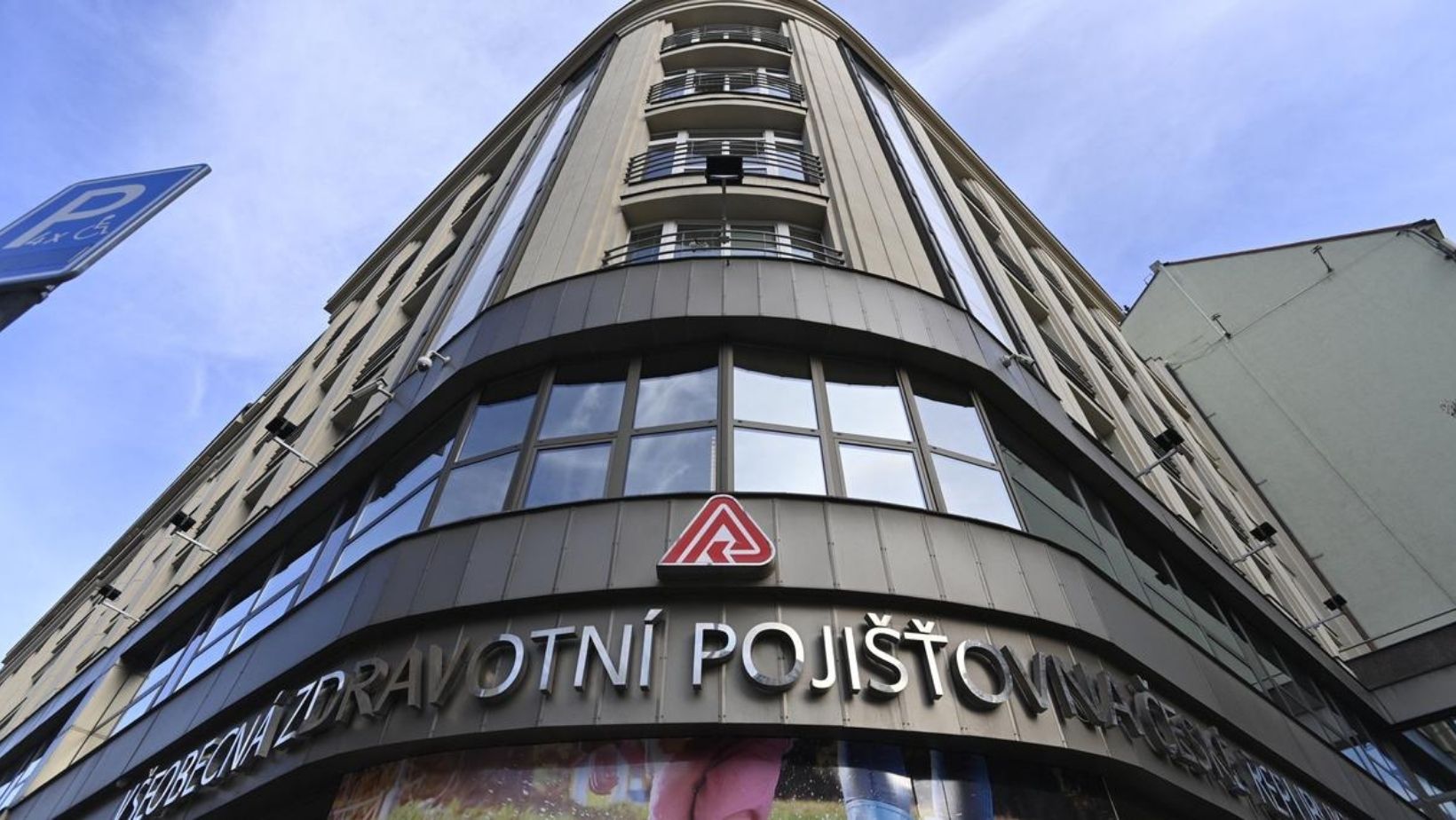
On Tuesday, July 13, the lower house of the Czech parliament approved legislation requiring foreigners with long-term residence in the country to be insured with the state-owned insurer VZP, despite criticism that such a requirement amounts to unacceptable monopolization. One of the key changes will require all foreigners with commercial insurance to use Pojišťovna VZP for the first five years, according to reports in various Czech media outlets. Only after this time would they be able to switch to other insurance companies. The Senate version finally received 71 votes from the 158 present, opposed by legislators from SPD, the Communist Party, and many from ANO. The Lower House proposal received 108 votes out of 160 present, and was duly passed. “Hospitals that provide assistance to foreigners with policies from non-medical insurance companies today cannot be sure that they will receive the money spent on treatment back,” said Miloslav Yanulik, a deputy from the ANO party. The first time MPs approved the amendment in early June, but a month later the Senate rejected the document, believing that it would lead to a monopolization of the market. Senators returned the bill for reconsideration to the lower house, proposing their own solution to...
According to half of Czechs, the state is ready for a possible new wave of coronavirus, about a tenth of people are sure of that. This follows from a survey by the Median agency for Czech Radio. By contrast, more than two-fifths of respondents are skeptical about the country’s readiness. According to Median director Přemysl Čech, women mistrust the state more (49 percent) than men (39 percent). On the other hand, government voters have confidence in the country’s readiness. “Voters of ANO movement lead by Prime Minister Andrej Babiš are convinced in 69 percent of cases that the state is ready,” he told the Czech Radio. According to him, the same opinion would be supported by 54 percent of those who would go to the polls. On the other hand, almost half of non-voters (47 percent) are convinced that the state will be unable to manage the pandemic this time around. Immunologist Václav Hořejší is rather optimistic. According to him, Czechia learned from previous mistakes. “I hope we have enough experience.” In addition, according to him, the epidemic would not have to intensify due to vaccination, as in previous months. “The next wave would certainly have a much different character...
Budvar, the Czech brewer that has been in a long legal dispute with U.S. company Anheuser-Busch over use of the “Budweiser” brand, increased its net profit by almost 10% last year amid record output as the pandemic saw people drink less in bars and more at home. Budejovicky Budvar NP, a 125-year-old state-owned brewery, said Monday its net profit reached CZK 305 million ($14 million) in 2020. Its output rose 3.1% to a record of 1.73 million hectoliters last year. Demand for its beer in tanks and barrels declined last year as bars and restaurants were closed for a long time, but Budvar was able to meet rising demand for bottled beer. The brewer has been expanding in recent years to be able to produce more than 2 billion hectoliters (52.8 billion gallons) of beer a year. That investment made it possible to react to changes in the markets amid the coronavirus pandemic. Budvar sells its beer in around 80 countries and Germany, one of its key markets, grew particularly strongly in 2020. Revenues also hit a record last year, growing 0.4% to CZK 2.81 billion. Czech beer consumption in 2020 fell to its lowest level since the 1960s. In...
In June, the average Czech’s spending on lunch in a restaurant rose to CZK 137, nine crowns more than before the pandemic broke out, the news site iDNES.cz wrote on Tuesday. The average sum Czechs spent on lunch in 2019 was over CZK 120. Spending has risen in all regional cities except Prague and Brno over the past year. Spending in Plzeň is currently the highest, at CZK 143.90, according to data on meal voucher card payments from Edenred. Current spending on restaurant lunches is on average three percent higher than last June, when the first wave of the pandemic was unleashed. In three regional cities, the average spending exceeded CZK 140, as stated by data from payments made by more than 250,000 employees who use Edenred’s meal voucher card. “The three percent year-on-year growth reflects the inflation trend in the Czech Republic. We expect lunch prices and spending levels to continue to rise,” says Edenred CEO Nicolas Eich. Catering businesses are facing higher prices for raw materials and staff shortages. Czechs are also dining out less than in the past. Edenred recorded 57 percent fewer lunch transactions this June than in the pre-pandemic period. In June 2020, that drop was only...
The Czech Republic will halve the waiting time to get a second dose of the Pfizer/BioNTech vaccine to three weeks, Health Minister Adam Vojtech said on Monday, as the country races to boost vaccinations and fend off new coronavirus variants. The country has administered at least one dose of COVID-19 vaccines to 48% of its total population, lagging the European Union average. The Pfizer vaccine has been the most widely used. Like others, the central European country is aiming to boost vaccination numbers before the autumn and as new coronavirus infections slowly start to rise again, hoping to get younger people inoculated. As part of this effort, the government on Monday opened two new vaccination centres in Prague – one at the main railway station and another at a shopping mall – for walk-ins, requiring no registration beforehand. “We are looking for all ways to make vaccinations accessible to people and reach those who have not yet shown an interest,” Prime Minister Andrej Babis said. Almost 36% of the 10.7 million population has been fully vaccinated since the end of December 2020. Around 100,000 to 120,000 shots a day were administered during the workweek in June, although the start of...
Strong thunderstorms accompanied by high winds and torrential rains hit the Czech Republic on Thursday, leading to two deaths, officials said. Police said the victims’ car was hit by a falling tree near the town of Pisek in the southern Czech Republic. Two children who were also in the car were injured and taken to hospital. Police said the dead were not the children’s parents. In the southwestern Czech Republic, a railway track was blocked by fallen trees while another one was flooded. Meteorologists issued a warning against extreme thunderstorms that were forecast to hit the central part of the country. “The most affected are Písek and the České Budějovice region,” said Vendula Matějů, a spokeswoman for the South Bohemian fire brigade. Firefighters have intervened in the Klatovy region, removing uprooted or fallen trees. Between 17:00 and 18:00, the Czech Hydrometeorological Institute also recorded the largest precipitation in the Pilsen Region. A rare tornado believed to be the most devastating in the country´s modern history torn through the southeast Czech Republic two weeks ago, killing six people and injuring hundreds. The tornado touched down as strong thunderstorms hit the entire country. Seven towns and villages sustained heavy damage that included...
Czech citizens will be able again to cross the border with Slovakia after the country decided to reverse its controversial decision to close several border crossings to try and curb the spread of COVID-19 on Monday. Small crossings were barred with concrete blocks or gravel piles. The decision of Slovak authorities prompted heated reactions from people living in the towns near the borders who are traveling between the two countries for family or work on a daily basis. Mayors of local villages even issued notes of protest, saying they had not been informed of such drastic measures in advance. Clashes with police were also reported on Tuesday. The closed border crossings will be opened again by the end of the week, announced Czech Interior Minister Jan Hamáček. “The Slovak interior minister has just informed me that the Slovak side decided to open all border crossings till the end of the week and switch to randomized controls,” Hamáček added. Latest statistics On Wednesday, the Czech Health Ministry reported 279 people positive for the COVID-19, more than double the number of infections detected on the same day last week and the highest daily number of new cases detected since June 8. Prague...
Fish are in danger of becoming addicted to methamphetamine when traces of the drug enter our rivers, a new study warns. Researchers in the Czech Republic performed lab experiments with the brown trout (Salmo trutta) in waters contaminated with the illegal drug. After immersion in the meth-contaminated waters, the team found the fish became less active, but also displayed disturbing levels of dependence. Meth – which comes in several different forms including tablets, powder and crystals – enters our waterways directly from the drug user in their home. The research has been conducted by experts at the Czech University of Life Sciences Prague in the Czech Republic. ‘Methamphetamines, as well as other contaminants of emerging concern, are similarly introduced to surface waters through discharge from wastewater treatment plants,’ said study author Pavel Horký. ‘Users of these substances excrete them into the sewage collection systems, then the substances enter the wastewater treatment plants that were not designed to treat such contamination. ‘Finally, contaminants enter the freshwater ecosystems at relatively low, but detectable and biologically efficient levels.’ Drug addiction could potentially drive fish to congregate near unhealthy water treatment discharges ‘in search of a fix’. While meth is illegal, prescribed drugs such as fluoxetine – also known as...
The Pope’s visit to Budapest and Slovakia from the 12-15 of September has been warmly welcomed by Slovakia’s president, Zuzana Čaputová. When Pope Francis announced he was going to both Budapest and Slovakia during the Sunday Angelus, Slovak pilgrims in St Peter’s Square responded by waving the flag of their country and applauding loudly. Slovakia’s foreign minister, Ivan Korcok, described the trip as a “great honor for Slovakia,” while the nation’s president, Zuzana Caputova, said, “I believe that the presence of Pope Francis will be for all of us a message of reconciliation and hope in these difficult times.” Francis’ visit to Slovakia will include the cities of Bratislava, Presov, Kosice, the Vatican said in a statement. The program also includes an important pilgrimage site, Šaštín, which is located near Břeclav, the area affected by the tornado in South Moravia. Will the pope continue his visit to the Czech Republic? Moreover, September 15, marks 1100 years since the assassination of St Ludmila, the first Czech and Slavic saint, founder of the ruling dynasty, and grandmother of the man who became the country’s patron, St Wenceslas. This will be the third papal visit to Slovakia since the country became independent in...
Czech senators have approved an amendment to allow women to remove the suffix -ová, which denotes the grammatical gender, from their surname. If signed into law by President Miloš Zeman, parents could also decide to keep the masculine form (thus without the suffix –ová) of their daughters’ surname. In the Czech language, the ending “-ova” is added to all surnames for women, so Mr. Novak’s daughter becomes Ms. Novakova. Women have only been able to drop the “-ova” ending in limited circumstances, such as if they have foreign nationality or live with a foreigner. The Senate will now vote on the change. The proposal was brought forward by former Justice Minister Helena Valkova. Current rules mean that the wife or daughter of a Czech man has the -ova suffix added to her name, such as tennis star Petra Kvitova. The pattern is similar to that seen in other Slavic languages and is also applied to foreign leaders and politicians – including former US presidential candidate Hillary Clinton and German Chancellor Angela Merkel. Pirate Party MP Ondřej Profant, who backed the bill, said a survey carried out at a registry office in Prague showed that around 28% of women would prefer...
Don’t have an account? Register
Already have an account? Log In
How Would You Like to Promote Your Business? PR ArticleDisplay bannersVideo productionNewsletter adsJob ListingsInfluencer Marketing
Your Email
We will come back to you within 24 hours with our proporsal