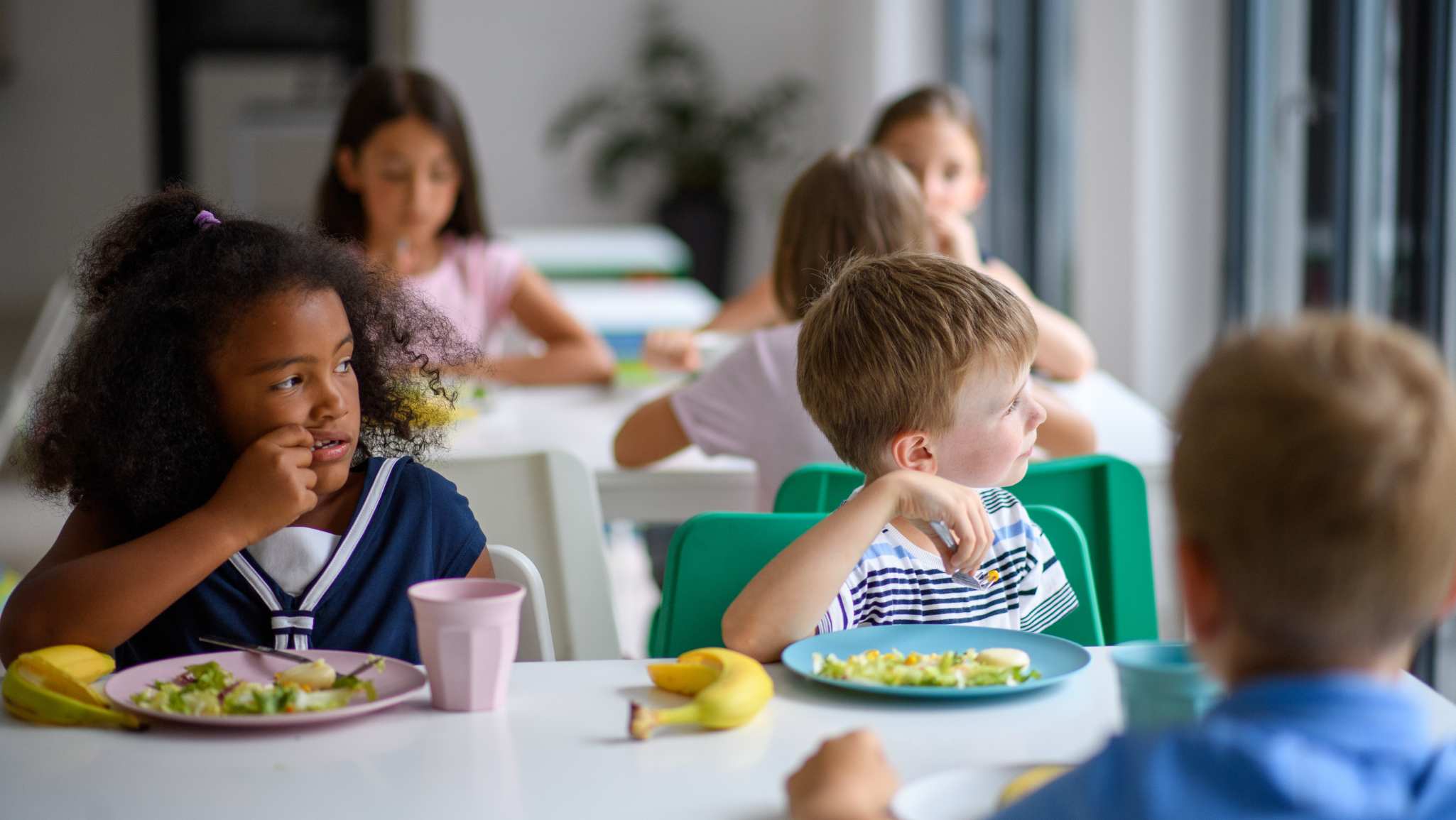
Mandatory vaccinations for pre-school children in the Czech Republic have been backed by the European Court of Human Rights (ECHR) in a landmark ruling. The case was lodged by families in the Czech Republic who had children refused admission to pre-school or had been fined for refusing to vaccinate their children, in some instances dating back to 2003. The ECHR said it found no violation of the European Convention on Human Rights, rebuffing the parents’ complaints that the government had violated their rights. While all the cases pre-dated the Covid-19 pandemic, the issue of routine vaccinations in children has faced increasing challenges due the spread of the virus. That landmark ruling is the first from the ECHR on compulsory vaccinations against childhood diseases, with the judges backing Czech legislation by 16 to 1. ‘The… measures could be regarded as being “necessary in a democratic society”‘ the court said, adding: ‘The objective has to be that every child is protected against serious diseases, through vaccination or by virtue of herd immunity.’ ‘The Court found that the measures complained of by the applicants, when assessed in the national context, had struck a fair balance with the aims pursued by the Czech State, i.e. protection...
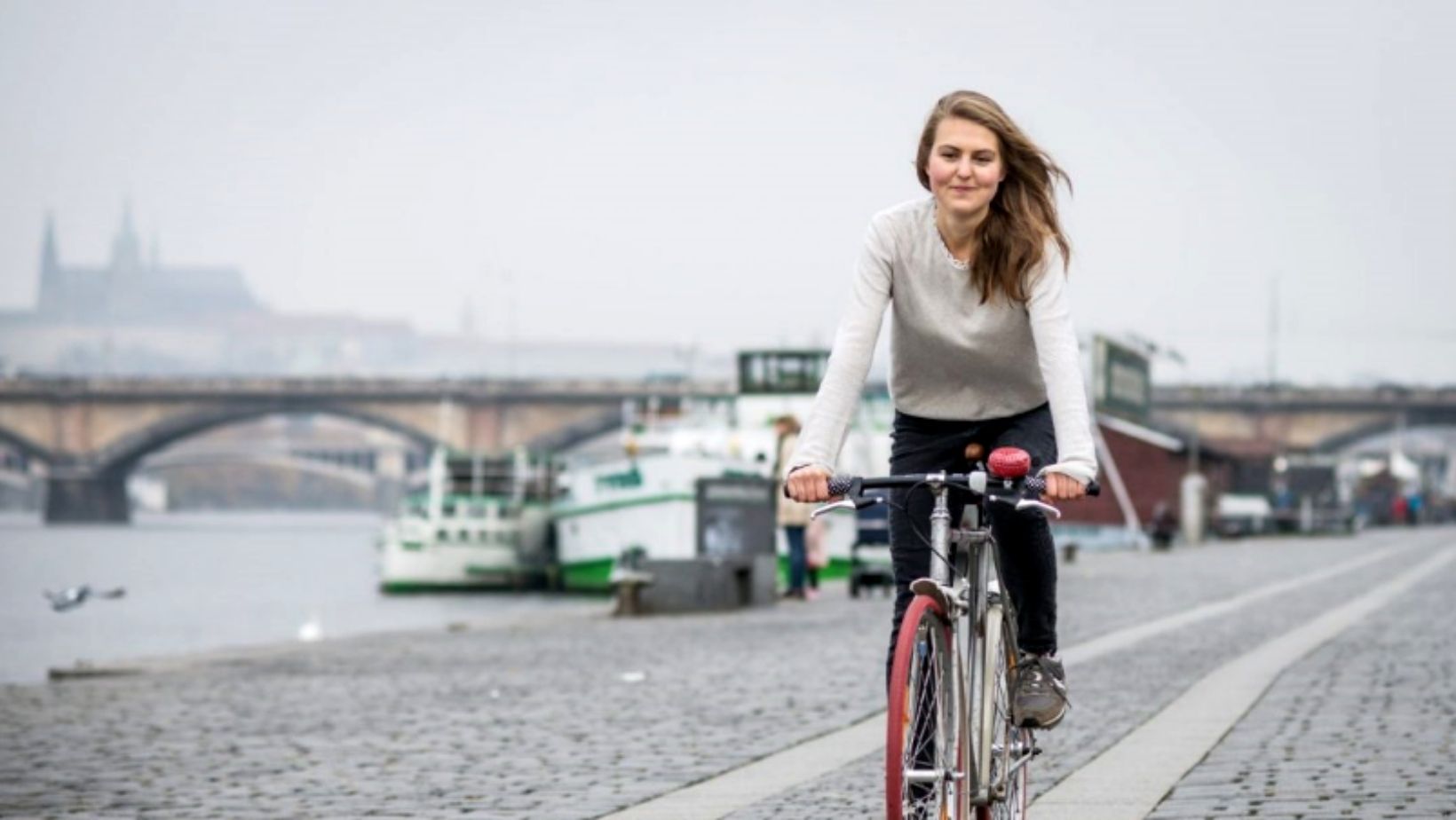
Do Prace Na Kole is a friendly competition that aims to motivate as many people as possible to use a bike as a regular urban means of transportation. The ‘competition’ will place during the month of May and is organized by the independent NGO, Auto*Mat. You don’t need to be a biker to participate: walking, running, and skating to work are also welcome. The main point is to ditch cars and other motorized vehicles. Due to the state of emergency, the organizers decided to adjust the rules of the competition, so it is possible to count trips not only to the workplace. People can compete with others from across the Czech Republic either as an individual or as part of a team in categories such as frequency of travel by bike/foot, total distance covered, longest commute, and others. Teams can compete in the following categories: regularity, performance, cyclo-employer of the year, cyclo-measure, and creativity. The regularity category is self-explanatory; it’s about the frequency of going to work on a bike. If you go by bike every day, you have a great chance of winning! Performance is a distance competition for individuals so if you live close to work but still want...
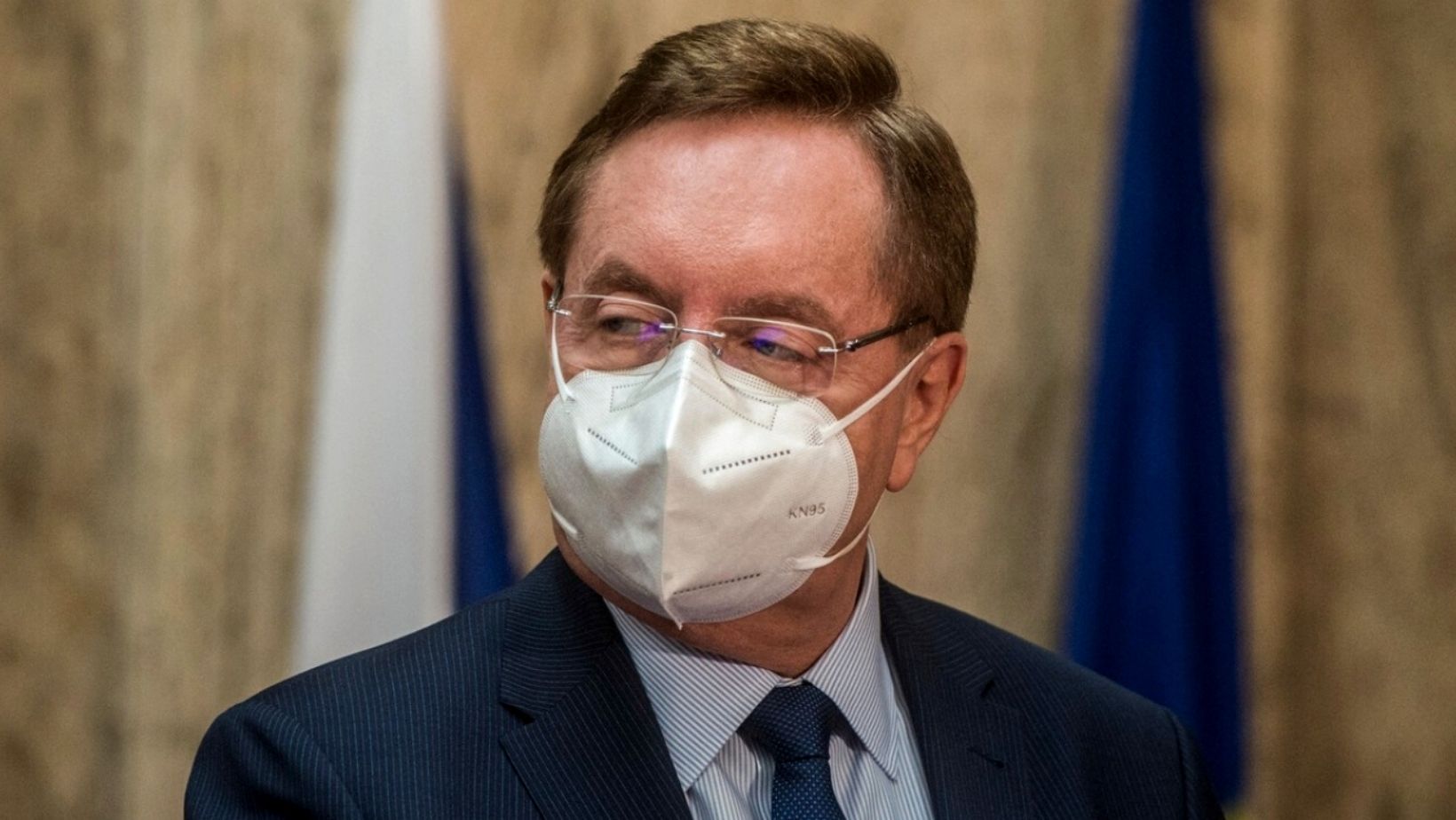
“The requirement to wear face masks outside will most likely be lifted during the summer months,” said today on CNN Prima News the new Minister of Health, Petr Arenberger. The government wants to revise the rules so that face coverings do not need to be worn while in public if a safe distance can be maintained. Arenberger also explained the next steps to tackle the pandemic in the country. “We agree that getting children back to school is a priority. In addition, parents should be able to buy clothes, and shoes for their kids in stores,” he added. Regarding the face masks, Arenberberg cited Germany as an example, where last summer most states required residents to wear face masks or coverings only in shops, grocery stores, and shopping malls, as well as on local public transportation. Berlin was the only state where masks were not required in shops and supermarkets, but rather “strongly recommended.” “A similar system could work here as well,” Arenberger said. In February, the Ministry of Health ordered the wearing of KN95 or FFP2 type respirators, and nano-filtered face masks in public transport and other public places. Homemade cloth masks, including bandanas and the like, are officially...
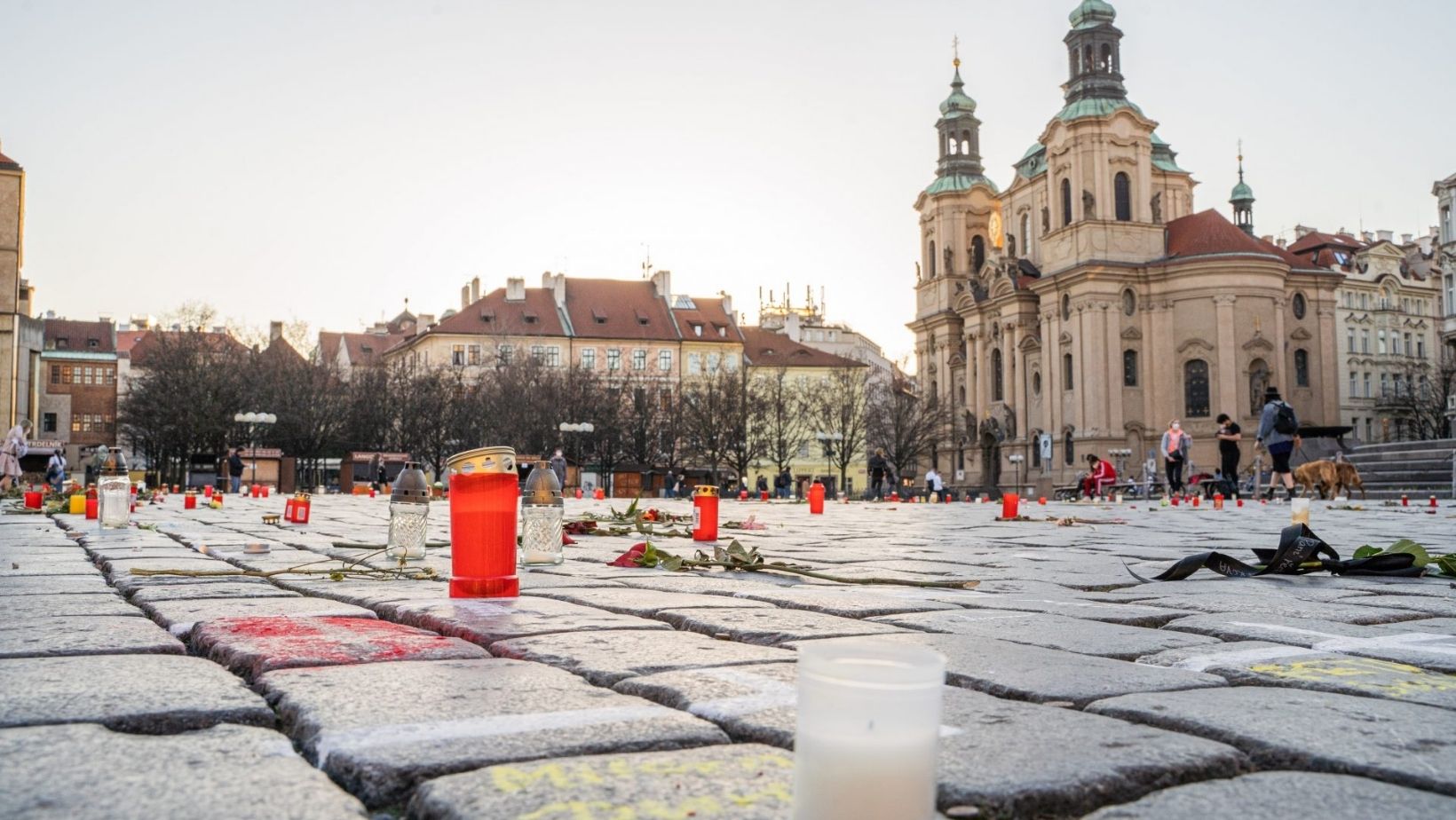
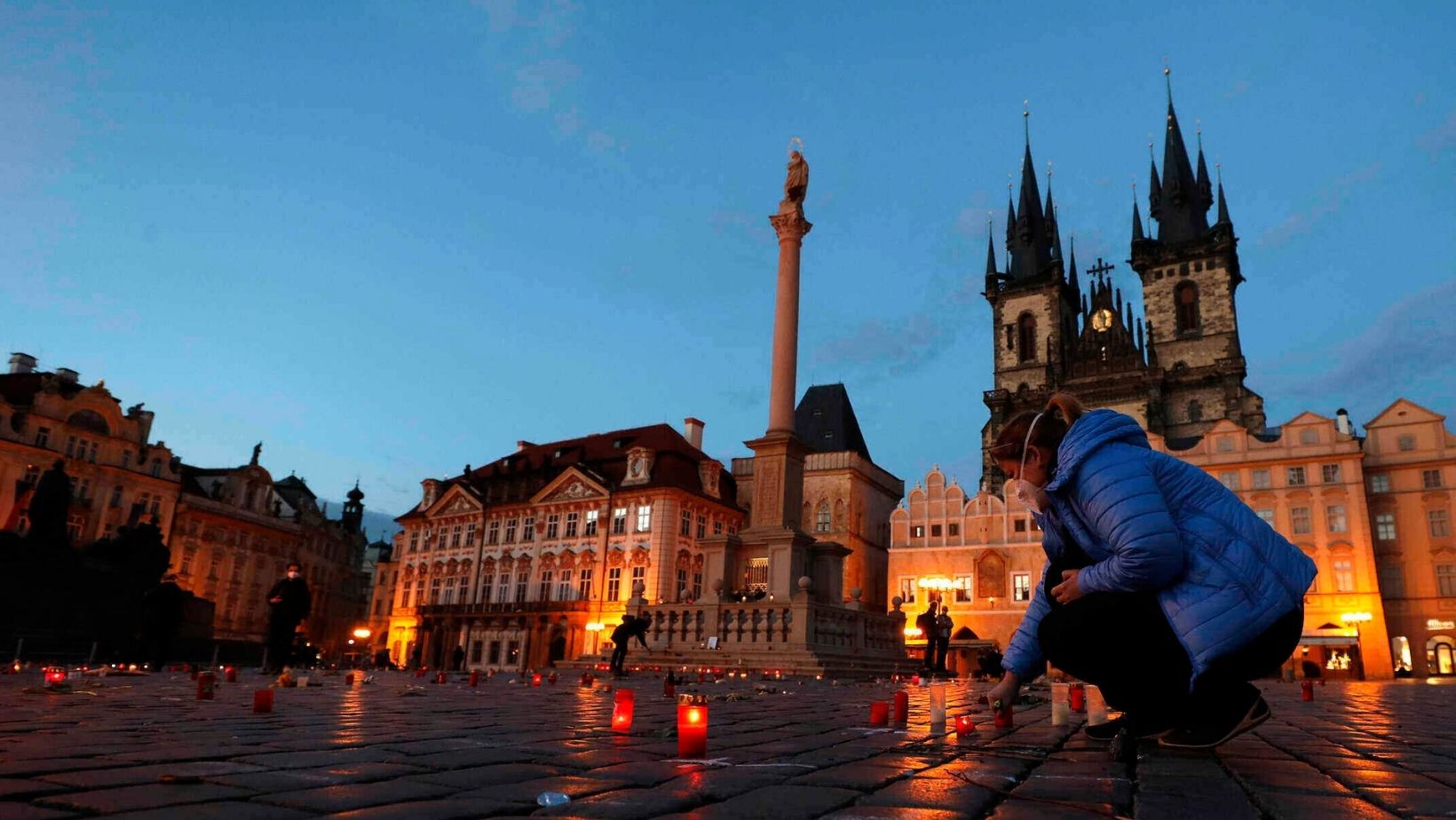
Local activists are submitting an application to create a national holiday honoring the victims of the Covid-19 virus calling it Pandemic Victims Day. On Wednesday, a proposal was given to the Speaker of the Chamber of Deputies, Radek Vondráček as well as the Speaker of the Senate, Miloš Vystrčil. The proposal suggested that Mar. 22 be dedicated to the remembrance of those who have lost their lives due to the pandemic. The date is significant as at noon on Mar. 22 of this year, a minute of silence was observed throughout the Czech Republic along with church bells ringing which marked exactly one year since the first person in the Czech Republic died from the virus. In an announcement, organizers of the Minute of Silence stated, “the human dimension of the spread of this disease and its destructive influence on our society has been quite forgotten. The grief and the death have, therefore, just remained statistics; it is as if we have forgotten that death on this scale impacts the state of our society as a whole and its ability to cope with the current situation.” Advocates for the proposed holiday would like Pandemic Victims Day to apply to the...
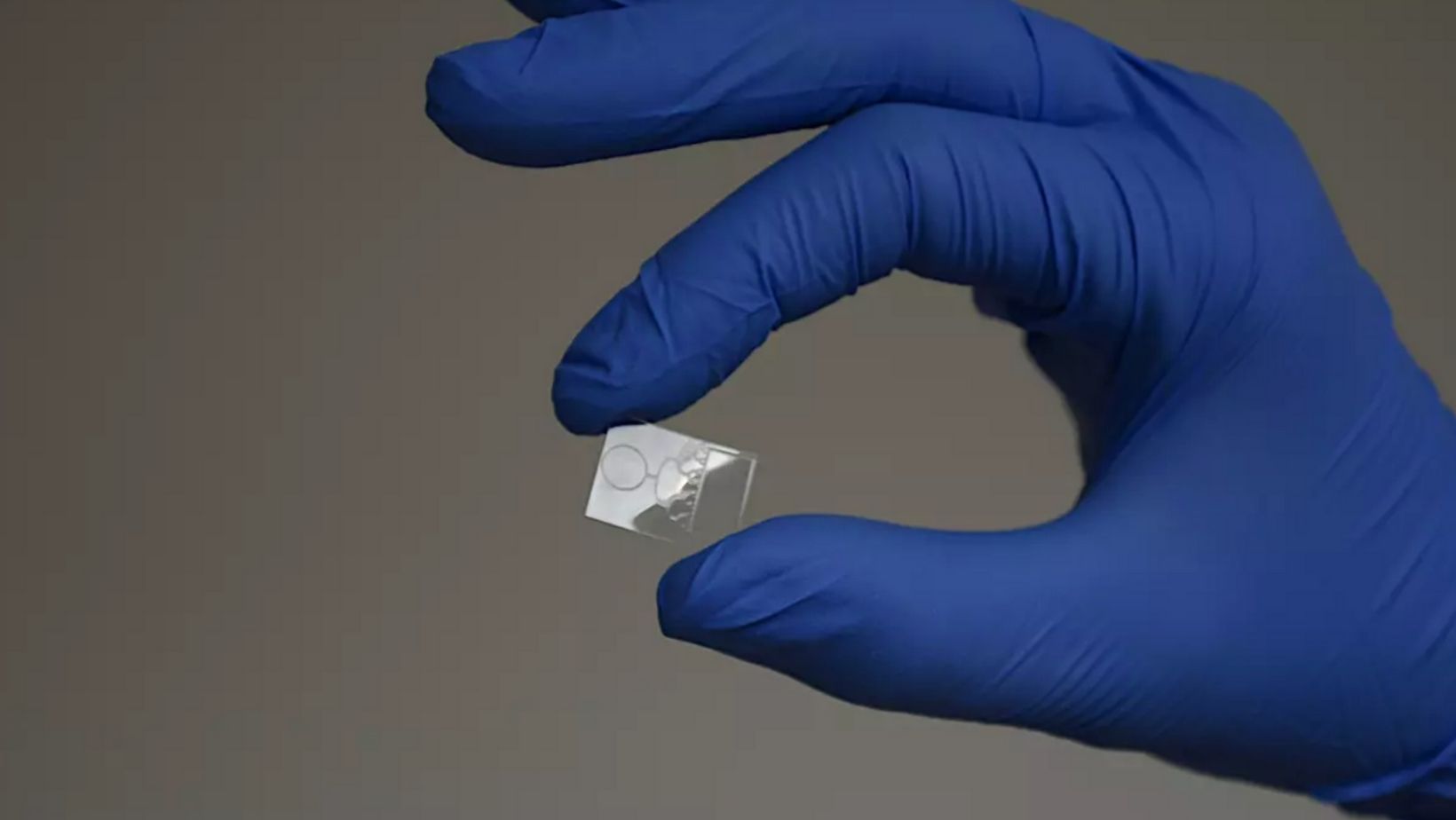
A chip, that simply and quickly detects coronavirus infection at an early stage, has been developed by Czech researchers. It can also be used in forensic analysis. In the past 8 months, researchers from the University of Pardubice, in cooperation with the Czech company IQ Structures (IQS Group), have developed a miniature (10x20mm) chip, that can give precision to the test results of a new type of coronavirus. Grooves on the chip’s surface are designed to elicit the reaction with the right dynamics, in order to concentrate the viral RNA. The virus particles are then subject to the sample analysis. The chip has an application area into which a sample is dripped and the chip will evaluate the result. With this approach, a very small amount of viral RNA can be detected in the sample taken, thus individuals can be detected even in the asymptomatic phase of COVID-19. The chip itself can offer a much wider use, wherever the detection of RNA or DNA particles, from a very small amount of biological material, is needed (e.g. forensic analysis). The development of the chip has been supported by the Ministry of Industry and Trade of the Czech Republic within the „Czech...
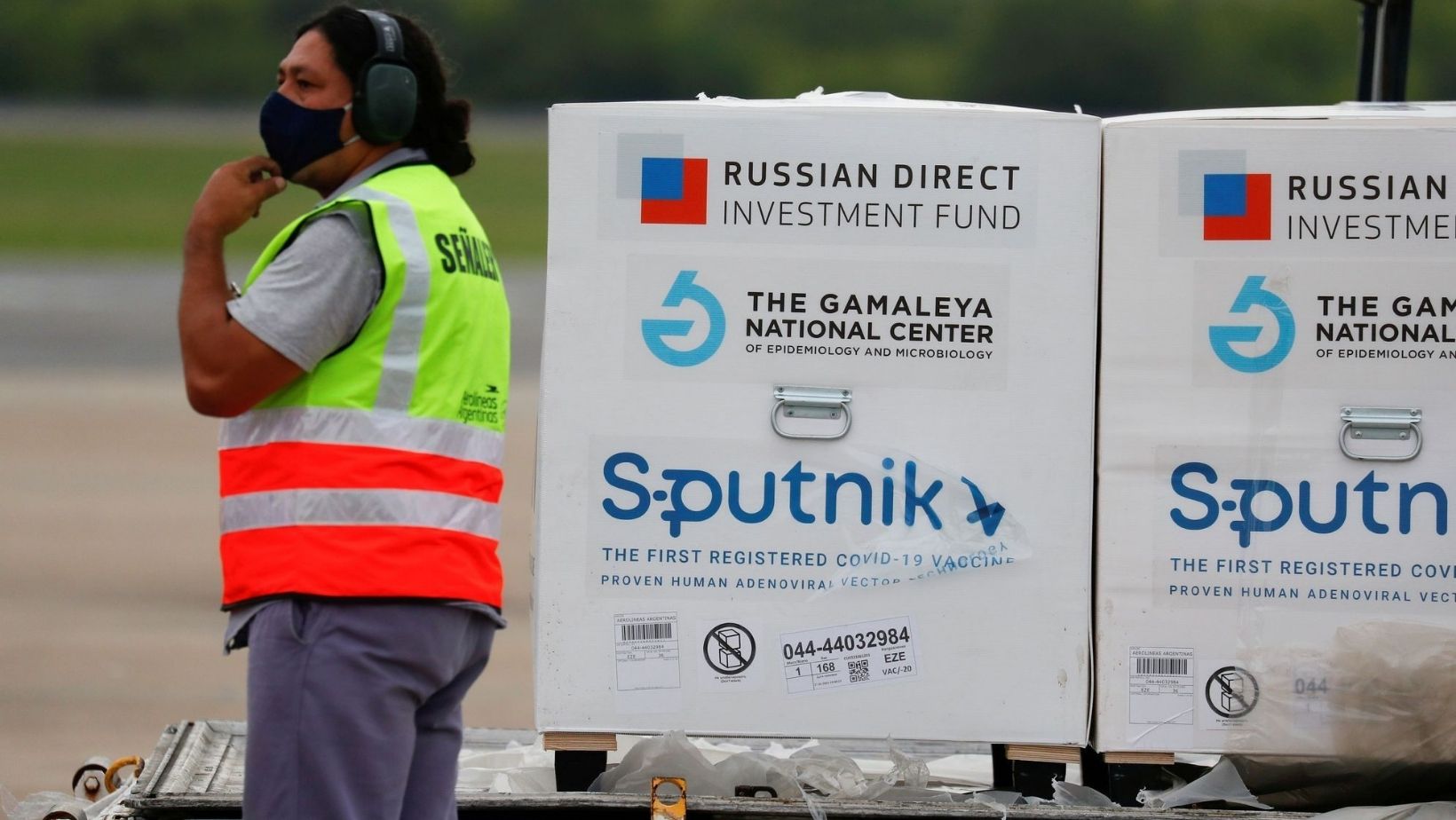
The Czech Republic will wait until the EU’s European Medicines Agency (EMA) approves Russia’s COVID-19 vaccine Sputnik V before using it, Prime Minister Andrej Babiš said on Wednesday. Babiš was speaking after appointing his fourth health minister of the pandemic. President Milos Zeman had sought to have the previous minister removed over his opposition to using Sputnik without EMA approval. “I want to stress (the ministerial change) is not about Sputnik,” Babiš said. “We will wait for the decision of the EMA.” Jan Blatny was replaced by Petr Arenberger, the director of Prague’s University Hospital Vinohrady, who was sworn in by President Milos Zeman. The move opens the way for the possible use of Russian and Chinese vaccines, which have not been approved by the European Union’s drug regulator. Babiš repeatedly criticized Blatny over his handling of the pandemic, including imposing strict conditions for the use of experimental drugs to treat COVID-19 patients. Blatny was also under fire from Zeman, an ally of Babis who is known for his pro-Russian and pro-Chinese views. Zeman said he approached his Russian, Chinese and Israeli counterparts with a request for help with the vaccines and received a positive response from all of them....
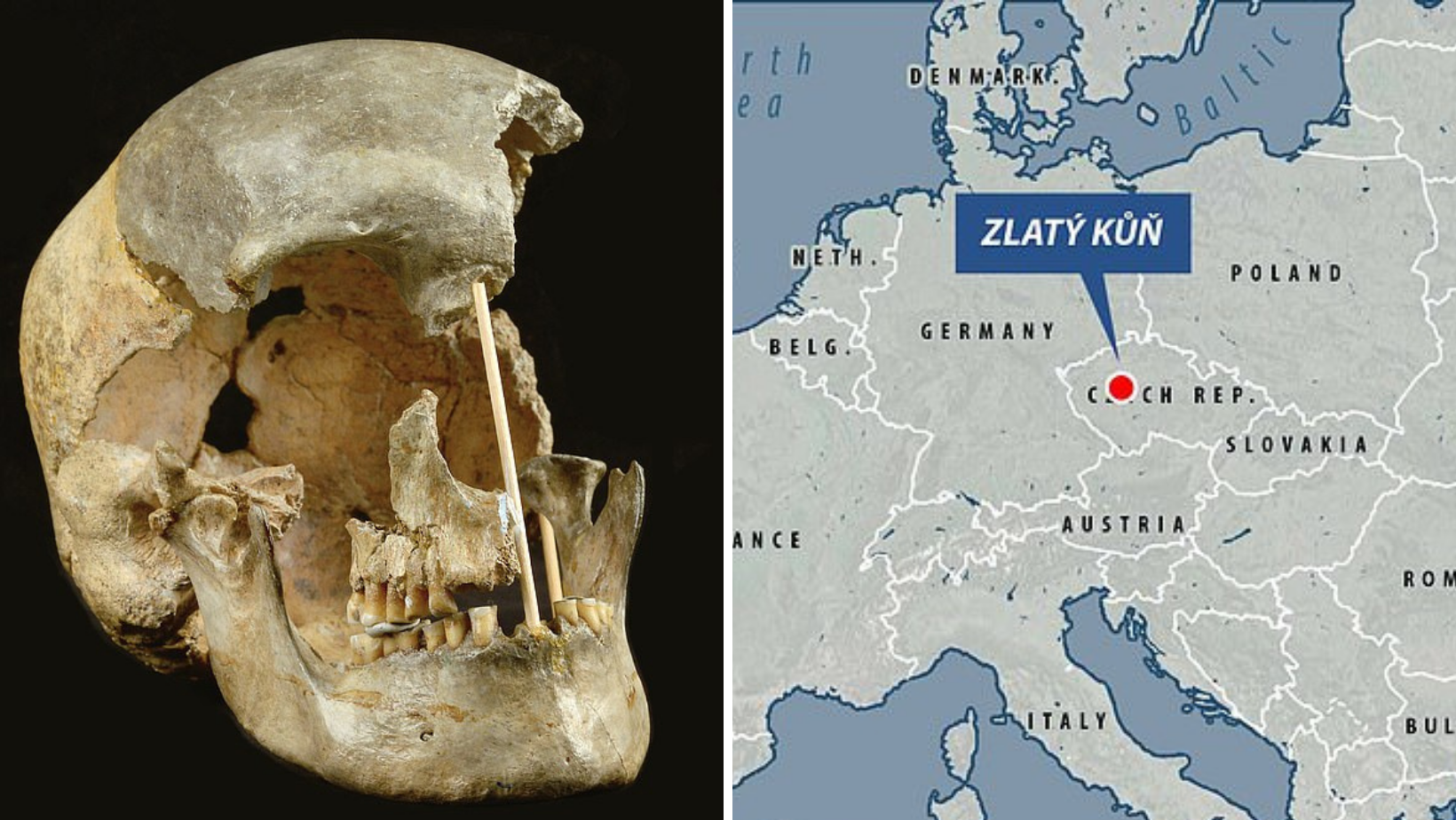
The oldest DNA ever found in human remains belongs to a woman who lived in Czechia more than 45,000 years ago, a study has found. Analysis of her skull reveals she was among the first batch of Homo sapiens to live in Eurasia after our species migrated out of Africa. It is believed the woman, dubbed Zlatý kůň, may have had Neanderthal ancestors as little as six or fewer generations in her past. The finding reinforces that humans mated with Neanderthals shortly after we first reached Europe between 50,000 and 45,000 years ago. This mating event saw humans absorb some Neanderthal genes which survive in all modern people except Africans. Neanderthals would go extinct shortly afterwards, with some researchers saying competition with Homo sapiens and a changing climate was to blame. Researchers from the Max Planck Institute for the Science of Human History in Germany tried to date the skeletal remains using radiocarbon isotopes, the traditional and widely-used method for figuring out when a fossil lived. However, contamination of the remains made this impossible. But Neanderthal DNA can be used as a proxy for dating because the length of its segments in the genetic code decreases steadily over generations. The researchers found in their...
The Czechs are the most pessimistic nation in the European Union in their views on the development of the pandemic. Pessimism prevails in the states of the former Eastern bloc, while Sweden is the most optimistic. For the first time since the beginning of the pandemic, Czechs are the biggest pessimists in European comparison, the Eurostat data showed. Every month, Brussels statistics measure the current mood of consumers and businesses and their expectations in the coming months. The average mood, where skepticism and optimism are in balance, is indicated by the value of 100 points. In the survey, which took place in mid-March, the Czechs gained 83.3 points, slightly less than Cyprus and Slovakia. On the contrary, in six of the 27 countries, optimism is already prevalent that the pandemic will soon end. The Swedes have the best balance with a score of 106.7 points. Most Europeans believe that the pandemic is ending. Therefore, compared to February, skepticism has decreased in the 25 EU member states. Apart from the Czech Republic, which has introduced the strictest lockdown to date since March 1, the mood has worsened in Estonia. The Baltic country has so far been spared the effects of the pandemic but...
Everli, the European marketplace for online grocery shopping, is currently entering the Czech Republic’s market, after having operated in Prague on test mode. Everli is in collaboration with various big-name supermarkets, such as Albert, Billa, Kaufland, Globus and Tesco. The company promises to deliver customers’ purchases to their doorsteps within an hour of their initial orders. Moreover, Everli aims to help retailers transition to an online environment. Last year, the company’s sales almost reached $130 million, with its international branches making up 20% of the orders. “We are proud to have played a role in helping many people during these difficult times, but we are only getting started, as this industry will never be the same again. The shift to online delivery is not disappearing, and expectations on all sides are only increasing. We have built a model which we believe offers unparalleled value to customers even in less urban areas. Retailers, on the one hand, reach a completely new consumer base,” said Federico Sargenti, Everli’s CEO. According to the company, their logistics model allows for high scalability, because the service pays off in areas with lower population density in addition to large cities – ultimately catering for both sides....
According to data from the Czech Statistical Office, over 4000 people died in February alone. The ministry believes thousands of people are dying from the virus every month. Still, compared to January, covid-related deaths fell by two and a half thousand. The Czech Statistical Office (CZSO) looked at data from a five-year period of 2015-2019 and determined that February was about 36 percent higher than the average number of deaths in the Czech Republic pre-pandemic. The country’s death toll was the highest in January of this year where it reached over 51 percent higher than the five-year average previously recorded with 15,900 reported dead. The report also found that the region with the highest increase in deaths was Karlovy Vary which lost almost three times as many people more than usual. “The February number of deaths was higher than in the average of 2015–2019 in all regions, but while in the Vysočina Region and the Zlín Region only by one and four percent, respectively, in the Karlovy Vary Region by an extreme 168 percent,” said Michaela Němečková from the CZSO. In the Karlovy Vary region, 837 died in February alone, up from the 312 monthly average before the pandemic. The...
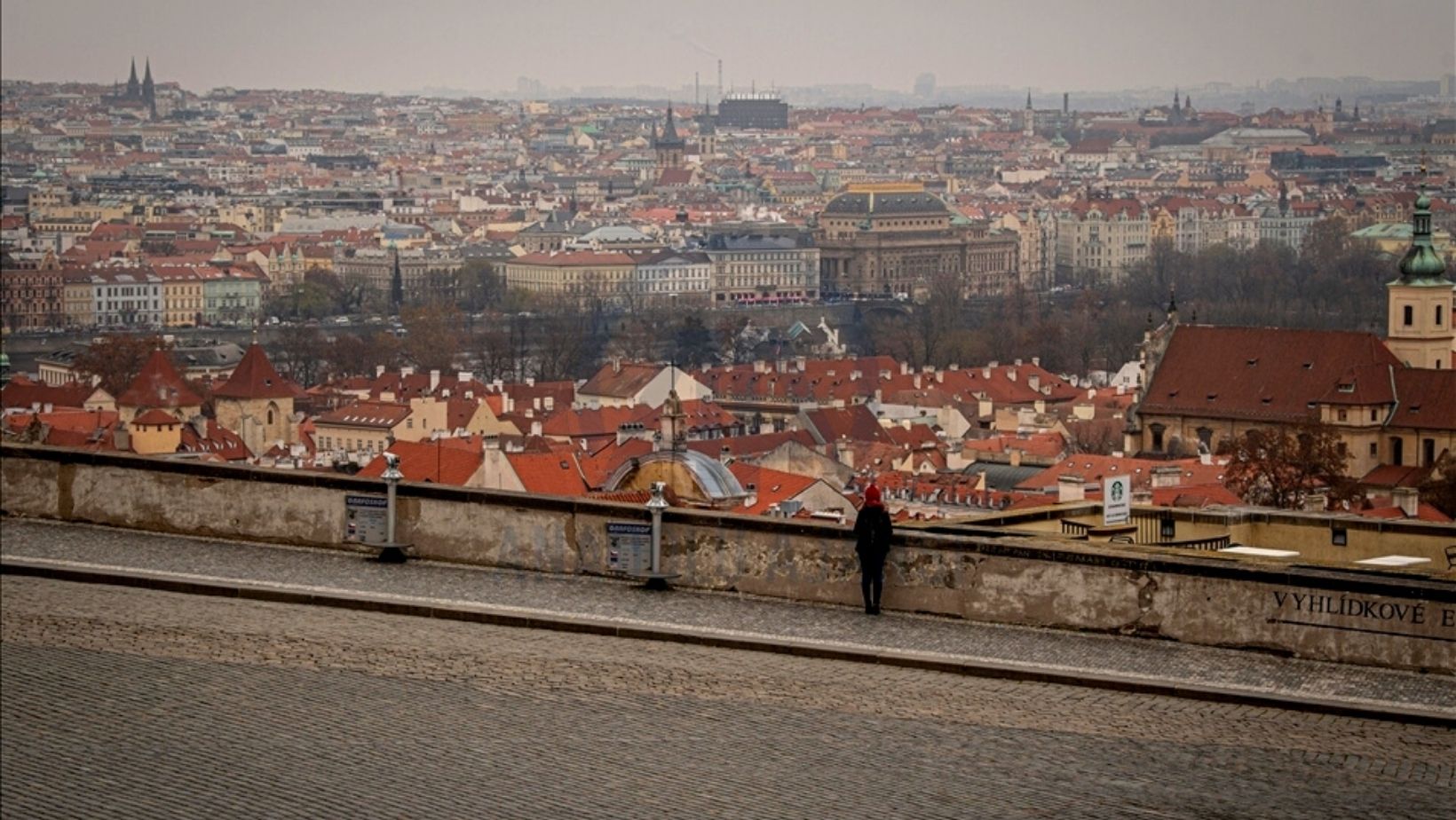
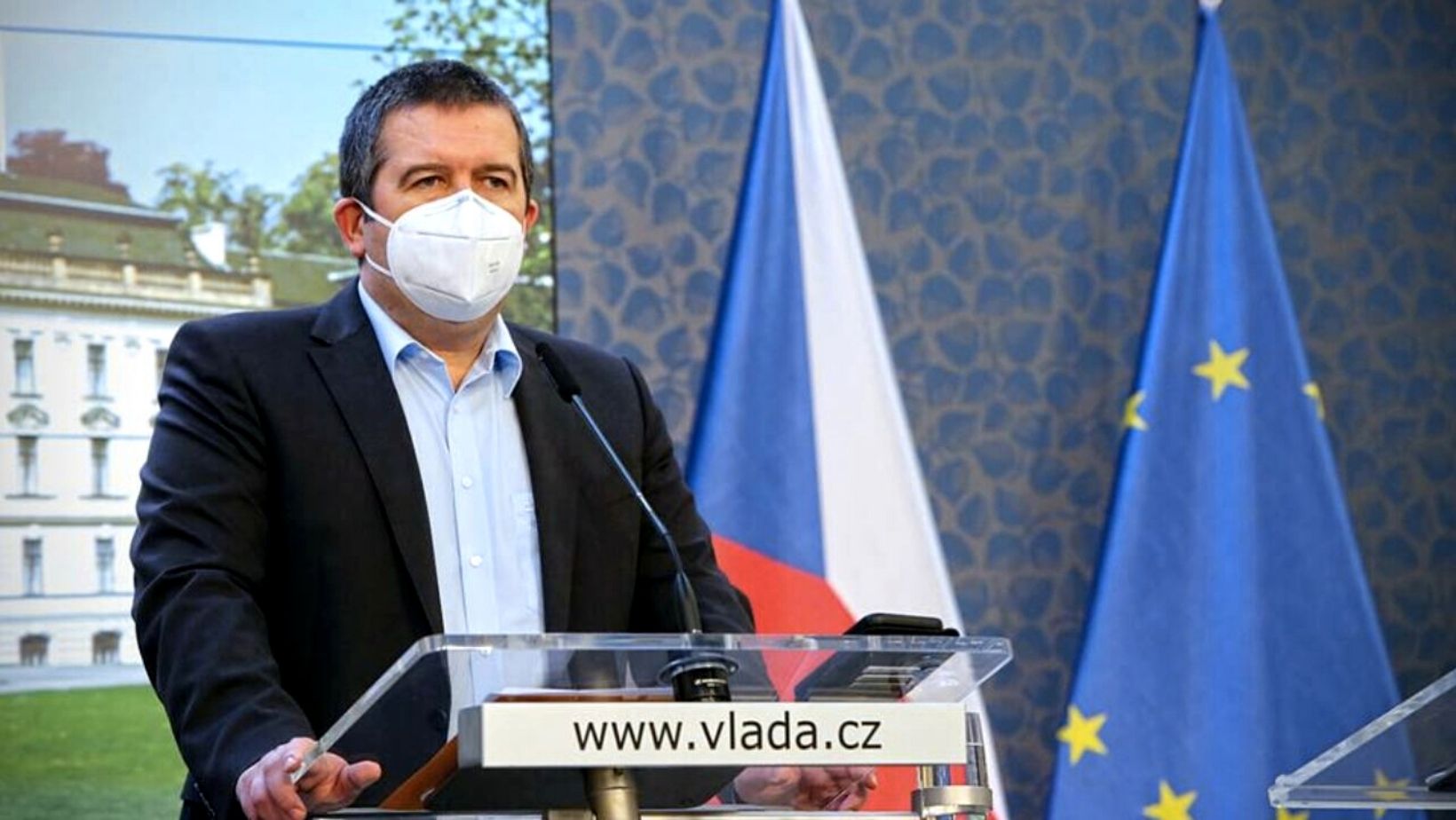
According to the Minister of the Interior Jan Hamáček (ČSSD), if the coronavirus epidemic develops favorably, shops, services, and restaurant gardens may be allowed to reopen at the end of April. “The exact schedule should be provided by the Ministry of Health. I reckon that at the end of April, provided everything goes well, services, shops restaurant terraces could start to open. A number of activities will gradually start to be allowed. But that is my private estimate,” said Hamáček. “Masks and respirators will probably stay with us for a long time. Mandatory respirators have been one of the major factors contributing to the recent decline in COVID-19 cases, as the protection of the wearer is significantly higher,” he added. Among the restrictions that became effective on March 1, people have been banned from traveling to other counties unless they go to work or have to take care of relatives. In the Czech Republic, a hard lockdown has been in place since the beginning of March. So far, the government has announced the partial opening of schools and kindergartens, as well as the end of restrictions on movement. The government will meet in the afternoon to decide on plans to...
The epidemic must be defeated by a symbiosis of science and faith, one cannot exist without the other, said Czech cardinal and Archbishop of Prague Dominik Duka. “Faith without knowledge is not faith and can turn into fanaticism, which then helps no one. But if science exists without any faith, it only becomes a technique that also will not help,” said Duka. According to the cardinal, people’s attitudes towards the pandemic have changed significantly in the past year, with many people currently exploiting it. “Commerce and competition enter even into medicine. And that is why we feel frustrated,” said the cardinal, stressing that no one should seek social or political profit from this situation. According to him, thanks to the pandemic, people show their true selves. We can see both great and selfless people, as well as human misery, envy, and hatred. However, Duka pointed out that despite everything, prayers did not disappear from people’s lives. The cardinal appreciated the use of modern technologies that help bring prayer to homes, even though he does not consider online masses a full-fledged substitute. “God is also with people who do not go to church. The emptiness will allow us to feel that...
Don’t have an account? Register
Already have an account? Log In
How Would You Like to Promote Your Business? PR ArticleDisplay bannersVideo productionNewsletter adsJob ListingsInfluencer Marketing
Your Email
We will come back to you within 24 hours with our proporsal