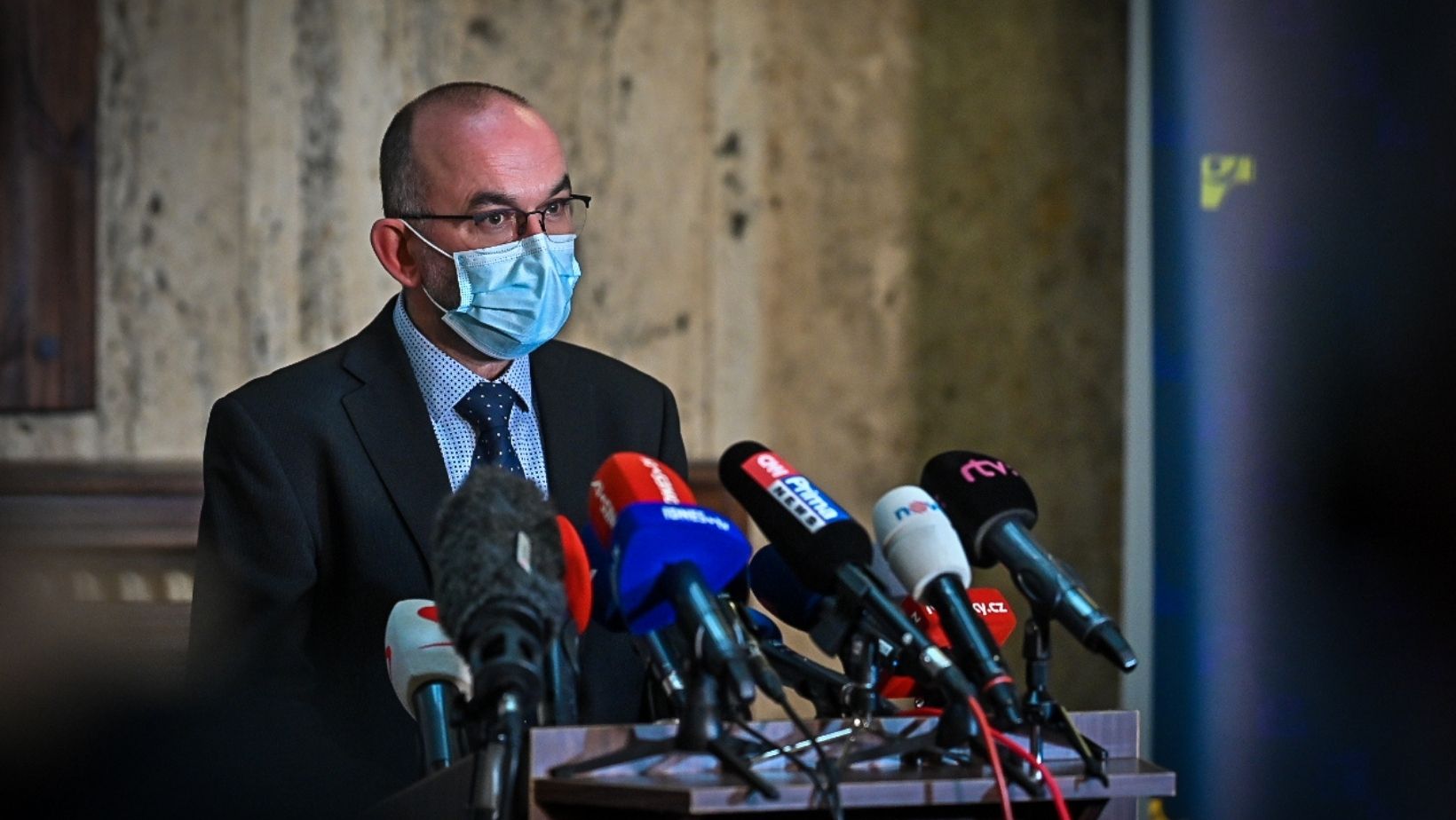
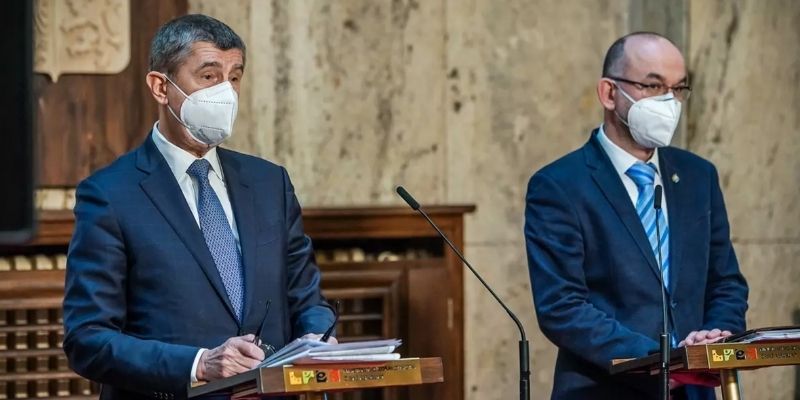
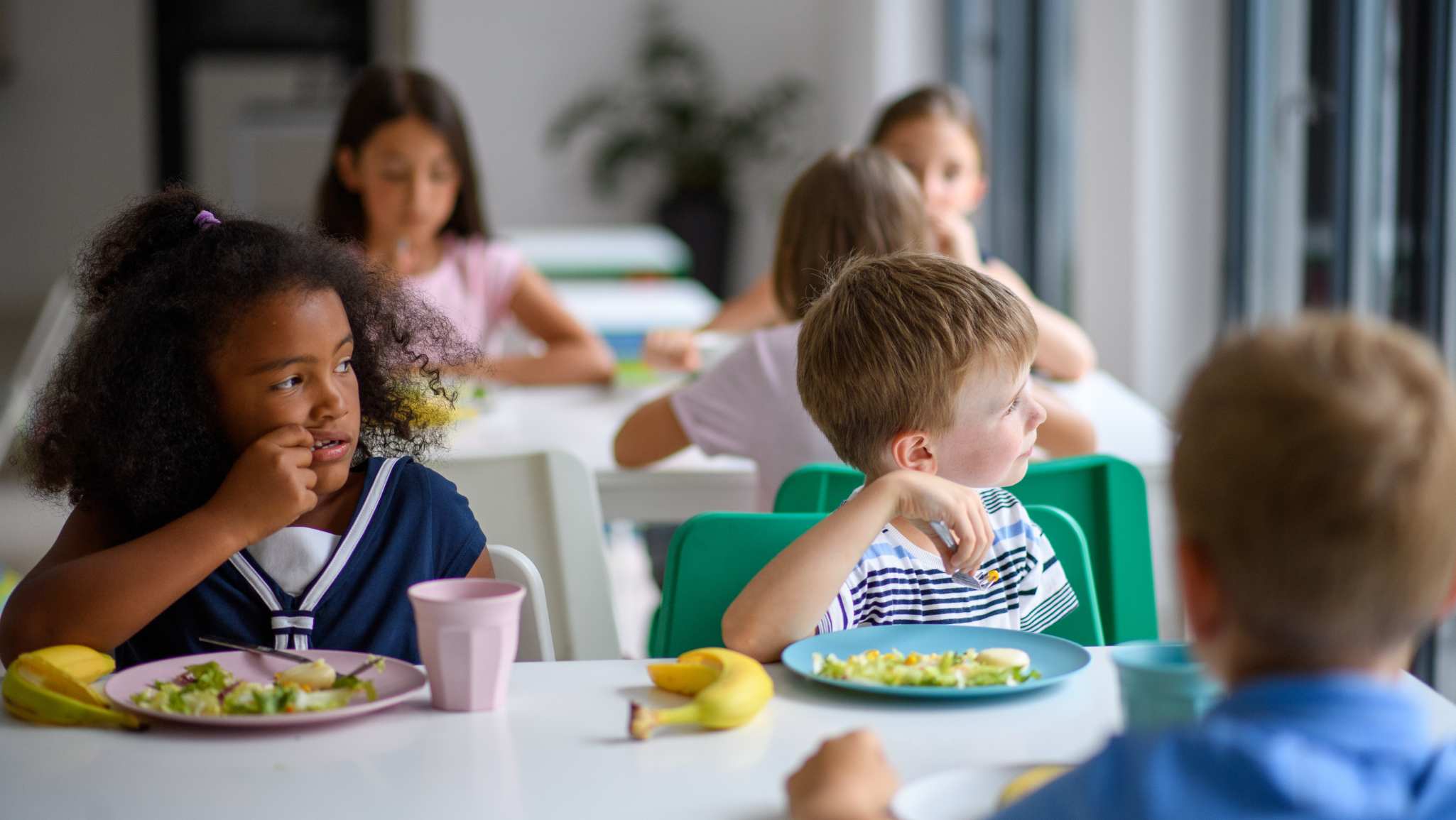
According to the Minister of Health Jan Blatný (ANO), if the public adheres to the existing measures for another fourteen days, the first relaxation could come after 12 April. “The numbers are improving, but they are still extremely high. If we persevere and respect the measures for at least another two weeks, the number of infections can decrease radically. Then the date of April 12 will be realistic,” said the minister. As Novinky.cz reports, one of the first measures to be relaxed is the restriction of movement between districts. The return of children to school is also a priority. The government should decide next week, added the main hygienist Pavla Svrčinová. The youngest students will be tested twice a week using antigen. “We want to prevent the spread of the virus in schools,” said Svrčinová. The chief hygienist also intends to present a new anti-epidemic PES system before Easter. Currently, the PES system is unusable due to new and more contagious coronavirus mutations and has not been followed by the cabinet for many weeks. Svrčinová also added that she had already discussed with representatives of various areas, such as culture, and sports, what rules should be set to allow a...
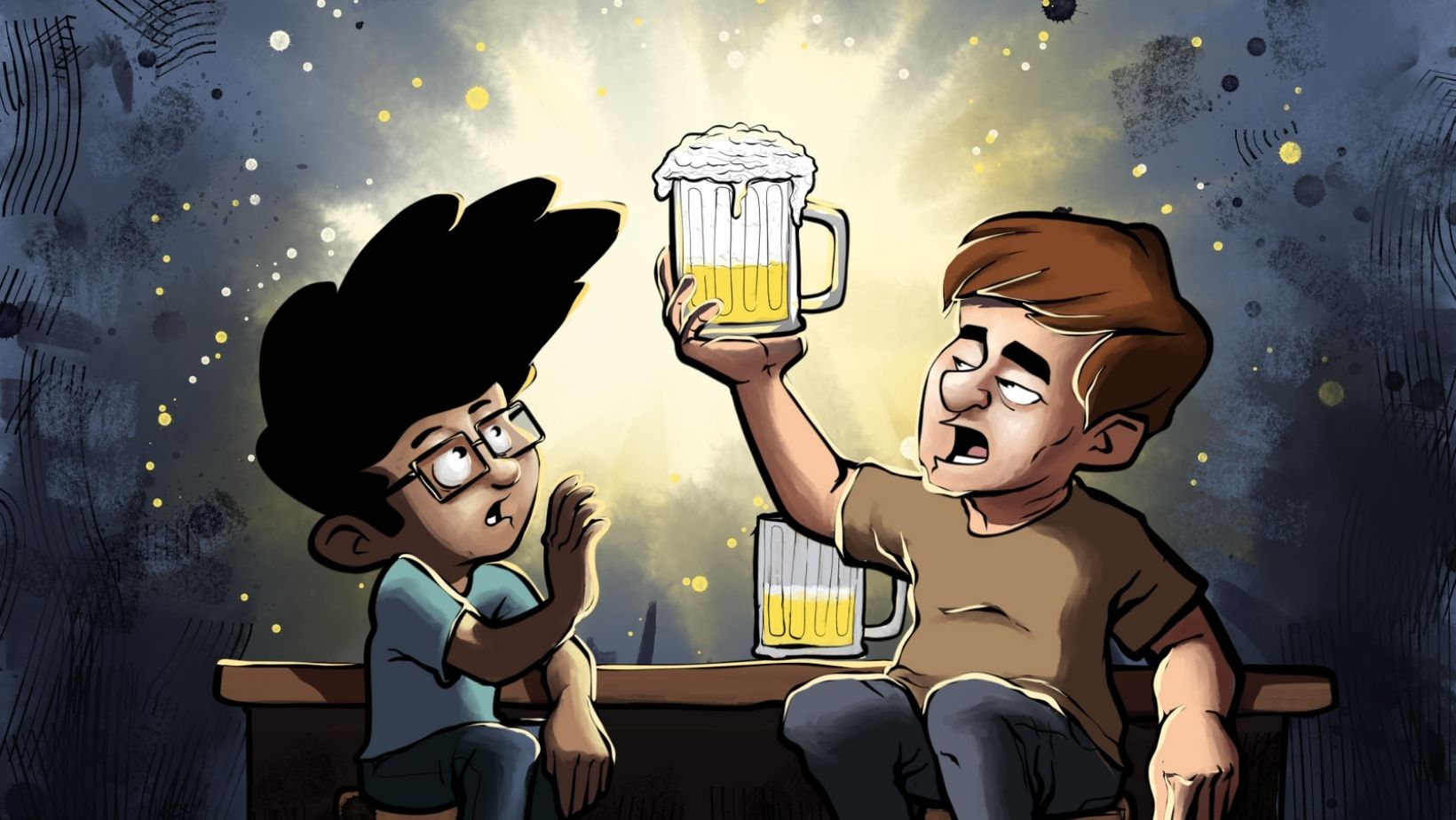
Prague Morning interviewed Soumik, the artist behind Alien in Bohemia, an ongoing art journey for Soumik where he showcases his graphic design talents through weaving relatable short stories by e-comics and photos. Alien in Bohemia’s stories are refreshingly familiar, especially to international students who come to Prague. Here’s the full-length interview. Can you introduce yourself and tell us where you came from? “I’m Soumik from Bangladesh. I came to the Czech Republic to study optics and nanostructure, and to do my master’s in this back in 2017. I had been an engineer up until that point. It was a tough school. I studied at Czech Technical University – Faculty of Nuclear Science. I didn’t have classmates, so I spent a lot of time alone.” There’s a huge contrast between what you were doing before and now. What made you transition to art? “It was a tough subject and science can be demanding. I probably thought it was going be good for me, then I realized I still have to go through a work phase. I realized I loved drawing. I used to come home from school, eat dinner, and from 9 pm till 3 am I would draw. It wasn’t...
You may have met Lucia in our recent “Expat Next Door” feature on her. The Venezuelan expat has lived and worked in Prague for over 10 years and has founded an association to help her fellow Venezuelans acclimate to life in the Czech Republic and begin mapping their demographic needs. Last August, Lucia along with a few friends, founded La Casa Venezolana en Chequia (the Venezuelan House in Czechia) and registered it as a civil association as Prague still has no Venezuelan embassy. “The objectives of our association covers areas such as educational, cultural, as well as assistance and support. Our first big project for 2021 is to “map” the Venezuelan community in the Czech Republic to determine how many we are, how we are geographically distributed, our needs, our profiles, we believe that the best way to serve our community is by knowing it,” said Lucia. In the hopes of attracting more Venezuelan expats to join the association or simply offer their input, La Casa Venezolana en Chequia is conducting an online survey as a “census” of sorts to assess some of the needs of Venezuelans residing in the Czech Republic as well as other demographic data. The survey...
The Czech Supreme Audit Office published a report on Monday saying the Czech health ministry had made numerous mistakes while tackling the COVID-19 pandemic. According to the report, the ministry had greatly underestimated the preparation needed, including not updating their so-called pandemic law since 2011 or any emergency medical stockpiles between 2011 and 2019. Moreover, the purchase of protective equipment and medical supplies in the spring of last year was lacklustre and lead to significant differences in quality and price, with only 29% of purchased products reaching the necessary quality standards. The Supreme Audit Office also pointed out that the health and interior ministries did not cooperate at the start of the pandemic, which led to delays in the distribution of protective equipment around the country. The interior ministry has already blamed the health ministry several times for failing to secure protective equipment. Still, Prime Minister Andrej Babiš continues to deny any wrongdoing, saying that the whole world had been unprepared for the pandemic. With 24,800 coronavirus-related deaths, the Czech Republic is the world’s second-worst affected state in the number of deaths relative to population. Latest statistics The health ministry recorded 10,883 new COVID-19 infections on Monday, down from over...
From 5 May, the clinic will provide patients with lifestyle and preventative care. Europe’s first concierge medicine clinic is set to open on 5 May in the capital of the Czech Republic. Concierge Medicine Europe will do more than just treat the symptoms of particular illnesses and health problems; that is, it will work to prevent diseases by ensuring that clients are in their best shape. What makes this clinic special? On its website, Concierge Medicine Europe explains what makes it different from regular clinics. It claims that doctors generally care for approximately 2,500 patients. This means that they cannot form a strong, personal relationship with their patients. What is more, it also means that they do not have sufficient time to conduct long, in-depth check-ups. As such, patients are forced to wait long periods of time for just a short examination in which their physicians will only be able to treat the symptoms of a particular illness. Concierge Medicine Europe differs significantly from this as its doctors will only care for up to 650 patients. This will ensure that they can form a strong connection and allocate a minimum of 30 minutes for check-ups. Another key difference is that Prague’s clinic will not aim to just treat their...
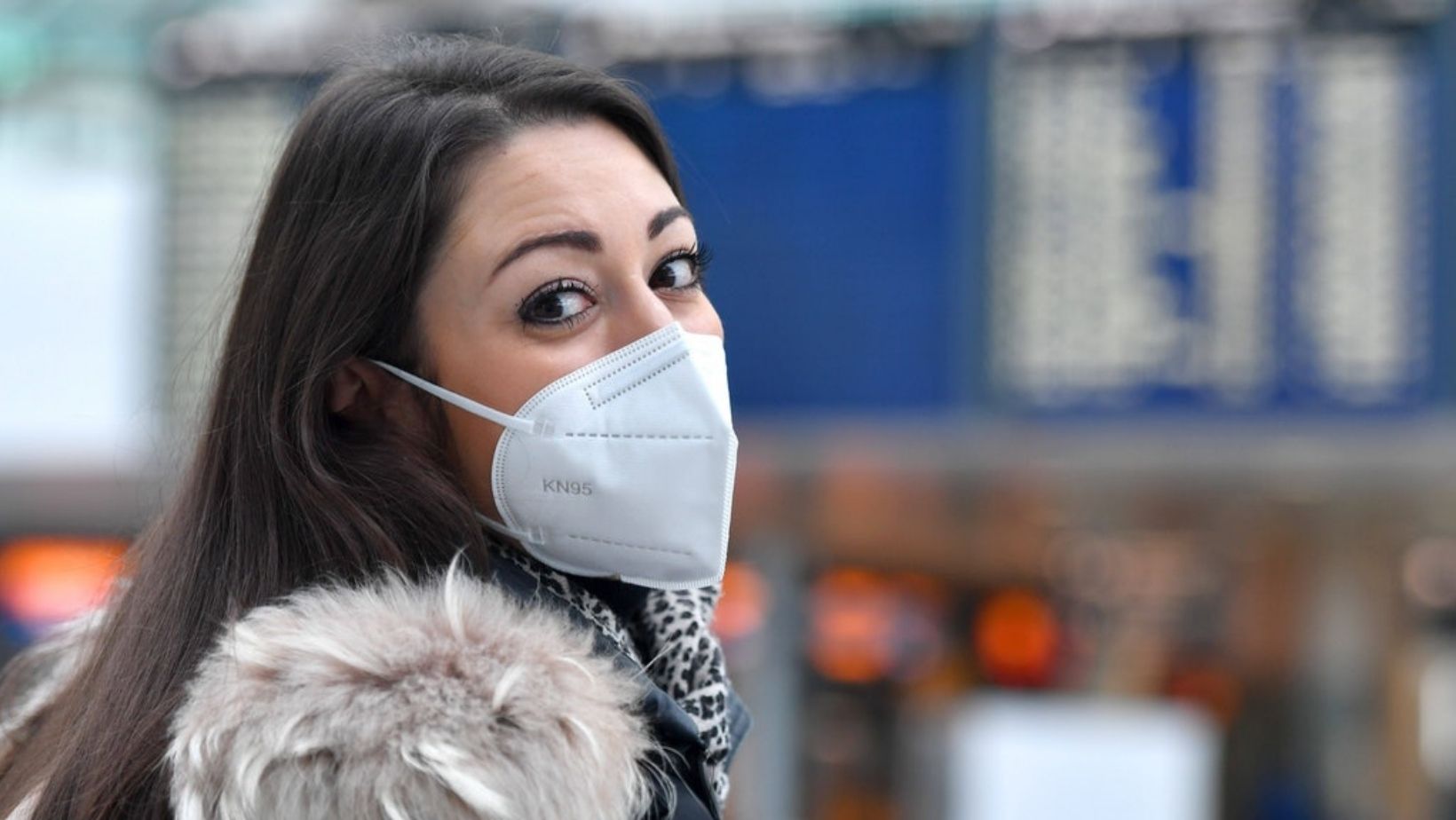
Health professionals are reassessing the current quarantine guidelines regarding the novel Coronavirus mutations that have made their way to the Czech Republic. The nation’s Chief Hygienist Jarmila Rážová went on Czech Television to explain that people who came into contact with someone infected with one of the Covid mutations and wore only cloth masks should quarantine while those wearing respirators may not be required to quarantine again even if they were closer than two meters away. The so-called Kent-variant, a highly infectious strain first discovered in the UK, has been confirmed to reach the Czech Republic and is believed to be 30 to 70 percent more contagious. Epidemiologists believe that anyone coming into contact with someone infected with a variant, for any amount of time and not just the previously stated 15 minutes, may be at risk. “The truth is that the minimum contact time of up to 15 minutes has been omitted precisely because new mutations, especially the British one, are more infectious in a shorter time than the original coronavirus,” Rážová told CeskaTelevize. Anyone suspected of carrying a British, Brazilian, or South African mutation of the virus will be subject to quarantine and the discretion of the hygienist...
Over one million people in the Czech Republic have received at least one dose of a Covid-19 vaccine, and 371,235 people have received both necessary doses, data from the Health Ministry show. Since late December, when vaccinations started, a total of almost 1.38 million doses were applied by Monday evening, with the number of those who have received at least one dose reaching 1,007,422. The Czech Republic is in the tenth position in the European Union in terms of its Covid-19 vaccination rate, with 9.4 percent of its population having received at least one dose of the vaccine, compared with Malta and Hungary, which lead the EU with 22.5 and 16.4 percent, respectively. Like most member states, the Czech Republic started vaccinations in late December. About 263 million people have been vaccinated in the world by now, which is 3.4 percent of the world population. The best faring state in this respect is Israel, with 59.8 percent of its population vaccinated. The infection rate has started to ease in recent days but tough measures are likely to run into April. On Monday, government ministers said it was not time to ease restrictions despite cases starting to drop. In total, 1.48...
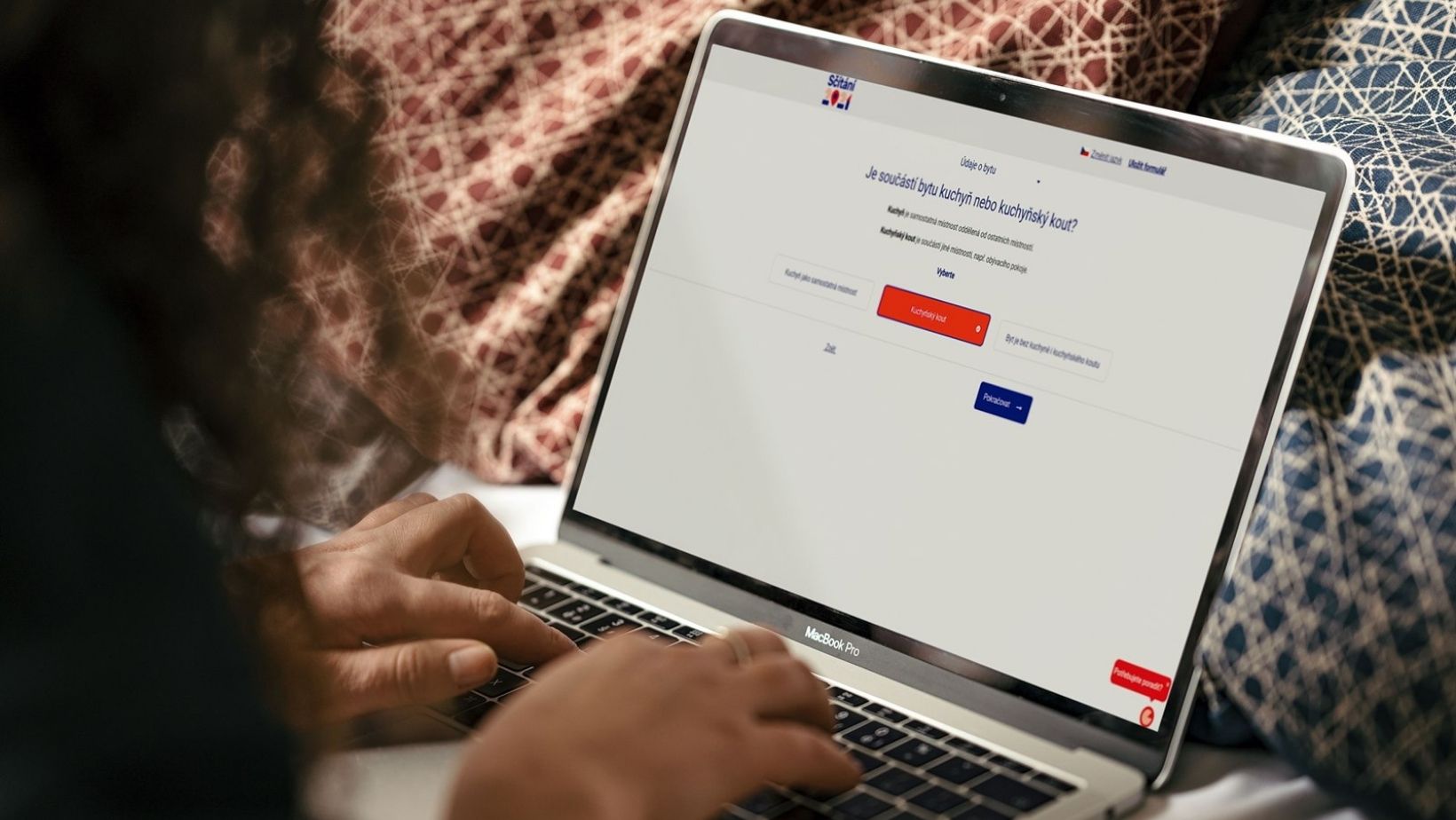
The Census will start on 27 March and it will be primarily online. It is possible to fill in the electronic census form (questionnaire) by 9 April. Others will have to fill in the paper census form (questionnaire) from 17 April to 11 May. The 2021 Census in the Czech Republic (CR) will also concern foreign nationals who will be present in the territory of the Czech Republic at midnight from Friday 26 March to Saturday 27 March, except for diplomats and those who will be staying in the territory of the CR for less than 90 days. The online census form (questionnaire) will be, the same as the website scitani.cz, available in seven language versions. The Population and Housing Census is carried out once in 10 years in the Czech Republic, similarly to most of the countries of the world. The previous Census took place in 2011 and therefore it is now time to find out how Czechia has changed over the last decade. Besides the Czech Republic, the Census is carried out in more than 50 other countries of the world. Who has to get counted? Besides citizens of the CR, nationals of foreign countries are also obliged to get counted provided...
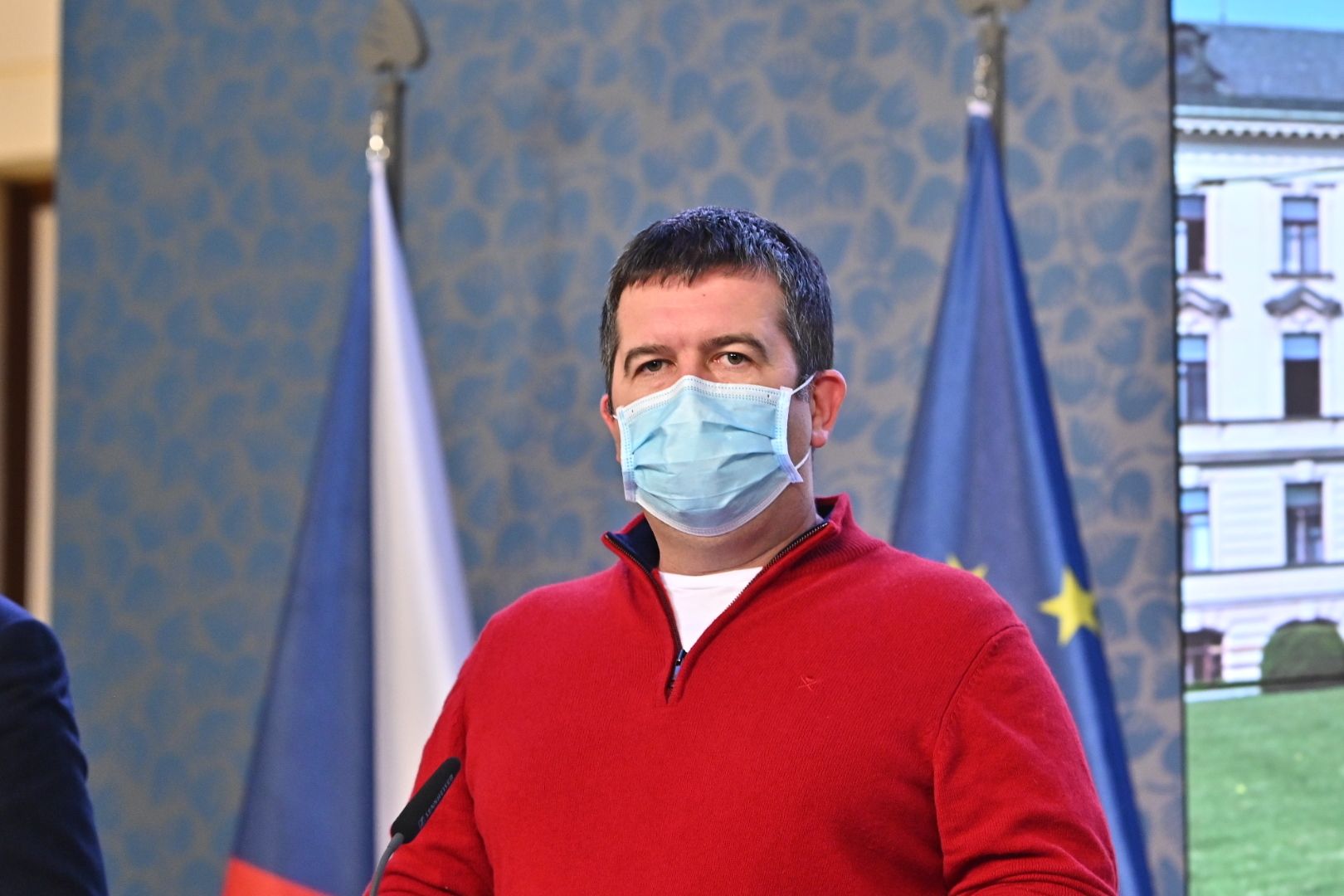
Police officers and hygienists will check compliance with covid quarantines and isolations. “The police will receive the lists from the regional hygienic stations and carry out intensive inspections,” said the Minister of the Interior Jan Hamáček (ČSSD) and the Minister of Health Jan Blatný (ANO). “Choosing to ignore mandatory isolation and quarantine orders is not only against the law, but it’s also putting citizens, first responders, health professionals, and the most vulnerable at risk of exposure to the virus,” Hamáček added. According to Blatný, compliance with the basic rules, including quarantine and isolation, will significantly help to relax the restriction measures adopted by the government. How do the quarantine and isolation work? In February, the Czech government extended quarantine and isolation from ten days to two weeks. People who have already had Covid-19 in the last three months or who have already been vaccinated with both doses, do not need to be quarantined. People without symptoms who have been infected need to stay in quarantine. In isolation are those in whom the infection has been confirmed. On Thursday, March 4, the Czech Senate approved a proposal to pay CZK 370 a day to those who are ordered to quarantine. This payment is...
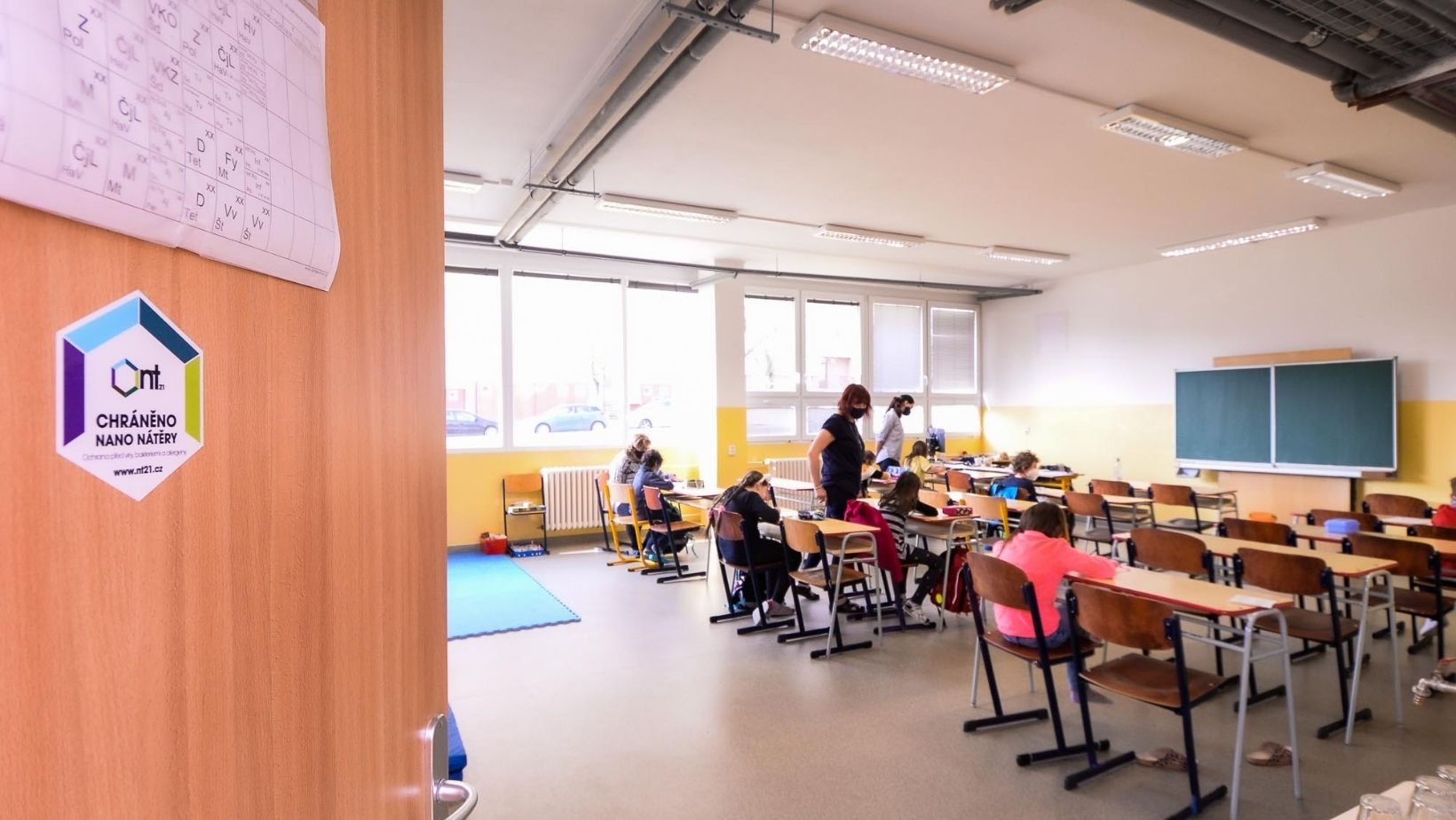
The walls of this Pilsen school have been painted with a protective coating that eradicates bacteria and viruses One of the classrooms in Pilsen’s 31st primary school has received a special nanotechnological paint coating on its walls and ceiling. According to a press release by the Pilsen Municipality, the school teaches and looks after children of frontline key workers such as paramedics, firefighters, and police officers. Protection against COVID-19 The special coating was applied for free by the company Nanotechnologie 21 s.r.o. (NT21) and it is said to have protective qualities; that is, it is believed to eliminate viruses, bacteria, allergens, fungi, and fumes produced by volatile substances such as disinfectants and cleaning products. Commenting on the protective coating, the Council for Education Lucie Kantorová said, “This is a Czech patent used in healthcare in our country and in the world. Teachers also praised another of the effects of this technology, namely the elimination of odours. Children thus have the highest possible protection that can currently be obtained on the market.” Speaking to the Municipality of Pilsen, Petr Brož from NT21 explained how the coating works: “This coating will retain its functional properties for up to ten years. It was originally intended for healthcare, but for example, for its ability to absorb...
Czech company Snuggs founded by Linda Šejdová and Tomáš Zahradník only started two years ago, but their yearly turnover in 2020 reached almost 100 million CZK. Founded in 2019, Snuggs has created a line of underwear aimed at maximum comfort and a sense of security during menstruation. The reusable underwear helps reduce the amount of waste packaging coming from single-use products such as tampons and pads. Produced based on ethical values, Snuggs has sold around 200,000 products. “Our mission is not to push out all other alternatives, but we want to offer women another product and provide them with a wider choice,” says Linda Šejdová, co-founder of Snuggs. Snuggs conceptualized their product when Linda wore menstrual panty products from America. She inspired herself from these products, realizing how sustainable they were. However, the quality of the products did not satisfy her, which led her to the idea of creating her own line of panties. She got in touch with Tomáš and with the University of Liberec, then started creating. During the pandemic, the fairly young and successful company has not had as much impending trouble as other companies, surviving and managing to stay afloat because of the fact that menstrual...
Monday, 22 March will mark exactly one year since the death of the first person in the Czech Republic from COVID-19. A 95-year-old man in the Bulovka hospital in Prague was the first to succumb to the disease here. On the occasion of that sad anniversary, the church bells of all the religious organizations involved in the “Minute of Silence” initiative will ring on Monday, 22 March at noon. According to the event’s organizers, it has been organized in response to the fact that the Czech public debate about the pandemic has primarily been conceived of as an organizational or technical discussion. “The human dimension of the spread of this disease and its destructive influence on our society has been quite forgotten. The grief and the death have, therefore, just remained statistics; it is as if we have forgotten that death on this scale impacts the state of our society as a whole and its ability to cope with the current situation,” the initiators of the event say in their announcement. The event is the initiative of the human rights activist Jana Hradílková, the environmental activist and journalist who has been reporting on the pandemic Jan Kašpárek, and former communist-era dissident and political...
Don’t have an account? Register
Already have an account? Log In
How Would You Like to Promote Your Business? PR ArticleDisplay bannersVideo productionNewsletter adsJob ListingsInfluencer Marketing
Your Email
We will come back to you within 24 hours with our proporsal