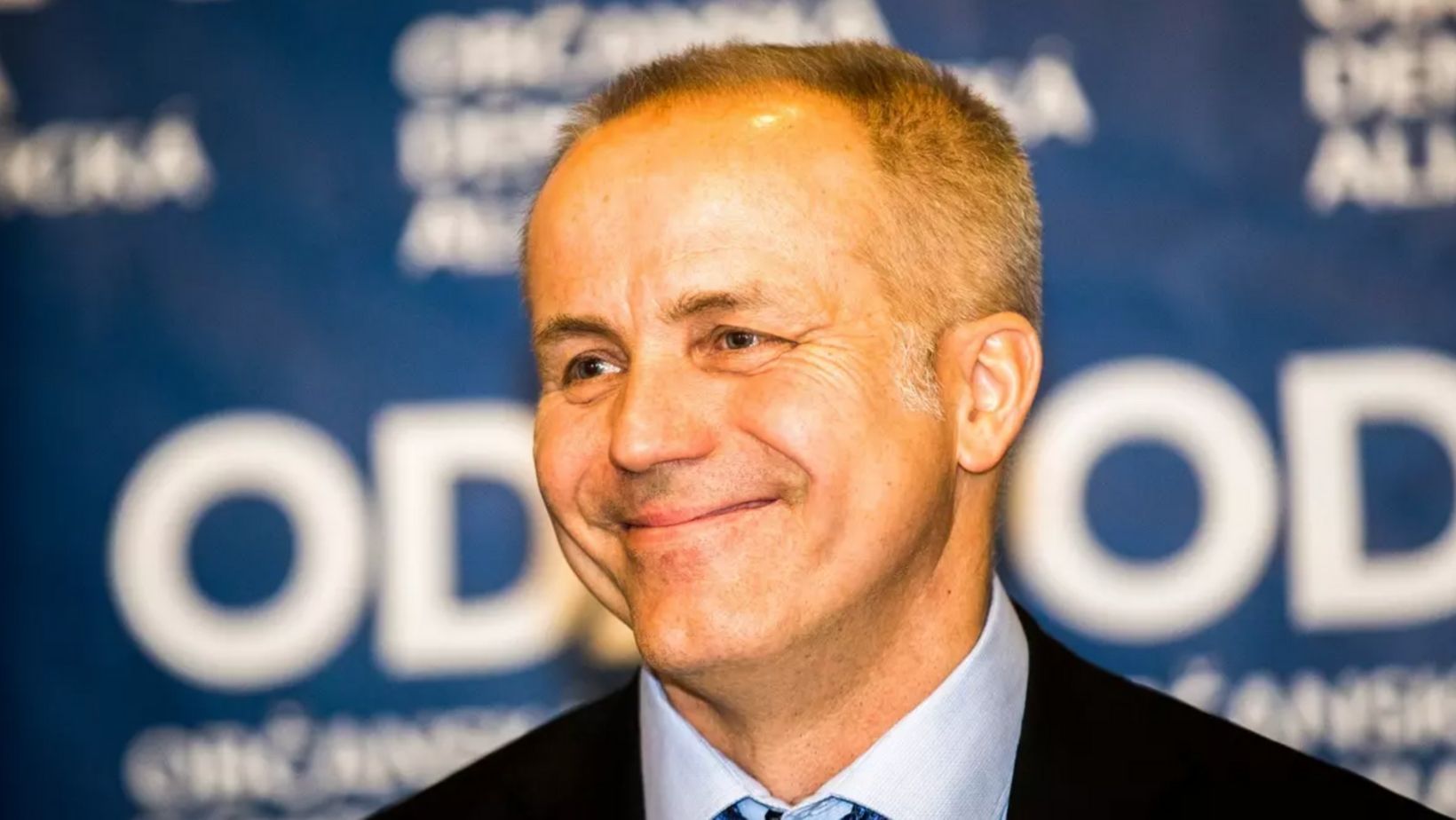
56-year-old Billionaire and Czech politician, Pavel Sehnal has reportedly been vaccinated at Na Bulovce Hospital after posing as a paramedic, according to Jan Kvaček, director of The Na Bulovce Hospital. The 56-year-old property tycoon owns a private dental clinic at Na Bulovce hospital, Prague 8-Liben. “I am the owner of Bulovka Dental Clinic, and I have dentists there who I am in regular contact with. I was simply invited by my colleagues to participate in the vaccination,” explained Sehnal in an interview. “He was vaccinated despite my ban”, replied Jan Kvaček, CEO of Na Bulovce Hospital. “Mr. Sehnal repeatedly asked if he could be vaccinated, and I repeatedly refused. I explicitly told him he couldn’t get vaccinated because he’s not a paramedic.” According to him, Sehnal got the vaccine by getting confirmation from his clinic that he was a paramedic. Sehnal responded and defended himself, “I am not a doctor, but since the 1st of March, vaccinations also include medical staff, including receptionists and the director, at least that is what I have been informed of by my medical staff.” In contrast, according to the information provided on the website of the facility, the director of the Bulovka Dental Clinic is...
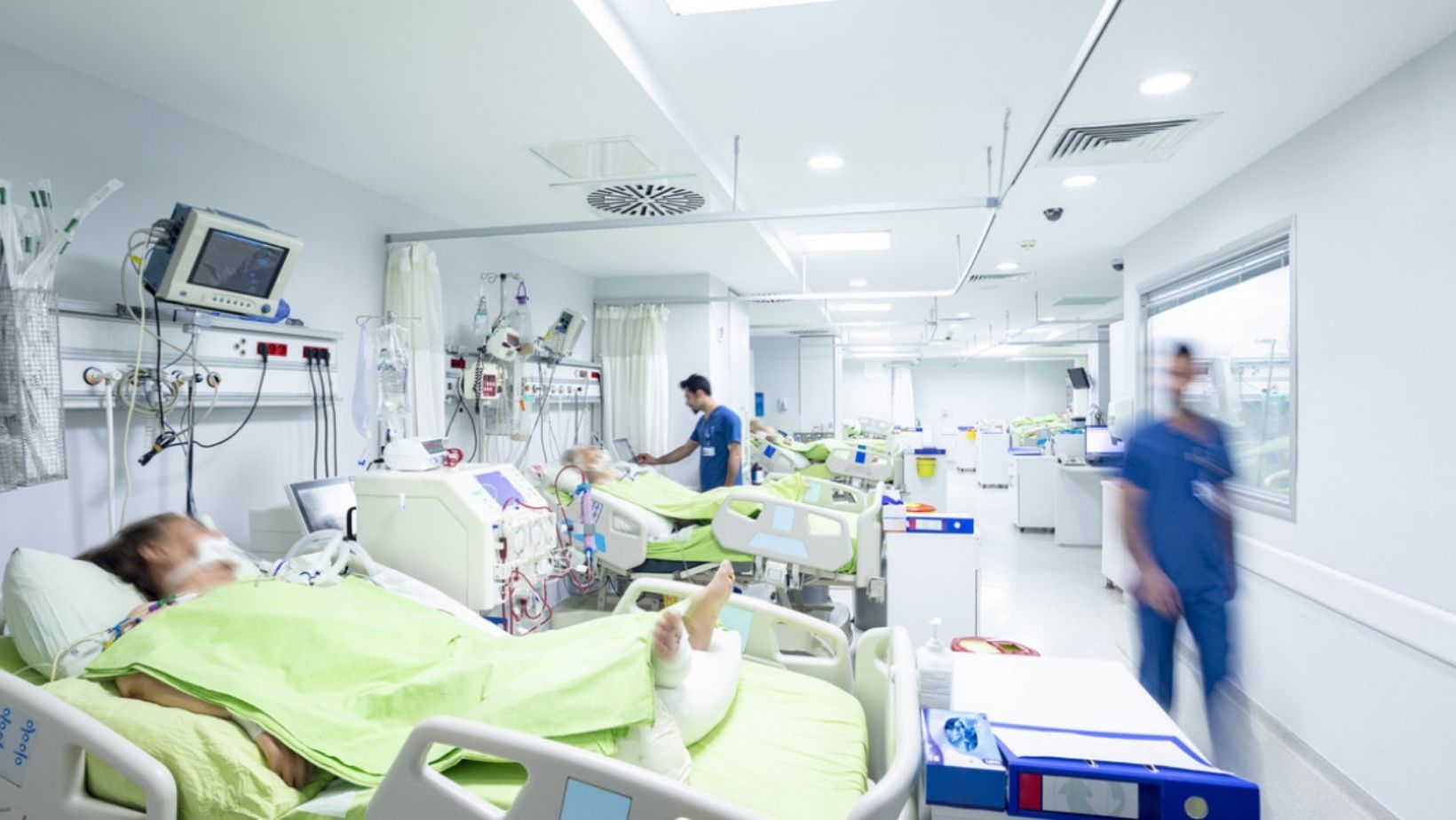
With hospitals in some parts of the Czech Republic filled up, the country turned to Germany and other European countries with a request for help. Interior Minister Jan Hamacek said on Wednesday neighboring Germany has offered dozens of beds in its hospitals to treat Czech COVID-19 patients. He said 19 of them were immediately ready. Hamacek added that Switzerland was another country ready to help with 20 beds in its hospitals while offering to take care of the transport of the patients. Talks were also underway with Poland to provide around 200 beds. Some hospitals in the western Czech Republic near the German border, the central part of the country around Prague and the Pardubice region east of Prague couldn’t admit any more patients and they have to be transported to clinics elsewhere in the country. It wasn’t immediately clear when patients might be taken abroad. “It´s a situation we´ve never experienced before,” Martin Netolicky, said the governor of the Pardubice region. In the latest measures, the government ordered mandatory mass testing of employees in private firms. Those with more than 250 workers started to do it on Wednesday while those with at least 50 employees follow on Friday. Industry...
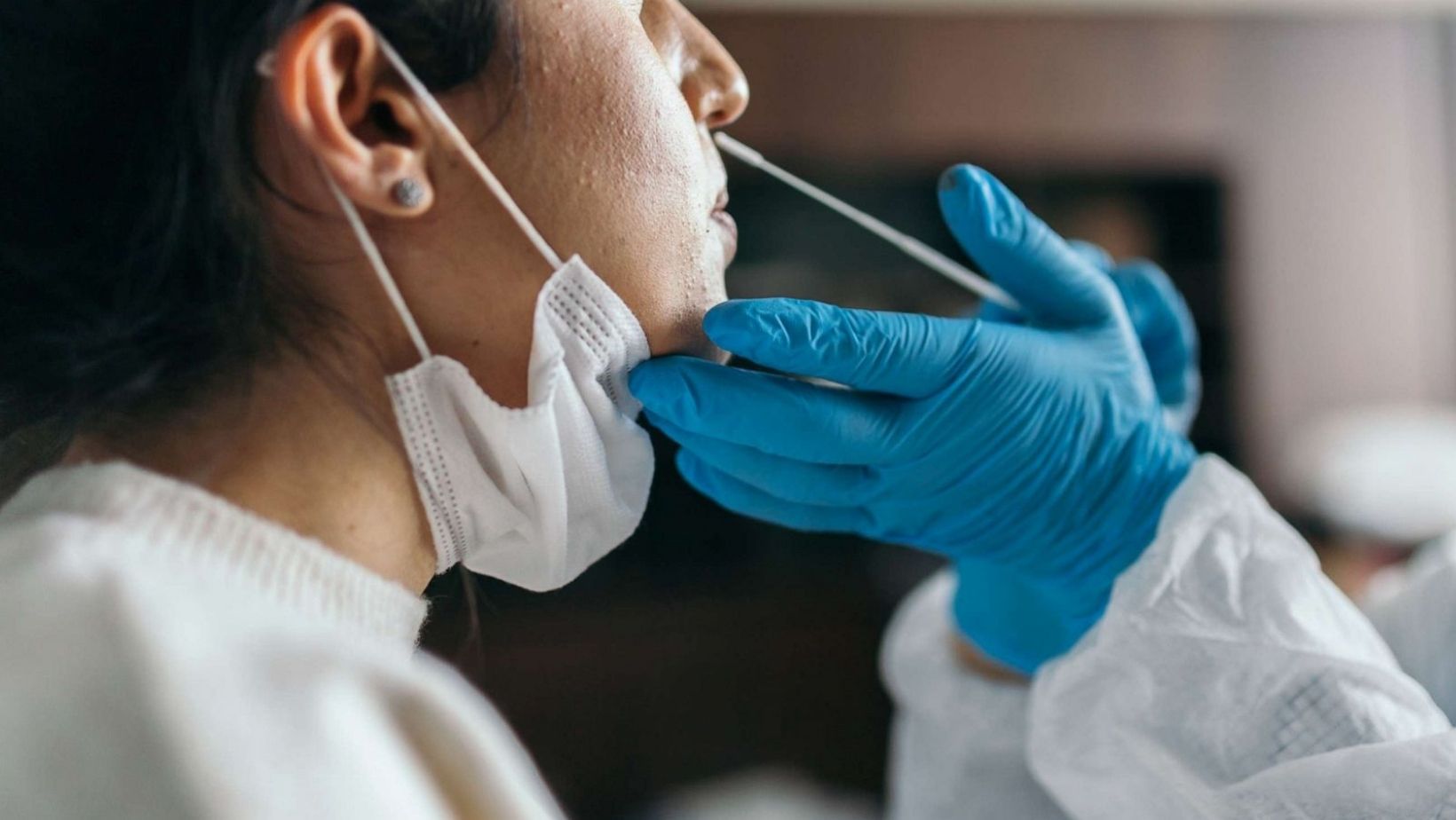
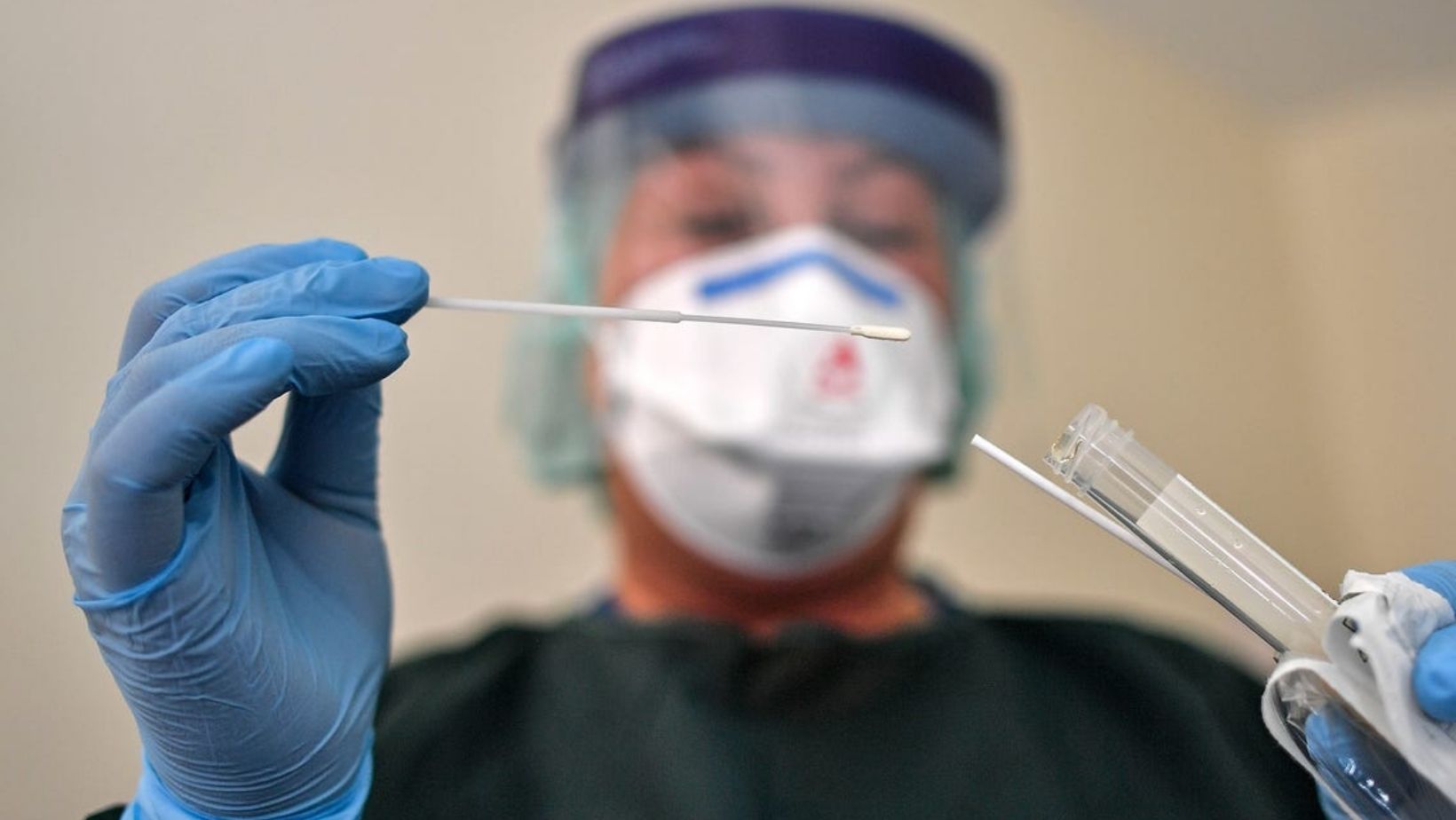
Beginning on Wednesday, corporate testing will commence in the Czech Republic following a government mandate established in late Feb. however, companies employing more than 50 people have until Friday, Mar. 5 to begin testing. What follows is a comprehensive guide for businesses conducting their own testing. Who is responsible for testing? Companies employing 250 or more workers are required to test at least once a week. The first round of negative results is due by Mar. 12 and cannot be more than seven days old. Companies with 50 to 250 employees are to begin testing from Mar. 5 with a result deadline of Mar. 15. Rules for employees testing positive. Any employee who tests positive must leave the workplace immediately and refrain from re-entering the premises They should contact health care professionals immediately and have the choice to take another PCR confirming their results. Where to get tested. Businesses have the option to hire a healthcare professional to come directly to the worksite or employees can find outpatient clinics offering antigen and PCR tests. Employees may test one another and self-testing is a viable option as well at the discretion of the employer. Rules for self-testing. Self-testing kits must have...
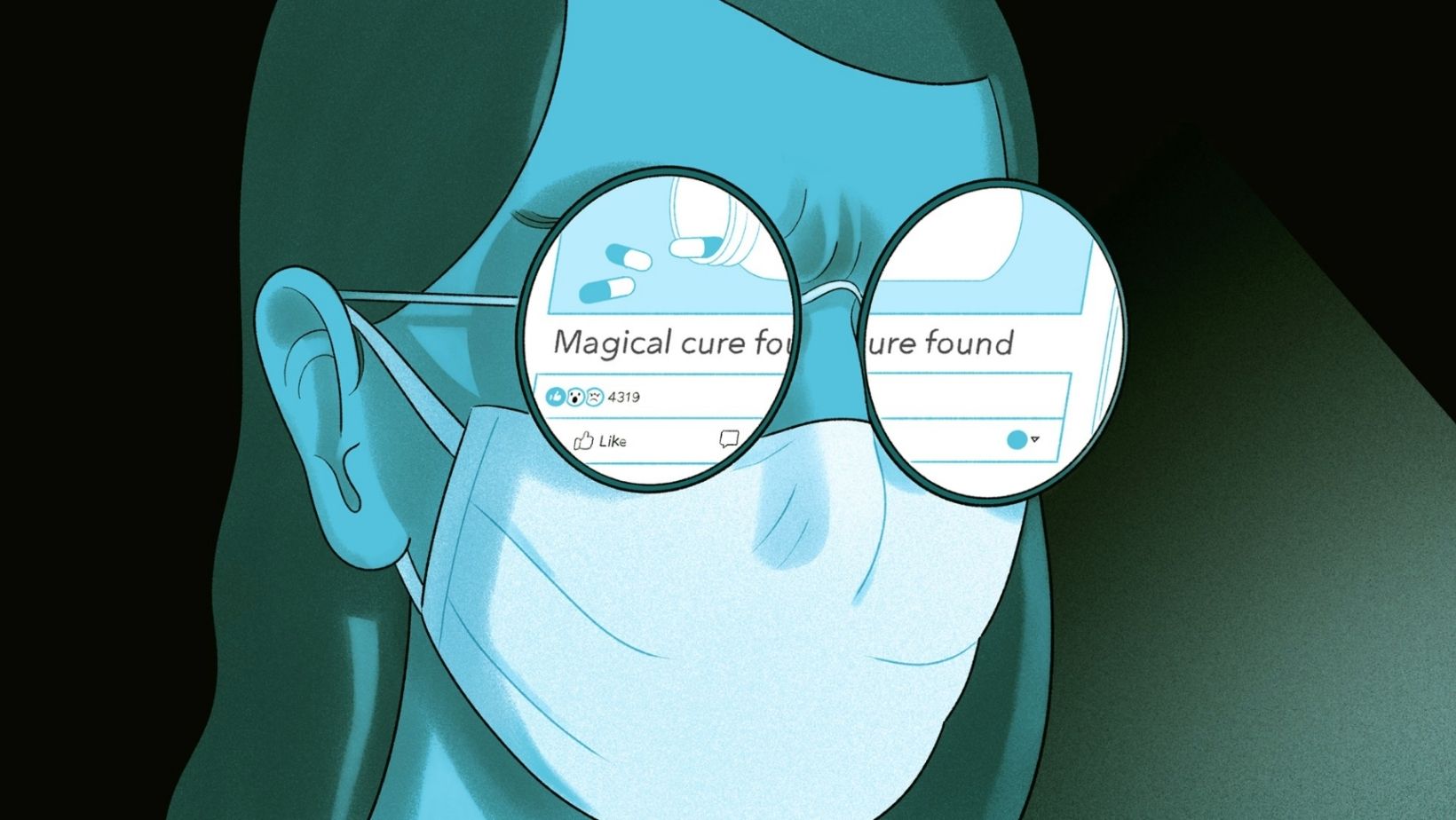
Around 40% of Czech internet users believe in conspiracy theories about the COVID-19 pandemic, a survey conducted by the STEM agency revealed. While half the population is convinced that the virus was made in a laboratory, 10% of Czechs believe the real purpose of vaccination is to inject microchips into human bodies and to control the whole society. At the same time, 6% of internet users have been actively spreading disinformation about the coronavirus via e-mail or social media. As the STEM agency pointed out, Czechs are prone to believe in conspiracy theories but so far it has not led to boycotts or restrictive measures. 38 percent of respondents have lost confidence in government information. About a fifth said they had stopped trusting public service news. The greatest trust (around 70 percent), was maintained by information from immunologists, general practitioners, doctors and nurses. According to STEM, mistrust in official information and misinformation are reflected in how people say they follow basic anti-epidemic measures. “Society’s misinformation and suspicion about the epidemic is relatively high. So far, this has not led to people boycotting the measures massively, but it is a warning,” said research co-author Nikola Hořejš. The Czech government has been...
The Czech government ordered blanket testing of employees in companies around the country. Companies with over 250 employees will have to start testing on Wednesday and conclude the first round of testing no later than March 12, companies with over 50 employees no later than March 15. The fine for failing to comply can reach half a million crowns. Around 2.1 million employees will be tested in the next two weeks. According to the new measures, large- and medium-sized companies must test all employees in order to continue operating during the pandemic. The state will fund four tests per employee per month. Employees working from home are not required to be tested. “We are not stopping industry. However, comprehensive testing in companies will be mandatory. This makes them part of the solution to the Covid crisis,’’ said Karel Havlíček (ANO), Deputy Prime Minister and Minister of Industry and Trade. Průmysl nezastavujeme. Plošné testování ve firmách bude ale povinné. Tím se stávají součástí řešení covidové krize. Do 12.3. musí mít první testy všichni zaměstnanci firem nad 250 zaměstnanců, do 15.3. pracovníci podniků 50-249. — Karel Havlíček (@KarelHavlicek_) March 1, 2021 The new rules imposed are the strictest to hit the industrial...
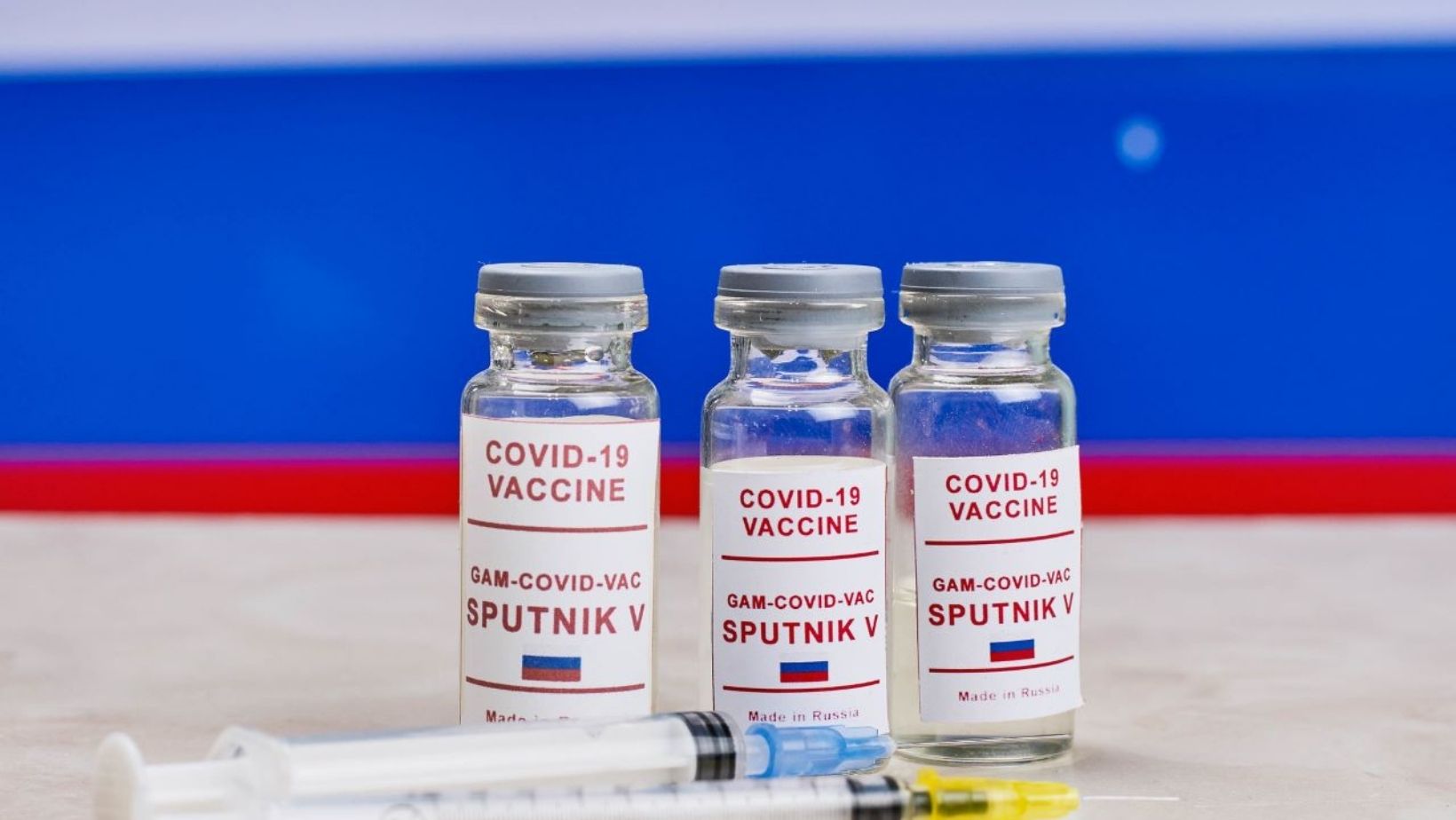
The Czech Republic could receive Russian Sputnik V jabs “as soon as possible”, President Miloš Zeman told CNN Prima News, confirming that after consulting with Prime Minister Andrej Babiš he had asked Russian President Vladimir Putin for the COVID-19 vaccines to be delivered. “If I am correctly informed, this request will be met, but of course, we will need certification,” said Zeman, adding that if he were to decide, the State Institute for Drug Control (SÚKL) certification would suffice. While Babiš had been opposed to the Sputnik V vaccine skipping the European Medical Agency (EMA) process for approval – which it has not yet applied for – it appears he has now changed his mind. “We cannot wait for the EMA because Russia did not apply [for approval],” Babiš told CNN Prima News, adding that six EU countries now want the Russian jab. According to Zeman, the Czech State Institute for Drug Control “should not be lazy” and “issue the certification [for Sputnik V] as Hungary did.” While the president and PM are open to the Russian vaccine despite it not having been approved by the EMA, Health Minister Jan Blatný confirmed he will not authorize the Russian vaccine unless...
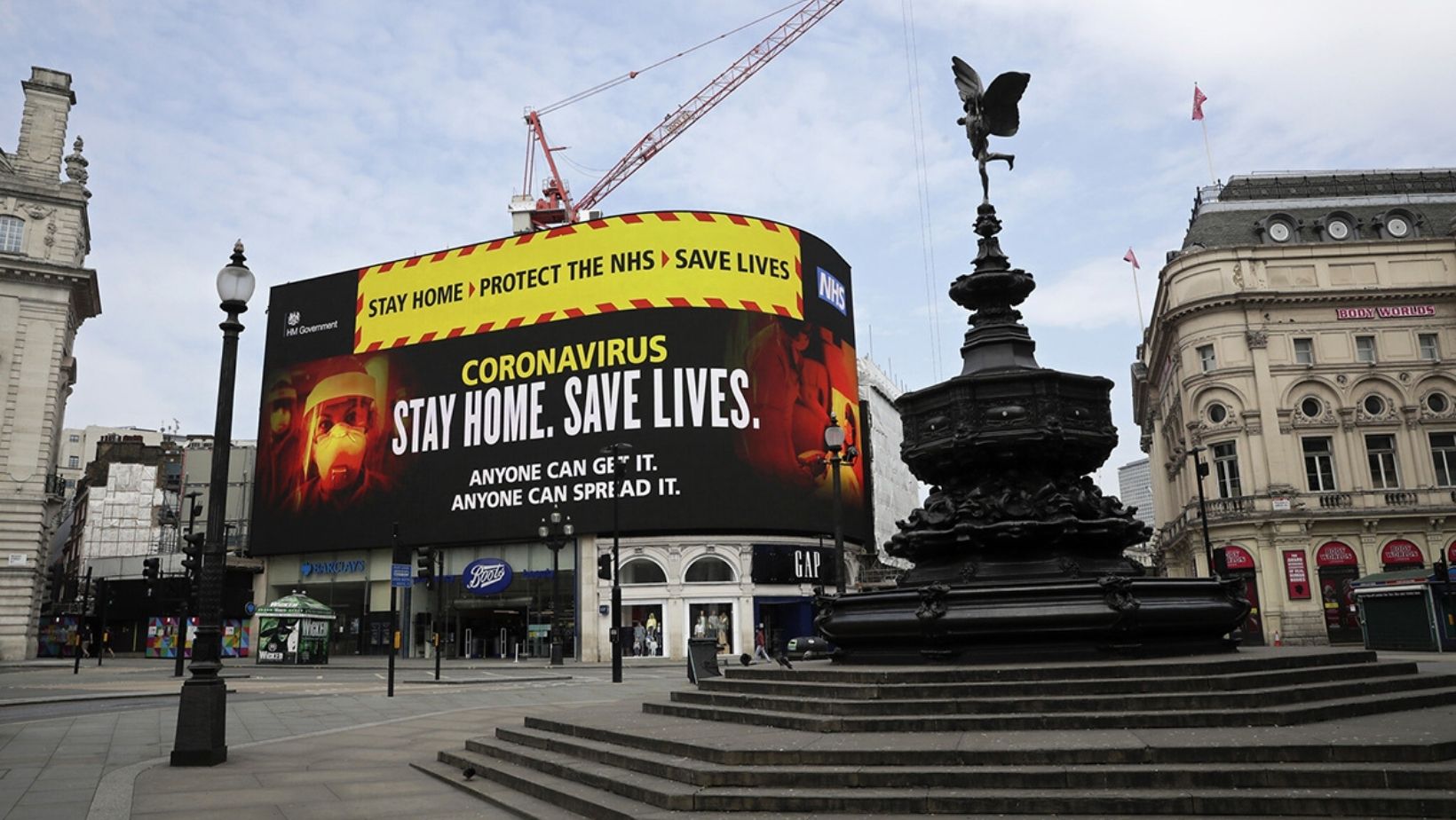
10,000 posters throughout the country will remind people to be compliant with the measures against the spread of Covid-19. The Ministry of Interior wants to remind people to wear respirators outside and stay at home. Even more so now, since the detection of the new Covid-19 variants and the incessantly growing number of cases. This campaign and initiative were inspired by a similar campaign in the UK. The colored posters will either showcase slogans which say: “Stay home, save lives” or “Wear respirators, save lives”. “It’s never too late to tell people again how easily they can become heroes and save lives. Just stay at home and wear a respirator consistently outside”, commented Interior Minister and Deputy Prime Minister Jan Hamáček. The posters will be dispersed in cities and municipalities all around the Czech Republic. They’ll be printed and put up by Rengl this weekend, with the Ministry paying 1.5 million CZK for the campaign. The very first case of the Covid-19 virus was detected on March 1 2020 in the Czech Republic. Fast forward to now, 1.2 million people have become ill with the virus, and reportedly 20,000 people have died from it. Since the start of February 2021,...
Three German states are sending 15,000 doses of COVID-19 vaccine to the Czech Republic, German regional MDR television reported on Sunday, citing Saxony’s state premier, Michael Kretschmer. The three states are Saxony and Bavaria, which border the Czech Republic, and their neighbor, Thuringia. Prague on Friday tightened restrictions on shops, schools, and movement for the next three weeks in a bid to slow a surge of coronavirus infections. “We must limit people’s mobility as much as possible for three weeks and minimize people-to-people contacts,” said PM Babis. “We will introduce a ban on movement between regions with some exceptions, such as travel to work.” The Czech Republic had the highest per capita infection rate in the world over the past week, according to the Our World in Data website, 10 times that of Germany. France has already pledged to supply 100,000 vaccine doses to the Czech Republic and Israel has sent 5,000 shots. Five thousand doses of the Moderna vaccine that arrived from Israel last week will be administered to soldiers working with Covid patients. The European Commission has sealed deals with several companies for well over 2 billion vaccine shots – far more than the EU population of around...
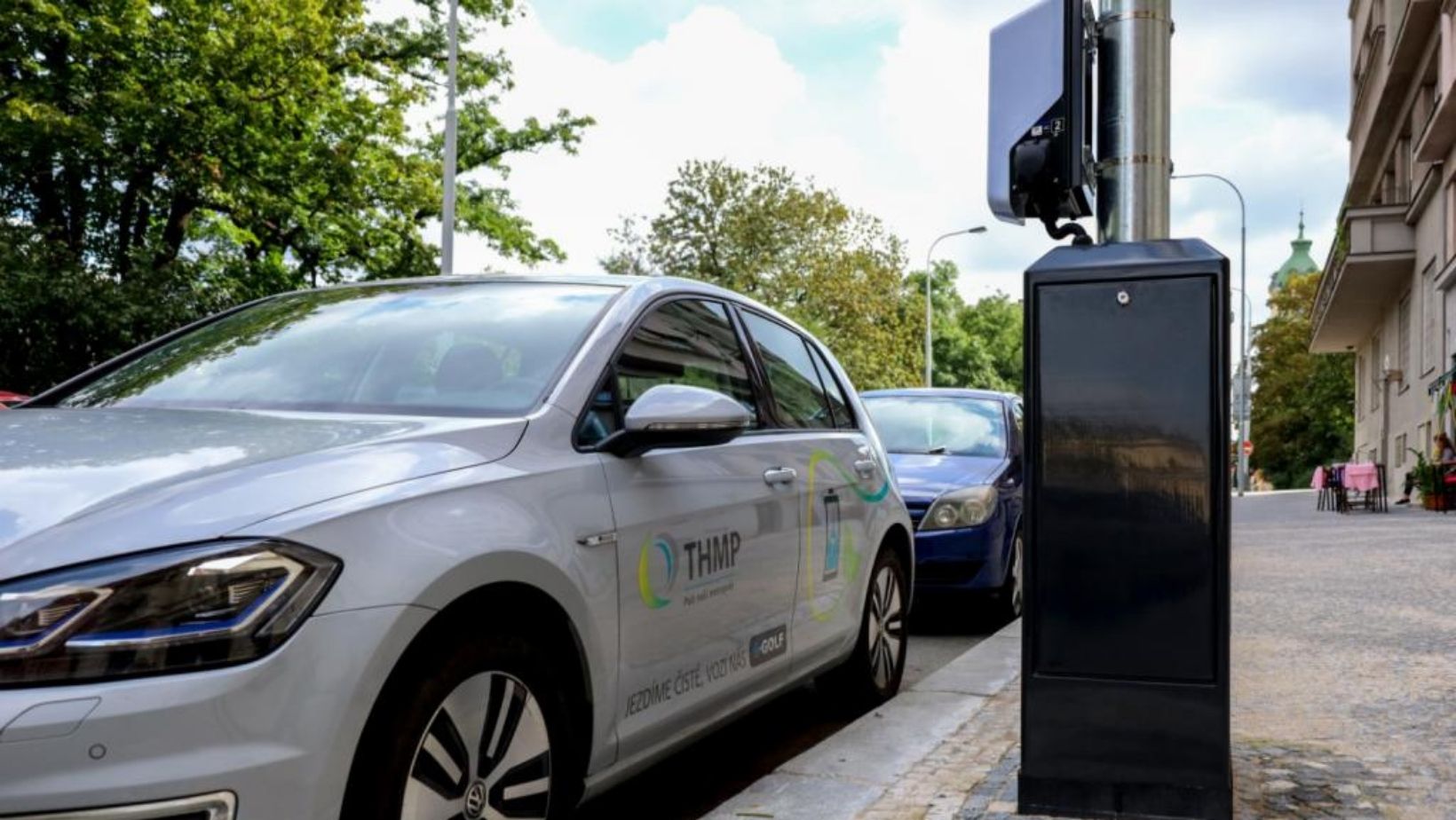
The aim of the initiative is to make the capital a more modern and environmentally friendly city. In the next two years, The Municipal Society of Technology of the Capital City of Prague (THMP) plans to add several hundred public lighting poles from which electric vehicles can be recharged. This initiative builds on a pilot project for which THMP had collaborated with electricity supplier PREdistribuce in Vinohrady, Prague to create 13 EV charging streetlight points last year. This project has been spread over six years with the hopes of installing around 3,000 to 6,000 streetlight EV charging points in the country. Within two years, THMP aims to add over 400 of these lamp posts in 12 selected regions. According to THMP’s website, the City Hall Councillor Jan Chabr estimates that by 2030, there will be around 500 to 700 thousand electric vehicles in the Czech Republic. Moreover, he explained that at least one-fifth of these vehicles will run on Prague’s streets. The Chairman of the Board of Directors of THMP Tomáš Jílek stated that the installation of the streetlight charging points must “make sense in all respects”. As a result, the THMP has coordinated the selection of the installation sites and localities with...
With new infections soaring due to a highly contagious coronavirus variant and hospitals filling up, the Czech Republic announced a new series of measures “to protect the lives of our citizens.” “We have to do it to prevent a total collapse of our hospitals,” PM Babis said. “If we don’t do it, the whole world will watch Bergamo in the Czech Republic.” The measures, coming into effect on Monday, include limiting people’s movement to only their residential districts, except for essential trips. Pre-schools will close and first- and second-graders will shift to online classes like other students. “If it’s possible, stay at home,” Interior Minister Jan Hamacek said. Hamacek said the measure will be enforced by police and military forces. If people go out for sports or just for a walk, they should not leave their municipality. Further measures include the closure of nursery schools and schools for children with disabilities that until now have remained open. Also, only the stores with essential goods will remain open. Health Minister Blatny said people will have to wear face coverings outdoor in towns and cities all the time and also at work. To help the struggling health system and prevent a collapse,...
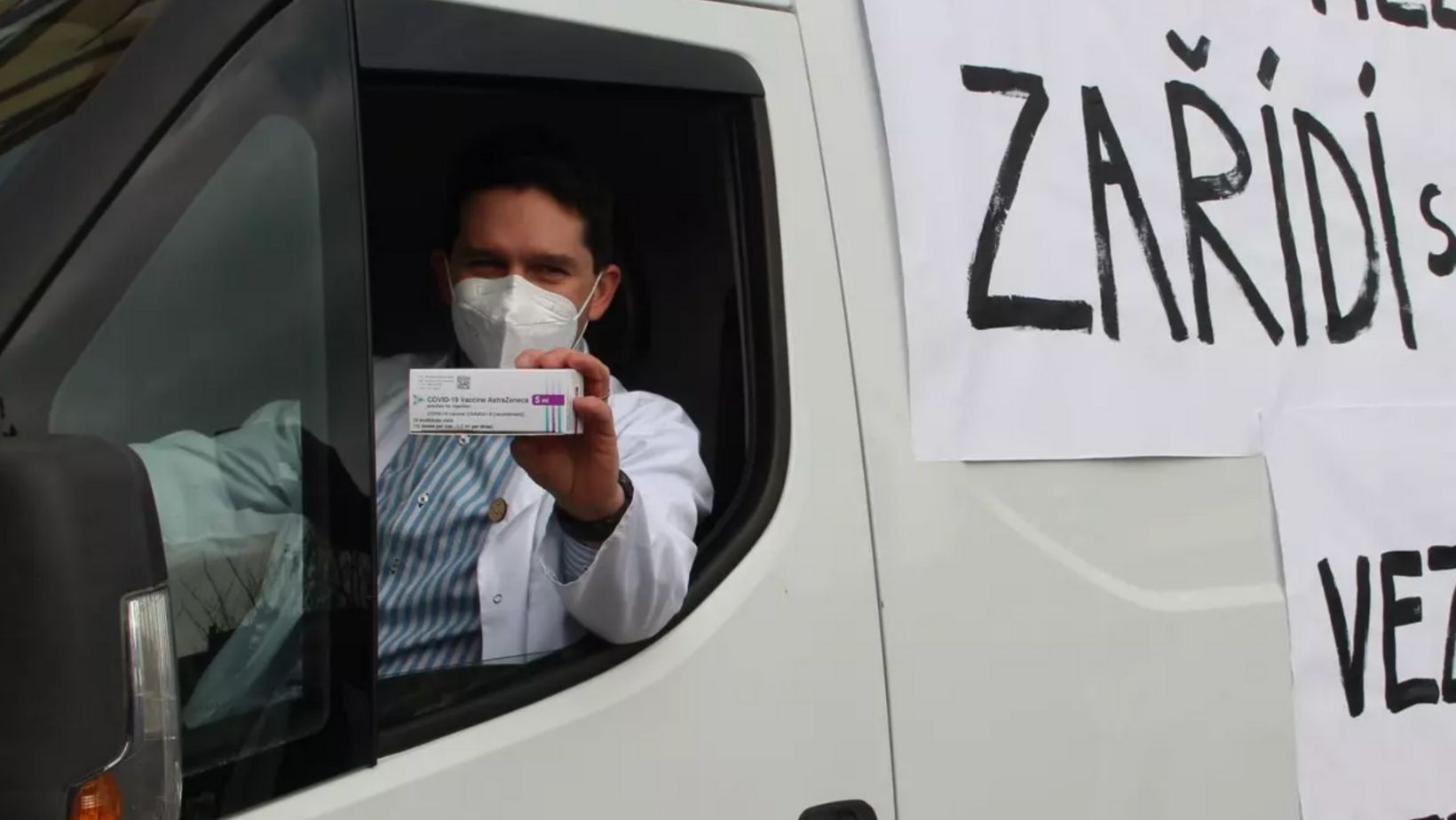
Vaccines have been delivered to doctors around Prague since Thursday by a collaborative effort of the Young Practitioners Association, online supermarket delivery company Rohlík.cz, and a dozen of other distribution companies. Rohlík spokeswoman Zdeněka Svoboda Kuhnová confirmed the company’s collaboration with the association. Tomáš Čupr, CEO of Rohlík, stated that “in the first place, it didn’t seem apparent that help was needed to deliver the vaccines. Until, of course, the Young Practitioners Association took it upon themselves to ask for aid. Currently, there are 3600 vaccines for less than 200 general practitioners in Prague.” “We got a response from a lot of companies. We took advantage of Rohlík’s offer because they probably had the most sophisticated distribution system. But it’s not just them, of course. There are several distributors. Everyone does it for free,” adds Mucha from the Young Practitioners Association. Moreover, according to Mucha, nothing inaccessible and special is needed to transport the said vaccines. If the distributor is in possession of a refrigerator or a cooling system that maintains the correct temperature needed for the vaccines, then it’s practically enough. “All drivers also have food licenses, and in fact, Rohlík drivers are normally used to driving some medications,”...
Prime Minister Andrej Babiš will meet with the opposition tomorrow morning and ask for an extension of the state of emergency. “The measures we want to apply cannot be implemented without a state of emergency,” Babiš said. “We must limit people’s mobility as much as possible for three weeks and minimize people-to-people contacts,” he added. “We will introduce a ban on movement between regions with some exceptions, such as travel to work.” The Czech government plans to close schools and kindergartens, as well. “We expect that despite the new measures, there will be an increase in the number of hospitalized next week. We are discussing possible assistance with Germany and Poland,” said the Health Minister Jan Blatny. “Moreover, from March 1, respirators will be mandatory in public transport, and shops. Two surgical masks will not be enough.” From March 1, the Czech state will compensate the costs of four speed tests per employee or self-employed person per month. According to the Minister of Industry and Trade Karel Havlíček (ANO), businesses and companies will be able to buy the tests from certified manufacturers. Havlíček has previously said that the price of one test ranges from 60 to 150 crowns. According to...
Don’t have an account? Register
Already have an account? Log In
How Would You Like to Promote Your Business? PR ArticleDisplay bannersVideo productionNewsletter adsJob ListingsInfluencer Marketing
Your Email
We will come back to you within 24 hours with our proporsal