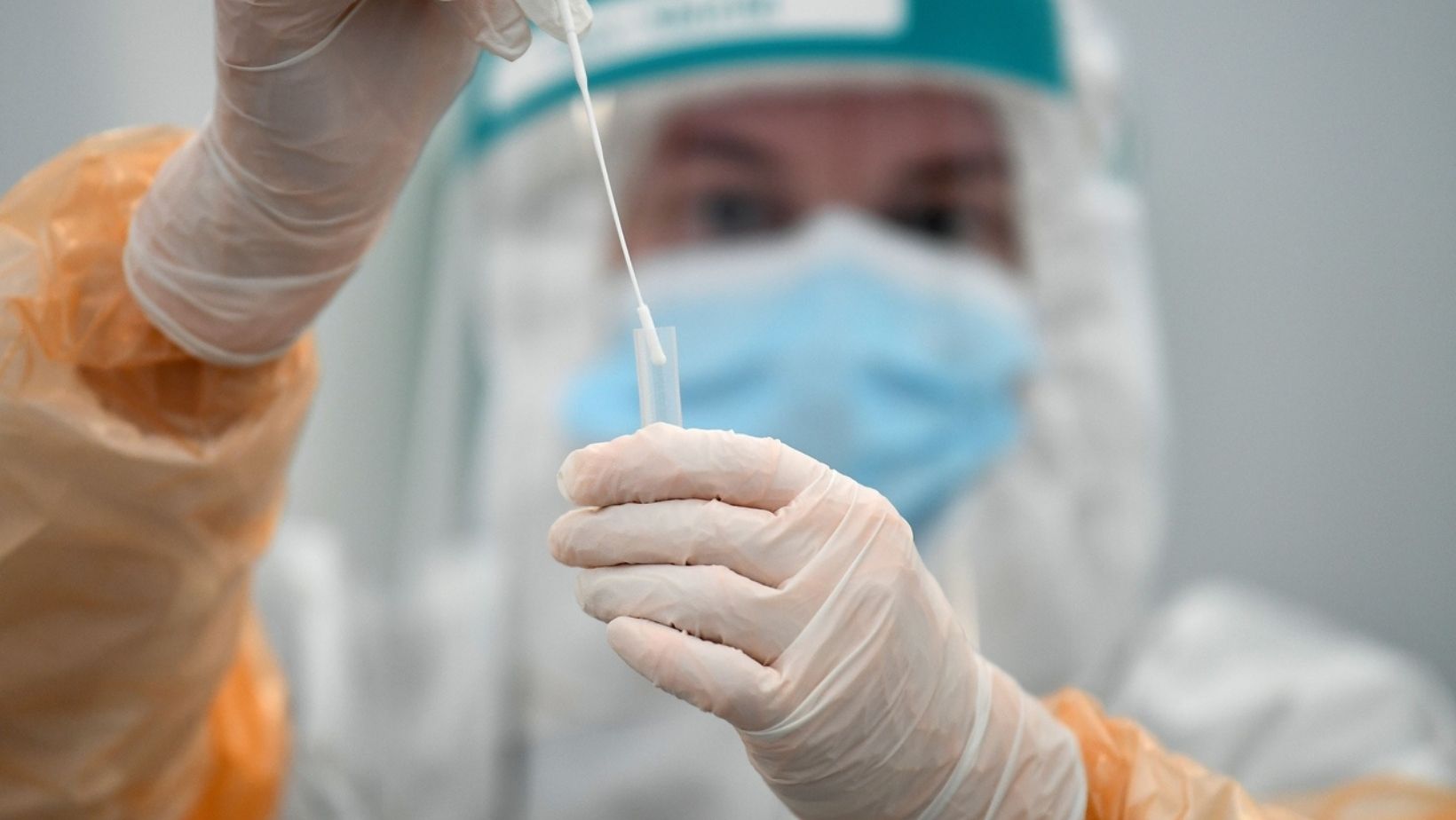
France will provide 100,000 doses of the Pfizer/BioNTech vaccine to the Czech Republic by mid-March, Czech Prime Minister Andrej Babis told CTK news agency on Thursday. The Czech Republic has been struggling with a resurgent COVID-19 pandemic in the past weeks, ranking among the worst-hit countries in the world in terms of infections and deaths from the global pandemic. “We have been trying for a long time to get some extra doses, in Israel we managed to get them as a donation. France has now promised us 100,000 vaccines by March 15,” confirmed the prime minister. Five thousand doses of the Moderna vaccine that arrived from Israel this week will be administered to soldiers working with Covid patients. The Czech government will likely impose on Thursday tougher restrictions after Prime Minister Andrej Babis warned that hospitals faced “catastrophe” if no action is taken. Over the past week, the Czech Republic has had the highest per capita infection rate in the world and second-highest death rate, according to the Our World in Data website. European Union leaders are gathering Thursday to try to inject new energy into the bloc´s lagging coronavirus vaccination efforts as concern mounts that new variants might spread...
LATEST: The Czech government has not decided on a possible tightening of measures. The meeting will continue on Thursday from 6 pm. From March 1, the Czech state will compensate the costs of four speed tests per employee or self-employed person per month. According to the Minister of Industry and Trade Karel Havlíček (ANO), businesses and companies will be able to buy the tests from certified manufacturers. Havlíček has previously said that the price of one test ranges from 60 to 150 crowns. According to Wednesday’s statement by Prime Minister Andrej Babiš (ANO), the state should contribute 60 crowns per test. Employers will be obliged to report all positively tested workers to hygiene stations. Havlíček assumes that the monthly costs for the Czech state will be around 600 million crowns. He also estimates that testing could affect about 1.88 million people, so around 7.5 million tests could be performed every month. According to health insurance companies, employees should be tested by general practitioners or at collection centers. Od 1.3. kompenzujeme plošné testování ve firmách a rovněž u OSVČ. Každý zaměstnanec nebo živnostník získá příspěvek na čtyři rychlotesty/měsíc. Právě jsme schválili na vládě. — Karel Havlíček (@KarelHavlicek_) February 24, 2021...
Beer, the oldest known recipe in history, is a global obsession, but annual trends in consumption and cost vary from country to country. To find out just how much those costs might vary, Expensivity, an online money and finance resource, conducted comprehensive research to determine the cheapest and most expensive cities around the world to buy a beer in, both from the supermarket and at the bar. Expensivity found that Qatar has the most expensive beer in the world, costing an average of $11.26 per per 33cl (330ml) bottle. This is likely due to their 100 percent tax on alcohol imports ahead of the 2022 World Cup. Beer in China doesn’t look all that cheap either. But keep in mind that the money and finance site averaged the price of a hotel beer ($13.61) and a supermarket beer ($1.81). So it’s clear the steep prices are aimed at visitors. Germany Spends the Most On Beer Haitians just aren’t that into beer. Spirits account for a whopping 97% of booze consumed in Haiti, where people drink fewer than four beers per year on average, with an annual beer bill of $10.02. That’s the lowest beer consumption and spend in our study. At the other end of...
The Czech government asked other EU countries to send a portion of their vaccines against Covid-19 to assist Czech hospitals which are rapidly running out of intensive care beds. The news comes from three high-ranking sources confirmed by Prime Minister Andrej Babiš. There is a risk that hospitals across the country will not be able to take care of all patients. “I am discussing how the improve the situation in the Czech Republic basically continuously,” wrote Babiš. “It is necessary to tighten up the measures, otherwise in the next two to three weeks, we will have huge problems in the healthcare system. The government will meet again in the evening,” he said. PM Babis added that Israel was donating 5,000 doses to his country after a request for assistance. He said the Moderna vaccines would be given to 2,500 soldiers assisting in Czech hospitals. Israel’s public broadcaster Kan confirmed that “Guatemala, Honduras, the Czech Republic, and Hungary — nations that have all provided strong diplomatic backing to Netanyahu’s hard-line government in recent years, will receive soon the vaccines.” Latest statistics The health ministry recorded 15,672 new COVID-19 infections on Tuesday, up from 12,601 cases a week earlier and the highest daily...
Czech Airlines told Labor Office that plans to lay off all its 430 employees. As Hospodářské noviny reports, Smartwings Group, which owns Czech Airlines, had been profitable before the pandemic broke out and they are expected to return to profitability once it subsides. “I can confirm that we have received a notice of mass redundancies,” said Tereza Löffelmanová, chairwoman of the Aircraft Crews Trade Union. According to the SeznamZprávy, Smartwings and CSA are currently under a protective moratorium against creditors. It expires at the end of February. The air group is asking the state for help because of this. For CSA, it wants non-repayable support of 1.1 billion crowns. According to groups, the carrier is waiting for insolvency proceedings because airlines are not entitled to support from other subsidy programs. The group is also asking the state for half a billion in compensation for canceled flights last spring. But the state is not going to help. “We are not preparing any specific support for the Smartwings Group,” said Minister of Transport and Industry and Trade Karel Havlíček. Last summer, CSA announced a plan to reduce the number of employees by more than 300 by February this year. CSA recorded a loss...
Czech freediver David Vencl has set a world record in men’s swimming under the ice. David Vencl swam the longest distance of 80.9 meters holding his breath on Tuesday. Vencl took one minute 35 seconds for the record at a lake in Lahost in the northern Czech Republic. Organizers said the ice was at least 30 centimeters thick, a condition for the record to be recognized. “The problem is not distance, but cold,” explained the extreme athlete, who has been training for the record for a long time. For safety, Vencl swam attached to a rope and was accompanied by divers with breathing equipment. There were about five holes in the ice in the event of an emergency. David Vencl represents the Czech Republic in scuba diving, in which he has won the national title and holds several records. The previous record was 76.2 meters by Stig Severinsen of Denmark in April 2013, according to the Guinness World Records. The record for the longest swim under the ice was first set at 57.5 meters by the famed Dutch extreme athlete Wim Hof in 2000.
The situation surrounding the COVID-19 disease in the Czech Republic is critical and the healthcare system is under immense strain. Hospital bed capacity “is close to its absolute limits, primarily due to a lack of personnel”, said Deputy Health Minister and hospital bed coordinator Vladimír Černý at a press conference on Tuesday. The lack of qualified personnel means that the ministry is not considering activating a field hospital in Brno, Mr. Černý said. Dozens of new intensive care beds are being set up in Prague at the moment, according to the deputy health minister. Dozens of new intensive care beds are being set up in Prague at the moment. The field hospital The Czech army erected a field hospital in the northern Prague district of Letňany in October and put the facility on standby, equipped to care for as many as 500 COVID-19 patients. But because of the lack of available staff, the field hospital has been packed up at the end of January. The hospital was designed to treat less acute COVID cases so other hospitals can focus on treating the most severely ill. The main section of the hospital had ten separate sections, each with 50 beds. They...
The coronavirus pandemic has hit Czech education particularly hard. Compared to the rest of Europe, Czech children have been studying from home for the longest period of time, and thousands of them have dropped out of the education system completely. The autumn wave of the coronavirus pandemic hit the Czech Republic much harder than the spring one, but the data about school closures in the European Union does not reflect that. While countries in which the pandemic killed tens of thousands of people in the spring opened schools in the autumn and remained so until the end of the year, Czechia switched to distance learning in large parts of spring and autumn. The UNESCO data, as well as data from individual EU countries, reveal the record-length of remote learning in the Czech Republic. Statistics also show other Czech specifics, such as the different approaches to the 1st and 2nd grades in elementary education. While most states returned the entire first stages of elementary schools to full-time teaching, followed by the second stages in a week or two, the Czech Republic did so only with those first two grades in the first stage. The situation where first and second-graders go to...
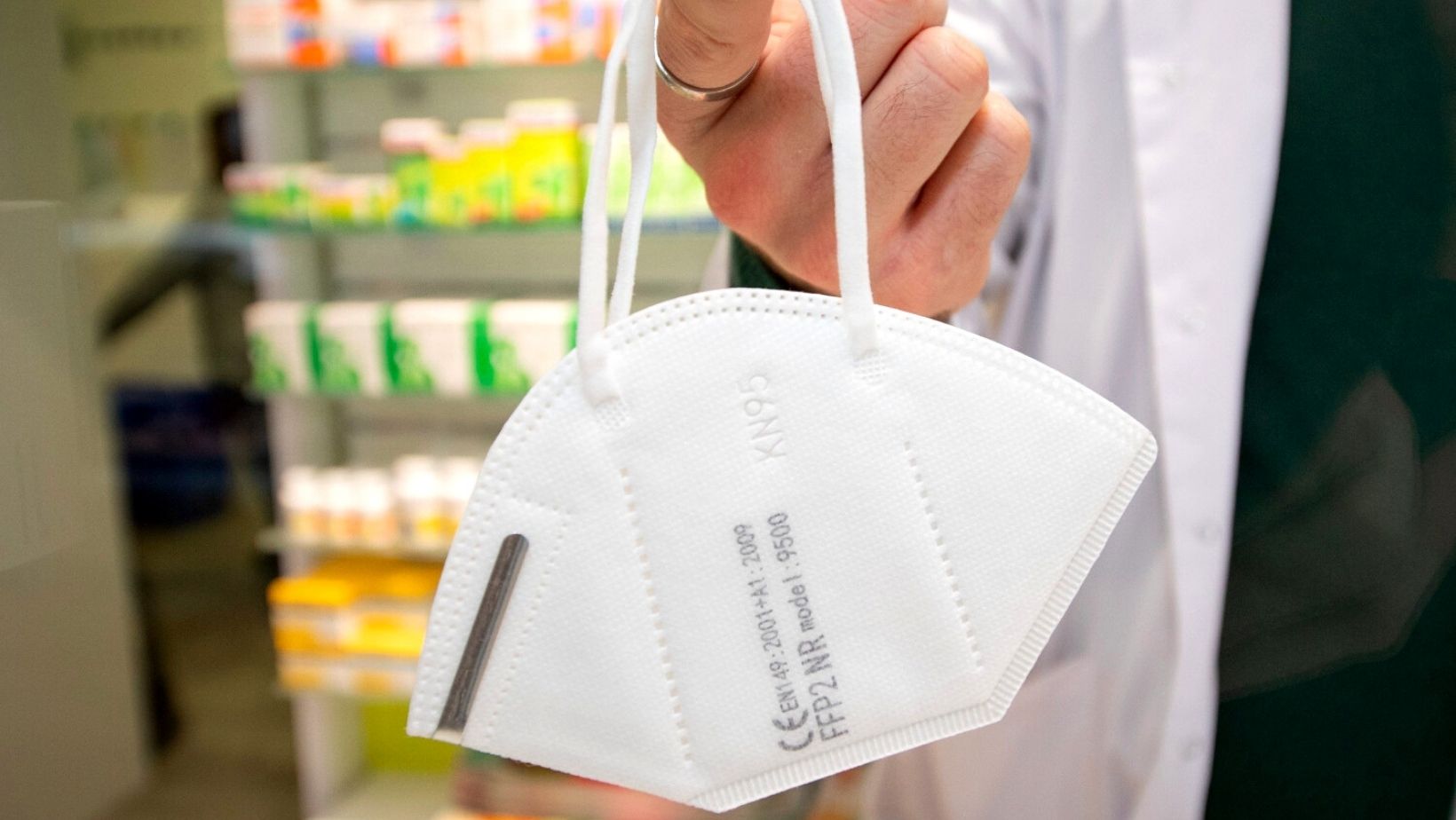
Due to the ongoing spread of the British mutation and deteriorating epidemiological situation in the Czech Republic, the Ministry of Health issued an order to make the wearing of respirators or two surgical masks mandatory in shops, hospitals, public transport, and places with a higher concentration of people. However, the new rule will apply from Thursday, and not as originally from Monday (February 22) at midnight. There is a great demand for FFP2 type respirators, which are sold out in some locations. Representatives of medical supplies companies said that stocks are gradually being replenished. Latest statistics The health ministry recorded 4,002 new COVID-19 infections on Sunday, a jump of around 1,100 from a week ago. The official death toll from COVID-19 has reached 19,330, a daily rise of 413 which includes deaths from Sunday and revisions to previous days, according to ministry data. In total, 1.157 million infections have been recorded since March 2020. Current hospitalizations rose to 6,049, more than double the government’s target level. The ministry reported 545,381 vaccine shots have been administered.
Around 6,800 properties had been sold on the Bezrealitky in 2020, which has in turn successfully attracted new types of customers looking for a simple and facile platform to sell, buy, rent, and rent out properties. Bezrealitky’s offer to let their clientele manage their own property operations, instead of relying on a real estate agent is also proving to be attractive to customers. Because of the platform’s success, they’ve now added a new service to encompass more of potential customers’ needs. They will launch a new ‘Comfort’ service, which will enable the sale or purchase of a turnkey property. Turnkey properties are fully renovated homes or apartment buildings that an investor can immediately buy and rent out. Bezrealitky will offer a team of specialists for various processes – from assistance with inspections, pre-selection of applicants, technical inspection of properties, photography and legal services. Consequently, the property owner does not pay anything for the Comfort service. The price of the service, fixed in advance and individually determined, is therefore deducted from the final above-standard sales price. Moreover, purchasing real-estate directly through Bezrealitky’s service is quite a profitable solution, since the services of sales specialists will be jointly provided by Bezrealitky and...
Three German cities awarded Škoda Transportation a contract to deliver ForCity Plus low-floor trams under a pan-European tender announced by the three companies of public transport. The contract, which has a total value of CZK 3 billion crowns, covers the delivery of 24 low-floor trams and includes an option for 21 additional vehicles. Frankfurt an der Oder, Brandenburg an der Havel and Cottbus are the three cities that will receive ForCity Plus vehicles to replace the existing high-floor trams, which are nearing the end of their service life. The vehicles will be delivered in two widths because, despite a large number of identical requirements and conditions, there are also a number of individual requirements of each city. Under the contract, Škoda Transportation will deliver 13 trams to Frankfurt, four will go to Brandenburg an der Havel, and the remaining seven were ordered by Cottbus. The new trams will increase the attractiveness of public transport in all these three cities. The ForCity Plus low-floor trams will be low-floor and are therefore also ideal for people with reduced mobility. The new vehicles will be air-conditioned and barrier-free, will have multifunctional spaces for prams, wheelchairs and bicycles. The new trams will have an...
The Czech Republic has ordered 12,000 doses of an antibody treatment made by Regeneron ahead of its registration by European authorities and will start receiving it in March. Czech authorities are close to clearing emergency use of Regeneron’s cocktail of casirivimab and imdevimab, which was authorized for emergency use in the United States in November, and was given to then U.S. President Donald Trump during his COVID-19 infection. “We have managed to order Regeneron,” Babis said on Twitter. “In total, 12,000 doses. Four thousand will come in March, the same in April and May.” The treatment is aimed at patients with mild to moderate disease who are at risk of their condition worsening. COVID-19 antibody therapies, by Regeneron and rival Eli Lilly, are given through one-time intravenous infusion and require patients to be isolated. This complexity has led to lackluster demand for the drugs. The Czech Republic has also granted emergency approval to Eli Lilly’s therapy and ordered 500 doses. Europe’s drugs regulator EMA said on Feb. 4 it was reviewing data on both therapies for use in some patients. Italy has given emergency-use approval to the two therapies. The Czech Republic has reported 19,097 deaths. Daily infections have risen...
Don’t have an account? Register
Already have an account? Log In
How Would You Like to Promote Your Business? PR ArticleDisplay bannersVideo productionNewsletter adsJob ListingsInfluencer Marketing
Your Email
We will come back to you within 24 hours with our proporsal