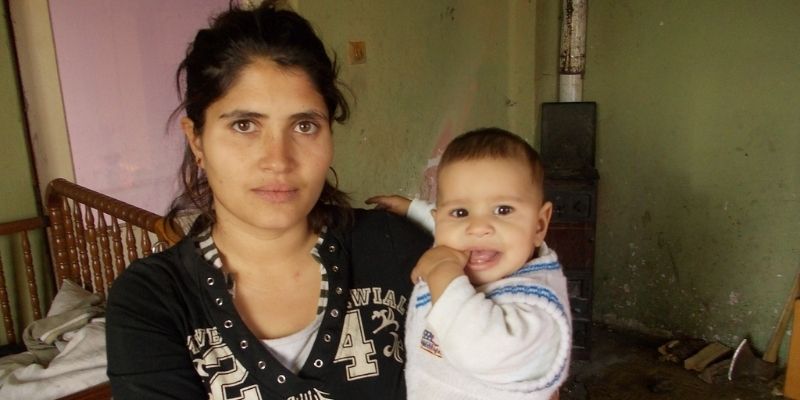
Hundreds of women in the Czech Republic who were sterilised under an unofficial policy to curb the country’s Roma population are hoping to finally win a long battle for compensation. A bill expected to be debated in the Czech parliament on Wednesday envisages granting each woman a one-off payment of 300,000 CZK. Most of the sterilisations occurred in the 1970s and 1980s during the communist regime of former Czechoslovakia, but activists say the practice continued into this century. Although the Czech government expressed “regret” in 2009 for the sterilisations, it did not offer compensation. Elena Gorolova, who was sterilised at 21 and has helped lead a 15-year campaign for compensation, said some women were offered financial incentives in exchange for being sterilised or told their children would be taken away if they had more babies. Others, like Gorolova, were sterilised during Caesarian births or told the procedure was a temporary form of contraception that could be reversed. Europe’s human rights watchdog has urged lawmakers to pass the bill, saying it may be the last chance to deliver justice. Some victims have already died. “This opportunity should not be wasted,” Council of Europe Commissioner for Human Rights Dunja Mijatovic said in...
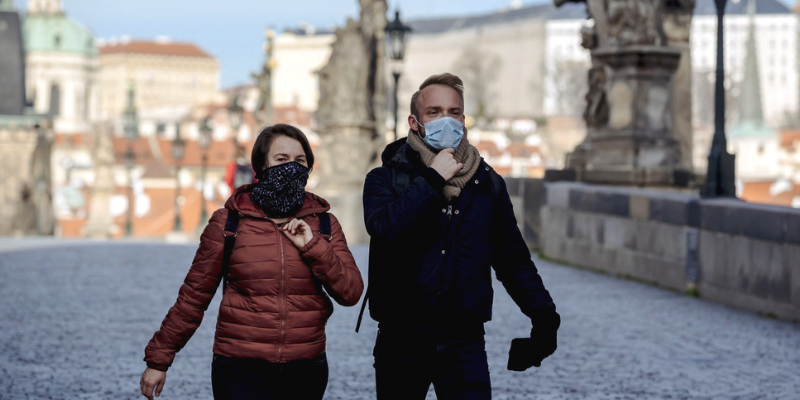
Finding the newest relevant information about issues as important as the current COVID-19 pandemic may be difficult. There are many often rapid changes to restrictions announced on short notice. It is, however, even more, complicated to understand the situation when you are stuck in a foreign country whose language you don’t speak. So what are the English-written sources where you can find out what is currently going on? Comprehensive Overview From the Ministry of the Interior About three months ago the Czech Ministry of the Interior launched a special website mapping the current epidemiological situation and restrictions. It was created by NAKIT (National Information and Communication Agency) and MP Dominik Feri to provide Czechs with all the necessary information, so they don’t have to go through all the complex and often confusing documents released by the government, or different ministries. Fortunately, the creators kept expats living in the Czech Republic in mind as well and made an English version of the website. The only problem is that it takes time to translate everything and so the website doesn’t provide all the information the original Czech version of the website does. Despite this, there is all the information one really needs,...
In the future, Czech police are expected to gain access to a list of people and even businesses who repeatedly violate coronavirus measures in an effort to bring down the deaths and infections that have assailed the country. On Monday, the amendment presented by the Czech Ministry of the Interior, which expands the register of offenses to include offenses committed under the Crisis Act, was approved by the government. According to the amendment, in the case of repeated violations of government measures, companies and entrepreneurs could also be banned from operating for one year. The adjustments and higher sanctions concern violations of crisis measures ordered by the government, such as a ban on the operation of services or movement. On the contrary, it does not apply, for example, to the wearing of face masks. Thanks to the register, the administrative body and police officers should be given the opportunity to take into account whether the offense is committed repeatedly, and to adjust the extent and type of sanction accordingly. Interior Minister Jan Hamáček told reporters on Monday that the amendment to the Crisis and Misdemeanor Act is intended to eliminate complications in enforcing the rules. “No new register is being...
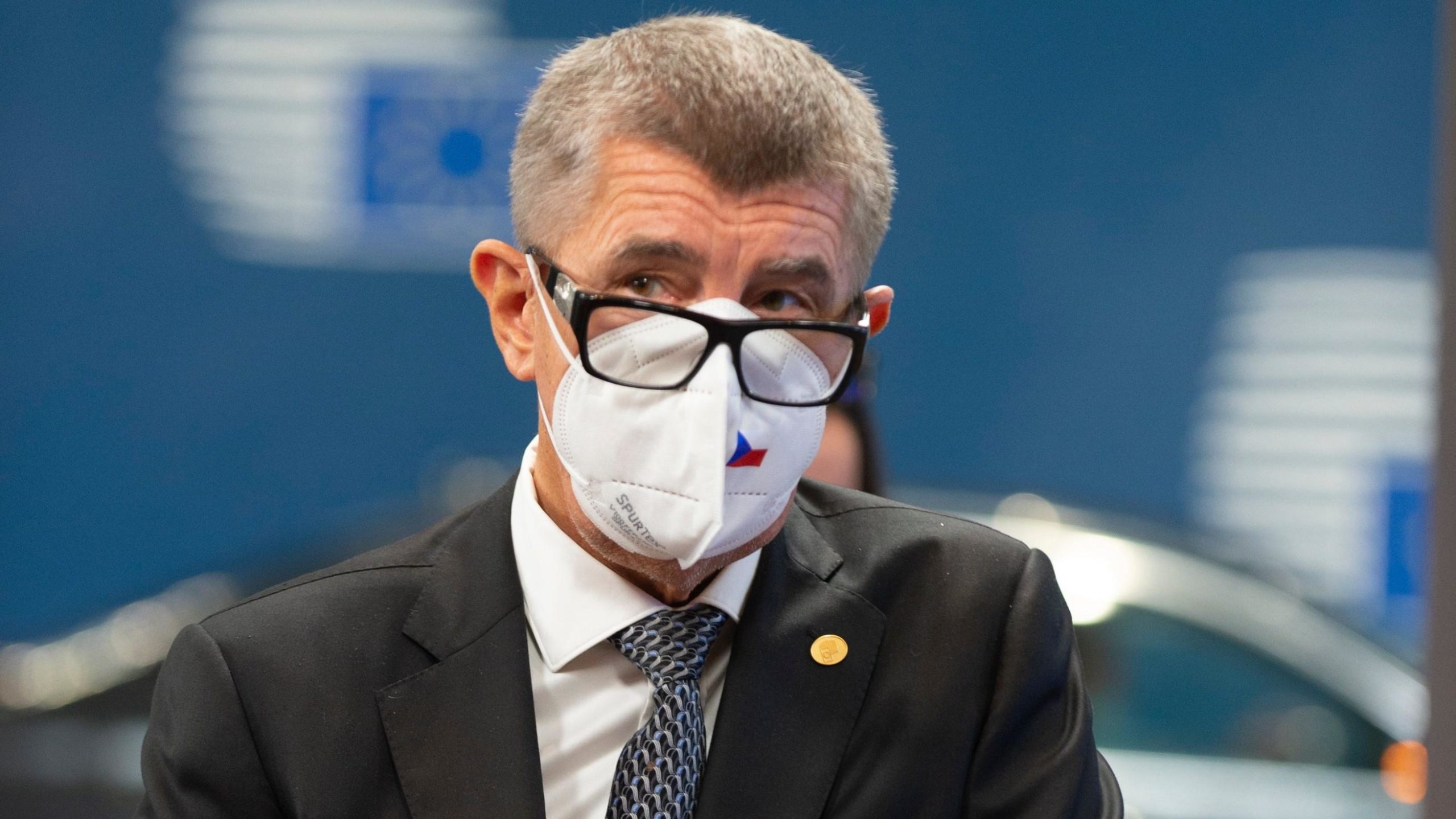
On Wednesday morning, Prime Minister Andrej Babiš (ANO) said that the Czech Republic will wait for the Sputnik V approval by the European Medicines Agency (EMA). “We will therefore not follow the example of Hungary, which will start vaccinating people suffering no chronic diseases with Russia’s Sputnik COVID-19 vaccine.” Hungary’s drug regulator granted the shot emergency use approval rather than waiting for the EU’s European Medicines Agency (EMA) to give it the go-ahead. PM Babiš will visit Serbia with a team of experts on Wednesday, to discuss the country’s experiences with the pandemic Russia’s vaccine. The team includes the main epidemiologist of IKEM Petr Smejkal, the head of the Department of Infectious Parasitic, and the chief surgeon of the infectious diseases of the University Hospital in Bulovka, Hana Roháčová. Serbia has already vaccinated more than half a million people. In Belgrade, the Prime Minister will meet with the Prime Minister of Serbia, Ana Brnabić, and President Alexander Vučić. “On average per capita, they are among the best in the world, so we are interested in their experience. They have experience with vaccines that have not been approved in the EU,” Babiš said before leaving for Serbia. “Whether [vaccines] come from...
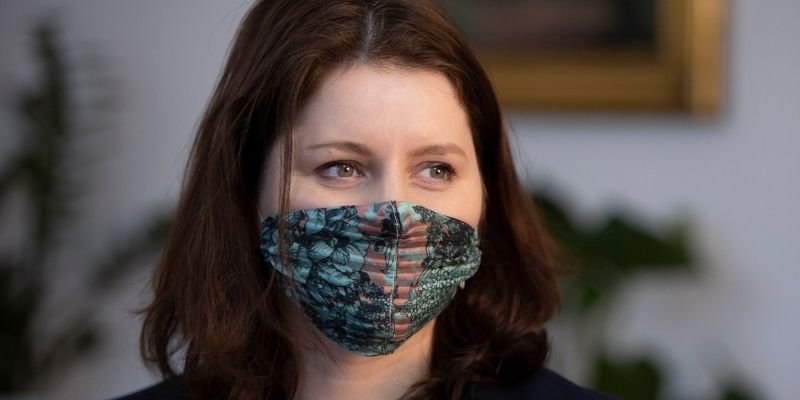
Labour and Social Affairs Minister Jana Maláčová said Sunday the effects of the Covid-19 pandemic were worse than those of World War II as she argued in favour of reopening schools. Prague Jewish Museum director Leo Pavlat raised objections to the statement of Ms. Maláčová comparing the coronavirus pandemic consequences to World War II. Maláčová said in a TV debate on Sunday that not even the Second World War had prevented children from going to school. Pavlat reminded that Jewish children were banned from attending all types of schools during WWII. “Covid is a disease that has made the country stop working for a year, the country is at a standstill, the entire economy is struggling. Even World War II did not do what the virus did. No other situation stopped us from sending the children to school,” said Maláčová in a television debate on CNN Prima News. Mr. Pavlát reminded that Jewish children were prevented from studying in all schools during the war. The statement also aroused criticism from journalists, labeled as “extremely insensitive” toward victims of the Holocaust. Maláčová later tried to backpedal, saying she did not mean to dishonor the more than 70 million victims of World...
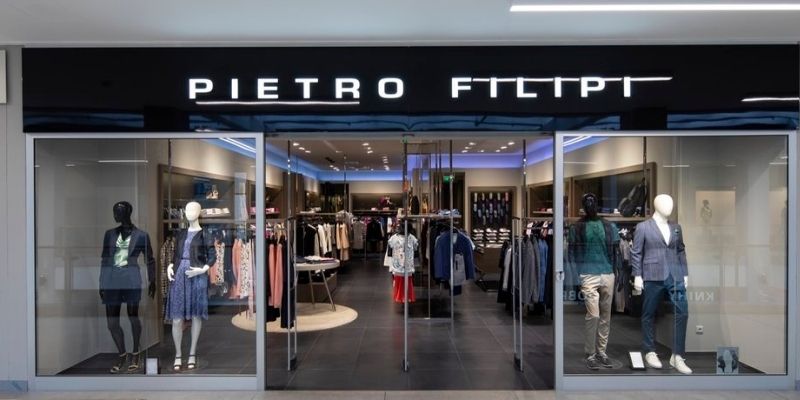
The owner of C2H retail group Michal Mička said that the company entered insolvency proceedings due to coronavirus. The group owns the Kara and Pietro Filipi fashion stores The E15.cz server stated on Monday that the C2H group owes around 722 million crowns. The main creditor is Česká spořitelna. Negotiations on new investors were unsuccessful. Czech fashion brand Pietro Filipi will lay off all employees of its 23 stores. According to the latest financial statements, Pietro Filipi Stores employed 138 people at the end of 2018. At the end of 2018, another 64 people worked for the company Pietro Filipi sro, which procures clothing designs for the brand. The dropout of last year’s sales at Kara amounts to 200 million crowns while Pietro Filipi turnover fell to 227 million crowns from the previous 434 million in 2019. Employees of Pietro Filipi stores received a letter in January the day before payment stating that they were out of work and without money. “The employment relationship with you will be terminated,” according to the daily, the company’s human resources director Jan Zipser wrote to the employees. “Pietro Filipi Stores does not have funds left in the account, so unfortunately we will not...
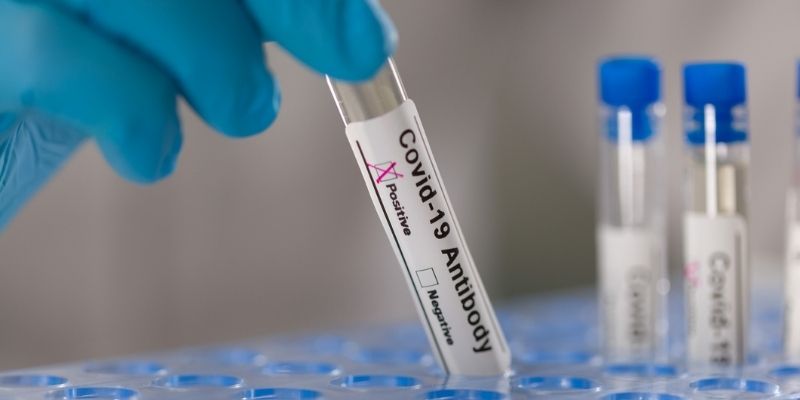
The Czech Health Ministry will recommend the use of COVID-19 therapies that contain casirivimab/imdevimab and bamlavinimab antibodies ahead of standard approval, the ministry said on Monday. Both therapies are being reviewed by the European Medicines Agency (EMA), the agency said last week. The Czech Republic has been among the European countries worst hit by the current wave of the coronavirus pandemic, with the number of new infections per 100,000 people higher only in Portugal and Spain, according to data from the European Centre for Disease Prevention and Control (ECDC) released last week. “The Ministry will recommend distribution and use of unregistered treatments which contain casirivimab/imdevimab and bamlavinimab antibodies,” the ministry said. It said it would wait for an expert opinion from the national drug agency SUKL before issuing a final ruling. The former points to Regeneron’s cocktail of casirivimab and imdevimab, which was authorized for emergency use in the United States in November, and was given to then U.S. President Donald Trump during his COVID-19 infection. The latter, Eli Lilly’s combination therapy of two antibodies, bamlanivimab and etesevimab, helped cut the risk of hospitalisation and death in COVID-19 patients by 70%, data from a late-stage trial showed in January. Czechs...
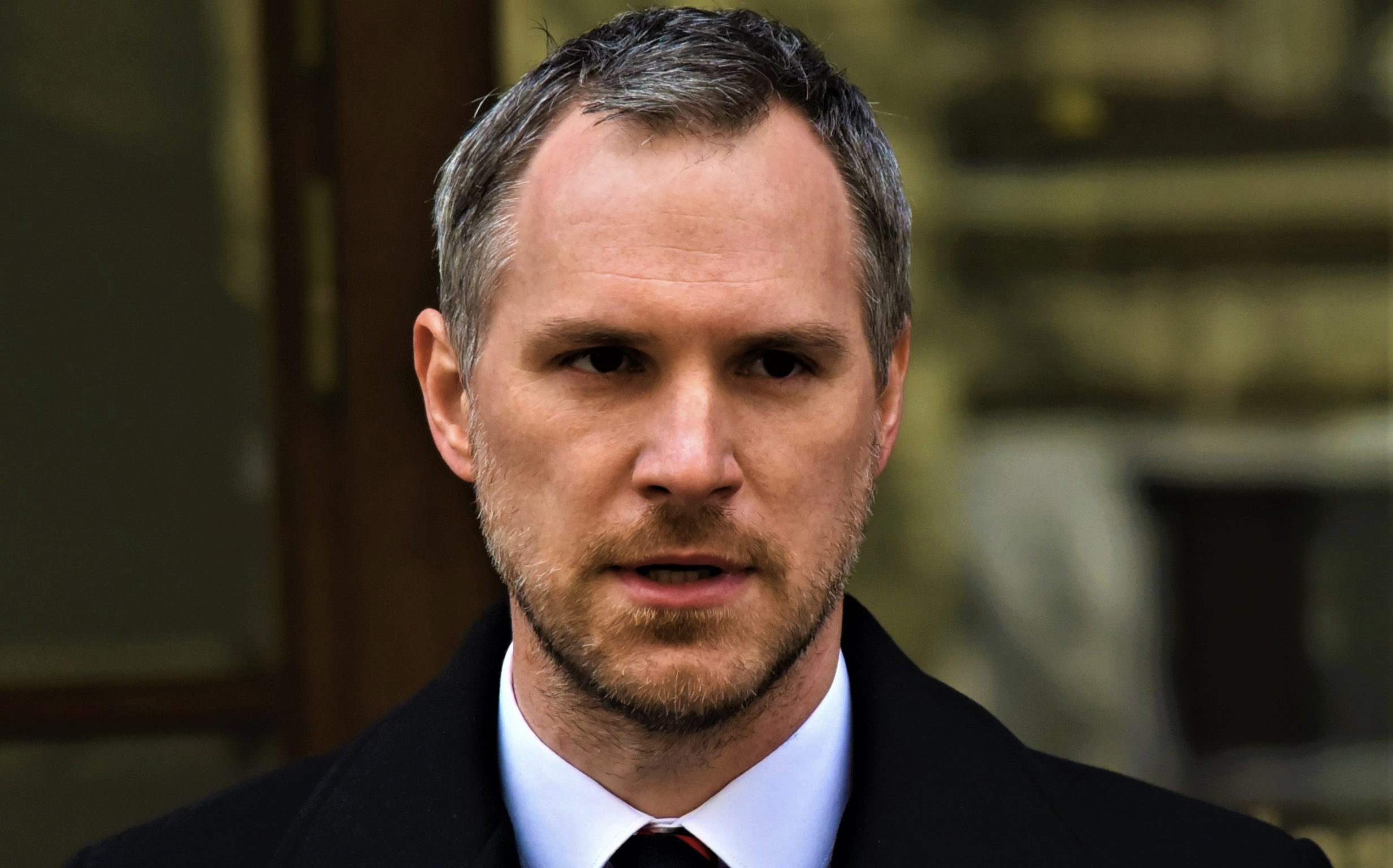
In an attempt to slow the spread of infections, the government is currently scheduled to convene on Monday to consider restricting travel between Prague and the Central Bohemian region. Prague’s Mayor Zdeněk Hřib spoke out against the proposed measure and has the support of Governor Petra Pecková of the Central Bohemian region. Pecková agreed that free movement between the two entities is vital for the well-being and economic prosperity of its residents. “I request the government not to impose restrictions on movement between Prague and the Central Bohemian Region. Together we form one functional unit, an agglomeration connected in terms of transport, socially and economically. It is essential to maintain links in the field of healthcare,” Hřib stated on Twitter on Saturday. Prime Minister Babiš admitted last week that the situation in regard to the pandemic is not improving. Babiš feels that there is no point in tightening measures if the public does not obey them to begin with and that if they would comply, businesses could reopen again. “We must clearly tell the citizens that the situation is not good, but we must also say that if we all follow the measures as it did in the spring, we will...
In the next ten years, the Czech energy sector will undergo a fundamental transformation towards greater use of clean ecological resources, reduction of energy consumption, and decentralization. Investments in the heating industry sector, building new renewable sources, but also investments into transportation systems or modernization of industry and business will lead the new way. The anticipated result will be a significant reduction of greenhouse gas emissions and a positive impact on the climate and environment. To meet these goals, a total of nine programs and 150 billion CZK Modernization Fund will be available. Czech Government has recently approved a strategy document of the Modernization Fund; the Czech Republic thus continues to deliver its commitment to protect the climate and reduce CO2 emissions. A similar step was taken by the capital city of Prague already in 2019 when the City Council made a commitment to reduce the carbon dioxide emissions in the capital city by 45% by the year 2030 and to eliminate them entirely by the year 2050. “We have been working with the Modernization Fund very intensively since the last year and we are ahead of other European countries with preparations. If the European Investment Bank and European Commission manage to finalize all the...
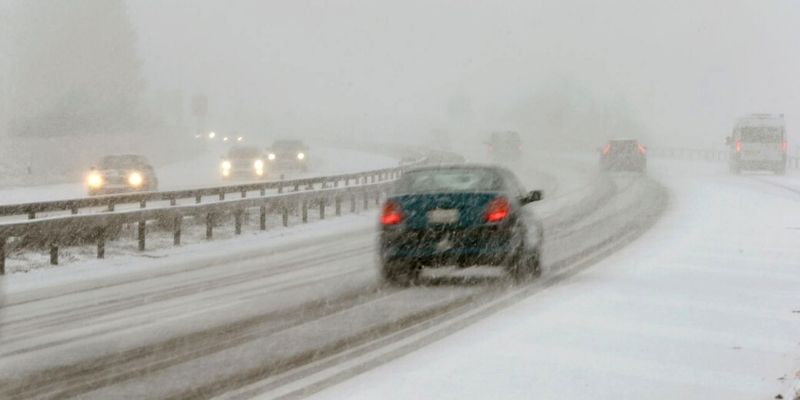
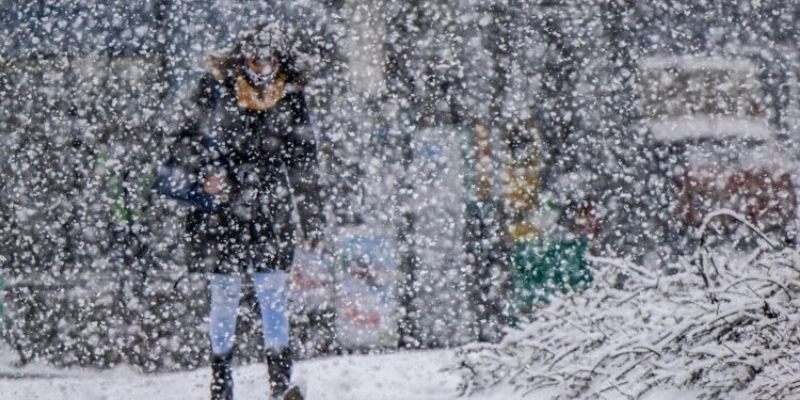
Heavy snow overnight also snarled transport in the Czech Republic. International trains faced hours of delays while numerous Monday morning commuter trains to Prague had to be canceled. Trams and buses in the capital also were disrupted. The D1 highway that links Prague with Brno, was blocked in several places by trucks while an accident halted traffic on the D8 highway leading from Prague to Germany. Several households are without electricity supply, especially in Brno, Hodonín, and the surroundings of Znojmo. Snow also complicates the train transport. In Central Bohemia, up to a hundred integrated transport connections did not run in the morning, practically all of them were delayed. According to meteorologists, the snowfall was heavy at night, from 23 to 5 in the morning. “It snowed the most on the border of Central and Eastern Bohemia, in the Jeseníky and Orlické Mountains. According to the preliminary forecast, this week in some parts of the country temperatures could fall to -22 degrees Celsius during the night hours, while during the daytime the highest temperatures should reach only -15 degrees Celsius. The situation in North Europe Transport disruption in Germany and the Netherlands persisted into a second day on Monday as...
Raiffeisen Bank International AG (RBI) has signed an agreement on the acquisition of 100 percent of the shares of Equa bank from AnaCap Financial Partners (AnaCap), a specialist financial services private equity investor. Equa bank focuses on consumer lending and serves 480,000 customers. The proposed acquisition is part of RBI’s strategy to expand its presence in selected focus markets. The business models of Equa bank and Raiffeisenbank are very complementary, which is why the transaction would ultimately lead to strategic synergies as well as enhanced digital capabilities. “The acquisition would increase the synergy effect, especially in the area of cost savings and revenue growth,” said Equa bank spokeswoman Petra Kopecká. As of year-end 2020, Equa bank had total assets of more than EUR 2.8 billion, while Raiffeisenbank a.s. reported total assets of EUR 15.7 billion. “Although Equa bank is significantly smaller than Raiffeisenbank in terms of asset volume, the bank’s high level of customer satisfaction and impressive loan growth make it an attractive acquisition for us,” states Raiffeisenbank website. Closing is expected around the end of the second quarter of this year. On the basis that deal completion is successful, there is a plan to merge Equa bank with Raiffeisenbank...
Snow, Frost, and nasty wind. According to meteorologists, the “Beast from the East”, as it is nicknamed by the rapid cooling caused by the Arctic air, is likely to strike the Czech Republic as well. According to the preliminary forecast, in some parts of the country temperatures could fall to -22 degrees Celsius during the night hours, while during the daytime the highest temperatures should reach only -15 degrees Celsius. The upcoming spell of weather, whilst disruptive for some, is not expected to be as extremely cold as early March 2018, although there will still be a bitter wind chill. “As early as Friday, the weather in the Czech Republic will begin to affect the distinctive frontal interface, which will separate the cold polar air in the north from the warm spring air in southern Europe,” meteorologist Dagmar Honsová said. According to the Czech Hydro-Meteorological Institute, next week should also see snow, and not just in upland areas. What is the Beast from the East? The ‘Beast from the East’ is a phrase used to describe cold and wintry conditions as a result of easterly winds. When pressure is high, the Czech Republic tends to experience a polar continental air...
Don’t have an account? Register
Already have an account? Log In
How Would You Like to Promote Your Business? PR ArticleDisplay bannersVideo productionNewsletter adsJob ListingsInfluencer Marketing
Your Email
We will come back to you within 24 hours with our proporsal