In a dog training centre built inside a shipping container located in a Czech mountain village, Renda, Cap, and Laky are being put to the test. They sniff at six vessels, each containing a piece of cloth with scent from patients with COVID-19, negative donors, or fake samples. The team of dog trainers is working in their own time and reports a 95 percent success rate in the detection of the virus in samples of human scent. “The study is designed to verify dogs’ ability to detect COVID-19 and generate a method enabling the use of trained dogs in combating the pandemic,” said project head Gustav Hotovy. “The method should also work with other diseases, even more, lethal than Covid-19. In the end, we should be able to detect a huge number of people in a very short time with a trained dog,” he adds. The first study confirming dogs are able to detect tissue attacked by a virus was conducted in the United States about a decade ago. Hotovy, a retired cynologist whose team started training the dogs last August, said that the signature changes “so much that it is immediately discernible for the dogs”. The samples used are...
EU officials have created a new category and level of risk for countries in Europe, according to how impacted the country is by the Covid-19 virus. In light of the past weeks, new strains of the virus have emerged, and on top of that, there are dilemmas impeding the faster distribution of vaccines. This has been a decisive factor for the relevant authorities to create the ‘dark red zone’ category. President of the European Commission, Ursula Von Der Leyen has said, “We propose that a newly introduced category of dark red zone would show that in this zone the virus is circulating at a very high level”. “Persons traveling from dark red areas could be required to do a test before departure, as well as to undergo quarantine after arrival.” “And in view of the very serious health situation, all non-essential travel should be strongly discouraged – both within the country and of course across borders. At the same time, it is absolutely essential to keep the single market functioning.” This category has been added to the already existing green, orange, and red zones. The color system is based on a map created by the European Centre for Disease Control...
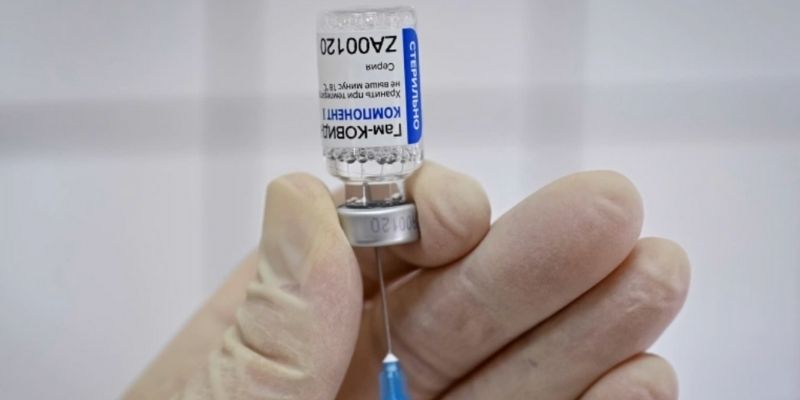
Russian authorities have applied for registration of the Sputnik V coronavirus vaccine in the European Union, the country’s sovereign wealth fund financing the jab said Wednesday (20 January). Earlier this week, Hungary has signed a deal to buy two million doses of Russia’s vaccine. It is the first EU country to break ranks and unilaterally approve the shot as frustrations build in Europe over delays in supplies of Western vaccines that are hampering economic recovery. The Czech immunologist Václav Hořejší assures the public. “Concerns about the Russian or Chinese vaccine are not substantiated. In both countries, excellent scientists have been working on vaccine development. Just as the European or American ones,” says Hořejší to CNN Prima News. “In addition, Sputnik V is based on the same principle as the AstraZeneca vaccine.” Scientists have raised concern about the speed at which Moscow has launched its vaccine, giving the regulatory go-ahead for the shot at home and beginning mass vaccinations before full trials to test its safety and efficacy had been completed. Moscow has said Sputnik V is 92 percent effective at protecting people from COVID-19 based on interim results but has not yet released the full dataset for the trials. “Without...
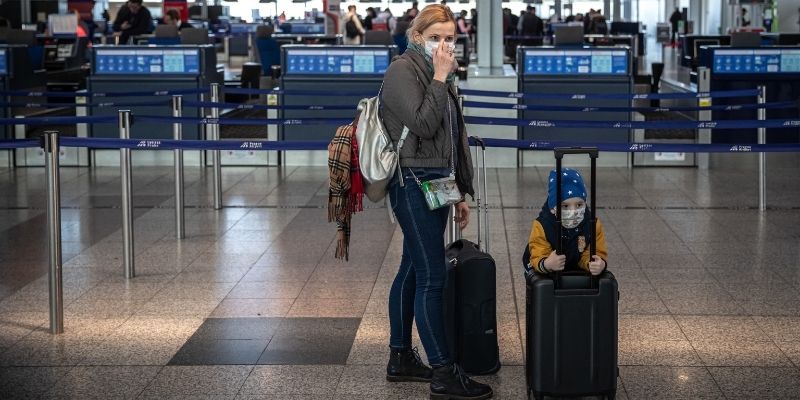
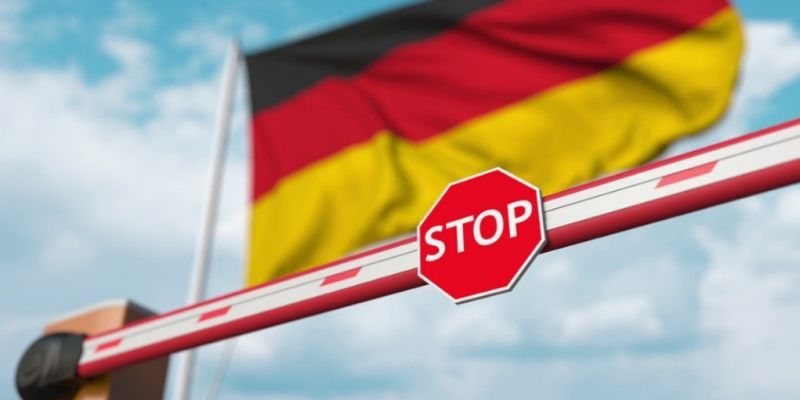
From Sunday, Germany will consider the Czech Republic to be an epidemiologically high-risk area. While the German state of Saxony will compromise on two compulsory coronavirus tests per week for cross-border workers, Bavaria wants to take a stricter path and will probably require COVID-19 tests every 48 hours. In Germany, the decision on the list of high-risk areas is made by the board of the ministries of health, foreign affairs, and the interior. The Czech Republic has been preparing for the change of status on the German high-risk areas list for a long time, as the epidemiological situation in the Czech Republic is significantly worse than in Germany. Czech Prime Minister Andrej Babiš suggested to Chancellor Angela Merkel that cross-border commuters would get tested for coronavirus twice a week, with one test being paid by Czech Republic and the other one by Germany. According to Czech News Agency, Saxony agreed with this compromise. However, Bavaria, which has introduced stricter measures than the rest of Germany throughout the pandemic, allegedly plans to require COVID-19 tests every 48 hours. It is not yet exactly clear what the Bavarian requirements will be, though. Germany has considered the Czech Republic a risk country since...
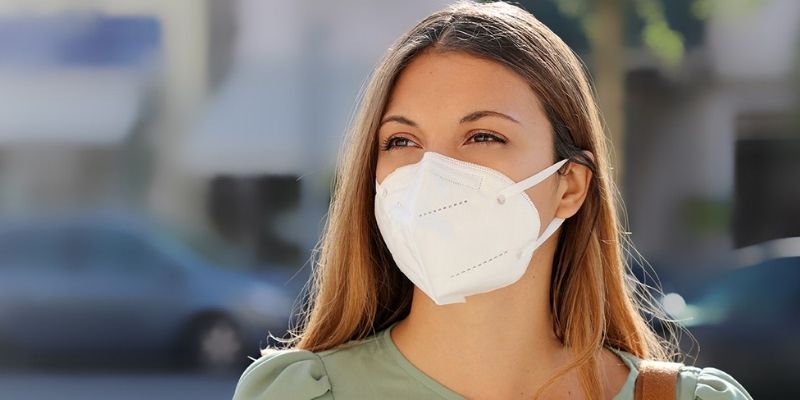
The Czech Republic is weighing up following Austria and Bavaria’s lead in making it compulsory to wear full protective filter masks on public transport and in shops. However, the Minister of Health Jan Blatný (ANO) urges the public to not rush out and buy up the entire supply of respirators. According to Blatný, FFP2 masks – also known as respirators – can significantly prevent the spread of coronavirus, especially in public transport. “They are more effective at reducing the spread of the virus than cotton masks or even the common disposable medical masks that are often used. Any mouth and nose protection is good, but the FFP2 mask is massively better,” he added. FFP2 masks offer better protection against the coronavirus and other pathogens, with up to 94 percent of aerosols filtered out. The demand for FFP2 respirators with a nanofiber membrane saw a record on Wednesday when the Czech government first mentioned the possibility of making it compulsory to wear FFP2 in shops and public transport. What are FFP2 masks? Otherwise known as FFP2/FFP3, N95 masks, or ‘respirators’, FFP2 masks protect wearers from breathing in hazardous contaminants in the air. They protect against particles in the air, possibly also...
Dr. Hana Pospíšilová, a Czech doctor fueled by altruistic intentions, helped organize Czech aid to come to Lesbos without the support of the government or any humanitarian organization. Dr. Pospíšilová is a consultant cardiologist who regularly volunteers in Lesbos, treating and providing medical care for the needy refugees in the camp. A truck containing 2 million CZK worth of valuables, intended to be distributed to the refugees, arrived at the Kara Tepe Camp in Lesbos, Greece on January 21, 2020. Volunteers collected 14 large insulated tents, 900 pairs of boots, 370 sleeping bags, 700 raincoats, 500 umbrellas, 1,800 shawls, and 300 disinfectant hand gels. Kara Tepe is a temporary refugee camp that was set up to replace the now burnt down Moria camp. All contributions have been donated by Czech citizens who wanted to help make an impact and provide relief to the refugee crisis in Greece. The truck was driven 2000 km by Lukáš Resler, who left the Czech Republic last week on Thursday. The valuables have reportedly been distributed already. This courageous and compassionate act of charity was definitely needed in the refugee camp. On the other hand, the Czech Republic has donated 100,00 EUR from the budget...
The lower house of the Czech parliament on Thursday extended the country’s state of emergency until February 14, a week less than the government had wanted as it seeks to keep in place measures to tamp down coronavirus infections. The extension, pushed through with the support of the Communist party, provides the government with a legal basis for some measures such as limits on assembly and movement or temporarily shuttering businesses. The Czech Republic has been one of the worst-hit globally with 14,973 deaths so far and over 150 deaths most days this month as many hospitals are filled to capacity. Health Minister Jan Blatny has called on the public to observe limits on social interactions to help break the trend, with the aid of stricter social distancing rules and the closure of most shops that came into force on December 27. Officials have also said the number of those hospitalized with Covid-19 needs to fall by more than half to below 3,000 patients for the government to consider lifting some restrictions.
In the past year, the real estate market was expected to take a financial hit due to government measures. This was not the case however as made evident by data from the real estate server Bezrealitky.cz which services the Czech Republic and Slovakia. Data from their report found that there was no significant loss of revenue and they even experienced a high margin of profits during 2020 as last year alone they leased 47000 properties at a 35 percent increase for from the previous year. The company is known for the direct sale and leasing of properties which benefits the consumer because it cuts out the middle man and avoids any intermediary parties. Those seeking housing can use Bezrealityky.cz to avoid paying agency fees. The company has seen massive growth because of its intuitive and user-friendly website. The site includes virtual tours, online contracts, and digital signatures making buying and leasing a property a much less complicated process. It is an ordeal that has now been made entirely digital and remote. Because of enforced border restrictions and lack of tourism, rental prices in cities like Prague have generally stagnated. Many flats intended for tourism have stood empty and companies like...
Frustrated with the ongoing Covid-19 restrictions imposed by the Czech government, a group of restaurateurs are attempting to form their own political party. This past weekend Interior Minister Jan Hamáček took to Twitter to state that pandemic restrictions imposed on the general public do not apply to political parties. This statement prompted many struggling restaurant owners to form a coalition formally known as Chcipl PES. This loophole would essentially mean political cells being formed inside restaurants and pubs. It is through this political party exemption, that mass gatherings of people would likely occur in the name of political party meetings. Organizers from the group gave a press conference on Tuesday. Among the group, a spokesman named Jiří Janeček stated, “the measures of this government are not working and impoverishing this country and taking people’s hope.” The group also says they are frustrated with a government provision called the Covid-Gastro program which currently provides financial assistance only to businesses that are following government rules and restrictions. A spokeswoman for the Ministry of Industry and Trade Štěpánka Filipová has restated that businesses that violate government restrictions in regard to Covid-19 will not receive financial compensation. Businesses that do adhere to these restrictions...
The lower house of the Czech Parliament approved on Wednesday a requirement that supermarkets carry a minimum share of local food, a move to be less dependent on imports. MEPs have approved mandatory quotas for Czech food in shops. From 2022, more than 50 percent of Czech products should be sold in stores. Some EU countries warn Czechia against quotas that the adoption of the law is very likely to make food more expensive. The share of Czech food in stores that are bigger than 400 sq. meters should be at least 55% in 2022 and increase to at least 73% in 2028, according to the bill. It was drafted by the opposition populist Freedom and Direct Democracy party that pushed it through the house with the help from the ruling coalition of Prime Minister Andrej Babis. The controversial move still needs to be approved by the upper house, the Senate, which is controlled by the opposition, and then by the president. The lower house can override a possible Senate or presidential veto by a simple majority. Those who voted in favor of the bill argued that the coronavirus pandemic showed that it is important for the country to be...
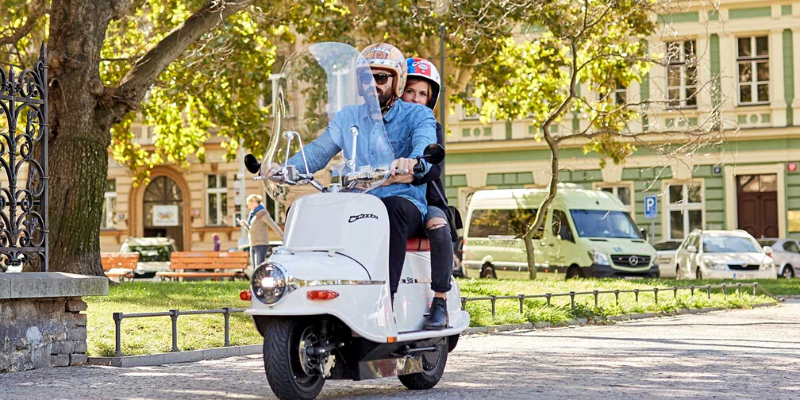
Inspired by the space-age, Čezeta’s history started in 1957 at the time of post-war optimism when Czechoslovakia was the world’s greatest motorcycle producer. Its radically unique design comes from Jaroslav František Koch – motorcycle racer and engineer who designed the first Čezeta called the Type 501. As Aktualne.cz reports, the production of electric scooters with a retro design will probably be over. The company is not profitable, it has not found a buyer and the owners do not want to put more cash into it. Čezeta will probably end up in insolvency, as stated in a press release by the CEO and majority owner of the company, Neil Eamonn Smith, a Prague-based British expatriate, who bought in early 2012 the rights to the company name and design. Neil started collecting and restoring original Čezeta’s as a hobby. But with a desire to bring back this hidden gem as an electric scooter, he partnered with the Czech Technical University in Prague and developed key components that make the Čezeta a thrilling to ride yet simple to maintain electric scooter. According to Smith, the company based in Prostějov is not profitable, although losses decreased every year from 2018 to 2020. In 2018...
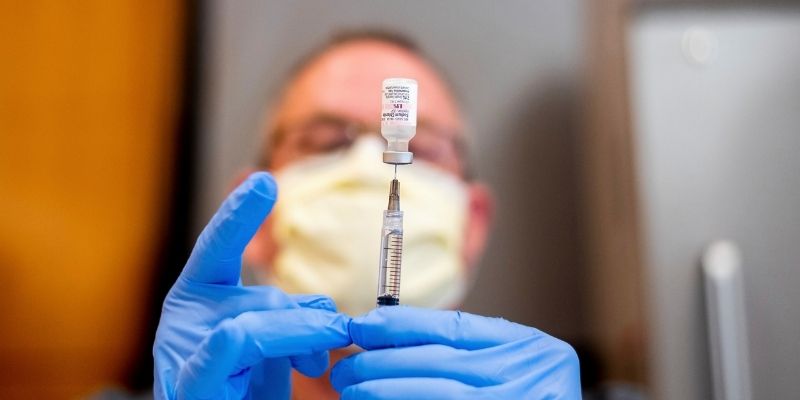
Nearly 130,000 COVID-19 vaccine doses were applied in the Czech Republic by 11 am on Tuesday, which means that 1.3 percent of the population has been vaccinated, which is the European average, Health Minister Jan Blatny has said. According to a poll by the European National Panel, 46% of Czechs are ready to have themselves vaccinated against COVID-19, with the highest interest in it being shown by those over 55. On Tuesday, January 19, the British coronavirus mutation was confirmed in samples from Prague, Central Bohemia, and Hradec Kralove regions, said Helena Jirincova, head of the reference laboratory for influenza of the National Institute of Public Health (SZU). The laboratory checked 12 samples from infected patients which seemed to contain the mutation, and the mutation was confirmed in ten of them. Vaccination in the Czech Republic is “voluntary and free” and it is planned for over 5.5 million people or 60-70% of the total Czech population of 10.7 million (according to June 2020 data from the Czech Statistical Office). The dates of vaccination will be distributed automatically – priority will be given to people with chronic diseases (for example, diabetes, obesity, lung or kidney disease). According to the forecast of...
Don’t have an account? Register
Already have an account? Log In
How Would You Like to Promote Your Business? PR ArticleDisplay bannersVideo productionNewsletter adsJob ListingsInfluencer Marketing
Your Email
We will come back to you within 24 hours with our proporsal