Football stadiums in the Czech Republic will not open to the public until the beginning of the next season.
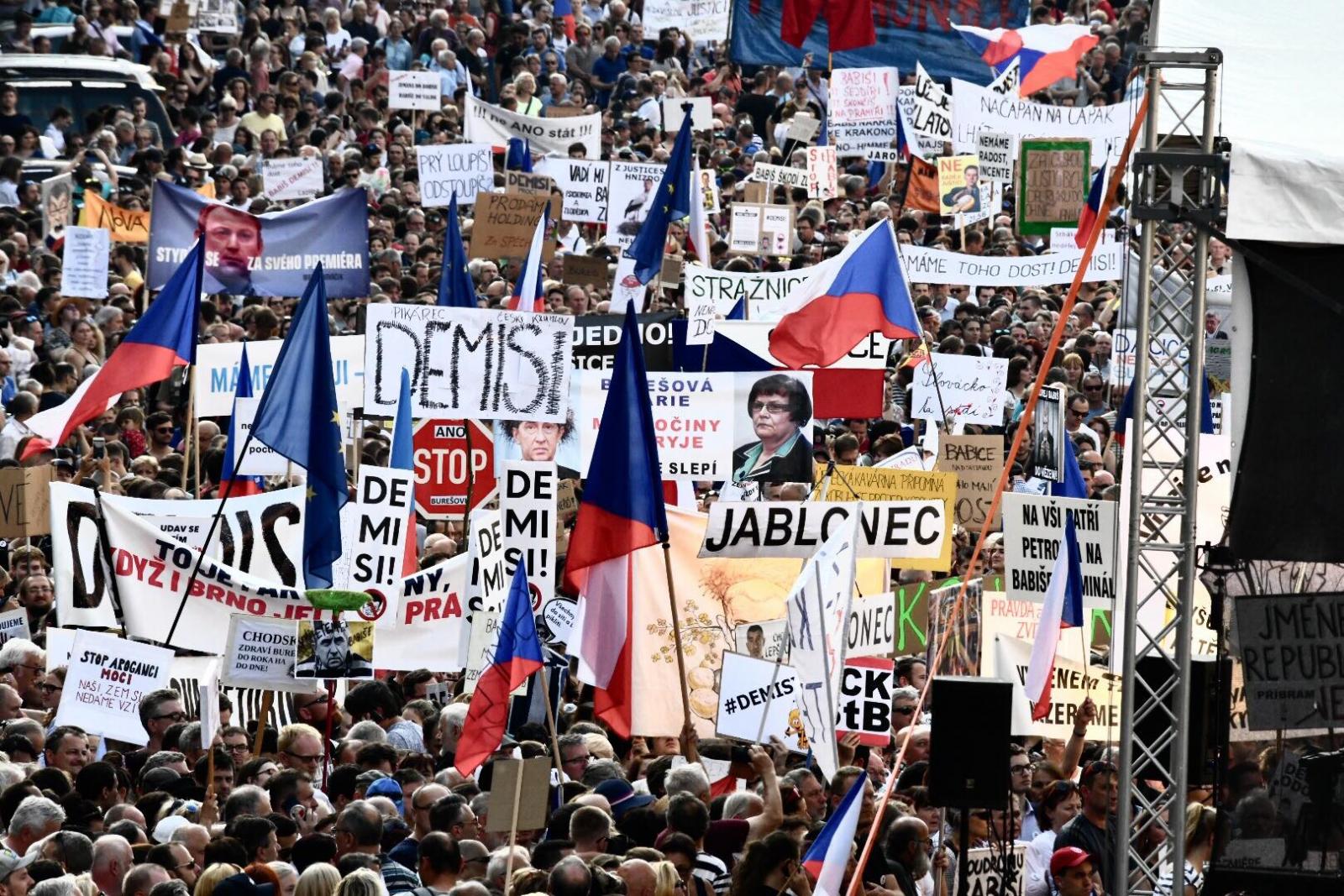
The Million Moments for Democracy (MCHD) movement has called for nationwide protests on Tuesday, June 9.
Czech scientists from the T. G. Masaryk Water Research Institute (VÚV TGM) have had promising results in detecting a coming coronavirus epidemic before it starts to spread in the population. The researchers found that, after several months of research, the only thing they need is a sample of wastewater. Because bacteria and viruses do not get leave the body only through respiratory droplets but also through excrement, wastewater could become a valuable source of information. “Indeed, it seems that this approach could be used as a basis for an early warning system for detecting the onset of another epidemic,” explains Hana Mlejnková of VÚV TGM, who is in charge of the wastewater project. Czechia is one of the pioneers of wastewater research, one of only six countries in the world that have been able to carry out such demanding research. “If it turns out to be a reliable tool, it will become one of the possible ways to detect a coming second wave,” says Jan Kynčl, head of the Department of Infectious Diseases Epidemiology at the State Institute of Public Health. However, researchers had little reason to be optimistic in early April because, for a long time, they could not...
The Czech Republic allows from today gatherings of up to 500 people as coronavirus infections remained among the lowest in Europe.
Czech Pirate Party has revived efforts to legalize prostitution and now want to prepare a new regulation that would grant prostitutes the status of self-employed workers and give the authorities the power to regulate the oldest profession. “The largest brothel in Prague has a larger number of [annual] visitors than Konopiště Castle. But it still seems that none of this is happening. It is necessary to stop closing our eyes to this topic and take into account the fact that sexual services are provided not only by women but also by men,” says Prague Mayor Zdeněk Hřib. According to the Czech NGO Rozkos bes Rizika, in 2019 there were between 12,000 and 13,000 sexual workers offering paid services in the Czech Republic. “I do not want them to continue to live illegally. I believe that, if the profession were to be legalized, they would be recognized as self-employed and therefore be entitled to get support from the state. The majority of women offering sexually paid services are mothers with two children under the age of 10,” says Eva Horáková, chairwoman of the Social Policy Committee. “We believe that women should at least get a chance to provide paid sexual services as...
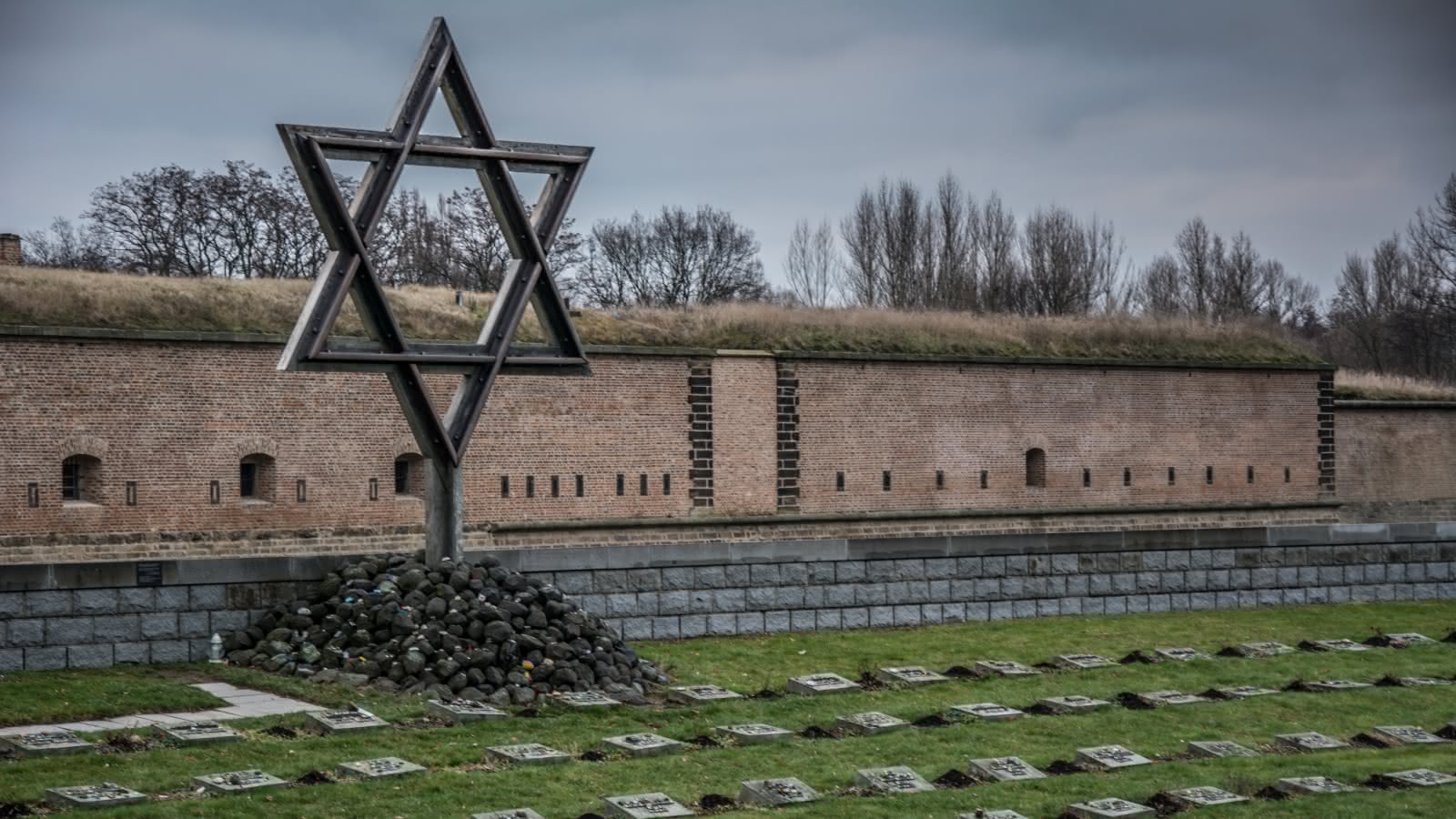
A majority of the attacks – 95% – were registered on the internet, often on disinformation websites, far-right media and produced by activists involved in an international campaign to boycott Israel. The number of anti-Semitic incidents in the Czech Republic doubled in 2019, the Jewish community said Wednesday. In its annual report, the Federation of the Jewish Communities said there were 694 anti-Semitic attacks in 2019 compared with 347 in the previous year. A majority of the attacks – 95% – were registered on the internet, often on disinformation websites, far-right media and produced by activists involved in an international campaign to boycott Israel. The Jewish community said there were three attacks on Jewish property last year and six other incidents involved anti-Semitic threats, harassment, and verbal insults. No physical attack was registered in 2019. In June 2019, an unknown attacker damaged a monument in Prague’s main train station which children saved by Sir Nicholas Winton from Nazi death camps unveiled in 2017 to honor their parents. The Briton arranged eight trains to carry 669 children, most of them Jewish, from Czechoslovakia through Germany to Britain just before the outbreak of World War II in 1939. He died in 2015...
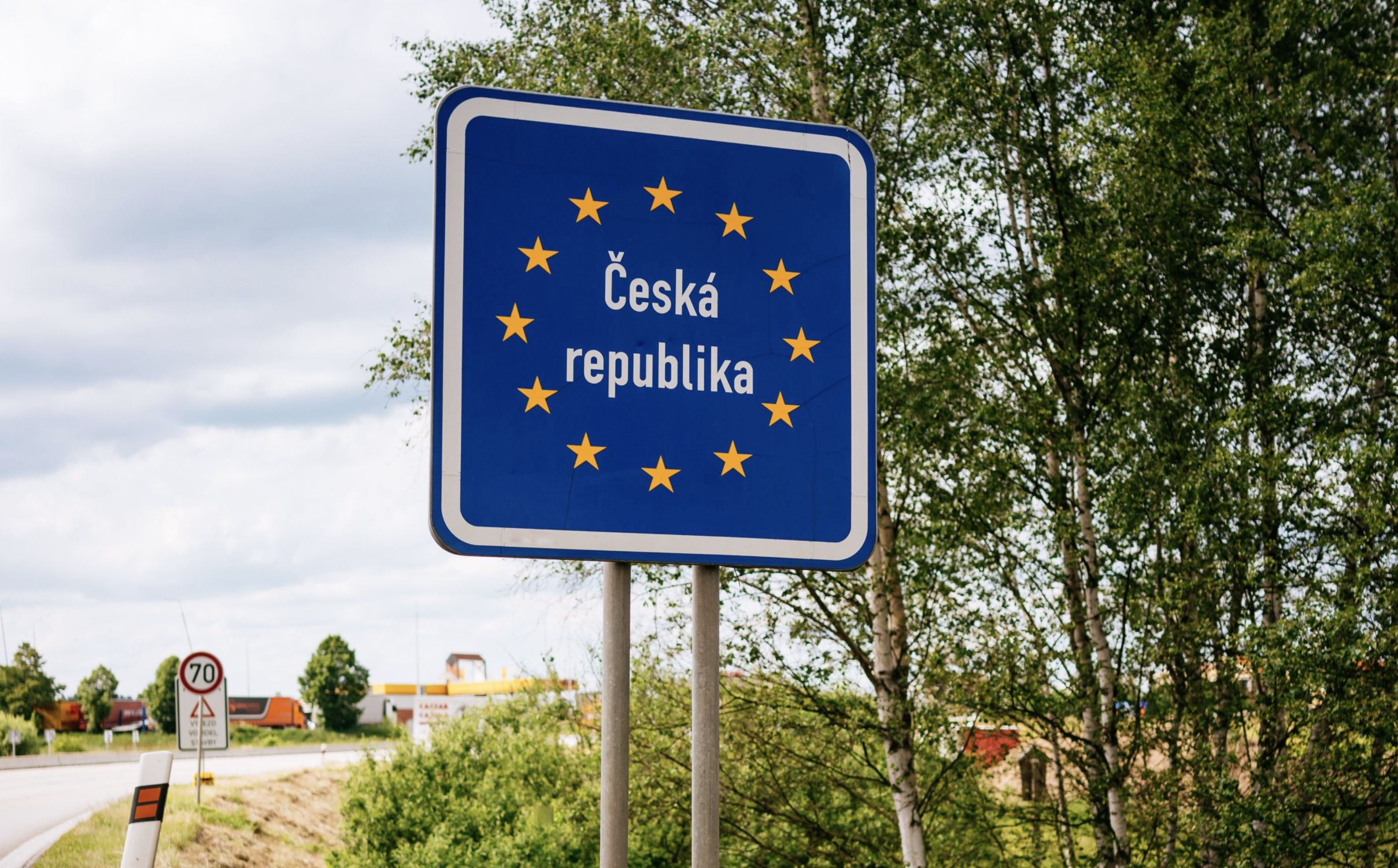
Czech Prime Minister Andrej Babis announced today that Czech Republic will end travel restrictions for Germany, Hungary, and Austria from today at noon.
The Czech Republic and Slovakia will fully restore free movement between the two countries from midnight
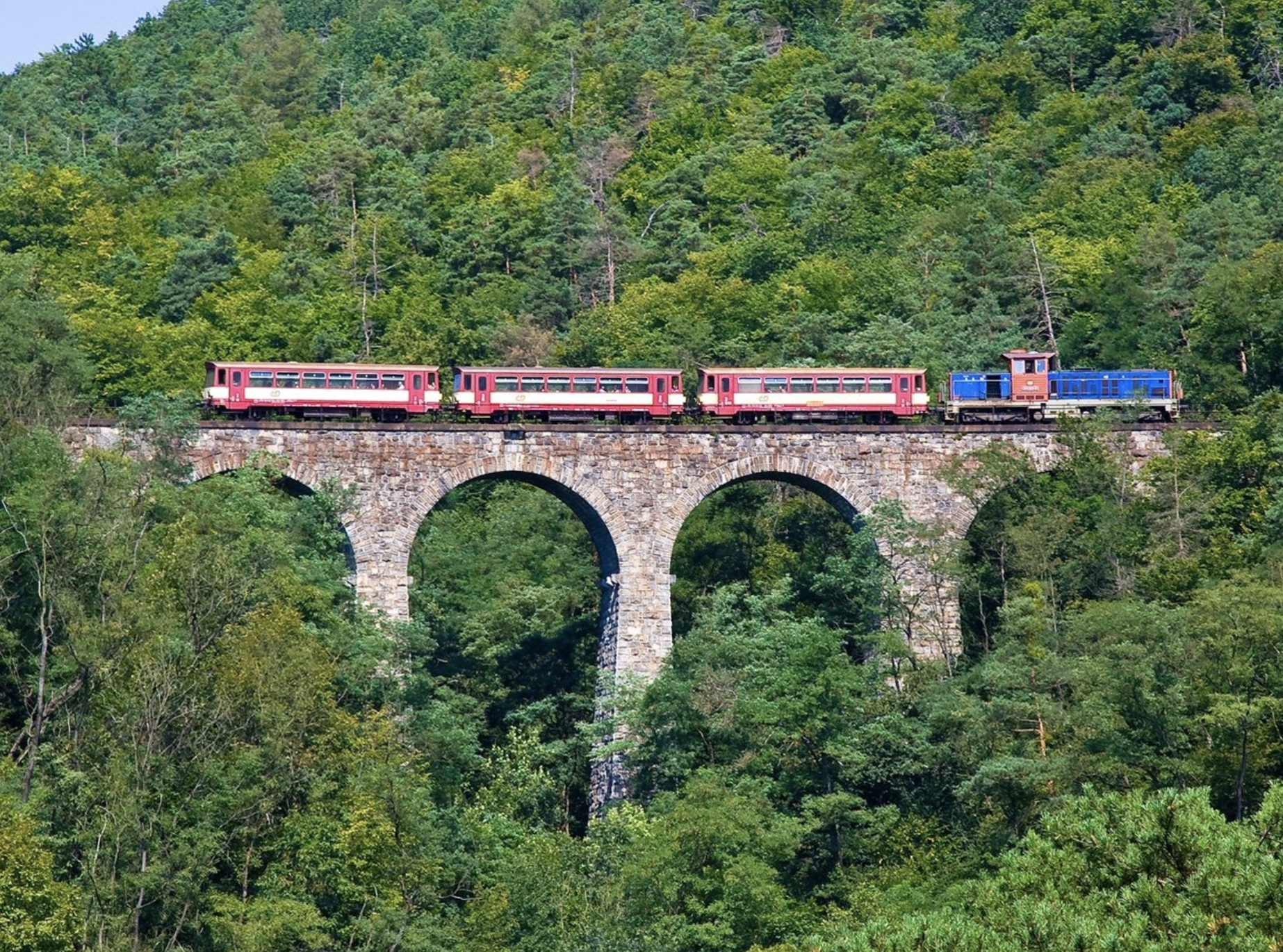
From Braník to Čerčany on a steam-powered locomotive. A steam train runs from the Braník train station, a UNESCO World Heritage Site, along the Sázava river. Nicknamed the Sázava Pacific, the route is known for its beautiful surroundings, including canyons. The name was given to the route by the tramps that would hop on for the ride. The train also rides along the Gold River, where the tramps searched for gold. Here, you can still see the old, wooden cabins that the tramps lived in while they search for their riches. The tramps named the route because the canyon was representative of the landscapes of the Wild West. You can make an unconventional excursion to Posázaví – the area around the Sázava River – on the Sázava Pacific. In Posázaví you can visit Týnec Castle and the nearby castle ruin of Zbořený Kostelec, see the Sázava Monastery, the Jemniště Chateau in Postupice, or head to the Hubertus Brewery in Kácov. During the train journey, which has a buffet car with refreshments, you will pass through tunnels, cross several stone viaducts, and take in breathtaking views of the picturesque Sázava River canyon. The total trip takes more than three hours to complete. However, there are plenty of...
In today’s overwhelmingly data-driven environment, we get tons of data to look at every day – from the COVID-19 death count to the numbers about businesses that never returned to the market. But for those businesses willing to navigate through the pandemic, there is a different sort of data to look at. Consumer behavior is, probably, one of the biggest areas (except for aviation business, maybe) that’s seeing the highest turbulence and shifts, and that dramatically impacts ecommerce and consumer demand. With the Czech Republic being one of the first-responders to the coronavirus outbreak in Europe, it’s probably one of the most interesting countries to look at in terms of shifts in people’s consumer behavior. And, thus, we can spot early on the changing e-commerce trends. So, after looking at worldwide ecommerce and consumer trends, here at SEMrush, we’ve compiled some CZ-specific data to pinpoint the changes in consumer behavior. These insights are designed to help businesses in their ecommerce practices to best meet the shifted consumer demand. So, be sure to pay attention to! Ecommerce Market & COVID-19 Impact in the Czech Republic With 52% of consumers taking social distancing seriously, it’s not surprising to see more people shopping...
Prague is issuing 121 million CZK vouchers to boost the cultural sector reopening after the COVID-19 lockdown. The vouchers can be used to buy items and tickets within the tourism, education, sports, leisure and entertainment industries. Anyone who sleeps more than one night in a hotel will receive a voucher from the city to visit, for example, cultural facilities. The campaign will start on July 1. “The project is designed to restart tourism. It is now focused on Czech tourists but we will eventually extend the program to travelers from different countries,” said Councilor Hana Třeštíková (Praha Sobě). “For every night spent in our country, the visitor will receive benefit points, and visit for example Prague zoo, the botanical garden, Planetarium, galleries and museums,” said Třeštíková. The system will be fully operational from 1 July and its end is currently scheduled for 30 September 2020. Institutions supported by Prague City through grants will also be involved. Among them, Třeštíková mentioned Dox and Kampa Museum. Between the start of January and the start of April, 3.1 million tourists were recorded – a fall of 22.2 percent in the same period in 2019. The number of nights paid for in the country’s...
This weekend, June 6 and 7 will take place the Open Gardens Weekend (Víkend otevřených zahrad) around the Czech Republic. It will be possible to visit about 160 gardens and parks throughout the country. Open Gardens Weekend is an event where people have the opportunity to see usually inaccessible gardens, but also get to know their favorite parks in new ways. A number of parks and gardens are organizing rich accompanying programs including guided tours, children’s activities, concerts, etc. The program also takes place in the gardens of Prague Castle. The Palace gardens under Prague Castle are situated on the southern slope of Hradcany hill and are a connection between Prague Castle and Lesser Town. The complex includes five gardens – Ledeburská zahrada, Malá Pálffyovská zahrada and Velká Pálffyovská zahrada, Kolowratská zahrada and Malá Fürstenberská zahrada. They were formed in the 18th century, their decoration was contributed by famous artists of the Czech Baroque period and Early classicism and a number of terraces, pavilions, orangeries and glorietas reminiscent of Italian Renaissance gardens. Tours of the Chateau and Flower Gardens (Podzámecká zahrada and Květná zahrada) will be ready in Kroměříž, the castle in Libochovice and at Vrchotovy Janovice castle you will “get to know” the last Chatelaine Sidonie Nádherná of Borutín. A complete list of open...
Don’t have an account? Register
Already have an account? Log In
How Would You Like to Promote Your Business? PR ArticleDisplay bannersVideo productionNewsletter adsJob ListingsInfluencer Marketing
Your Email
We will come back to you within 24 hours with our proporsal