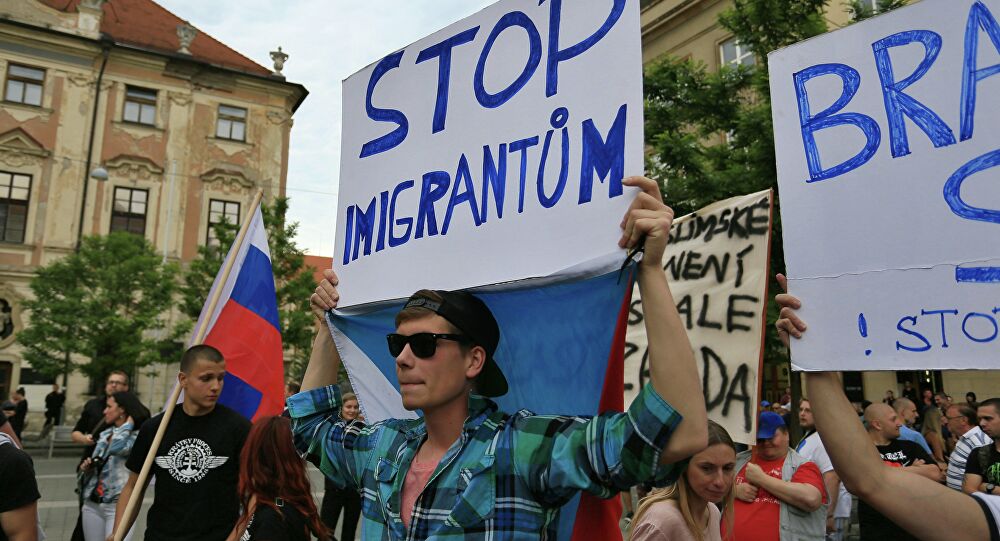
According to the results of a new Eurobarometer survey, Czechs are the most opposed to migration in Europe. 48 per cent of European citizens described themselves as either fairly or very negative to immigration from outside the EU, with just 44 percent in favor. In the Czech Republic, 86 percent of respondents are against non-EU migrants, meanwhile, only 14 percent support this type of migration. The Czech Republic is followed by Estonia (74 percent) and Latvia (74 percent). Of the national groups living in the Czech Republic, people like Czechs, Slovaks and Poles the most, while Arabs are the most disliked. Other countries strongly opposed to non-EU immigration were Hungary at 70 percent, Greece, Slovakia (both at 68 percent), Italy, Finland (both at 56 percent,) France at 53 percent, Denmark, and the Netherlands (52 percent). The EU is the most divided region in the world when people were asked whether their communities are good places to welcome and integrate migrants. Overall, out of 143 countries polled, Canada was the country with the highest percentage of people (90%) considering their communities to be good places in this respect, while Hungary had the lowest percentage (17%). Since 2010, attitudes have become more...
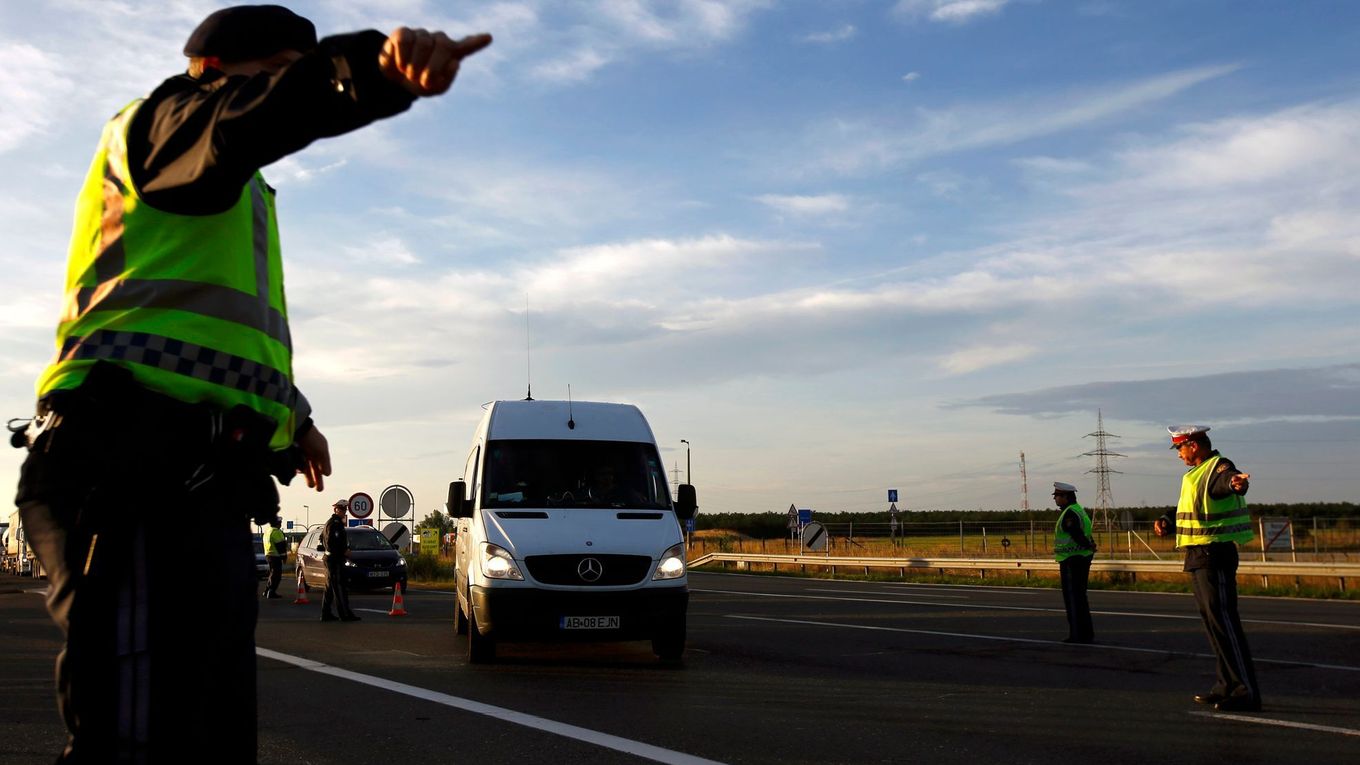
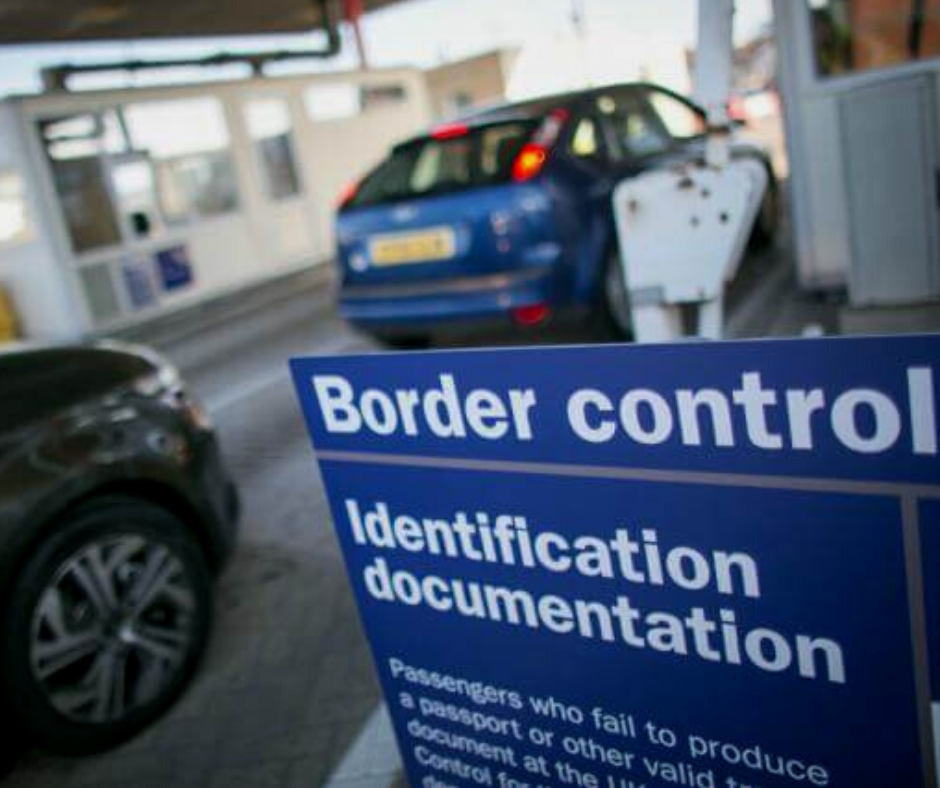
Consistent border checks due to the coronavirus crisis have helped Czech police to identify and arrest dozens of wanted suspects, according to Czech authorities. “We discovered at least one wanted person almost every day. In such a case, we immediately informed the relevant police department which commissioned the search. The next step is then their responsibility,” said Renata Grecmanová, a spokeswoman for the Directorate of the Foreign Police Service. However, she did not specify the number of detained individuals. The Czech Republic introduced the border controls due to coronavirus pandemic in mid-March. During the controls, police officers have checked the names of passengers in various databases, including the Schengen Information System, which is used not only to search for wanted, missing, or unwanted persons, but also for objects such as stolen vehicles, personal documents or weapons. “In the last two months, we tracked down 25 people at border crossings against whom the police have issued a warrant either for criminal activity or because they avoided serving a sentence,” said Martina Korandová, a spokeswoman for the Pilsen Region police. Police officers also came across such a case when the inspected driver appeared in the database of wanted persons in another country....
The Czech Ministry of the Interior paid 708 million CZK to the Chinese company Eastern Air Logistics for 49 flights transporting protective equipment during the state of emergency. Facing an acute shortage of protective gear for medical staff in the early days of the coronavirus outbreak, the government reached a deal to buy masks and other equipment from China, where the virus first emerged. The data was provided by the Ministry of the Interior on the basis of the Act on Free Access to Information, Zdopravy.cz wrote today. The total amount does not include the Ruslan cargo and the transport of material from China by Smartwings and CSA. The Ministry of the Interior also paid for the last Antonov An-124 cargo plane with medical supplies from Shenzhen to Pardubice. The state paid 18.9 million CZK to Volga Dnepr. Since March 20, aircraft have carried around 2,000 tons of respirators and other materials from China to the Czech Republic. On May 4, the Czech Interior Minister and Central Crisis Staff head Jan Hamáček thanked all those who participated in the mission, especially the firefighters and police officers who helped unload and distribute the materials.
Last year, Czech breweries increased their production by 1.6 percent year on year to 21.6 million hectoliters, announced the Czech Beer and Malt Association on Wednesday.
The Czech Republic reported 111 new cases of COVID-19 on Monday. This is the highest daily increase since April 21.
From 26 May, it will be possible to cross borders and controls will only be random.
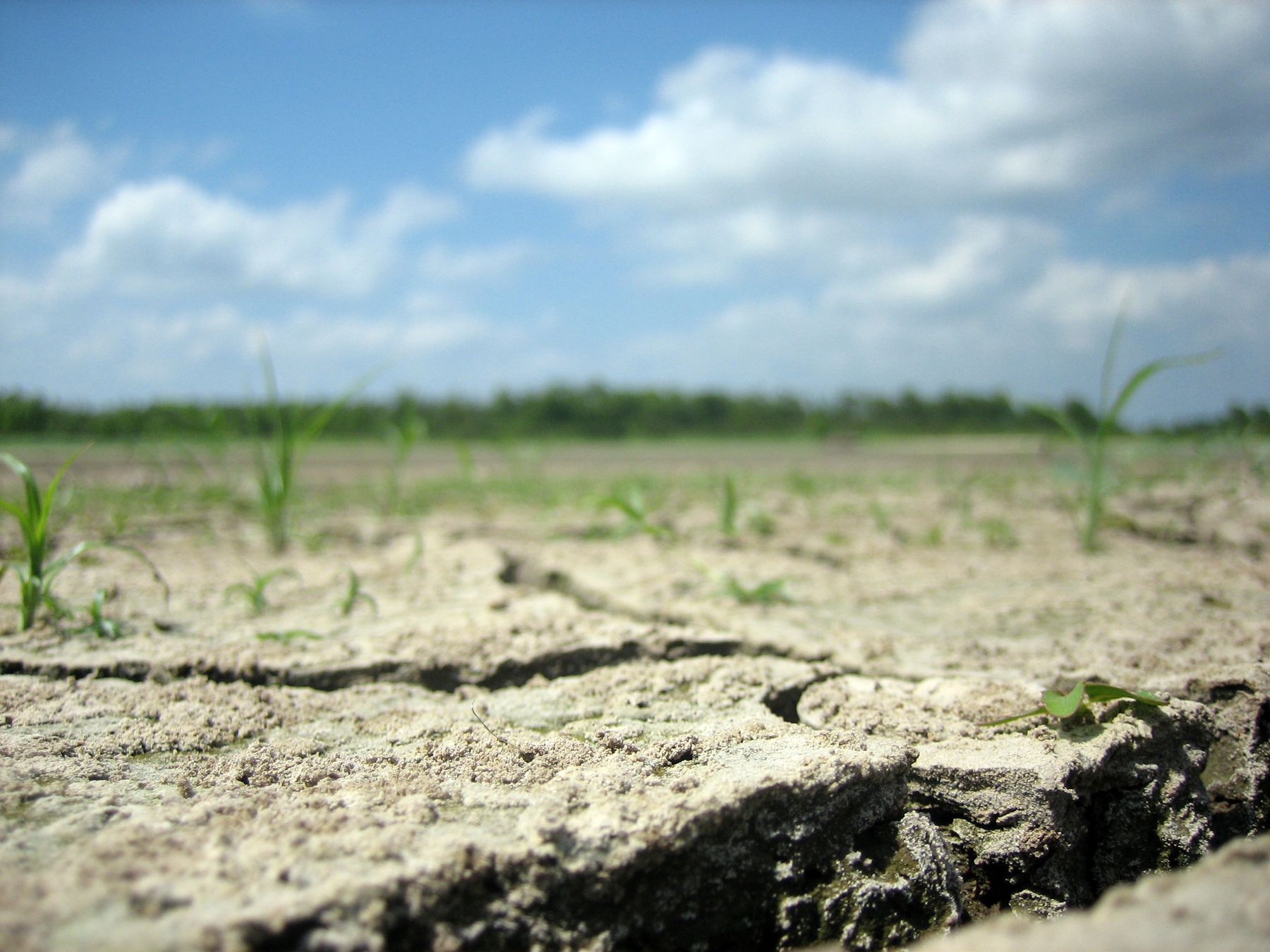
The prolonged period of dry weather in the Czech Republic has resulted in what experts are calling the ‘worst drought in 500 years.’ Scientists are using ESA satellite data to monitor the drought that’s gripped the country. Recent maps, produced by the Dutch company VanderSat, show the extent of the recent drought in the Czech Republic. The maps show drier-than-usual soil moisture conditions from 10 April to 10 May 2020, compared to the average observations over the same period over the past six years (2015-2020). Some areas display a 30% difference compared to the average, with the Olomouc and Ústí regions appearing to be the most affected. Richard de Jeu, from VanderSat, comments, “When compared to the average, or what we consider ‘normal’ conditions, a 30% difference in spring can be considered catastrophic for agriculture and nature if this drought persists throughout the summer.” Climate change is exacerbating drought in many parts of the world – increasing its frequency, severity, and duration. With 2020 expected to be one of the hottest years on record, drought monitoring is crucial. VanderSat uses data from ESA’s SMOS satellite and the EU’s Copernicus Sentinel missions, combined with data from NASA and the Japanese space agency JAXA missions,...
A government expert who wishes to remain anonymous sparked the Czech government to take fast action against the coronavirus in a move that likely saved thousands of lives, said Czech Interior Minister Jan Hamáček while discussing the government’s response to the crisis in its early stages. “The moment I realized that a train was coming at us from the opposite direction was when I saw a mathematical model that, based on the development in Italy and Spain, showed how the number of infected people in our country will rise and when there will be a collapse of the health care system. When the author of the model presented it at the Ministry of the Interior, there was complete silence. We realized that in a matter of weeks, huge trouble will hit us, and I said that the prime minister must see the model,” said Hamáček. According to the interior minister, the expert in question does not wish to reveal his name as he does not want to be famous. The Czech Republic was one of the first countries to initiate lockdown measures and close its borders to hard-hit countries like Italy in moves that may account for the country’s comparatively...
The Czech Republic reported 49 new confirmed cases of coronavirus infection on Saturday, keeping the number of newly registered COVID-19 cases under 100 over the past 15 days. According to figures from the Minister of Health, the total number of COVID-19 now in the country has reached 8,455, and the death toll stands at 296. At the moment, 183 people are hospitalized with COVID 19, 39 of them are in serious condition. Nevertheless, laboratories performed fewer tests compared to working days, and COVID-19 was found in 1.16% of respondents. More than three-fifths of patients have recovered and at the same time, the number of people in hospitals continues to decline. There are currently 175 people in hospitals, 39 in critical condition. According to the latest data, the Czech Republic registered 1959 people infected with coronavirus, with almost 150 infected per 100 thousand people. Prague is followed by Karlovy Vary Region with 147 infected per 100 thousand inhabitants. On the contrary, the lowest incidence rate was recorded in South Bohemia, with 28 people infected per 100 thousand inhabitants.
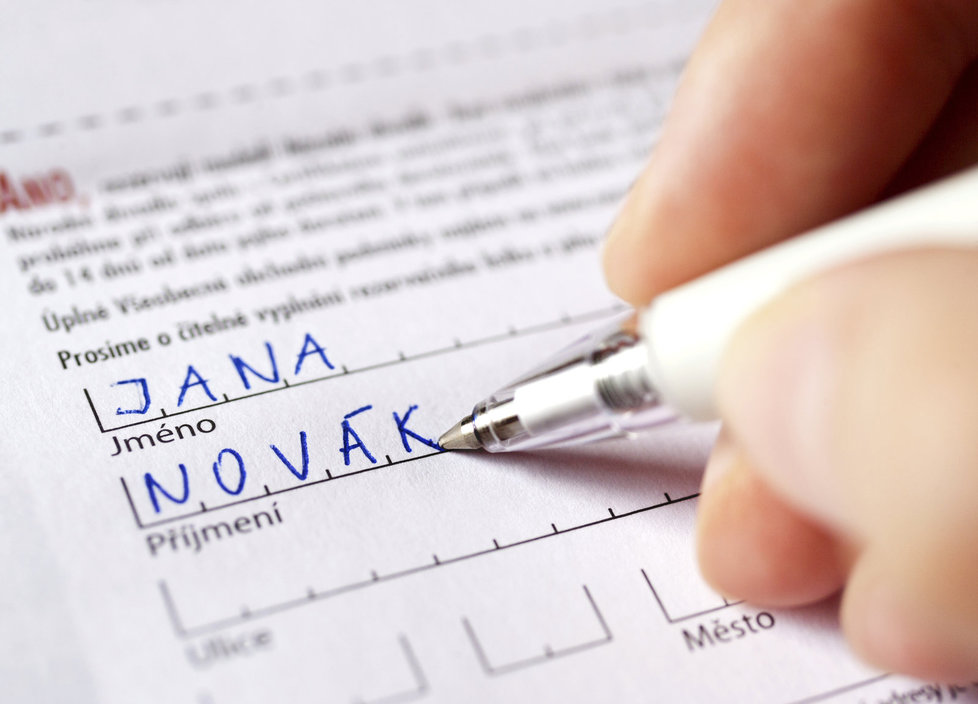
The spotlight is on one of the most quintessential features of the Czech language, the feminine ending ‘–ová’ on all women’s surnames. Strictly speaking, this grammatical rule indicates that wives ‘belong’ to their husbands, and that’s why many think it’s out of date. Czech women will soon probably be able to drop this suffix, as reported by Blesk.cz. The Lower House’s Committee on Public Administration and Regional Development has recommended changing the amendment to the law on birth registers, names, and surnames. A final decision will be taken between the end of May or the beginning of July. “Women should have an option to make their own choice, and a growing number of Czech women prefer to use the masculine form of their surname,” says Pirate Party MP Ondřej Profant. However, not everyone agrees with the change. The Czech linguists Karel Oliva says that “without the suffix –ová, we will be unable to express the gender and it could bring up some discrepancies in communication.” Until 2004, every woman who married in the Czech Republic and wanted to change her name had to adopt a feminine surname, unless her husband was a foreigner whose name ended in a vowel or she was a...
Group events indoors and outdoors will be allowed for a maximum of 300 people from 25 May. If the epidemic remains under control, the capacity will increase to 500 people from June 8 and to 1,000 from June 22, said Health Minister Adam Vojtech. However, it will be necessary to keep a safe distance. From 25 May, visits to hospitals and nursing homes will also be allowed. Inside the restaurant, the staff will have to wear a face mask and guests can take it off only while eating and drinking Establishments have to remain closed between 23:00 and 06:00. During this time, they can only operate through a window. In swimming pools, people will have to wear face masks – they will not be necessary only in water or on a lounger or towel. From 25 May, citizens will be able to visit the interiors of state castles and chateaux as well as zoos. Face masks, on the other hand, will not be mandatory outdoors, while maintaining a safe distance. “We still do not underestimate the situation,” said Rastislav Maďar. “The virus is still here and that is why people should follow the rules. Wear the face mask, and keep...
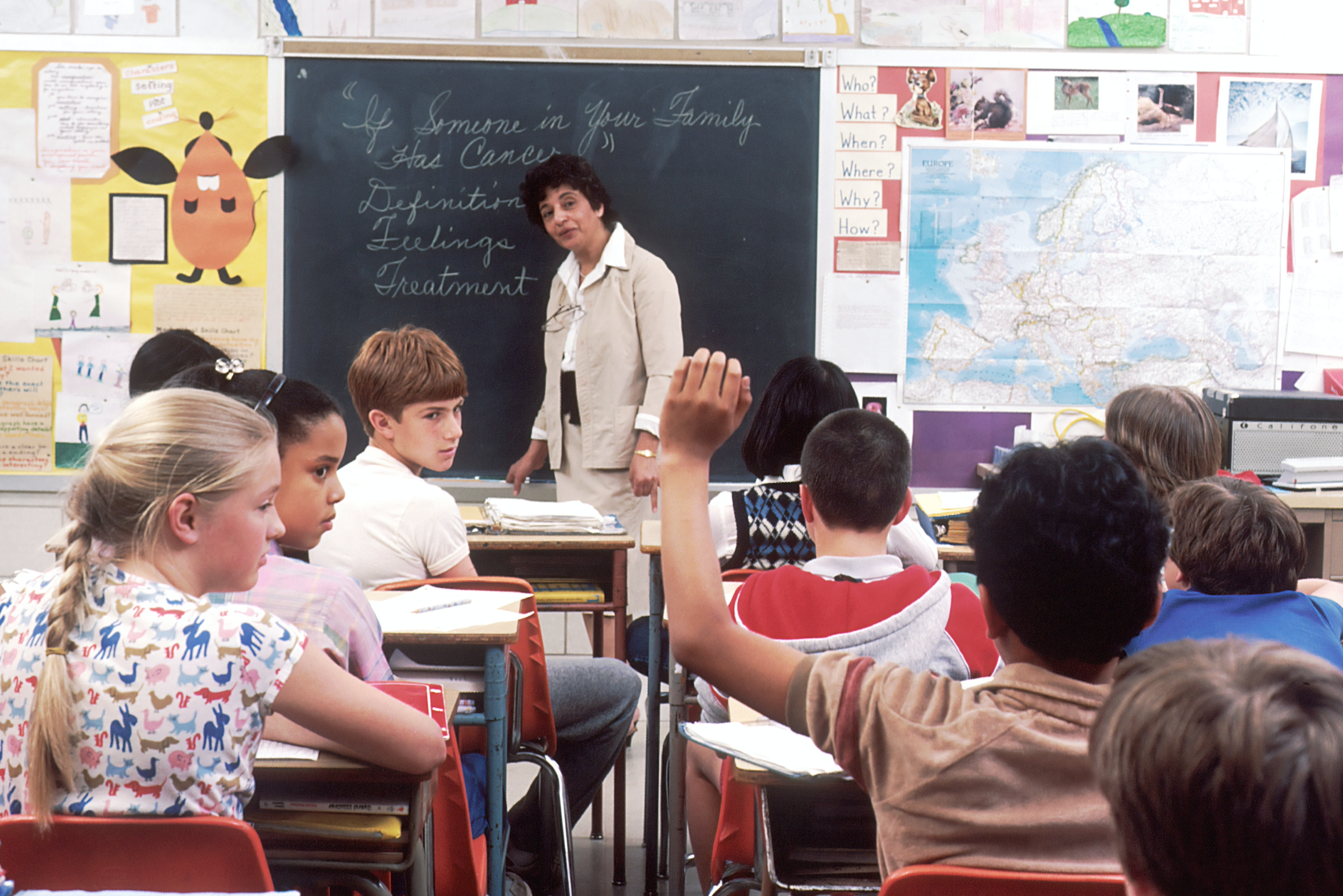
There is so much to do when the decision is made to move to another country and take up permanent residency. Of course, there are all of the details – getting your passport and the initial Visa, finding housing, making arrangements to store or move your belongings, setting up banking, resolving any issues with driving (if necessary), telephone service, and more. And ultimately, you will have the responsibility for applying for permanent residency. What may be on the “back burner” initially will be schooling, especially if you have school-age children and you do not intend to home school them. If you have pre-planned well, you may have already checked out the options for education, either for your children or for yourself (if that is in your plans). If not, you will want to understand a bit about education in the Czech Republic, so that you know your options before you arrive and begin looking. Public Education Education is mandatory for all Czech children through the age of 15. Most stay in school until 18 and then either join the workforce or move on to vocational or academic post-secondary schools. The majority attend public schools, although there are plenty of private...
Don’t have an account? Register
Already have an account? Log In
How Would You Like to Promote Your Business? PR ArticleDisplay bannersVideo productionNewsletter adsJob ListingsInfluencer Marketing
Your Email
We will come back to you within 24 hours with our proporsal