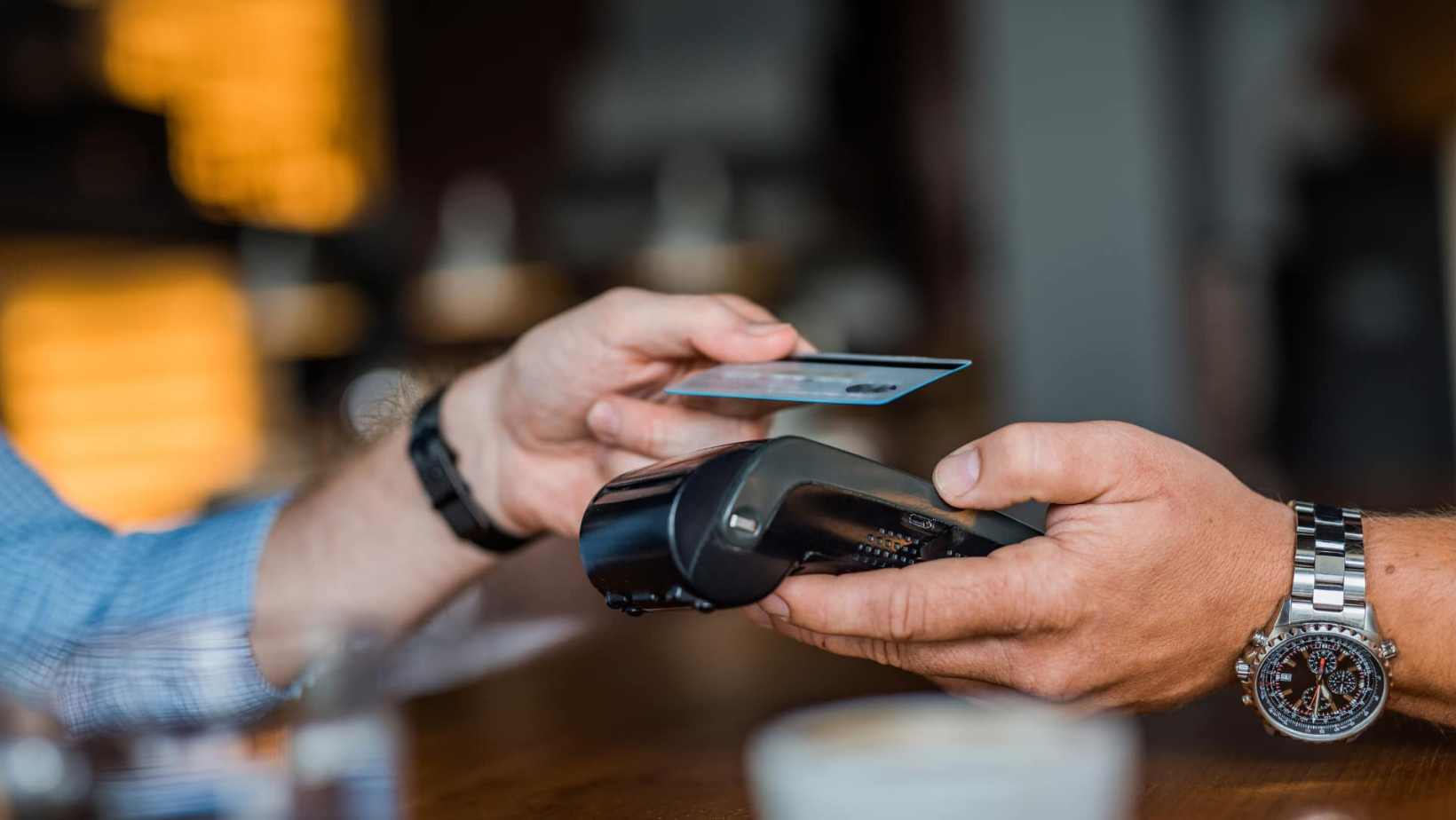
Paying in Czech shops and restaurants is no longer straightforward. While many customers now rely entirely on cards or mobile payments, others still expect to pay with banknotes and coins. Tension arises when a business allows only one payment method. The question is simple: can a seller legally refuse cash? The debate has divided customers for years. For some, cashless payment is faster and easier. A phone or card replaces a wallet. Others see cash as a way to stay in control of spending and avoid digital tracking. The conflict becomes visible at the checkout, when a sign says “card only” or “cash not accepted.” The consumer organisation dTest has repeatedly warned that payment methods are not just a matter of preference. Some retailers refuse cards, citing fees and technical problems. Others go the opposite way and ban cash altogether. That is where legal obligations collide with business freedom. From a business perspective, the reasons for avoiding cash are practical. Cash handling takes time. Staff must count it, store it safely, and deal with mistakes when giving change. There is also the risk of theft. Large retailers face additional costs when transporting daily takings to the bank. Customers who insist...
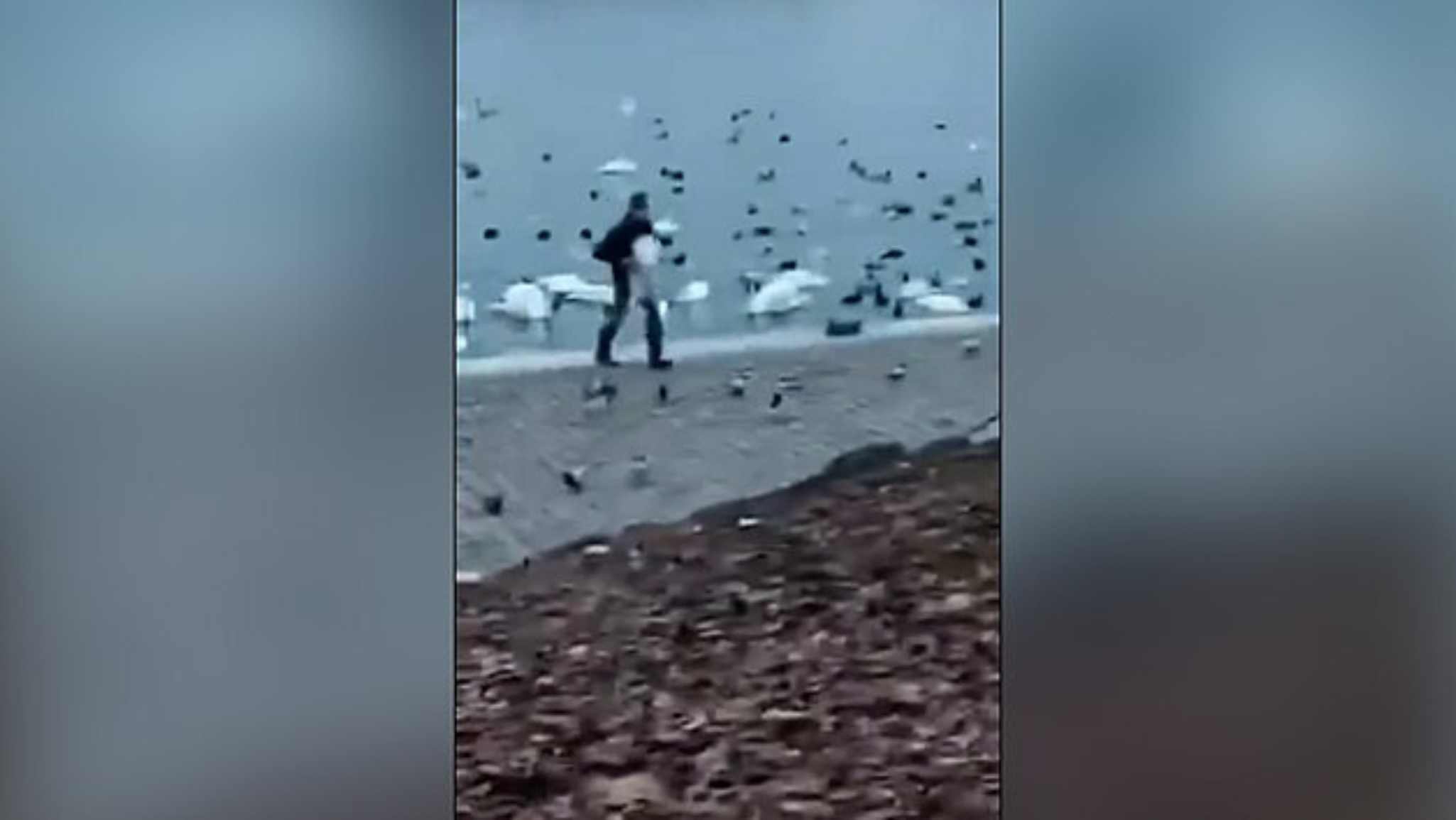
A man has been filmed capturing a swan on the banks of the Vltava River in Prague and carrying the bird to his car, where he placed it inside a box. Police are now trying to identify him and determine whether a crime was committed. The footage, recorded on the Smíchov embankment, began circulating on social media this week. It shows the man grabbing a swan near the water, holding it tightly against his body, and walking away from the river. Prague police have confirmed they are investigating. Officers from the Smíchov district are handling the case and are working to identify the man seen in the video. “The legal classification of the act is still being assessed. It will be determined whether this is a criminal offense or a misdemeanor,” police spokesman Richard Hrdina said. Investigators have received video material and photographs from the witness, including images showing the vehicle’s license plate. Animal welfare activists say there are indications the man may have acted in a similar way before. That suspicion was echoed by Prague Deputy Mayor Jiří Pospíšil, who also shared the video online. He said he had received reports that a man matching the same description had...
Ambiente has expanded its presence in Prague with the opening of three food businesses at the Holešovice Market. A new branch of the Myšák pastry shop, the Skô restaurant led by Slovak chef Tomáš Valkovič, and a Naše maso butcher shop have begun operating in Halls 27 and 28. The project brings together brands long associated with Ambiente and well known from central Prague. Each venue keeps its original focus while adapting to the market setting. Guests can move freely between the businesses and use the courtyard as a place to eat, meet, or pause during a visit to the market. At the heart of the concept is the courtyard, which connects the individual operations into a single space. Naše maso in Hall 27 offers beef and pork from Czech farms, smoked meats based on First Republic recipes, and ready-to-eat items such as burgers, steak tartare, and meatloaf sandwiches. The shop is designed for both takeaway and quick stops. Sharing Hall 27 is the Myšák pastry shop, focused mainly on takeaway. The menu includes classic Czech desserts, cakes made from historical recipes, filled and baked croissants, buns with vanilla cream, homemade granola, and coffee from the Nordbeans roastery in Liberec....
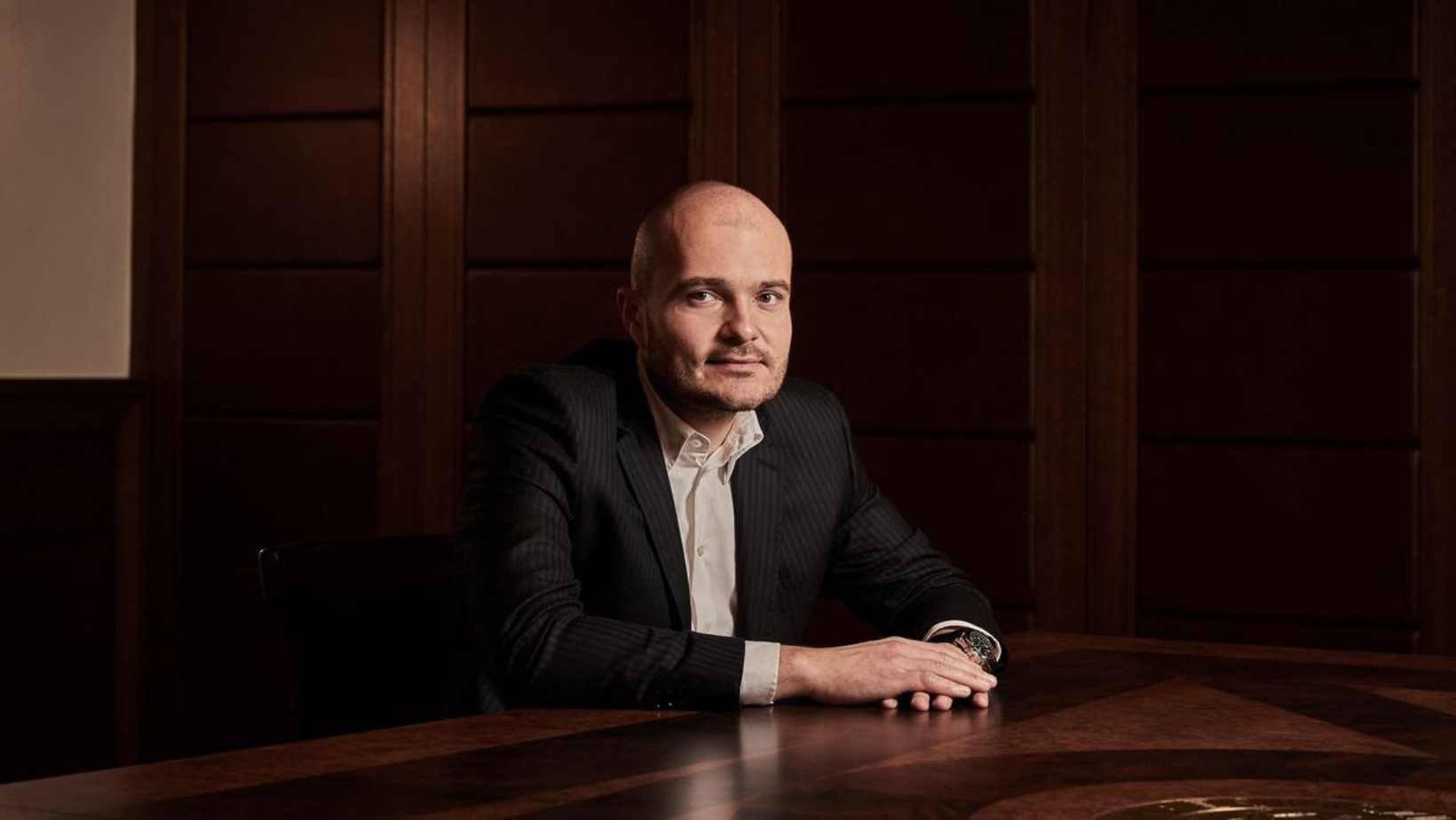
Owner and CEO of the regional weaponry conglomerate Czechoslovak Group (CSG) Michal Strnad has become the richest Czech following CSG’s IPO on the Euronext bourse in Amsterdam last week. The January 23 IPO became the “world’s largest defence IPO ever recorded both in terms of amount raised and market capitalisation,” according to Euronext. CSG’s IPO was among the largest since the beginning of 2025 in terms of money raised of €3.8bn, surpassing IPOs of tech companies such as CoreWeave, Klarna or eToro, and behind just Chinese battery producer CATL and US health group Medline. The CSG stocks gained rapidly on January 23 before steading to around €33 per stock on the third trading day this week, which is a 32% growth on the €25 per stock IPO value. With the current market valuation of approximately €32bn CSG has also moved ahead of the majority-state-owned energy utility ČEZ to top the Czech list of the most valuable companies. Bloomberg estimated Strnad’s fortune to amount to $37bn, making him also the world’s third richest man below 40 years of age behind Mark Mateschitz, one of Red Bull’s inheritors and Lukas Walton, grandson of Walmart’s founder Sam Walton. The estimate also makes Strnad,...
The index, which analyzes 45 countries, is not based on rumors but on a complex metric of six key indicators: the average number of sexual partners, the age at which virginity is lost, STI rates, the legality of prostitution, and social acceptance of premarital sex. Czechia achieved a total GPI score of 305.50, with people reporting an average of 9.0 sexual partners over a lifetime, while the average age for first sexual experience is 17.2 years. In addition, a high percentage of the Czechs considers sex between consenting adults outside of marriage to be morally acceptable, reflecting a notable shift in the country’s traditionally conservative social fabric. Australia took the top spot with a score of 360.14 (averaging 13.3 partners), followed by Brazil in second place (340.66). Greece beat out other notably liberal nations such as Chile (4th), New Zealand (5th), and Germany (6th). Italy ranks at the 7th place, suggesting a Mediterranean trend of high sociosexuality. Sociologists suggest that Greece’s ranking may be attributed to its warm climate, a thriving tourism industry that encourages summer flings, and a modern culture that increasingly balances traditional Mediterranean family values with Western liberal attitudes toward dating. The report also references the “Sociosexual...
A routine charter flight to Prague ended in tragedy on Tuesday evening when a female passenger died shortly after the aircraft landed at Václav Havel Airport. The incident occurred on a Smartwings flight arriving from Boa Vista, one of Cape Verde’s main tourist islands. The plane touched down shortly before 10 p.m. local time after a flight lasting more than six hours. Disembarkation had not yet begun when the woman collapsed onboard. According to the Czech Foreigners’ Police, preliminary findings suggest the woman died from natural causes. Authorities said there was no indication of a technical malfunction, turbulence-related injury, or other flight-related incident. Her exact age has not been officially confirmed. Emergency responders and airport medical staff were called to the aircraft immediately after the situation was reported. Despite attempts to provide assistance, the woman could not be revived. The death occurred before she was transferred to ground services assisting passengers with reduced mobility. Other passengers remained onboard during the intervention. Airport operations were not disrupted beyond a brief delay related to the aircraft’s handling on the apron. Smartwings later confirmed the incident and expressed condolences to the woman’s family. The airline stated that its crew followed standard emergency procedures...
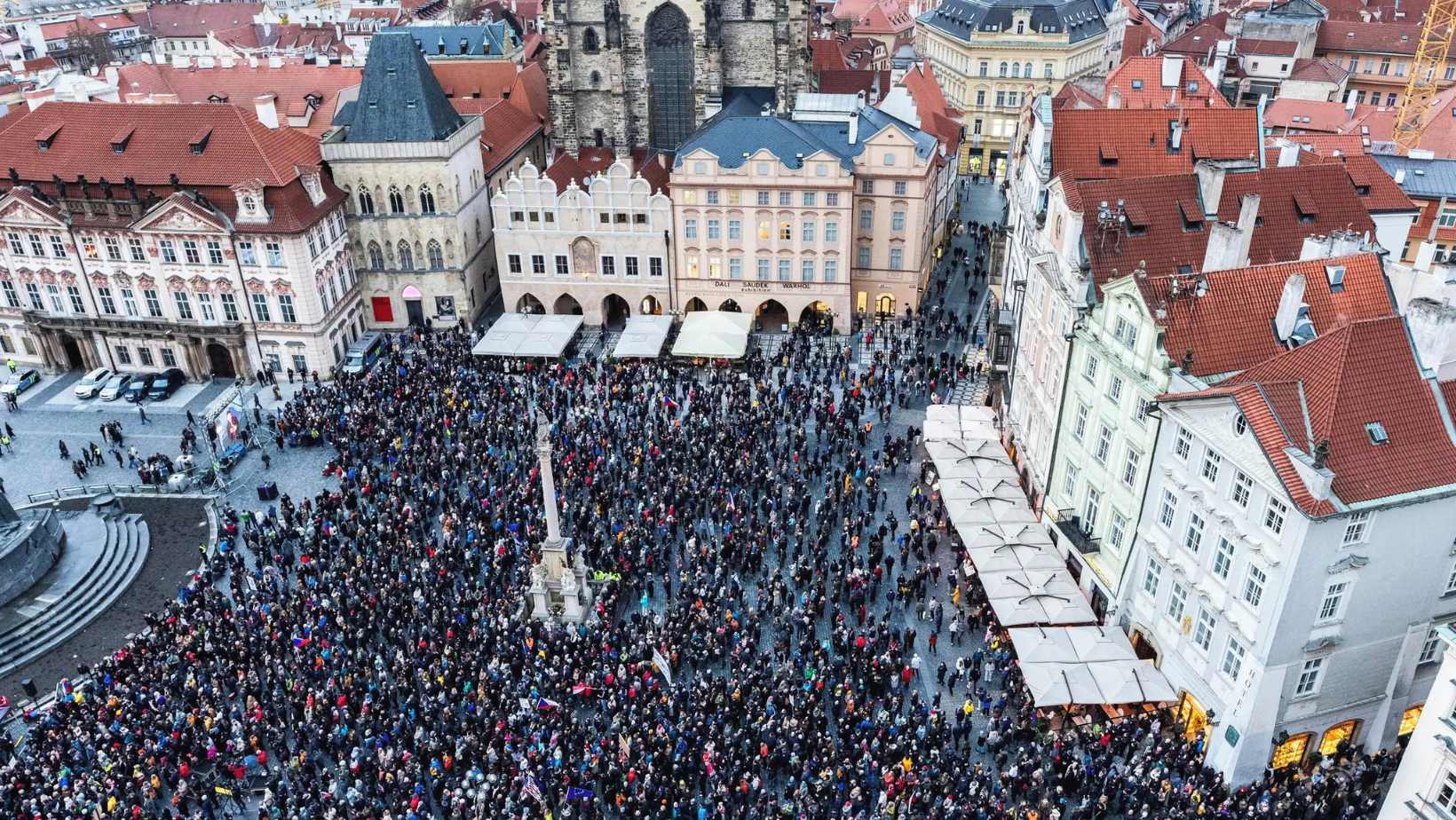
The Million Moments for Democracy association is organizing a public demonstration in support of President Petr Pavel this Sunday at Old Town Square in Prague. The event will start at 3 p.m. and is expected to continue in other cities if the square becomes overcrowded. Mikuláš Minář, founder and chairman of Million Moments, criticized Foreign Minister Petr Macinka for what he calls a clear attempt to pressure the president. “Mr. Macinka’s blatant blackmail of the president is completely unacceptable. Our national security is not a toy for him or anyone in the current government,” Minář said on Tuesday. He was reacting to messages Macinka sent to the president’s advisor Petr Kolář, which President Pavel later published. Pavel considers these messages an act of blackmail. The organizers stressed that the protest is about more than one person. “If this passes silently today, there will be no borders tomorrow. It’s about a dangerous precedent: whether anyone can use personal pressure to force political decisions that affect the security of the Czech Republic,” the association said on social media. During the rally, the association plans to present its demands and outline further steps. If Old Town Square cannot accommodate the crowd, Million Moments...
The private residence of Tomio Okamura, Speaker of the lower house of the Czech Parliament, was marked on Google Maps as “Organization for the Support of Ukraine.” This occurred after his statements regarding Ukraine and a pro-Ukrainian demonstration. Users have noticed that the private house of the Speaker of the lower house of the Czech Parliament, Tomio Okamura, located in the Břevnov district of Prague, is listed on Google Maps as “Organization for the Support of Ukraine”. The publication notes that the label appeared after Okamura called the pro-Ukrainian action on Charles Bridge, timed to coincide with Ukraine’s Flag Day, a provocation. Activists unfurled a 30-meter yellow-and-blue banner on the bridge. This is not the first time Okamura’s house has become a “target” for activists. After the speaker removed the Ukrainian flag from the Czech parliament building, yellow and blue flags were hung on the fence of his residence. Tomio Okamura, who heads the far-right party “Freedom and Direct Democracy”/SPD, is known for his criticism of Kyiv. His New Year’s address, in which he spoke out against aid to Ukraine and pointed to “Zelenskyy’s junta,” caused a great resonance and protests. In the Czech Republic, opposition deputies want to initiate...
The traditional Žižkov Carnival is entering its 31st year. This popular neighborhood celebration will take place on Saturday, February 7, 2026, and will once again offer a colorful carnival parade, a rich accompanying program for children and adults, theater, music, crafts, and authentic carnival delicacies. There will also be an original selection of beverages and the opportunity to join in the fun in costume. The carnival parade of masked participants will begin at 4 p.m. on Jiřího z Poděbrad Square. Participants will begin lining up at 3 p.m., accompanied by the Lovesong Orchestra. The parade will then proceed via Lucemburská, Bořivojova, Ondříčkova, Lupáčova, Havlíčkovo náměstí, Štítného and Husinecká streets to Radost Park. At approximately 4:45 p.m., the traditional handover of the key to Žižkov and the symbolic takeover of the district will take place at the Prague 3 City Hall. The parade will arrive at its destination in Radost Park about ten minutes before 5 p.m. “Carnival celebrations were not organized under communism, and Prague 3 was the first or second district in Prague where the tradition was revived in the 1990s. Today, Carnival is an integral part of Žižkov. It is a celebration of good cheer and neighborly gatherings,...
Restaurants across the Czech Republic are facing a steady drop in in-house customers, particularly during the working week. According to industry data and business owners, many establishments now rely on just three days to stay afloat. Thursday, Friday, and Saturday have become the only profitable days for a growing number of restaurants. From Sunday through Wednesday, most operators either break even or lose money. Some have already adjusted their opening hours. Others have closed entirely on weekdays. “Our restaurant doesn’t open from Monday to Wednesday anymore,” said Lumír Sendrej, a restaurant owner. “If we did, we would be operating at a loss.” Industry figures confirm the trend. Over the past three years, revenues in Czech restaurants have dropped by around 10 percent. Weekday foot traffic alone fell by roughly 8 percent compared to last year. Lunch service has been hit hardest. “Lunch is basically gone,” said Luboš Kastnér, a board member of the Association of Small and Medium-Sized Entrepreneurs. “It’s no longer a fight. It’s over. People simply don’t go out for lunch during the week anymore.” Instead, customers are increasingly ordering food to their homes or offices. Delivery services are no longer a supplement. For many restaurants, they are...
Travel across Europe is set for major change in 2026. Tourists will face tighter border checks, new digital permits and rising costs. The European Union says the measures are designed to improve security and manage the flow of visitors. New systems and checks The EU finally launched its new Entry/Exit System (EES) on 12 October 2025. The phased rollout is expected to be complete by 10 April 2026. Rather than having their passports stamped, non-EU travellers crossing external Schengen borders will have to provide biometric data – including passport data, fingerprints and a facial image – electronically on entry. The system will cover all EU countries except Ireland and Cyprus, as well as Iceland, Norway, Switzerland and Liechtenstein. The goal is to identify visa overstayers and combat illegal migration by verifying travellers’ identities, strengthening security checks, and maintaining a register of entries in EU databases. Digital authorizations for visa‑free travel A separate digital permit, the European Travel Information and Authorization System (ETIAS), is also on the way. Scheduled to take effect at the end of 2026, ETIAS will require travelers from visa‑exempt countries to apply online before visiting the Schengen zone. The fee for ETIAS authorization is set at 20...
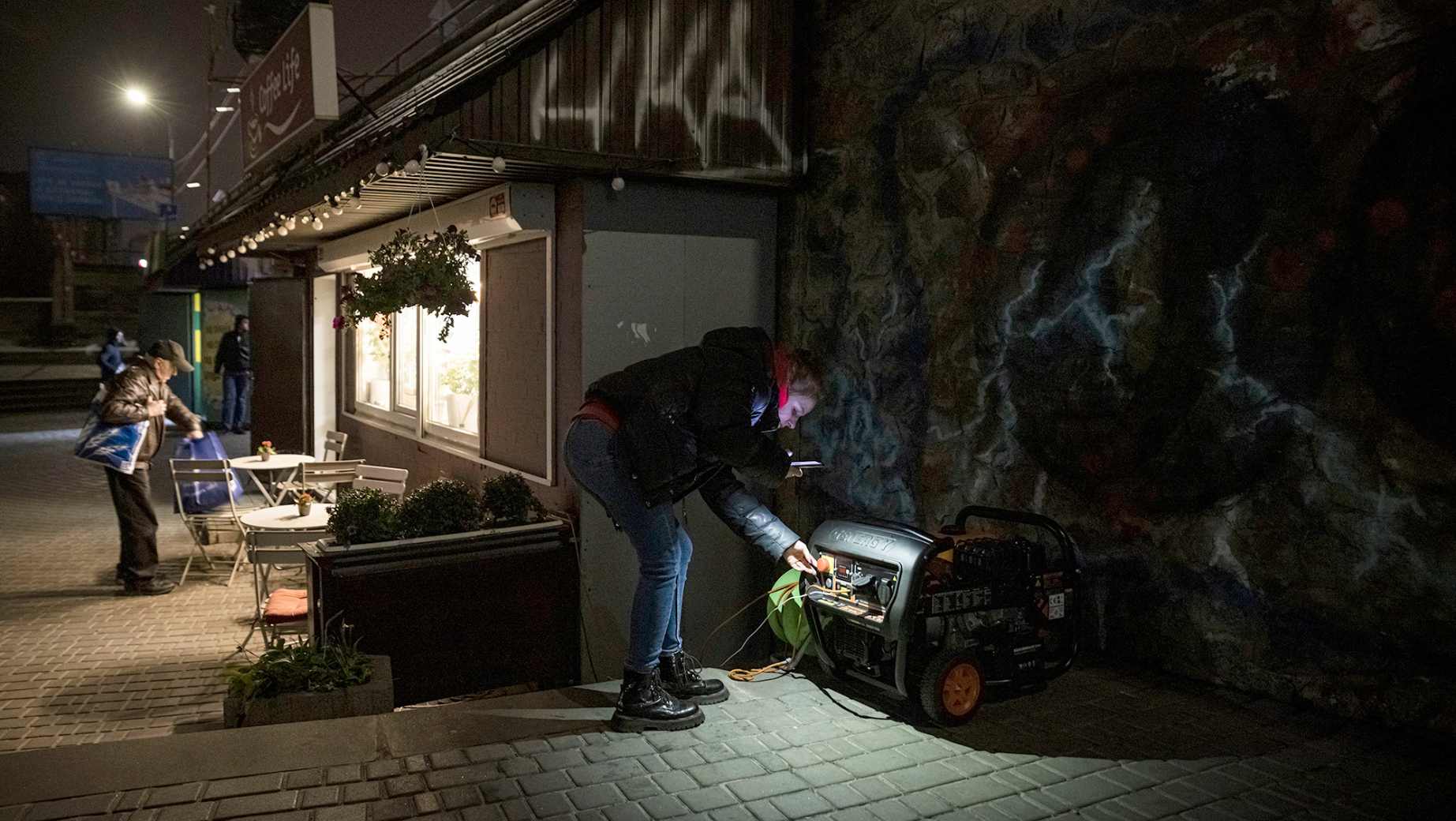
A Czech crowdfunding initiative raised over 142 Million CZK million in just five days to purchase generators, heaters, and power banks for Ukraine, organizer Martin Ondracek told Reuters. In recent months, Russia intensified its daily terror drone and missile attacks to focus specifically on Ukraine’s power grid. Amid freezing winter conditions, Russian forces continue to strike power stations, substations, and other electricity infrastructure across the country. Most oblasts of Ukraine are enduring scheduled outages, with some areas receiving only a few hours of power per day. The largest energy crisis has hit Kyiv, where electricity cuts and partial disruptions to heating and water supplies have continued for over two weeks. The Darek pro Putina (Gift for Putin) campaign has been collecting donations for Ukraine since Russia’s full-scale invasion in 2022. Between 21 January and 26 January, the initiative gathered 126 million crowns, Ondracek said. Another 15 million CZK are expected from donors. “Over the weekend, we ordered two generators—diesel units mounted on trucks—costing 8 million crowns each, which are to be delivered to two small medical facilities,” Ondracek said, according to European Pravda. The initiative works with three foundations in Ukraine to avoid lengthy logistical and customs delays, but is...
Don’t have an account? Register
Already have an account? Log In
How Would You Like to Promote Your Business? PR ArticleDisplay bannersVideo productionNewsletter adsJob ListingsInfluencer Marketing
Your Email
We will come back to you within 24 hours with our proporsal