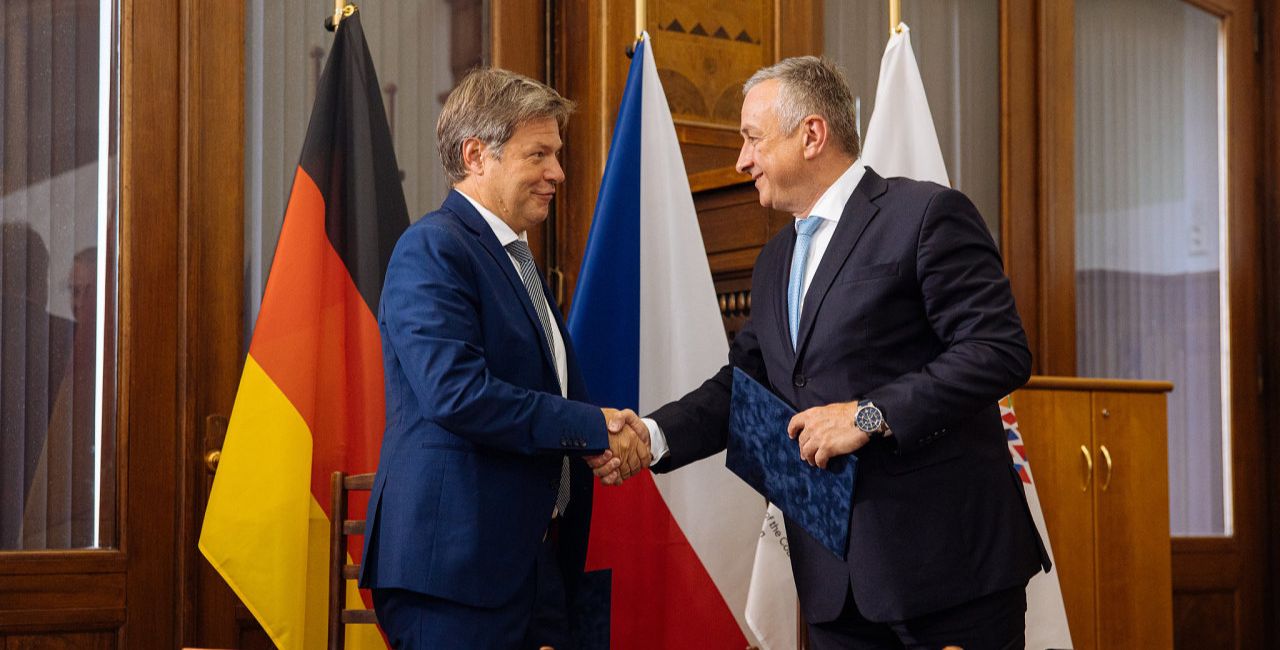
Germany and the Czech Republic on Monday signed a joint declaration, pledging to overcome Russian fossil fuel dependency and to accelerate the transition to low carbon energy as falling Russian gas imports threaten security of supply across Europe. Also on Monday, the biggest single pipeline carrying Russian gas to Germany began annual maintenance, with flows expected to stop for 10 days, but governments, markets and companies are worried the shutdown might be extended because of the war in Ukraine. “We are going to finalise the agreement on solidarity measures to safeguard the security of gas supply between our countries prior to the start of the upcoming winter season,” the declaration read. German Economy Minister Robert Habeck, on a visit to Prague, and Czech Industry Minister Jozef Sikela said it was necessary to prepare for various options, including that deliveries through the Nord Stream 1 gas pipeline would not resume when scheduled maintenance is due to finish on July 21. “European solidarity is more important than ever in the current energy crisis. This also includes closer coordination between direct neighbours,” explained Habeck.” Already, Christian Kullmann, president of the chemical industry association VCI, has called for the securing of industrial gas supplies...
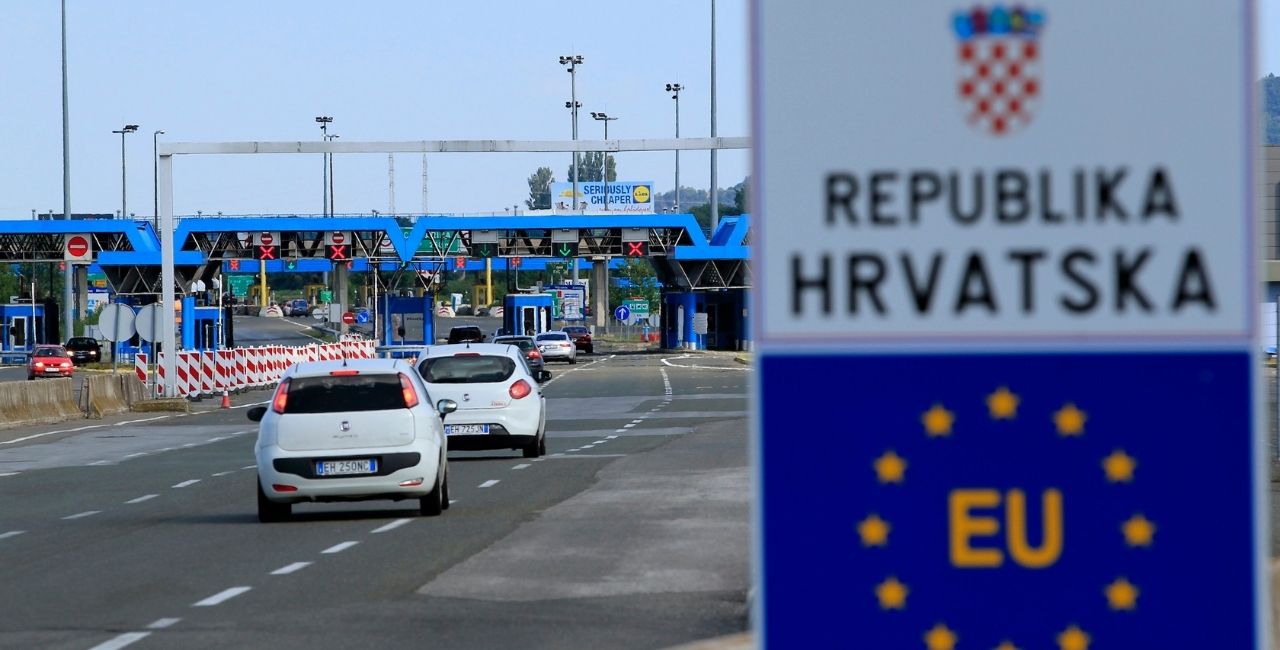
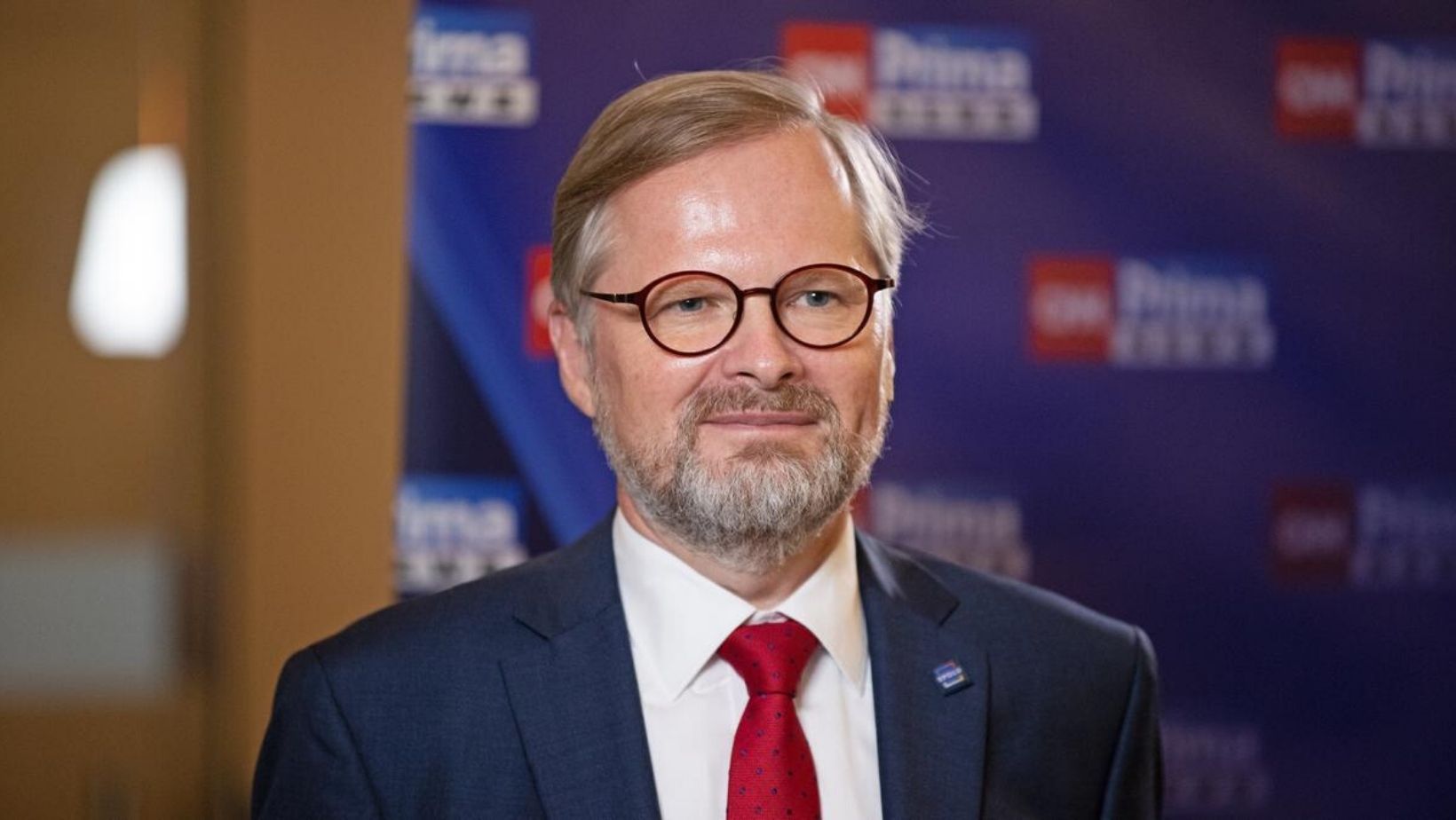
The Czech Republic will strive to ensure that, during its presidency, the EU grants Croatia entry into the Schengen Area, Czech Prime Minister Petr Fiala said on Thursday after meeting with his Croatian counterpart in Prague. Croatian Prime Minister Andrej Plenković said his country wants to enter the EU’s borderless zone in January 2023. This might be possible, Fiala told the Czech News Agency that he also feels significant support among EU leaders for Croatia’s accession to the Schengen Area from speaking to them at informal meetings. The two leaders also talked about the Czech EU presidency, which just started last week. The prime ministers spoke in particular about the European integration of the Western Balkan countries and the main objectives set by the presidency in this area. “We would like to move forward on the integration of the Western Balkans, including Bosnia and Herzegovina,” Fiala said. A few weeks ago at the EU summit the troubled country received little hope from the EU member states’ leaders. They have indicated their willingness to grant the country the EU candidate status. As was confirmed beforehand by Fiala, Czechia does not want to stay in the way of the European integration of...
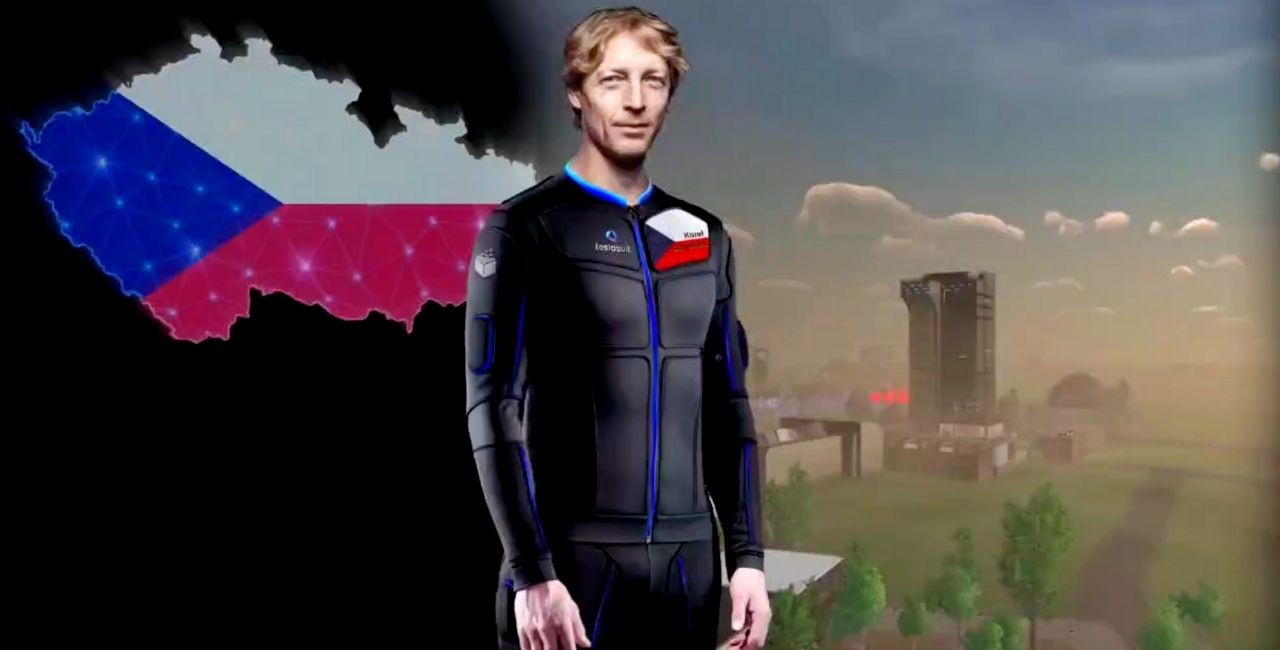
We have been hearing politicians accepting cryptocurrency donations for a while now, however, we are now set to witness something completely new. Karel Janeček, one of presidential candidates for the upcoming elections in the Czech Republic, has decided to conduct their political campaigns in a Metaverse powered by the Polygon blockchain network. This is for other very times that politicians are now using the Metaverse to sway the voters. As per details, the election campaigns will happen in the Metaverse dubbed Somnium Space. The official announcement from Somnium Space came on Sunday, July 3. The announcement read: We are extremely excited to announce that Karel Janecek (@janecek252) has officially partnered with @SomniumSpace as a #Metaverse to officially run his 2023 Czech presidential campaign. Stay tuned for more announcements soon. This is an exciting development considering a large number of people have been positive of the Metaverse developments. Facebook has been leading the Metaverse revolution by changing the company’s official name to Meta. A number of other BigTech companies have also been working in this space. Meta, Microsoft, and Epic Games have joined hands for the Metaverse Standards Forum (MSF). This group intends to create open forums for new technologies like AR, VR, Web 3, and the Metaverse. Somnium...
The last time the Czech Republic held the rotating EU presidency, in early 2009, the continent was still reeling from the global financial crisis and the portents of the European sovereign debt crisis were starting to appear. On Friday, 1 July, it again took up the presidency of the Council of the EU during another period of emergency. In an exercise in crisis management, the Czech Republic aims to bolster regional cooperation in support of Ukraine and find some common solutions to spiking inflation and the ongoing energy crisis. Prague wants to get more EU money and weapons into Ukraine Prague has affirmed that it wants to do the utmost to get more of the bloc’s money and weapons flowing into Ukraine, “using all instruments and programs offered by the EU,” according to the presidency’s formal list of goals. The Czech Foreign Minister Jan Lipavský vowed last week that his country “will continue to support Ukraine militarily and with material aid and we will continue to strongly back the country’s integrity.” The Czech Republic’s job was made somewhat easier after Ukraine was awarded EU candidate status last week — one of the stated goals of its presidency. Its work will now be to move that process along. However, the...
As France’s term of the rotating Presidency ends on 30 June, it is time for the second member of the trio to carry out the European agenda. On 1 July begins the Czech Presidency of the Council of the European Union (the institution that unites ministers from the Member States, responsible for different policies). As the holder of the rotational EU Presidency, the Czech Republic will determine the priorities and the agenda of the Council, preside over its meetings, ensure compromise between members and represent the Union abroad for the next six months. Also, one of the major tasks during this six-month-long term is the adoption of the EU budget for 2023. Under the motto “Europe as a task: Rethink, Rebuild, Repower” and as the primary agenda-setter of the EU, for the next semester, Czechia will focus on the following priorities, that highly revolve around the war in Ukraine, the climate crisis and cyber threats: Managing the refugee crisis and Ukraine’s post-war recovery – the Czech Republic regards the political and military support to Ukraine facing the Russian invasion as vital to protecting security in Europe. Hence, the country is in favour of using all EU instruments and programs to support...
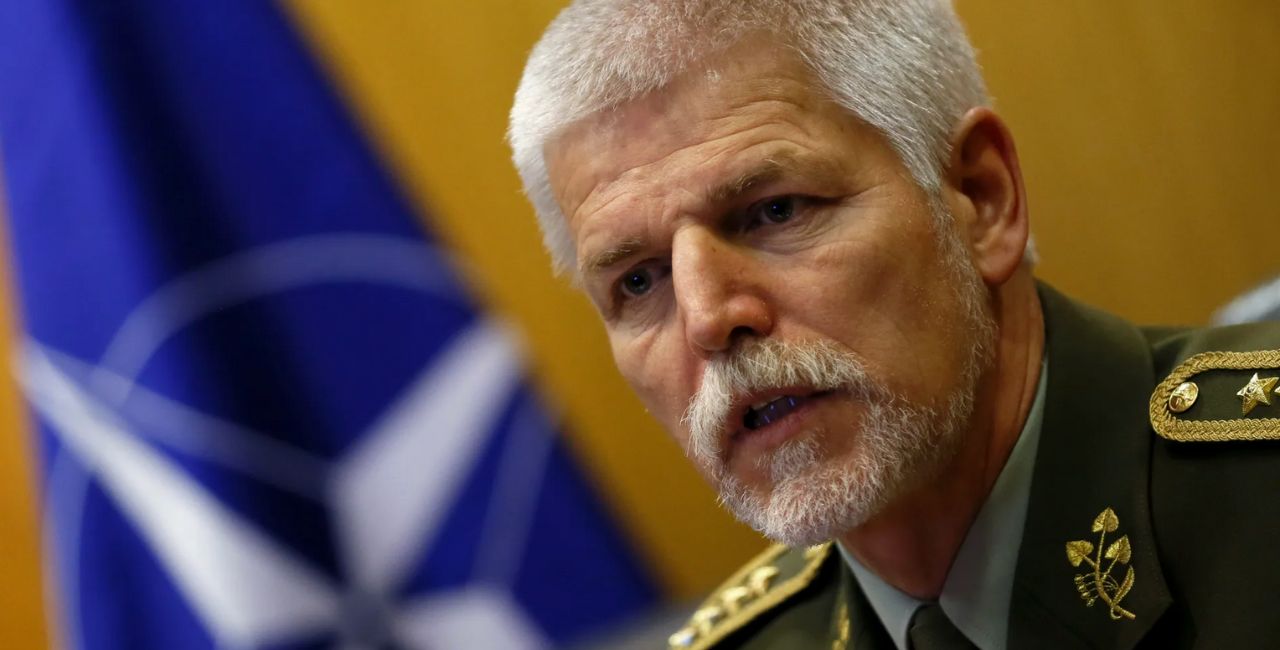
The first round of the presidential election in the Czech Republic will be held on Jan. 13-14, 2023, announced the President of the country’s Senate, Milos Vystrcil. The head of the upper house of the Czech Parliament is bound by law to set the presidential election date so that a possible runoff vote can take place at least 30 days before the incumbent president’s term expires. Current Czech President Milos Zeman’s second five-year term ends in early March. About 20 people have announced their presidential bids, according to local media. General Petr Pavel has confirmed that he will run in the presidential election. The general told the media that he is collecting signatures in support of his candidacy from the general public and is expecting to make an official announcement in August. General Petr Pavel is considered a hot contestant for the top post. Opinion polls suggest that he alone has the chance to beat the former Czech prime minister, Andrej Babiš, in the second round of presidential elections. Babiš has not yet officially confirmed his candidacy, but the likelihood that he will run is reported to be high. In the Czech Republic, the candidate with the absolute majority of...
The Czech Republic has no plans to adopt the euro anytime soon, Prime Minister Petr Fiala said amid rising concerns from Czech economists. As Croatia was recently given the Commission’s go-ahead to adopt the euro in 2023, the Czech Republic has decided to remain outside the single currency. “For the Czech Republic, (euro adoption) is not a topic on the table at the moment,” Fiala said on Friday (24 June). Though the Czech Republic does not currently meet all conditions needed to join the eurozone, experts are calling for the country to accept the common currency amid inflation to achieve greater stability and have a say in the eurozone’s decision-making process. The political will for such a move is lacking, however. “Unfortunately, today’s government will not accept the euro. It is de facto impossible to do so in time, and unfortunately, there is no political will to do so,” MEP and former vice governor of the Czech National Bank Luděk Niedermayer wrote in an op-ed published by Hospodářské noviny. Niedermayer believes it is no longer beneficial for the Czech Republic to stay outside the euro club and calls on the government to at least decide to join the European Exchange Rate Mechanism II (ERM). Membership in ERM...
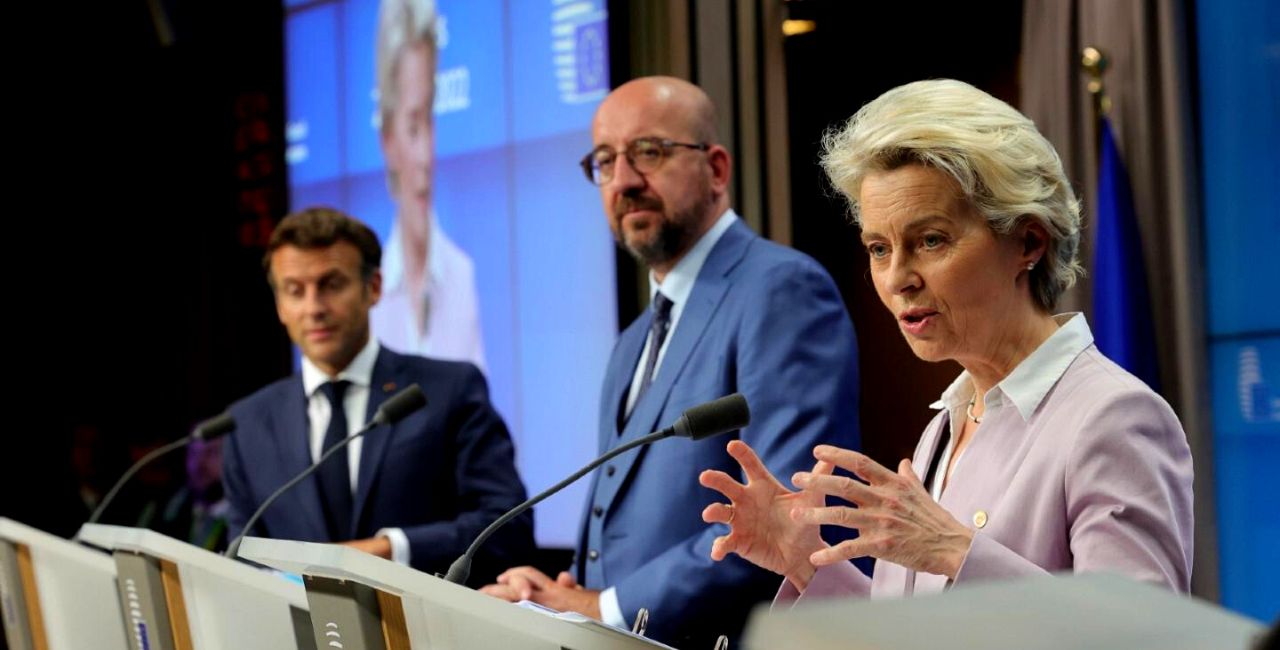
The Czech Republic will organize an informal EU summit on the alliance’s potential expansion eastward, once it takes over the rotating presidency of the EU Council, PM Petr Fiala told journalists at the EU summit in Brussels on Friday. Mr. Fiala said he had been asked by the President of the EU Council Charles Michel and French President Emmanuel Macron to organize such an event so that EU leaders could address an issue that has become highly topical and needs further debate. The Czech head of government said he considered it a good way to start the Czech EU Presidency which the country takes over from France on July 1st. “The EU leaders asked me to prepare, together with the French President Macron and the President of the EU Council Michel, a framework for an informal summit on wider European cooperation with non-member States that could be held in Prague. Ukraine could be one of the guests,” said Fiala. “It is possible that the first meeting of the European political community will take place in Prague after the summer, under the leadership of the current EU presidency of the Czech Republic”, said Michel, at the end of the European summit....
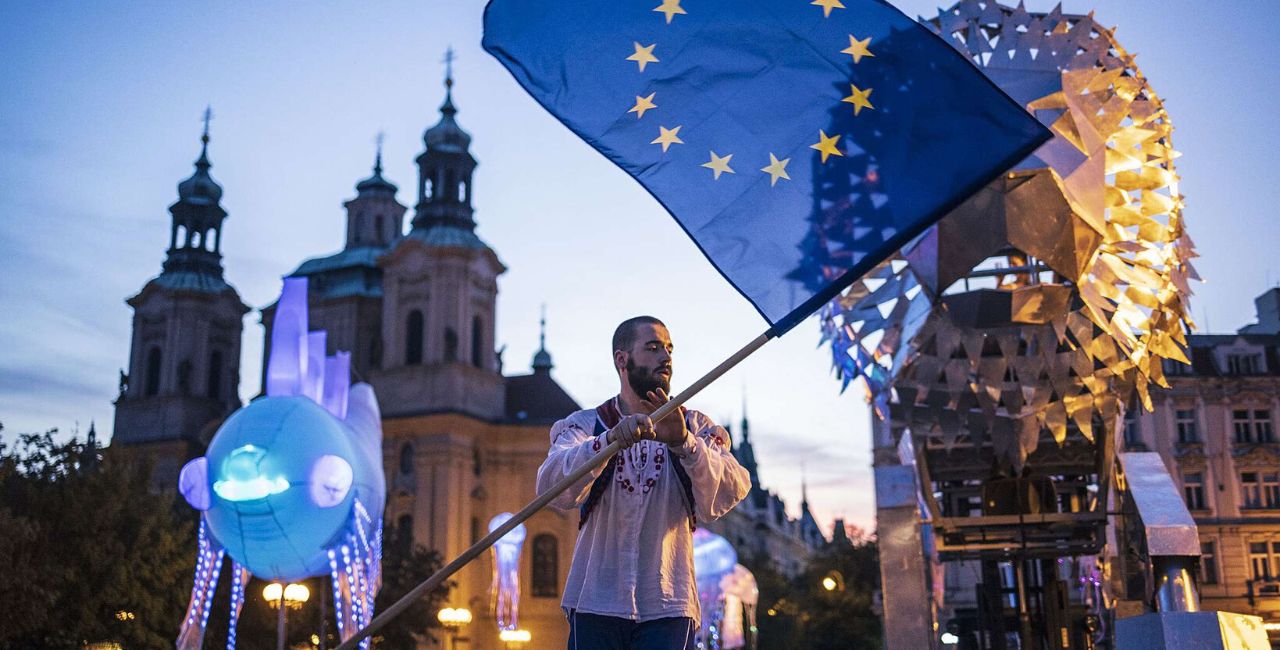
Prague City is in active preparation for the rotating Presidency of the Council of the EU which will start on 1 July and will last for six months In a few days only, Czechia takes over the Presidency of the Council of the European Union – a high responsibility, that each member state takes in turns and that gives it the chance to set up the priorities of the EU agenda for the next six months. During this period, the country holding the Presidency welcomes high-ranking European politicians to meetings and events. Naturally, the host cities become the centre stage of European policy, alongside Brussels and Strasbourg. Prague has just pledged its readiness to meet the challenge by announcing a jam-packed program of events under the slogan Prague Meets Europe. The program centred around Prague’s hosting of the European presidency starts on Friday, 24 June, and will last until the beginning of July. It is meant for the residents and visitors of the metropolis, while the goal, according to the city website, is to show that “the European Union is not just an institution, but that the European Union is first and foremost people”. On 24, 25, 30 June, and 1 July, there will be a European...
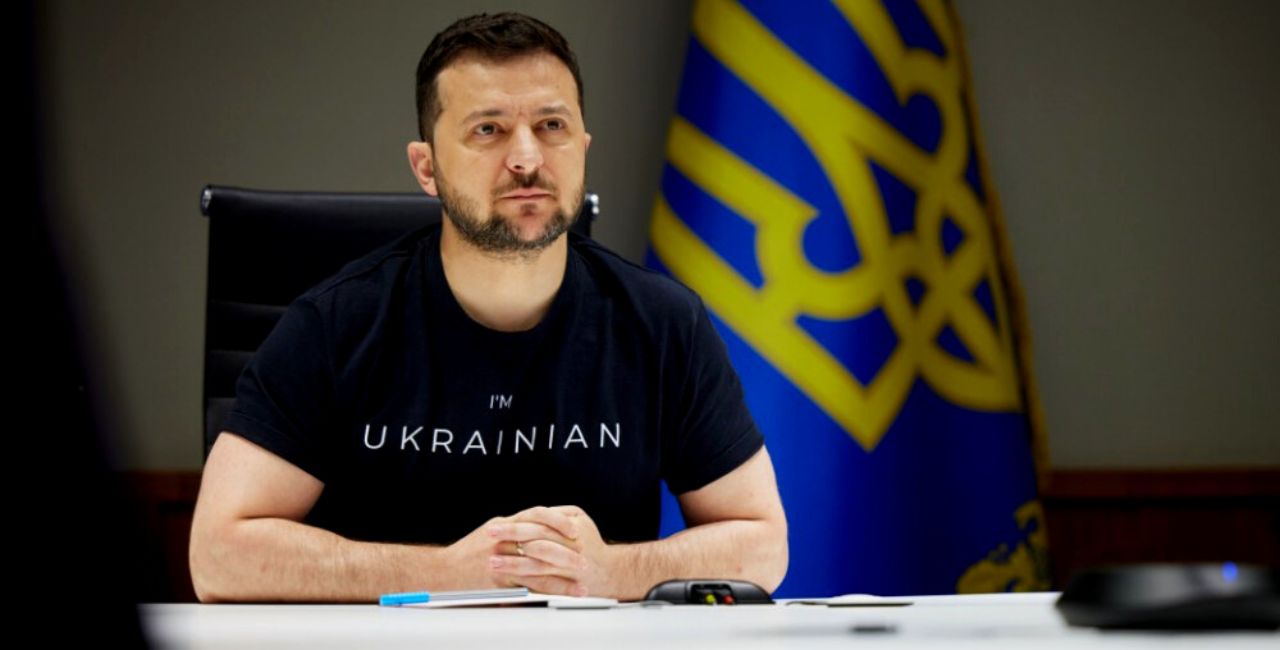
President Volodymyr Zelensky thanked Prime Minister of the Czech Republic Petr Fiala for his consistent support for granting Ukraine the status of a candidate for EU membership. “Thanked Czech Republic’s PM Petr Fiala for the consistent support of granting Ukraine the status of a candidate for EU membership,” Zelensky posted on Twitter. As noted, the parties discussed the priorities of the Czech presidency of the Council of EU in the 2nd half of the year. “It’s important that the main priority of the Czech Presidency of the Council of the European Union is Ukraine,” the President stressed. As reported, on June 17, the European Commission published its conclusions on the applications for accession to the EU filed by Ukraine, Moldova, and Georgia and made a recommendation to grant the first two candidate status. The European Council is due to consider the issue and make a final decision at the summit on June 23-24. However, Mr. Fiala stressed that the subsequent accession process will not be quick or easy, and that no one can say now how long it will take the two countries to meet the conditions for admission. The leaders of Serbia, Montenegro, Albania, Northern Macedonia, Bosnia and Kosovo are frustrated that...
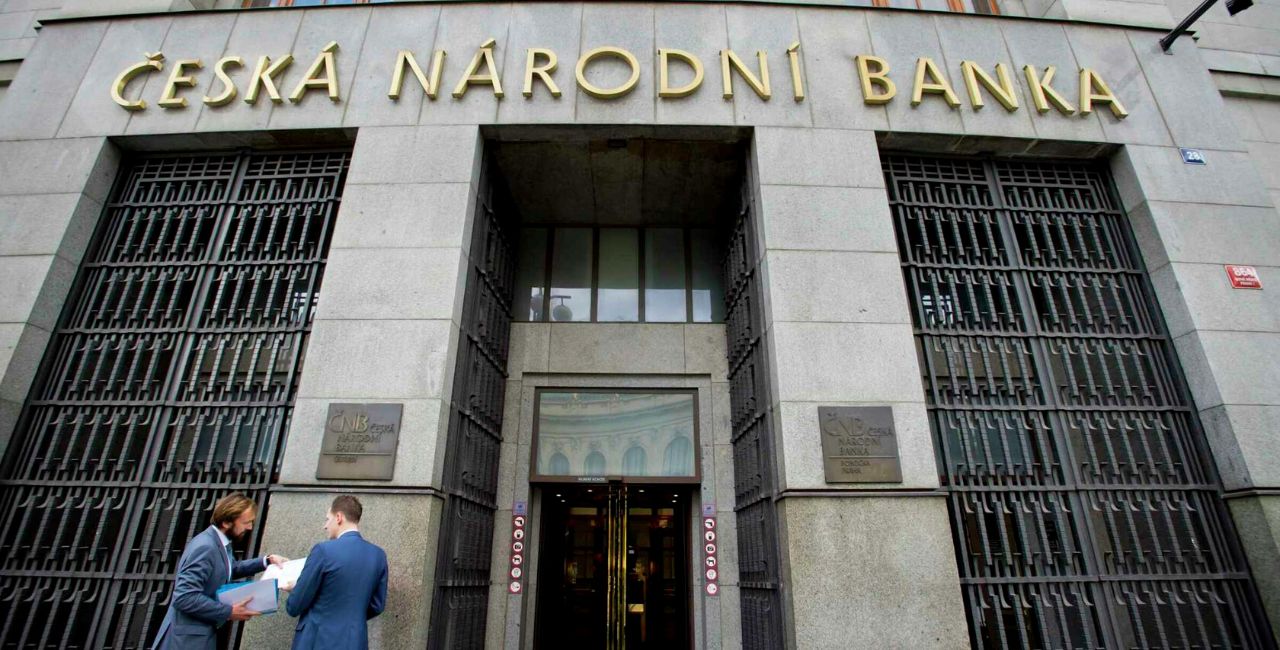
The Czech Republic’s central bank once again raised its key interest rate significantly Wednesday as it tried to combat soaring inflation. The hike of a percentage point and a quarter brought the interest rate to 7%, the highest level since early 1999. It was the ninth straight increase since June 2021. The bank last raised the rate, by three-quarters of a point, on May 5. Wednesday’s increase was not unexpected. The Czech National Bank considers high consumer prices to be a major threat and had indicated it would raise the rate again. It was the last meeting of the bank’s board on monetary policy under outgoing governor Jiri Rusnok. “Restoring price stability soon is now the Czech National Bank’s absolute priority and is a necessary condition for the long-term prosperity of the Czech economy,” Rusnok said Wednesday. On July 1, he will be replaced by Ales Michl, a member of the bank’s board since 2018 who opposed previous rate hikes. The announcement of Michl’s appointment by Czech President Milos Zeman on May 11 resulted in a weakening of the Czech currency, the crown, prompting the central bank to intervene. Fed by high energy and food prices but also factors such...
The Czech government will earmark 66 billion crowns to help households and companies hit by soaring energy prices, Industry Minister Jozef Sikela said on Wednesday. Measures aimed at taming the price shock in the next winter heating season will include the state covering some “green energy” fees and giving subsidies to households, including a planned discount electricity rate subsidised by the state. Around two-thirds of the assistance will go to households, Sikela said. Moreover, the Czech state has prepared a website called the “Umbrella against Inflation” (Deštník proti drahotě) where it summarizes the aid available to different groups in the population due to price rises and will allocate approximately CZK 100 billion [EUR 4 billion] from the budget this year for the anti-inflation measures; the information portal was created to make the situation more transparent and to serve as a guide on how to claim eligibility for it. Czech Prime Minister Petr Fiala (Civic Democratic Party – ODS) announced the portal last week after the cabinet session. According to Fiala, the cabinet has had to deal with high prices and inflation from their onset at the end of last year and “the lavish behavior and policy of the previous Government had...
Don’t have an account? Register
Already have an account? Log In
How Would You Like to Promote Your Business? PR ArticleDisplay bannersVideo productionNewsletter adsJob ListingsInfluencer Marketing
Your Email
We will come back to you within 24 hours with our proporsal