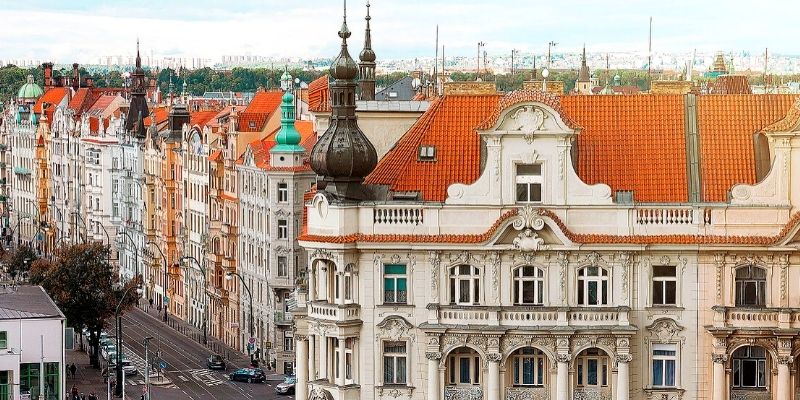
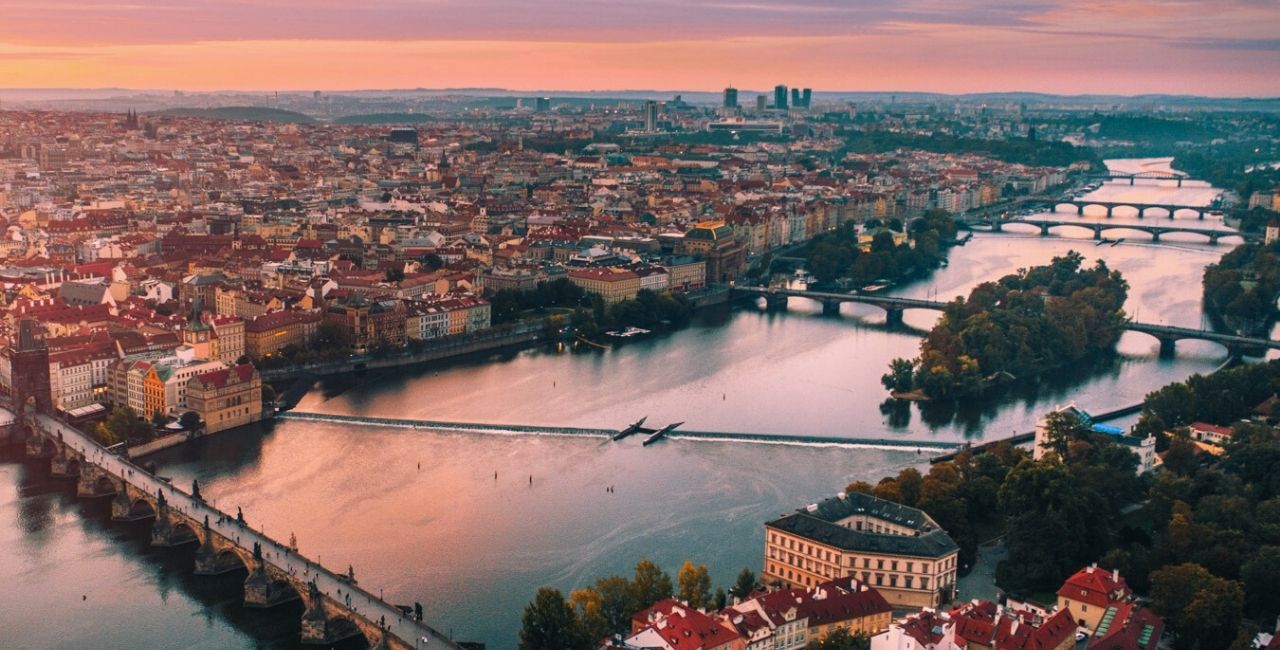
Almost ten thousand flats were given the green light in Prague last year. And even though this does not make up for the shortage the capital is currently facing, this fact is still worth mentioning – it is a record. The reasons are various. Firstly, it is a reduction in the time taken to amend the zoning plan, but the coronavirus pandemic may also have played a role. “The reality has exceeded my expectations, with the construction of 9,698 flats in Prague starting in 2021, which, as far as I know, is the highest number in the history of the independent Czech Republic,” said Adam Zábranský (Pirates), the Czech Housing Councillor, on his Twitter account. Last year, 4,335 flats received building permits, which was a decrease compared to 2019 – when 6,487 flats were started, the most since 2008. The chart shows that it is only the fourth time since 1997 that the seven and a half thousand permits have been exceeded. Before last year, it was in 2005, 2006 and 2007. The city’s quicker approach in amending its zoning plan probably helped. “We were the first to drastically reduce the time it takes to address a project within the...
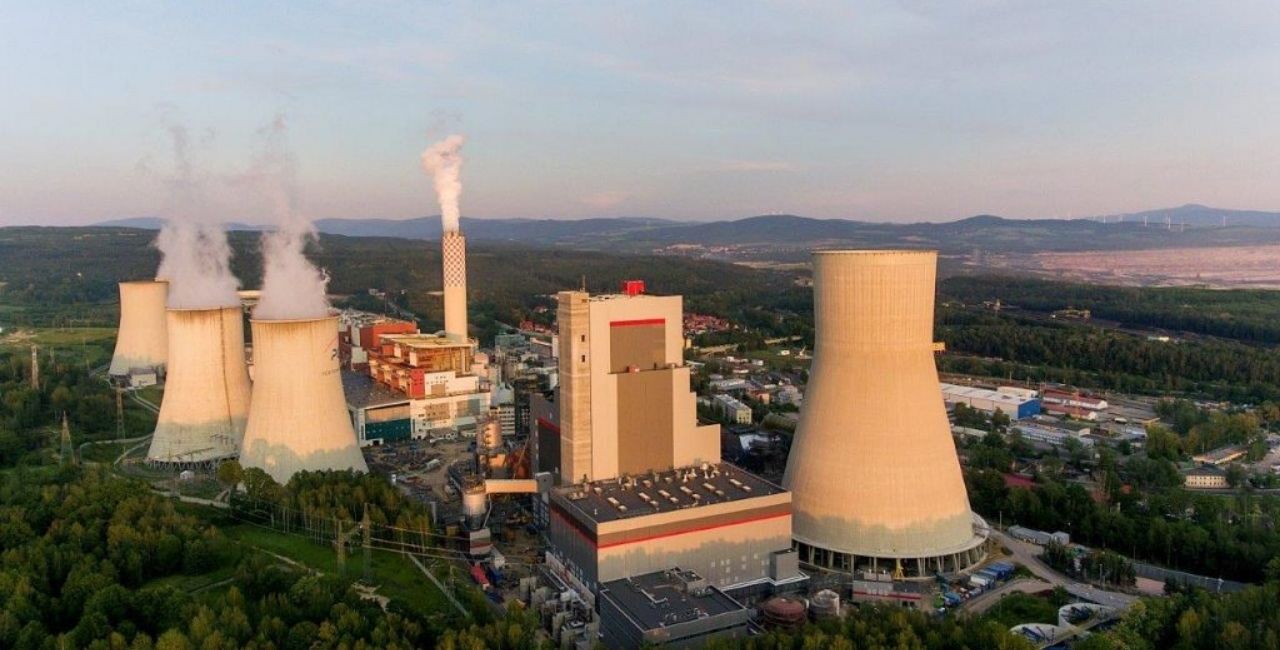
Poland and the Czech Republic on Thursday tamped down their dispute over the environmental impact of a coal mine close to the Czech border. The Polish government agreed to pay the Czech government 45 million euros in exchange for withdrawing a lawsuit brought by Prague against Warsaw at the Court of Justice of the European Union. Under the deal, 35 milion euros will be used to analyse and monitor the effects of the mine while the state-owned Polish energy group (PGE) will pay 10 milion euros directly to the affected region. The settlement also involves the building and testing of an underground wall to protect Czech villages from the effects of the mine. But local civil society and green groups slammed Prague’s acceptance of the deal, saying there was a risk it would not address all of the groundwater supply problems around the mine, at Turów. “It’s a shame that the Czech government is unprepared to stand firm on its citizens’ rights,” said Zala Primc from the environmental campaign group Europe Beyond Coal. Underlying the sensitivity of the issues around Turów is Poland’s continued dependence on coal. The mine operator, PGE, says the power station supplied by the mine provides...
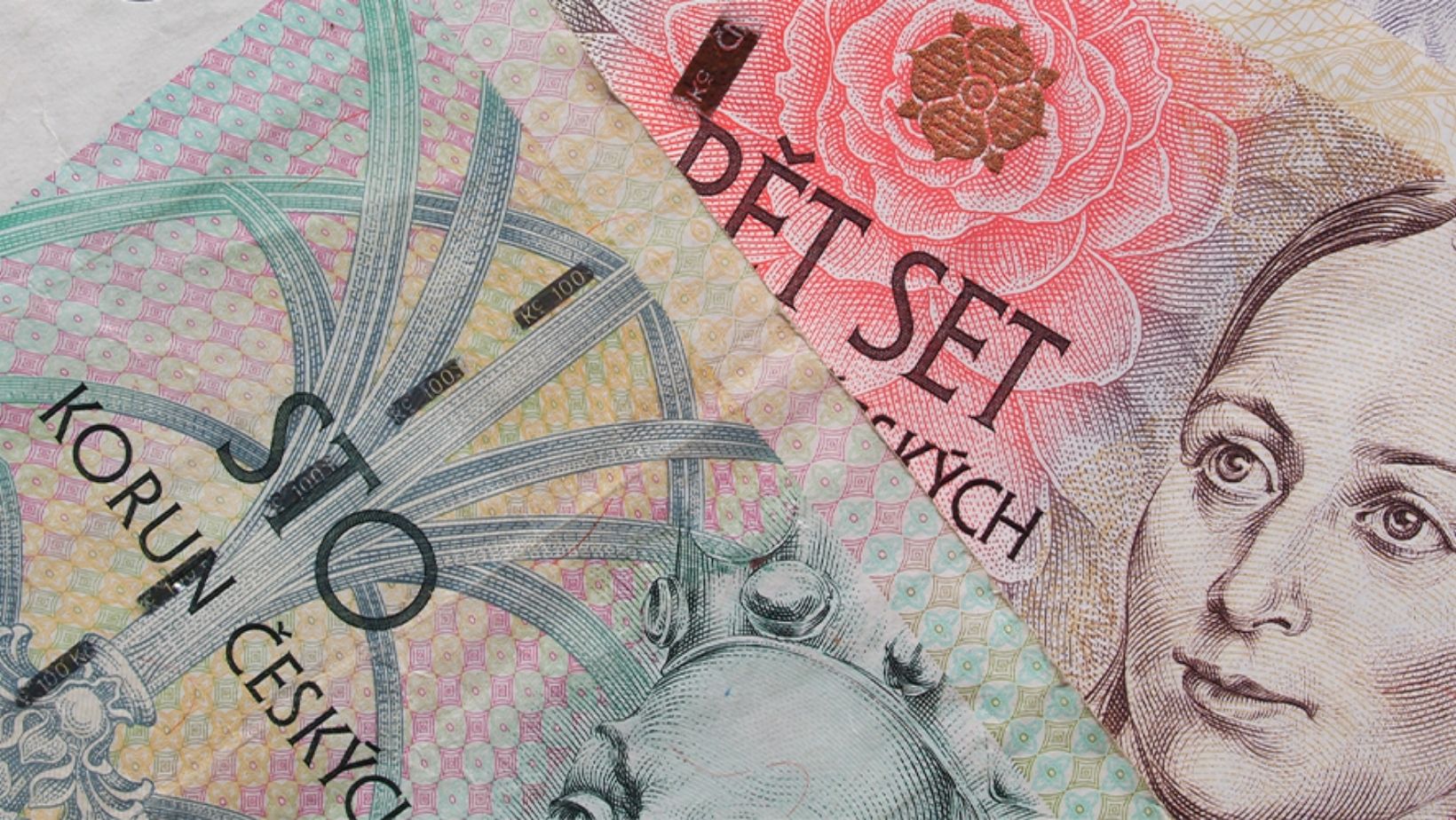
The Czech Republic’s central bank raised its key interest rate again in an effort to tackle soaring inflation. The hike of three-quarters of a point, to 4.5%, was the sixth straight increase since June, and analysts expected it. The bank, which considers high consumer prices a major threat, also had indicated it would raise the rate. It’s now at the highest level since January 2002. Fed by high energy prices, inflation jumped to 6.6% in November, well above the bank’s target of 2% target. The bank expected it will further grow at the beginning of the year. The bank’s decision comes after the Statistics Office estimated that the country’s economy grew by 3.3% last year, more than expected, after contracting by 5.8% the previous year due to the coronavirus pandemic. The Czech bank’s stance contrasts sharply with that of the European Central Bank, which decided Thursday to leave its key economic stimulus programs in place and has said it likely won’t raise interest rates this year because it sees inflation as temporary. It thinks inflation will decline sharply this year and fall to 1.8% in 2023 and 2024. Also, the U.S. Federal Reserve has signaled it could begin a series...
The new Czech government led by conservative Prime Minister Petr Fiala (ODS, ECR) wants to delay the decision on the Istanbul Convention’s ratification despite increasing pressure from Brussels. As Deník N learnt, the ratification could damage relations in the five-party governing coalition. In November 2021, the European Parliament called on Czechia, Slovakia, Hungary, Latvia, Lithuania, and Bulgaria to immediately ratify the Convention on preventing and combating violence against women, as they are the only EU countries that have not done it so far. In its official program statement, the new Czech government promised another approach to victims of sexual violence. “We will ensure better protection for victims of sexual and domestic violence,” the document reads. However, Czech Justice Minister Pavel Blažek (ODS, ECR) has asked for discussions about the Convention to be postponed for a year. Blažek explained this move with a need for further political debates on this issue. “In view of the new political composition of the Chamber of Deputies, he (Minister) has requested that the deadline for discussion be postponed until the end of January 2023. The government should deal with the task by that time,” the government spokesperson said. The Czech Republic signed the Convention in 2016...
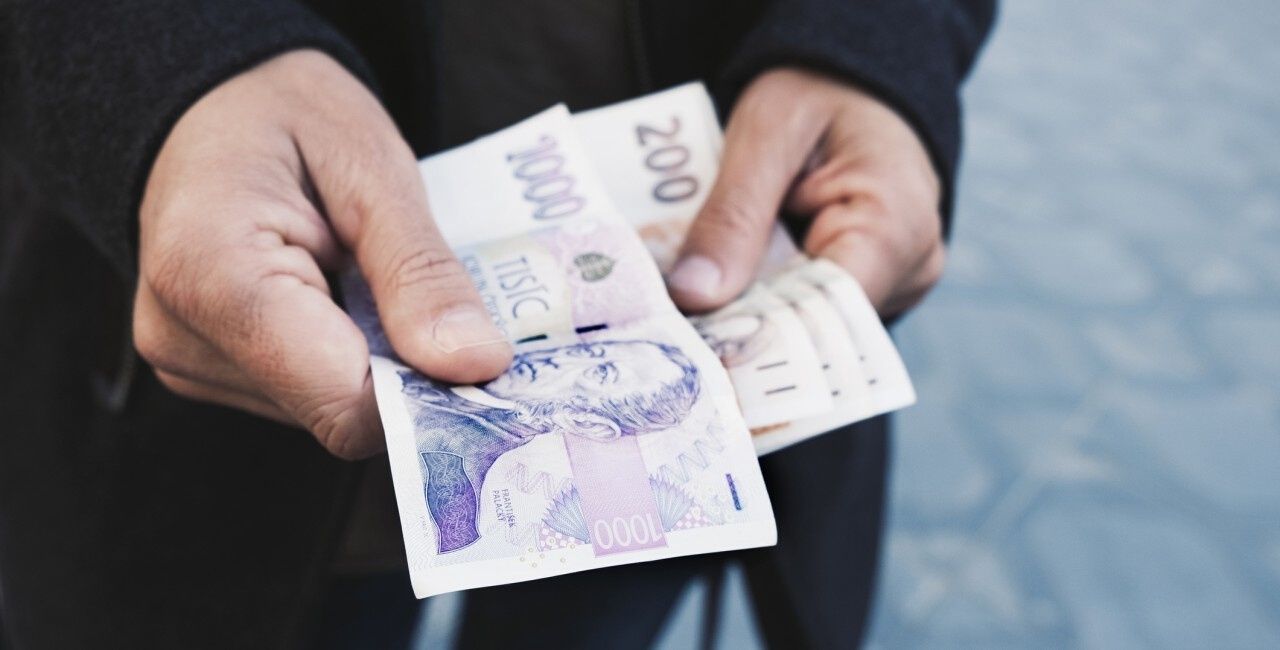
Who wouldn’t like to live in the Czech capital? Well not everyone can. Current data from the statistical portal Numbeo.com shows that Praguers have the highest cost of living of all 50 major cities in Central and Eastern Europe. They are mainly troubled by high housing costs and the highest food prices. By contrast, they can enjoy the largest purchasing power in the entire region. The third most expensive city in the region is Brno and the fourth Olomouc. Only the Slovak capital Bratislava came in second. The main problem of people looking for housing in Prague is the rising rents. According to the Numbeo portal, which has been monitoring and comparing statistical data in 237 European cities for a long time, renting a three-room apartment in the centre of Prague averages CZK 31,655 per month, while outside the centre tenants pay an average of CZK 23,091. This is 13.4 % more than in Bratislava city centre and 11.4 % more outside. The inhabitants of Prague will also pay for energy in the apartment which are 10% more than in the Slovak capital. However, it can rely on the highest average salary in the region, which according to Numbeo after-tax reaches almost 36,350 crowns. The...
Former Czech President Václav Klaus has sharply criticized the planned amendment to the pandemic law which the government is trying to enforce in the Chamber of Deputies, it has emerged. According to Klaus, the proposal is an “extraordinary attack by state power on freedom, democratic order, and constitutionally protected rights.” “A draft bill is being discussed in a shortened process, meaning in a regime of emergency legislation, which circumvents a proper public social and legal debate. It intends to enable the state to severely limit the constitutionally protected civil liberties by a decree of three ministers, under the threat of draconian sanctions,” the former president warned on Tuesday. The former president claimed the amendment allows ministries to establish a de facto state of war and cancel any cultural or social events without the approval of the government and parliament. The speed of the adoption of this law is alarming, Klaus claimed, as the government allegedly justifies the rush with the plausible threat of an autumn wave of Covid-19. The Chamber of Deputies wanted to discuss the amendment on Tuesday, however Freedom and Direct Democracy (SPD) vetoed the law. SPD chairman Tomio Okamura told reporters that the pandemic law was only a differently-named state...
The Immunity Committee has recommended the Czech parliament remove the parliamentary immunity of former Prime Minister Andrej Babiš. As Euractiv reports, if the parliament follows the recommendation, which is very likely, Babiš will face prosecution over alleged EU subsidy fraud. A vote on the matter could take place next week. After defeat in October’s parliamentary election, Babiš became an ordinary MP but remained the leader of ANO (Renew), the strongest opposition party in the Czech parliament. It is expected that next year, Babiš will run for Czech president. While several ANO members have already expressed their support for Babiš in the presidential elections, Babiš has neither confirmed nor denied his candidacy. Babiš’s parliamentary immunity has been removed twice before, first in 2017 and then in 2018 after the parliamentary elections. The police have repeatedly recommended Babiš’s indictment. Babiš could be indicted for involvement in the so-called “Stork Nest” case. The Stork Nest Farm was originally part of Babiš’s former holding Agrofert, but for a few years, it changed its status and became a joint-stock company. It received a €2 million EU subsidy designed for small and medium-sized businesses during this period. After a couple of years, it was returned to...
In Q3 2021, the Czech Republic registered the strongest house price growth within the EU, both in a year-on-year (22%) and a quarter-on-quarter (7.3%) comparison, well above the EU average of 9.2% and 3.1%, respectively, according to Eurostat’s House price index. Among CEE countries, Hungary was the only other one that registered an annual growth rate higher than the EU average, whereas Slovakia was the only other one to record above-average quarterly growth. Long term increase continues Rents and house prices in the EU have continued their steady increase in Q3 2021, going up by 1.2% and 9.2% respectively, compared with Q3 2020. Between 2010 and Q2 2011, house prices and rents in the EU followed similar paths, but since Q2 2011, those paths have diverged significantly. While rents increased steadily throughout the period up to Q3 2021, house prices have fluctuated considerably. After a sharp decline between Q2 2011 and Q1 2013, house prices remained more or less stable between 2013 and 2014. Then, there was a rapid rise in early 2015, since when house prices have increased at a much faster pace than rents. Over the period 2010 until Q3 2021, rents increased by 16% and house prices...
Czech inflation will jump to 9.2% in January and 9.6% in February as the expiration of a tax break and repricing by suppliers raises energy prices, adding to domestic price pressures, central bank analysts said on Monday. The Czech central bank has been the most aggressive in central Europe in responding to price spikes driven by international energy prices and logistics bottlenecks, but also domestic demand and economic recovery amid a very tight labour market. The bank raised its benchmark repo rate to 3.75% from 0.25% in mid-2021, and is expected to tighten further when the board meets on Feb. 3, in an attempt to convince the public that inflation will get back toward its 2% target by early next year. A large factor in the January inflation jump is the expiration of a two-month value-added tax break on energy which expired in December, Dana Hajkova and Radek Snobl wrote in a blog post on the bank’s website. “Together with the growth in heating prices and other items, regulated prices will jump in January, according to current estimates, from December’s -2.9% to 13%, which in itself will accelerate year-on-year inflation versus December by 2.2 percentage points,” they wrote. “In the...
The new government of the Czech Republic won a vote of confidence in parliament on Thursday.
'Czechs have already driven their Babiš out. I sincerely hope that Hungarians will manage to do it as well,' said Markéta Pekarová Adamová.
Czech inflation accelerated at the end of 2021 but the focus of investors has already shifted to the start of this year when consumer prices are expected to rise at the faster pace in over two decades. The annual inflation rate rose to 6.6% in December, from 6% in the previous month, data from Czech Statistics Office showed Wednesday. The last time the country experienced such rapid inflation was in September 2008. The average rate of inflation for the whole of 2021 was 3.8 percent. This was also the highest seen since 2008. Three central bank board members said this week that price growth may approach 10% in early 2022 before it starts slowing later in the year. The central bank has pledged to continue with one of the European Union’s most aggressive campaigns of interest-rate increases, after lifting borrowing costs by a cumulative 3.5 percentage points since June. The biggest contribution to annual December inflation came from cost of transportation and housing. While commodity prices and supply-chain problems are among key price drivers, the central bank says its monetary-policy tightening is aimed at preventing current high inflation from becoming a long-term phenomenon The Czech Republic has the lowest jobless...
Don’t have an account? Register
Already have an account? Log In
How Would You Like to Promote Your Business? PR ArticleDisplay bannersVideo productionNewsletter adsJob ListingsInfluencer Marketing
Your Email
We will come back to you within 24 hours with our proporsal