Slovak President Zuzana Caputova has voiced support for the Czech Republic’s ongoing visit to Taiwan, calling Beijing’s threats to Czech Senate speaker Milos Vystrcil “unacceptable.” In reaction to the 89-member Czech delegation to Taiwan, Chinese Foreign Minister Wang Yi said Monday (Aug. 31) during a press conference with his German counterpart, Heiko Maas, that Vystrcil had “crossed a red line.” He said the Czech Senate leader would “pay a heavy price” for publicly challenging Beijing’s “one-China policy” and encouraging supporters of Taiwanese independence. Read: ‘I Am Taiwanese’: Czech Senate Speaker Channels JFK in Taiwan Speech Despite the threats, Vystrcil said the Czech Republic will not bow to Beijing’s inappropriate demand and described his visit as a domestic affair. He also said the trip was made to honor the memory of the Czech Republic’s first president, Vaclav Havel, who was a strong advocate of Taiwan’s re-entry into the United Nations. In a Twitter post published on Tuesday (Sept. 1), Caputova emphasized that “Slovakia stands by the Czech Republic” and said Beijing’s relations with the European Union are based on “dialogue and mutual respect.” She said Wang’s threat to Vystrcil was contrary to the nature of this partnership. Read: Czech Senate Leader’s...
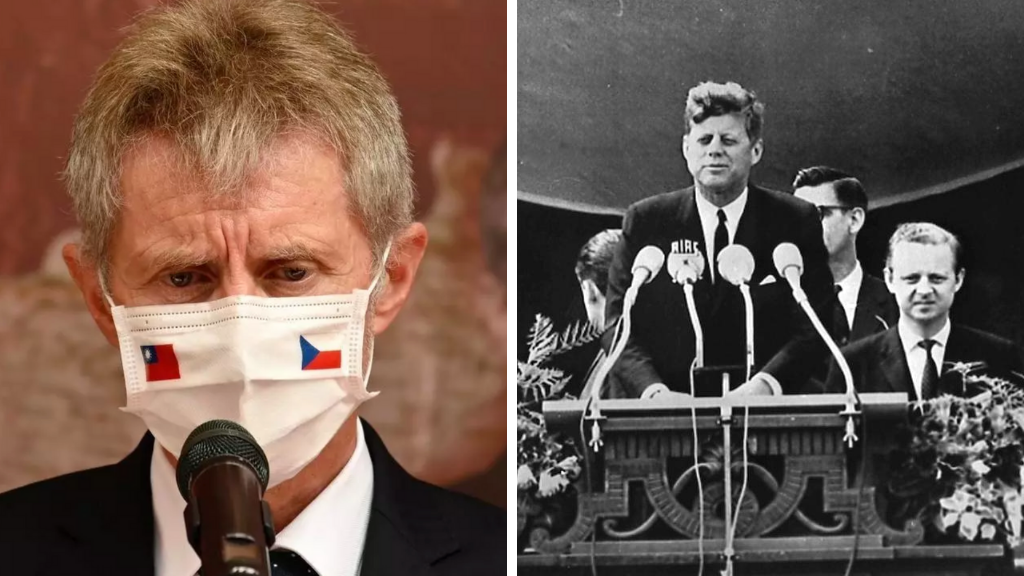
Czech Senate speaker Milos Vystrcil invoked a famous Cold War-era phrase by late US president John F. Kennedy as he delivered a landmark speech to Taiwan’s parliament Tuesday during a visit that has incensed Beijing. Vystrcil channeled Kennedy’s 1963 challenge to communism when he declared “Ich bin ein Berliner” to West Berlin citizens worried about the Soviet Union’s looming presence behind the Iron Curtain. Kennedy “used the phrase ‘Ich bin ein Berliner’ to show his support for the people of Berlin and the highest values of freedom”, Vystrcil said. “Maybe I can be more humble, but allow me to use the same determined phrase to conclude my speech in your country’s parliament, in Taiwan — I am Taiwanese.” His final declaration — “I am Taiwanese” — was delivered in Mandarin and received a standing ovation from lawmakers on the self-ruled island. As a precaution against coronavirus, he gave his speech wearing a facemask, which was decorated with the flags of the Czech Republic and Taiwan. Vystrcil is leading a 90-member delegation to Taiwan that Beijing has slammed as a “despicable act”. Chinese Foreign Minister Wang Yi warned on Monday that Vystrcil would “pay a high price for his short-sighted behaviour...
In late February 2020, the Prague Stock Exchange had the worst slump in the record since the June 2016, Brexit referendum. The PX index declined by 2.81 percent on February 26, its lowest since October 2019. The Czech stock market’s worst performance in years was brought on by increasing global anxiety over the spreading coronavirus epidemic already ravaging Europe. Luxury and tourism shares were first in the line of fire and were soon followed by mining and automobile shares. On February 25, because of a privacy scandal, the shares of Avast, fell by 3.2 percent wiping out close to one-fifth of the software maker’s value and dragging the PX Index to new lows. The Prague Stock Exchange has been facing years of waning interest from traders, rights issuers, investors, and analysts. The central European country has a risk-averse citizenry and an underdeveloped pension fund. Consequently, there is a lower demand for equities. Businesses in the Czech Republic also prefer to finance their operations and expansions through debt rather than share sales. For this reason stocks investment in this landlocked country has shrunk by 77 percent in the last decade. Prague more than ever needs more IPOs to bring in more...
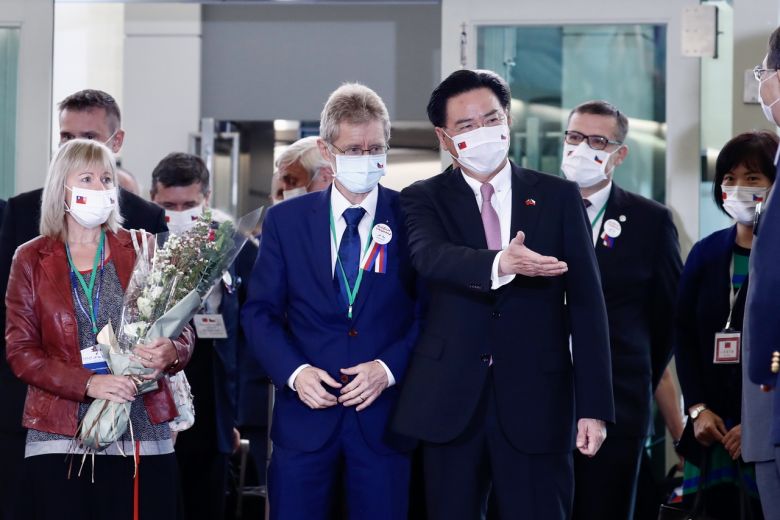
Czech Senate President Milos Vystrcil and his delegation landed at Taipei Taoyuan International Airport at 11 a.m. on Sunday (Aug. 30), kicking off the highest-level and highest-profile visit to Taiwan by Czech government officials in the history of the countries’ bilateral relations. Vystrcil will deliver a speech in Taiwan’s parliament and meet President Tsai Ing-wen during a five-day trip described by Taipei as standing up to “the intimidation of authoritarian China”. “The aim of this trip is to show that the Czech Republic is a free, sovereign and democratic country, and our parliamentary diplomacy, in particular the Senate, wants this country to act as Vaclav Havel and [Foreign Minister] Jiri Dienstbier set out. This means defending our democratic principles and sovereignty. At the same time, to try to work together with all democratic countries, regardless of what anyone else wants us to do,” the senator said at a press conference before his trip. Beijing views Taiwan as its own territory — vowing to one day seize it by force if necessary — and bristles at any moves by foreign governments to recognize or conduct official exchanges with Taipei. “Such a visit is deliberately undermining the political foundation between China and...
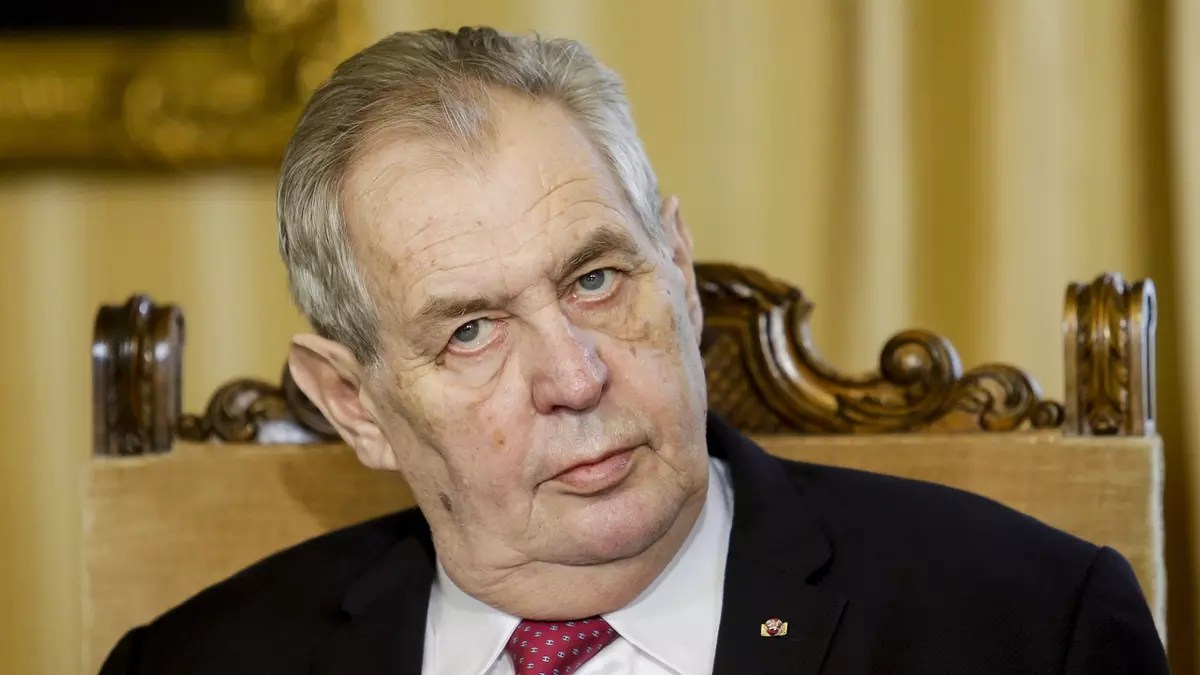
Czech President Milos Zeman has been discharged from hospital on Saturday, where he underwent hand surgery after an injury on Wednesday night. Zeman broke his right arm on Tuesday night after falling. “In the evening, the president watched television news and after the end, he did not use the support in the form of a stick nor the help of security, he tripped and broke his right arm,” said Zeman’s spokesman, Jiří Ovčáček. At the beginning of September, the Castle planned a presidential visit to South Moravian Region as Zeman was to start the school year at an event at a secondary school in Rajhrad. “We will solve that next week,” said Ovčáček, however, he is rather skeptical about making a three-day visit to the region. “It’s not even a general state of health, but of course if you have a broken arm and it is fixed, it causes discomfort,” the spokesman said, adding that convalescence is now a priority. Zeman has been President of the Czech Republic since 2013. His health has been a frequent topic of media speculation, especially in the run-up to his reelection as president in 2018. Zeman, 75, suffers from a nerve condition in his...
The Czech government has approved the creation of a fund to help Belarusians affected by the restrictions of President Alexander Lukashenko’s regime. The Czech Republic will set aside CZK 10 million korunas for this purpose from this year’s budget of the Ministry of Foreign Affairs. The money will be used to help persecuted people, treat the injured, and support independent media. “The priorities at the moment are, in particular, the support of independent media. There is a need to ensure that citizens in Belarus have access to independent information. It is generally a support for civil society,” said the Minister of Foreign Affairs Tomáš Petříček. “In practical specific areas, it is legal assistance to people who have lost their jobs because they have reported how elections have been manipulated, legal aid for journalists exposed to persecution, psychotherapeutic assistance to people who were arrested and, according to all testimonies, were subjected to torture by the local authorities, “said Petříček about the use of the money before a government meeting on the topic. The Czech Republic also intends to provide medical care for Belarusians in Czech hospitals. “The Ministry of the Interior will coordinate the selection of persons, cover the costs of admission...
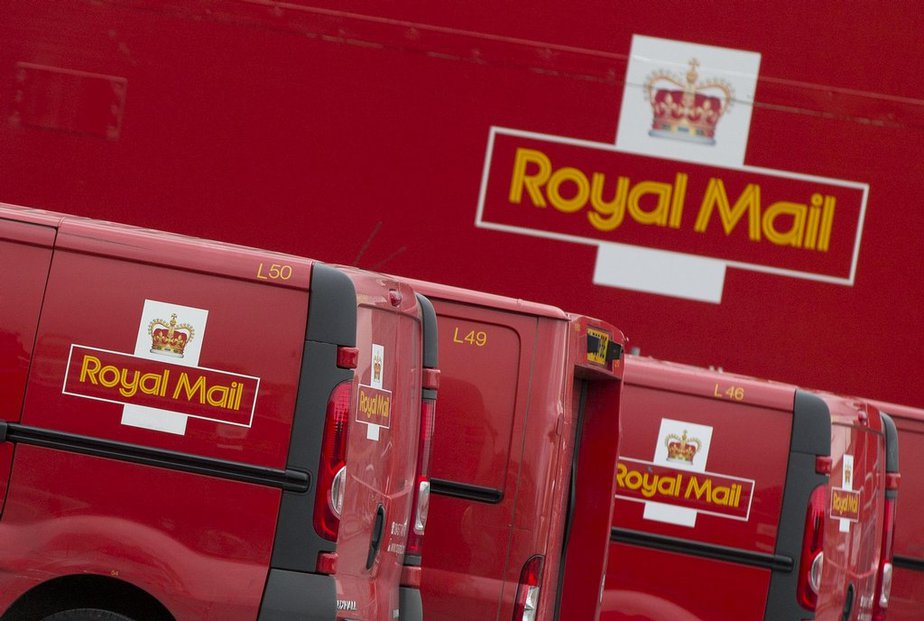
Daniel Křetínský, the billionaire known as the Czech Sphinx, has quietly become the largest shareholder in Royal Mail, heaping more pressure on the troubled postal service as it faces calls for a break-up. Křetínský, who owns Sparta Prague football club and who made his fortune in energy, has amassed a CZK 7,4 billion stake in the historic FTSE250 company. The company is seen as particularly vulnerable to a break-up because it has been without a permanent chief executive since May when it ousted former boss Rico Back, who had overseen a decline in letter volumes and a breakdown in relations with unions. Křetínský has been slowly building his stake and now owns more than 13 percent of Royal Mail. The Czech businessman, who controls Vesa with his business partner Patrik Tkac, made his fortune in energy in Eastern Europe. His company EPH then embarked on a major expansion, snapping up energy transmission networks and gas pipelines, as well as power plants in the UK. EPH now owns four UK power plants: Eggborough in North Yorkshire, Lynemouth in Northumberland, Langage in Devon, and South Humber Bank in Lincolnshire. In March, the company also bought an underground gas facility in Hampshire. And...
Czech President Milos Zeman was hospitalized on Tuesday after an arm injury and he will undergo surgery, the president's spokesman said.
The Czech government has extended its job support program for coronavirus-hit companies until the end of October, Labour Minister Jana Malacova said on Monday. The job furloughing scheme, together with direct compensation payments to the self-employed, represent the two biggest chunks of the government’s effort to help the economy hit by the global pandemic. “(The government’s scheme) Antivirus (was) approved until the end of October,” Malacova said on her Twitter account. In the two main legs of the Antivirus program, the Labour Ministry has paid out 17.3 billion crowns as of Aug. 24, data on the ministry’s website showed. “There are still companies that need help. But nothing lasts forever and we are mainly fine-tuning a permanent kurzarbeit to help in a crisis whenever needed. Like there is in Germany,” Malacova said. Under the Czechs’ kurzarbeit scheme, companies get compensated for part of their workers’ salaries, enabling them to reduce the workload in order to save funds during the crisis. A permanent program could be implemented as of next year. The Czech economy is expected to shrink by 8% this year, according to central bank forecasts. The main hit came in the second quarter when the economy ground nearly to...
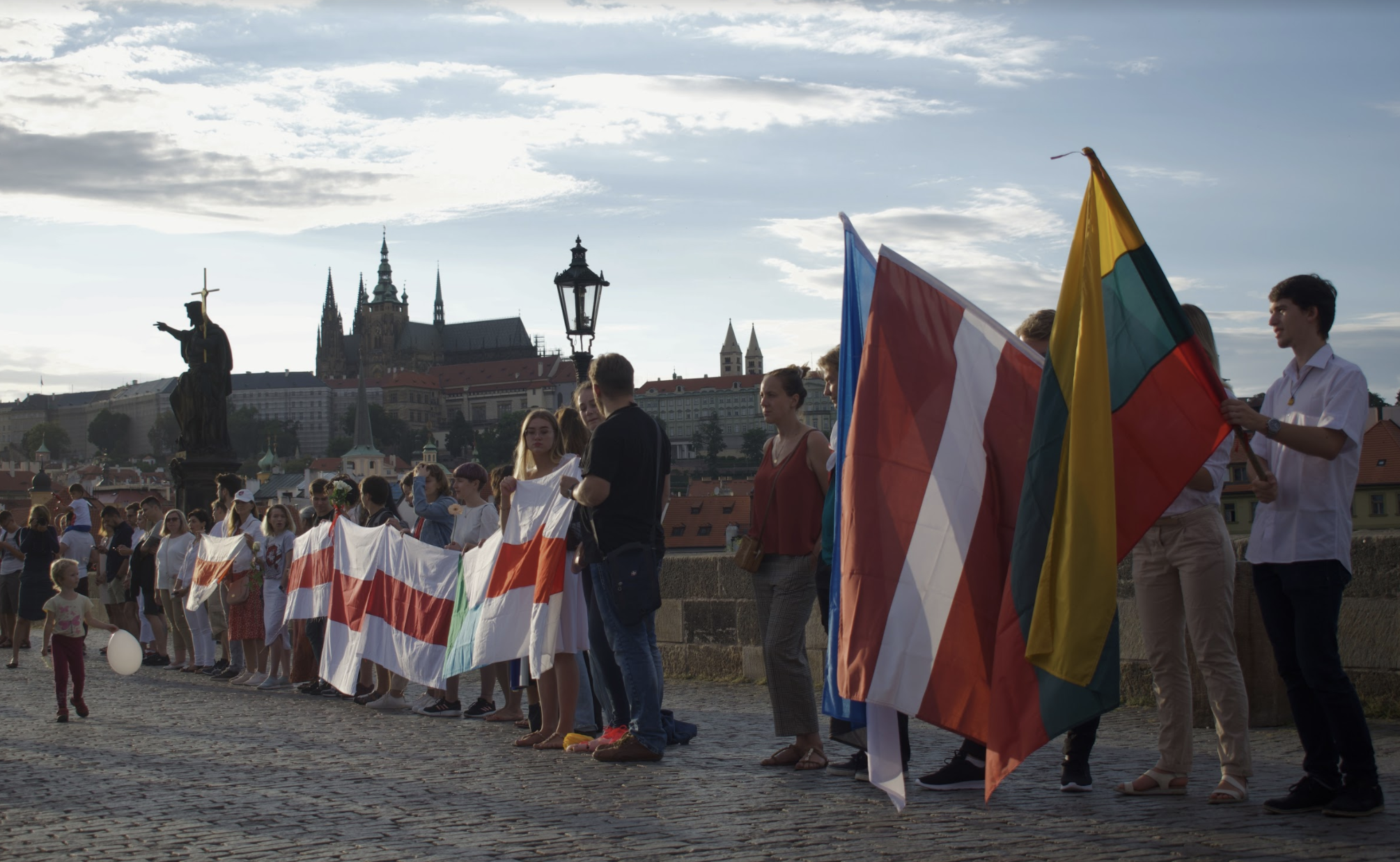
Monday, August 24: to mark the anniversary of the Baltic Chain, as well as a sign of solidarity with the protests all over Belarus, citizens from Belarussia, Lithuania, Estonia, and Latvia gathered on the Charles Bridge to form a human chain. Baltic Chain Story Three Baltic countries – Estonia, Latvia, and Lithuania – demonstrated their solidarity in their quest for independence by forming a human chain on August 23, 1989. Approximately 2 million people joined their hands that day. The extraordinary event drew global attention and finally led to the Baltic States regaining their independence. The human chain spanning over 600 kilometers was registered in The Guinness Book of Records. Follow Bradley Stafford on Instagram fom more pictures!
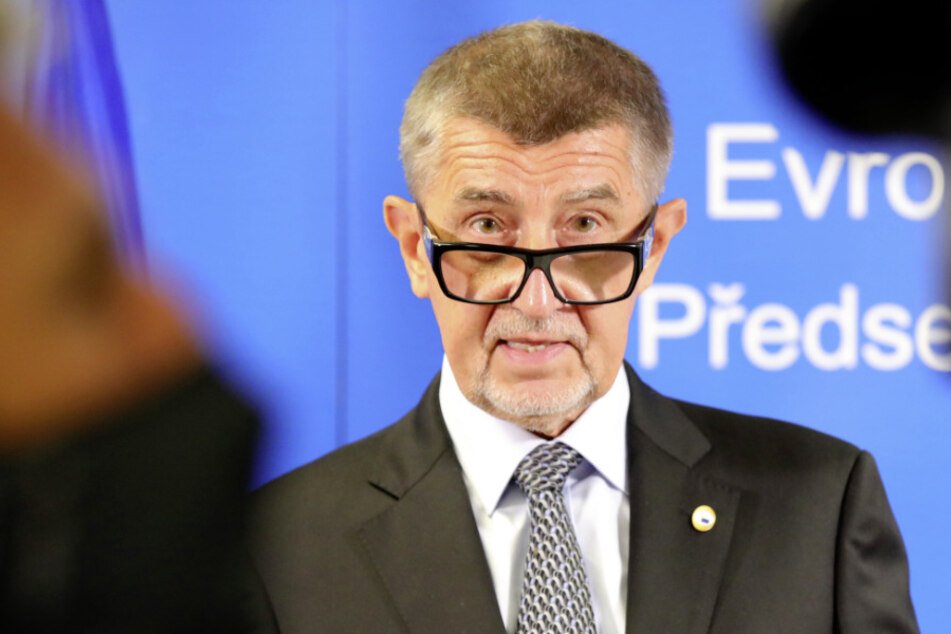
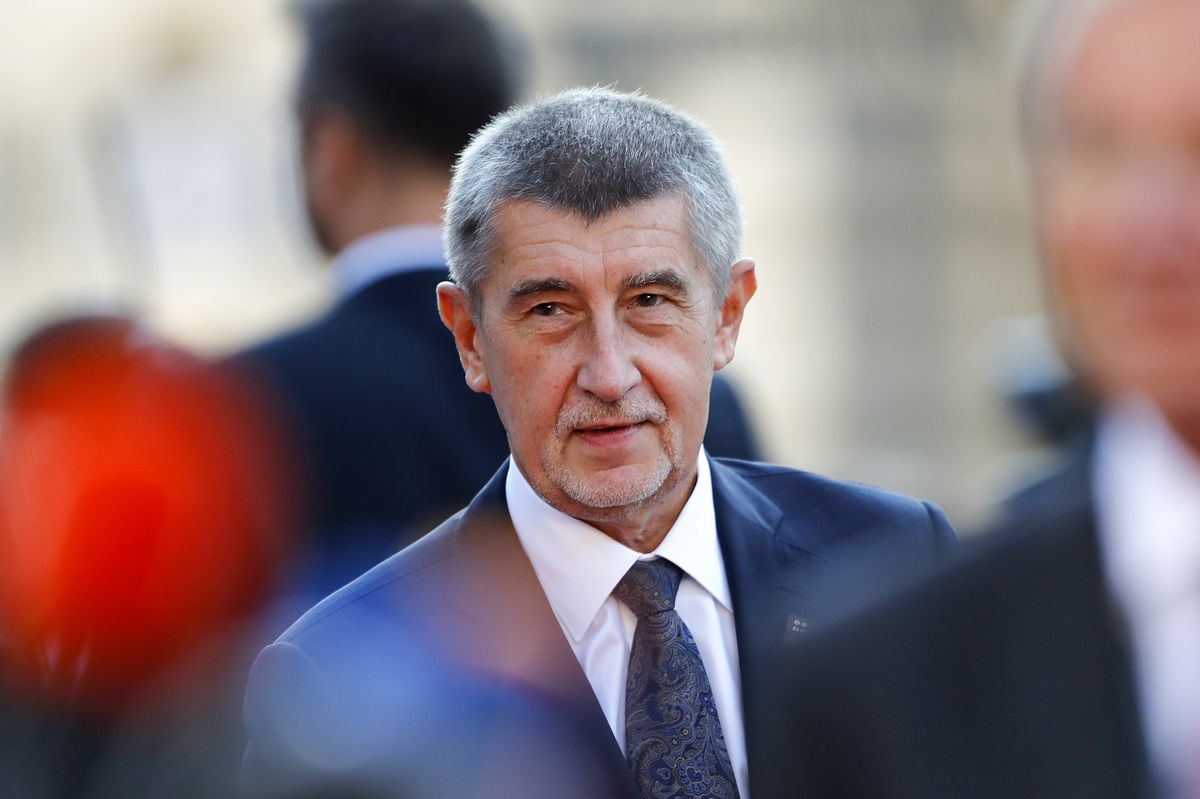
During an interview for the quarterly magazine Harvard International Review, PM Babiš replied to a question regarding the Czech Republic adopting the euro. “The Czech Republic is ready to enter the eurozone. But in this situation, when we expect some reforms to EU governance, we choose to wait. The euro is more of a political than an economic project,” Babis said. “Besides that, we are now seeing serious structural challenges that are potentially very dangerous: tensions between the prosperous northern members of the EU and the stagnating south were clearly visible during the post-pandemic recovery package negotiations. And while the 19 states of the eurozone have a common currency, they still have different economic approaches and follow different budget strategies,” he added. “No one has the power to force heavily indebted countries to act more reasonably. That is the main problem that must be urgently solved. Still, the fact that we criticize some aspects of the EU integration process does not mean that we are against the idea of European integration in general. Constructive criticism in the post-Brexit EU is necessary” Babis concludes. According to the Eurobarometer, support for the euro in the Czech Republic stands at 33% (the lowest among...
Czech Prime Minister Andrej Babiš on Friday called for the presidential election in Belarus to be rerun with independent monitoring
Don’t have an account? Register
Already have an account? Log In
How Would You Like to Promote Your Business? PR ArticleDisplay bannersVideo productionNewsletter adsJob ListingsInfluencer Marketing
Your Email
We will come back to you within 24 hours with our proporsal