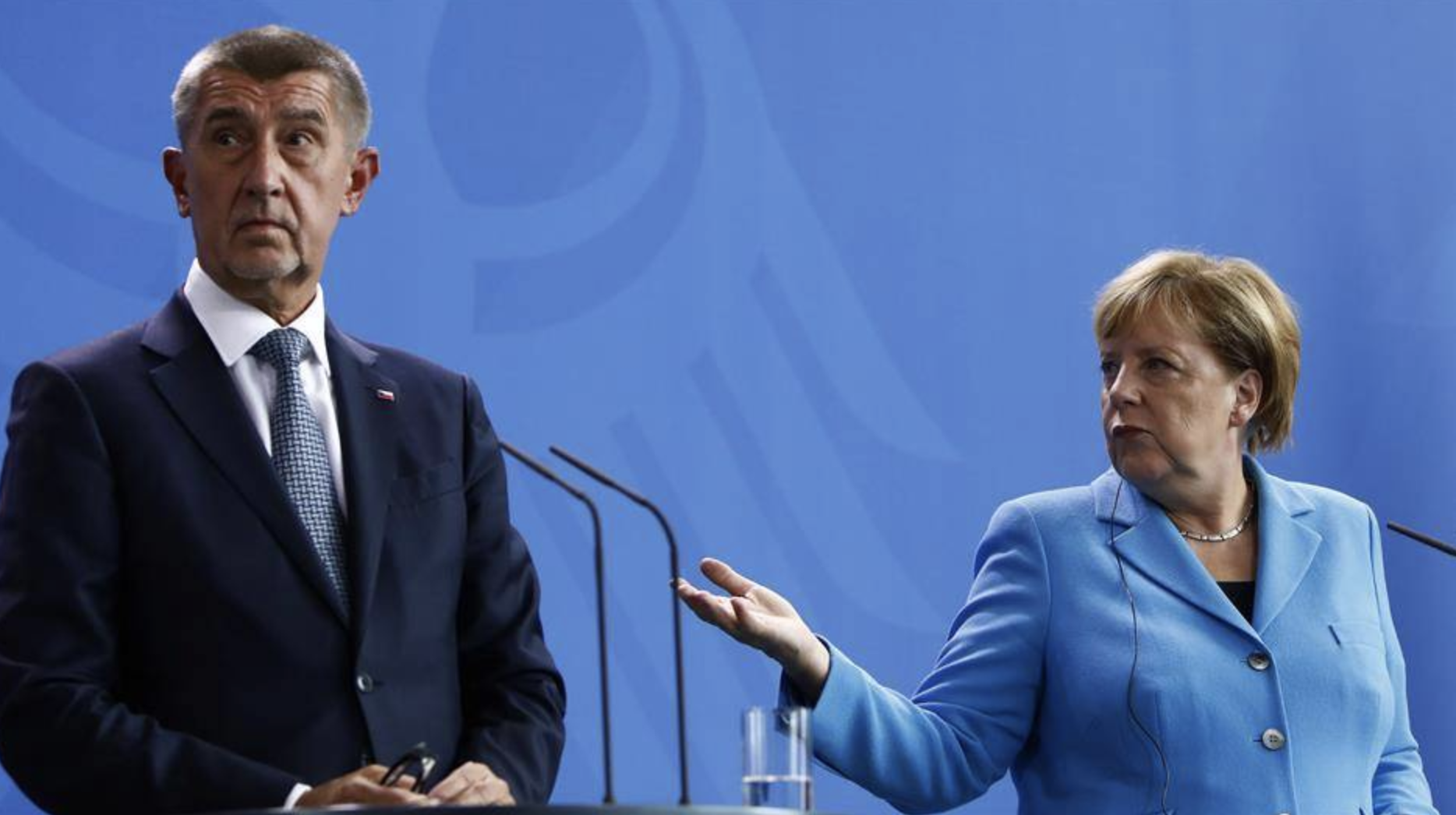
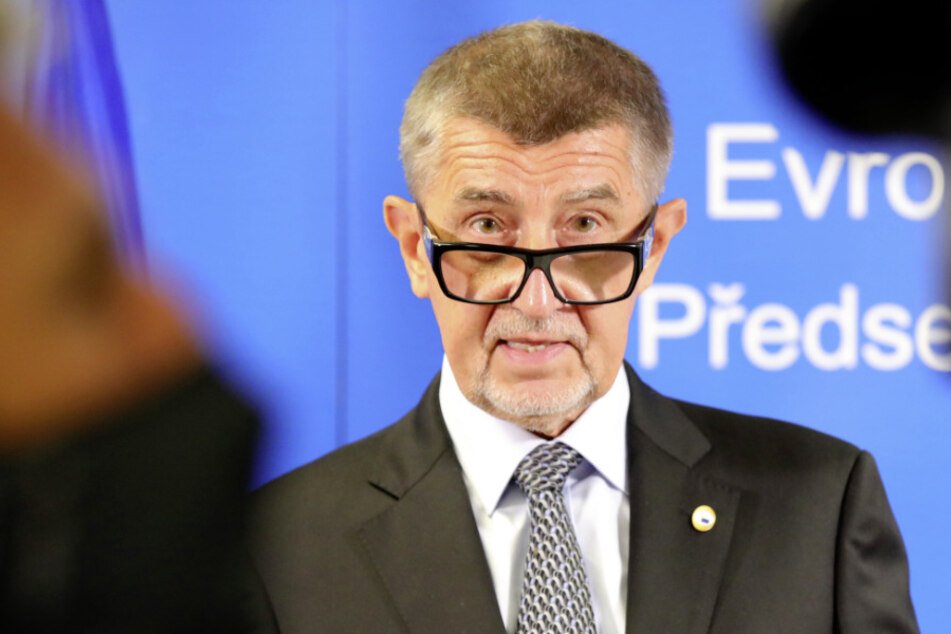
Allocations from the EU’s proposed recovery fund should be based on the downturn in countries’ growth due to the coronavirus crisis and not on the basis of their past economic performance, according to Czech PM Andrej Babis. “We will see the impact of the pandemic next year and this impact will be mainly in GDP. So this should be the most, the biggest criteria,” he said on Friday on arrival for a summit of European Union leaders in Brussels to discuss a joint recovery plan. The Czech Republic “was one of the best on unemployment, one of the best-concerning debt to GDP and also we have growth – and it is not possible to penalize successful countries because they were successful,” Reuters quoted him as saying. “Money should be distributed correctly and fairly,” the PM added. “The approval of the agreement and the EU budget for the next period is positive news for the domestic economy, as the total amount of money allocated to the Czech Republic will be higher than proposed in the original plan,” said ING Bank’s chief economist Jakub Seidler. According to Deloitte’s chief economist for the Czech Republic, David Marek, the adoption of the recovery fund, albeit in a compromised...
Czech Prime Minister Andrej Babiš has hailed the hard-won EU recovery deal as an important signal for the future of the alliance. The head of government, who pushed to downsize the grants part of the aid package and change the criteria according to which the money will be distributed, said the outcome would benefit the Czech Republic both directly and indirectly –by helping to revitalize the European economy.
The Czech Republic is changing the rules of entry for unmarried partners of Czech citizens who have been separated by the existing EU-wide travel ban.
The Mayors of Prague, Bratislava, Warsaw, and Budapest asked German Chancellor Angela Merkel to support the direct financing of cities from the European Recovery Fund in an open letter. The letter states that the money should be used for an eco-friendly transformation of cities. The EU intends to create a recovery fund to kick-start the economy after the COVID-19 pandemic. It is supposed to include €750 billion beyond the Union’s current multiannual financial framework. The money should be borrowed by the European Commission on the financial markets. According to European leaders, money from the fund should not just help with economic recovery, but also to meet the EU’s environmental goals, which include achieving carbon neutrality by 2050. The current EU summit in Brussels, the first physical meeting of European leaders since the outbreak of the pandemic, will discuss the parameters of the recovery fund. Before the beginning of the summit, Germany expressed its ambition to find a final agreement there. If you are looking for a job in Prague, check our new job section here Time to move to a new flat? Rents with no commission here! Want to advertise your business on Prague Morning? Contact us at [email protected]
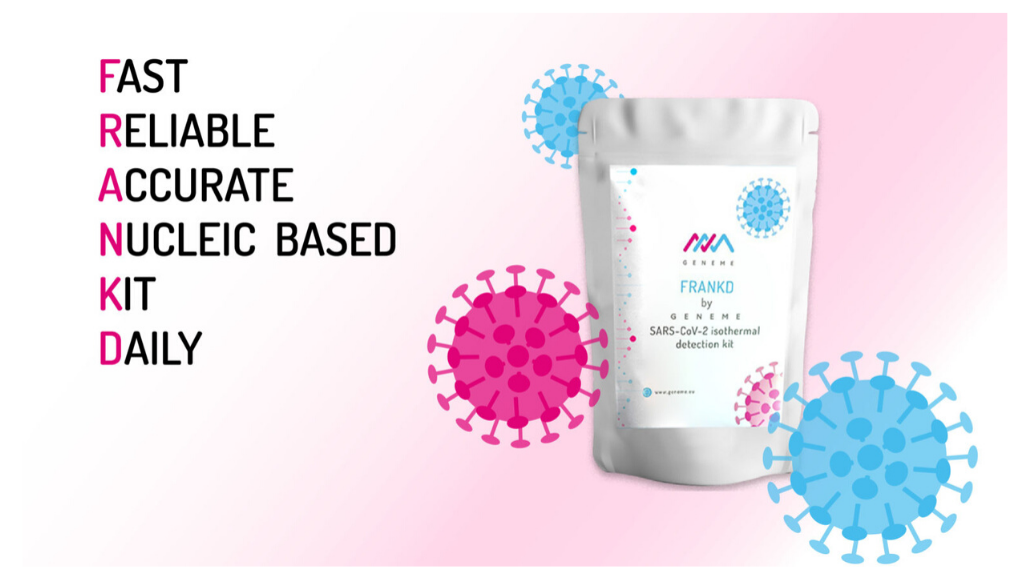
The new product’s patented technology promises to make the testing process faster and simpler European biotech company GeneMe has developed a 30 minute Covid-19 mouth swab test for the travel and tourism industry, distributed by GeneMe UK Using patented technology, the new FRANKD test can be used for screening purposes to create ‘Covid-19-free ‘ zones within airports, hotels, tourist locations and event venues in a bid to eliminate the need for social distancing. According to the manufacturer, independent laboratory tests have shown that FRANKD is “100% specific to Covid-19 and 97% sensitive”. GeneMe UK CEO Andrew Wheeler said: “Mass testing of travelers, staff, and visitors is the only way to restart the travel and tourism industry safely and quickly. We have the technology and scale to help these industries get back to doing what they do best.” To best manage results, FRANKD links results to the free Yoti digital ID app, though it notes that, other ID apps can be used. Travellers and visitors downloading the Yoti ID app can link themselves to their test result and, after giving consent, the 30-minute test result will be automatically added to their app meaning they can then share their results with relevant authorities to gain access to transit...
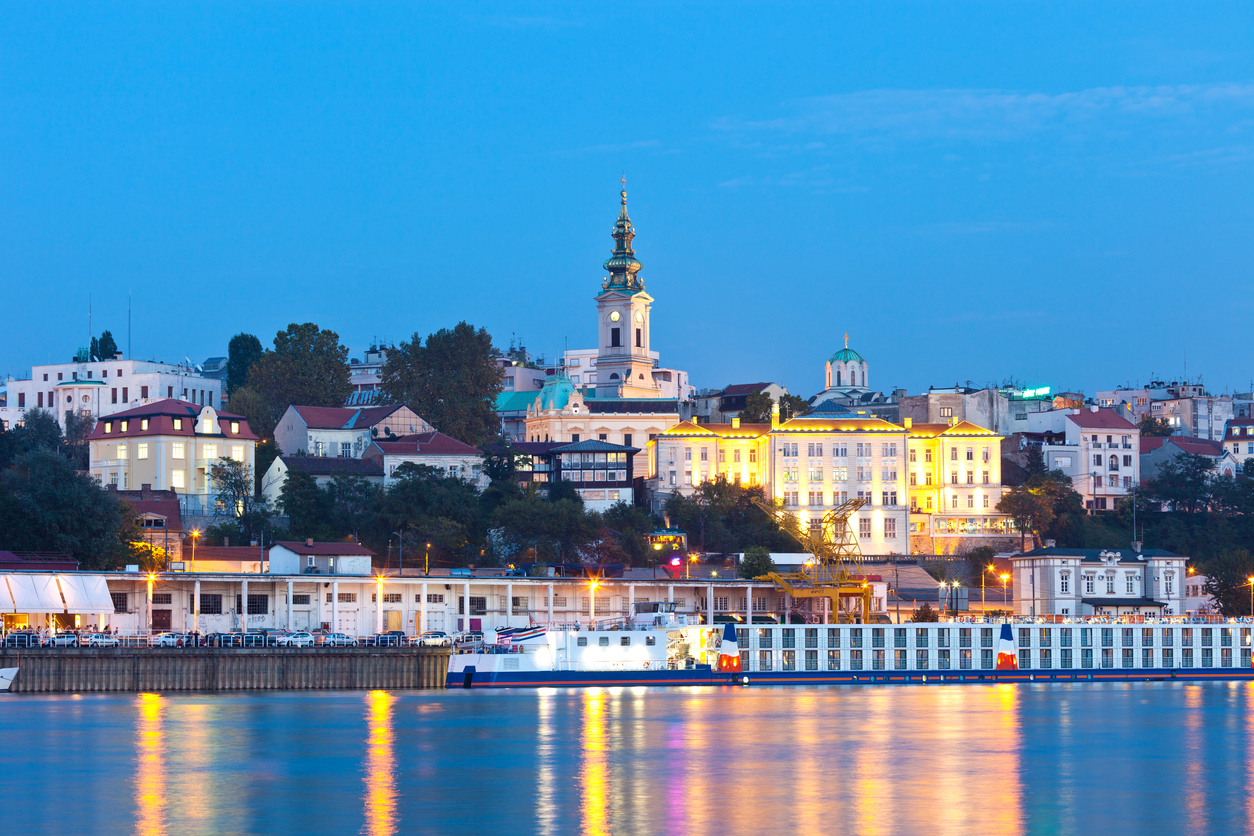
The Czech government confirmed on Saturday, July 11, that Serbia and Montenegro were added to the list of countries with a high coronavirus risk. As a result, Czechs need a 14-day quarantine or a COVID-19 test upon returning to their home country. Serbia Serbia recorded 18 fatalities and 386 new cases over 24 hours in what Prime Minister Ana Brnabic described as a “dramatic increase”. A wave of new infections came after a number of sporting events were allowed to go ahead amid minimal social distancing. These included a tennis tournament organised by multiple grand slam champion Novak Djokovic, who tested positive for coronavirus along with three other participants at his ill-fated Adria Tour. To date, Serbia has logged 370 coronavirus deaths and almost 18,000 cases. Montenegro In the last 24 hours, 58 people out of 468 tested on coronavirus were conformed positive, the country’s Institute for Public Health said on Friday, the FoNet news agency reported. It added that there were 733 active cases. Since the beginning of June, ten people died in the coastal republic, while in the last 24 hours, five patients recovered. Podgorica declared the end of the epidemic on June 2. If you are...
The Czech Republic is interested in having normal relations with Russia, Czech Prime Minister Andrej Babis told CTK on Wednesday. “We are interested in normal relations with Russia,” he stressed. He expressed hope that the issues arising in the relations between both states would be regulated on the outcomes of mutual talks. He added that the Czech Republic approaches the organization of such talks “very responsibly.” Babis expressed hope that the Russian-Czech talks stipulated under the 1993 Friendship and Cooperation Treaty would lead to the meeting between Russian and Czech leaders. “The fact that the Czech-Russian relations are not ideal is not surprising neither to us nor to Russians. This is why we have agreed to begin Czech-Russian consultations,” the PM noted. During the talks, the parties will assess the state of Russian-Czech relations and regulate the existing disputes. The Czech government is interested in developing cooperation between both states, Babis added. The Czech PM’s words came as a follow-up to the earlier statement made by Kremlin Spokesman Dmitry Peskov. Peskov told reporters on Wednesday that so far, no high-or top-level talks are planned between Russia and the Czech Republic. When asked about the state of Russian-Czech relations due to...
The European Committee of Social Rights (ECSR) has found violations of the right to equal pay and the right to equal opportunities in the workplace in 14 out of 15 countries which apply the European Social Charter’s collective complaints procedure: Belgium, Bulgaria, Croatia, Cyprus, the Czech Republic, Finland, France, Greece, Ireland, Italy, the Netherlands, Norway, Portugal and Slovenia. Only Sweden was found to be compliant with the Charter. “The gender pay gap is unacceptable in modern societies, yet it continues to be one of the main obstacles to achieving real equality. European governments must urgently step up efforts to ensure equal opportunities in the workplace. And more countries should use the Council of Europe’s Social Charter as one means of reaching that goal,” said Marija Pejčinović Burić, Secretary General of the Council of Europe. Complaints to the ECSR, which monitors the implementation of the Charter, were lodged by the international NGO University Women of Europe (UWE). While the ECSR found that all 15 countries concerned had satisfactory legislation recognizing the right to equal pay for equal work, it found various violations – bar Sweden – primarily due to insufficient progress in reducing the gender pay gap, but in some cases also due to lack of pay transparency in the labour market, ineffective legal remedies and the insufficient powers and resources of national gender equality bodies. Moreover,...
Barclays has announced plans to increase its footprint in Prague, creating around 200 new high-skilled technology jobs in the city, to boost its in-house engineering and development capability. Barclays has laid out plans to the Ministry of Industry and Trade, Czech Republic, to launch a recruitment campaign in the country to attract Developers, Project Managers and Business Analysts. The bank will also offer a number of apprenticeship opportunities. These roles will support the bank’s operations in Risk, Finance and Treasury and businesses within the Investment Bank. As a centre of technical excellence, Barclays Prague is an increasingly important part of the bank’s vision to provide world-class operations and technology services. This investment means that over time, Barclays will employ more than 1,000 technology professionals in the city – twice as many than at the start of this year. Antoinette O’Neill, Chief Information Officer for Risk, Finance & Treasury and Functions Technology, Barclays said: “Our operations in Prague play a pivotal role in Barclays’ technology ecosystem. Growing our in-house development capability will drive greater collaboration across our teams, enabling more effective delivery of our IT strategy. “With a highly-educated and skilled workforce, coupled with great infrastructure, our expansion in Prague will...
Rohlík has announced plans to launch its service in Germany. The expansion was originally planned for 2025 but due to the current high demand for online grocery shopping, the start is brought forward. Rohlík is expected to be launched in Munich by the end of this year. The upcoming launch of Rohlík in Germany means more competition from that other online-only supermarket, Picnic. The Dutch supermarket is active in Germany since March 2018 and is slowly but steadily expanding across the country. The arrival of Rohlík also means more competition for local players, such as Rewe and Edeka. “This is one main target for me”, says Tomáš Čupr, CEO and co-founder of Rohlik. The pure player has only recently been launched in Hungary, which has been the first foreign market for the Czechs. The company also plans to enter the market in Vienna and Bucharest this year. Rohlik is currently active in nine Czech cities where it can deliver within a timeframe of just two hours. Rohlik carries more than 8,000 lines, including fruit & veg. It also works with numerous regional suppliers as well as local bakeries and butchers. The company prides itself on its user-friendliness. Customers can choose...
Czech President Milos Zeman while visiting the US Ambassador’s residence in Prague on the 244th anniversary of the independence of the United States, said the slogan “Black Lives Matter” is racist.
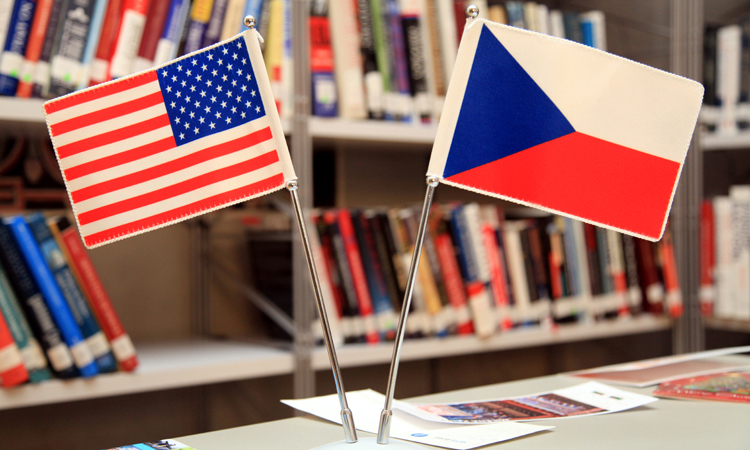
Expat Hub is a media for adventure-seeking expats that live in Prague. Join the Expat Hub on Facebook to connect with other expats and be the first one to read articles about life in Prague. For the Eco-conscious, the Facebook group Eco Expat will be the right platform to share your ideas about the Eco-friendly lifestyle and get to know sustainable local businesses that are striving to contribute to Ecology. For non-military American citizens living abroad, voting from Prague requires extra effort. While many countries allow voting at the embassies, the United States uses an absentee mailing system for its citizens abroad. Local election offices manage absentee ballots. Voting is not mandatory for Americans, like it is for Brazilians or Australians, although some consider it a patriotic duty. Midterm elections usually have a dramatic fall in voter turnout, but 2020 is a presidential election year. Americans voting from Prague can request an absentee ballot with a few minutes and perhaps the cost of postage. The August 1st deadline is approaching, so request your ballot as soon as possible. Are You Eligible Voting From Prague? Across all fifty states, American citizens age 18 and older are eligible to vote. Even American citizens who have...
Don’t have an account? Register
Already have an account? Log In
How Would You Like to Promote Your Business? PR ArticleDisplay bannersVideo productionNewsletter adsJob ListingsInfluencer Marketing
Your Email
We will come back to you within 24 hours with our proporsal