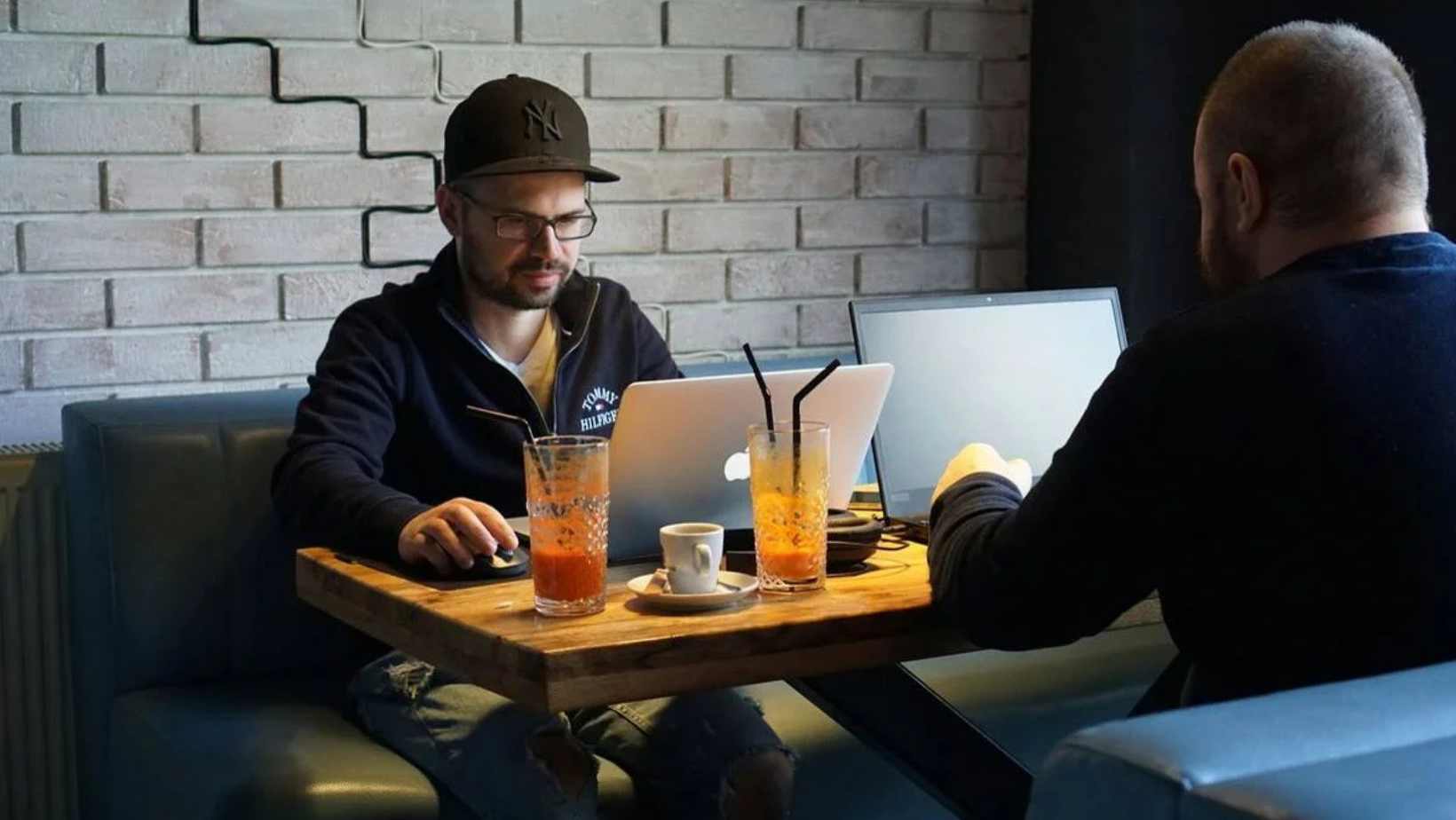
As all schools, kindergartens and other school facilities (such as forest kindergartens, children’s groups, etc.) have been closed in the Czech Republic, government measures have been extended to self-employed persons who are forced to stay with their children at home. Šárka Pelikánová, owner of the accountancy and tax office of Connect Economic Group s.r.o. Who is eligible for the nursing allowance? Self-employed persons have never been entitled to a nursing allowance. Now all entrepreneurs who undertake self-employment as their main activity and who are not employed anywhere have the possibility to apply for a nursing allowance. However, self-employed persons who undertake self-employment as their secondary activity due to disability pension, maternity leave, etc., and the reason for their secondary activity is not related to employment, are also entitled to apply. If at the same time, the entrepreneur, whether for the main or secondary activity, has a signed contract on the performance of the office of the company executive, this person is not entitled to receive the nursing care allowance. Other conditions for receiving the nursing allowance It should be taken into account that self-employed persons must be registered for income tax at the tax office. At the same time, it...
The Council of Europe Development Bank (CEB) has approved a € 300 million loan to the Czech Republic to finance health expenditure to combat the spread and impact of the COVID-19 pandemic. The Czech Republic was quick to undertake COVID-19 protective measures in January before any confirmed cases were reported in the country. The CEB loan will support the Czech government in furthering its efforts to mitigate the spread and impact of COVID-19 by covering 90% of the total cost required in the immediate term. It will enable the acquisition of medical material and equipment, including tests, ventilators, and respirators as well as protective equipment for frontline staff. The loan may also cover the rehabilitation and conversion of spaces, medical units, and hospitals to meet current emergency healthcare needs. CEB Governor Rolf Wenzel said: “In light of this unprecedented pandemic, the Bank has mobilised additional human and financial resources to ensure that it is in a position to assist its member countries in the best possible way. The loan provided to the Czech Republic is part of a first fast-track package of close to € 1.7 billion supporting projects in health and MSME financing in countries affected by the pandemic. Additional support will be made...
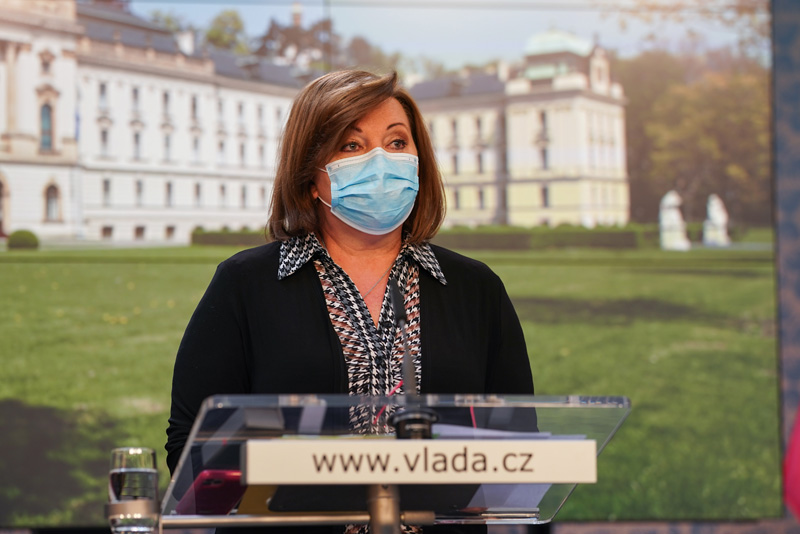
The Czech cabinet on Monday approved an amendment to increase the state budget deficit to 300 billion CZK (11.92 billion U.S. dollars), the Ministry of Finance said in a press release. It’s the second time the Czech government plans to readjust its state budget this year. In March, President Milos Zeman signed into law a budget expansion up to 200 billion CZK (7.95 billion U.S. dollars). “The crisis situation persists and there is a further fall in income, which is why this amendment is absolutely necessary to save our economy. We have come up with a number of measures to help both employees, entrepreneurs and businesses,” said Finance Minister Alena Schillerova. The latest amendment to the Act on the State of Budget for 2020 is based on the updated macroeconomic forecast published by the Ministry of Finance, the ministry said. The newly proposed budget will contain a total of 1.4282 trillion CZK (56.76 billion U.S. dollars) in revenue and 1.7282 trillion in spending (68.68 billion U.S. dollars), leaving a state budget deficit of 300 billion. The state now predicts further losses of tax revenue and plans to increase benefits and provide debt relief, the ministry said.
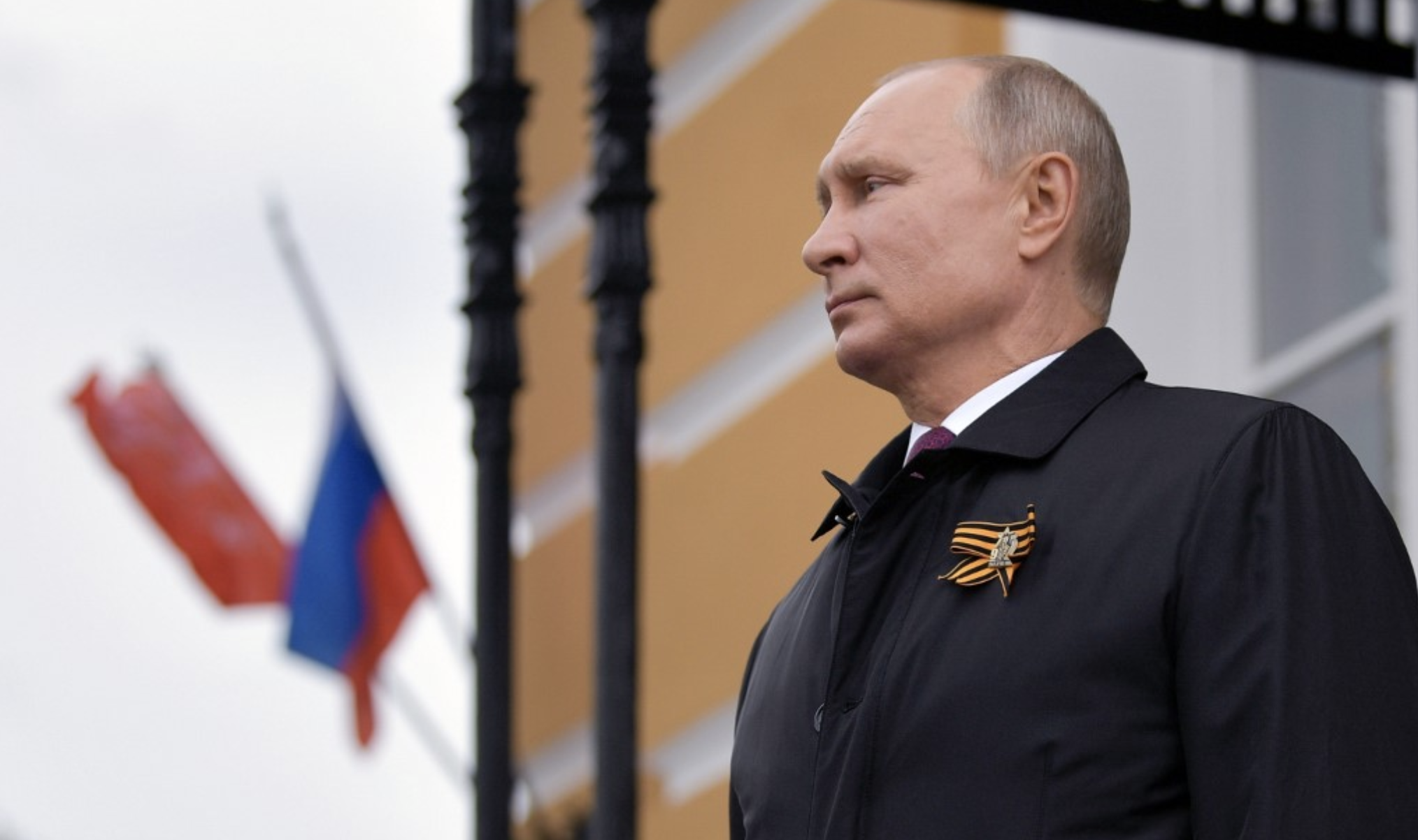
Czech President Miloš Zeman will attend celebrations marking the 75th anniversary of the Soviet Union’s Victory over Nazi Germany, which was scheduled to take place on May 9 but had to be postponed due to the coronavirus, as Zeman himself told Radio Frekvence 1 on Sunday. “I accepted President Putin’s invitation,” Zeman pointed out. “I suppose that the celebrations will take place in September instead of May 9. “It would be logical because World War II ended in September, and it was the war in Europe that came to an end on May 9,” he added. Russian President Vladimir Putin announced on Thursday that the Victory Day parade and the Immortal Regiment march, initially set for May 9, would take place later in the year after the coronavirus threat is over. The “risks associated with the epidemic, whose peak has not passed yet, are extremely high,” Putin said. “This does not give me the right to begin preparations for the parade and other mass events now.” Victory Day is the most important public event remaining in Russia’s calendar. Western leaders have snubbed the parade since 2014, following Russia’s annexation of Crimea from Ukraine. Moscow’s alleged meddling in the US presidential...
Self-employed workers affected by the pandemic will receive in May a one-time payment of CZK 15,000 from the state, PM Andrej Babiš (ANO) said to Pravo. “The government is also ready for payments in June if necessary,” he added. For the period from March 12 to April 30, the contribution is CZK 25,000. The payment is available based on individual applications, in which applicants must prove by way of an affidavit that they meet a number of conditions: The applicant is self-employed. The applicant’s self-employed activity is their main activity (except pensioners, primary carers, and those who are receiving disability or parental benefits). The government previously approved the firest lump sum of CZK 25,000 on April 2. Up to June 30th, 2020, you can request this allowance in person at your Tax Office, via e-mail and that even without an electronic signature, via a data box or via the tax portal here. The applicant must enter the bank account number to which the amount is to be sent. The administration accepts applications via data box, by post, and collection boxes placed in front of tax offices.
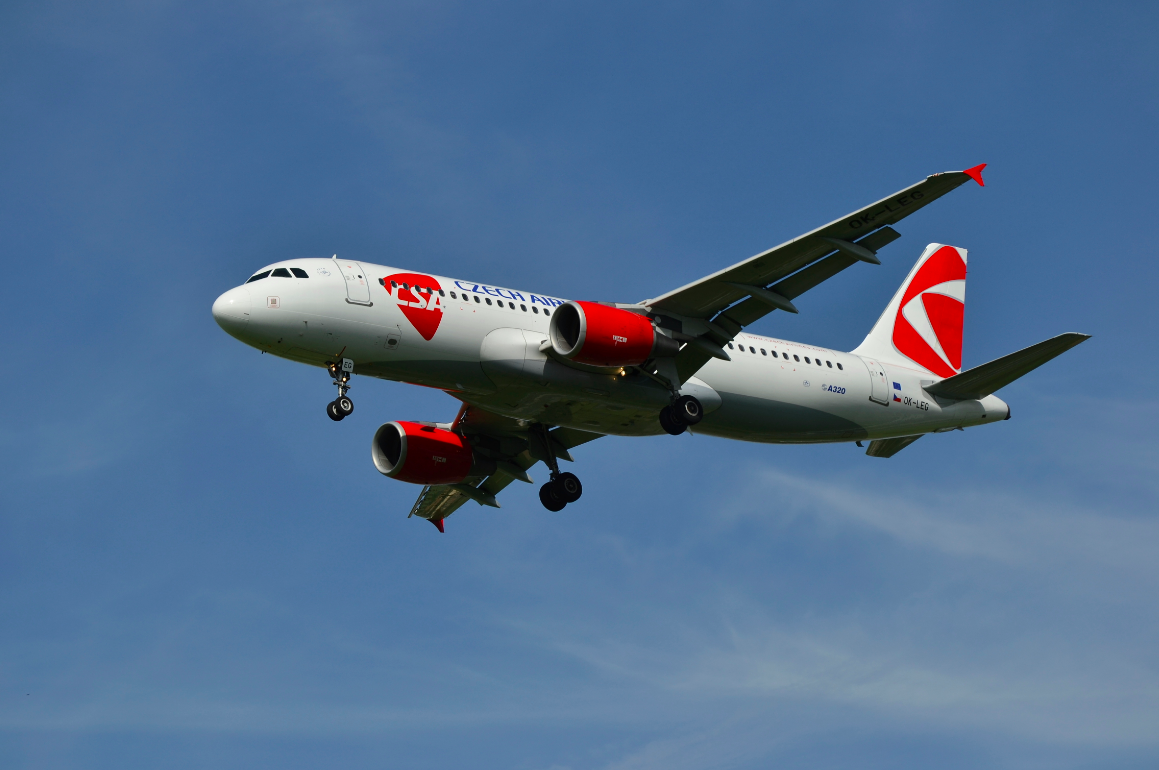
Czech Republic‘s Finance Minister Alena Schillerová proposed the government acquire CSA Czech Airlines, however noting complications may arise due to a minority foreign ownership in SmartWings Group. Schillerová expects the Ministry of Industry and Trade to prepare an analysis of strategic companies affected by the coronavirus outbreak. As previously reported by CAPA, Smartwings Group implemented austerity measures to mitigate the financial impact of the drop in demand. In 2018, 97.74% of Czech Airlines was bought by the privately-owned Smartwings and CSA became a part of the Smartwings Group. The remaining 2.26% of CSA is owned by insurance company Česká Pojišťovna. CSA is the fifth oldest still operating airline in the world, after Dutch KLM (1919), Colombian Avianca (1919), Australian Qantas (1920), and Soviet/Russian Aeroflot (1923). It was the first airline in the world to fly regular jet-only routes (between Prague and Moscow). Join us on Telegram and follow our Insta Stories to read the latest updates on the coronavirus in the Czech Republic.
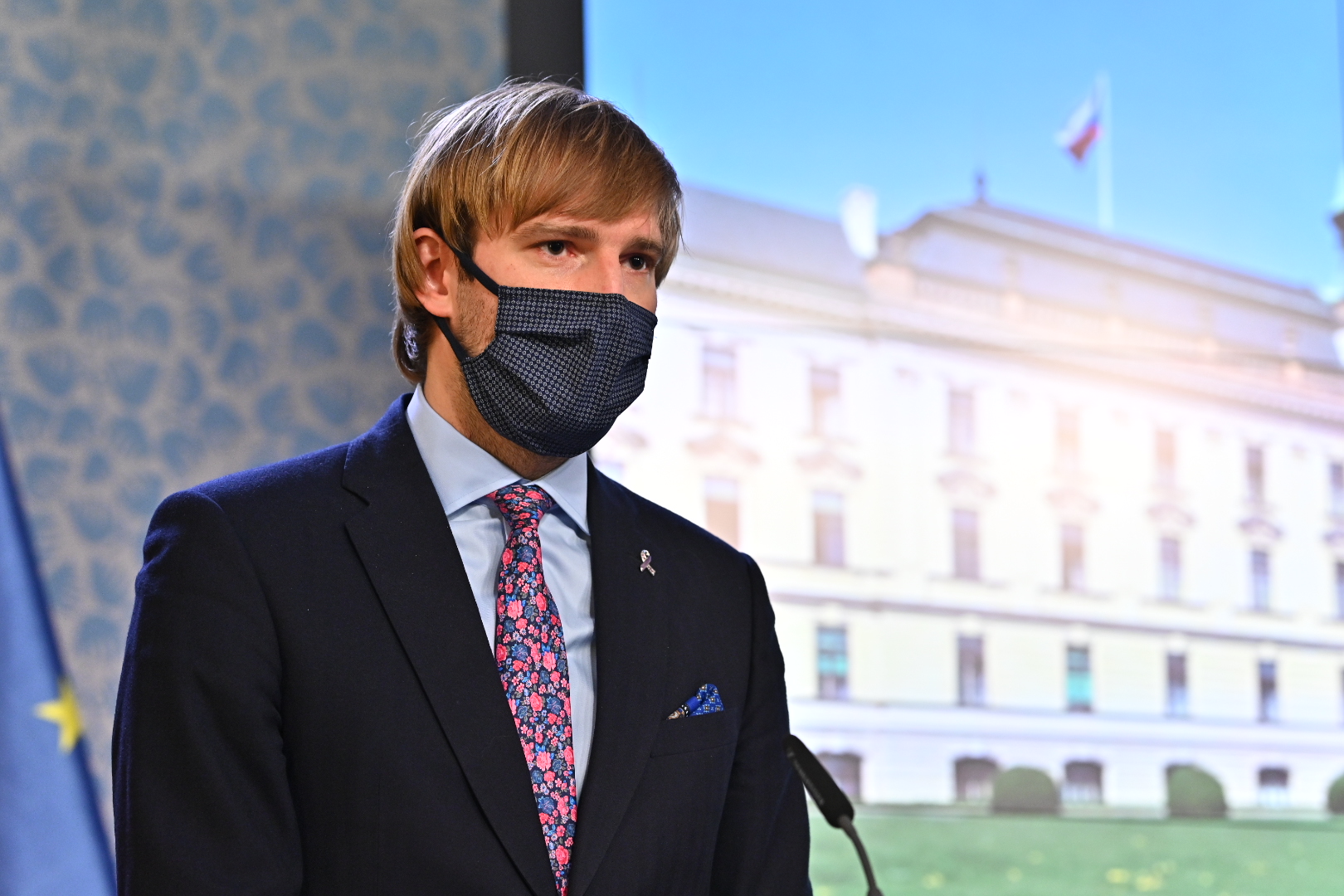
“The borders will certainly not open until June and non-essential travel may not be possible even in summer,” said Minister of Health Adam Vojtěch after the government meeting on Tuesday and reported by iDNES. “It will depend on the situation in other countries. We do not want to give predictions without an expert opinion. We are talking about the last relaxation and certainly, it won’t happen earlier than in June. Moreover, under some conditions,” he added. “At the moment, the epidemiological situation in Spain, the United Kingdom, and the United States are not good.” On 16 March, the free movement was limited with the exception of travel to and from work and necessary travels to ensure basic human needs. With effect from April 14th, 2020 Czech citizens and foreigners, are again able to travel abroad, now with the possibility of returning during the state of emergency. Travel is allowed in necessary and justified cases only (e.g. fulfillment of official duties, work abroad, funeral etc.), which will have to be proven individually to the police at border crossings. Everyone returning to the Czech Republic must undergo a 14-day ordered mandatory quarantine. There will be no quarantine for people traveling abroad for less...
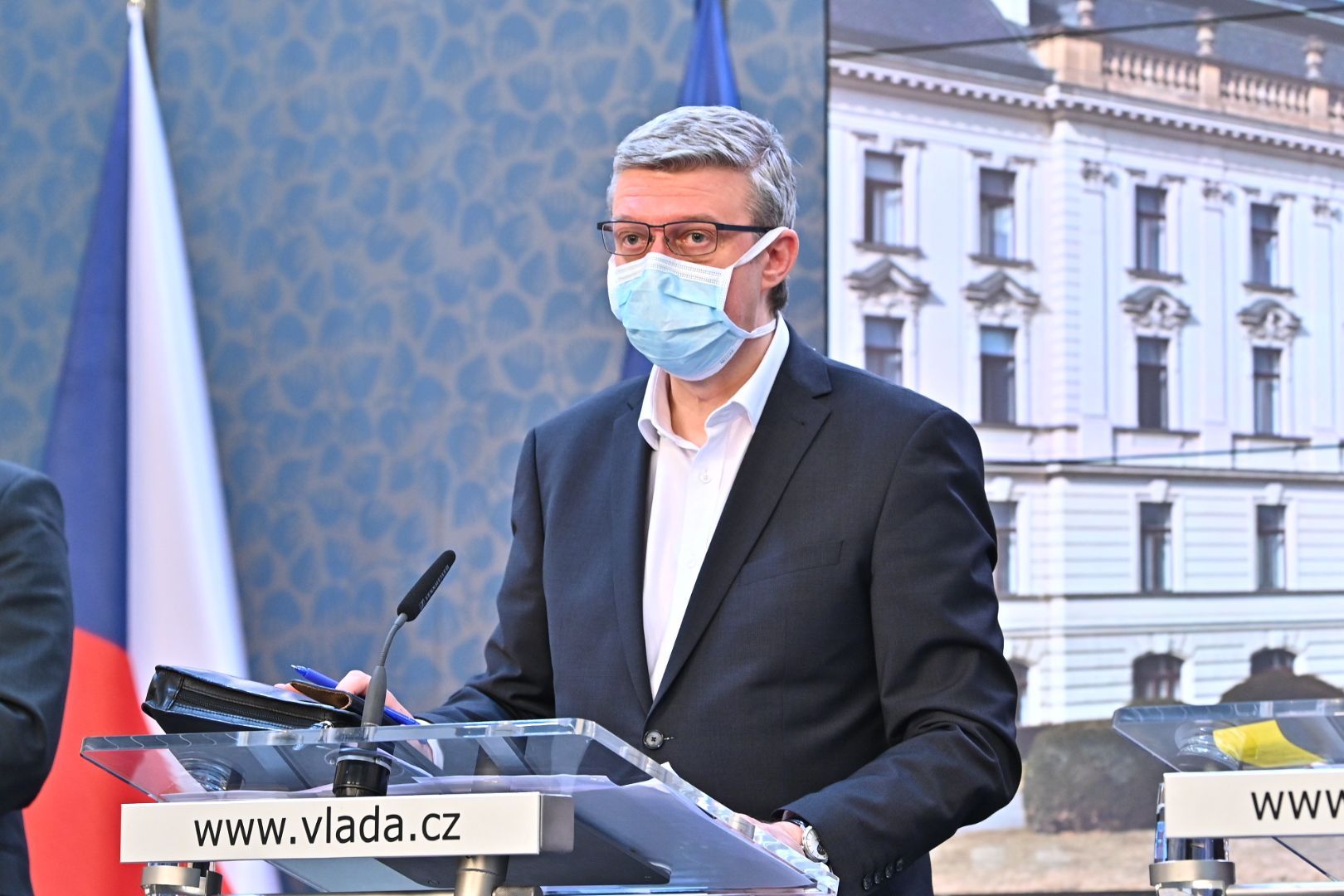
According to Deputy Prime Minister Karel Havlíček, the government will release scenarios of easing restrictions for shops and services after Tuesday’s (April 14) meeting.
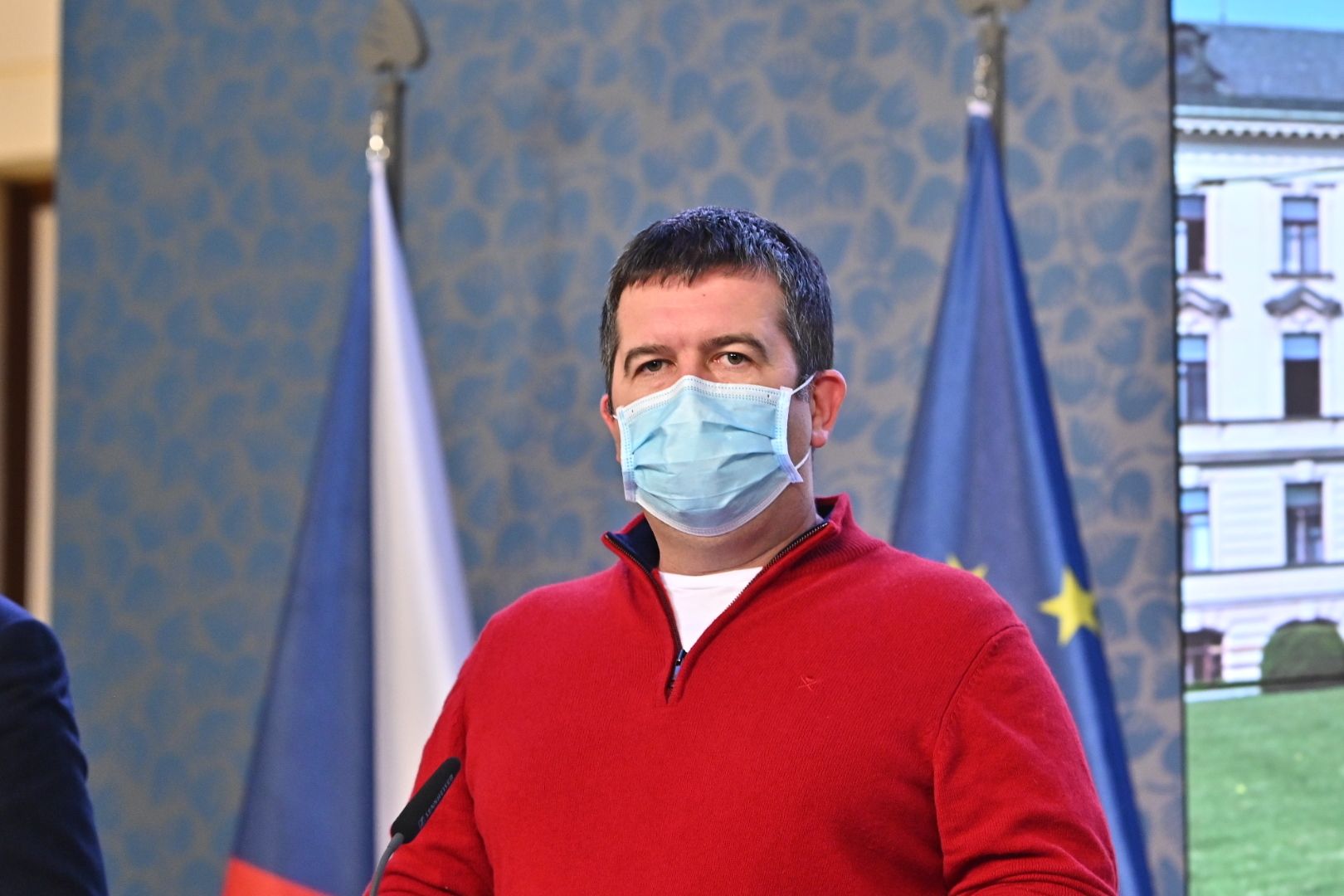
According to the Interior Minister and head of the Central Crisis Staff Jan Hamacek (CSSD), the easing to wear face masks was not a good solution.
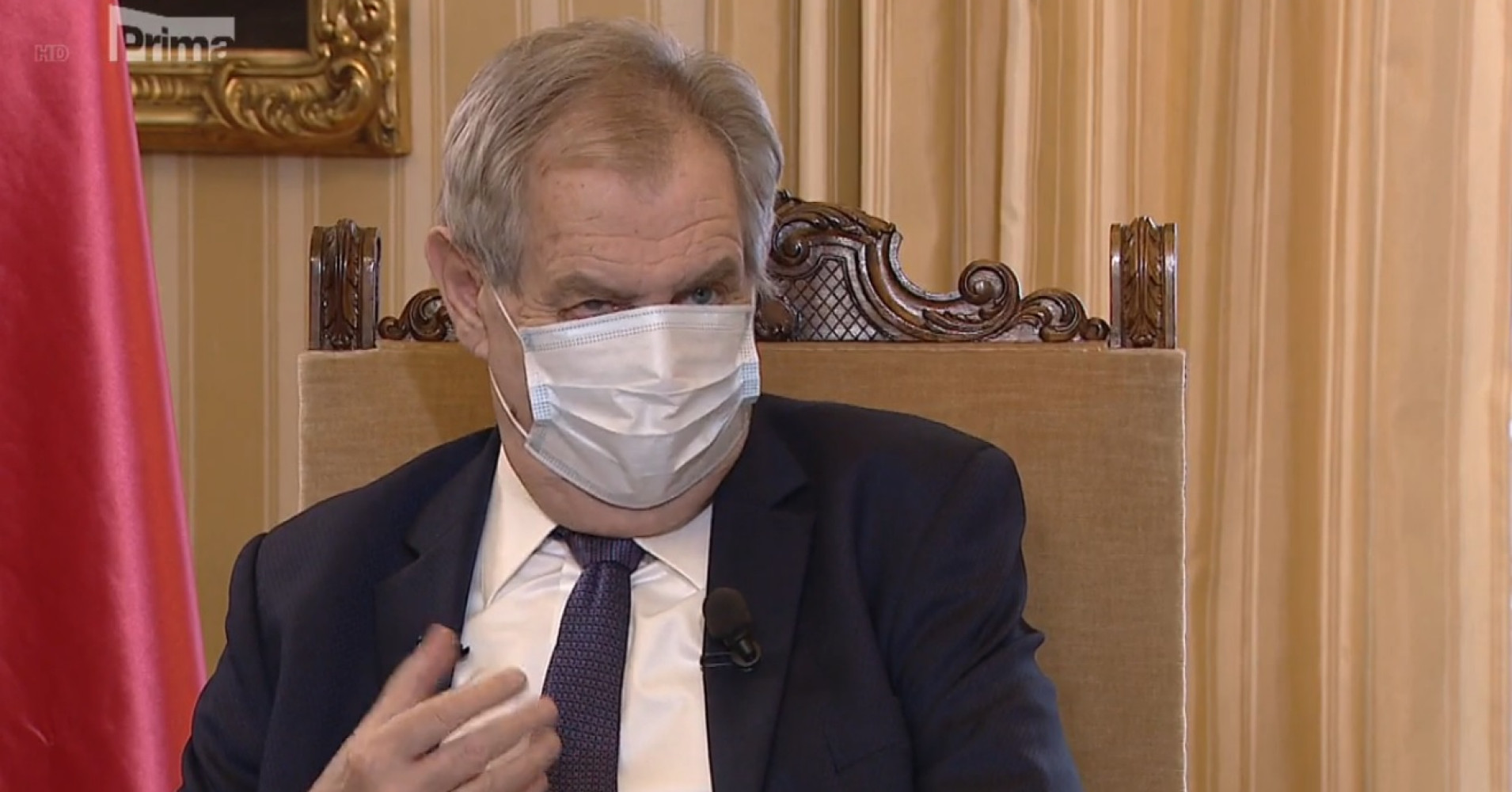
"Our plan should continue what is being done here successfully because we already know that the epidemic is receding," Zeman said.
After a month of tightening lockdowns across Europe to combat coronavirus, the Czech Republic will in the coming weeks become one the first European countries to loosen restrictions on daily life and business. Shops According to Vojtěch, the plan is for some non-essential shops and DIY shops to reopen withing the end of April. They would then be followed by shopping malls and hairdressers, where there is a high concentration of people and thus a greater risk of coronavirus transmission. Czech’s health ministry says the rate of new infections has fallen significantly, and he wants to ‘gradually and cautiously return to normality after Easter’ as long as ‘we all remain disciplined during Easter week’. ‘The aim is to open first smaller shops up to 200 square metres, under strict security conditions of course,’ Minister of Industry Karel Havlicek (ANO) said at a press conference. Customers will be required to wear masks when shops re-open. Borders “The Czech borders will not open completely in the coming months,” said the Minister of Health Adam Vojtěch (ANO) on Czech Television. “It is certainly not a matter of weeks, maybe not even months.” From Tuesday, 14 April, the current ban on traveling out of...
In an interview for Lidove Noviny, Czech Health Minister Adam Vojtech said that "Czechs will be able to stop wearing face masks in June."
Don’t have an account? Register
Already have an account? Log In
How Would You Like to Promote Your Business? PR ArticleDisplay bannersVideo productionNewsletter adsJob ListingsInfluencer Marketing
Your Email
We will come back to you within 24 hours with our proporsal