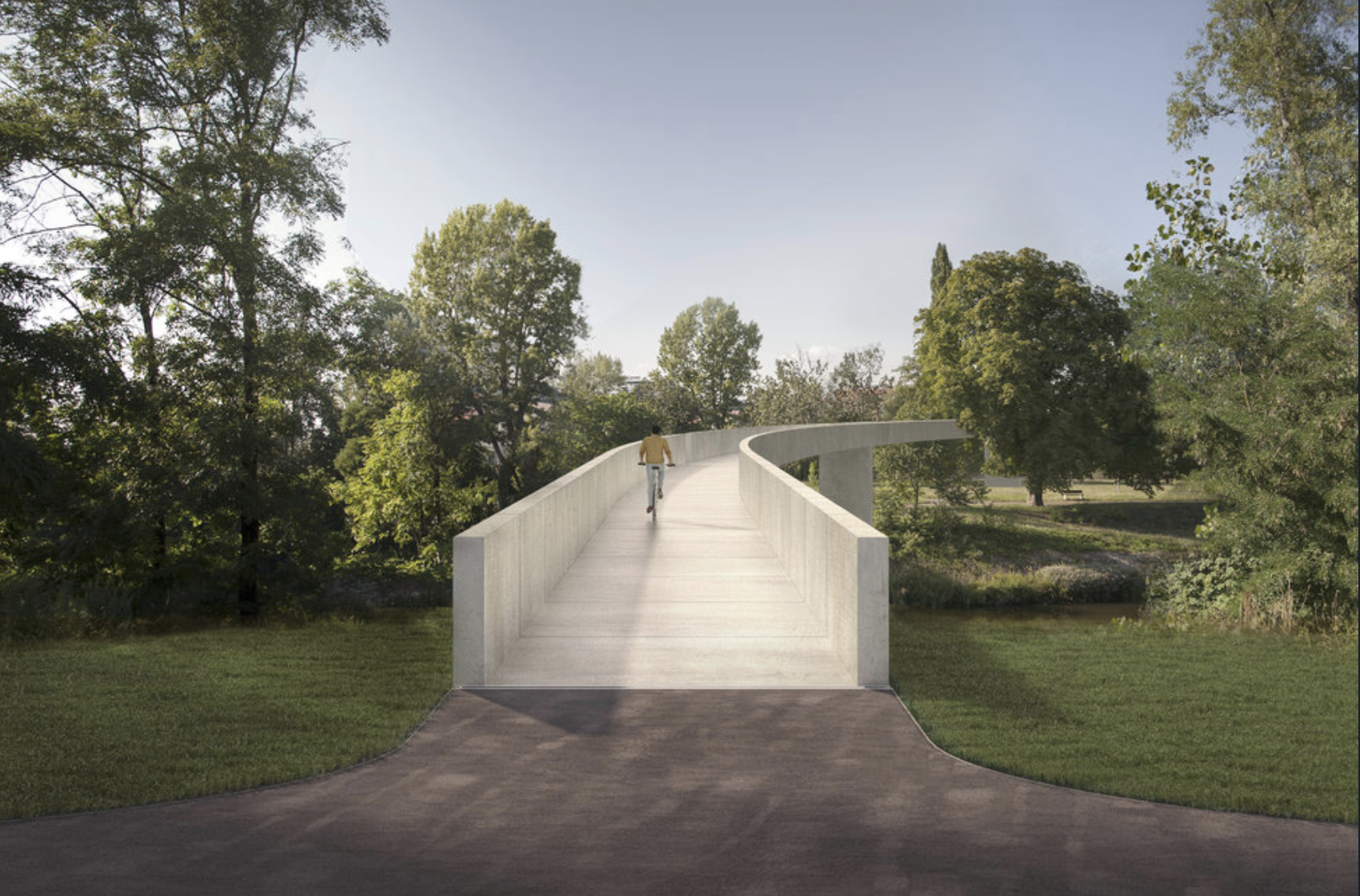
Construction of Štvanická, the pedestrian footbridge connecting Prague districts Holešovice and Karlín, should begin tomorrow, January 11. Until now, the footbridge has been called with an abbreviation from the names of two city districts, ie HolKa. Designed by Marek Blanek and Petr Teje architects, the bridge pushes building technology to the limit; the use of freeze-resistant and fiber-reinforced ultra-high performance concrete (UHPC) helped reduce the structural shell thickness. The new bridge would relieve traffic on some of the existing bridges, which have been overburdened and are in need of repairs. They would also greatly reduce the commuting time to reach certain parts of the city. The footbridge should replace the ferry, which now connects the bank of the Vltava River at Pražská tržnice and Rohanské nábřeží, which should stop running after the footbridge is completed. The idea of building a footbridge in this area was a part of the Prague Land-Use Plan for a long time. In 1999 an architectural competition was held to define the appearance of the footbridge. However, after the floods in 2002, the flood protection measures were reinforced and the design was no longer actual. Štvanická spans 38 meters between Karlín and Štvanice and 149 meters between...
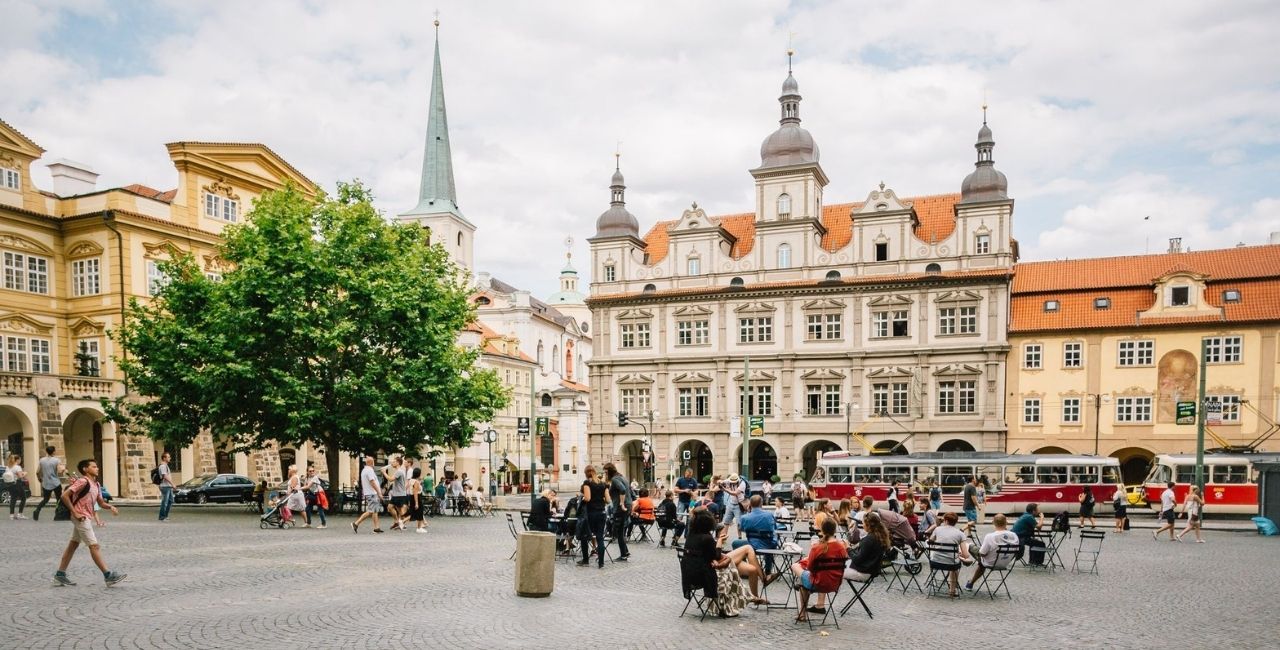
When talking about cities, people often point to the tourist attractions that make them unique. While it is true that it is these attractions that make a city special, one must not overlook the importance and impact of public spaces. Visitors often form strong impressions of cities based on the quality of their public spaces. Taking a case in point, one may be left with negative impressions if a city’s squares and streets evoke a sense of coldness or insecurity – even if it does have exceptional tourist offers. Understanding this, the Czech capital is filling in its urban gaps with people and life. More specifically, it has launched the seventh season of its Prague Chairs and Tables project to promote community ties, strengthen human relationships, and revitalise its streets and squares. Under this project, Prague’s residents and institutions have the chance to place chairs and tables in an empty space of their choice. In other words, they are encouraged to pinpoint locations that are vacant or lifeless and help rejuvenate them. First established in 2016, the Prague Chairs and Tables project has gained popularity and received positive feedback over the past several years. In 2021, the black chairs and tables were placed in a record...
Almost seven thousand apartments with a total of 18,732 beds were offered last July by landlords in Prague. That is half of the apartments compared to July 2019. It emerged from the analysis, published by the Institute of Planning and Development Authority (IPR). It is no surprise that the majority the beds offered on Airbnb are located mainly in the city centre and its surroundings. The reasons for this are obvious – it is used mainly by tourists who prefer accommodation within walking distance from tourist destinations. Largest selection provides: New Town (1,696 units) Old Town (957) Vinohrady (726) Žižkov (616) Smíchov (459). Another surprising finding is that there is a drastic reduction in tourism. Many short-time leases on Airbnb, usually used by tourists have moved to long-term leases since 2018. “Owners of these houses in Prague have responded to this and have decided to move from short-term renting to long-term renting.” “Currently, the rent is at a similar level as before the pandemic and we can expect its further growth,” said Peter Višňovský of Lexxus real estate agency. According to him, only a minority of owners decided to completely abandon the market and sell the property. Prices for housing...
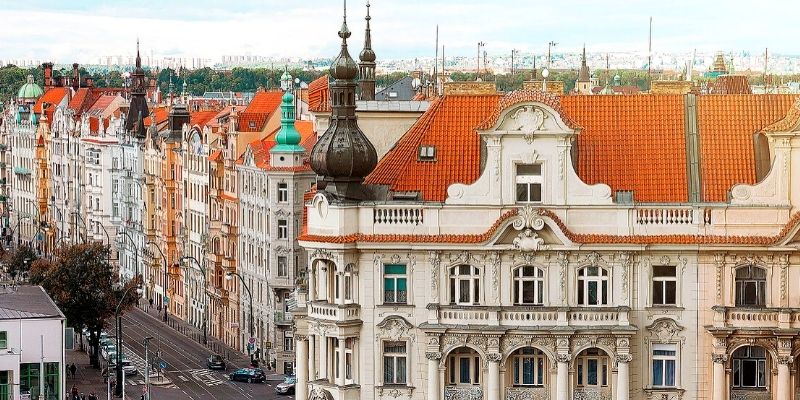
Andaz, a brand of Hyatt Hotels, has completed the reconstruction of the Cukrovarnický palác, located on Senovážné náměstí. Housed in the former office building, the Sugar Palace, the hotel features 176 rooms, three food and beverage outlets, event space, a fitness centre, and a spa. The neo-baroque palace was built in 1916 for administrative purposes, and today it is a protected cultural monument. Therefore, all the steps of the reconstruction were agreed upon with the local authorities. The interiors have preserved the original doors, window frames, and stucco moldings. Takuya Soyama, Vice President of development at Hyatt, said: “Prague has been a popular destination since the Velvet Revolution 30 years ago. The city of Mozart, and Hrabal continues to inspire people to explore its rich offerings. With the addition of Andaz Prague, we are excited for Hyatt to have a brand presence in the three imperial cities of Europe – Vienna, Budapest, and Prague”. Thomas Winker, CEO of UBM Development, added: “It is wonderful to be working alongside Hyatt to bring the Andaz brand to the Czech Republic. This hotel has great potential for those wishing to explore Prague, and we believe that the Andaz brand is the perfect choice...
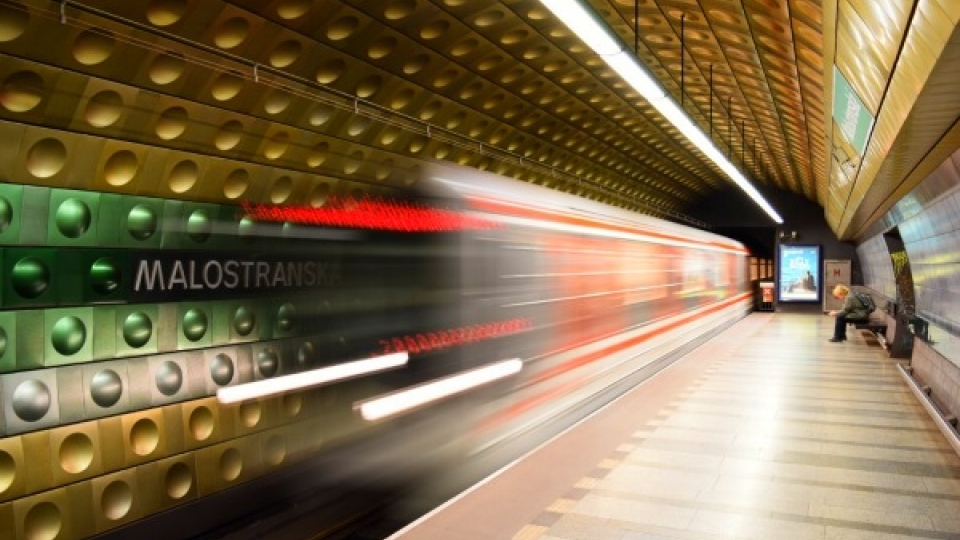
Throughout the month of January, Prague’s public transport will run according to holiday timetables, which will mean an extension of intervals, especially at peak times. The main reason is the decrease in passengers due to more people working from home during the Covid epidemic. “From today (Monday, January 3) until the end of the month, Prague’s public transport is slightly reduced by about nine percent,” said Filip Drápal, spokesperson for ROPID. If the pandemic situation improves, public transport will return to normal operations on Monday, January 31, 2022. The restriction was also made with regard to a lack of drivers due to illness and quarantine. In the metro, the intervals in the morning and afternoon rush hours during weekdays are extended by 10 to 30 seconds. Trams’ intervals are longer by one to two minutes, but only in the afternoon rush hour. Buses on the main lines will have their interval reaching 6 to 7.5 minutes on weekdays and from 7.5 to 10 minutes during the afternoon peak hours. If the pandemic improves, public transport will return to normal operations on Monday, January 31, 2022. Ticket prices rose from August 1 From August 1, tickets for 30 minutes on the city’s...
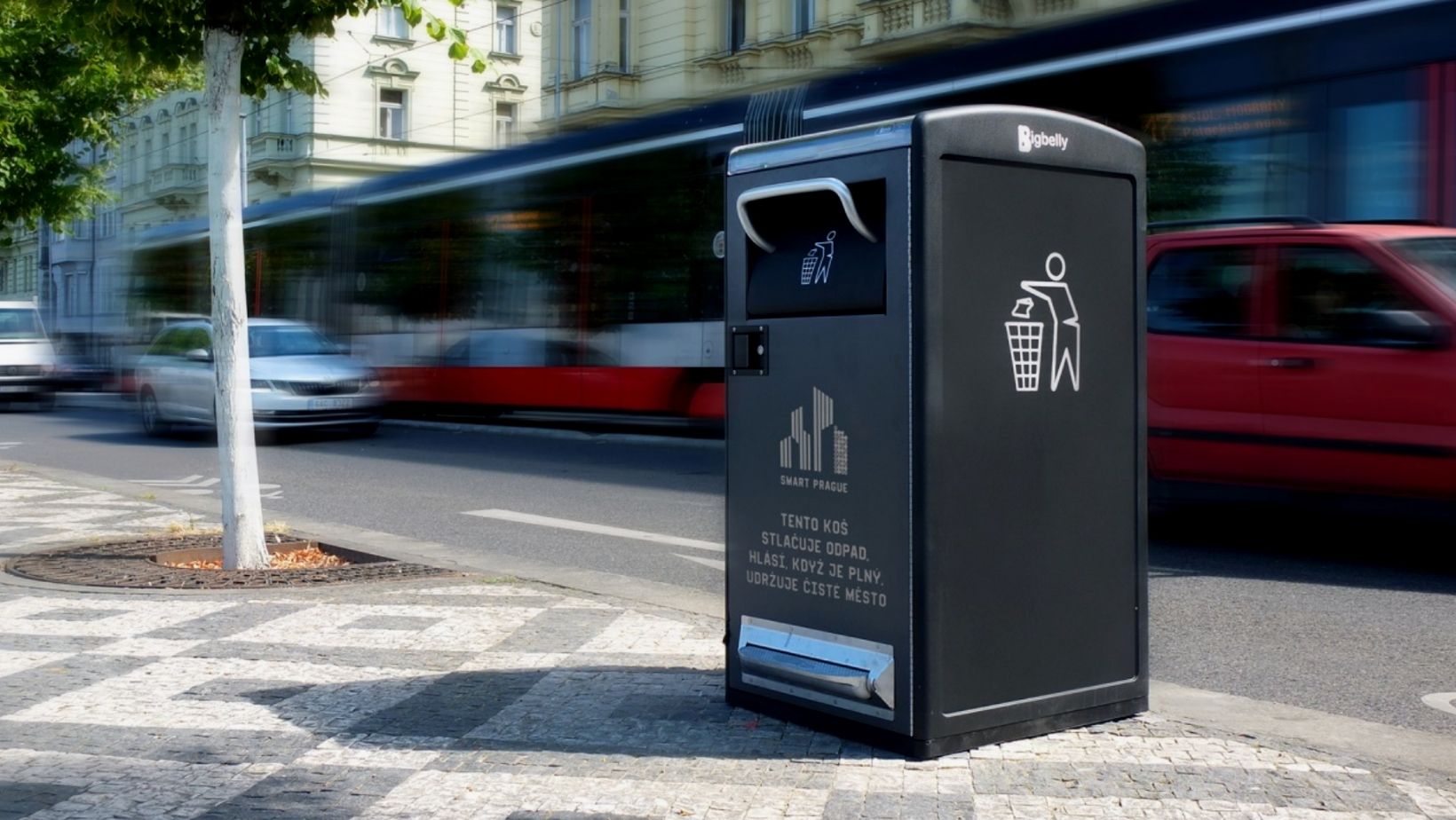
Prague City approved a new agreement with the Operátor ICT on ensuring the administration and development of a sensor network for monitoring the occupancy level of sorted waste containers.
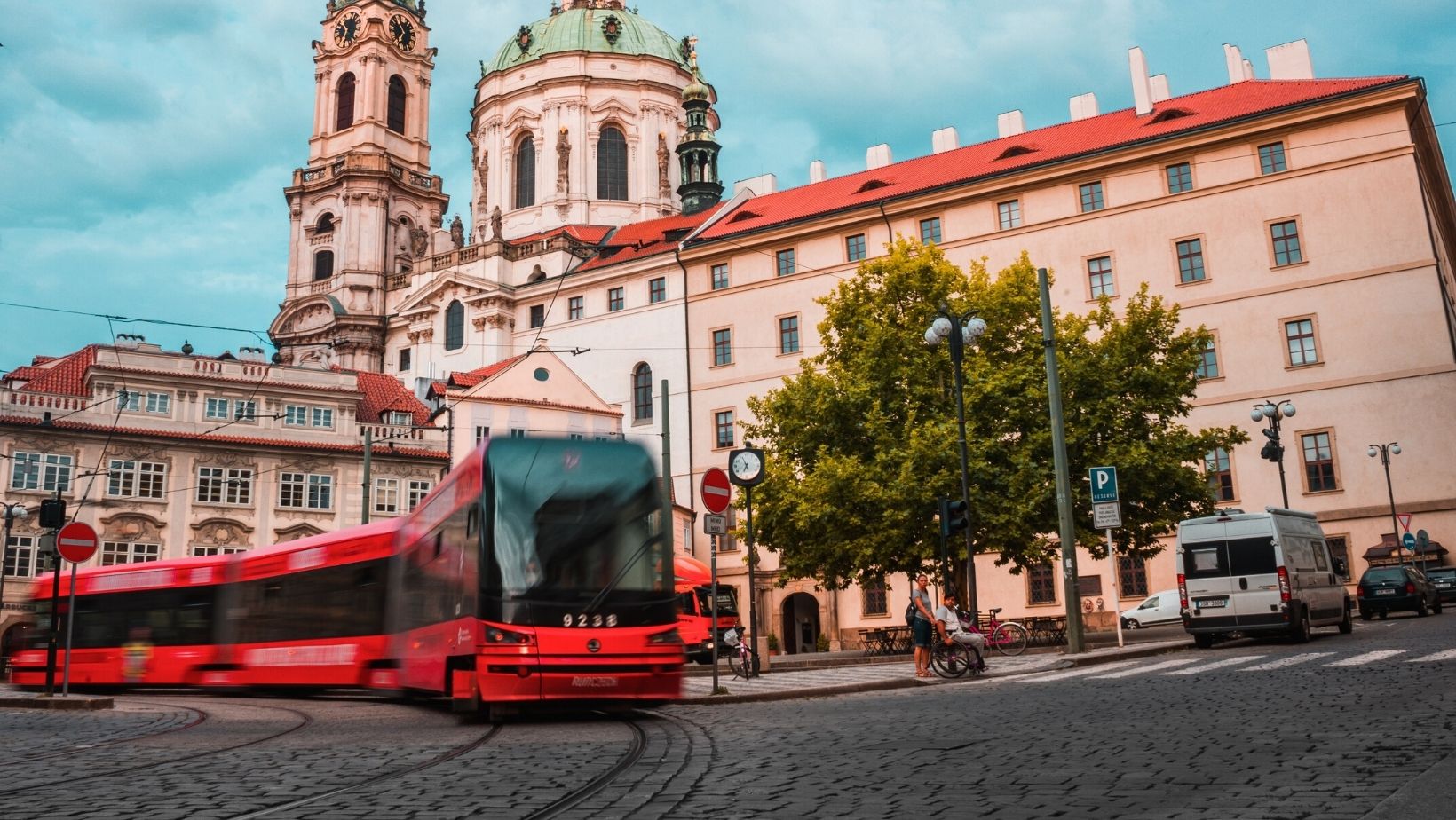
For the second time in the last 16 years, there were no fatalities between Prague trams and pedestrians.
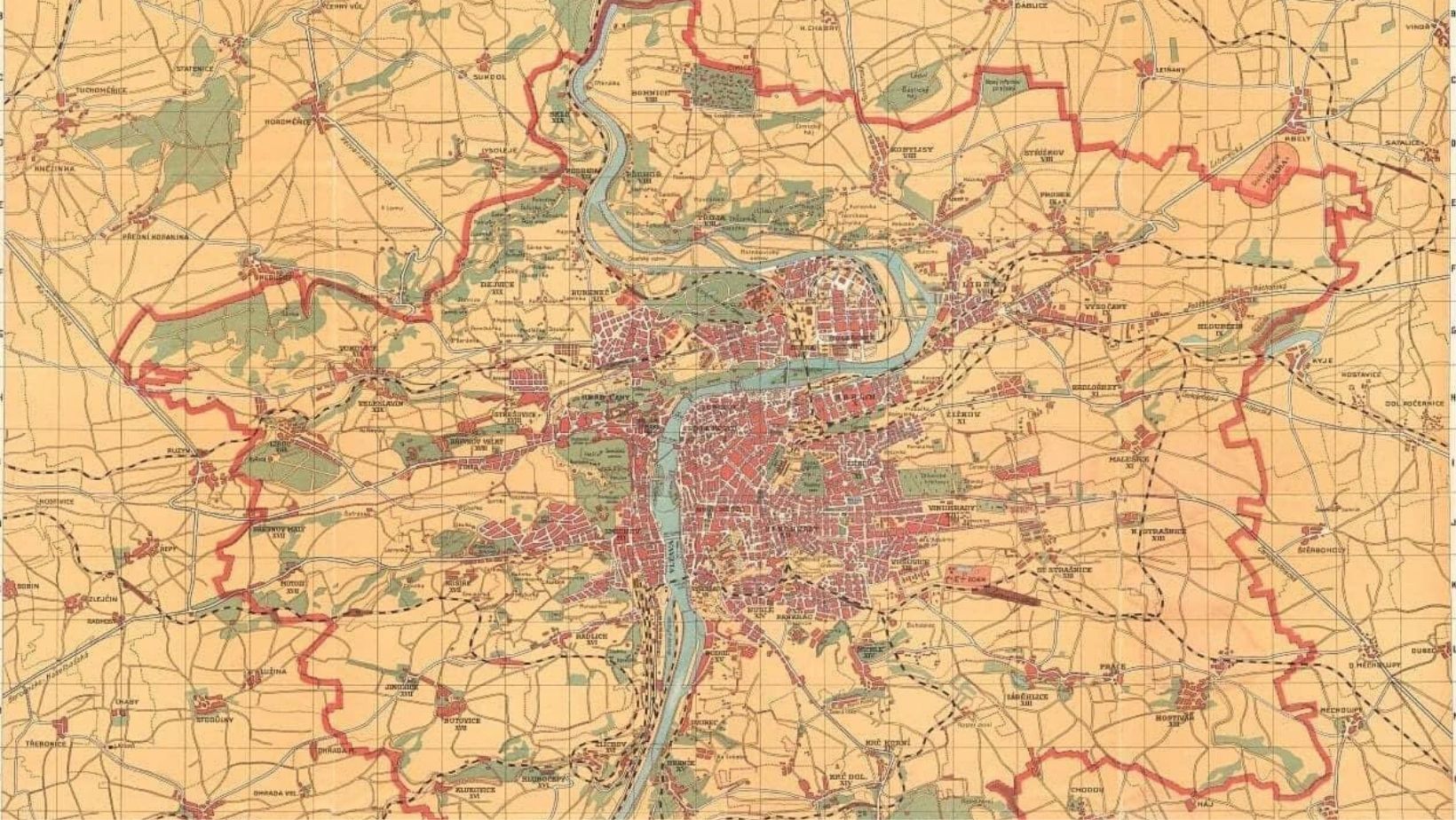
Heart of Europe – this is how Prague, is often called. The largest town of the Czech Republic is located in the centre of Bohemia, in the Vltava river valley. But how was Prague divided in the past? When we say Prague today, we see a Greater Prague which was created in 1922 when a large number of surrounding villages were connected to the original inner town. The inner town consisted of two parts, Prague I – Old Town, Prague II – New Town, Prague III – Lesser Town, Prague IV – Hradčany (castle part), Prague V – Josefov, Prague VI – Vyšehrad. Greater Prague consisted of a number of smaller or larger villages which were near to the original centre. Wikipedia again has a great map of the division of Inner Town (black), Greater Prague (dark grey), and the new parts which were connected after WW2 (light grey). Development of administrative division Although the towns of Prague formed a territorially continuous whole, they were still administratively separate. After unsuccessful attempts by Charles IV (1367–1377) and later by Jan Želivský (1421–1424) and Jan Pašek (1524–1528) to join the Old Town and the New Town, the unification of the four towns...
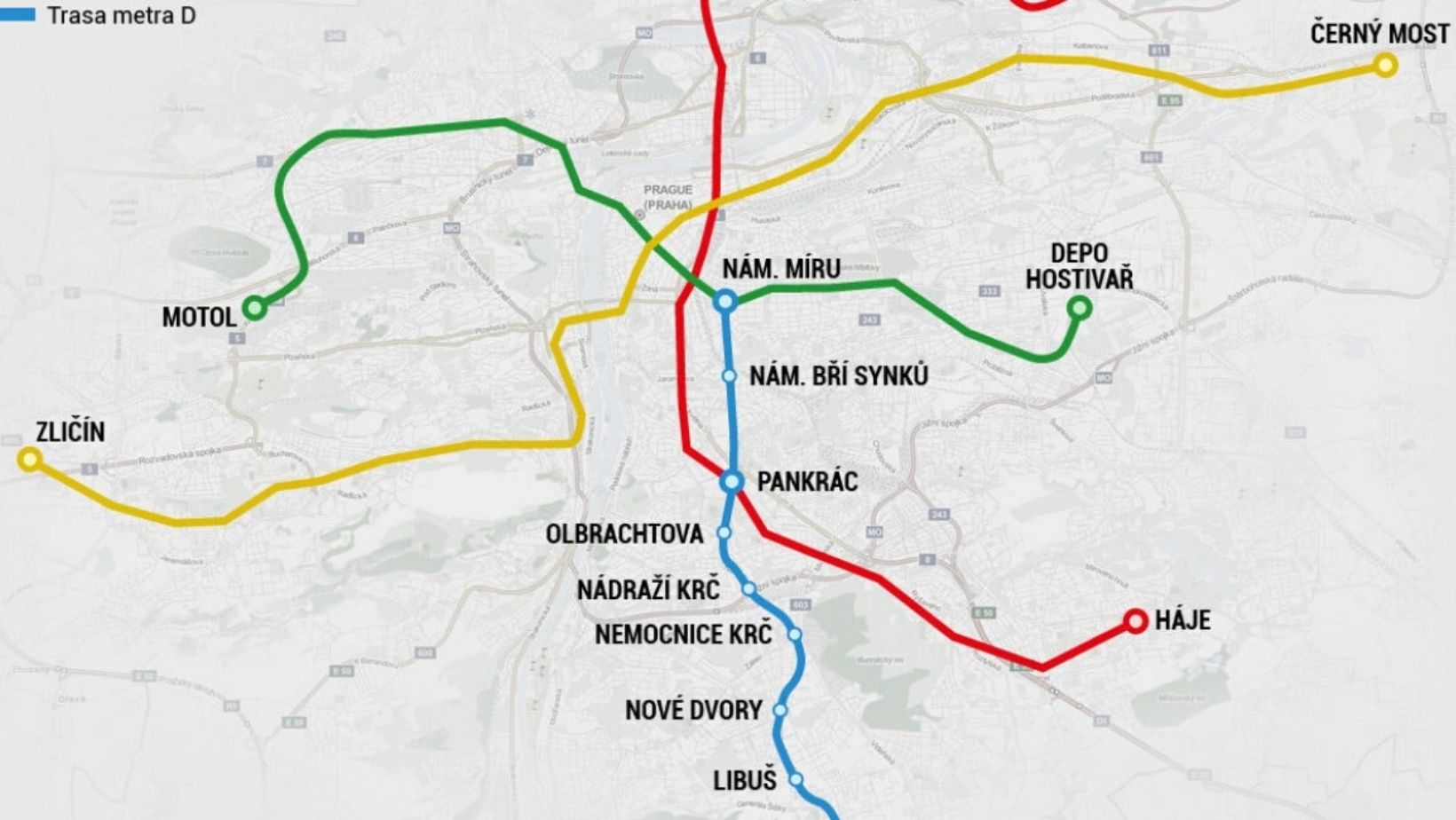
The construction of the first part of a new “D” line of the Prague Metro system will start in 2022. The line – which will feature driverless trains – will at first run from Pankrác to the as yet unbuilt Depo Písnice station in the south of the city before being extended later. At the first stage, the metro will be built between the stations Pankrác and Nove Dvory, then it will continue to Depo Písnice, and in the future, from Pankrac to Namesti miru. Largest transport investment in the country According to the City of Prague, the estimated total costs for this ambitious project will amount to approximately 52 billion CZK (EUR 2 billion). Commenting on this large sum, Deputy Mayor of Prague for transport Adam Scheinherr shared: “Metro D is currently the largest transport investment in the Czech Republic. The first section of metro D from Pankrác to Nové Dvory will cost CZK 52 billion and we will have large negotiations on financing – with banks, the EU, and the state, which normally co-finances such important urban projects abroad. I am glad that today we have won the trust of Prague’s representatives across political parties for this huge...
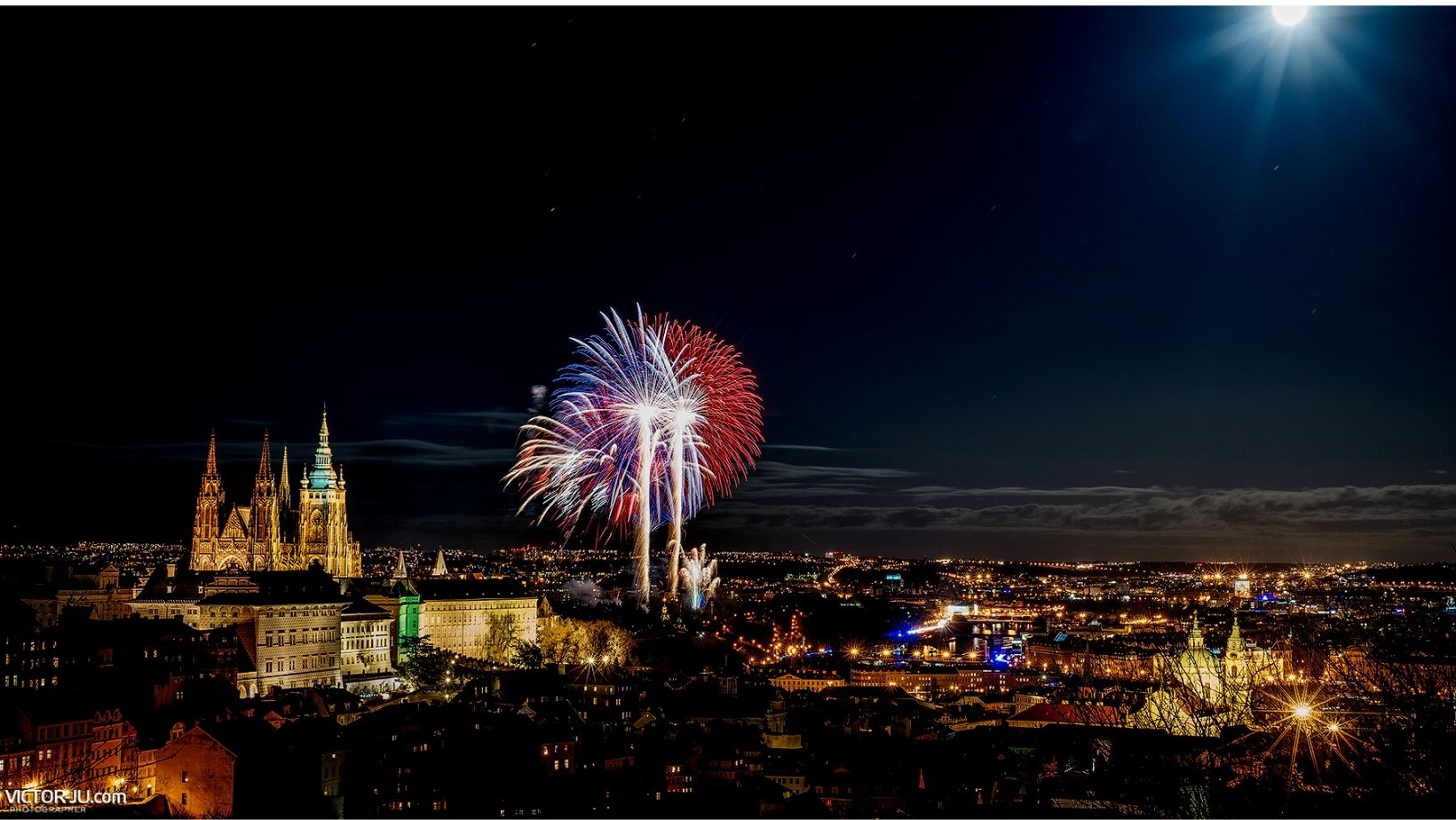
The City of Prague adopted a decree banning the use of most types of pyrotechnic items, such as fireworks and rockets.
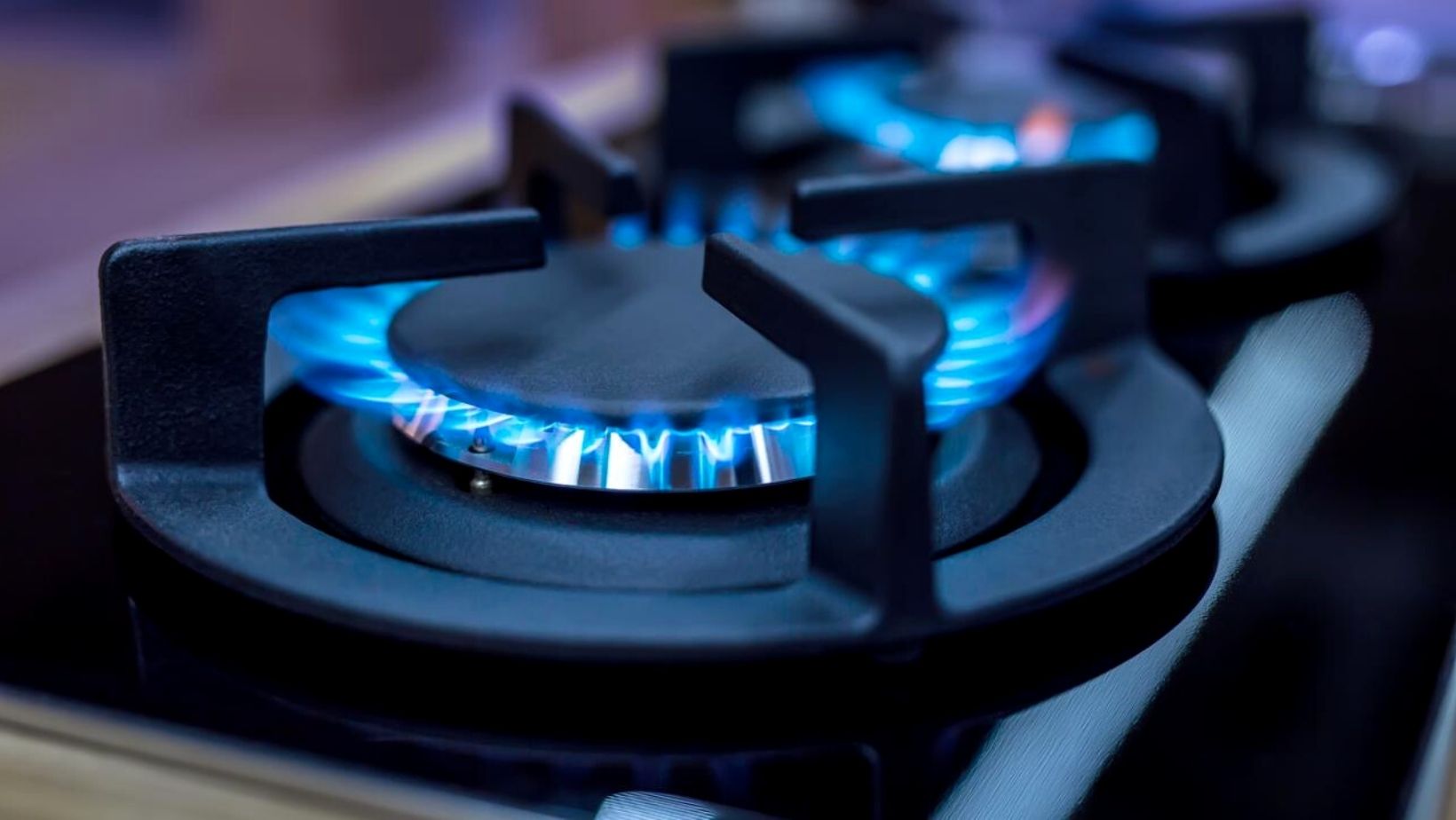
Next year, Prague residents will pay more for water, gas and waste collection. The price for water will rise by six percent while gas will increase by 7.3 percent. Waste collection will double for some costumers. Water payments will increase by six percent to 107.72 CZK per cubic meter. There will be a higher year-on-year increase in sewerage. It means that the water price increases by about 21 CZK per person per month, on average 252 CZK per person per year. The larger price increase will be reflected in the sewerage system, which will increase by 10.7 percent to 51.84 CZK per cubic meter. As of December 31 this year, gas customers in Prague will see their bills increase by 7.3 percent. For a household with an annual consumption of 0.4 MWh, the price will increase by CZK 16. A household with an annual consumption of 4 MWh will pay an additional CZK 39, while a household with an annual consumption of 11 MWh will pay CZK 136. By contrast, Pražská energetika (PRE) does not plan to raise prices from the New Year. It last increased its prices on the first of September this year; the jump was by 7...
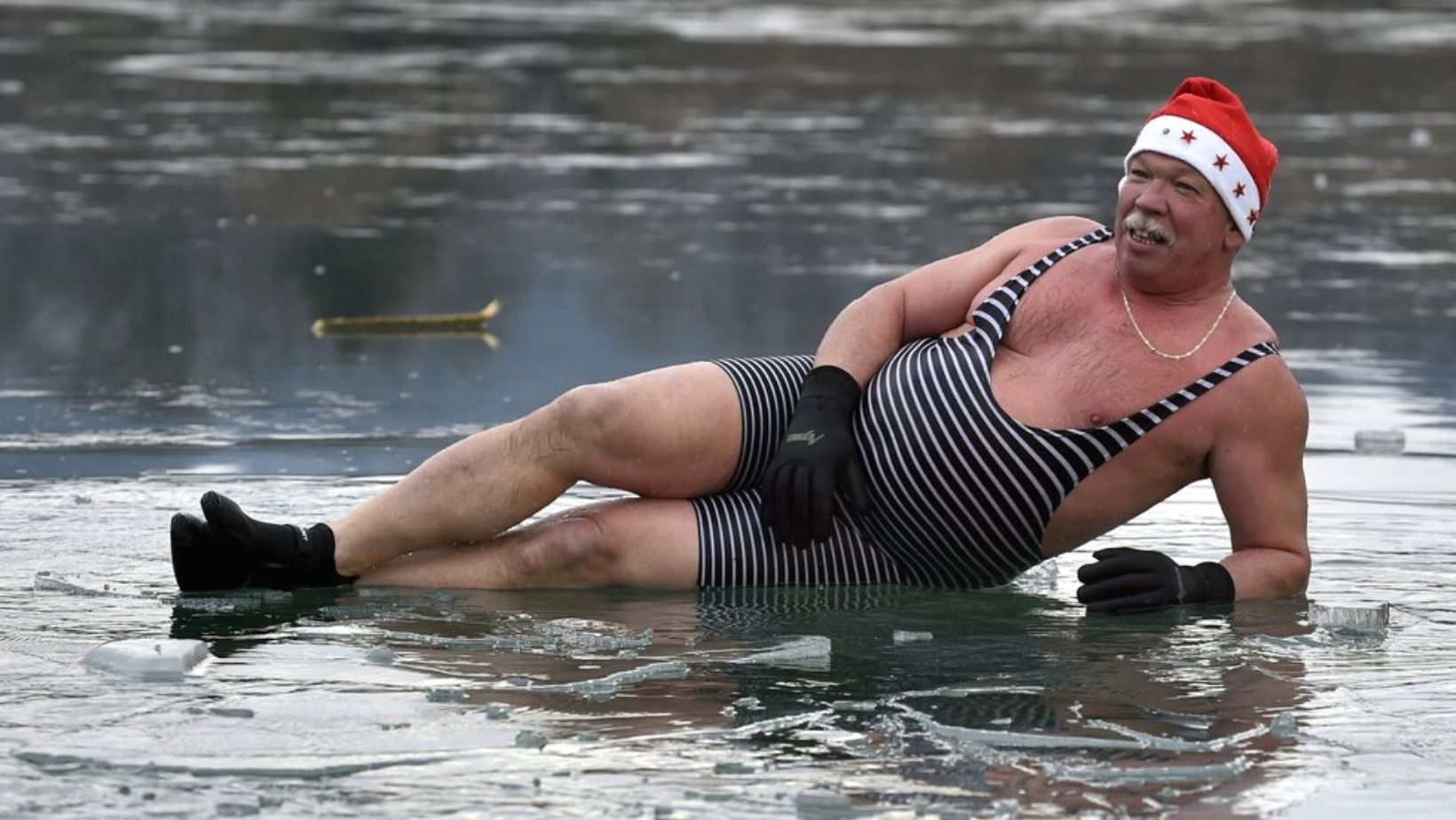
Dozens of hardy swimmers took a very cold Christmas dip in Prague’s Vltava river on Sunday. It was the 75th edition of the event which commemorates the life of Alfred Nikodém, who was a goldsmith and a promoter of the Spartan lifestyle. The water and air temperatures were 3.5 and -1 degrees Celsius. The swim took place under tight anti-virus measures, with swimmers getting tested for Covid-19 and having to wear masks when not swimming. Swimmers from the Czech Republic, Slovakia, Poland, Germany, Britain, Austria, the USA and Russia took part in the competition. The competition takes place between two islands, the Slovanský and Strelecky islands. Along the entire route specialists observe the race and are ready to act if they detect hypothermia in participants. As participants completed the races, they dried off on the Slavonic Island where the prize ceremony took place in the Renaissance Zofin Palace. Last year, the race took place despite anti-pandemic measures. The water was 5.8 degrees a year ago, the air temperature was 1.8 degrees. Also this year, only those who have recovered from Covid-19, who are vaccinated or, have submitted a negative PCR test, could participate. Winter swimming was first seen in Prague...
Don’t have an account? Register
[swpm_registration_form level=”6″]
Already have an account? Log In
How Would You Like to Promote Your Business? PR ArticleDisplay bannersVideo productionNewsletter adsJob ListingsInfluencer Marketing
Your Email
We will come back to you within 24 hours with our proporsal