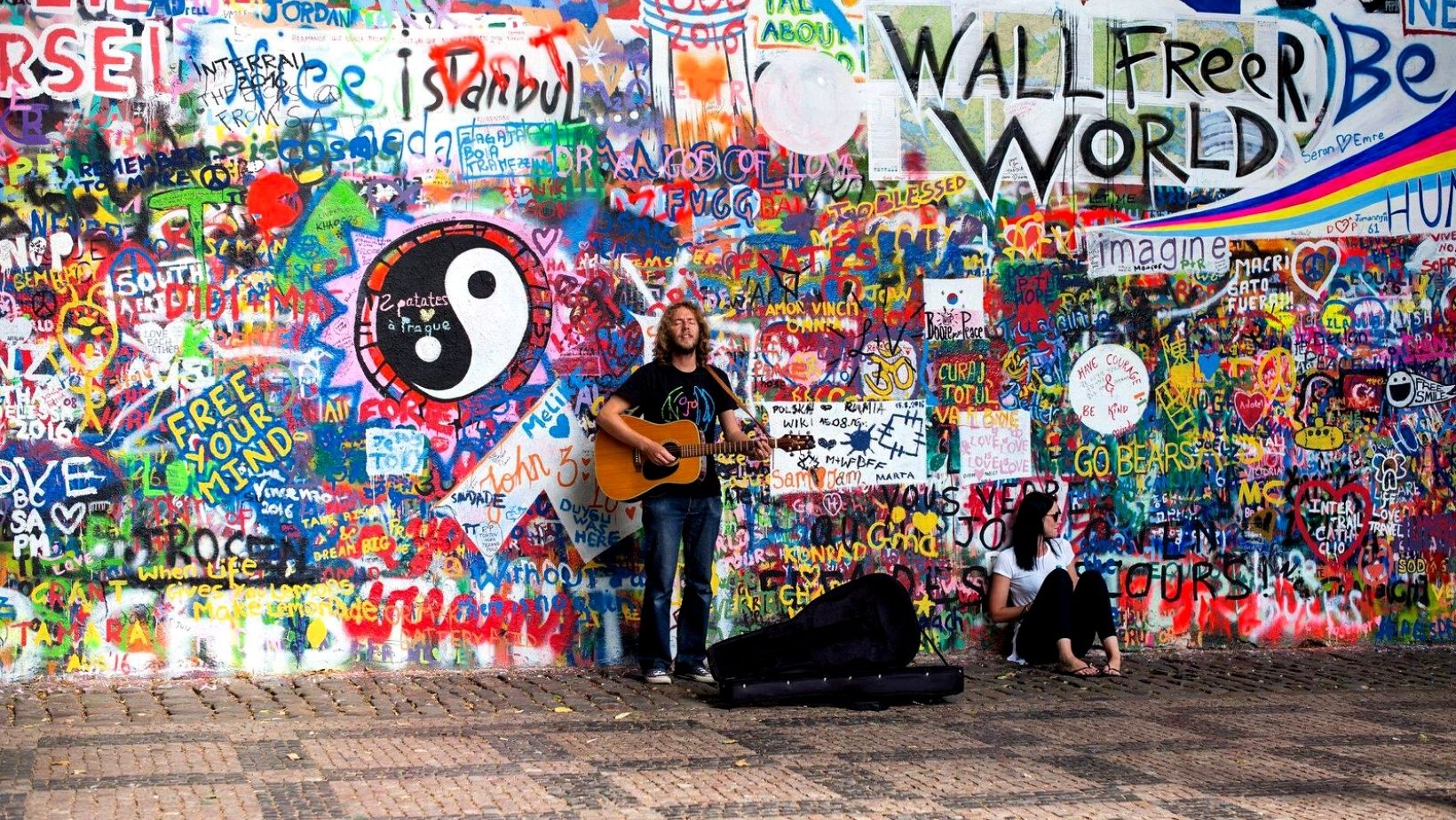
Today in Prague a museum devoted to the Lennon Wall will open in the Malá Strana district. It will present exhibitions about the history of the wall which started in the 1980s. Visitors can see period photographs and also a new short documentary. Dozens of period photographs, thematic publications and a previously unpublished short documentary will be offered by the new Prague museum The Lennon Wall Story. The new museum is located in the basement below the Napa Bar in Malá Strana. The exhibition includes a 30 minutes long documentary movie about the history of the Lennon Wall, period photographs, and objects transferring every visitor to the wonderful history of this monument and events connected to it. The Lennon Wall Story is not just about the exhibition. You can also enjoy interactive elements, music as well as authentic gift shop. “The idea arose four years ago. In addition to information panels, visitors can also experience a 30-minute documentary, which has not yet been published with testimonies of witnesses who connect unforgettable moments and life with Lennon’s wall,” said the museum’s founder Eva Ticháková at Thursday’s opening. The Lennon Wall Story uses archive footage. It shows the history of Lennon’s wall...
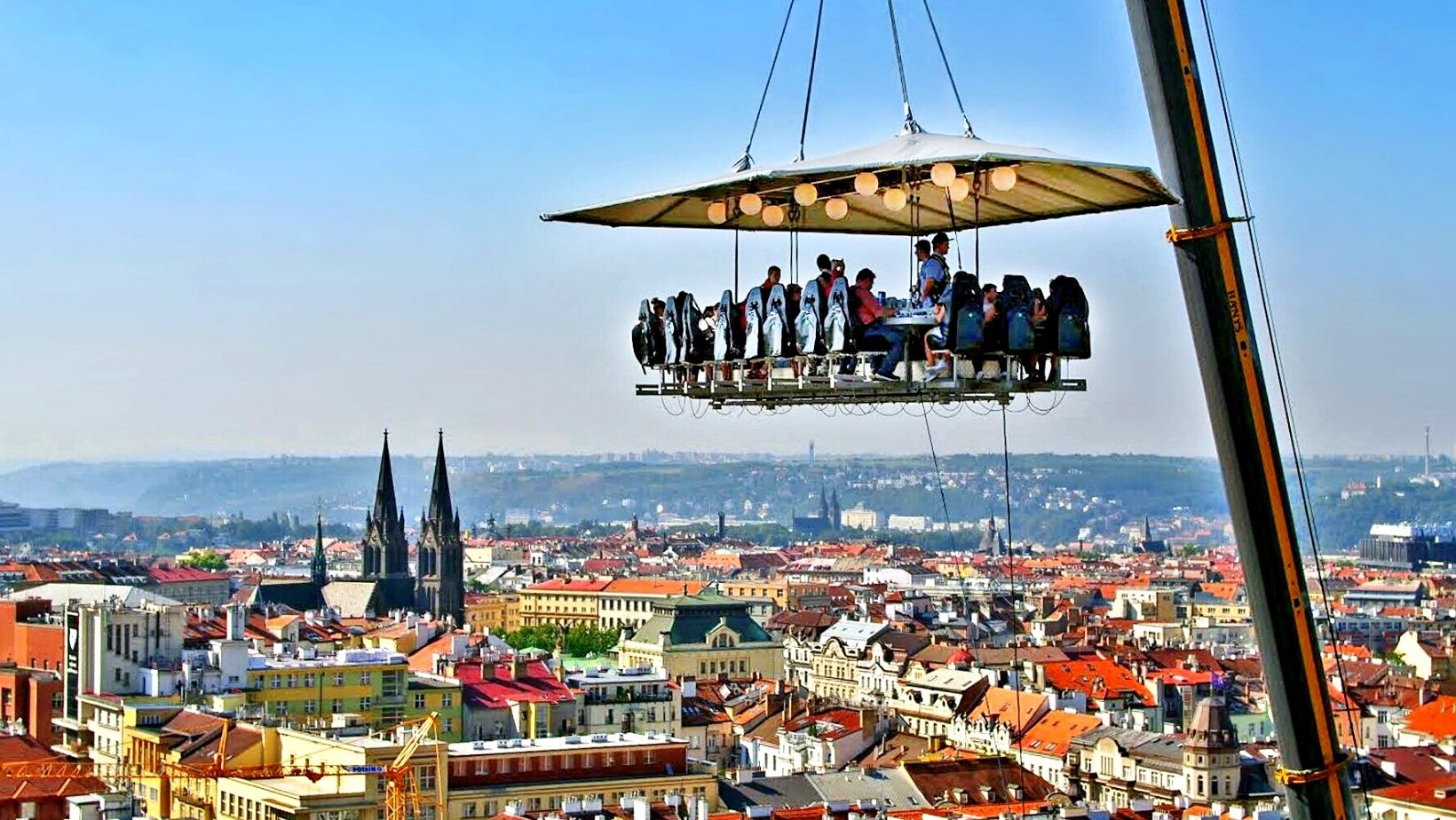
“Dinner in the Sky” is an amazing dining experience combined with an exclusive environment, spectacular views, cuisine from renowned chefs, and all of this at up to 50 meters above the earth. A crane lifts the table with 22 guests to a height of up to 50 meters above the earth. When this event first began in the Czech Republic ten years ago, many conventional gourmets were quite skeptical, suggesting that they don’t need to be hung somewhere in the air to enjoy delightful cuisine. Dinner in the Sky first started when Belgian entrepreneurs David Ghysels and Stefan Kerkhofs devised this concept. It quickly expanded to many major cities across the world, including Prague, where it has been celebrated every September. In its initial stages, Dinner in the Sky was set up in Kampa, before the crane and platform were relocated to Riegrovy sady. This year, it is returning to the historic center along Dvorák’s embankment where a team of professionals, with a guest chef and waiting team, will serve from the center of the table. The menu features pumpkin soup with red curry and coconut milk, beef cheeks, mashed potatoes, and Japanese wasabi horseradish as the main course, vanilla crème brûlée with raspberry sorbet and pistachios...
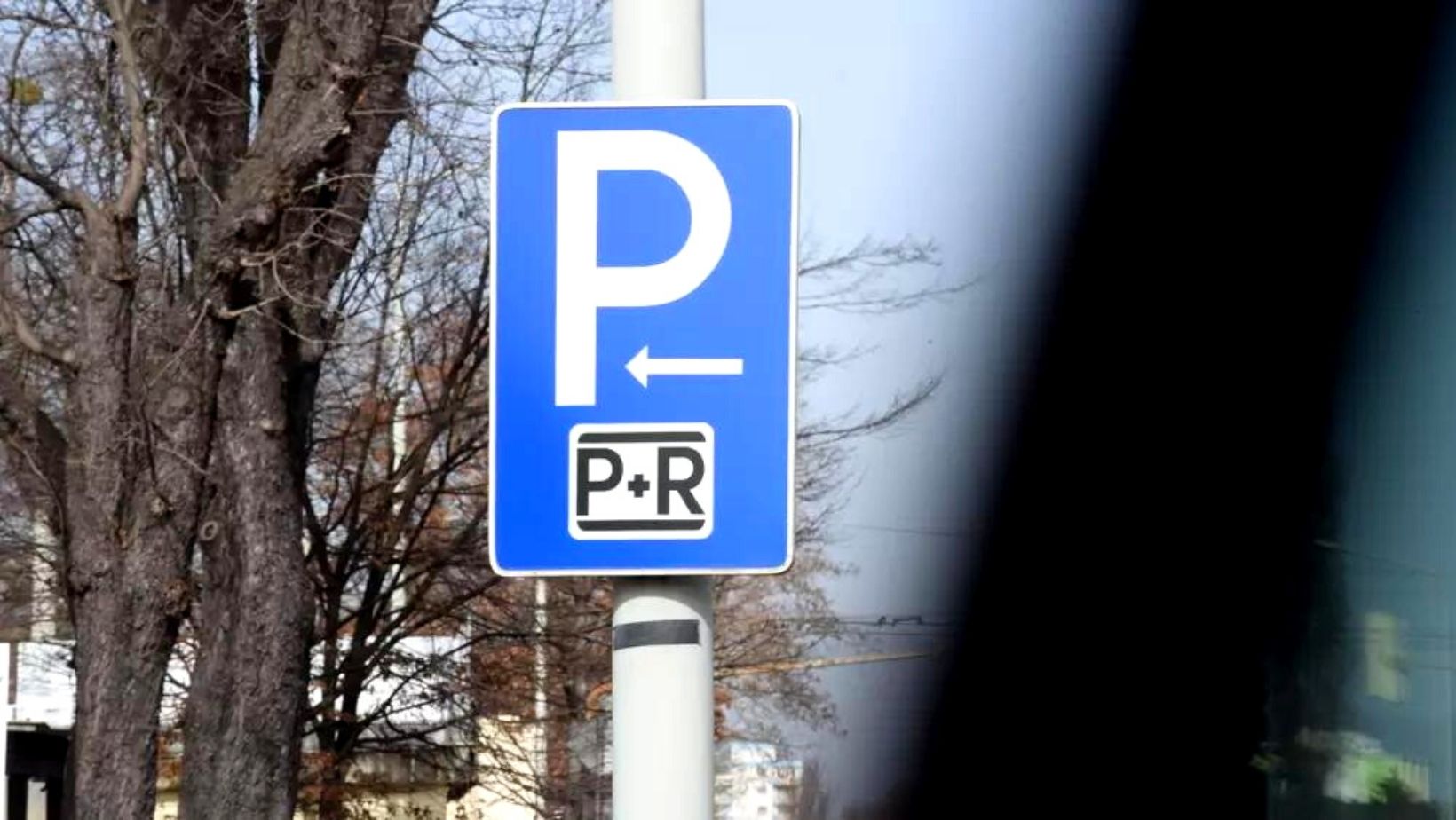
In a general increase in public transport fares from August 2021, the Prague Park and Ride system will stop the general CZK20 charge for day-parking and replace it with a charge depending on which location you use. In guarded parking lots on the outskirts of Prague, the price will rise to 50 CZK, closer to the center – up to 100 CZK. Unattended parking will now be free, but only for 12 hours. The biggest price increase from August will concern the car parks in Holešovice and Ládví, one of the car parks in Skalka and the parking lot at the Congress Center. So far, drivers pay CZK 20 to park all day, except for parking at the Congress Center. Recently, these car parks will be divided into three zones depending on the availability of public transport and their location in relation to the center. Free zone 0 will mean unsecured parking, and the maximum free parking time will be 12 hours. Zone 1, with a fee of CZK 50 per day, will include large guarded car parks with a capacity of over 600 cars. Zone 2 with a fee of 100 CZK includes guarded parking lots closer to the...
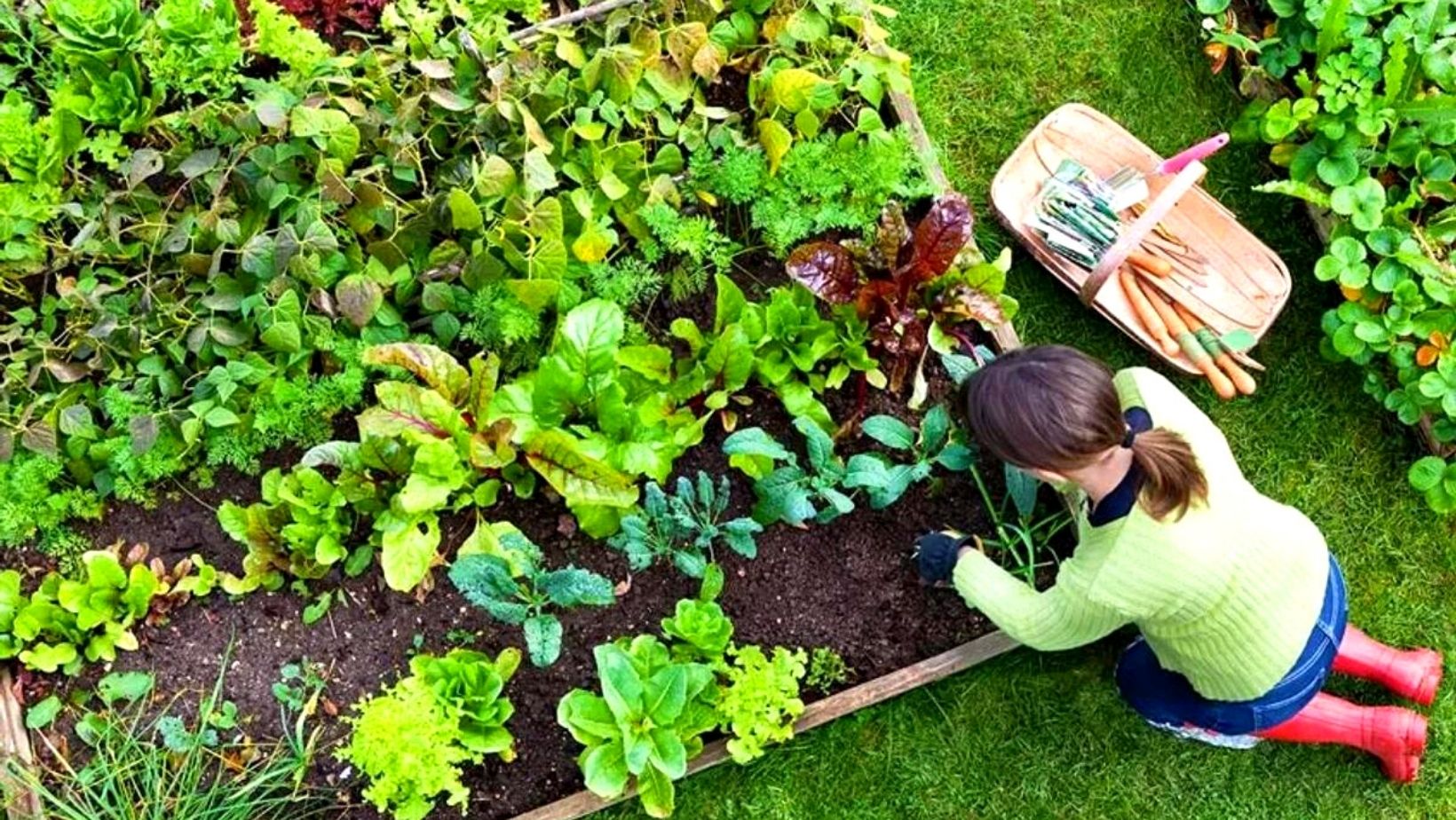
Nine years ago, the first Prague community garden was established in Holešovice. Today, there are almost sixty of them in various parts of the capital. In June, two new ones opened in Kobylisy and Vypich. People use city gardens to grow their own vegetables, compost, and meet like-minded people. Growing fruits, herbs, or vegetables and taking care of plants can have enormous benefits on people’s physical and mental well-being while also creating green spaces for whole neighborhoods. This is why community gardens keep growing in their popularity among Praguers. In 2017, there were 24 of them in the capital, two years later the number was at 42, and today it has increased to 56. “In the beginning, only residents of neighborhoods were interested, but now the city districts and different companies are also involved,” says Radka Pokorná, director of the Kokoza association that helps create community gardens. The interest in community gardens is also noticed by the municipality, which encourages similar activities. “Community gardens are valuable for a city dense with buildings, each green area has a great benefit for the microclimate and ultimately for the mental well-being of its residents,” says Vít Hofman, a spokesman for the Prague City...
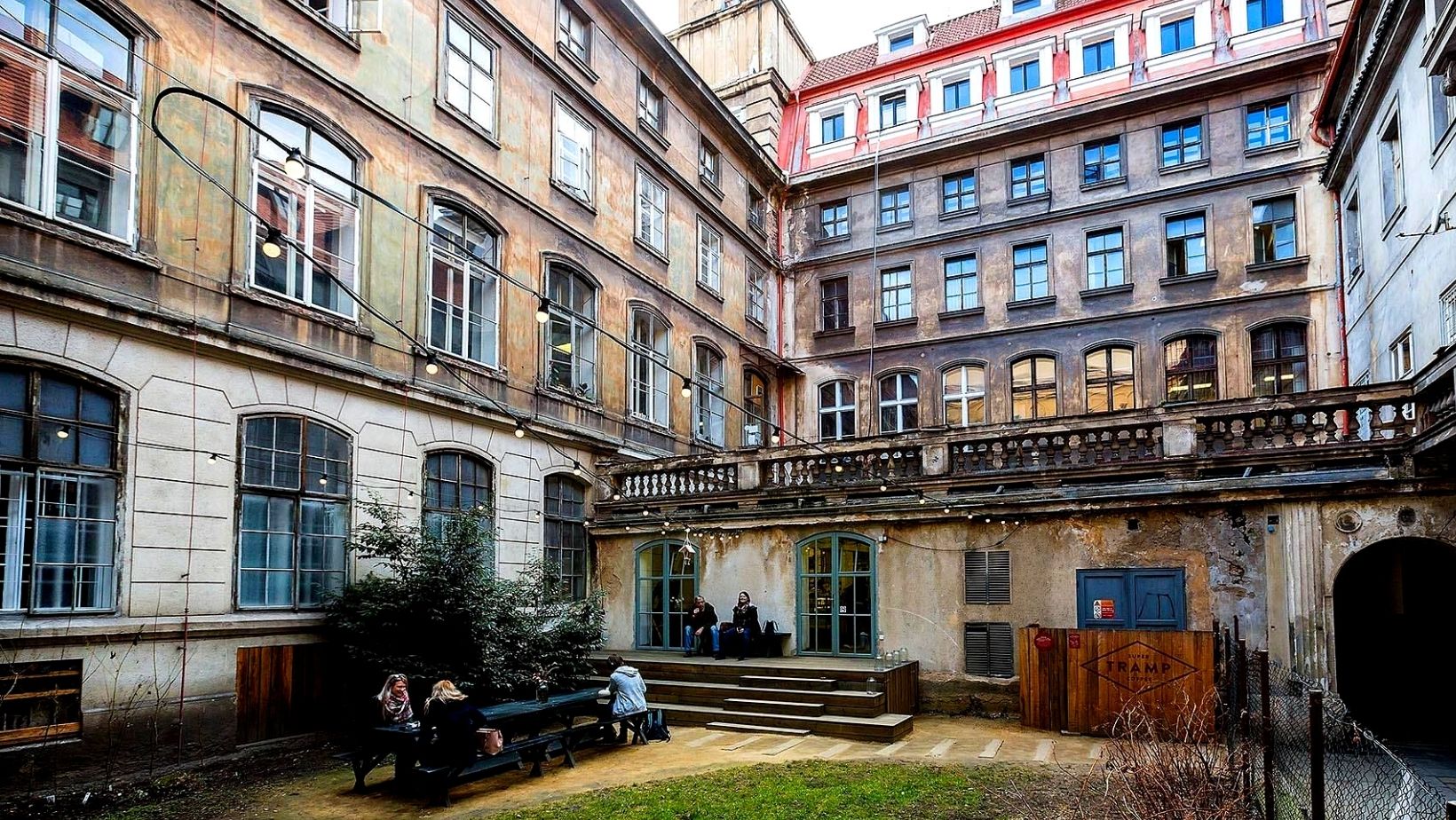
Prague is a city filled with picturesque courtyards waiting to be discovered and visited. One might be looking for tea while others might just want to find a bit of peace and quiet to relax. Others might be looking for inspiration and creativity, or maybe just looking for a bit of fun and good music. We have found 9 places you can visit. 1.SmetanaQ Café & Bistro Smetanovo nábřeží 334/4, Prague 1, MON – SAT 8: 00–21: 00, SUN 9: 00–20: 00 This café and bistro has an inside flooded with culture and art constantly mixing and mingling. SmetanaQ is filled with beautiful alcoves looking over the Vltava where one can enjoy a lovely breakfast to start the day or join the café in the evening for an Instagram-worthy homemade lemonade or a classic Aperol spritz. 2.Vnitroblock Tusarova 791/31, Prague 7, MON 12–22: 00, TUE – SAT 9: 00–22: 00, SUN 9:00–22 :00 Vnitroblock is a multipurpose space. It arranges the most different events for you, from exhibits to street food markets, and is surrounded on all sides by residences making it cozy in the middle. You can find the tiniest Pikikino, Dudes & Barbies Gallery, vinyl record store, multimedia studio, vintage and limited...
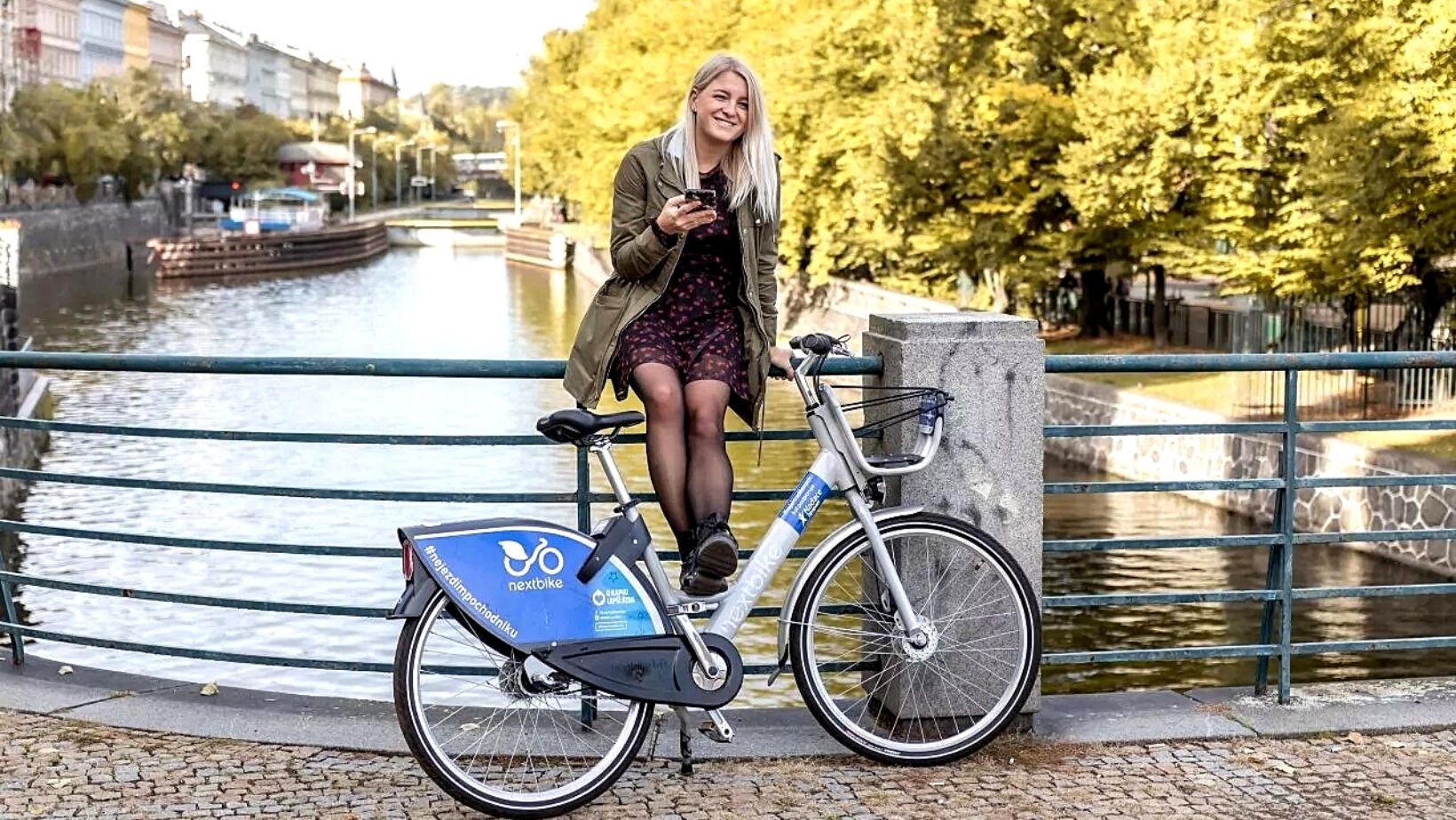
“An extension of Prague’s public transport” – this is how representatives of Nextbike, the largest domestic bike-sharing company, talk about their upcoming project with the city administration. According to them, Prague could become the first Czech city in which public transport tickets will include bike-sharing. According to Tomáš Karpov, the director of operations at Nextbike, every holder of Lítačka could simply unlock a bike to get to a destination faster and for free. “Right now, we are in the negotiation process with the Prague city company Operátor ICT and the city’s PID. We are discussing whether the idea is technically feasible at all. But if it worked out, it would be great for Praguers. I would like to point out that the Lítačka could then be used to unlock bikes from even our company’s competitors,” explains Karpov. “Nextbike already operates in 23 cities in the Czech Republic, including Prague. Furthermore, we rely on support from city administrations in nineteen of them. It is a question of how something similar would work in Prague,” said Adam Scheinherr, Deputy Mayor for Transport. Tábor, a town in South Bohemia, serves as an example of how functional and useful such a system can be....
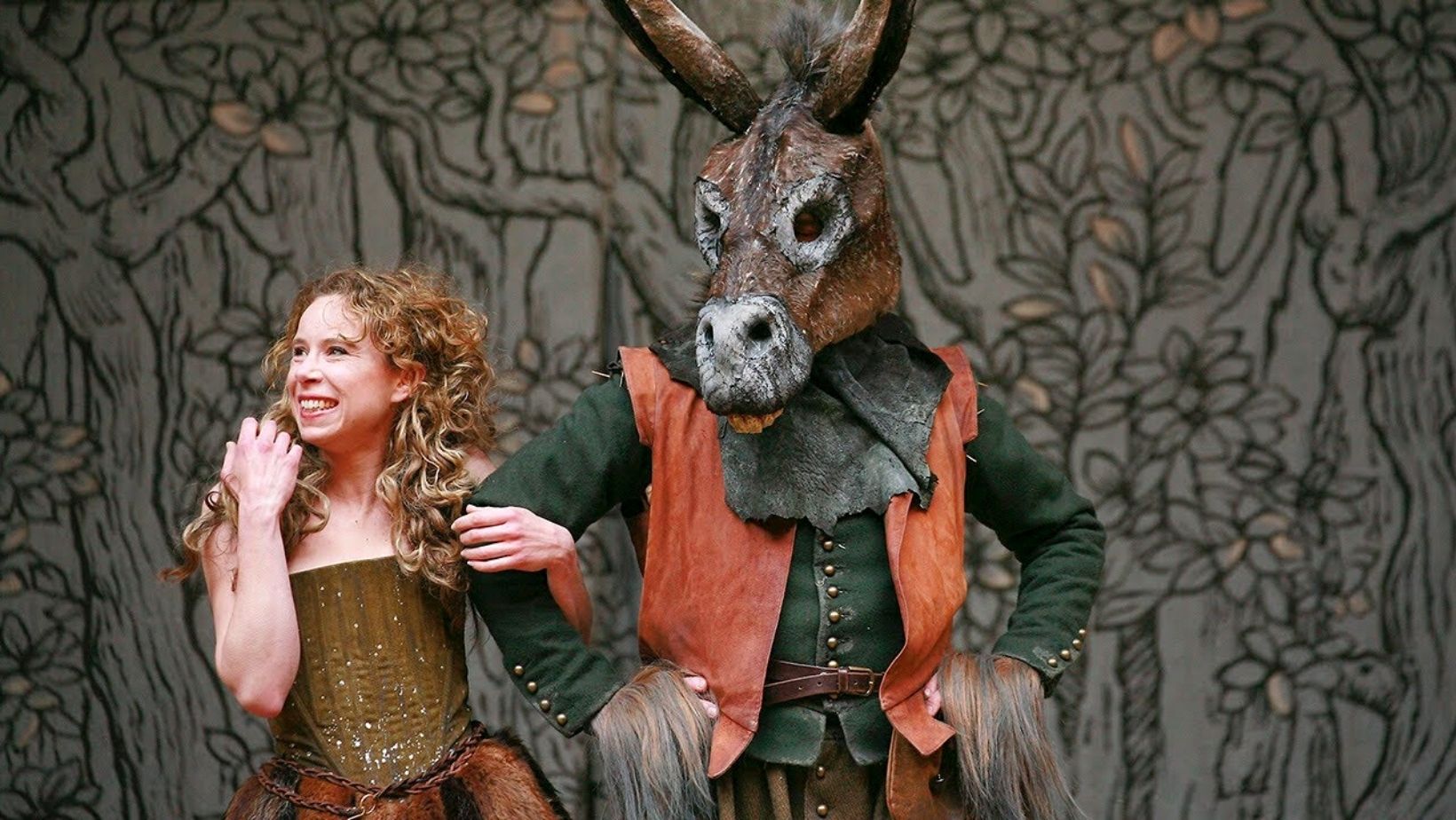
Dissident playwright and then-President Václav Havel gave sufficient encouragement to artists that the Summer Shakespeare Festival took place for the first time in 1994 – at Prague Castle, no less. Prague Shakespeare Company has recently announced that international TV, film, and theatre star Hammed Animashaun (Amazon’s Wheel of Time, Royal National Theatre) will join PSC Artistic Director Guy Roberts as co-director of the English-language production of A Midsummer Night’s Dream performing as part of the Summer Shakespeare Festival at Prague Castle on 29 & 30 July, 2021. Set in a magical wood filled with fantastical fairies, sprites and legendary creatures, with original music by Patrick Neil Doyle, This production features a new version of A Midsummer Night’s Dream, translated into contemporary modern English by Tony Award-winning and Oscar-nominated storyteller Jeffrey Whitty. You can buy your tickets here Why English-language Shakespeare in Prague? There is a rich tradition of experiencing Shakespeare in English in the Czech Republic. Robert Browne’s acting troupe perhaps played Shakespeare in English in Prague as early as 1596 and then certainly in 1603. In 1619 they returned to celebrate the wedding of Princess Elizabeth to the Elector of Palatine. Shortly before that time Czech aristocrats watched plays...
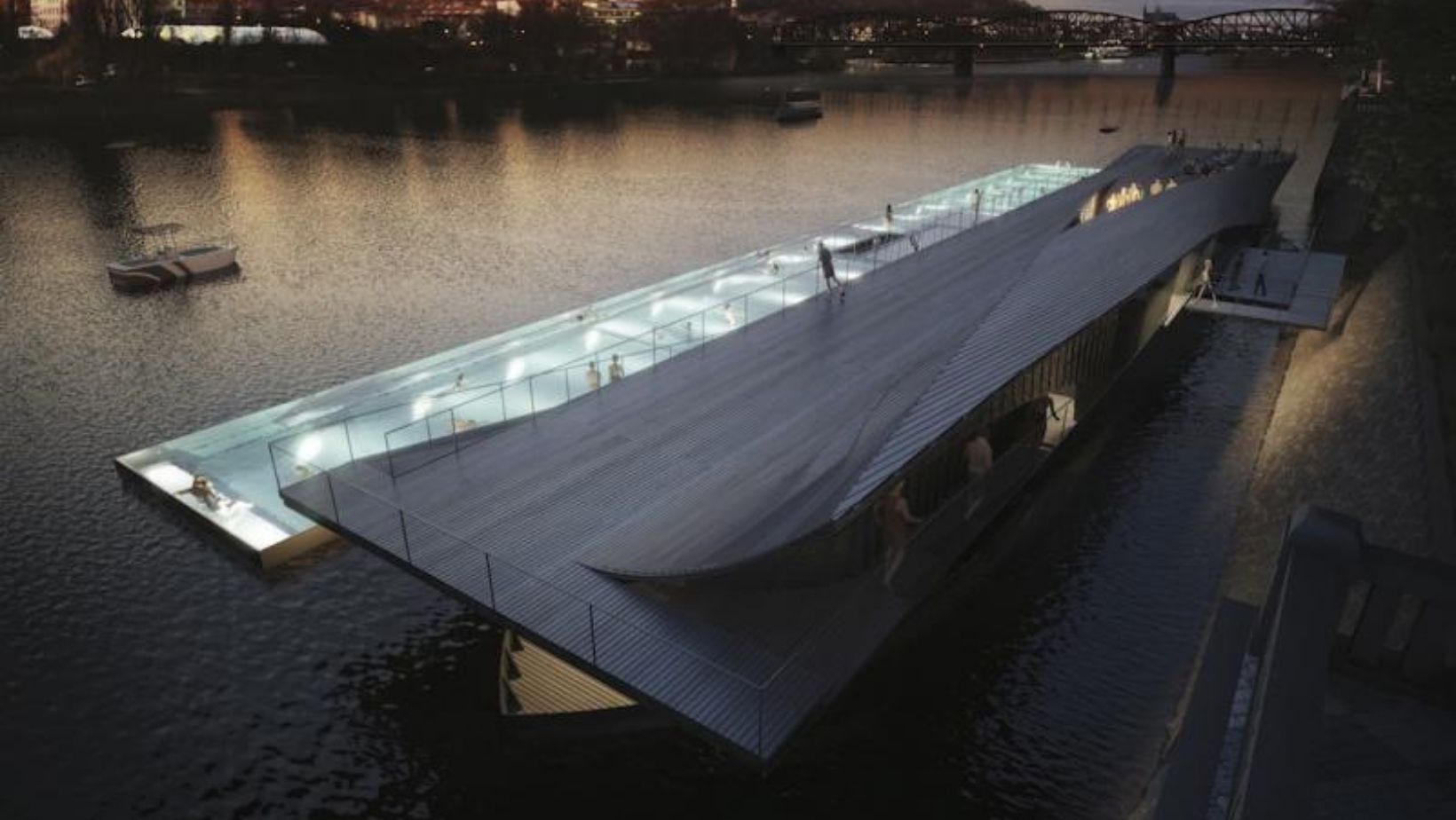
Náplavka has gradually grown in popularity thanks to the program activation that began in 2008. One of its initiators was architect Petr Janda, the author of the architectural concept. The almost deserted riverfront area, which was also used as a car park after the floods of 2002, began to emerge as a cultural and social area and one of the most popular public spaces in Prague. “The location of the baths echoes the historical placement of swimming pools along the Vltava embankment, with their specific connection to the Rašín embankment. The swimming pool belongs to the river “realm”,” he adds. “Discussions are currently underway with Prague City Hall and the swimming pool could be built within the next two or three years.” The floating facility is designed around the transformation of a cargo ship, by reducing its existing superstructure and adding a new part connected to the ship’s system of existing ribs. The pool will offer a variety of depth levels suitable for different types of swimming, activities and user groups. At the water surface level, the pool is divided into three parts by troughs. The individual parts are designed for children and non-swimmers (paddling, shallow depths), with a relaxation...
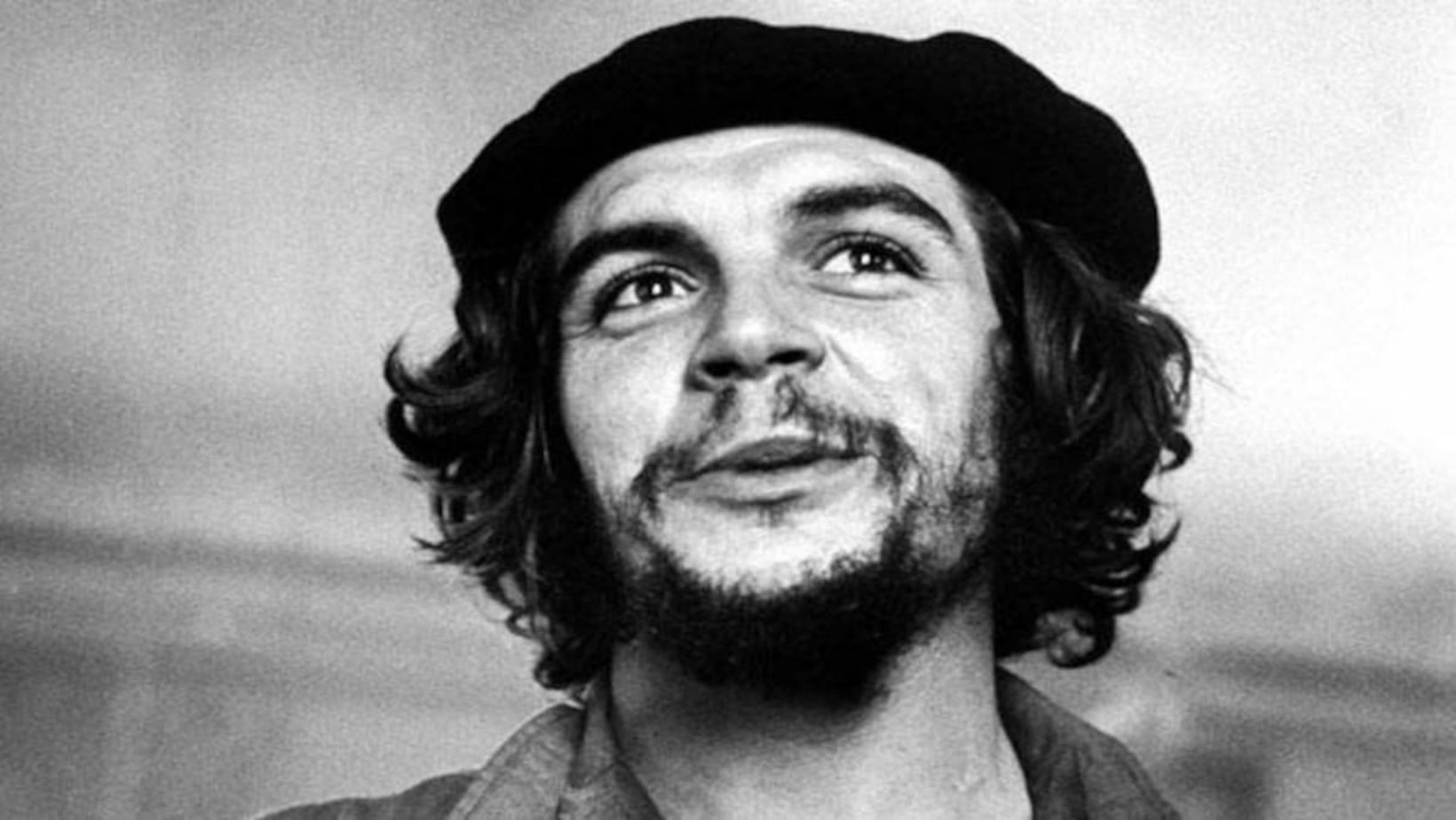
The most complete human being of our age.” claimed Jean-Paul Sartre. “A pupil of the school of terror. A dogmatic, cold, and intolerant sectarian,” wrote the Black Book of Communism. “Che” generates inexorable response, but even now, fifty-four years after his death, he never fails to fascinate. His tragic end, several famous photographs, and the sixties have made him immortal. Time magazine counted him among the most influential people of the 20th century. And even in many shacks across South America, you can find his portrait hanging right next to the crucifix. And between revolutionary episodes in his life, he spent a few months in 1966 at a secret intelligence villa on the outskirts of Prague. In the summer of 1965, after five years as minister of the Cuban government, Ernesto “Che” Guevara, decided that office work was not suitable for him. He picked up the rifle again and returned to action following one of the secret missions of Castro’s services abroad, in the most delicate theatre of the 1960s: Africa. Amongst the turbulence of decolonization and the cold war, the guerrillas dreamed of exporting the revolution by supporting tiny Marxist vanguards in different countries. This is how Che found himself in the...
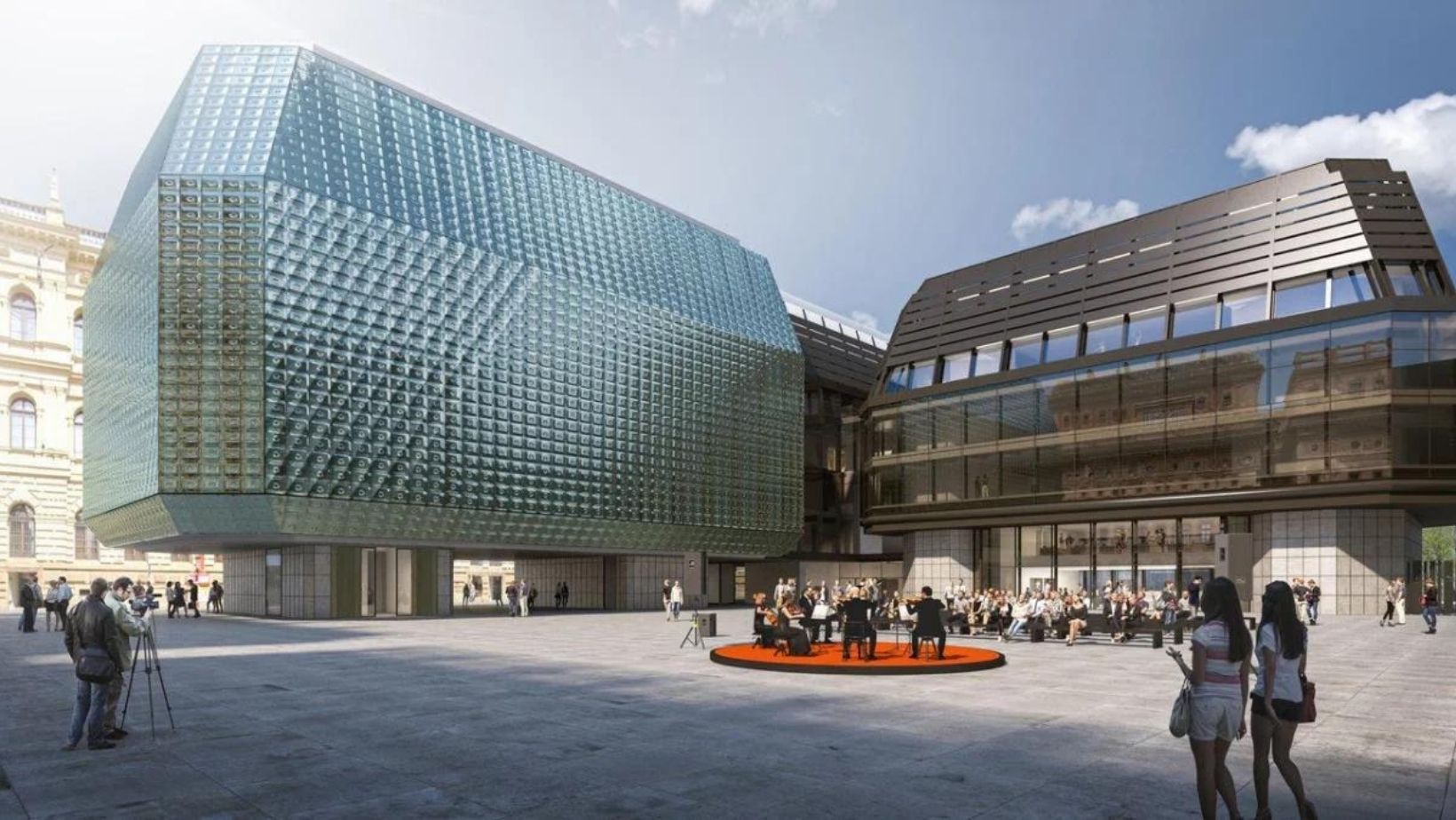
This modern theater building from the 1980s is still one of the most talked-about buildings in Prague. Its characteristic form, designed by Stanislav Libenský and constructed from more than four thousand blown glass blocks, drastically changed the neo-Renaissance appearance of the street. The main reasons for the reconstruction are outdated technology and poor acoustics. According to the management of the New Stage (Nová Scéna), the emphasis will be put on completing the original idea of the author, i.e. to create a multifunctional theater stage that allows for easy reconstruction and change of the stage and the auditorium. “A 21st-century theater stage will be created with a new arrangement of the hall space made for various kinds of performances with a capacity of up to 500 seats using contemporary modern theater technologies and acoustics. This will offer the public new cultural and artistic experiences,” the National Theater said in a press release. Interior reconstruction The external appearance of the building designed by architect Karel Prager will not change. However, due to the energetically ineffective glazing of the foyer facade, its replacement is proposed. The architects want to be sensitive to preserving the theater’s interiors, especially the foyer of the New...
The number of taxi drivers in the Czech Republic is lowering each day. Hailing a taxi cab is becoming less common. For example, in Prague alone, up to 40 percent of taxi licence holders had not resumed work since the introduction of various measures to stop the spread of the pandemic last year. Even those taxi drivers who have returned to work have reported a significant drop in income levels, with average earnings down more than 60 per cent. There are several reasons for this change. The biggest challenge is the uncertainty of earnings during a pandemic as well as the increasing popularity of alternative transport services. Many taxi drivers switched to work with the same competitors they had previously protested against. These companies take smaller percentages per ride and have bigger customer demand. “The mobile apps offer more rides than we have,” described one of the taxi drivers. Many have left taxi services for other jobs during the height of the pandemic and have not made the switch back since. “People did not need taxi services. Restaurants, bars and hotels were closed,” said Miroslav Pospíšil from the Pardubice taxi service. “I applied to a security agency to guard buildings....
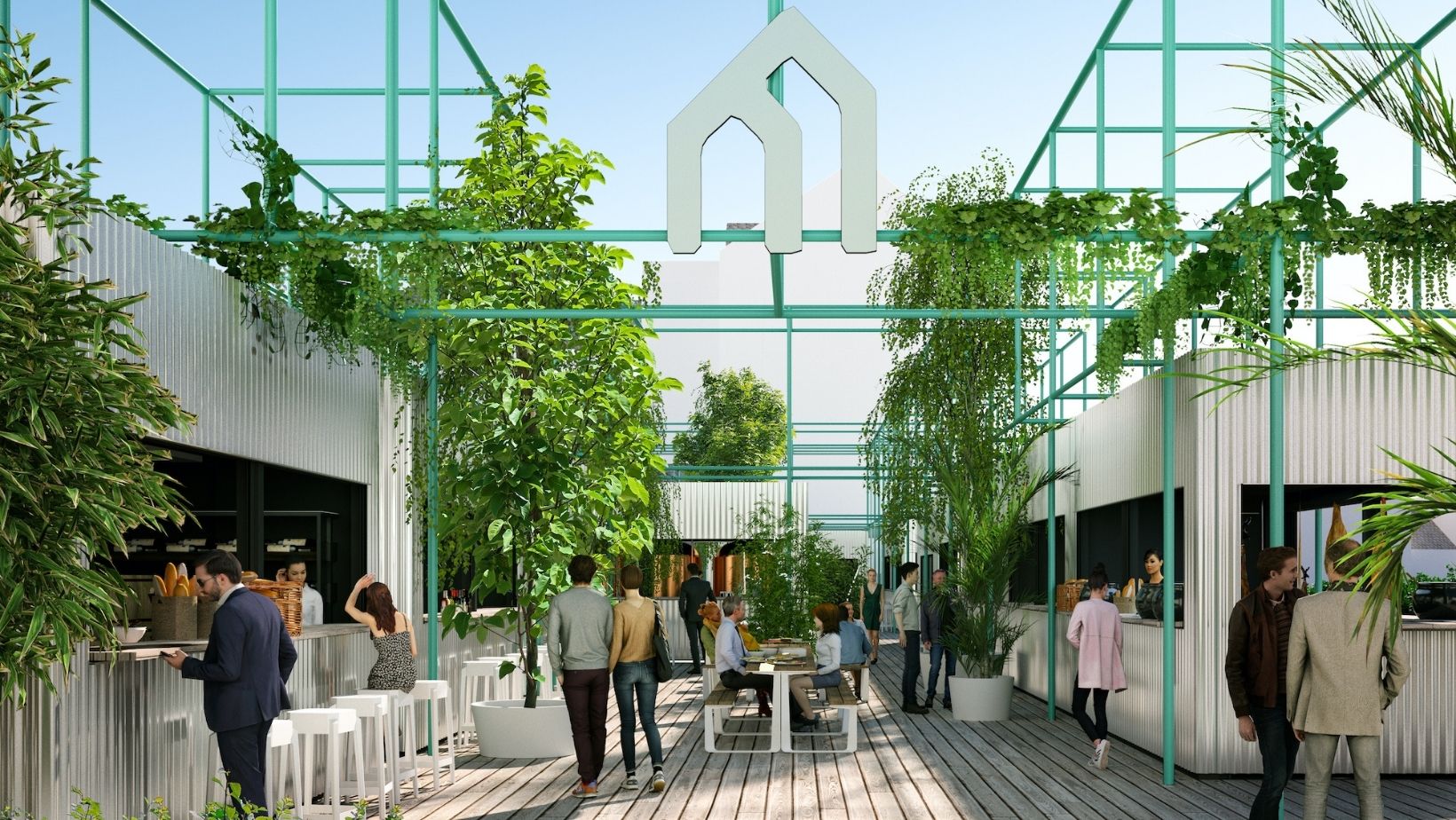
Construction works have already begun in Prague 5 on the corner between Stroupežnického and Ostrovského streets, as Manifesto Anděl prepares to welcome its first visitors on the 17th of August. The opening celebration will last for almost a week until August 22. The line-up will feature music programs, beauty corners as well as other attractions for the first guests to discover and enjoy the new venue. “We will organize six days of concerts and other cultural programs for our first visitors. We had to delay the project due to the pandemic, so we want to enjoy the late start as much as we can. At the same time, no one has to fear missing out if they are not in town during the first hours of fun”, explains Founder Martin Barry. The market’s signature design element will be its airy construction of mint scaffolding, a shallow water element and abundant greenery including vertical walls made of plants, besides countless novelties driven by sustainable efforts. The project, designed by architects Chybík + Krištof, has been of great interest since its unveiling to the public, and has provoked favorable reactions. Gastronomic city There will be 15 restaurants in Anděl, most of them...
Don’t have an account? Register
[swpm_registration_form level=”6″]
Already have an account? Log In
How Would You Like to Promote Your Business? PR ArticleDisplay bannersVideo productionNewsletter adsJob ListingsInfluencer Marketing
Your Email
We will come back to you within 24 hours with our proporsal