Sinatra Tribute Pairs Frank Sinatra Classics With 1930s Dining at Prague's Mánes
Partner article


Prague Morning
 Follow us on Google Discover
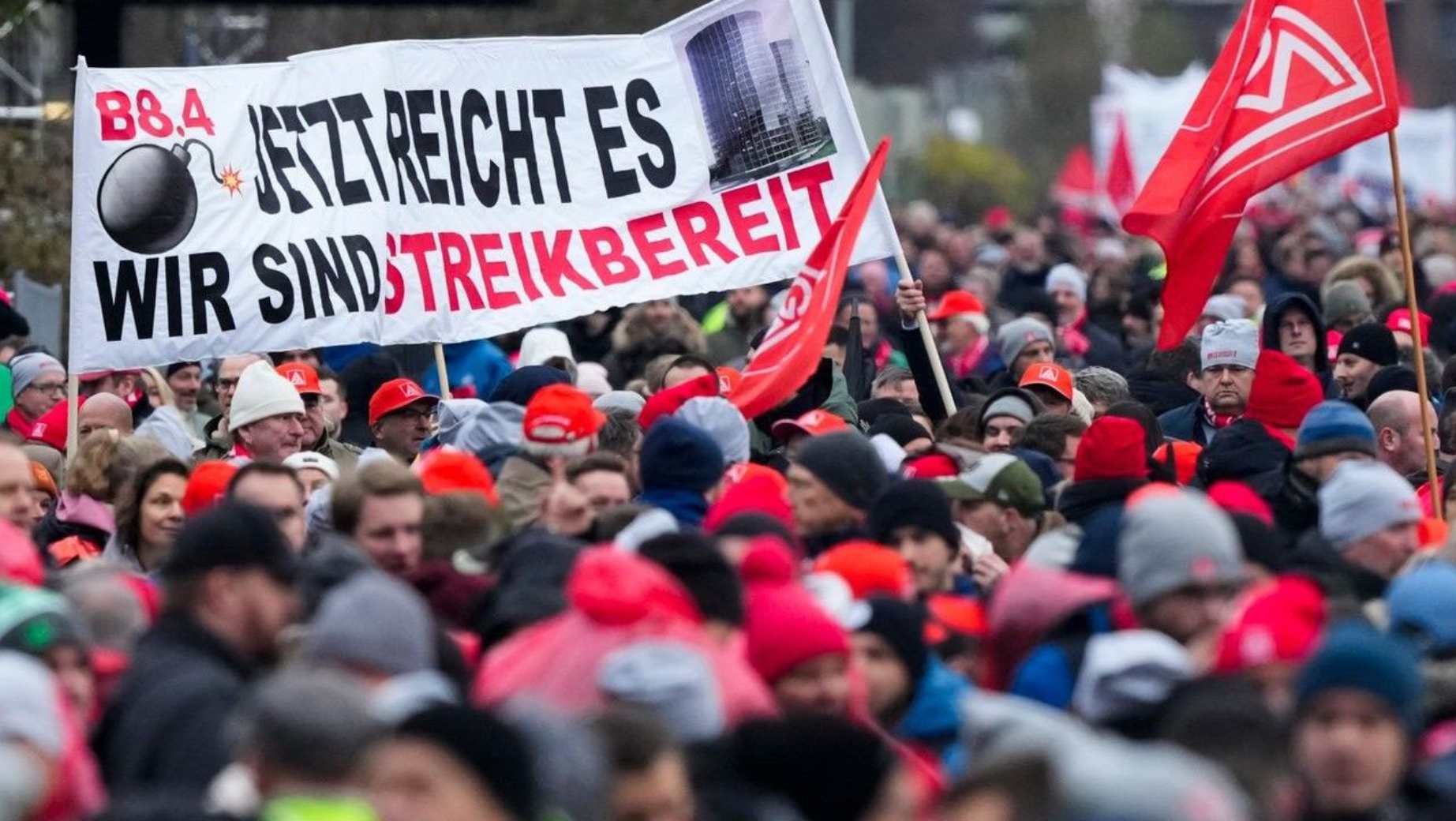

Germany’s industrial slowdown is beginning to affect Czech factories, exposing how closely the two economies remain linked through supply chains, particularly in automotive and machinery production.
According to consultancy EY, more than 120,000 jobs were cut in German industry in 2025, almost twice as many as a year earlier. The decline reflects weaker output, falling revenues and reduced confidence among German companies.
EY analyst Jan Brorkhilker said German industry is facing a deep downturn, with companies adjusting production and staffing in response to weaker demand.
Business associations in Germany, as reported by Reuters, expect further pressure on the labour market in 2026 as the economic slowdown continues.
German manufacturers are dealing with several overlapping problems. Energy costs remain high after the European energy crisis, global demand has weakened, and companies face rising regulatory and transformation costs linked to decarbonisation and digitalisation.
These factors are now feeding into hiring decisions. Surveys among German industry groups show that most companies expect further workforce reductions next year, while only a small share plan to expand.
Radek Špikar from the Czech Confederation of Industry and Transport said the situation in Germany is a concern for Czech exporters.
“We hope Germany will find a new growth model that supports its economy and also pulls the Czech economy with it,” he said. He also warned that Czech dependence on Germany remains high, with more than one-third of exports heading there.
He added that Czech industry should reduce reliance on a single market over the long term.
The automotive sector remains the most exposed. German carmakers are under pressure and many are cutting investment plans or reviewing parts of their production footprint in Europe.
That creates risks for Czech suppliers, which are deeply integrated into German production chains. Component manufacturers and engineering firms are particularly exposed to changes in German demand.
Analysts also point to global pressures affecting German competitiveness, including weaker demand from China, trade tensions and structural changes in export markets.
Energy prices remain another key issue. Even after the crisis peak, industrial energy costs in Europe remain significantly higher than in the US and parts of Asia. This reduces investment attractiveness and puts pressure on energy-intensive sectors.
The EU emissions trading system also adds costs for industry, particularly in electricity-intensive production.
Kryštof Mišek, chief analyst at Agros Capital, said European policymakers are only now beginning to address deeper structural issues affecting industry competitiveness.
Lower demand from Germany is already translating into fewer orders for Czech suppliers and delayed investment decisions.
Would you like your story featured here? Get in touch with our team at [email protected]





Already have an account? Log In