Sinatra Tribute Pairs Frank Sinatra Classics With 1930s Dining at Prague's Mánes
Partner article


Prague Morning
 Follow us on Google Discover
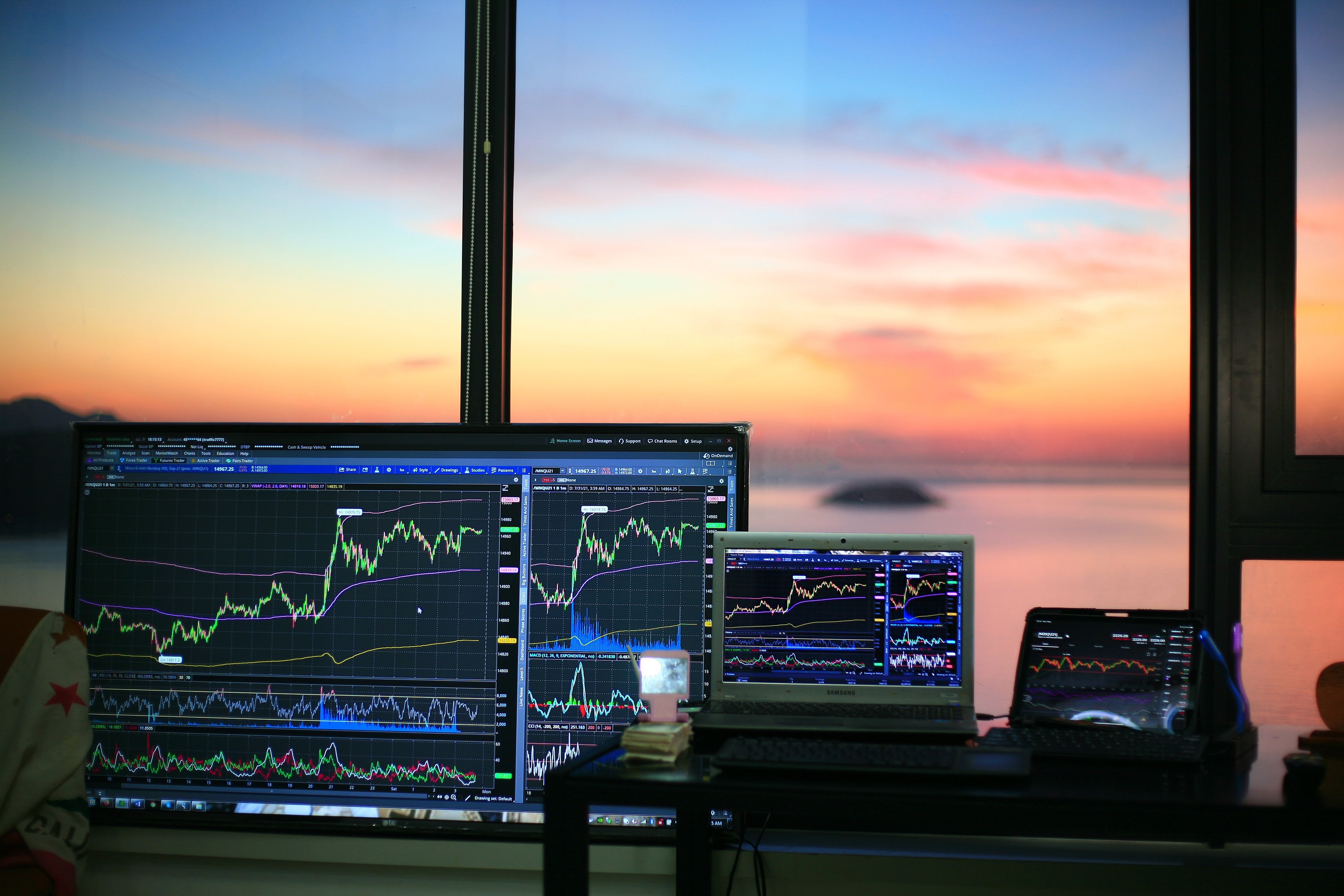

Trading synthetic indices takes more than just calling the direction of the market. Traders who actually do well understand how price movements translate into real money, profits, and losses, not just lines on a chart. In synthetic indices, a pip is a unit used to measure how much the price moves. The exact value of a pip varies depending on the specific synthetic index and how it is quoted, which is why understanding your instrument’s pricing is so important. Learning how to calculate pips in synthetic indices is one of the most useful things you need to get good at because it sharpens your risk management, keeps your profit targets grounded in reality, and gives you genuine confidence before you enter a position. Once you’ve got this down, you stop guessing and start trading like you know what you’re doing.
Here are five principles experienced traders use to nail pip calculations every time.
Understand What a Pip Represents
Everything starts here. A pip is a unit of price movement. Simple enough in theory, but not all synthetic indices work the same way. Forex traders are used to the fourth decimal place being their reference point, but that’s not always how it works with synthetic instruments. Some indices treat one whole point as a pip, while others use decimal-based pricing. And that distinction matters. Spend a few minutes understanding exactly how your chosen index measures movement before you put any money on the line. It’s a small habit that prevents expensive mistakes.
Learn the Specifications of Your Synthetic Index
Every synthetic index has its own rules, and assuming they all behave the same is often how traders get tripped up. Volatility Indices, Boom and Crash Indices, and Step Indices each have contract specs that directly affect how to calculate synthetic indices pips accurately. We’re talking decimal places, tick size, and contract value. Check your broker’s documentation. Once you actually know these settings, the math becomes straightforward instead of a guessing game you’re running in your head mid-trade.
Calculate the Difference Between Entry and Exit Prices
This is the most direct way to build the skill. Say you buy a synthetic index at 25,430.00 and close it at 25,485.00. That’s a 55-point move, and depending on how the index is structured, that may equal 55 pips. Professional traders run this calculation before deciding whether a trade meets their profit target. or falls within an acceptable risk range. For traders who want to go deeper, resources like Syntxwiki cover synthetic index pricing in solid detail. But the core habit is this: measure every trade the same way, every time. Consistency matters more than most people realize, especially when you’re learning how to calculate pips in synthetic indices across different markets.
Combine Pip Calculations with Effective Risk Management
Knowing your potential gain is one thing. But knowing exactly how many pips you’re willing to lose before you enter, that’s what the real edge is. Setting your stop-loss, position size, and profit target before you ever enter a trade changes everything. Decisions get cleaner. Less emotional. And that’s the whole point. Experienced traders aren’t running pip calculations just to chase upside; they’re doing it to keep their risk-to-reward ratio from going sideways on them. So pip math isn’t just arithmetic, it’s part of what makes a trading strategy actually hold up over time.
Practice Until Pip Calculations Become Second Nature
Like anything else in trading, understanding pips gets easier with practice. Pull up historical charts and calculate pip movements between different price levels. Then cross-check against your platform’s measuring tools to see how close you got. Do it enough, and you’ll start estimating distances quickly, which makes planning trades faster and sharper during live conditions. Not instant mastery. Just consistent repetition until it no longer feels like work.
Conclusion
Getting comfortable with how to calculate pips in synthetic indices gives you a real edge. Not a theoretical one, but an actual, practical advantage where you understand what’s happening to your money when prices move. You set more realistic targets, manage risk like you actually mean it, and stop making calls based on nothing. And the more you practice, the more it clicks until eventually it’s just automatic. That’s when trading stops feeling like a coin flip and starts feeling like something you’re actually good at.
Would you like your story featured here? Get in touch with our team at [email protected]





Already have an account? Log In