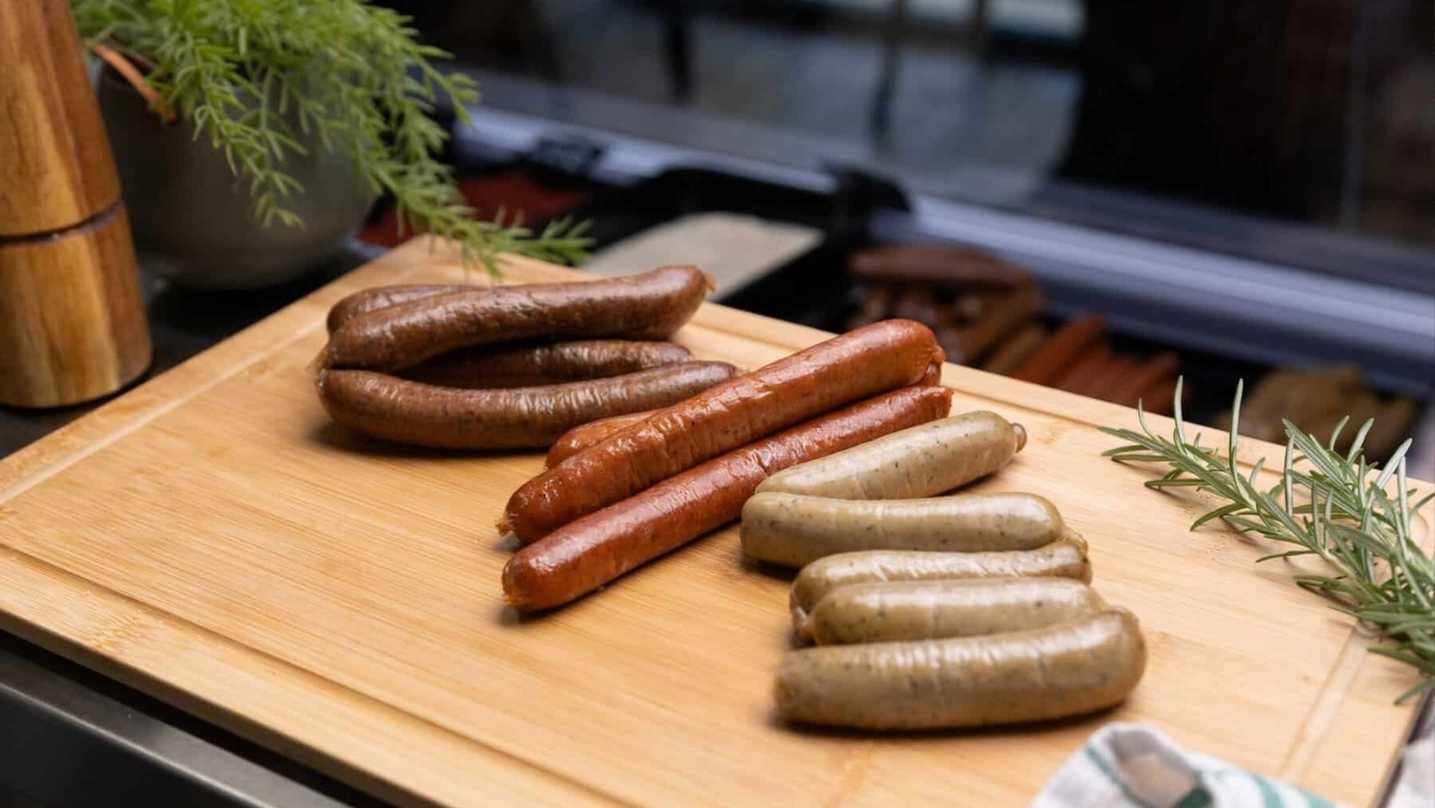
A vegan butcher’s shop recently opened in Prague, in what’s thought to be a first in the city. The shop is called Bezmasna, and it recently opened in the Letná district. It provides plant-based versions of popular Czech foods, including chlebíček (Czech sandwiches), cold cuts, and meat loaf. It also has animal-free takes on classic items like steaks, sausages, eggs, burgers, pates, and more. The shop will provide a seasonal offering with a changing menu. Bezmasna hopes to work with both vegan and non-vegan restaurants to increase their plant-based offerings, as well as offer catering for events. Veganism in the Czech Republic Traditional Czech cuisine tends to be very meat-heavy, but there is a growing vegan population in the country. According to stats from 2020, the Czech Republic ranked as one of the most vegan-friendly places in Europe, due to its relatively high number of plant-based eateries compared to population size. It was placed third, just behind Portugal and Iceland. In a statement at the time, a spokesperson for the Česká veganská společnost (Czech vegan society) said: “As the survey indicates the [vegan] market situation has improved significantly in the past years. I dare say that to some extent we have caught...
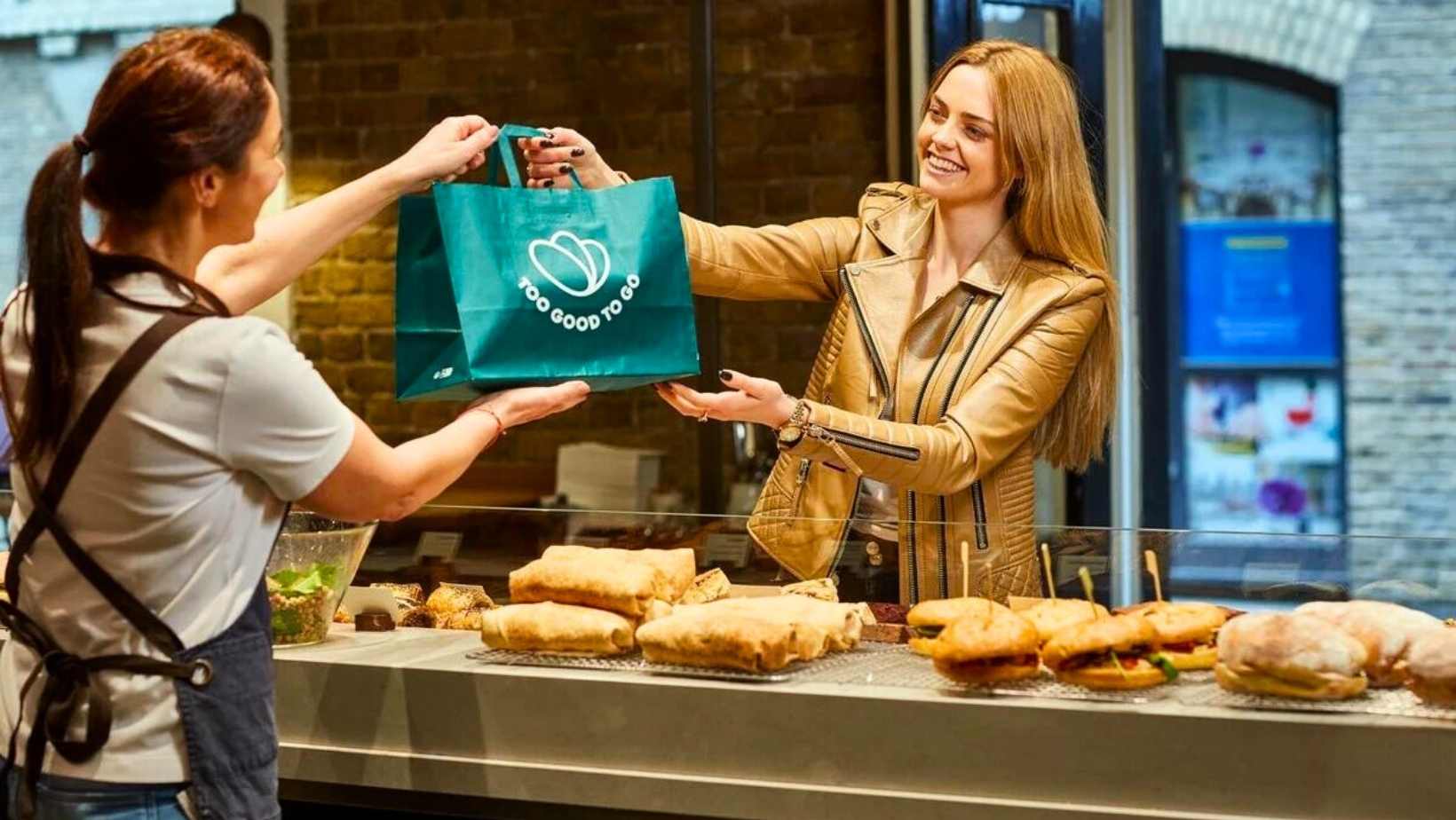
Too Good To Go, the world’s largest marketplace for surplus food, has launched in the Czech Republic. With more than 60 local businesses onboard, it aims to fight food waste across the country. The app allows users to purchase surplus food from restaurants, bakeries, and shops at a reduced price. The company is currently partnering with businesses in Prague, including Myšák confectionery, Hilton Old Town Prague, and Costa Coffee. Through the app, users can book and receive a surprise bag of surplus food at a reduced price. They simply need to pick up their order at the designated time and present their receipt from the app. This initiative helps prevent good food from being thrown away. Food waste is a significant issue in the Czech Republic, where 91 kilograms of food per capita are wasted annually, according to Eurostat. Globally, food waste contributes to ten percent of greenhouse gas emissions. Since its launch in Denmark in 2016, Too Good To Go has saved over 330 million meals, preventing 891 billion kilograms of CO2 emissions, 267 billion liters of wasted water, and 924 square meters of wasted space each year. View this post on Instagram A post shared by...
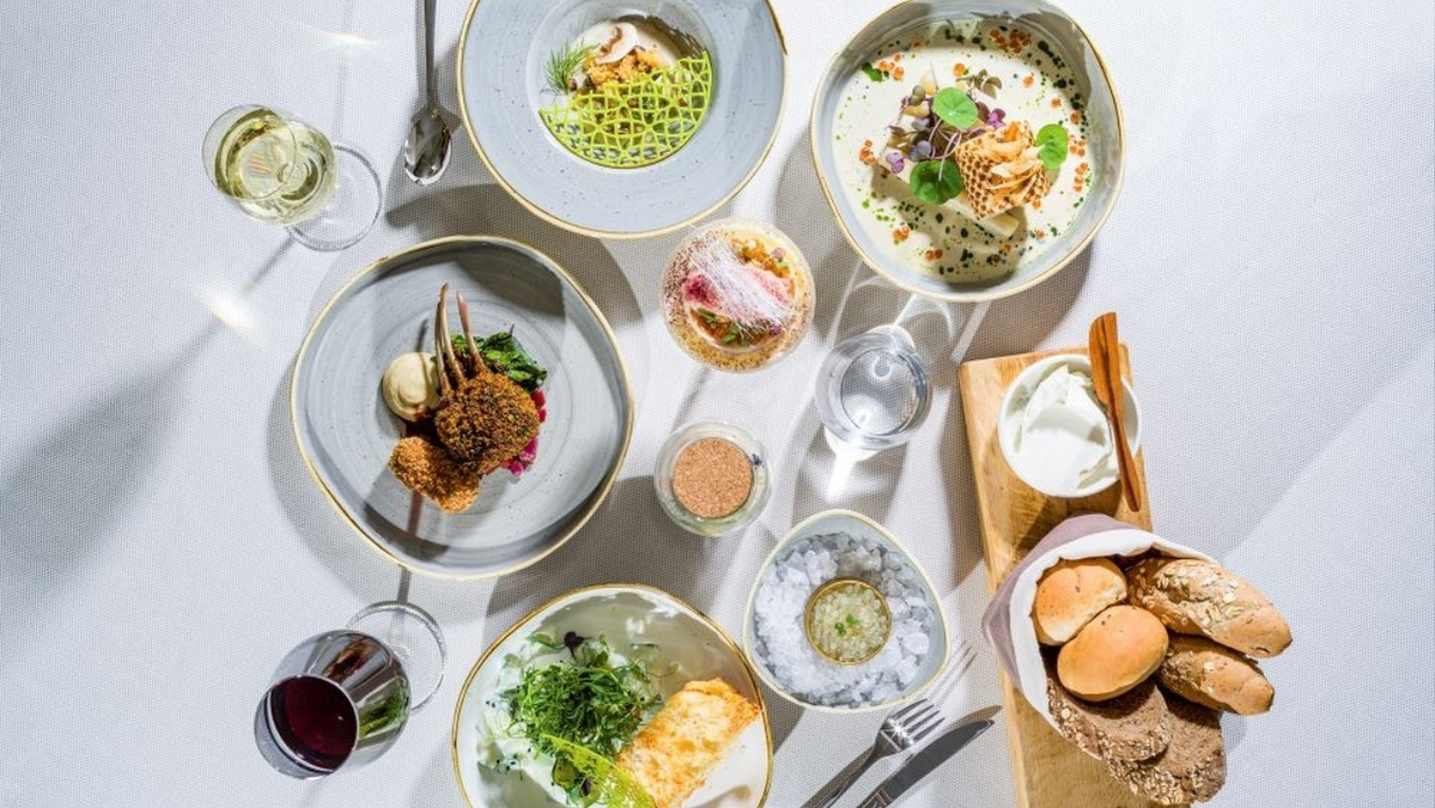
Mandarin Oriental has opened a new dining experience with its restaurant, Monastiq. The concept celebrates Czech culinary history and the hotel’s architectural heritage, dating back to a 14th-century Dominican monastery. Head Chef Michal Horváth and his deputy Aleš Bursík lead the culinary team, drawing inspiration from historical texts and contemporary cookbooks. Their creations narrate the stories of centuries-old dishes, reimagined with modern techniques and the finest ingredients. The menu features dishes like the “Czech Aristocrat,” a veal steak with warm potato salad, pickled gherkins, and apple cider vinegar, adhering to a mid-19th-century recipe. The “Silk Road” offers lamb chops and croquettes with mulberries and roasted celery, honoring the 14th-century Czech silk industry. The bar menu features lighter dishes perfect for sharing, along with modern takes on salads and popular classics. Guests can also enjoy a selection of Czech wines. The bar offers signature cocktails inspired by Czech personalities like Jan Werich and Václav Havel. “Guests will first be captivated by the unique location and rich history of our hotel and Malá Strana. They will then embark on an authentic gastronomic journey at Monastiq, where they will experience the history of Czech cuisine through modern dishes,” explains Duarte Correia, General Manager...
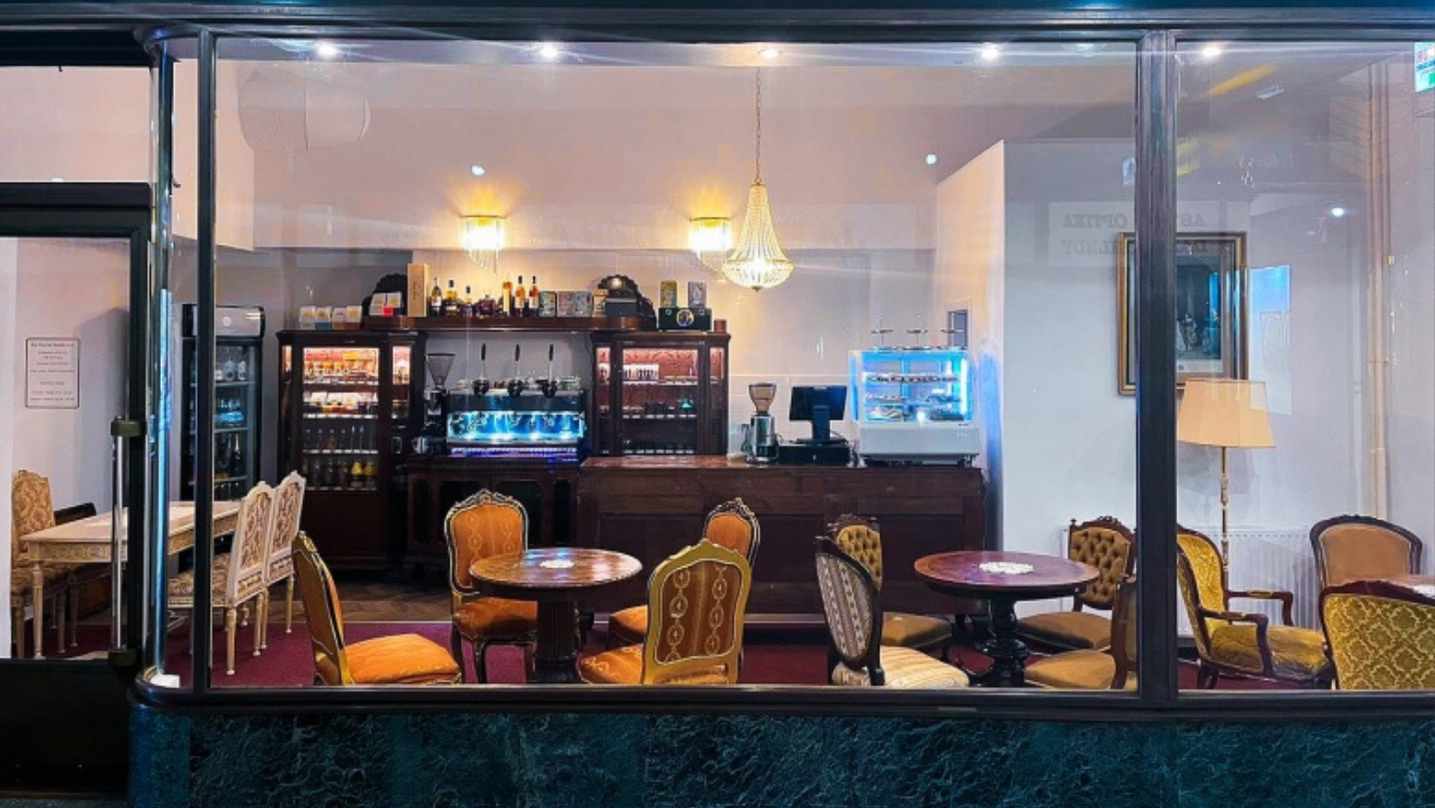
A new shop has arrived in Prague, offering a taste of France alongside a relaxing atmosphere. La France Élégante, which opened its doors in late March, combines a French grocery store with a charming coffee shop, transporting customers to a bygone era. Located in Prague’s Dum u Nováků passage on Vodickova Street, La France Élégante boasts original furniture dating back 70 to 150 years creating an atmosphere reminiscent of a Parisian coffee shop from a century ago. The owner’s vision was to create a space where clients can escape the daily hustle. The cafe source products from small French producers, ensuring authenticity and freshness. For instance, you can find Terres de Café (a premium French coffee brand), specialty products from Provence with Thyme and Lavender tea, Corsican water and flavored water with no added sugar, and seasonal juices. Among wines & spirits, you can discover a curated selection of Corsican wines, Crémant, Champagne André Clouet, French beers, Cognac, while the baked pastries are prepared by a French baker in Prague. We met Gabriel, the owner who has ambitious plans for the future. While traditional wine tastings are deemed unnecessary due to the abundance of French wine options in Prague, they...
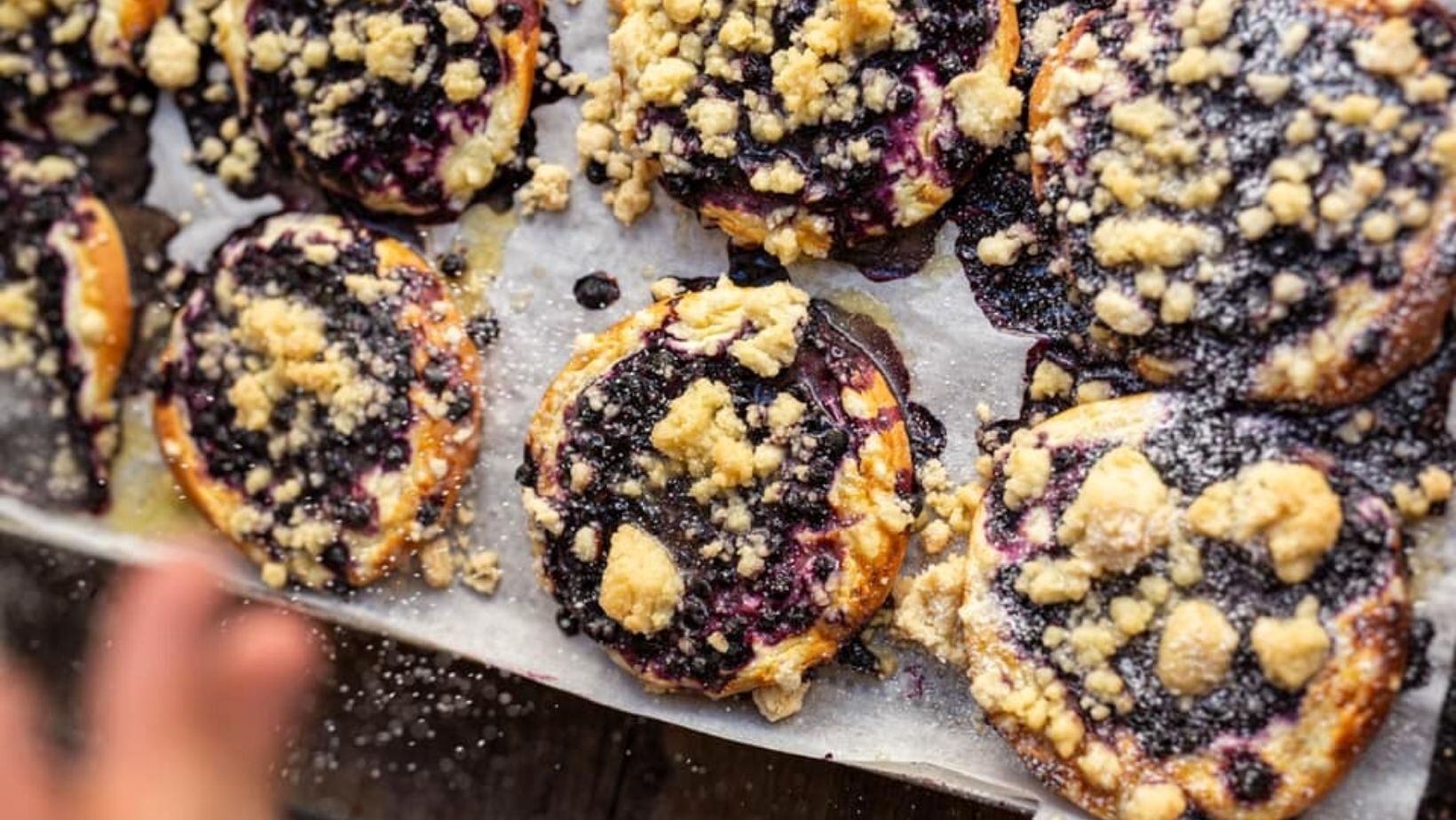
If you’ve ever been to Prague or planning to visit soon, there’s a high chance that you’ve come across the word ‘kolac’ while exploring the local cuisine. Koláč, a traditional Czech pastry, has been a sweet treat for generations and has solidified its place in the country’s cultural history. The Origins The history of koláč dates back to the 17th century when it was first brought to Czech Republic by the Germans. The word “koláč” actually comes from the Old Slavic word “kolo,” which means “circle.” Hence, koláč is generally a circular or oval-shaped pastry. Originally, koláč was made using simple ingredients such as flour, sugar, yeast, and eggs. Over time, different regions of Czech Republic added their own touch, creating various types of koláč based on the locally available ingredients. Today, it is enjoyed across the region with different flavors and fillings. Many Czech families have their own secret koláč recipes which have been passed down from generation to generation, grandmothers to mothers to daughters. Because you’re considered family, we’re sharing ours with you! Types of Kolac Ovocný koláč (Fruit koláč) Fruit kolac consists of a layer of fresh or canned fruit placed over the base and then covered with...
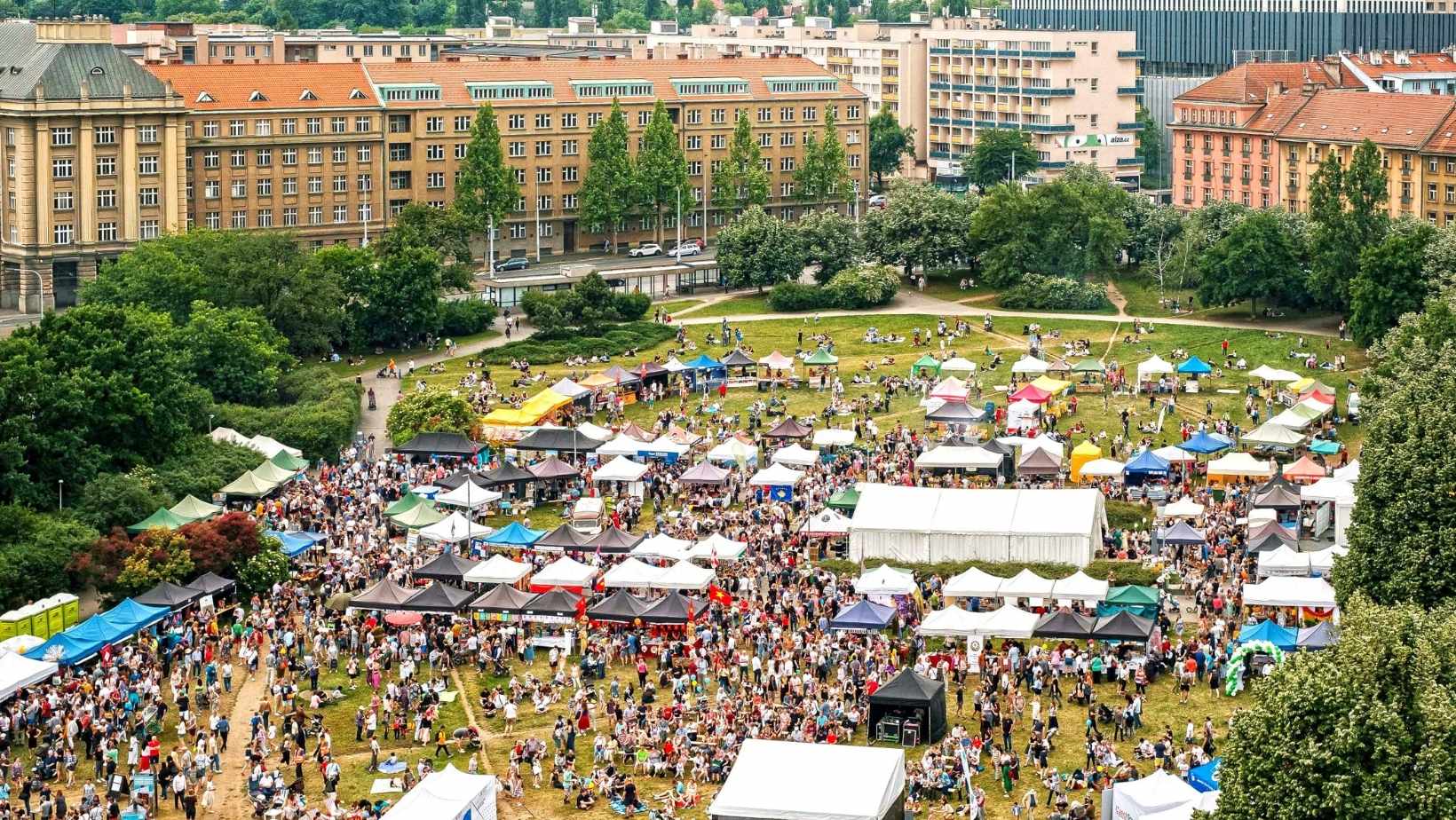
The Festival of Embassies is the largest international street food festival in Prague, where each country’s presentations are primarily showcased by their embassies, honorary consulates, or chambers of commerce. The event will be attended by ambassadors in person, making it a truly unique event in our country in terms of the number of participating countries. The main organizers are the Prague 6 Municipal District and the Association Farmers’ Markets, which also organize the Markets in Kulaťák. Each country’s booth will offer original traditional dishes that are characteristic of their respective cultures. Embassy staff, including the ambassadors themselves, and their families, will be actively involved in the cooking. Some embassies even invite renowned chefs to prepare their cuisines. Organizers expect 15.000 visitors. At the event, there will also be various drinks, ice creams, sweets, and desserts of choice, as well as small souvenirs and original craftsmanship available. The event will kick off again with the drummers’ band of BLABUBURO with African music, followed by Thai folk dances, and puppet performances from Brazil’s Gilberto Conti followed by Mariachi Azteca de Praga (from Mexico). Visitors can experience, among others, a performance from India, a choir from Slovenia, folk dances from Kosovo, traditional throat...
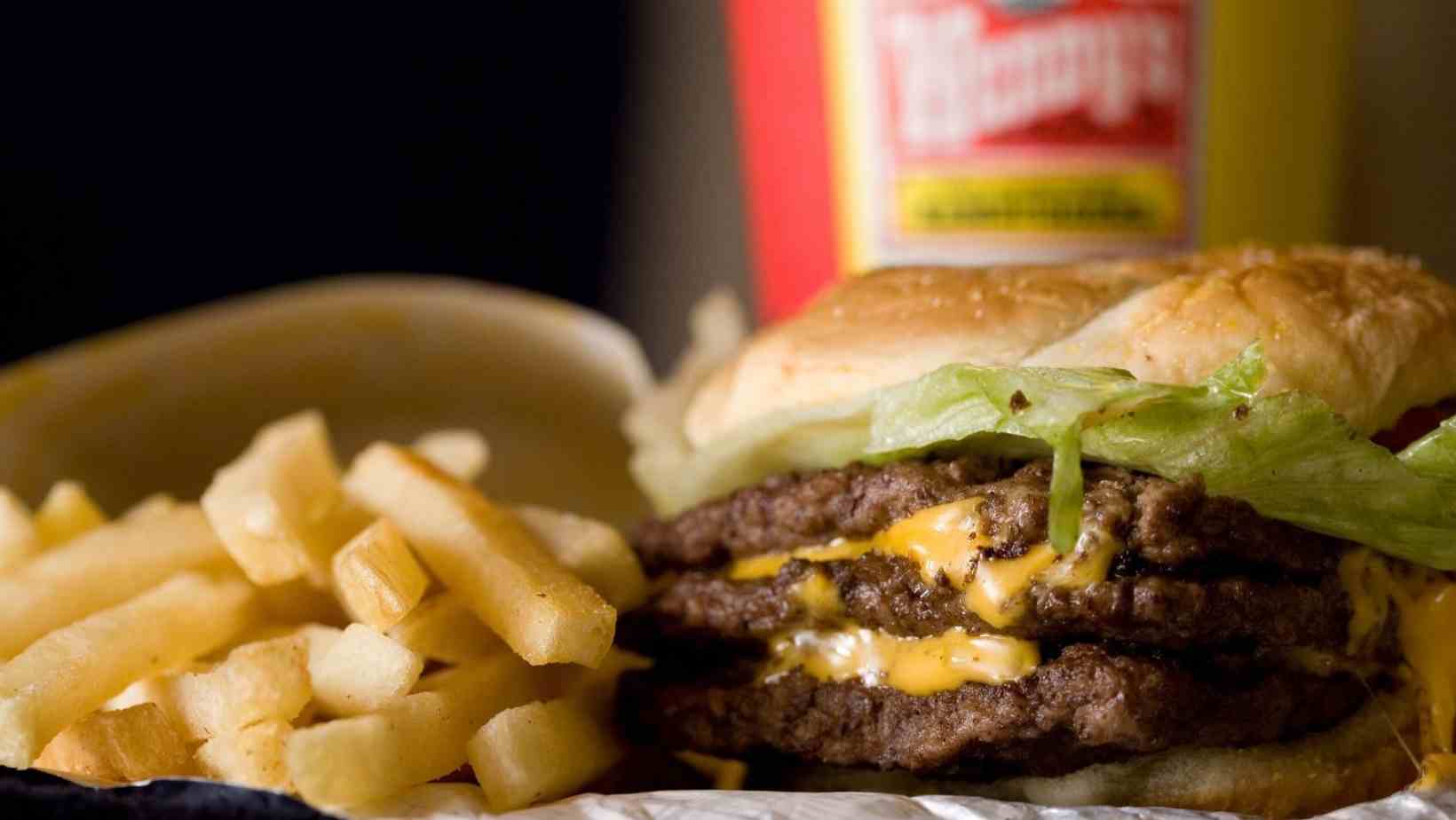
Get ready for more burger options! Popular American fast food chains Wendy’s and Five Guys are setting their sights on the Czech Republic market. American fast food chains are setting their sights on the Czech Republic market. Wendy’s, the world’s third-largest hamburger chain with over 7,000 locations, and Rave Restaurant Group, which operates Pie Five and Pizza Inn, are seeking franchise partners to expand into Central Europe, including the Czech Republic. The announcement was made at the U.S. Embassy in Prague on Wednesday. Wendy’s is famous for its square hamburgers and spicy chicken sandwiches. “We’re looking for a franchisee to introduce our popular menu and exceptional dining experience to Czech customers,” the company stated in a press release on the embassy’s website. Pie Five, another brand under Rave Restaurant Group, offers customizable pizzas made with fresh ingredients, prepared to order in under five minutes. Following the successful launch of Louisiana-based Popeyes last year, another popular American chain, Five Guys, is expected to arrive in the Czech Republic this year. Five Guys focuses on offering juicy burgers with generous portions of meat, at slightly higher prices than other fast-food options. Their first branch is expected to open in Prague on Národní...
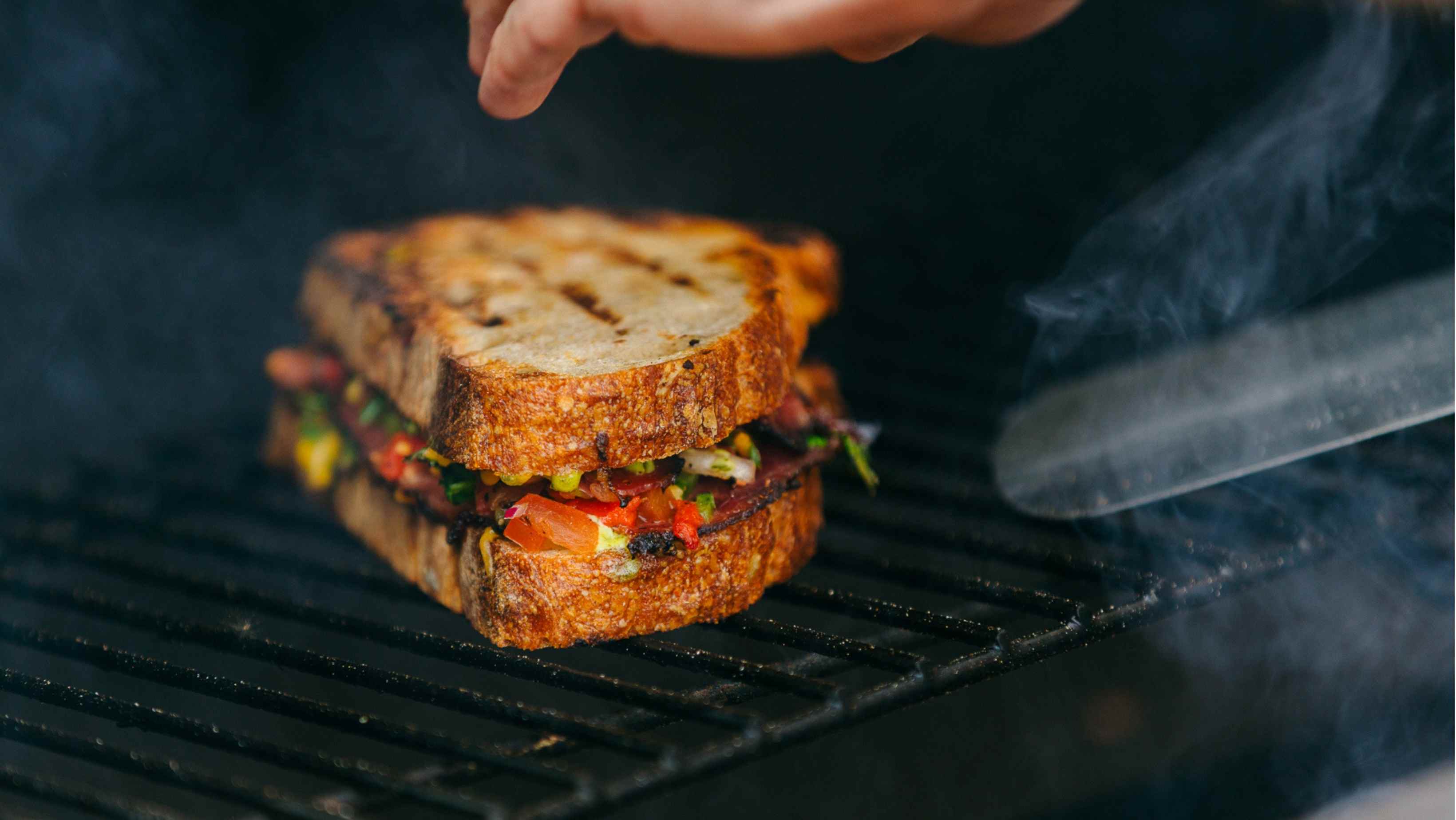
The highly-anticipated PASTRAMI POP-UP Vol. II is returning to Prague’s Holešovice Market Hall on Thursday, April 25th, 2024, from 11:00 AM to 10:00 PM. This one-day street food festival is a haven for food enthusiasts, offering an array of pastrami dishes alongside tempting vegetarian options. Pastrami is a sandwich prepared from beef, most commonly beef brisket. The meat is marinated for several days in a salt solution and a secret spice blend. It is then smoked, boiled, and thinly sliced. This year’s PASTRAMI POP-UP Vol. II promises an even wider variety of culinary delights. Returning vendors include crowd favorites like Take Eat EZ, Big Smokers, Meat Vandals, and MOVE bar. Joining the party are newcomers like MK’s BBQ Truck and the renowned Bistro Čejka, a family-run butcher shop with over a century of tradition. But wait, there’s more! The organizers understand that not everyone craves meat. This year’s event features mouthwatering vegetarian options that don’t compromise on flavor. Think focaccia stuffed with roasted eggplant, creamy vegan mayonnaise, avocado, and fresh greens, or a variant with roasted peppers and truffle mayonnaise. To complete the experience, PASTRAMI POP-UP Vol. II boasts a live music program. The lunchtime session will be led by...
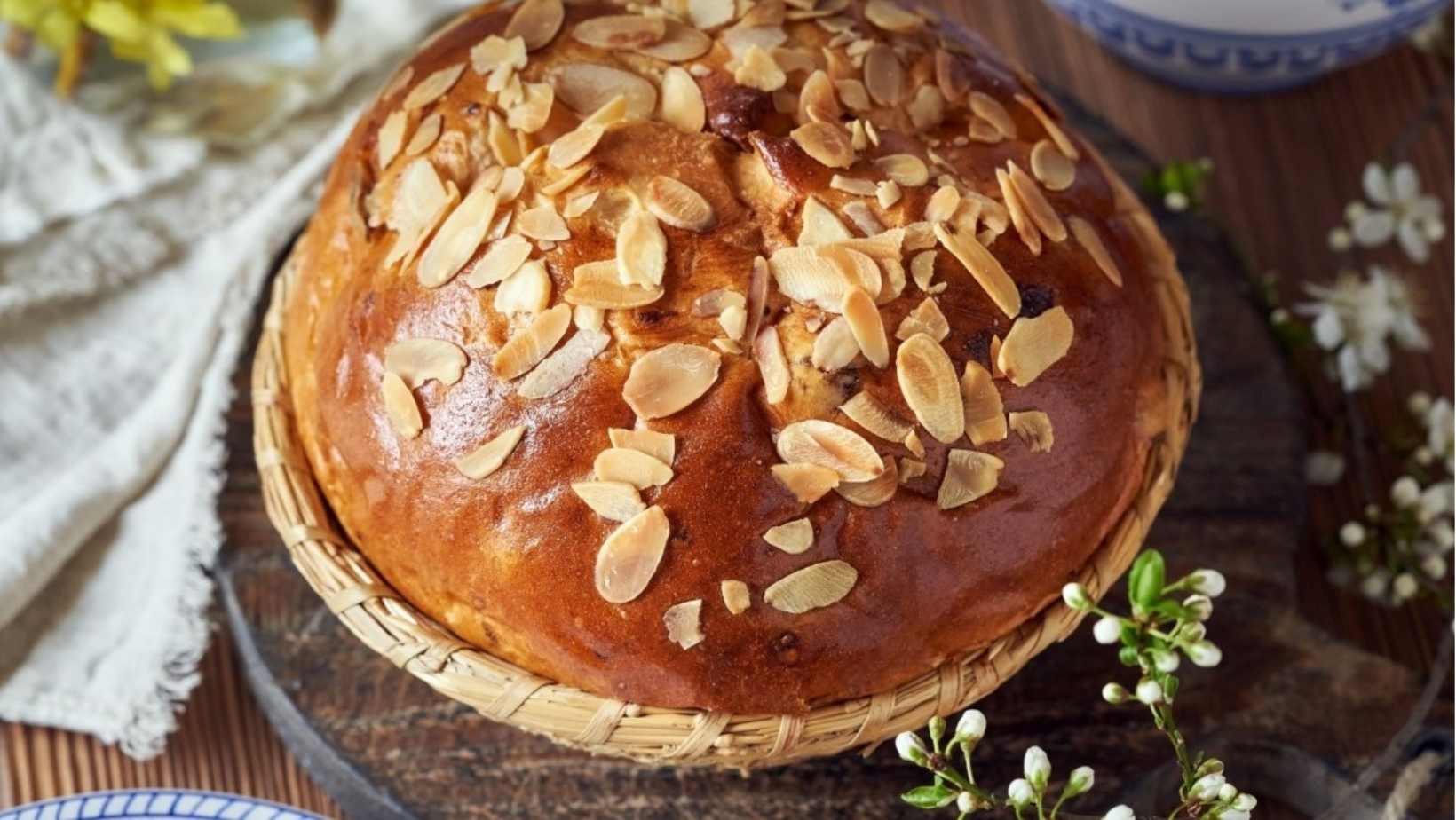
When talking about typical Easter treats baked in the Czech Republic, you can’t forget mazanec, sweet Easter bread! Also known as „velikonoční bochánek“, it’s one of Czech Easter’s main symbols. Mazanec is a sweet yeast pastry baked on White Saturday (Holy Saturday). It is shaped like a round loaf, a symbol of the sun, marked with a cross in the middle, and sprinkled generously with almonds. The Story of Mazanec recipe In the olden days, Mazanec would be made with a cross cut on the top and blessed by a local priest. Any crumbs that would remain on the table (or on the floor) after eating would be thrown into the open fire to burn (I guess so that nothing is wasted) The oldest Czech recipes are from the 15 and 16 century when the recipe didn’t have any sugar (as it wasn’t as known around the country and was also very expensive) – only used thick cream (which is naturally quite sweet) or cream cheese (tvaroh) if you were fairly well off family. People also used safron or ground cloves as the spice in the dough. Ingredients All-purpose flour; for the dough, plus a handful to dust the work...
The Oblaca restaurant offers a unique blend of modern gastronomy and breathtaking views of the city. Experience enchanting vistas and exquisite cuisine, providing a splendid backdrop for a memorable dining experience high above Prague’s rooftops. Located 66 meters above ground in the iconic Žižkov TV tower, Oblaca invites you to dine amidst the clouds. “I cook with my head in the clouds, but my feet are firmly on the ground,” says Jan Holous, the restaurant’s head chef. “Fresh, high-quality ingredients and good humor are the essence of my cuisine. My colleagues’ professionalism and dedication form the cornerstone of our craft. Creativity and a willingness to experiment are our hallmarks as chefs. Above all, ensuring customer satisfaction is paramount,” adds Holous. Oblaca restaurant offers an unparalleled fusion of modern gastronomy and stunning city vistas. The chef’s philosophy revolves around utilizing the finest local ingredients to craft seasonal dishes that cater to even the most discerning palates. The wine selection, curated by top sommelier Milan Krejčí, is impeccably balanced. With professional presentation and subtle guidance, every guest can discover their ideal wine pairing. For the latest menu and additional information, visit the restaurant’s website Would you like us to write about...
On a stroll through Prague Castle and the Lesser Town, you might assume renowned restaurants are scarce. But tucked away amidst souvenir shops stands lie several culinary treasures. Let’s unveil these hidden gems! Tāst This Michelin-starred gem shines not only for its charming, semi-secluded location on Šporkova Street but also for its delightfully unpretentious ambiance. Chef Mirek Vykysalý focuses on exceptional ingredients, crafting dishes that pair beautifully with an extensive wine list. While vegetarian options are limited, everything else is flawless. However, Tāst is a dinner-only affair, and reservations are highly recommended due to its intimate size. Visualizza questo post su Instagram Un post condiviso da tāst (@tastrestaurantprague) Kuchyň Slightly more upscale and lively, Kuchyň on Hradčanské náměstí corner offers another fantastic culinary experience. They expertly balance traditional Czech cuisine with modern twists. Add a regularly changing menu and perfectly poured Pilsner, and you have a winning combination. Visualizza questo post su Instagram Un post condiviso da Kuchyň (@kuchyn_na_hrade) Bistro Monk Not just Czech fare tickles the taste buds. This second branch of the popular brunch bistro, located on Maltézské náměstí, welcomes you with modern international cuisine. The menu offers what you’d expect from...
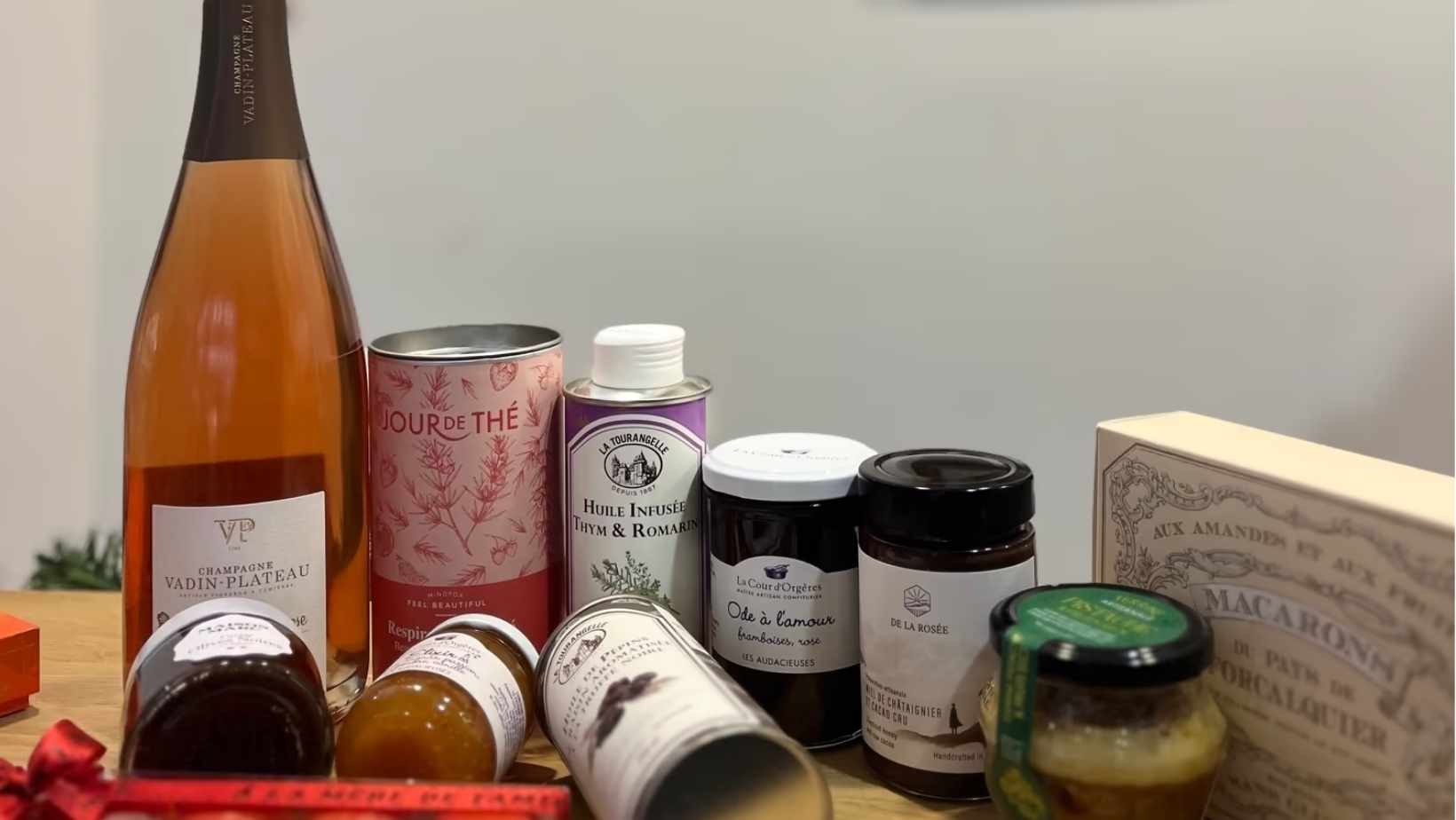
Aux Champs Gaulois is a new delicatessen shop with 100% French products, supplying you with quality products from all regions of France. We met Gabriel, a France enthusiast of Slovak descent – the owner of Aux Champs Gaulois – to talk more about his new adventure. “The shop’s selection includes cheeses, butter, jams, terrines, chocolate, wine, and even ready meals. With around 150 products in store, there is something for everyone,” he said to Prague Morning. Visiting the shop is like walking through French fields and meadows, and picking up delightful snacks as you go. But Gabriel is not only a fan of French nature; it’s the food and culture he set out to bring to Prague. With the help of his sister, who spent 20 years in France, he was one of the first entrepreneurs to bring French groceries to the Czech Republic. “Italian is great, but it’s been done before. This is something new!”, shares Gabriel. So, what should you look for in Aux Champs Gaulois? Most shoppers reach for the sweets and no wonder! The chocolate is made “bean to bar”, meaning the producer gets the cocoa beans from their own field. The pasta is on par...
Don’t have an account? Register
Already have an account? Log In
How Would You Like to Promote Your Business? PR ArticleDisplay bannersVideo productionNewsletter adsJob ListingsInfluencer Marketing
Your Email
We will come back to you within 24 hours with our proporsal