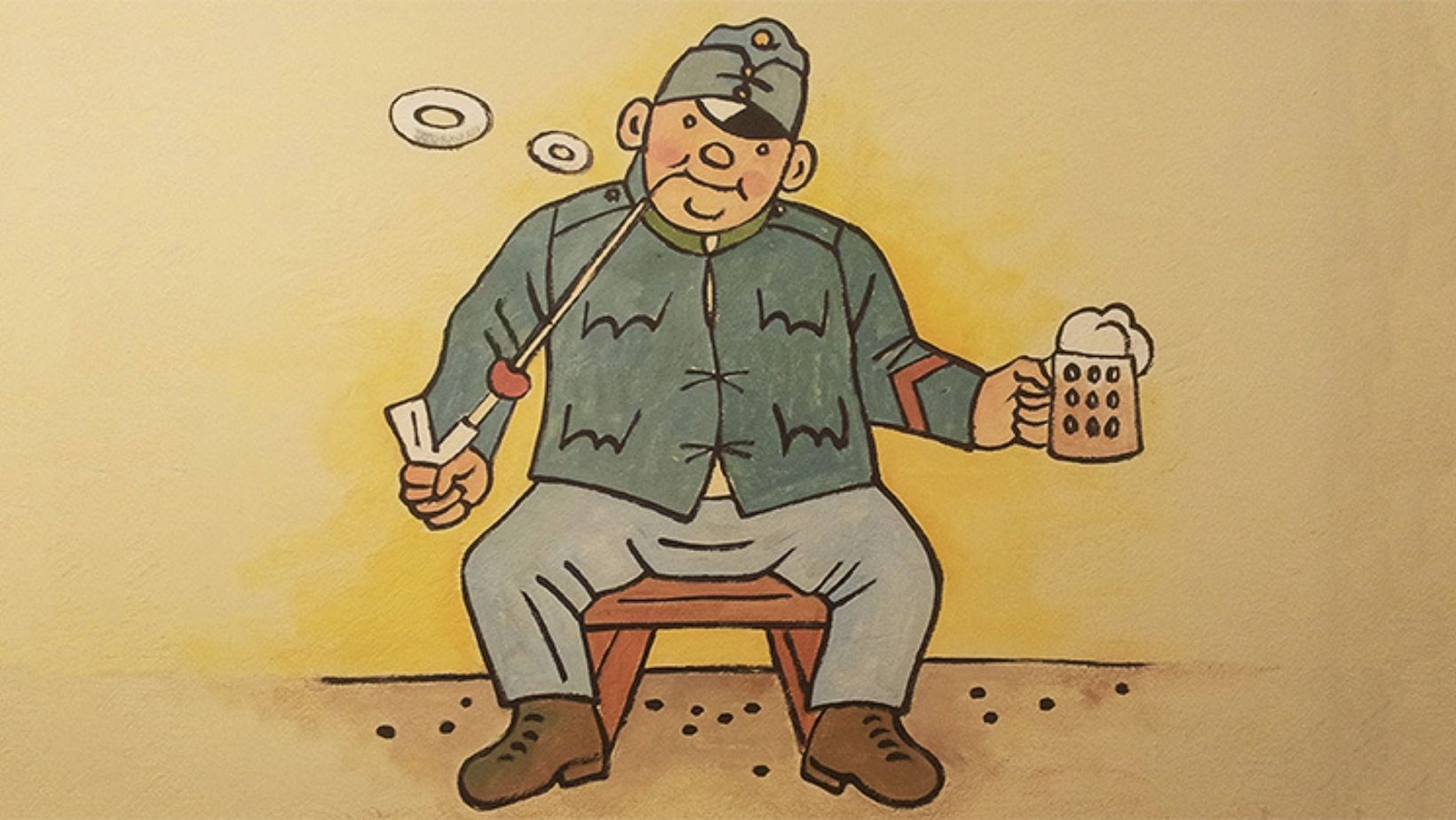
March 1st marks the 100th anniversary of the original publication of the first part of Jaroslav Hašek’s satirical masterpiece The Good Soldier Švejk and His Fortunes in the World War. The four-part book made its author famous and found a permanent place in world literature. Since its original publication, the adventures of Hašek’s good-humored main character have been translated into 54 languages, including Chinese and Arabic. The central character in the novel, Josef Švejk, a dealer in stolen dogs in civilian life, is a Czech soldier who makes himself appear a fool to get around his superiors and fights a peculiar and often hilarious war of attrition against the difficult circumstances he finds himself in. Švejk is a survivor, an amiably simple-minded, middle-aged man who never takes offence or gets angry, who walks through life with a sweet smile on his face, a survivor with a ready fund of cheerful stories about friends and acquaintances, which are appropriate for every situation he finds himself in, no matter how challenging, happy as long as he has a pint in one hand and his pipe in the other. As Cecil Parrott notes in the introduction to a 1974 edition: “Švejk speaks most...
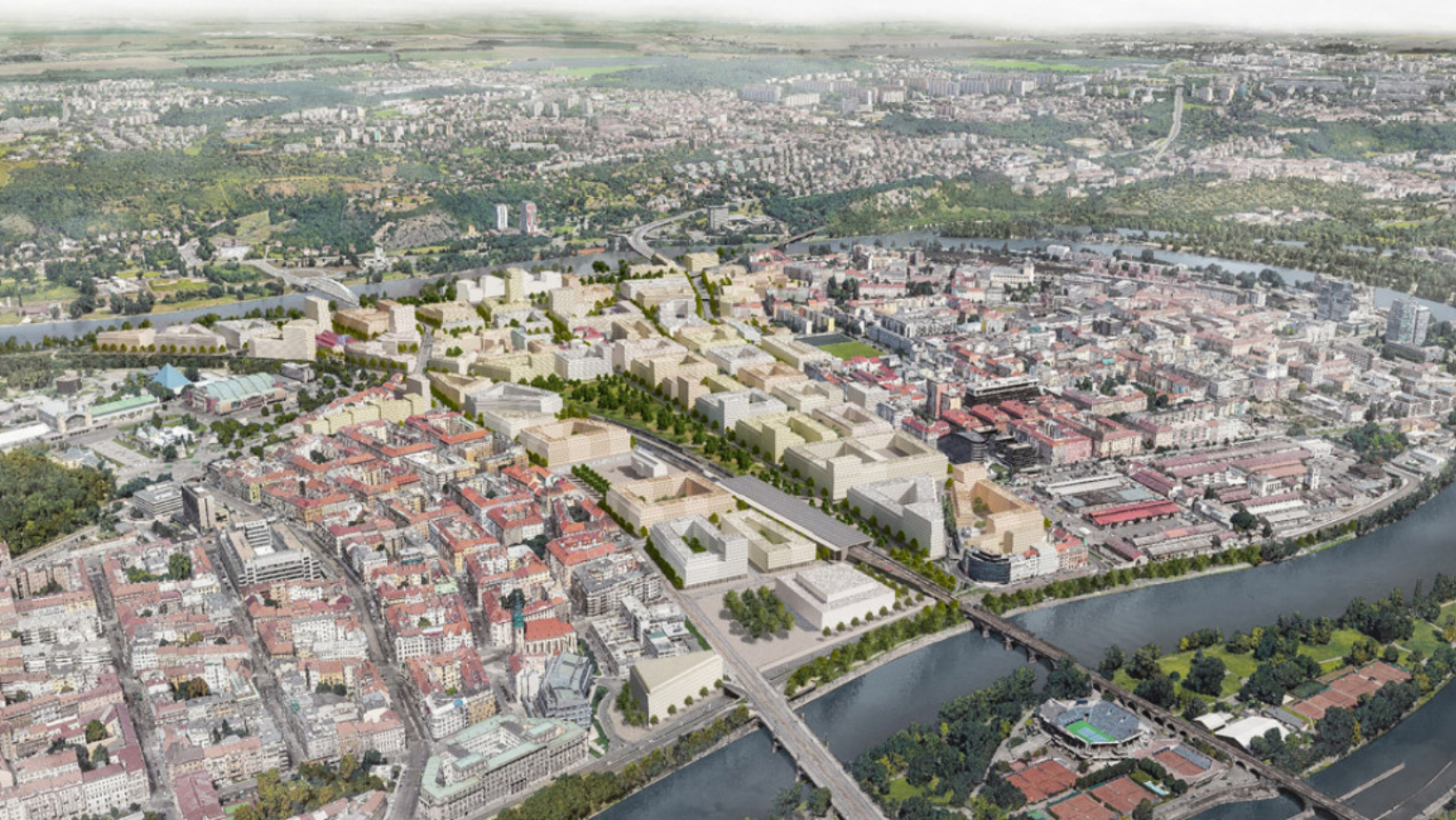
The construction of the world-class Vltava Philharmonic concert hall in Prague’s Holešovice neighborhood is one step closer to realization, as Prague city councillors have approved the continuation of the project. The approval was based on a usability study completed by an international consortium led by the renowned Henning Larsen studio, in collaboration with AEA and Buro Happold. The project will now move to the Prague City Assembly; if it gets the green light there, preparations will begin for an international architectural competition. The competition would be announced in the second half of 2021. It will be preceded by a detailed analysis on the financing of the Philharmonic’s operations. “Prague is not just an open-air museum merely capitalising on its rich history. New projects are essential for sustainable development. Our city also needs modern architecture through which our generation – with great humility – will complement the work of those who came before us. We are now another step closer to building the new Vltava Philharmonic concert hall, and I look forward to seeing its final form,” says Prague Mayor Zdeněk Hřib. According to the recommendations from the analysis, the Vltava Philharmonic building should include three halls: the main concert hall for...
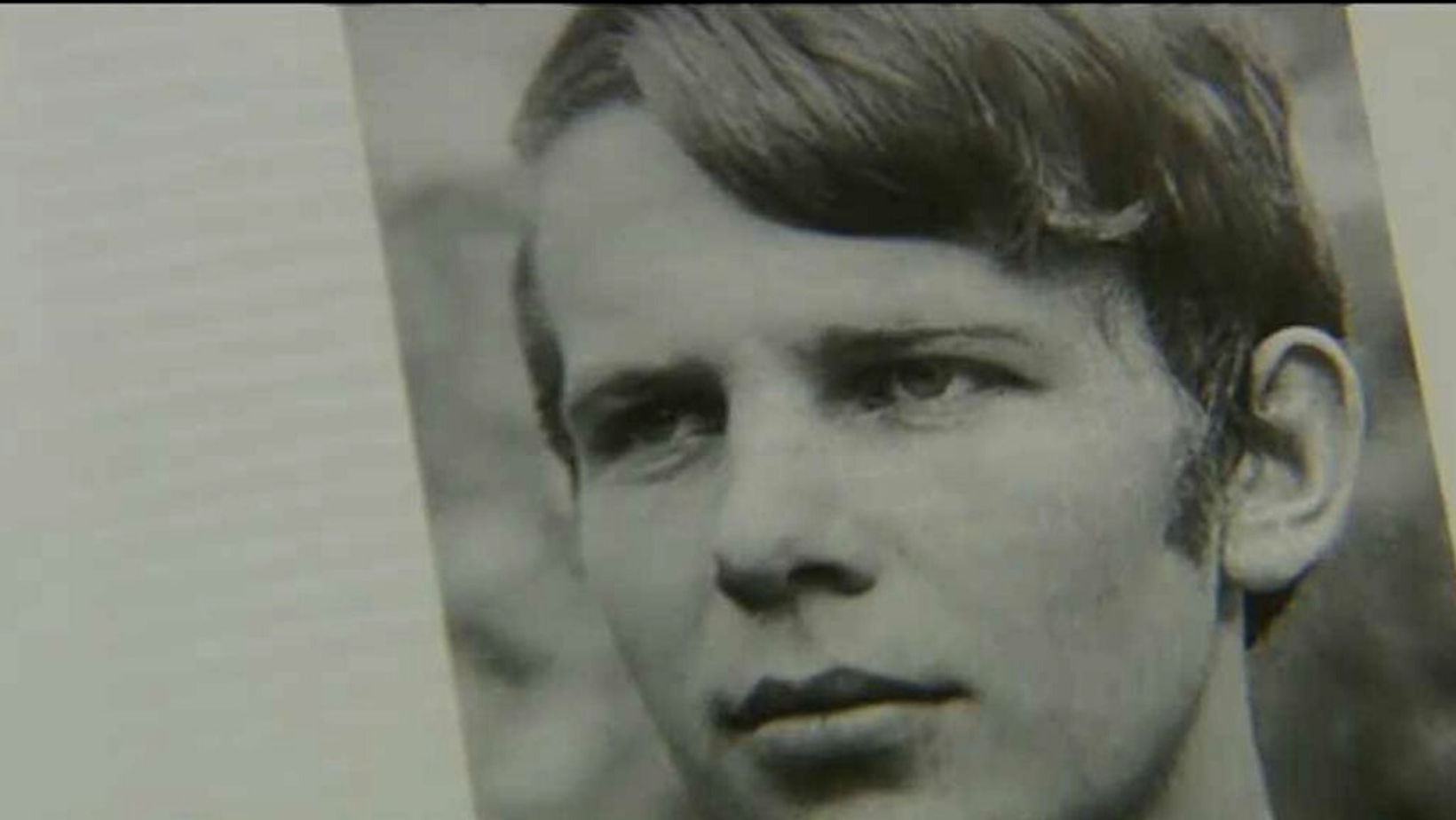
In August 1968, Warsaw Pact soldiers invaded Czechoslovakia in response to the government’s reform movement known as the Prague Spring. In protest, Jan Palach doused himself in petrol and set himself alight in this place on January 16, 1969. He survived for three days. A hunger strike followed Palach’s self-immolation, participated in by his friend and fellow student, Jan Zajíc. On the 21st anniversary of the Communist takeover (25 February 1969) Zajíc lit himself on fire in the passageway of a building on Wenceslas Square. Unable to get out of the building, he collapsed and died in the hallway. Jan Zajíc Jan Zajíc (July 3, 1950 – February 25, 1969) was a student of the Střední průmyslová škola železniční technical college in Šumperk, specializing in railroads, and was also interested in poetry and humanities. On the day of the twenty-first anniversary of the Communist takeover (25 February 1969), he travelled to Prague accompanied by three other students. He took part in the student-led protests and hunger strikes at Wenceslas Square leading up to Jan Palach’s funeral. He announced his intentions to immolate himself to his friends. None took him seriously. He had several letters challenging the people to fight against...
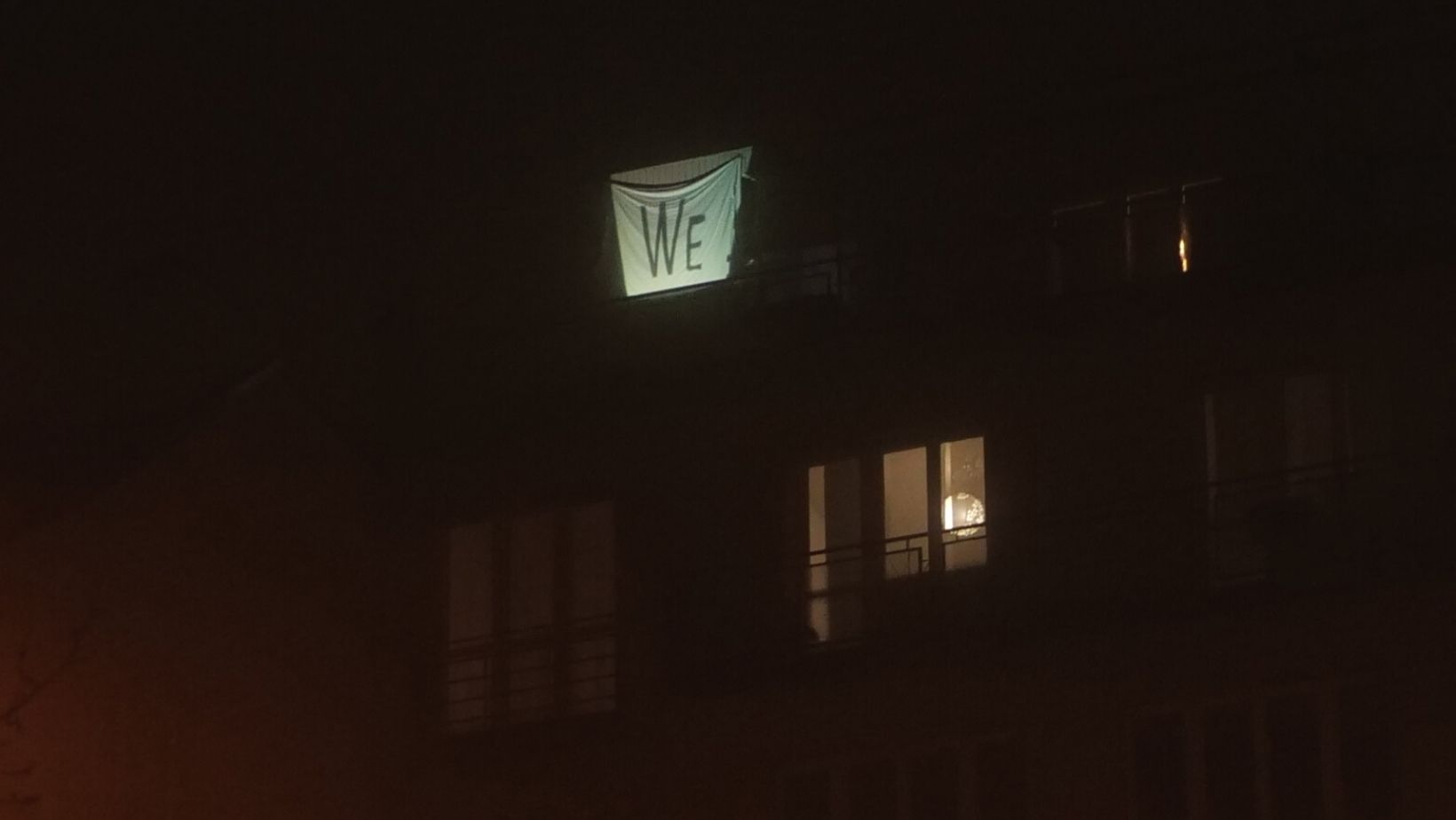
TYKO SAY, a Prague-based writer for the poetics collective OBJECT:PARADISE, Z.s. is projecting words of hope and solidarity from a balcony nightly from the 23rd of February until March 2nd, viewable from Tower Park in Vinohrady. The piece titled We, which is composed of lines that can be read negatively but also positively from the perspective of the Covid-19 restrictions will be projected at Ondříčkova 32 but viewable from the entire square. The objective of the project is to encourage onlookers to recognize the qualities they have gained in isolation. Phrases like “We keep vacuuming our homes” and “We cry secretly in the other room while our girlfriend sleeps to not wake her”, encourage onlookers to think about their own habits and tendencies that they have gained during isolation which seem negative at first, but are ultimately a force of good. OBJECT:PARADISE, Z.s., aims to incorporate poetry and poetic happenings in the daily lives of Praguers, encouraging the breakdown of the conceptual “poet” and “audience” by placing poetry happenings in public spaces. In June last year, OBJECT:PARADISE held a similar event, Tunnel Vision(s), in the Starý Vítkovský Tunel, where over 100 people gathered to experience a fusion of language and...
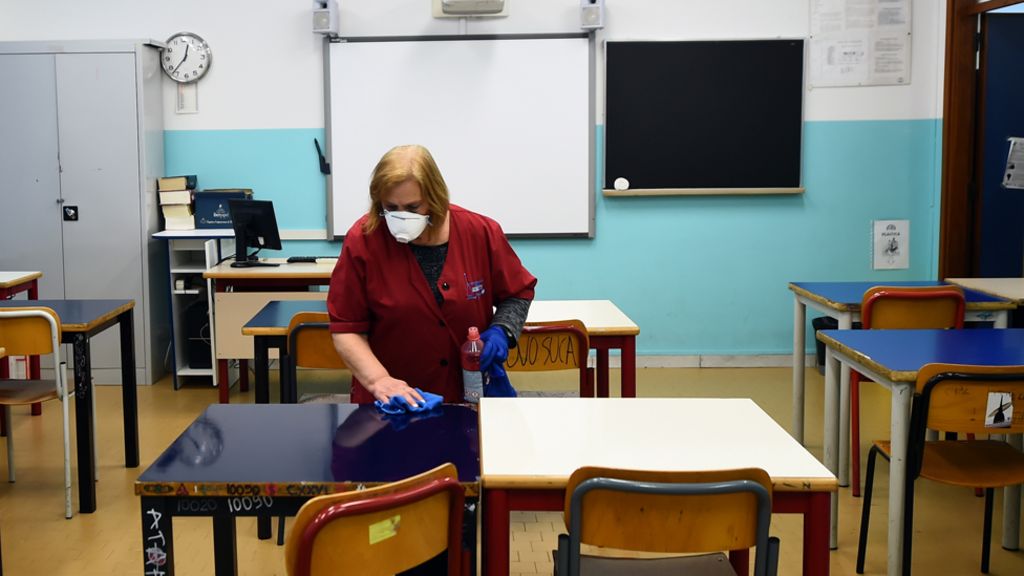
The coronavirus pandemic has hit Czech education particularly hard. Compared to the rest of Europe, Czech children have been studying from home for the longest period of time, and thousands of them have dropped out of the education system completely. The autumn wave of the coronavirus pandemic hit the Czech Republic much harder than the spring one, but the data about school closures in the European Union does not reflect that. While countries in which the pandemic killed tens of thousands of people in the spring opened schools in the autumn and remained so until the end of the year, Czechia switched to distance learning in large parts of spring and autumn. The UNESCO data, as well as data from individual EU countries, reveal the record-length of remote learning in the Czech Republic. Statistics also show other Czech specifics, such as the different approaches to the 1st and 2nd grades in elementary education. While most states returned the entire first stages of elementary schools to full-time teaching, followed by the second stages in a week or two, the Czech Republic did so only with those first two grades in the first stage. The situation where first and second-graders go to...
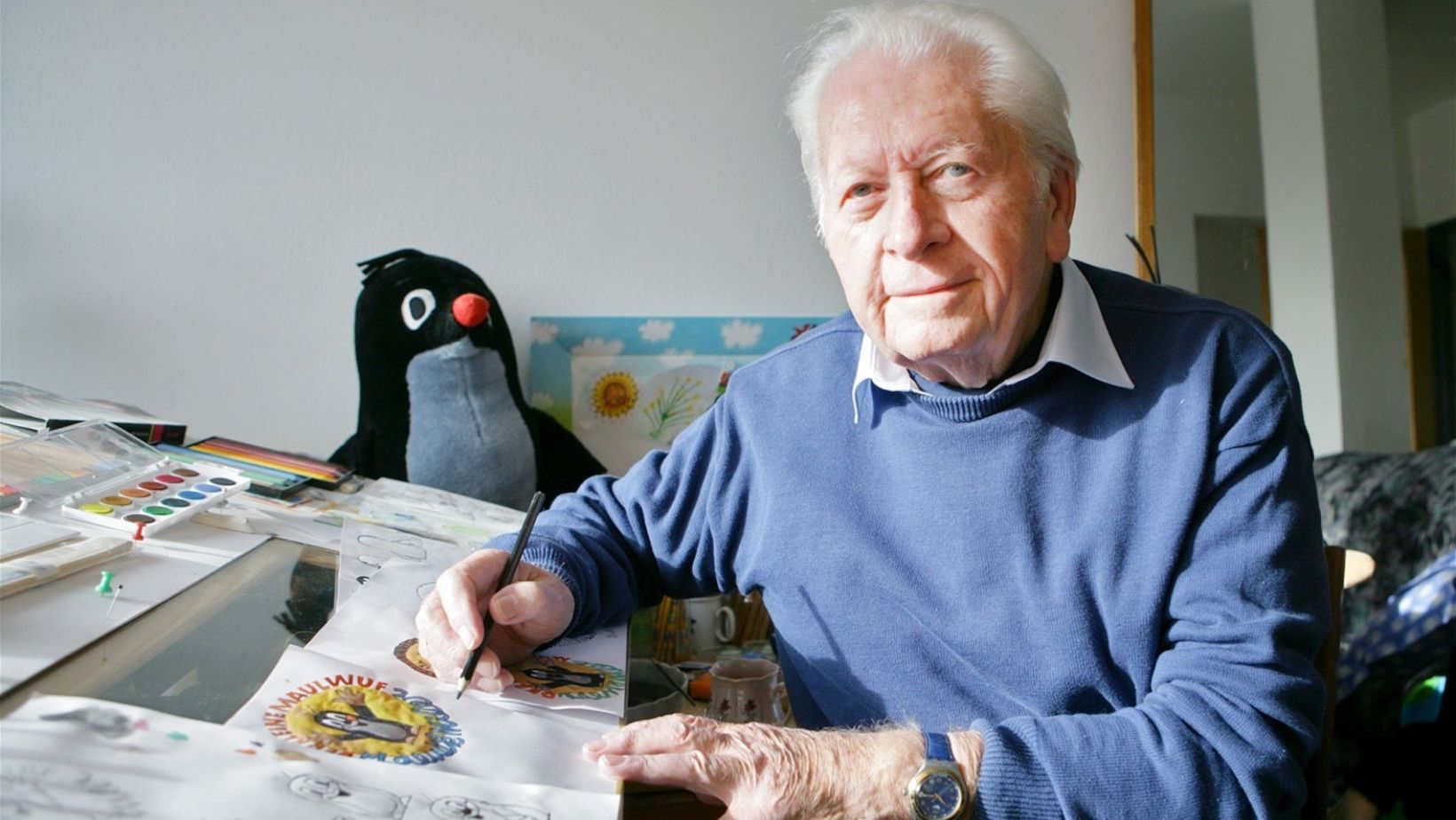
Today we commemorate 100 years since the birth of Zdeněk Miler, an important Czech artist and author of one of the most famous Czech animated characters – Little Mole (in Czech Krtek or Krteček). Little Mole played a major role in almost fifty short animated films. Zdeněk Miler was born on February 21, 1921, in Kladno. He began his artistic activity in the Zlín film studios, from where in 1945 he went to work in the Barrandov studio “Brothers in a T-shirt”, where he created under the direction of Jiří Trnka. His first solo work was the animated story About a millionaire who stole the sun, based on a theme from the work of Jiří Wolker. The Barrandov film studio’s later logo, three curly little boys in navy T-shirts, was also his work. Miler became most famous for the animated series The Mole, which gradually gained great popularity. It is interesting that this animated series is not spoken, with the exception of the first part entitled How the mole got his trousers. It tells the story of how Krtek got animals with different skillsets to join efforts and make a pair of pants from scratch. This little film had its...
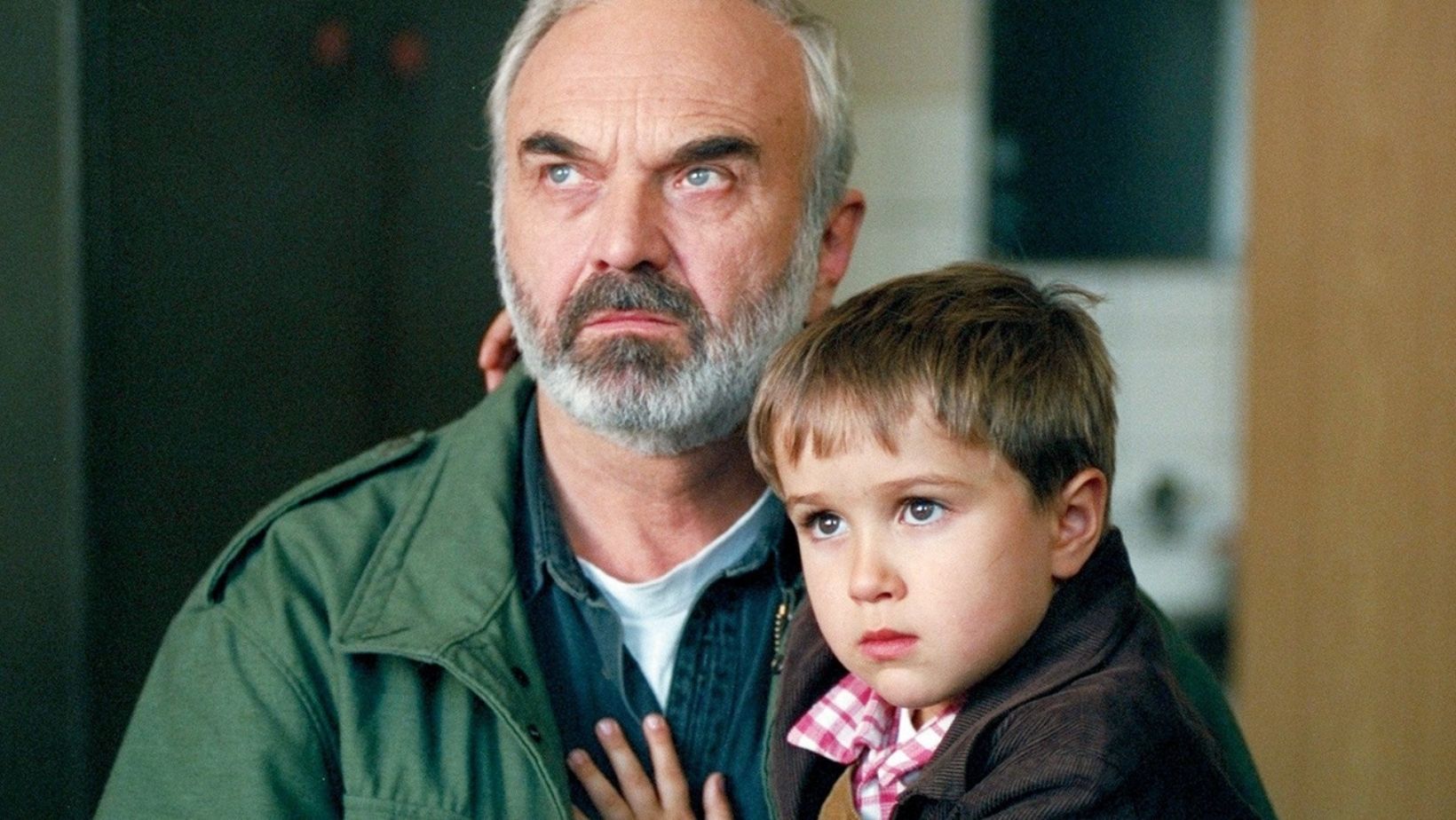
While the COVID-19 pandemic has forced the shutdown of cinemas around the world, decades of Czech cinema — from the pioneers to the newest generation — are available on Netflix. Below you find our suggestions. Kolya Kolya is a heart-warming 1996 film about an older Czech man whose life is turned upside down with the introduction of Kolya, a five-year-old Russian boy. The story of the evolving relationship between the growing-old cellist Louka, who is not expecting that much of life anymore, and a little boy named Kolya, who gets stuck with the man after a faked wedding with his Russian mother, needs little introduction. The film’s strongest point is the poetics of the production duo, director Jan Svěrák and his father Zdeněk. This retro story taking place just before the Velvet Revolution of 1989, when the communist regime was brought down, offers balanced proportion of humour, hyperbole, sentiment, and melodrama. Milada Milada is a historical drama based on the inspirational life of Dr. Milada Horáková, a 20th-century political activist. It is set in the years 1937-1950 and tells the story of a woman with moral principles rooted so deeply that her decisions were led by her conscience more than her heart,...
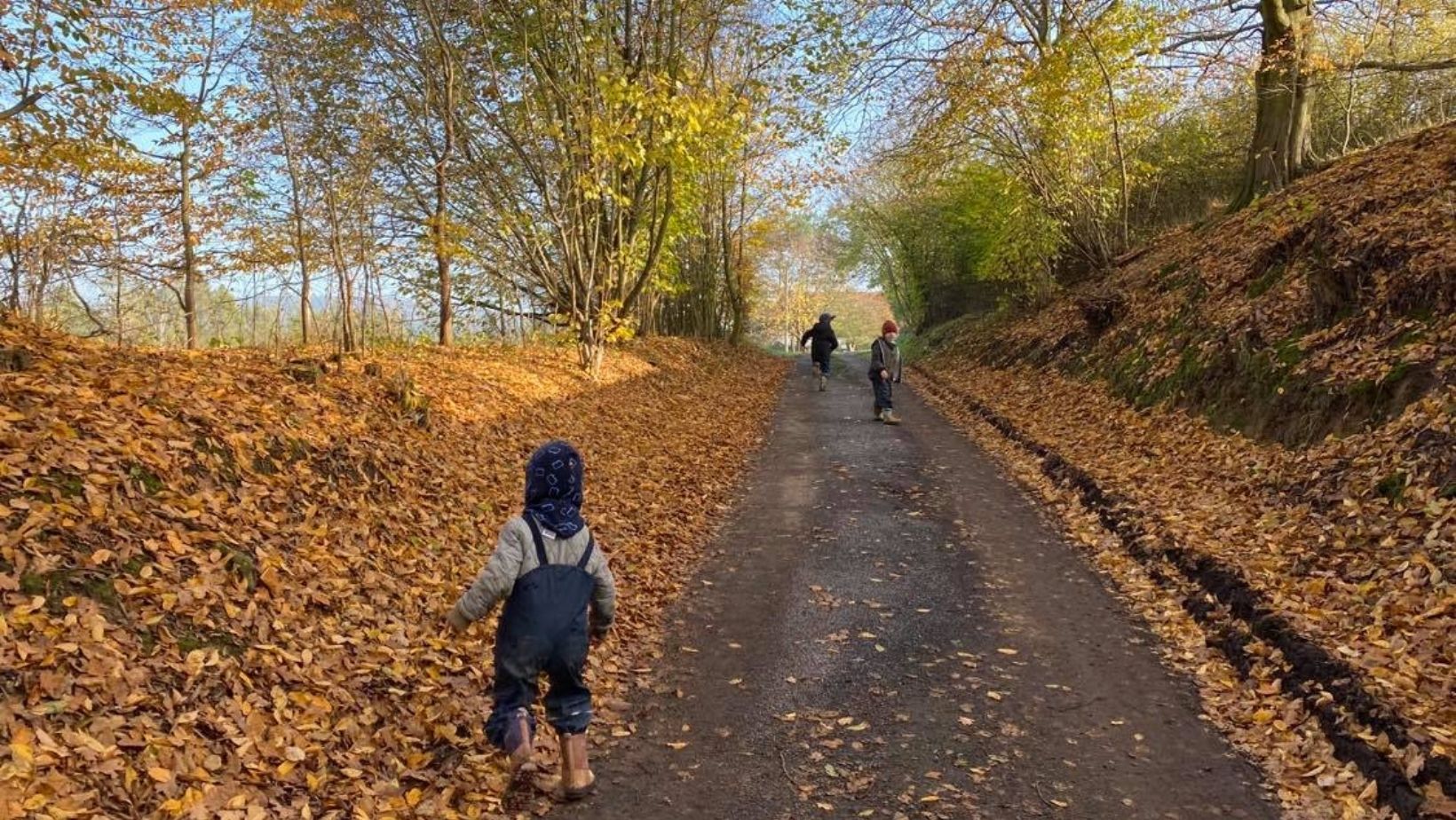
Article by Vita Cafnik, pre-school teacher at Cherry Tree, English-speaking preschool in the heart of Vinohrady. If you are thinking about setting on a marvelous journey of education with your child, you might find yourself overwhelmed with options. Prague truly has a lot to offer when it comes to early childhood education, and there are various things to consider when choosing a school best suited to your needs. If you appreciate nature and all it has to offer, and if you wish your child could spend more time outdoors, a Forest school might be the way to go. Our relationship with nature, and the way we introduce it to our children, set an example for their future and forms a bond that lasts a lifetime. By greeting the outdoors with open arms, Forest schools offer a beautiful gateway to learning, paved with wonder and discovery. The learning process of Forest schools has a long tradition. Originating in Scandinavian countries, it has since gained popularity all over the world. Including right here, in Prague. Focusing on outdoor education, Forest schools moved their classrooms into open-air settings by letting kids grow with nature and helping nature prosper by raising environmentally conscious kids....
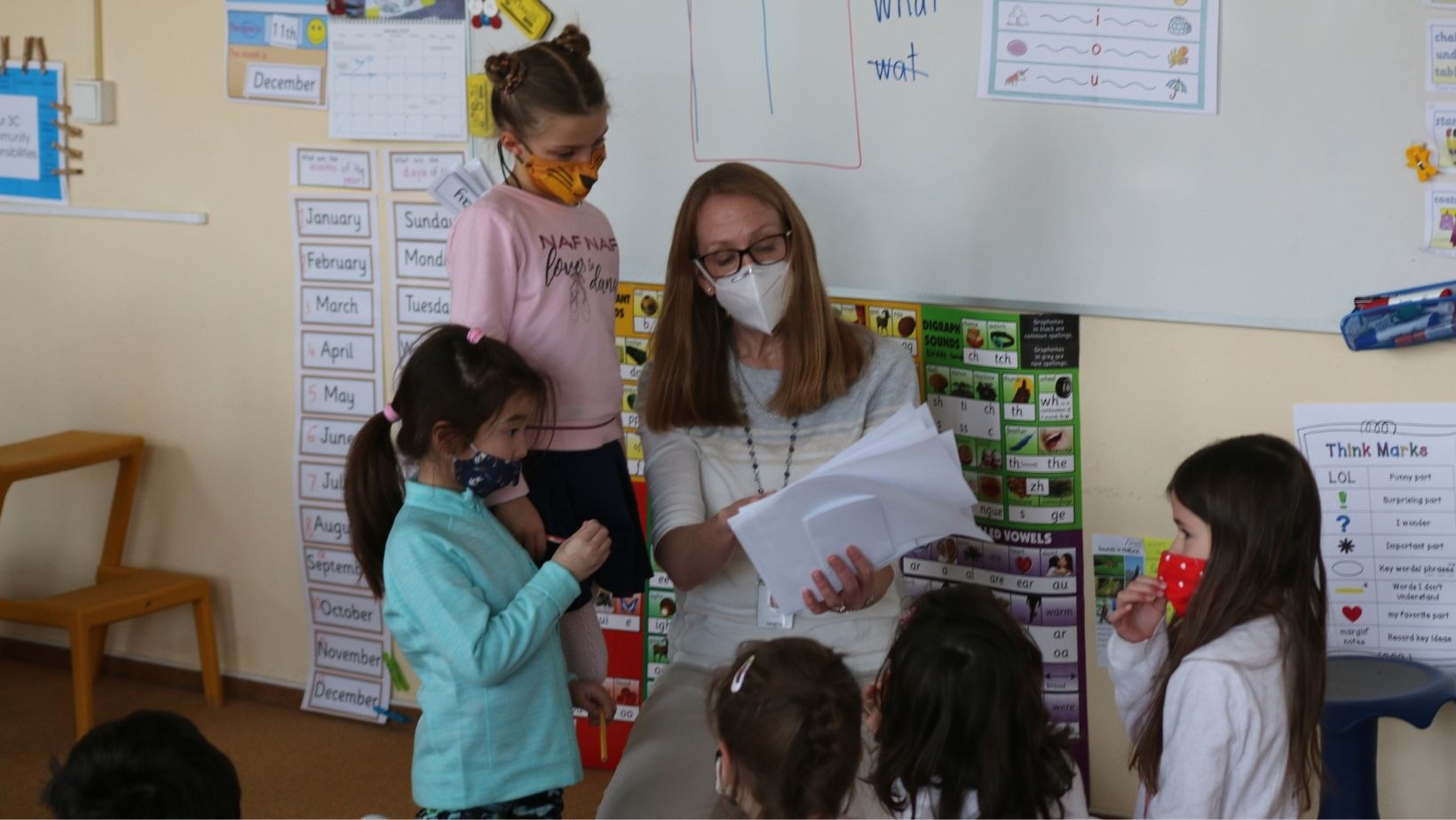
Article written by Kathy Zabinski, Literacy Coach at International School of Prague Oral language, speaking and listening, is an important foundation for learning to read and write. Understanding this, the International School of Prague’s Early Childhood Foundation’s program provides young children with both informal and structured opportunities to grow as speakers and listeners. Children build their vocabulary, begin to internalize sentence structures, and develop listening skills to build social connections and to learn new information. This year our Early Childhood Foundations’ teachers have engaged in a professional inquiry exploring the relationship between oral language, reading, and writing. Working with renowned early literacy experts, Matt Glover and Kathy Collins, and collaborating with international school teachers around the world, we are studying how students tell stories. As Matt and Kathy write, “When we can notice and name how children are composing language in one area, we can use that knowledge to support how they compose language in another area.” For example, if we notice a child making connections across pages and using that to say more about each page in her writing, we can then ask her to try this when reading. Our professional inquiry with Matt and Kathy is focused on...
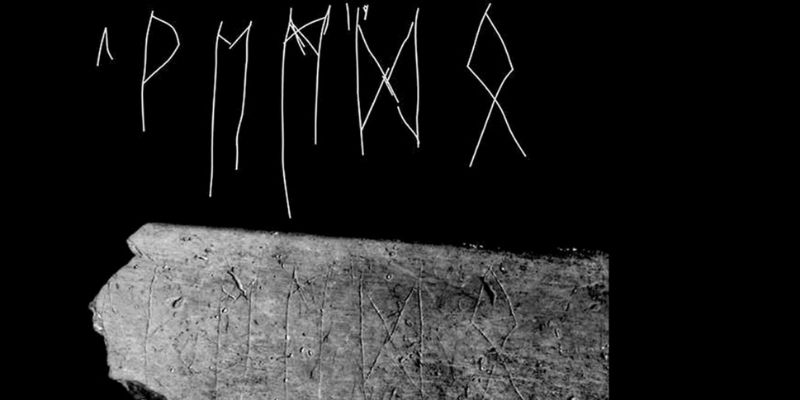
An inscribed cow bone dating back to the seventh century proves that Germanic runes were the oldest script ever used by the ancient Slavs, Czech scientists said Thursday. The Glagolitic alphabet or Glagolitsa is the oldest known Slavic script which was introduced in the mid-9th century and was used in the Slavic world until the 16th century when it was eventually replaced by the Latin script. Until today. An international team of scientists found out on the basis of an inscription on a bone (broken bovine rib) discovered four years ago in the locality of Lány near Břeclav, that the first Slavic script is the so-called Germanic runes. The team used genetic and radio-carbon testing to examine the bone. “The bone, which we found during research in 2017, was examined by an international team of scientists and they found that it is the oldest inscription found in the Slavs, which is an unprecedented success not only in the Czech Republic but throughout Europe,” said the head of the Institute of Archeology and Museology Jiří Macháček. Robert Nedoma from the University of Vienna identified the inscription as so-called Elder Futhark runes, used by the German-speaking inhabitants of central Europe in the...
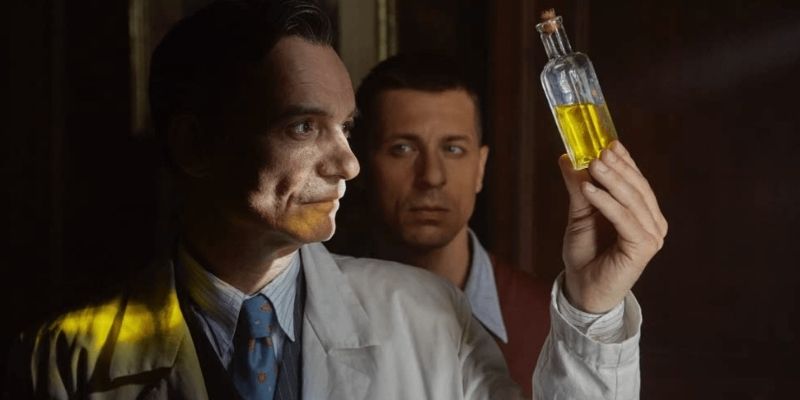
The Czech film Charlatan by Polish director Agnieszka Holland has been shortlisted among the 15 films nominated for the Academy Awards in the Best International Feature Film category, the US Academy of Motion Picture Arts and Sciences announced on Tuesday. Unlike in past years, when ten films qualified for the Best International Feature Film Category, 15 films were nominated this year. Charlatan is a biographical drama about a Czech healer who cured hundreds of people, including the Czechoslovakian communist president, Antonin Zapotocky, using plant-based remedies. A three-time Oscar nominee, Holland – who was recently elected President of the European Film Academy (EFA) – has directed many successful films, including To Kill a Priest (1988), Europa Europa (1990), and Washington Square (1997). Holland, who has never been afraid to cover controversial subjects in her films, has also worked in television. Among the international productions directed by Holland were several popular series, including ‘House of Cards’, ‘The Wire’, ‘The Killing’, and ‘Treme’. The Czech Republic won the Oscar for Best Foreign Language Film three times, twice as Czechoslovakia (The Shop on Main Street, 1966; Closely Watched Trains, 1968), and once since its independence (Kolya, 1997). Nominations for Oscars 2021 will be announced on...
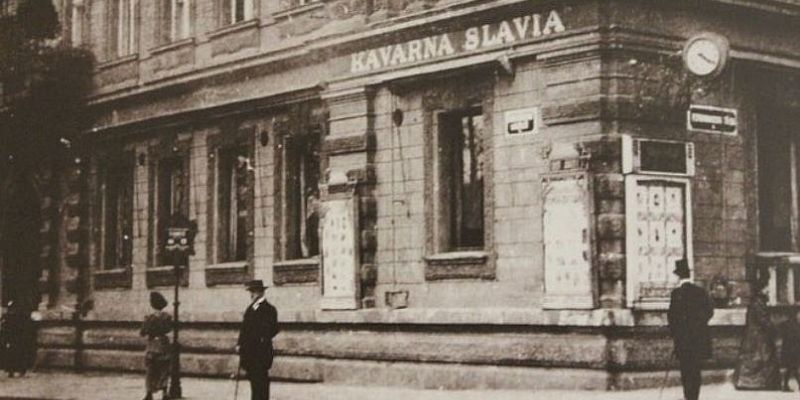
During the First Czechoslovakia Republic, artists, patriots, merchants of industry, and the affluent all flocked to Prague which became the country’s cultural hub. It was in the city’s many cafes that the artists, poets, writers, and journalists would gather. For artistically inclined Praguers, the Slavia Café became a local favorite where creatives could converge and enjoy riverfront views. The wealthy elites would also find themselves at Slavia and enjoy close proximity to the National Theater. The era of the first republic is often referred to as the golden age despite the vast wage gap between the affluent and the poor working class. Café Slavia was named for the Slavic pride of its founders and still stands to this day. Situated on Wenceslas Square is Café Evropa nestled within the Grand Evropa Hotel. The Art-Nouveau décor at Café Evropa harkens back to its opening in 1889. It is said that the hotel’s café and restaurant are believed to be the inspiration of the dining room in James Cameron’s classic film Titanic. It was during this era that Parisian coffee grew in popularity and Café Louvre became the go-to spot for the affluent to gather. The café featured a games room with...
Don’t have an account? Register
[swpm_registration_form level=”6″]
Already have an account? Log In
How Would You Like to Promote Your Business? PR ArticleDisplay bannersVideo productionNewsletter adsJob ListingsInfluencer Marketing
Your Email
We will come back to you within 24 hours with our proporsal