If your day doesn’t start until you’re up to speed on the latest headlines, then let us introduce you to our new morning fix. CZECH REPUBLIC According to Eurostat, governments across the EU spent over €100 billion on research and development (R&D), equivalent to 0.8% of GDP. The highest spending per capita was recorded in Luxembourg, while Czech Republic ranked 15th of 27th, with just under €150 per person. A discussion is underway in the European Union about the color-coded labeling of food products, the so-called Nutri-Score, to indicate how healthy they are. Some Czech food manufacturers are not waiting for legislation, and have started using the scheme themselves. Former Czech president Václav Klaus has been admitted to hospital for the second time in a matter of weeks. A spokesperson said the 80-year-old was suffering from high blood pressure, the same problem that saw him taken into Prague’s Central Military Hospital the first time. WORLD Manufacturers will be forced to create a universal charging solution for phones and small electronic devices, under a new rule proposed by the European Commission (EC). The aim is to reduce waste by encouraging consumers to re-use existing chargers when buying a new device. All...
The Chinese carmaker Dongfeng has started offering cars and electric cars in the Czech Republic. Next year it wants to sell 300 electric cars and the same number of petrol cars in the country. It now has homologated three models including two petrol SUVs and one electric SUV. A sports electric car with an output of 510 kW is to come to the domestic market by the end of the year, and a luxury electric car by the middle of 2022. Donfeng Motors is one of the three largest carmakers in China with an annual production of more than 3.5 million cars. Distribution for the Czech Republic will be provided by Bidli, which has so far operated mainly on the real estate market, but also supplies photovoltaic power plants or sells energy. The cars will be offered in the car center in Vestec near Prague, where there is also a service, and at the Bidli branches, of which there are currently 35. The cars will also be sold on the Internet. Service in individual regions will be provided by contractual partners. Dongfeng wants to compete in the Czech market mainly with pricing. It starts with the Glory 580 petrol model at...
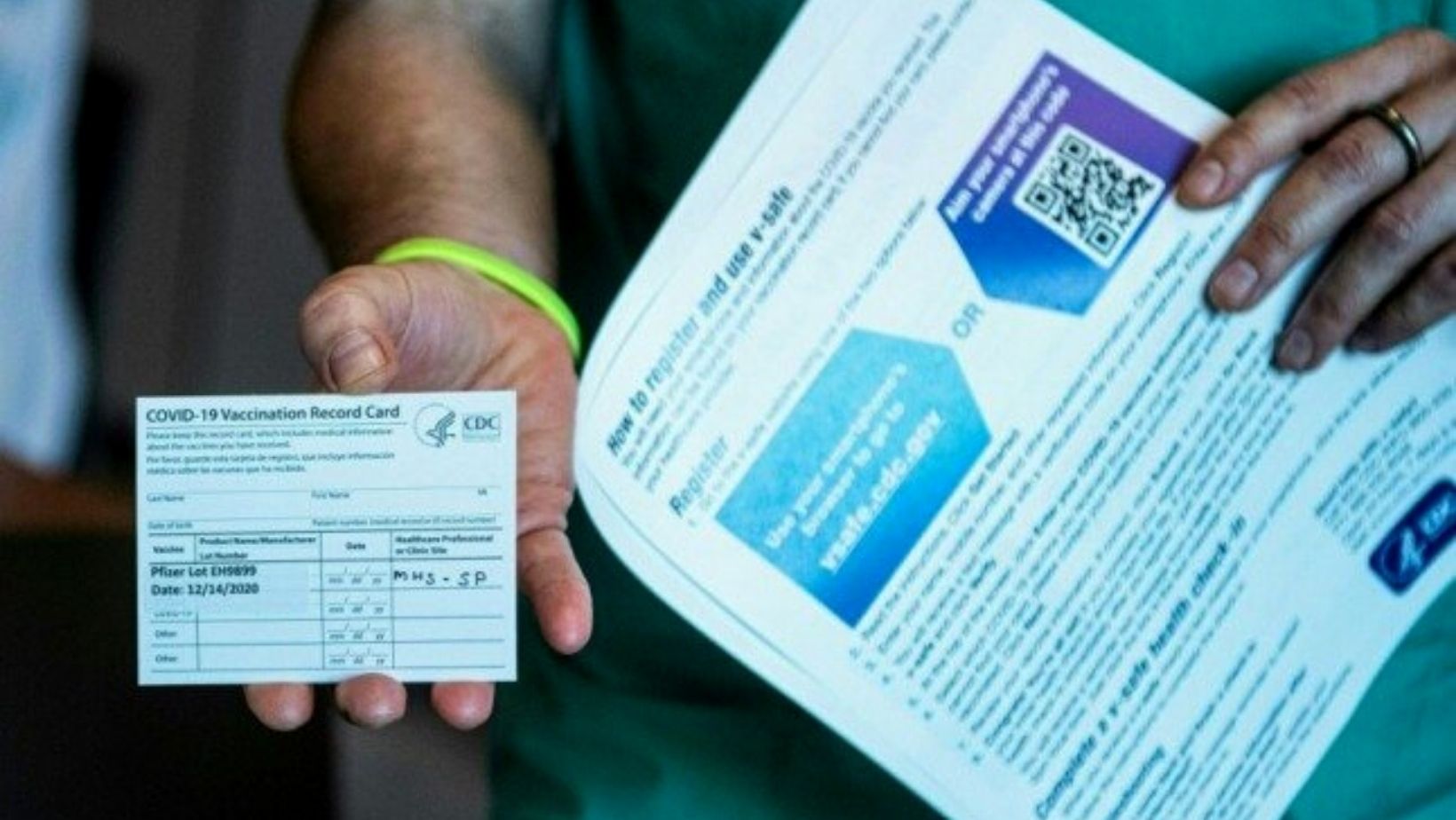
For a long time, Czech authorities didn’t accept vaccination certificates from outside the EU/EEA. This complicated the lives of expats living in the Czech Republic and also potential tourists from non-EU states who – despite being fully vaccinated – weren’t able to enter the country without restrictions. This has recently changed. However, the access isn’t a blanket one – there are some conditions. Fully vaccinated third-country citizens allowed entry At the end of August, The Ministry of Foreign Affairs announced that the Czech Republic was expanding the list of countries whose vaccination certificates would be accepted in the country. The list contains certificates that will allow their holders to use establishments (such as restaurants, pools, or cinemas) and various services (such as hair salons and massage parlors). More importantly, holders of certificates from approved countries can travel to the Czech Republic from any country (including high-risk countries) without having to self-isolate upon arrival (though they still have to fill out the passenger locator form). Included countries There are three groups of countries who have been included on the list in addition to all countries of the EU which already use the EU COVID-19 passport. Iceland, Liechtenstein, Norway, San Marino, Switzerland,...
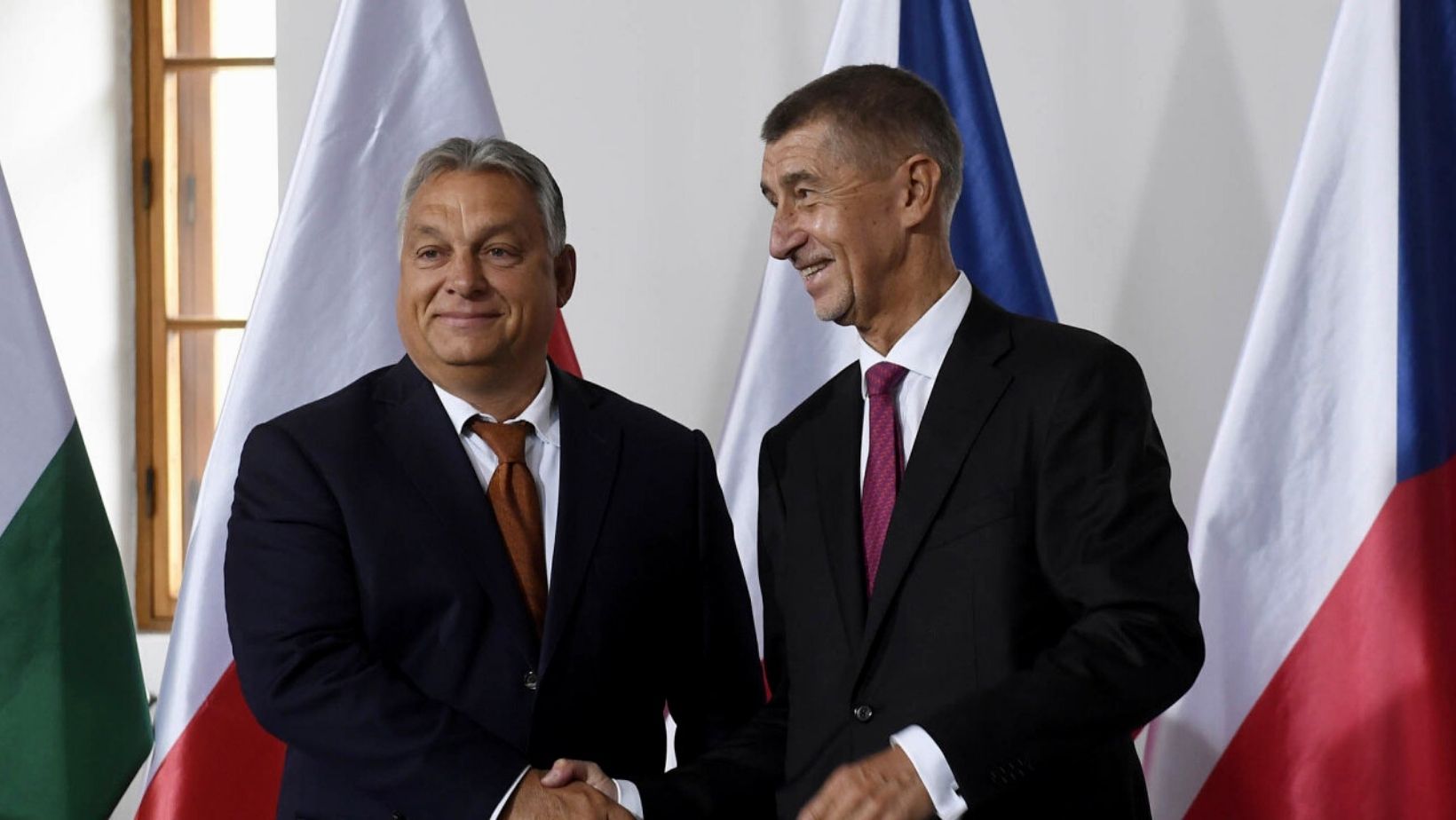
If your day doesn’t start until you’re up to speed on the latest headlines, then let us introduce you to our new morning fix. CZECH REPUBLIC The far-right SPD party, which may play a role in forming a new Czech government next month, would demand the cabinet propose legislation that could lead to a referendum on leaving the European Union, party chief Tomio Okamura said on Wednesday. Prime Minister Andrej Babis (ANO) and his Hungarian counterpart Viktor Orban will visit the North Bohemian Usti Region next Wednesday and Orban will also come to an election rally of ANO, government spokesman Vladimir Vorechovsky told the daily Denik N on Wednesday. The Czech Republic has asked Russia for legal aid in connection with the investigation into the blasts in the ammunition depot in Vrbetice, south Moravia, of which Russian military intelligence (GRU) agents are suspected, the Regional State Attorney’s Office in Brno said in a press release on Wednesday. WORLD No salary for no vax who should be in quarantine: this is what was decided in Germany by the Minister of Health, Jens Spahn, in agreement with colleagues from the Lander. According to what was leaked, the rules will affect both those...
If your day doesn’t start until you’re up to speed on the latest headlines, then let us introduce you to our new morning fix. CZECH REPUBLIC The Czech Republic’s total foreign indebtedness rose to 164.17 billion euros at the end of June from revised 163.57 billion euros at the end of March, the central bank said on Monday. The Moravia-Silesia customs officers have revealed an international gang of pervitin (methamphetamine) producers and seven people, including one Pole, have been accused in the case. They face up to 18 years in prison if convicted. The police assume they made some 70,000 meth doses worth 14 million crowns. World-famous Czech-French photographer Josef Koudelka donated today some 2,000 pictures taken across his life-long career to the Czech Republic and the Prague Museum of Decorative Arts is going to get the largest share of the collection, 1,800 pieces. The administrative procedure has taken many years and the donation contracts are signed progressively. WORLD Canadians gave Prime Minister Justin Trudeau’s Liberal Party a victory in Monday’s parliamentary elections, but his gamble to win a majority of seats failed. Trudeau’s Liberals were leading or elected in 157 seats – exactly the same number they won in...
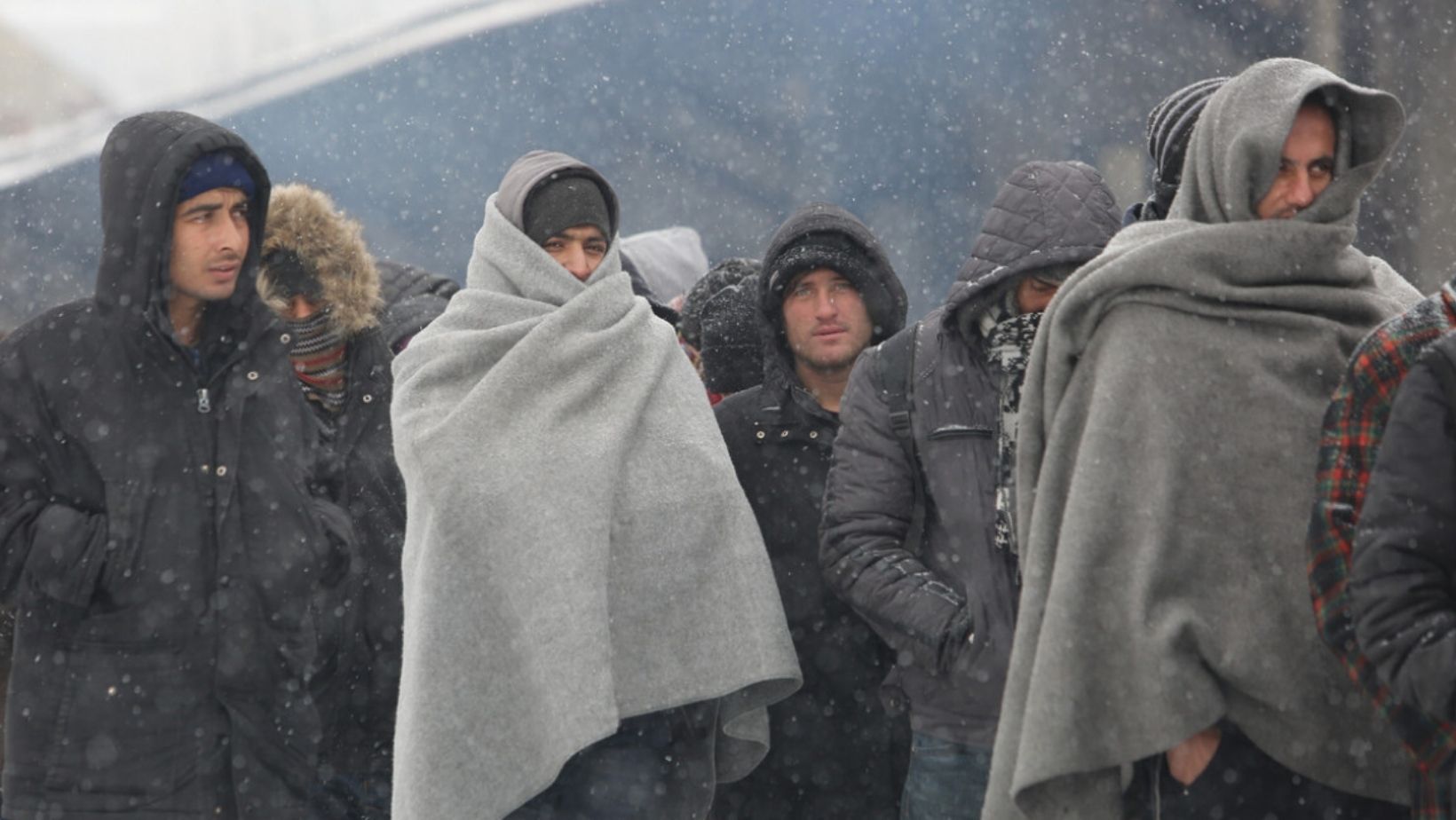
On 17 September, the Ministry of the Interior in the Czech Republic assured citizens that the country is prepared to protect its borders in the case of crisis. Since 2015, the ministry has reportedly invested CZK 380.5 million in modern technology and new equipment for the Foreign Police. As TheMayor.eu reports, the government saw the need for such investments following the 2015 migrant crisis that overwhelmed Europe. According to the Minister of the Interior Jan Hamáček, Czechia was unprepared at the time. For this reason, it has now focused on the acquisition of equipment that will guarantee the protection of the country’s borders. In a press release, the ministry revealed that its investments have resulted in a total of nearly 100 new vehicles and thousands of other equipment. More specifically, the police force can now make use of buses equipped with internal mobile laboratories that detect forged travel documents. Furthermore, it has acquired heartbeat sensors that make it possible to detect illegal migrants that may be hiding in vehicles. Beyond this, the ministry has invested in various other technologies such as drones and thermal cameras. Commenting on the need for these modern devices, Hamáček shared: “In 2015, we had almost no modern technology and our...
A new memorial dedicated to the victims of the Armenian genocide was unveiled in Kralupy nad Vltavou. It was made by an Armenian native Telman Nersisjan, who lives in Kralupy. According to the author, the khachkar (cross-stone) will also stand as a symbol of solidarity and cooperation between peoples. The official unveiling was also attended by Armenian Ambassador Ashot Hovakimijan and Cardinal Dominik Duka, who blessed the monument. The deputy mayor of Kralupy Libor Lesák noted that Armenians settled in their city in the 1990s, showed their best, received higher education here and provided worthy services to the city. According to him, Armenians deserve to have their monument in this city. Armenian Ambassador to the Czech Republic Ashot Hovakimyan noted that this year Armenians around the world marked the 106th anniversary of the Armenian Genocide, and in fact, the 6 million Armenian Diaspora are the descendants of Armenians scattered around the world as a result of that genocide. The Ambassador stressed that Armenians all over the world are fighting against the denial of the Armenian Genocide, which Turkey continues to deny, and thanked the countries that support the Armenian people in their struggle. In particular, Ambassador Hovakimyan expressed his gratitude to the...
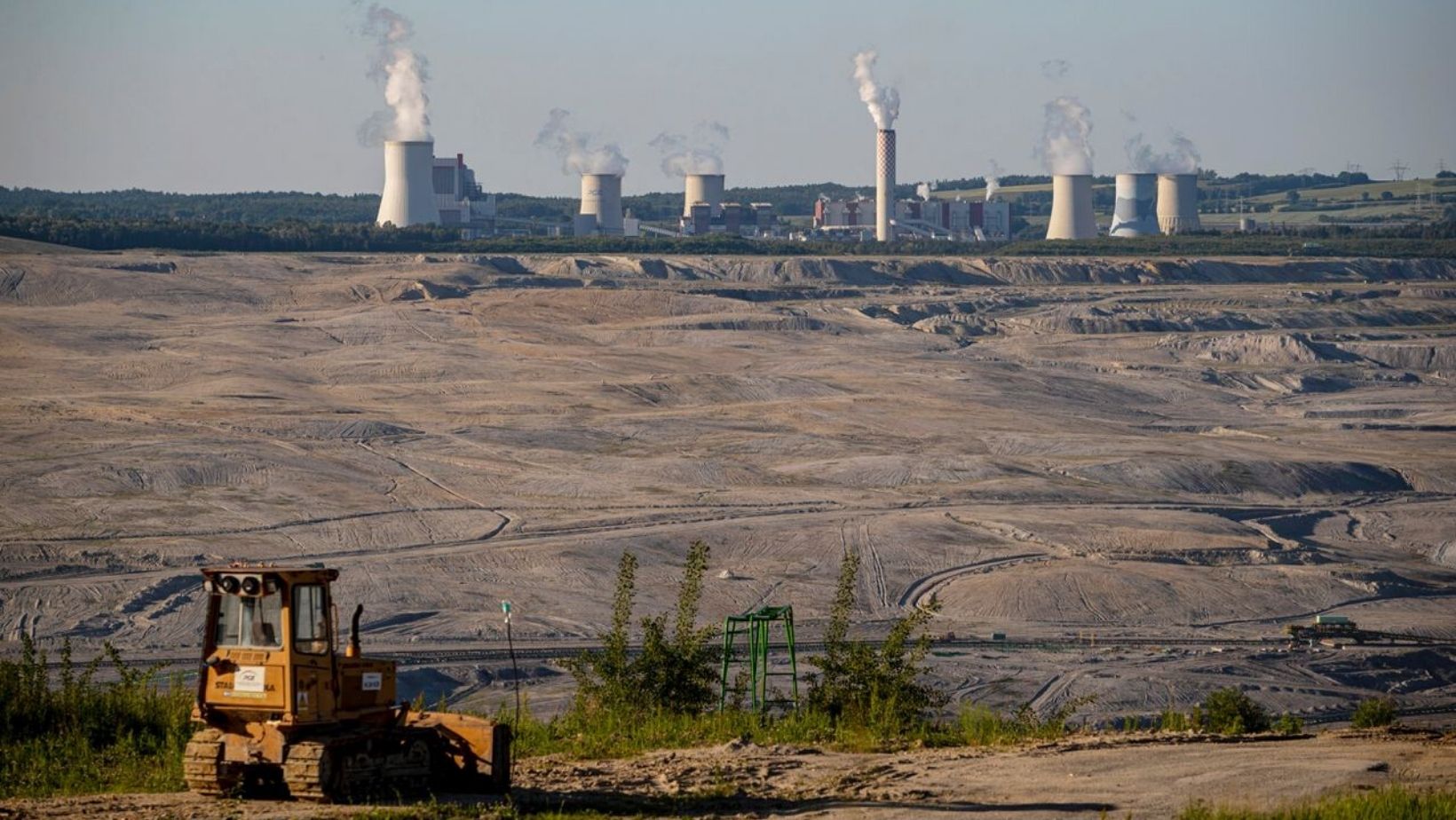
The European Union’s top court on Monday ordered Poland to pay a daily fine of 500,000 euros until it complies with an earlier ruling to shut down a lignite mine near the border with the Czech Republic and Germany. The Court of Justice of the European Union said the daily fine was necessary to get Poland to comply with the court´s temporary injunction in May that called for the immediate closure of the Turow mine, in the southwest. Poland has refused to close the mine, arguing it supplies the key Turow power plant that generates around 7% of the country’s energy supply. The Polish government tried, but has so far failed to settle the dispute out of court in talks with Czech authorities who had sought the closure order. Prague had wanted the court to impose a 5 million euro daily fine on Poland. The Czech government welcomed the decision, saying that the open-cast mine is draining water from Czech villages in the area and doing other harm to the local environment. But Polish government spokesman Piotr Mueller said the fine is not commensurate with the circumstances and undermines efforts to achieve a settlement with Prague. Mueller said in a...
If your day doesn’t start until you’re up to speed on the latest headlines, then let us introduce you to our new morning fix. CZECH REPUBLIC Poland has been ordered to pay a daily penalty of €500,000 to the European Commission over its failure to respect a court ruling to halt operations at its Turow lignite mine, the EU’s top court said on Monday. The US Molson Coors is probably going to sell Pivovary Staropramen. Four sources familiar with the situation independently confirmed to Hospodářské noviny that the brewery is to be for sale soon. As early as 2020, the global brewing group hired Bank of America to develop a plan to sell Staropramen by the end of 2020 or early 2021. However, due to the coronavirus pandemic, the deal was delayed. The Czech Republic ranked fifth globally in the list of 47 countries most suitable for manufacturing. Within Europe, it is first. This is according to the Manufacturing Risk Index by Cushman & Wakefield (C&W). WORLD The United States in November will re-open for air travelers from 33 countries including China, India, Brazil and most of Europe who are fully vaccinated against COVID-19, the White House said on Monday, easing...
Employee engagement is one of the most important aspects of any company that ensures great performance and boosts profits. However, in the COVID-19 era, most businesses struggle to keep their workers motivated. Having focused and excited workers is what makes any company and business successful. However, it is not always easy for businesses to keep their workers content and committed. Any group environment can sometimes lead to un-cooperation, demotivation, or even conflicts between its members, and such situations directly affect the performance of a business. Especially during the global pandemic and the experiences of isolated home-office, many have found themselves struggling to stay involved and interested in their jobs. Unfortunately, it has been a major challenge for companies around the world to keep the team spirits high. Research shows that employee engagement at companies should not be overlooked. Partially because ⅓ of employees is constantly looking for new opportunities, both intentionally and casually. Mainly because 85% of the global workforce is not engaged at their work. As a result, businesses with highly engaged workers are 22% more profitable and can retain top talent for longer. Going on business trips, developing friendships at work, and having offline team-building activities can significantly boost employee engagement rates. At the time of the global pandemic, wellness programs for employees have been deprived of these usual interactions...
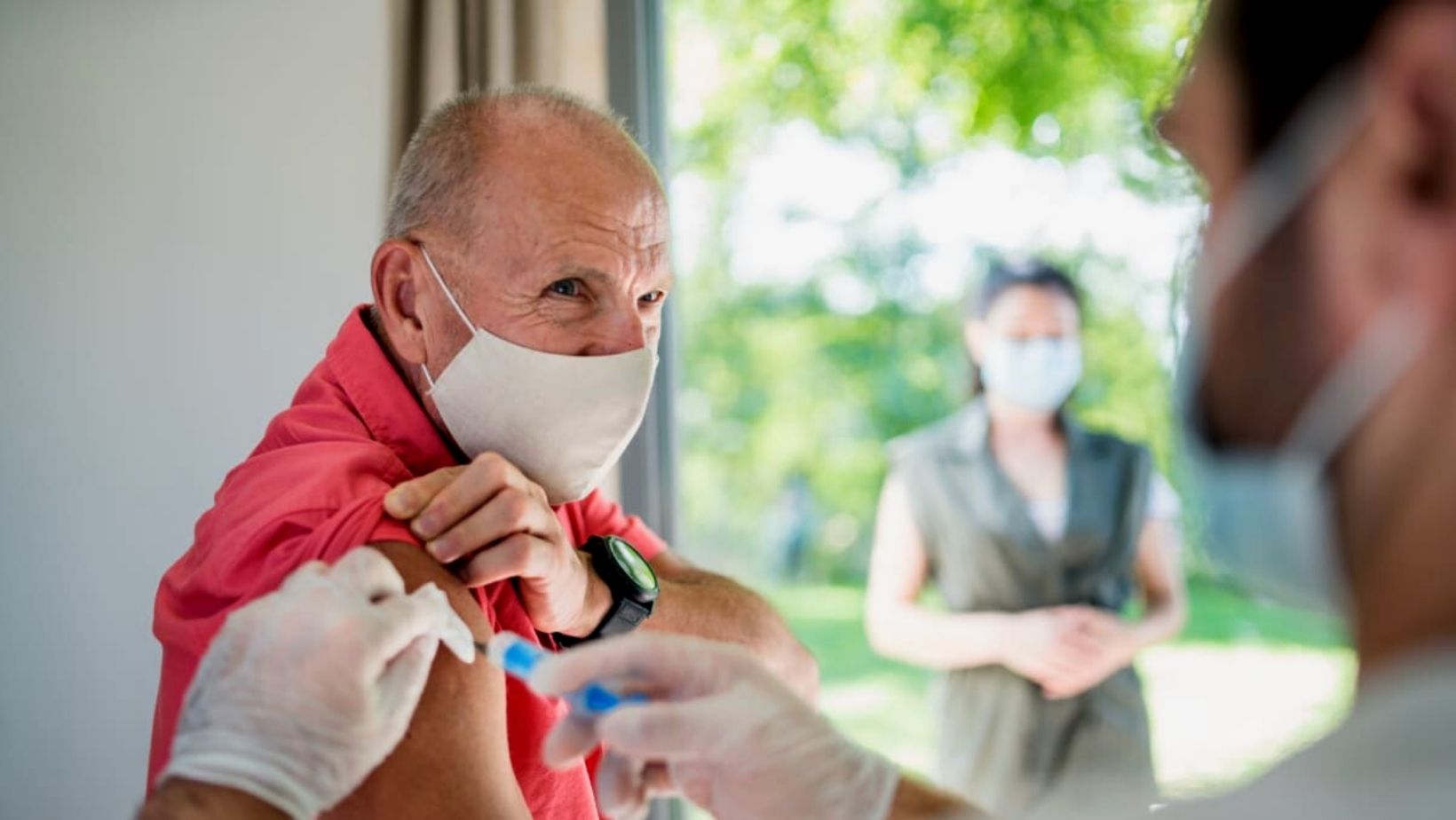
The Czech Republic is expanding its vaccination program to offer a third dose of a vaccine amid rising infections. The Health Ministry has recommended the booster shot for anyone older than 60, health workers, and other vulnerable groups. On Monday, the first 8,000 people received a text message from the authorities that they are eligible for the third shot. They can be given it no earlier than eight months after receiving their second dose of vaccine. Those whose immune systems are compromised and others who are seriously ill can get the booster shot as soon as four weeks after the second shot. The Pfizer and Moderna vaccine will be administered at vaccination centers in hospitals and by general practitioners as most mass vaccination centers are being closed due to falling interest. “The general rule says that all people who completed the first vaccination at least eight months ago can get the third jab,” said Health Minister Adam Vojtěch, noting that a booster shot is “strongly recommended” for people with weak immune systems. Only mRNA vaccines will be used, even for those who were previously vaccinated with AstraZeneca or the Johnson & Johnson jab. EU countries currently have no common approach...
It once seemed relatively uncontroversial: a 25-page document meant to reduce violence against women across Europe. But a decade later, the initiative, known as the Istanbul Convention, has unexpectedly become a proxy fight for the larger culture wars brewing between East and Western Europe. One by one, Eastern European countries are turning their back on the document, claiming it will erode their version of “family values.” Turkey, which hosted the convention that produced the document, will withdraw from the convention on July 1. Poland has signaled it is questioning the agreement. The Czech Republic, Hungary, Bulgaria, signed the document, but haven’t translated its provisions into law. Czech opposition to ratification has grown due to concerns that it aims to undermine “traditional family values”: for example, that is promoting same-sex marriage, or would legally-recognise “third sex” status, or automatically grant “refugee” status to transgender or intersex people. “When [the Czech Republic] put its signature to the Convention, a few years ago, there was no such discussion here. But in between, many things happened and now the society is divided. Many people when they hear ‘Istanbul Convention’ directly think it has something to do with migration or the effort to legalise homosexual marriages...
Don’t have an account? Register
Already have an account? Log In
How Would You Like to Promote Your Business? PR ArticleDisplay bannersVideo productionNewsletter adsJob ListingsInfluencer Marketing
Your Email
We will come back to you within 24 hours with our proporsal