The number of cyberattacks launched against the Czech Republic’s health sector saw a 267% year-on-year increase in 2020, the annual report of the country’s National Cyber and Information Agency (NÚKIB) reads. The agency warns that last year saw the development of a new, large-scale trend of ransomware attacks against health facilities. The most serious incident occurred in March of last year when the Faculty Hospital in the city of Brno in the South Moravia region was targeted by a ransomware attack that caused millions in damages and shut down three departments for several weeks. Other targets included the Faculty Hospital in Ostrava, the Regional Hospital in Karlovy Vary, or the Hospital in Benešov. NÚKIB has warned of an upcoming wave of attacks targeting the country’s public and private sectors by a group of cybercriminals aiming to extort payments in Bitcoin. In the last year, several cyber attacks have hit state organisations in the Czech Republic, including Prague airport. The Czech Minister of Labour and Social Affairs, Jana Maláčová, told the Czech media that the ministry had also been targeted, without giving further details.
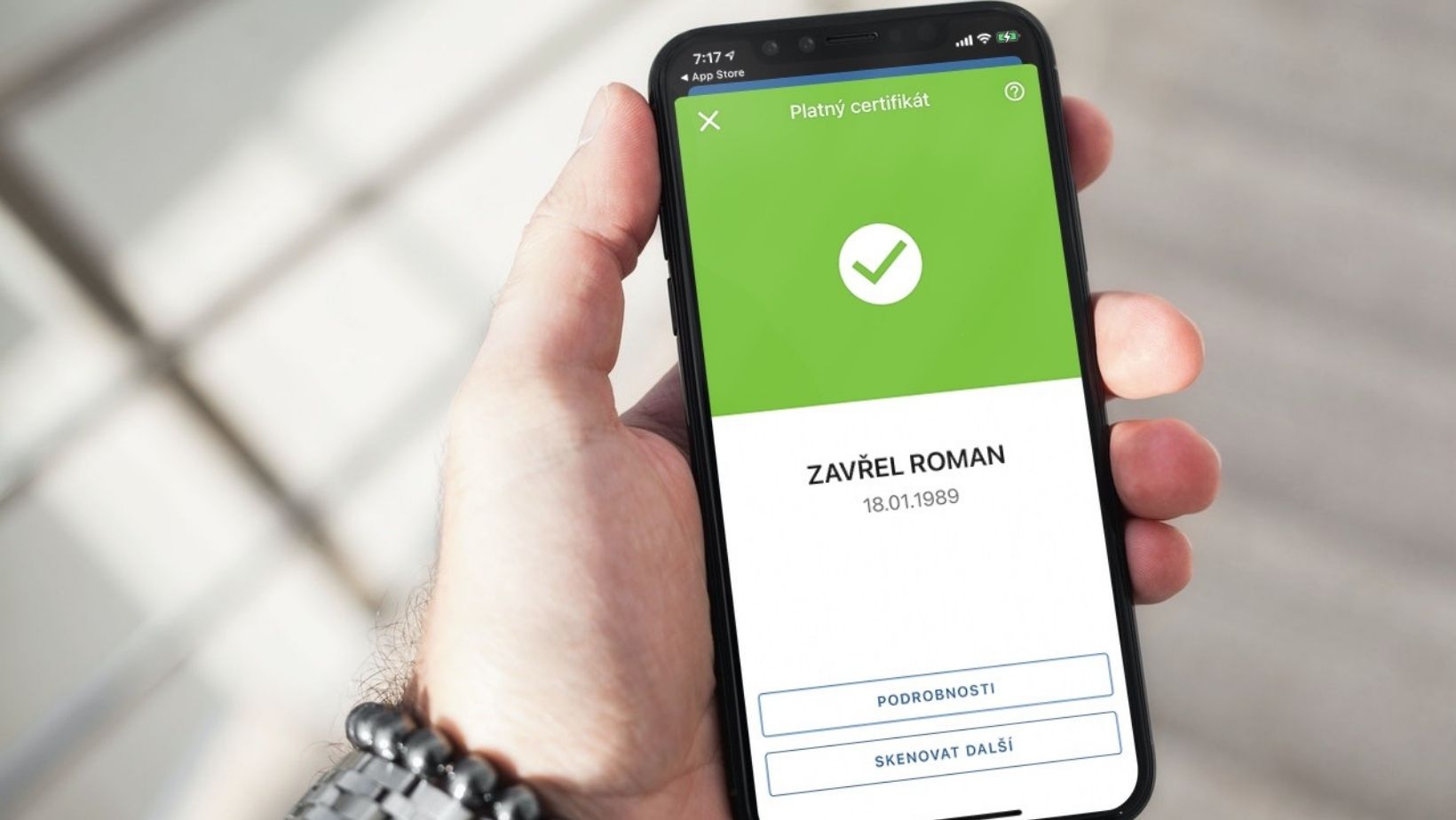
The new ČTečka application will be launched this week. It can be used to check vaccination certificates or Covid-19 testing. “The app displays a green or red bar depending on whether the certificate is valid and complies with the current regulations,” said Lukasz Trnka, an official representative of the National Agency for Communications and Information Technology (NAKIT), about the new app. The čTečka application regularly updates (about once every 24 hours), its parameters – validation rules and signature certificates of EU countries. In the application, you can scan a unique QR code with your mobile phone camera, which is part of each certificate, and immediately check the electronic signature and the validity of the certificate. No internet connection is required. The app will be available on both Android and iPhone, in Czech and English. Main functionalities: load and store current signing keys of EU countries validation rules from the Ministry of Health server scan QR code, verify the electronic signature, check the validity of the certificate according to Czech Republic validation rules display summary and detailed information from the certificate The application doesn’t store or send out the personal data nor the health data of checked persons. One more app...
The leading Czech real estate service Bezrealitky has been investing in property for the past three months and returning them to the market after partial reconstructions. Since March 2021, the web portal has bought 35 buildings for over CZK 200 million as part of its new “Expres” business model. And it has proved effective – the first properties have since returned to the market and were promptly snatched up by new owners. The service “Expres” allows owners to sell a house, apartment, or recreational space at any level of disrepair and in record time. The entire transaction can be handled in three days. Currently, they’ve invested around ⅕ of the planned CZK 1 billion, having bought 7 houses, 26 apartments, and 2 recreational areas around the Czech Republic. So far, a few reconstructed units have been returned to the real estate market, with some already being bought. “Properties are bought via the Expres service for 95-99% of the market price, depending on the condition of the estate, with partial reconstruction increasing their value by an estimated 5-10%,” said Hendrik Meyer, the CEO of Bezrealitky. According to Meyer, the new model has proved successful and has clearly shown that this is...
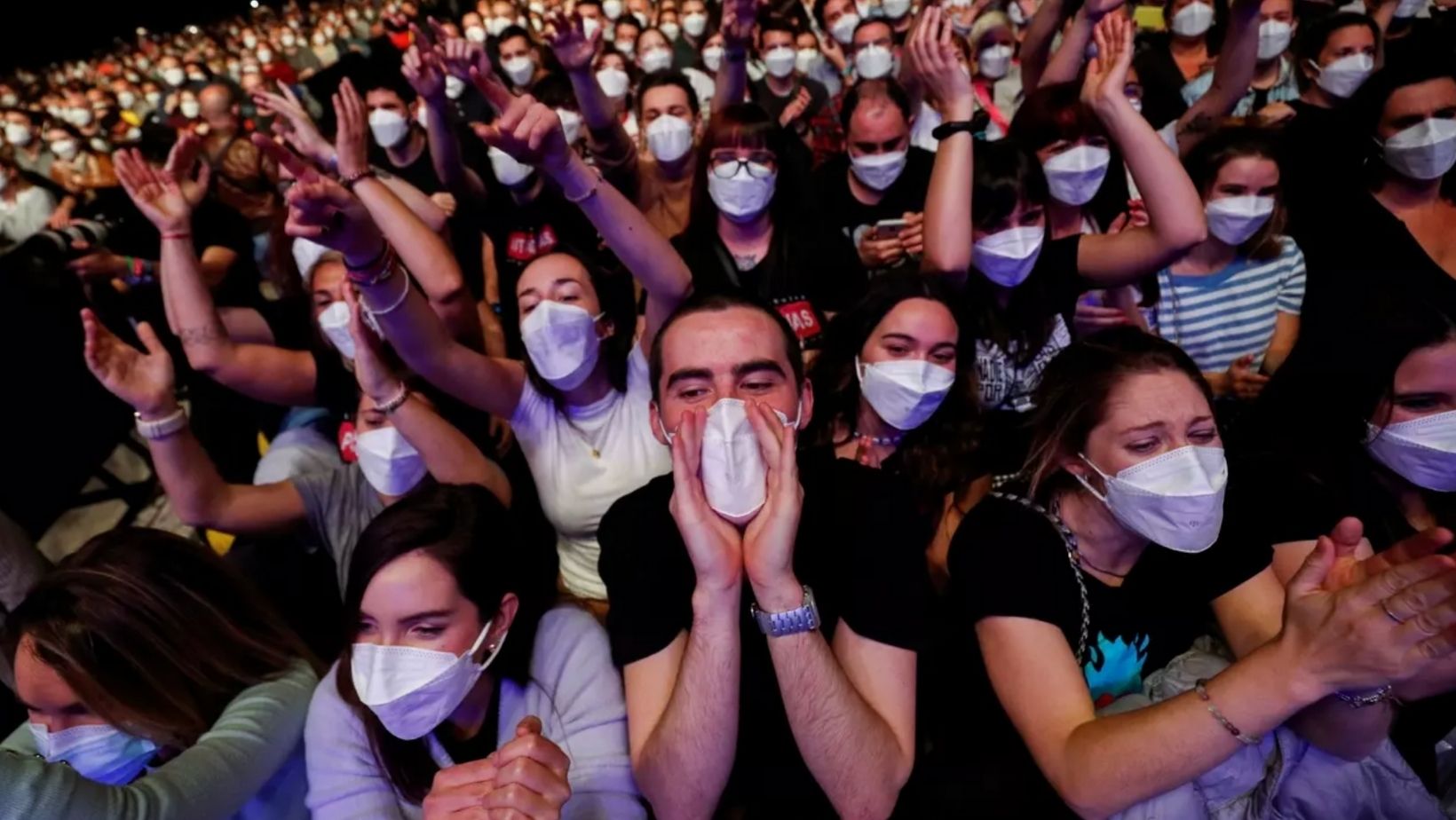
From July 1, the maximum number of participants in cultural events should be increased to 5,000 outdoors and 2,000 indoors, under specific measures. Prime Minister Andrej Babiš stated this in Sunday’s video on social networks. According to him, the government council for health risks and the cabinet will also address wearing masks in schools on Monday. As of today, the capacity outside is unlimited From Tuesday, June 8, there can be 1,000 people indoors and 2,000 outdoors at cultural events. The conditions of testing in cultural events have been unified with restaurants. t will also be possible to consume food presented in a buffet, though not in the auditorium. From today, June 14th, the capacity of outdoor public spaces will no longer be limited, but standing spectators must maintain a distance of four square meters and still need to wear face masks. Indoor spaces are still reduced to half of the normal capacity and with seated spectators only. In schools, masks do not have to be worn in most regions As for the masks in schools, pupils and teachers currently do not have to wear them in most regions, with the exception of the South Bohemia, Zlín, and Liberec regions....
Temperatures over the next seven days will rise to 34 degrees, according to a regular weather forecast issued by the Czech Hydro-Meteorological Institute. “The weather in our country will be influenced by the pressure over Central Europe, which will slowly advance to the east. Between the pressure high over eastern Europe and the low-pressure ridge over western Europe, very warm air will flow towards us from the south,” meteorologists said today. On Tuesday, the sky will be partly cloudy during the day. Lowest night-time temperatures 12 to 8 °C. Daytime highs 25 to 29° C. On Wednesday, the forecasted temperature is 28-30 °C during the day and 17°C at night – the weather will be sunny with no to very few precipitations. Lowest night-time temperatures 15 to 11 °C. On Thursday, the weather will be clear without rains, with temperatures increasing up to 29-33 ° C, around 28 °C in the northeast On Friday morning, the sky will remain clear, with occasional thunderstorms in the afternoon and evening in western Bohemia with a temporary increase in cloudiness. Daytime temperatures will be between 30-34 ° C. Saturday is expected to be partly cloudy, with occasional rain and thunderstorms: 30°C during the...
On Saturday, tests in the Czech Republic revealed 74 cases of Covid-19, which was the lowest increase for the day since July 11. However, weekend numbers tend to be lower due to less testing intensity. There are less than 14 cases per 100,000 inhabitants over the past seven days. Since the beginning of March last year, the ministry has registered more than 1.66 million cases. So far, 30,225 people died of Covid related complications. The mitigation of the epidemic shows a decrease in the incidence number in the most affected districts in the south and west of Bohemia. In Český Krumlov region, the number of newly confirmed Covid cases per week per 100,000 population decreased to 57. The seven-day incidence number also decreased in the České Budějovice region from 51 to 47, in the Prachatice region from 35 to 34, and in the Klatovy region from 41 to 38. 49,416 people received the first dose of the vaccine on Saturday. Almost 6.5 million doses have been given so far. The epidemiological situation is likely to worsen in autumn “There are four scenarios of possible development of the COVID-19 epidemic and the epidemiological situation in the Czech Republic is likely to worsen in the...
On 21 June 2021, the Integration Center Prague (ICP), a non-profit organization, launches Adaptation and Integration Courses for foreign nationals. As of the 1st of January 2021, the courses are compulsory for selected groups of immigrants from countries outside the EU who have acquired a long-term residence or a permanent residence permit in the Czech Republic since the above date (or will acquire it from now on) pursuant to Sections 66 and 67 of the Residence Act. Adaptation and Integration Courses are the results of the successful project Welcome to the Czech Republic, which has been implemented since 2012 by the non-governmental non-profit organization Slovo 21 in cooperation with the Ministry of the Interior of the Czech Republic. What are the first steps to take after arriving in the Czech Republic? Where to find the right information about residence and employment? How do Czech education and healthcare work? Participants in the Adaptation and Integration Courses will learn this and other information regarding functioning of the Czech society and the obligations and rights of immigrants. The courses aim to help foreigners to orient themselves in the new environment and administrative matters, so that they can, among other things, more easily deal...
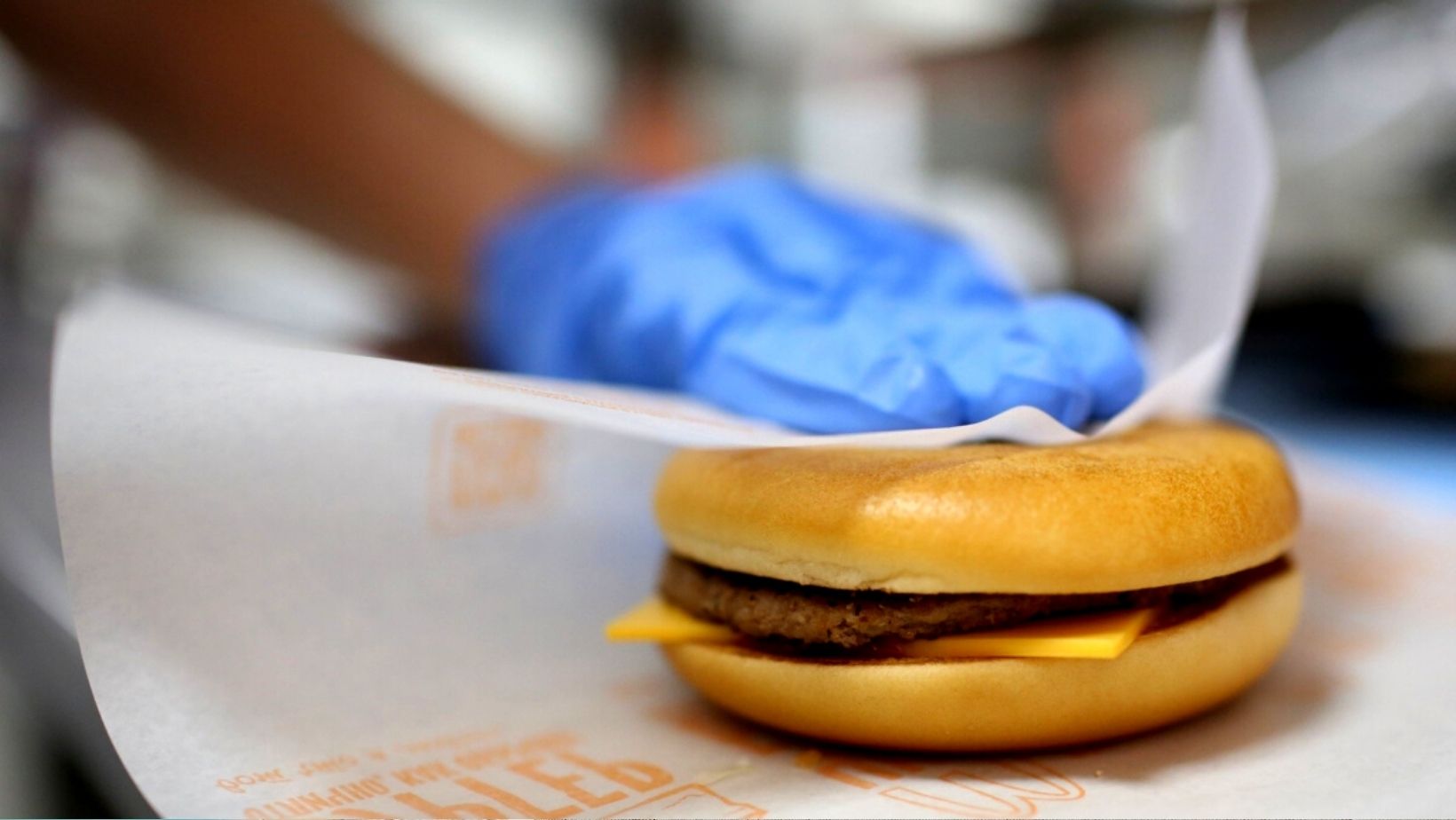
A coalition of civil society organizations samples paper food packaging articles from major fast-food chains and supermarkets across six European countries. Chemical analysis finds 32 articles were intentionally treated with per- and polyfluoroalkyl substances (PFAS); differences identified among countries, results show the currently few national regulations on PFAS are effective where they are in place On May 21, 2021, a coalition of European civil society organizations announced the release of a report finding per- and polyfluoroalkyl substances (PFAS) present in a range of food packaging articles (burger packaging, french fries bags, pizza boxes, etc.) collected from major international fast-food chain restaurants. The study collected 99 samples from takeaway restaurants, supermarkets, and online shops in six European countries (the Czech Republic, Denmark, France, Germany, the Netherlands, and the United Kingdom). 42 of the samples were sent for closer analysis, and 32 showed evidence of intentional treatment with PFAS based on total organic fluorine levels. The report provides a full set of analysis results for all samples, and variation was found across countries. For example, none of the McDonald’s french fries paper bags bought in Denmark had signs of PFAS treatment, whereas this same item, when sampled in the Czech Republic and the United Kingdom, did. As...
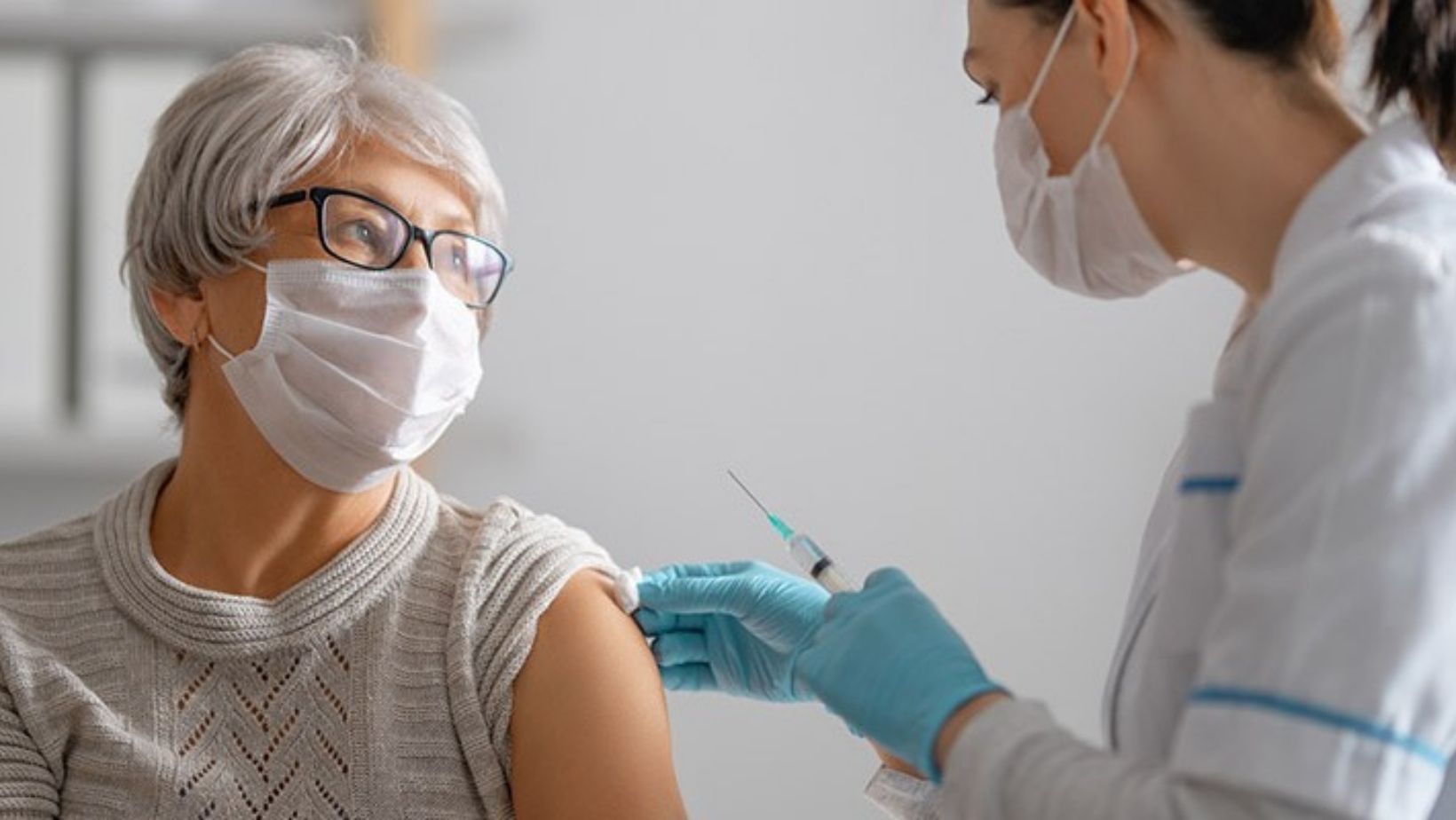
The Czech health ministry recommended on Wednesday that only people over 60 years old should receive COVID-19 vaccines from AstraZeneca and Johnson&Johnson due to a potential risk of blood clots. Scientists and U.S. and European drug regulators have been searching for an explanation for what is causing rare but potentially deadly clots accompanied by low blood platelet counts, which have led some countries to halt or limit the use of the AstraZeneca and J&J vaccines. The Czech health ministry said it made the decision after responding to recommendations from the country’s drug regulator SUKL and the Czech Vaccination Society. U.S., EU, and other regulators have said the benefits of receiving the AstraZeneca or J&J shots outweigh any risks. Vaccinations in the Czech Republic have accelerated in recent weeks with Pfizer’s two-dose jab making up the majority of supply in the central European nation. The number of Covid-19 vaccine doses administered has exceeded six million, according to data released by the health ministry. On Tuesday, 111,024 people were vaccinated, which was some 7,300 more than a week ago. So far, medical professionals administered more than 110,000 vaccine doses a day five times. In total, 6,099,710 doses have been administered, while two...
According to the latest information from the Ministry of Health, the vaccination registration system should finally open to foreigners without public insurance by the second week of June. In vaccination centres, expats will only receive a two-dose vaccine from Pfizer/BioNTech and the price of vaccines should not exceed CZK 850. At least one vaccination site will be designated in each region and there should be more vaccination sites established in Prague. For more information, you can call the free Prague vaccination helpline 800 160 166. The helpline is open on working days: on Mondays and Wednesdays from 8 AM to 6 PM; Tuesdays and Thursdays from 8 AM to 3 PM; and on Fridays from 8 AM to 2:30 PM. If you have any questions or problems with the registration, you can contact the Assistance hotline 1221, which is available every day from 8 AM to 7 PM, where they can also help with registration and reservation if you do not have internet, for example. Moreover, you can e-mail in support of the Central Reservation System at [email protected]. What about self-payers? The Thomayer University Hospital announced a launch of vaccinations for foreign self-payers who are not insured with a Czech health insurance company, starting from July...
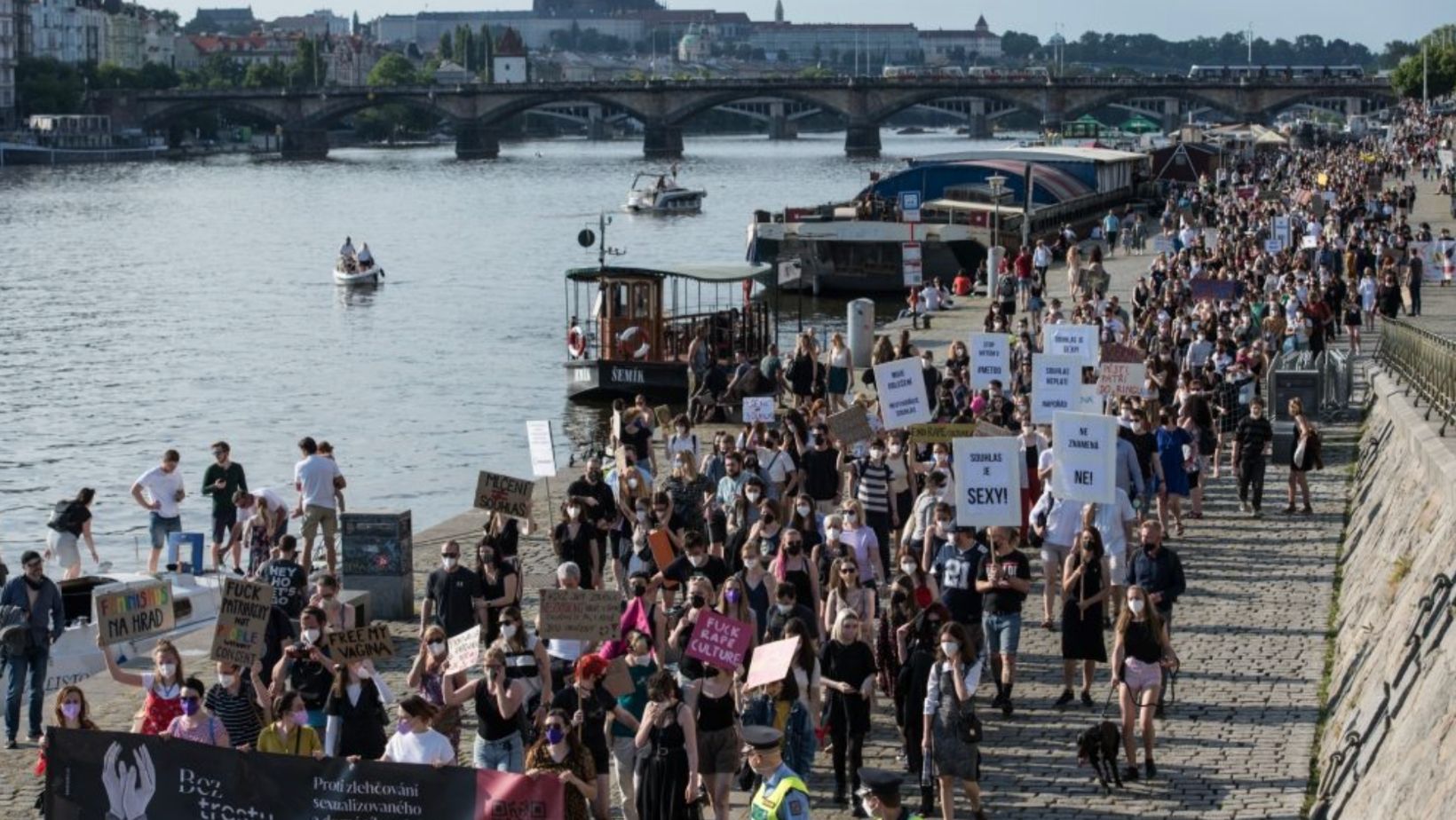
About 400 people gathered in Prague on Friday to march from Palackého náměstí to the Justice Ministry to draw attention to what they say is insufficient punishment for perpetrators of sexual and domestic violence in the Czech Republic. The legal definition of rape under Czech law requires violence or the threat of violence, or abuse of the victim’s inability to defend themselves. Campaigners argue that this definition is far too narrow and contributes to the tiny number of rapes that are reported in the country. It is estimated that about 12,000 rapes are committed each year in the Czech Republic, according to Johana Nejedlová, the founder of Konsent, a non-profit organization campaigning against sexual violence, but only about 600 of these are reported. A fraction of these – only 78 cases in 2019 – end in successful prosecutions. Konsent, together with Amnesty International and the women’s rights non-profit group Česká ženská lobby (Czech Women’s Lobby), are calling on Czech politicians to support a bill expanding the definition of rape. “We are asking for a new definition of rape that includes lack of consent as opposed to criminalizing only the use of violence,” said Nejedlová. About 90% of rapes in the Czech Republic are committed by either partners, family members or someone the...
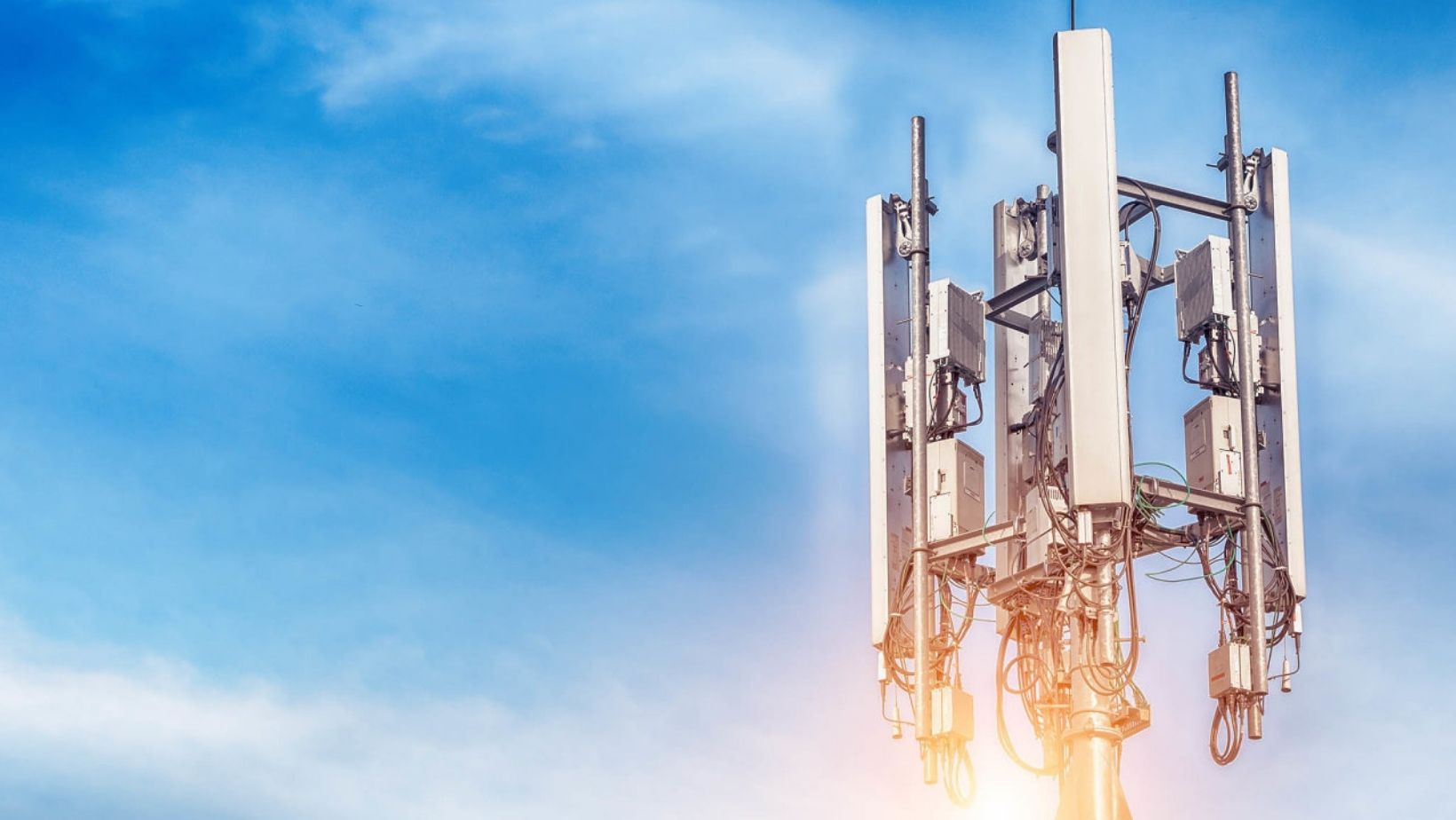
O2 Czech Republic will make the 5G network available in almost 60 cities by the end of June 2021. Technical director Jan Hruška said that in addition to Prague, Brno, and other regional centers, residents of Děčín, Špindlerův Mlýn or Poděbrady will also be able to use 5G. Together with CETIN, the operator started the replacement of radio technology and the modernization of the mobile network in March 2021. Ericsson was selected for implementation. O2’s 5G network will be delivered via the 3.7GHz band using Massive MIMO 32T32R and 256QAM technologies. The operator expects the network to be capable of achieving download and upload connection speeds of 600Mbps and 100MBps respectively, although Hruška noted that: “if the conditions of the frequency auction allow it, we are ready to increase the available speeds and the percentage of coverage.” O2 Czech Republic’s CEO Jindřich Fremuth added: “The new generation of mobile network will offer up to ten times the connection speed of a commonly available 4G network. However, 5G is not just about faster downloads. In real-world customer traffic, we now want to test how the network works under load and elements of smart cities and in other strategic areas for the...
Don’t have an account? Register
Already have an account? Log In
How Would You Like to Promote Your Business? PR ArticleDisplay bannersVideo productionNewsletter adsJob ListingsInfluencer Marketing
Your Email
We will come back to you within 24 hours with our proporsal