The average annual inflation in the European Union accelerated to 2 percent in April from 1.7 percent in March, the European Statistical Office announced on Wednesday. Inflation in the Czech Republic is the fourth highest in the entire EU, standing at 3.1 percent. Of the 27 member states, prices are rising fastest in Hungary, by 5.2 percent. It is followed by neighboring Poland with inflation of 5.1 percent and Luxembourg with year-on-year price growth of 3.3 percent. In the eurozone, year-on-year consumer price inflation accelerated from 1.3 percent in March to 1.6 percent. The European Central Bank (ECB) aims to keep price growth below 2 percent. Czech inflation is the fourth highest In the Czech Republic, inflation reached 3.1 percent, making it the fourth highest in the EU. The Czech National Bank (CNB) has been targeting 2 percent inflation since December 2005 but has a so-called tolerance zone between 1 and 3 percent. “Inflation has returned above the upper limit of the CNB’s tolerance zone and is even above the central bank’s forecast. At the same time, it will likely continue to stay close to 3 percent,“ said analyst Petr Dufek. “The central bank has basically no chance to do anything...
The art provocateur Ztohoven group cut a giant Pac-Man into Babiš’s rapeseed field. “Let’s stop playing his game”, they said. May 22 is not only the anniversary of the Pac-man video game’s first release but also International Biodiversity Day. Thus, the controversial art group Ztohoven justified why they chose this date for their 11th act. The group became famous for their artistically motivated pranks, including an atomic explosion live on Czech Television and hanging red boxer shorts on Prague Castle. This time, they targeted Czech Prime Minister Andrej Babiš. A rapeseed field at the foot of Mount Říp in the Litoměřice region, which is managed by Babiš’s company Agrofert, belongs to its trust fund. Members of Ztohoven cut the yellow character in the field, which gives the name to the previously mentioned video game. According to the group, Pac-man cannot deal with individuals who “refuse to share the playing field with him”, and is supposed to represent Babiš himself, who similarly never has enough. “Pac-Man ate subsidies and he also managed to perfectly eat concepts such as capitalism or socialism, which are now freely confused,” they said. The Prime Minister also polarized Czech society and destroyed the local ecosystem with...
From today, Monday 24th, restrictive measures for cultural and sports events will be relaxed. Outdoor events can be watched live by up to 1,000 seated spectators, while a limit of 500 spectators will now apply to indoor events. Visitors will be expected to have certificates of vaccination, negative Covid tests or proof of post-Covid immunity and must not mingle. Small, single-hall cinemas will also be able to open, but will not be allowed to sell snacks. However, large multiplexes, such as Cinestar, Cinema City, and Premiere Cinemas, have stated that they do not wish to reopen until they are again allowed to sell refreshments. Guesthouses, hotels, and other accommodation facilities are also allowed to reopen. Guests must prove in advance that they are not infected, using either a negative test, a certificate of completed vaccination, or proof of past illness and they will be accommodated for seven days. If they wish to prolong their stay Covid tests will have to be repeated every seven days. Unlike pubs and restaurants, the responsibility of checking those certificates will lie with the respective venue. Whether the client uses a PCR certificate or antigen test, the document must not be older than 48 hours....
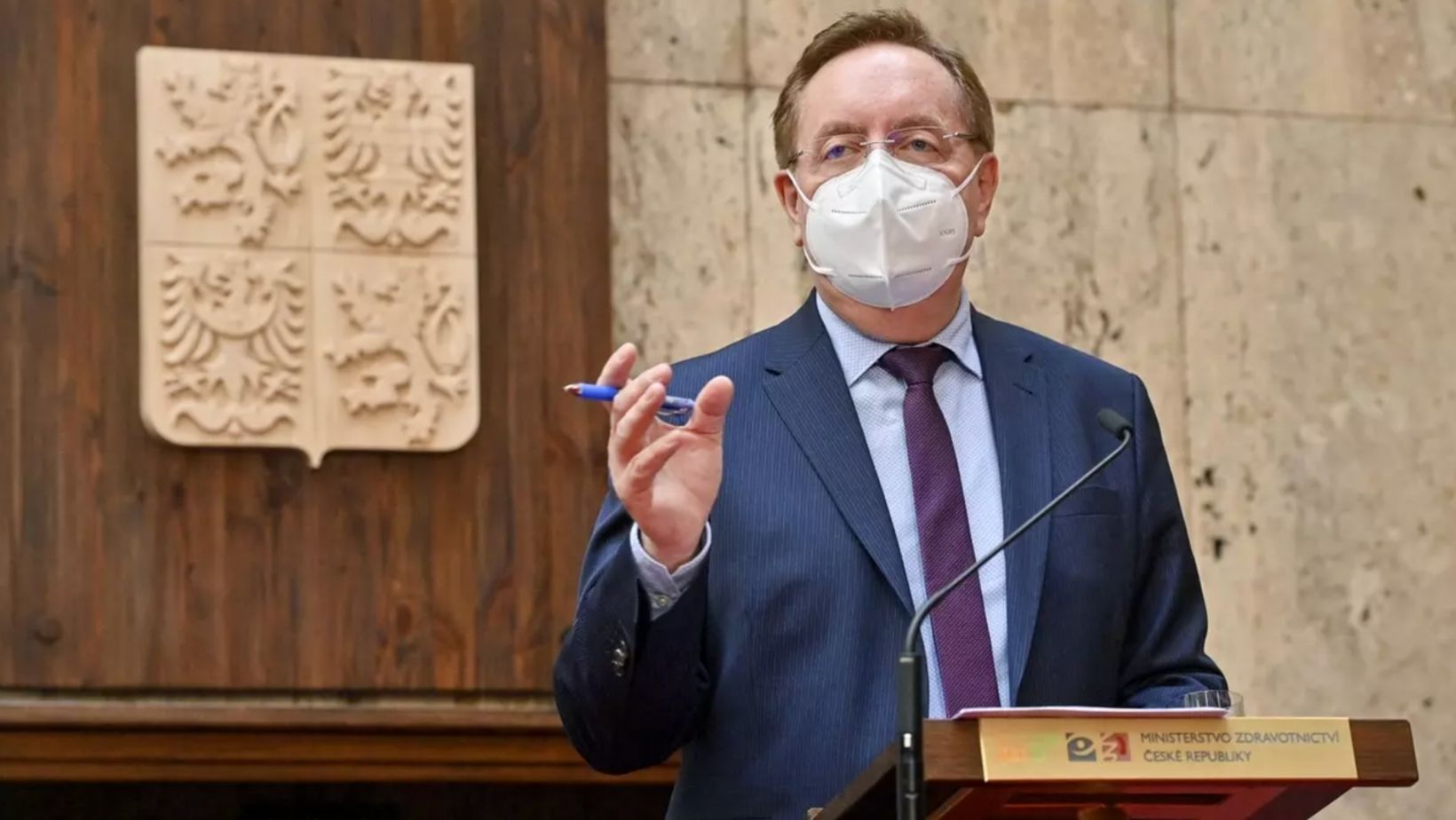
Czech Health Minister Petr Arenberger is taking heat for dismissing an interdisciplinary group of experts who had been advising him on the coronavirus crisis. Arenberger — the country’s fourth health minister since the start of the pandemic — dismissed the group on Tuesday without warning or explanation. Deputy Health Minister Martina Vašáková later told journalists that he made the decision because the public health situation is improving, and said the ministry would deal with the pandemic without outside experts from now on. But the move immediately prompted a backlash, with many pointing out it came a day after the group’s head, Petr Smejkal, had blasted the government for mismanaging the crisis. Smejkal, the chief epidemiologist at the Institute of Clinical and Experimental Medicine, told Czech Television on Wednesday that he believed the October general elections probably played a role in the panel getting the boot. “We are probably uncomfortable to [the government],” he said. “We’ve done all the necessary work, and since there’s probably nothing serious ahead of us now, why should they continue to have us?” Roman Prymula, one of Arenberger’s predecessors, told Czech Television the move was “a mistake” given that the upcoming summer holidays and increased travel meant...
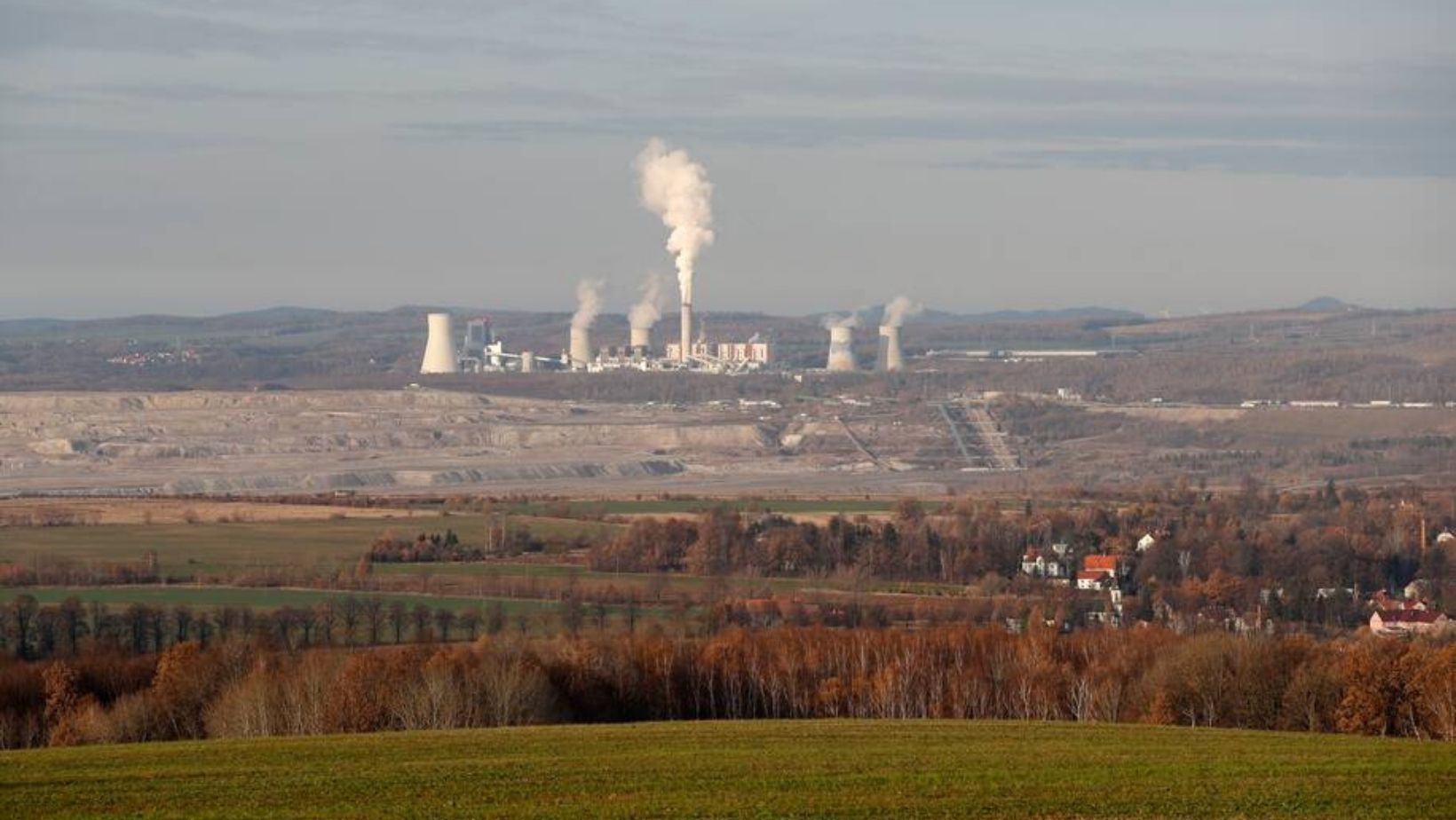
The European Union´s top court on Friday ordered Poland to immediately stop mining brown coal at the Turow mine, on the border with the Czech Republic and Germany. The Czech Republic filed in March for an injunction, saying the open-cast lignite mine in Poland drains ground water away from inhabited areas and has other negative effects on Czech residents. The decision by the EU´s Court of Justice is a temporary measure pending the court´s final judgement on Prague’s complaint. Poland is heavily reliant on coal and had argued against the decision, which was praised by environmental campaigners. “This ruling is a welcome reprieve for people living on the front line of this crisis, who have been forced to live with the mine gulping their drinking water and undercutting their houses,” said Kathrin Gutmann, campaign director for the Europe Beyond Coal group. “The message for polluters like PGE is clear: The rules are the same for everyone, and they are there to protect everyone.” In January, the German city of Zittau, just across the border from Turow, also took Poland to the EU’s court, saying the mine was harming the city and was draining away groundwaters. Poland´s state PGE energy group,...
According to data from the Czech Statistical Office, the price of beer cans in local shops rose by 8.5 percent year-on-year in April. In restaurants that kept the window open during the lockdown, beer became even more expensive.”Our findings show that during the covid year, i.e. from February 2020 to February 2021, the prices of the most commonly sold beers in the Czech restaurants rose by 12 percent. This is more than in the previous two years combined,” says Petr Menclík, the director of the Dotykačka payment system, which is used by about a quarter of gastronomic companies in the Czech Republic. A light draft beer costs an average of CZK 31.1 in April this year, and a pint of lager cost CZK 39.2, according to statistics. The dynamic increase in prices indicates that beer will become more expensive even after the loosening of covid restrictions. “We have not increased the prices and we are not even thinking about it, for food or beer, at least until the autumn. Then it will depend on the pricing policy of the breweries,” says Karel Doubek, the director of Adria – Neptun, which owns the U Pinkasů restaurant. “It is also important how...
A whole raft of changes could be coming to the Czech Republic, including allowing children to officially change their sex. These are some of the proposed changes presented in the “Government Strategy for Equality and Removing Barriers to a Dignified Life of LGBTI+ People in the Czech Republic 2021-2026” under the leadership of the Government’s Commissioner for Human Rights Helena Válková. The strategy is currently under comment procedure, however, criticism is already rising against these progressivist steps, mainly from the right and center parties. According to them, some proposals are unconstitutional and even inhumane. For example, the proposal states that currently, only adults over the age of 18 can undergo official gender reassignment surgery. According to the document, the situation is very complicated for teenagers who desire to act in school based on how they identify themselves. “This situation then causes them severe psychological problems, which often lead to suicides. Thus, official gender reassignment surgery should also be possible for adolescents after puberty,” says the progressive strategy. However, politicians who do not agree with the changes stand up to the draft strategy. “Unfortunately, this only shows how terribly radical the positions of the entire department of the Government Commissioner for...
According to the Minister of Industry and Trade Karel Havlíček (ANO), pubs and restaurants could re-open for indoor service during the first half of June at up to 50 percent of their original capacity. Monday has brought a further easing of Covid measures. In restaurants, guests must carry proof of a negative test, vaccination, or a maximum of 90 days since infection with the virus. In addition, staff must ensure at least 1.5 meters between tables and a maximum of four people at each table, unless they are members of the same household. In the event of an inspection, guests will be asked to produce certificates of vaccination, negative Covid tests or proof of post-Covid immunity, but restaurant owners themselves will not be responsible for checking them. Moreover, the ban on restaurants providing internet access in their gardens will be lifted, and the same applies to large shopping centers, where it has been in force for several months. As of May 17, outdoor cultural events will be allowed with up to 700 people. Indoor events should be allowed from next week. “The numbers are favorable, therefore from May 24 it will be possible to organize events for 1,000 people outdoors...
Some buildings in Prague, Brno, Olomouc, Zlín, Děčín, Ústí nad Labem, Chrudim and Pilsen will light up red at 20:00 today to commemorate the victims of AIDS. According to the representatives of the Czech AIDS Society, the Light for AIDS event is also intended to draw attention to the problem of stigmatizing HIV-positive people and the growing number of HIV cases. “In the last year, the world has paid attention to the fight against COVID-19 while other serious diseases, including HIV, have been somewhat forgotten. People were less likely to seek preventive medical care and the number of HIV tests decreased. Unfortunately, HIV itself will not disappear and remains a major problem for society,” said Jiří Pavlát, director of the House of Light of the Czech AIDS Society. A total of 251 new HIV infections were registered in the Czech Republic last year, 29 cases more than in 2019. Forty-four people developed AIDS and 18 patients died of it, the State Health Institute told a press conference. At the end of March, there were 3,892 HIV-positive people living in the country, ie 248 more than on March 31 last year. Since October 1985, when records began, a total of 3,841...
Next week, the ministry will set the conditions for vaccinating foreigners; innoculation may also be made accessible to self-payers. Next week, the Ministry of Health will set the conditions and enable vaccination for foreigners in the Czech Republic against Covid-19. It could also be possible for self-payers, Minister of Health Petr Arenberger (for ANO) told deputies. “Members of the diplomatic corps are vaccinated in the same way. They only pay for the application and have the vaccine for free,” the minister said. Self-payers will also pay for the vaccine. “The vaccination centers that are selected will pay the vaccine back to the state,” the minister added. The minister has not yet said when foreigners could be vaccinated. Ministry of Health spokeswoman, Jana Schillerová, said that the office is preparing the possibility of registering foreigners who do not have public health insurance in the Czech Republic or other EU countries in the Central Registration System. “This will be mainly Czech citizens who do not have public health insurance, foreigners from the EU, and foreigners from other countries who have a long-term residence in the Czech Republic,” she mentioned. Foreigners with public health insurance from EU countries, the European Economic Area, Switzerland,...
A Czech town has launched a scheme whereby residents are being given money to spend in shops and cafes badly hit by COVID-19 lockdowns, in the form of digital vouchers being marketed as a special local currency. Up to 2,000 residents of Kyjov are each being given CZK 400 worth of “corrents”, a name blending the words for “coronavirus” and “currency”, to spend at 40 businesses including shoe shops, a pharmacy, and a burger joint. When they make a purchase under the scheme, participants pay for half of it with corrents and the other half with their own money. “It is good to support people to come and buy a nice burger and support us as well,” said Verka Vaskova, who works at a fast-food outlet near Kyjov’s main square. The Kyjov scheme is being funded to the tune of CZK 800,000 by a private individual who does not wish to be named, and administered by Pepe Rafaj, who came up with the idea. Rafaj refers to the corrents as “drone money”, as a way of comparing it to the much-discussed concept of “helicopter money”, the idea that central banks could transfer cash directly to citizens as a form of...
According to the so-called “Nanny State Index” of 2021, residents of the Czech Republic face one of the fewest restrictions when it comes to eating, drinking and smoking, compared with other EU countries. The think tank deems this worthy of praise, but health experts have their concerns. The 2021 Nanny State Index Since March 2016, the Nanny State Index has been ranking the European Union’s 28 member states according to how easy they make it to eat, drink, smoke and vape. The ranking considers the extent to which the government in any given country attempts to deter consumption of legal products, for instance by restricting trading hours and advertisements, levying taxes, or imposing outright bans. From the point of view of the authors of the study, these kinds of paternalistic policies are not an expression of state welfare but questionable and counterproductive measures that negatively impact the quality of life. There is little evidence, they argue, that countries that impose such restrictive policies enjoy greater health or longevity. There is, for example, no correlation between greater tobacco control and lower smoking rates. Perhaps surprisingly for a country generally regarded as overly-fond of rules and restrictions, Germany came out on top in the...
Don’t have an account? Register
Already have an account? Log In
How Would You Like to Promote Your Business? PR ArticleDisplay bannersVideo productionNewsletter adsJob ListingsInfluencer Marketing
Your Email
We will come back to you within 24 hours with our proporsal